How to Launch Your Own Bridging DApp
 by
by 
How to Launch Your Own Bridging DApp | Step-by-Step Guide
The Interoperability Imperative
The blockchain ecosystem, while rapidly expanding, faces a significant challenge: fragmentation. Thousands of distinct blockchains, each with its own consensus mechanism, token standards, and developer communities, exist in isolated silos. This creates a disjointed user experience, limits capital efficiency, and stifles innovation that could otherwise flourish through seamless cross-chain interaction. Imagine a world where every website required a different internet connection, or every bank operated in complete isolation – that’s the current state of the multi-chain universe without robust interoperability solutions.
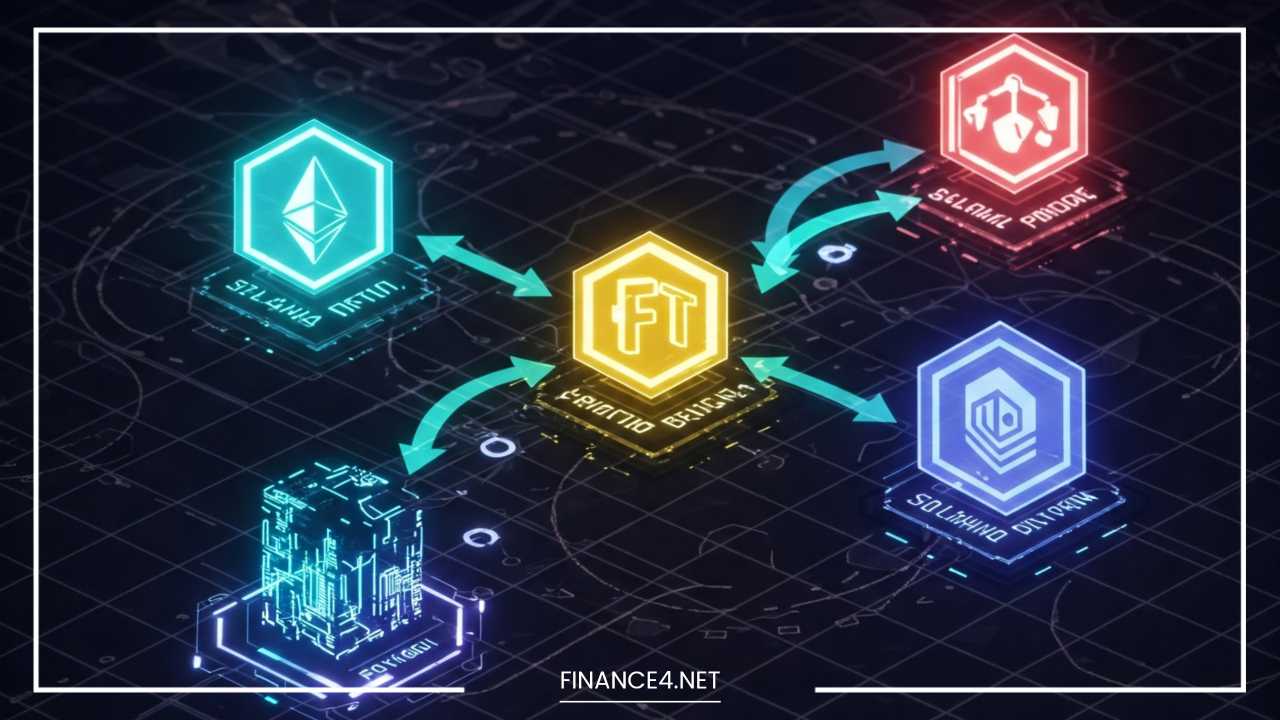
This is where bridging DApps (Decentralized Applications) step in. A blockchain bridge is essentially a connection that allows assets, data, or even arbitrary messages to be transferred between two disparate blockchain networks. It acts as a digital conduit, enabling liquidity to flow freely, DApps to leverage functionalities across different chains, and users to access a wider array of services without being confined to a single ecosystem.
Why would one embark on the complex journey of building a bridging DApp? The market need is undeniable. As the number of Layer 1s and Layer 2s explodes, so does the demand for seamless transitions between them. Use cases are manifold: enabling users to move tokens from a high-fee network like Ethereum to a low-fee network like Polygon for DeFi activities; facilitating the transfer of NFTs across marketplaces; allowing dApps to aggregate liquidity or data from multiple chains; and even enabling cross-chain governance. Launching a bridging DApp positions you at the nexus of this interconnected future, offering a critical utility in an increasingly multi-chain world.
However, the path is fraught with challenges. Security is paramount, as bridges are high-value targets for exploits. Technical complexity, varying chain architectures, and the need for robust off-chain infrastructure demand meticulous planning and execution. Yet, for those who navigate these complexities successfully, the opportunities for innovation, value creation, and shaping the future of decentralized finance and Web3 are immense.
Understanding Blockchain Bridges: The Core Mechanics
Before delving into the how, it’s crucial to grasp the fundamental mechanics of blockchain bridges. While their implementations vary widely, most bridges operate on similar principles to facilitate cross-chain transfers.
Types of Bridges:
- Centralized vs. Decentralized:
- Centralized Bridges: Rely on a trusted third party (or a small set of parties) to custody assets and facilitate transfers. While simple to implement, they introduce a single point of failure and require users to trust the custodian, contradicting the ethos of decentralization.
- DeFiCentralized Bridges: These are the focus of our article. They aim to minimize trust assumptions through cryptographic proofs, a network of validators, or a combination of mechanisms. They are more secure and resilient but inherently more complex to build.
- Lock-and-Mint vs. Burn-and-Mint:
- Lock-and-Mint (or Lock-and-Unlock): The most common type for fungible tokens. When a user wants to bridge tokens from Chain A to Chain B, their tokens are “locked” in a smart contract on Chain A. Simultaneously, an equivalent amount of “wrapped” tokens are “minted” on Chain B. To bridge back, the wrapped tokens are “burned” on Chain B, and the original tokens are “unlocked” on Chain A. This mechanism maintains a 1:1 peg of the wrapped token to the original.
- Burn-and-Mint: Primarily used for non-fungible tokens (NFTs) or sometimes for native tokens where the source chain’s supply needs to be reduced. The asset is “burned” on the source chain and then “minted” on the destination chain. This implies the asset’s existence is truly transferred, not just mirrored.
- Relayers, Oracles, and Validators:
- Relayers: Off-chain entities responsible for monitoring events on one blockchain and relaying signed messages or transactions to another blockchain. They are crucial for transmitting information across chains.
- Oracles: In some bridge designs, oracles might be used to provide external data (e.g., price feeds for dynamic fees, or verification of events off-chain) to smart contracts.
- Validators/Guardians/Signers: A network of independent entities that verify the authenticity of cross-chain messages or transactions. They typically sign off on requests after verifying the source chain’s events, ensuring the integrity of the bridging process. Their consensus (e.g., a multi-sig threshold) is required for transfers to execute.
Key Components of a Bridging DApp:
A typical decentralized bridging DApp involves several interconnected components:
- Smart Contracts on Source Chain: These contracts handle the locking of assets, emission of events when assets are locked, and verification of messages originating from the destination chain for unlocking.
- Smart Contracts on Destination Chain: These contracts manage the minting of wrapped assets, processing of relayed messages from the source chain, and burning of wrapped assets for bridging back.
- Off-Chain Infrastructure: This is the “glue” that connects the smart contracts. It includes:
- Relayer Network: Nodes that listen for events on the source chain, package the necessary data, and submit transactions to the destination chain. They might require incentives (e.g., gas fees) to operate.
- Monitoring Systems: To track the status of transfers, identify potential issues, and ensure the health of the bridge.
- API/Backend Services: For interaction with the frontend, managing transaction queues, and possibly off-chain data storage.
- User Interface (UI): A user-friendly web application that allows users to initiate transfers, track their progress, and interact with their wallets.
Security Considerations:
The history of blockchain bridges is unfortunately riddled with high-profile hacks. Security must be the absolute top priority. Key vulnerabilities to guard against include:
- Smart Contract Bugs: Re-entrancy attacks, integer overflows, logic errors in locking/minting mechanisms.
- Oracle Manipulation: If external data feeds are used, ensuring their integrity is critical.
- Economic Attacks: Malicious validators colluding, or the cost of attacking the bridge being less than the potential gain.
- Relayer Vulnerabilities: If relayers are not properly secured or incentivized, they could fail or be exploited.
- Censorship: A bridge should ideally resist censorship by a single entity or small group.
Pre-Launch Checklist: Laying the Foundation
Launching a bridging DApp is akin to building a critical piece of internet infrastructure. Before writing a single line of code, a comprehensive strategic plan is essential.
Define Your Niche & Target Chains:
- Which chains will you connect? This is the foundational decision. Will you focus on EVM-compatible chains (Ethereum, Polygon, BNB Chain, Avalanche, Arbitrum, Optimism)? Or will you venture into non-EVM chains like Solana, Polkadot (via Substrate), Cosmos (via IBC), or Tron? Each chain has its own nuances, tooling, and developer community. Consider the liquidity, user base, and specific needs of your target chains.
- What assets will you bridge? Will it be only fungible tokens (ERC-20, native tokens)? Or will you support NFTs (ERC-721, ERC-1155)? Perhaps even arbitrary data or smart contract calls? Narrowing your scope initially can reduce complexity.
- What problem does your bridge solve? Are you addressing high gas fees, slow transaction times, fragmented liquidity, or enabling new cross-chain DApp functionalities? A clear value proposition will guide your development and marketing. For instance, a bridge specifically for gaming assets might differ significantly from one for stablecoins.
Choose Your Architecture:
This is a critical architectural decision.
- Roll Your Own: Building a bridge entirely from scratch offers maximum control and customization. However, it requires immense expertise in cryptography, distributed systems, and blockchain security. This is often undertaken by well-funded teams with deep R&D capabilities.
- Leveraging Existing Frameworks/Protocols: Many projects build on top of or integrate with established interoperability solutions. Examples include:
- IBC (Inter-Blockchain Communication Protocol): The standard for Cosmos-SDK based chains, offering robust, trust-minimized interoperability.
- Polygon PoS Bridge/zkEVM Bridge: Specific to the Polygon ecosystem, offering efficient bridging.
- Generic Messaging Protocols (e.g., LayerZero, Wormhole): These provide a foundational layer for arbitrary cross-chain message passing, allowing you to build your DApp logic on top without reinventing the wheel for security and relaying.
- Custom Implementations: You might adapt a proven bridge design (e.g., a simple multi-sig relayer network) and tailor it to your specific needs.
Your choice here heavily influences development time, security posture, and ongoing maintenance. For most teams, leveraging or adapting existing battle-tested solutions is a more pragmatic approach.
- Consensus Mechanism for Relayers/Validators: If you’re building a decentralized bridge, how will the off-chain network of relayers/validators agree on valid transfers?
- Proof-of-Authority (PoA): A small, pre-selected group of trusted entities. Simple but less decentralized.
- Proof-of-Stake (PoS): Validators stake tokens, and their honesty is incentivized. More decentralized but requires robust tokenomics and slashing mechanisms.
- Multi-Signature (Multi-Sig): A threshold of signatures from designated parties is required. A common and relatively simple approach for smaller bridges.
- Threshold Cryptography/MPC: More advanced methods for distributed key generation and signing, enhancing security and decentralization.
Team Assembly:
A successful bridging DApp requires a multi-disciplinary team:
- Smart Contract Developers: Proficient in Solidity, Rust, or other relevant blockchain languages, with a deep understanding of security best practices, gas optimization, and upgradeability patterns.
- Frontend Developers: Expertise in React, Vue, Angular, and strong experience with Web3.js/Ethers.js for wallet integration and intuitive UI/UX.
- Backend Developers: For off-chain infrastructure, API development, and potentially database management (Node.js, Python, Go, Rust).
- Security Auditors: Crucial for identifying vulnerabilities. While external audits are necessary, having an internal security expert is highly recommended.
- DevOps/Infra Engineers: For deploying and managing off-chain nodes, monitoring, and scaling.
- Technical Writers/Community Managers: For creating clear documentation, tutorials, and fostering community engagement.
Legal & Regulatory Considerations:
This aspect is often overlooked but can be critical.
- Jurisdiction: Where is your team based? What laws apply to blockchain projects in that region?
- Compliance: Are there KYC/AML requirements for your bridge, particularly if it handles large volumes or interacts with fiat on/off-ramps?
- Licensing: Do you need specific licenses for operating a financial service or money transmission in your target markets?
- Tokenomics (if applicable): If you plan a native token, understand the securities laws in relevant jurisdictions.
Consulting with legal counsel experienced in blockchain is highly advisable at this stage.
Development Phase: Building the Bridge
With a solid plan in place, the actual development begins. This phase is iterative and requires meticulous attention to detail, especially concerning security.
Smart Contract Development:
This is the heart of your bridging DApp.
- Language Choice: Solidity for EVM chains, Rust for Solana/Polkadot, etc.
- Core Logic: Implement the
lock()/unlock()functions on the source chain andmint()/burn()functions on the destination chain. - Cross-Chain Communication: Design robust mechanisms for relayers to submit proofs of events from one chain to another. This might involve Merkle proofs of events, cryptographic signatures, or a combination.
- Gas Optimization: Blockchain transactions are expensive. Write efficient code to minimize gas costs for users and relayers.
- Upgradeability Patterns: Use proxy contracts (e.g., UUPS, Transparent Proxy) to allow for future upgrades and bug fixes without deploying entirely new contracts and migrating assets. This is crucial for long-term maintenance.
- Event Emission: Ensure critical actions (lock, mint, burn) emit clear and parseable events that off-chain relayers can monitor.
Off-Chain Infrastructure:
The reliability of your bridge heavily depends on robust off-chain components.
- Relayer Node Development:
- Write code (e.g., Node.js, Python, Go) that listens to specific events on the source chain smart contracts.
- Upon detecting an event, gather relevant data (e.g., transaction hash, user address, amount, destination chain).
- Construct a valid transaction for the destination chain, including any necessary cryptographic proofs or signatures from validators.
- Submit the transaction to the destination chain.
- Implement retry mechanisms, error handling, and transaction nonce management.
- Consider decentralizing the relayer network – either by allowing anyone to run a relayer (with incentives) or by having a set of permissioned, decentralized relayers.
- Oracle Integration (if applicable): If your bridge requires external data (e.g., price feeds for dynamic fees, or off-chain data verification), integrate with decentralized oracle networks like Chainlink.
- Database: A robust database (e.g., PostgreSQL, MongoDB) to store transaction states, monitor progress, and provide a historical log for users and support.
- API Development: Create a RESTful API for your frontend to interact with, fetching transaction statuses, supported tokens, and initiating transfers.
Frontend Development:
The user interface is the gateway to your bridge. A clunky or confusing UI will deter users.
- Frameworks: React, Vue.js, or Angular are popular choices for single-page applications.
- Web3.js/Ethers.js Integration: Essential libraries for interacting with Ethereum-compatible blockchains, connecting to user wallets (MetaMask, WalletConnect), and sending signed transactions.
- Wallet Connection: Implement multiple wallet connection options to maximize accessibility.
- Intuitive UI/UX:
- Clear steps for initiating a transfer (select source/destination chain, select token, enter amount).
- Real-time feedback on transaction status.
- Estimated gas fees and transfer times.
- Comprehensive error handling and user-friendly messages.
- A clear transaction history for users.
- Responsive Design: Ensure the DApp works seamlessly on desktop and mobile devices.
Testing & Auditing:
This cannot be stressed enough: security is paramount for bridges.
- Unit Tests: Test individual smart contract functions and off-chain components in isolation.
- Integration Tests: Test the interaction between smart contracts on different chains and the off-chain relayers.
- End-to-End Tests: Simulate full user journeys, from initiating a transfer on the frontend to seeing it confirmed on the destination chain.
- Fuzz Testing: Randomly generate inputs to smart contracts to uncover unexpected vulnerabilities.
- Professional Security Audits: This is non-negotiable. Engage reputable blockchain security firms to conduct thorough audits of your smart contracts and off-chain infrastructure. Multiple audits are often recommended, especially for high-value bridges. Implement all recommended fixes before launch.
- Bug Bounty Programs: After audits, consider launching a public bug bounty program to incentivize white-hat hackers to find vulnerabilities before malicious actors. Offer significant rewards for critical findings.
Deployment & Post-Launch Operations
The development is complete, and the code is audited. Now comes the exciting, yet critical, phase of deployment and ongoing management.
Deployment Strategy:
- Testnet Deployments First: Thoroughly deploy and test your full DApp on relevant testnets (e.g., Sepolia, Amoy, Mumbai, Fuji) to ensure everything works as expected in a live, albeit non-financial, environment.
- Mainnet Deployment (Staged Rollout):
- Consider a phased mainnet launch, perhaps with initial limits on transfer amounts or supported assets.
- Deploy smart contracts using a multi-signature wallet for ownership, requiring multiple team members to approve critical changes or upgrades. This mitigates single points of failure.
- Monitoring Tools: Implement robust monitoring for all components:
- Blockchain Explorers: Monitor contract events, transaction volumes, and gas usage.
- Off-Chain Infra Monitoring: Use tools like Grafana and Prometheus to track relayer node health, API performance, database activity, and error rates.
- Alerting Systems: Set up alerts for unusual activity, failed transactions, or performance degradation.
Liquidity Management (for lock-and-mint bridges):
If your bridge uses a lock-and-mint mechanism, managing liquidity on both sides is crucial to ensure seamless transfers.
- Initial Liquidity Provision: Provide sufficient wrapped tokens on the destination chain to handle initial transfer demands.
- Incentivizing Liquidity Providers: If you decentralize liquidity provision, implement incentives (e.g., yield farming, fee sharing) to attract users to provide liquidity on the destination chain.
- Rebalancing Strategies: Develop automated or manual processes to rebalance liquidity across chains as transfer patterns shift. This might involve sending native tokens back to the source chain or strategically burning/minting.
Community Building & Marketing:
A great product needs a great community.
- Comprehensive Documentation: Provide clear, easy-to-understand tutorials, FAQs, and API documentation for developers and users.
- Social Media Presence: Engage with your community on platforms like X (Twitter), Telegram, Discord, and Reddit.
- Partnerships: Collaborate with DApps, protocols, and exchanges on the chains you support to drive adoption and awareness.
- User Support Channels: Offer responsive support through Discord, Telegram, or ticketing systems to address user issues and questions.
Maintenance & Upgrades:
A DApp is never truly “finished.”
- Ongoing Monitoring: Continuously monitor the bridge for performance, security, and potential issues.
- Bug Fixes & Feature Additions: Be prepared to release regular updates to address bugs, improve performance, and add new features (e.g., support for new tokens, chains).
- Responding to Security Threats: Have an incident response plan in place in case of a security breach. This includes communication strategies, pausing transfers, and implementing emergency fixes.
- Governance Mechanisms (if decentralized): If your bridge is truly decentralized, implement a clear governance process (e.g., through a DAO) for upgrades, parameter changes, and community proposals.
Monetization Strategies (Optional, but common)
While building public goods, many bridging DApps aim for sustainability.
- Transaction Fees: Charge a small fee on each transfer. This can be a fixed amount, a percentage of the transferred value, or a dynamic fee based on network congestion.
- Tokenomics: Launch a native token for your bridge:
- Governance: Token holders can vote on protocol upgrades, fee structures, and supported assets.
- Staking: Users can stake tokens to secure the bridge (if using a PoS relayer network) and earn rewards.
- Fee Reduction: Holders might receive discounts on bridging fees.
- Value Accrual: A portion of bridging fees could be used to buy back and burn the native token, increasing its scarcity.
Challenges & Future Trends
The bridging landscape is dynamic and rapidly evolving.
- Scalability of Bridges: As inter-chain traffic grows, bridges must scale to handle increasing transaction volumes efficiently and cost-effectively.
- Increased Regulatory Scrutiny: Governments worldwide are increasingly looking at regulating crypto, and bridges, as critical infrastructure, are likely to face more oversight regarding KYC/AML, licensing, and sanctions compliance.
- Emergence of “Intent-Based” or “Agnostic” Bridges: Newer paradigms focus on generalized message passing, allowing DApps to build custom cross-chain logic without directly dealing with asset locking/minting. This shifts the complexity from the bridge to the DApp developer.
- Cross-Chain Messaging Standards: The development of universal standards for cross-chain communication could simplify development and enhance interoperability.
- Enhanced Security Models: The future will likely see more sophisticated security measures, including the application of zero-knowledge proofs for bridge security (e.g., ZK-proofs to verify events on the source chain without revealing sensitive data) and more robust decentralized validator networks.
Final Thoughts: Bridging Towards a Multi-Chain Future
Launching a bridging DApp is a monumental undertaking, demanding deep technical expertise, a rigorous focus on security, and a keen understanding of the evolving blockchain landscape. It involves a sophisticated interplay of smart contracts, off-chain infrastructure, and a user-centric interface, all underpinned by robust testing and ongoing maintenance.
Yet, the payoff is substantial. By providing the crucial infrastructure for assets and data to flow freely across disparate blockchain networks, you are not just building a DApp; you are contributing a vital piece to the mosaic of a truly interconnected, multi-chain future. Bridges are the arteries of the decentralized web, enabling capital efficiency, unlocking new functionalities, and fostering a richer, more accessible blockchain experience for everyone. For those with the vision and tenacity to navigate the complexities, the opportunity to bridge the gaps and shape this future is an exciting and impactful endeavor.