Beginner’s Guide to Cross-Chain Bridging
 by
by 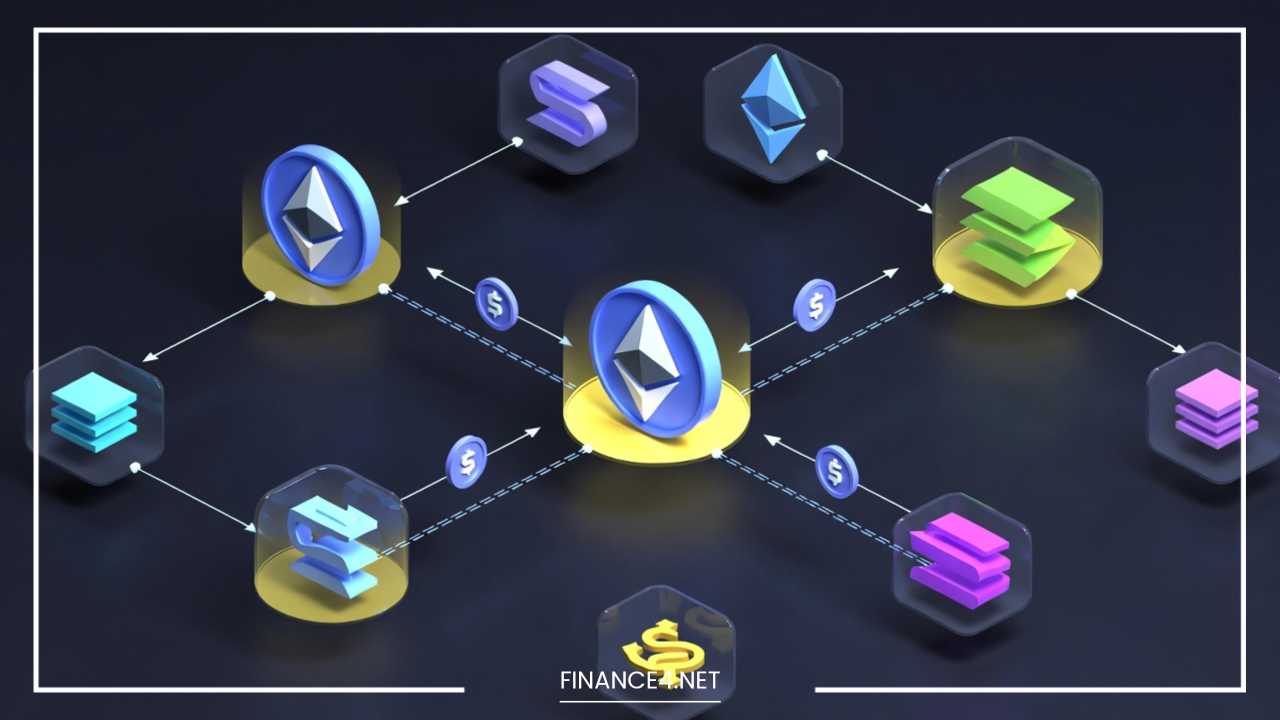
Beginner’s Guide to Cross-Chain Bridging in Crypto
The world of cryptocurrency was once a collection of isolated islands. In the early days, if you held Bitcoin, you lived in the Bitcoin ecosystem. If you wanted to explore the burgeoning world of Decentralized Finance (DeFi) on Ethereum, you had to sell your Bitcoin for cash or ETH on a centralized exchange and start over. As the industry matured, this “siloed” nature became the primary bottleneck for innovation and user experience. Today, we live in a multi-chain reality where dozens of high-performance blockchains like Solana, BNB Chain, Avalanche, and various Layer 2 scaling solutions like Arbitrum and Optimism coexist.
However, this diversity created a significant fragmentation problem. Each blockchain is a distinct ledger with its own rules, programming languages, and consensus mechanisms. By design, they do not “talk” to one another. This means your assets, your data, and your liquidity are often stuck on a single chain. If a revolutionary new lending protocol launches on Polygon but your funds are on Ethereum Mainnet, you face a barrier to entry.
This is where cross-chain bridging comes in. Bridging is the infrastructure that connects these isolated islands, allowing for the free flow of value and information across the entire crypto map. It turns a fragmented landscape into a cohesive internet of blockchains. In this guide, we will break down exactly how these bridges work, why they are essential, the risks involved, and how you can safely navigate them as a beginner.
What Is Cross-Chain Bridging?
At its simplest level, a cross-chain bridge is a tool that allows you to move digital assets and data from one blockchain to another. Because blockchains are closed systems, you aren’t actually “sending” a token through a pipe from Chain A to Chain B. Instead, a bridge facilitates a coordinated set of actions on both chains to ensure that your value is represented accurately on the destination.
To understand this, it is helpful to distinguish between three commonly used terms:
-
Cross-Chain Bridging: Specifically refers to the act of moving an asset (like a stablecoin or ETH) from one chain to another so it can be used in the destination ecosystem.
-
Cross-Chain Messaging: A broader concept where smart contracts on different chains can communicate. For example, a DAO on Ethereum could vote to change a parameter in a protocol hosted on Solana.
-
Interoperability: The general state of blockchains being able to work together seamlessly.
The Real-World Analogy
Think of blockchains as different countries with their own currencies. If you travel from the United States to the United Kingdom, you cannot spend US Dollars at a local London shop. You need a mechanism to exchange your value.
A cross-chain bridge acts like a specialized border crossing or a global banking system. You “deposit” your USD at the border (locking it), and in return, you are issued an equivalent amount of GBP to spend in the new country. When you leave, you return the GBP to get your USD back. The bridge ensures that the total amount of money in circulation across both “countries” remains consistent.
For a crypto user, a bridge is necessary whenever you want to take advantage of the specific features of another chain—such as lower fees, faster transaction speeds, or a specific decentralized application (dApp) that isn’t available on your current network.
Why Cross-Chain Bridging Is Important in Crypto
The importance of bridging cannot be overstated; it is the “glue” of the modern crypto economy. Without bridges, the industry would likely remain dominated by a few massive chains, stifling competition and pricing out smaller users due to high network fees.
1. Liquidity Movement and Efficiency
Liquidity refers to how easily an asset can be bought or sold without affecting its price. In a fragmented market, liquidity is spread thin across many chains. Bridges allow “vampire” liquidity to move where it is most needed or where it can earn the highest yield. This makes markets more efficient and ensures that users can trade with minimal “slippage” (the difference between the expected price and the executed price).
2. Access to Lower Fees and Higher Speeds
Ethereum is the most secure and decentralized smart contract platform, but during times of high demand, a single transaction can cost $50 or more. By using a bridge, a beginner can move their funds to a Layer 2 network like Arbitrum or a sidechain like Polygon, where the same transaction might cost only a few cents. Bridges democratize access to DeFi by making it affordable for everyone, not just “whales.”
3. Ecosystem Diversification
Each blockchain has its own “culture” and specialized dApps. Solana is known for high-speed gaming and NFTs; Avalanche is a hub for institutional subnets; BNB Chain offers a massive suite of retail-friendly DeFi tools. Bridging allows a user to keep their primary savings in a highly secure environment while moving small “working capital” to experimental chains to try new products.
4. Multi-Chain dApps
Developers are increasingly building “chain-agnostic” applications. Instead of forcing a user to come to them, the app lives on every chain simultaneously. Bridges allow these apps to synchronize state and liquidity, providing a unified experience for the end user.
How Cross-Chain Bridges Work (Beginner-Friendly)
While the math behind bridges is complex, the logic usually follows one of a few common models. As a beginner, understanding these models helps you grasp what is happening to your money when you click “confirm.”
1. Lock-and-Mint Model
This is the most common bridge mechanism.
-
Step 1: You send your “Native Asset” (e.g., 1 ETH) to a specific smart contract on Chain A (the source). The bridge locks that ETH in a vault.
-
Step 2: The bridge sends a message to Chain B (the destination).
-
Step 3: A “Wrapped” version of your asset (e.g., 1 wETH) is minted on Chain B and sent to your wallet.
Your value is now usable on Chain B, but it is effectively a “claim check” for the real ETH locked on Chain A.
2. Burn-and-Release Model
This is used when you want to go back to the original chain.
-
Step 1: You send your “Wrapped” assets back to the bridge on Chain B.
-
Step 2: The bridge burns (destroys) those wrapped tokens.
-
Step 3: The bridge unlocks the original “Native Asset” from the vault on Chain A and releases it to your wallet.
3. Liquidity Pool-Based Bridges
Some bridges don’t use “wrapping.” Instead, they maintain massive pools of assets on both sides of the bridge. When you want to bridge USDC from Ethereum to Solana, you give your Ethereum-USDC to the bridge’s pool on Ethereum, and the bridge gives you Solana-USDC from its pool on Solana. This is often faster because it doesn’t require minting new tokens, but it depends on the bridge having enough “inventory” on the destination side.
4. Validators, Relayers, and Oracles
Who decides that you actually deposited the money? Bridges rely on “watchers.”
-
Validators: A group of computers that monitor the source chain to confirm a deposit happened.
-
Relayers: The actors who carry the message from one chain to the other.
-
Oracles: Data feeds that confirm the state of the blockchain.
The security of a bridge often depends on how many people are in this group and whether they can be trusted not to lie.
Types of Cross-Chain Bridges
Not all bridges are created equal. They are generally categorized by their “trust model”—that is, who you have to trust to keep your money safe.
1. Trusted (Centralized) Bridges
These are bridges managed by a single entity or a small, private group.
-
How they work: You give your money to a company (like a centralized exchange or a specific project team), and they manually or via a private script credit you on the other side.
-
Pros: Very fast, often have great customer support, and easy to use.
-
Cons: You are at the mercy of the company. If they go bankrupt, get hacked, or decide to freeze your funds, you have no recourse.
-
Example: Using Binance or Coinbase to “withdraw” funds to a different network.
2. Trust-Minimized Bridges
These rely on a combination of smart contracts and a decentralized set of validators.
-
How they work: Instead of one company, a group of 20 or 100 independent parties must agree that a transaction is valid before it moves.
-
Pros: Much harder to corrupt than a single company; usually faster than fully “trustless” options.
-
Cons: If a majority of the validators collude or are compromised by a single bug, the bridge can be drained.
-
Example: The Ronin Bridge (prior to its famous hack) or many early DeFi bridges.
3. Trustless / Native Bridges
These are the gold standard for security. They use “light clients” or mathematical proofs (like Zero-Knowledge proofs) to allow the destination chain to verify the transaction itself without needing a middleman.
-
How they work: The code itself proves the transaction happened. No human or third-party validator is required to “approve” it.
-
Pros: Highest level of security. Your funds are as safe as the underlying blockchains themselves.
-
Cons: Highly complex to build; often slower and more expensive in terms of gas fees.
-
Example: The Rainbow Bridge (Near to Ethereum) or the Cosmos IBC (Inter-Blockchain Communication).
Popular Cross-Chain Bridges in Crypto
If you are looking to bridge today, you will likely encounter these names. Each has its own strengths and trade-offs.
-
Wormhole: A massive interoperability protocol that supports a wide range of chains, including Solana, Ethereum, and various Layer 2s. It is widely used by developers to build cross-chain apps.
-
LayerZero: Technically a “messaging protocol,” LayerZero allows for “Omnichain” tokens that can move between chains without the traditional “wrapping” process. It is becoming a favorite for its seamless user experience.
-
Hop Protocol: Specifically designed for moving assets between Ethereum and its Layer 2s (like Arbitrum and Optimism). It is known for speed and using “market makers” to provide instant liquidity.
-
Across: A bridge that uses “intents.” Instead of waiting for a slow message, professional “fillers” give you the money on the destination chain immediately, and the bridge settles with them later. It is often the fastest and cheapest option for beginners.
-
Synapse: A cross-chain layer that supports a vast array of “EVM” (Ethereum-style) chains. It has its own decentralized exchange (DEX) built-in, making it easy to swap and bridge in one click.
-
Multichain (Historical Lesson): Formerly one of the largest bridges, it suffered a catastrophic failure when its CEO was detained and the private keys were compromised. This serves as a warning: even “decentralized” looking bridges can have hidden central points of failure.
Step-by-Step: How to Use a Cross-Chain Bridge
Bridging can feel intimidating the first time, but the process is standardized across most platforms.
Prerequisites
-
A Non-Custodial Wallet: You cannot bridge directly from a centralized exchange like Coinbase using a bridge website. You need a wallet like MetaMask, Phantom, or Rabby.
-
Native Tokens for Gas: This is the #1 mistake beginners make. To bridge from Ethereum to Polygon, you need ETH to pay the gas fee on Ethereum. Once you arrive on Polygon, you will need MATIC to do anything there. If you don’t have the destination’s “gas token,” you will be stuck.
The Process
-
Connect Wallet: Navigate to a reputable bridge (e.g., Hop.exchange or Across.to). Click “Connect Wallet” and ensure you are on the correct network.
-
Select Source and Destination: Choose where your money is (Source) and where you want it to go (Destination).
-
Choose Asset and Amount: Select the token (e.g., USDC). Pro Tip: Always start with a small “test” amount—perhaps $5 or $10—to ensure everything works before sending a large sum.
-
Review Fees and Slippage: The bridge will show you a “Bridge Fee” and the estimated “Gas Fee.” Ensure the “Amount Received” is acceptable.
-
Confirm Transactions: You will usually need to sign two transactions: one to “Approve” the bridge to spend your tokens, and one to “Send” the tokens.
-
Wait for Finality: Depending on the chains, this can take anywhere from 2 minutes to 20 minutes. Most bridges provide a progress bar or a link to a block explorer.
Common Beginner Mistakes
-
Bridging to the wrong address: Always bridge to your own wallet address.
-
Ignoring network congestion: If the source chain is busy, gas fees might be higher than the amount you are bridging.
-
Using “Fake” sites: Scammers create clones of bridge websites. Always use links from official Twitter/X accounts or trusted aggregators like LlamaNodes or DefiLlama.
Risks and Security Concerns of Cross-Chain Bridges
Bridges are high-stakes infrastructure. Because they hold billions of dollars in “locked” assets in single smart contracts, they are the most attractive targets for hackers in the entire crypto industry.
1. Smart Contract Vulnerabilities
A bridge is only as strong as its code. If there is a bug in the “Lock-and-Mint” contract, a hacker might find a way to “mint” tokens on Chain B without actually “locking” anything on Chain A. This “unbacked” printing of money can crash the value of the bridged asset.
2. Validator Compromise
In trust-minimized bridges, if a hacker gains control of the private keys of a majority of the validators, they can authorize a “withdrawal” of all the locked funds on Chain A to their own wallet. This is how the $600 million Axie Infinity (Ronin) hack occurred.
3. Liquidity Risk
In liquidity-pool bridges, there is a risk that the “destination” side runs out of funds. You might send your money, but have to wait hours or days for the bridge to rebalance its pools before you receive your tokens.
4. Phishing and Social Engineering
The biggest risk for beginners is often not the bridge itself, but a fake version of it. Scammers buy Google Ads for popular bridges that lead to “drainer” sites. Once you connect your wallet and click “Approve,” the site steals everything in your wallet.
How to Reduce Risk
-
Audit History: Check if the bridge has been audited by reputable firms (like Trail of Bits or OpenZeppelin).
-
Total Value Locked (TVL): Generally, bridges with higher TVL and longer “track records” are safer, as they have survived the test of time.
-
Use Aggregators: Tools like Bungee or Li.Fi compare multiple bridges and often highlight the safest or most efficient routes.
Cross-Chain Bridging vs. Alternatives
Bridging isn’t always the best or only option. Depending on your goals, these alternatives might be better:
1. Centralized Exchanges (CEX)
If you have funds on Coinbase or Binance, you can often withdraw directly to multiple networks. For example, you can buy USDC and choose to withdraw it to “Arbitrum” or “Solana.” The exchange handles the “bridging” internally. This is often the cheapest and safest method for beginners.
2. Native Multi-Chain Tokens
Some tokens, like Circle’s USDC, use a “Cross-Chain Transfer Protocol” (CCTP). Instead of using a third-party bridge, Circle itself burns the USDC on one chain and mints it on the other. This removes “bridge risk” entirely.
3. Layer 2 Solutions
If you are moving from Ethereum to an L2 like Optimism, you can use the “Native Bridge” built by the Optimism team. These are generally the most secure bridges available for those specific ecosystems.
Comparison Table
| Feature | Cross-Chain Bridge | Centralized Exchange | Native Protocol (CCTP) |
| Speed | Fast (2-10 mins) | Variable (Withdrawal times) | Fast |
| Control | You keep your keys | Exchange has your keys | You keep your keys |
| Risk | Smart contract/Validator | Exchange insolvency | Minimal |
| Asset Support | High (Any token) | Limited to exchange listings | Limited (Usually just USDC/USDT) |
The Future of Cross-Chain Bridging
The ultimate goal of the crypto industry is to make the “bridge” disappear. Users shouldn’t have to know which chain they are on, just as you don’t need to know which server “Netflix” is using to stream a movie.
1. Chain Abstraction
This is a growing movement where the complexity of bridging is hidden behind the user interface. You will simply click “Buy” on an NFT on Solana using your ETH balance, and the wallet will handle the bridging and swapping in the background in a single transaction.
2. Zero-Knowledge (ZK) Proofs
ZK technology will allow bridges to become truly trustless and near-instant. Instead of waiting for validators to “vote,” a mathematical proof will be submitted that the source chain cannot reject. This will drastically reduce the $2 billion+ lost to bridge hacks annually.
3. Unified Liquidity
New protocols are working on “liquidity layers” that sit above all blockchains. Instead of fragmented pools of money, there will be one giant pool of USDC that can be accessed from any chain at any time, making bridging fees almost zero.
Final Thoughts: Should Beginners Use Cross-Chain Bridges?
Cross-chain bridging is an essential skill for anyone moving beyond the “buy and hold” stage of crypto. It opens the door to the full potential of decentralized finance, gaming, and digital ownership.
However, it is not without its perils. As a beginner, the best approach is cautious experimentation.
-
Start small: Never bridge more than you can afford to lose while you are learning the interface.
-
Double-check everything: Verify the URL, the network, and the gas fees.
-
Use the right tool for the job: If you are just moving $100 from an exchange to a new chain, it might be easier to use the exchange’s withdrawal feature than a complex DeFi bridge.
The multi-chain future is already here. By understanding how to bridge safely, you aren’t just moving money; you are gaining the freedom to navigate the entire decentralized web.