Best Multi-Chain NFT Creators’ Platforms
 by
by 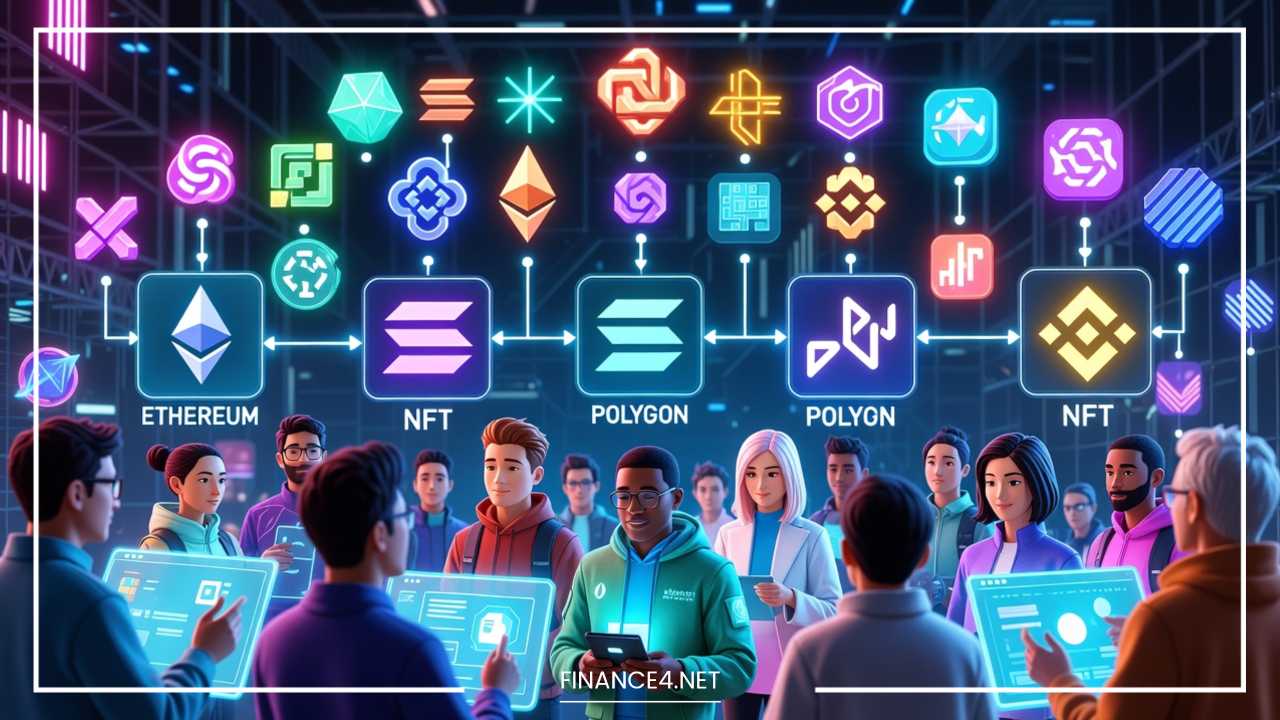
Best Multi-Chain NFT Creators’ Platforms | Top NFT Tools
The digital art revolution has moved far beyond its initial explosion on the Ethereum network. In 2025, the NFT landscape is defined by a “multi-chain” reality where artists and developers no longer lock themselves into a single ecosystem. As a creator, choosing the right platform is the most critical decision you will make, impacting everything from your profit margins to the size of your potential audience.
This comprehensive guide explores the best multi-chain NFT creator platforms and the top tools available today, helping you navigate the complex world of decentralized ownership.
Introduction
Non-Fungible Tokens (NFTs) have evolved from simple digital collectibles into sophisticated assets representing utility, identity, and community access. At its core, an NFT is a unique digital identifier recorded on a blockchain that certifies ownership and authenticity. However, the early days of high “gas fees” and network congestion on Ethereum taught the industry a valuable lesson: flexibility is key.
Multi-chain NFT platforms are marketplaces and minting tools that support more than one blockchain. Instead of being restricted to one network, these platforms allow you to deploy your work across various ecosystems like Ethereum, Solana, Polygon, Bitcoin, and more. This shift represents the democratization of digital assets. In the early 2020s, a creator needed hundreds of dollars in capital just to list their work. Today, multi-chain tools have lowered that barrier to entry to almost zero, allowing creators from across the globe to participate in the digital economy regardless of their financial starting point.
Why Multi-Chain Compatibility Matters
-
Flexibility: You can choose a blockchain based on the specific needs of a project—for example, Solana for high-frequency gaming assets or Ethereum for high-value 1/1 fine art.
-
Lower Fees: By using Layer-2 solutions like Polygon or high-speed chains like Avalanche, you can save thousands of dollars in minting and transaction costs.
-
Broader Audience: Different blockchains attract different demographics. A multi-chain approach ensures you aren’t invisible to collectors who prefer specific wallets or ecosystems.
-
Risk Mitigation: If one network experiences a technical outage or a sudden surge in fees, a multi-chain creator can pivot their strategy to another network without losing their brand identity.
If you are a creator looking to scale your brand and maximize your reach, understanding these platforms is no longer optional—it is a requirement for success in the modern Web3 era.
What Are Multi-Chain NFT Platforms?
A multi-chain NFT platform is a unified interface that interacts with multiple disparate blockchain networks. In a single-chain environment, a creator is tied to the rules, costs, and user base of one network. If that network becomes congested or expensive, the creator’s business suffers.
Definition and Technical Evolution
Technically, these platforms use “cross-chain” protocols or multiple smart contract deployments to communicate with different ledgers. For a user, this means they can connect a wallet like MetaMask (for Ethereum/Polygon) or Phantom (for Solana) to the same website and manage assets across both. This convergence is the hallmark of “Web3 2.0,” where the user experience begins to mimic the seamless nature of the traditional internet.
Single-Chain vs. Multi-Chain
In the past, platforms like SuperRare (initially Ethereum-only) or Solanart (Solana-only) dominated their respective niches. While they offered deep liquidity within those ecosystems, they acted as “walled gardens.” If you were an artist on SuperRare, you could not easily reach the millions of users on the Binance Smart Chain without starting from scratch. Multi-chain platforms break these walls down, allowing a creator to manage a diverse portfolio from a single dashboard.
Benefits for Creators
-
Wider Reach: You can tap into the massive liquidity of Ethereum while simultaneously reaching the cost-conscious users on BNB Chain or the “Ordinals” enthusiasts on Bitcoin.
-
Cost Optimization: “Lazy minting” and “gasless” options are more prevalent on multi-chain platforms. Creators can launch an entire collection on Polygon for pennies, whereas the same effort on Ethereum might cost hundreds in upfront fees.
-
Cross-Chain Marketplaces: Some advanced platforms now offer cross-chain swaps, meaning a collector can buy your Ethereum NFT using Solana (SOL) or Polygon (POL) tokens, removing the friction of manual bridging.
Potential Challenges
While the benefits are significant, multi-chain creation adds technical complexity. Each chain has different token standards (like ERC-721 on Ethereum or Metaplex on Solana). Metadata storage also varies; some chains prefer IPFS, while others might use Arweave. Furthermore, managing royalties across different protocols can be difficult, as not all chains or marketplaces enforce secondary sale fees in the same way. Keeping track of your “on-chain” identity across five different networks requires more administrative effort than staying on one.
Key Features to Look for in Multi-Chain NFT Platforms
As the market matures, platforms are competing on features. When evaluating where to host your work, look for these essential benchmarks:
Supported Blockchains
The breadth of support is the most obvious metric. A top-tier platform should cover the “Big Three” (Ethereum, Solana, Polygon) as well as emerging networks like Base (Coinbase’s L2), Arbitrum, and Bitcoin (for Ordinals and BRC-20). The more chains supported, the more future-proof your presence becomes.
Minting Options
-
Standard Minting: Directly writing the NFT to the blockchain immediately.
-
Lazy Minting: The NFT is “listed” on the platform, but the actual minting process—and the associated gas fee—only occurs when a buyer actually purchases the item. This is essential for creators with large collections but limited budgets.
-
Gasless Minting: Some platforms subsidize the gas fees on specific Layer-2 chains to attract creators.
Marketplace Integration and Aggregation
Does the platform have its own built-in marketplace, or does it push your NFTs to external aggregators? The best platforms offer “aggregation,” meaning your NFT listed on their site also appears on OpenSea, Blur, and Magic Eden, maximizing the “eyes” on your art.
Royalties and Revenue Management
In 2025, “programmable royalties” are a hot topic. You must ensure the platform allows you to set a percentage for secondary sales (typically 5% to 10%) that is enforced at the smart contract level. Some platforms also offer “Split Payments,” allowing you to automatically divide earnings with collaborators or charities.
Community and Social Features
Look for “Launchpad” features that help you schedule drops, manage allowlists (whitelists), and engage with your fans. Social sharing tools, built-in Discord bots, and “token-gating” capabilities (where only NFT holders can access certain content) are vital for building a long-term brand.
Security and Smart Contract Reliability
Reliability is paramount. The platform should have audited smart contracts and a proven track record of protecting creator data. In an industry rife with phishing and hacks, the security of the platform’s “minting engine” is the most important invisible feature.
Top Multi-Chain NFT Platforms
Here is a detailed look at the leading platforms currently dominating the multi-chain space, categorized by their strengths and target audiences.
1. OpenSea
OpenSea remains the “Google” of the NFT world. Since its major 2025 overhaul, it has transitioned from a simple marketplace into a comprehensive multi-chain asset hub.
-
Supported Chains: Ethereum, Polygon, Klaytn, Solana, Arbitrum, Optimism, Avalanche, Base, and Bitcoin (Ordinals).
-
Pricing: Generally charges a 2.5% fee on successful sales.
-
Unique Features: OpenSea Studio allows creators to launch entire collections without writing a single line of code. Its “gasless” minting on Polygon is a favorite for beginners, and its newly integrated “Swap” feature allows users to trade one NFT for another across different chains.
-
Pros: Massive existing user base; industry-standard analytics; supports almost every major wallet.
-
Cons: High gas fees when using the Ethereum mainnet; centralized decision-making can occasionally lead to sudden policy changes that frustrate creators.
2. Rarible
Rarible is the community-focused alternative to OpenSea, known for its decentralized governance and creator-centric philosophy. It has survived several market cycles by focusing on the “culture” of NFTs.
-
Supported Chains: Ethereum, Polygon, Tezos, Flow, and Immutable X.
-
Pricing: 1% fee for both buyers and sellers (highly competitive).
-
Unique Features: Rarible is governed by the $RARI token, giving creators a say in platform updates. It also offers “White Label” marketplaces, allowing artists to create their own branded storefronts powered by Rarible’s infrastructure, ensuring they own the customer relationship.
-
Pros: Strong focus on artist royalties; community-driven; excellent for high-end digital art and photography.
-
Cons: Lower trading volume compared to OpenSea; the interface can be slightly more complex for non-technical users.
3. Magic Eden
Originally the king of Solana, Magic Eden has aggressively expanded to become a premier multi-chain destination, particularly for gamers and Bitcoin enthusiasts.
-
Supported Chains: Solana, Ethereum, Polygon, Bitcoin (Ordinals), and Base.
-
Pricing: Transaction fees vary by chain but are generally around 2%.
-
Unique Features: Its Launchpad is arguably the best in the business for high-profile drops, offering full-service marketing and technical support. Magic Eden also features a highly integrated gaming hub, making it the top choice for creators in the “GameFi” space.
-
Pros: Incredibly fast and low-fee on Solana; best-in-class support for Bitcoin Ordinals and “Inscriptions.”
-
Cons: The community is still heavily skewed toward Solana and Bitcoin, which might not suit creators focused purely on the traditional Ethereum art scene.
4. Mintable
Mintable’s claim to fame is its extreme accessibility. It was one of the first platforms to popularize the idea that anyone with an internet connection could be an NFT creator.
-
Supported Chains: Ethereum, Polygon, and Immutable X.
-
Pricing: 2.5% to 5% depending on the type of listing and the “store” features used.
-
Unique Features: The “Sellers University” provides comprehensive educational resources for new creators. It also offers a “Pro” mode for advanced metadata management, allowing creators to batch-edit thousands of items at once.
-
Pros: Zero upfront costs for minting (via gasless options); very simple user interface that feels like eBay for NFTs.
-
Cons: Fewer supported chains than its competitors; the marketplace can sometimes feel cluttered with low-quality or “spam” content due to the low barrier to entry.
5. Xanalia
Xanalia is a specialized multi-chain marketplace with a strong focus on the Metaverse and AR/VR integration. It targets a niche audience interested in 3D assets and virtual land.
-
Supported Chains: Binance Smart Chain (BSC), Polygon, and Ethereum.
-
Pricing: Competitive fees, often lower than 2%.
-
Unique Features: It allows for “Cross-Chain Drops,” where a single collection can be released across multiple networks simultaneously. It is also heavily integrated with the XANA metaverse, allowing creators to see their NFTs as 3D avatars immediately after minting.
-
Pros: Great for creators building assets for virtual worlds; high visibility within the BSC (BNB Chain) ecosystem.
-
Cons: Smaller overall community and liquidity compared to the “Big Three” platforms; heavily tied to its own ecosystem.
6. Notable Mentions and Niche Tools
-
Enjin: The gold standard for gaming NFTs. Enjin’s “Efinity” parachain on Polkadot allows for massive scalability and multi-chain gaming assets that can move between different virtual worlds.
-
Nifty Gateway: Owned by Gemini, this platform is curated and focuses on high-profile, “mainstream” art drops. It is unique for its “Fiat-to-NFT” pipeline, allowing buyers to use credit cards without ever touching cryptocurrency.
-
Zora: While initially Ethereum-focused, Zora has become a powerful protocol for “on-chain” media. It’s popular among “crypto-native” artists who value the permanence of the blockchain above all else.
-
Kalamint: The premier destination for the Tezos ecosystem, known for its low carbon footprint and vibrant community of “Clean NFT” artists.
How to Choose the Right Multi-Chain Platform
With so many options, how do you decide where to plant your flag? The answer depends on your specific goals, your budget, and your technical comfort level.
Assess Your Goals
-
Exposure: If your primary goal is to be seen by the most people possible, you cannot ignore OpenSea. It is the first place new collectors look.
-
Community Building: If you want to build a “tribe,” Rarible or Magic Eden provide better tools for engagement and loyalty.
-
Gaming Utility: If your NFTs are meant to be played with in a game, Enjin or Immutable X are the superior technical choices.
Consider Blockchain Fees and Audience
Don’t just pick a chain because it’s cheap. Pick it because that’s where your audience is.
-
Ethereum: High fees, but high-value collectors. Best for “1 of 1” fine art.
-
Solana: Very low fees, very fast. Best for “10k Profile Picture (PFP)” collections and gaming.
-
Polygon: The “middle ground.” Low fees and high compatibility with Ethereum wallets. Great for brand loyalty programs and small-scale creators.
Platform Reputation and Community
Before committing your art to a platform, join their Discord. See how the staff interacts with creators. Is the platform actively being developed? Does it have a history of “rug pulls” or technical glitches? A platform with a smaller but highly active and supportive community is often better than a giant marketplace with no soul.
Decide if Marketplace Integration Matters
Some creators prefer to be “independent.” They use a tool like Manifold to mint their own smart contracts and then simply list them on marketplaces. This gives you 100% control over your contract, which is highly recommended for professional artists. If you use a platform’s shared contract (like OpenSea’s default), you are technically “renting” space on their contract.
Tips for Successful Multi-Chain NFT Creation
Success in the multi-chain world requires more than just hitting the “mint” button. It requires a strategy that spans multiple ecosystems.
Designing NFTs for Cross-Chain Compatibility
When creating your digital files, think about how they will look across different platforms.
-
File Formats: Stick to industry standards like PNG, MP4, and GLB.
-
Metadata: Ensure your metadata (the description and traits of your NFT) is rich and descriptive. Use IPFS for storage to ensure that your art doesn’t disappear if the platform’s servers go down.
-
Interoperable Standards: If you plan to move assets between chains in the future, ensure you are using standards like ERC-721 or ERC-1155.
Managing Royalties and Licensing
The “Royalty Wars” of 2023-2024 proved that secondary sale fees are not always guaranteed.
-
On-Chain Enforcement: Use protocols like the “Limit Break” royalty registry which tries to enforce fees at the smart contract level.
-
Clear Licensing: Be explicit about what a collector is buying. Do they own the commercial rights (like Bored Ape Yacht Club) or just the digital asset (like CryptoPunks)? State this clearly in the description.
Marketing Strategies Across Platforms
Your marketing should be as multi-chain as your art.
-
X (Twitter) and Warpcast: These are the primary hubs for NFT discussion. Use hashtags specific to the chain you are on (e.g., #SolanaNFT, #TezosArt).
-
Cross-Pollination: If you have a successful collection on Polygon, offer a “discount” or “allowlist spot” to those holders for your next drop on Solana. This encourages your community to follow you across different chains.
Security Best Practices
As a creator, you are a target for hackers.
-
Hardware Wallets: Use a device like a Ledger or Trezor to sign all transactions. Never keep your primary collection in a “hot” browser wallet.
-
Burner Wallets: Use a separate wallet for minting and another for holding your profits.
-
Phishing Awareness: Never click links in Discord DMs. Official announcements will always come from the platform’s verified social media accounts.
The Future of Multi-Chain NFT Platforms
As we look toward 2026 and beyond, the concept of a “chain” is expected to fade into the background. We are moving toward a period of “Chain Abstraction.”
Growing Importance of Interoperability
Future platforms will likely use “CCIP” (Cross-Chain Interoperability Protocol) by Chainlink. This will allow an NFT to exist on Ethereum but be used as a character in a game running on Solana without the user ever having to “bridge” the asset manually.
AI and NFTs
Artificial Intelligence is already changing how NFTs are created. In the future, multi-chain platforms will likely have “AI Co-pilots” that suggest which chain has the most demand for your specific style of art or automatically adjust your royalty settings based on market trends.
Emerging Use Cases
-
Fractional Ownership: Imagine a high-value piece of digital art on Ethereum being split into 1,000 pieces (shards) on the Polygon network, making it affordable for everyone.
-
RWA (Real World Assets): NFTs representing real estate or physical gold will need multi-chain support to ensure they can be traded across different financial regulations and jurisdictions.
-
Phygitals: The bridge between physical goods and digital tokens. A pair of sneakers might come with an NFT on Polygon for the “digital twin” and a certificate on Ethereum for the “authenticity” record.
Final Thoughts
The shift toward multi-chain NFT platforms is the single most important trend for digital creators in 2025. The era of being “married” to a single blockchain is over. By embracing a multi-chain strategy, you unlock lower fees, reach a more diverse global audience, and ensure that your creative career isn’t dependent on the success or failure of a single technical ecosystem.
The platforms we’ve discussed—OpenSea, Rarible, Magic Eden, Mintable, and Xanalia—each offer a unique doorway into the decentralized future. Your job as a creator is to experiment. Start small, try different chains, and listen to where your community feels most at home.
The NFT space is no longer just about “selling JPEGs.” It is about building a decentralized brand that can live anywhere and go everywhere. The tools are ready; the only question is what you will create with them.
Your Next Step: If you haven’t already, download a multi-chain wallet like Brave Wallet or OKX Wallet, and explore the “Studio” features on OpenSea or Magic Eden. Minting a single “test” NFT on a low-fee network like Polygon or Solana is the best way to demystify the process and start your journey as a professional multi-chain creator.