Best Multi-Chain NFT Minting Services
 by
by 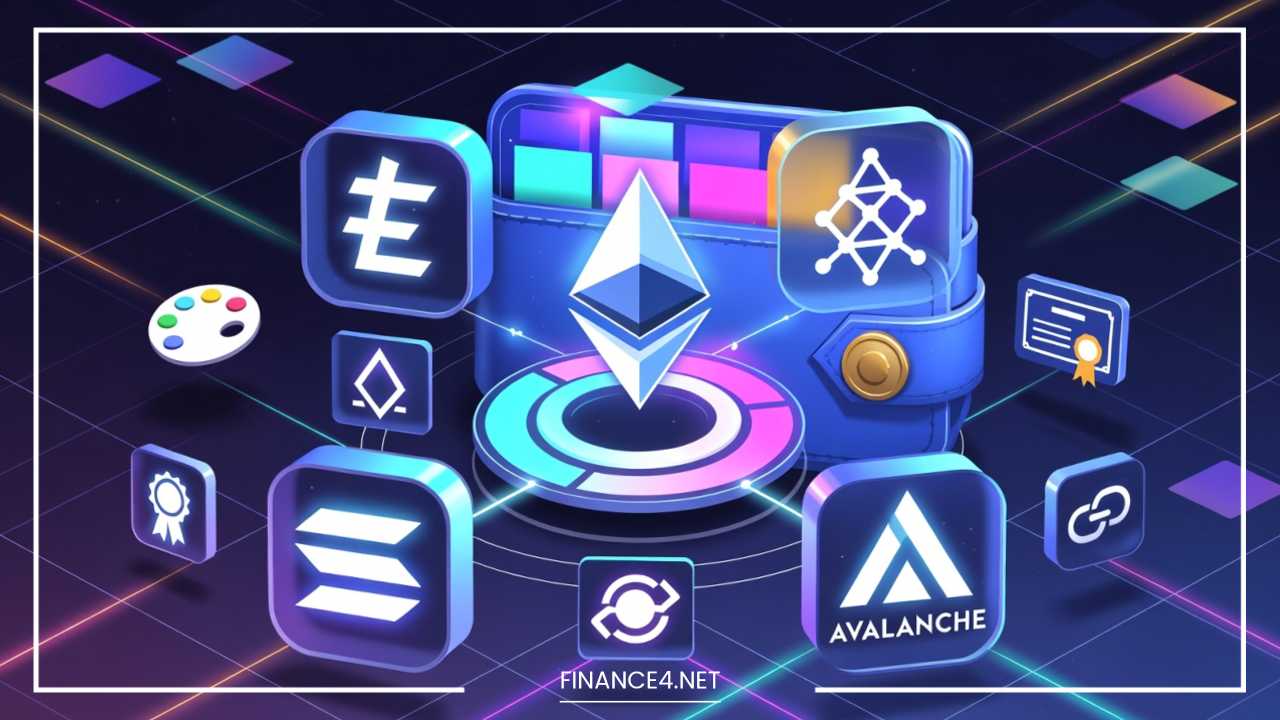
Best Multi-Chain NFT Minting Services | Top Platforms
The landscape of digital ownership has undergone a seismic shift. In the early days of Non-Fungible Tokens (NFTs), the conversation was almost entirely dominated by Ethereum. However, as the ecosystem matured into 2026, the limitations of a single-chain approach—such as high gas fees and network congestion—became apparent. Enter multi-chain NFT minting, a revolutionary approach that allows creators to deploy their digital assets across various blockchain networks simultaneously or selectively.
Whether you are a digital artist, a game developer, or a brand looking to enter the Web3 space, understanding which platforms offer the best multi-chain capabilities is essential. This flexibility not only lowers the barrier to entry by reducing costs but also dramatically expands your reach to diverse communities across ecosystems like Polygon, Solana, Avalanche, and Layer-2 solutions. In this comprehensive guide, we explore the top multi-chain NFT minting services, the technical foundations of the technology, and why choosing the right platform is the most critical decision you will make for your project.
What is NFT Minting?
To understand multi-chain services, we must first define the act of minting. In the blockchain world, minting is the process of uniquely publishing your digital token on a blockchain so that it can be bought, sold, and traded. When you “mint” an NFT, you are essentially executing a smart contract that records the metadata of your file (artwork, music, video, or utility) and assigns ownership to your wallet address.
How Minting Works on a Blockchain
The process is more than just “uploading” a file. When you click the mint button, several backend actions occur:
-
Smart Contract Execution: The platform uses a pre-written or custom smart contract to generate a unique ID for your asset. This contract follows specific standards, such as ERC-721 or ERC-1155 on Ethereum-compatible chains.
-
Metadata Storage: Details like the name, description, and the link to the actual file are “baked” into the token. Because storing large image files directly on the blockchain is prohibitively expensive, most platforms use decentralized storage systems like IPFS (InterPlanetary File System) or Arweave to host the media.
-
Validation and Consensus: The blockchain’s nodes validate the transaction. Once the block is added to the chain, the NFT is officially “alive.”
-
Tokenization of Ownership: The blockchain ledger now shows that a specific wallet address is the sole owner of that unique token ID.
Benefits of Minting Your Own NFTs
-
Provable Scarcity: You can hard-code the maximum supply, ensuring that no more than a specific number of pieces can ever exist.
-
Direct-to-Fan Royalties: One of the most disruptive features of NFT minting is the ability to include a royalty clause. This ensures that every time the NFT is sold on a secondary market, a percentage of that sale (typically 2% to 10%) is automatically sent back to the original creator’s wallet.
-
Decentralization: Once minted, the NFT does not depend on a central company to exist. Even if the minting platform goes out of business, the record of your ownership remains on the blockchain.
Why Multi-Chain NFT Minting is Important
The “Multi-Chain” philosophy refers to the ability of a platform to interact with more than one blockchain. In the past, if you minted on Ethereum, your NFT lived and died on Ethereum. Today, interoperability is the standard.
1. Drastic Reduction in Fees
Ethereum Mainnet is famous for its “gas wars,” where minting a single NFT can cost hundreds of dollars during peak traffic. Multi-chain platforms allow you to switch to Polygon, Solana, or Base, where minting fees are often less than a dollar. For a creator launching a 10,000-piece collection, the difference between minting on Ethereum and a Layer-2 like Arbitrum can be the difference between a $50,000 bill and a $500 bill.
2. Cross-Chain Audience Reach
Different blockchains attract different “tribes.”
-
Solana has a massive gaming and high-frequency trading community.
-
Tezos is beloved by the fine art and “clean NFT” (low energy) community.
-
Ethereum remains the hub for high-value “blue-chip” collectors and institutional buyers.
By using a multi-chain service, you aren’t forced to choose just one audience. You can launch your premium 1-of-1 art on Ethereum and your high-volume utility tokens on Polygon, managing both from a single interface.
3. Flexibility and Risk Mitigation
Blockchains are technology stacks, and like any technology, they can face downtime or governance issues. If one network experiences a slowdown—perhaps due to a massive DeFi liquidating event or a high-profile “drop”—a multi-chain creator can simply shift their next collection to a more stable chain, ensuring their business operations never grind to a halt.
4. Avoiding Network Congestion
During periods of high activity (like a popular “play-to-earn” game launch), a single network can become unusable for average users due to slow confirmation times. Multi-chain minting allows creators to bypass these bottlenecks by deploying on less congested “sidechains” or Layer-2s that share the security of the main chain but offer a clearer “lane” for transactions.
Key Features to Look for in Multi-Chain NFT Minting Services
Before picking a platform, you need to evaluate it based on several technical and user-centric criteria. As the market becomes more crowded, these features separate the professional-grade tools from the hobbyist sites.
Supported Blockchains
A top-tier service should support a wide variety of networks. Look for a mix of:
-
Layer-1s: Ethereum, Solana, Avalanche, Cardano.
-
Layer-2s: Arbitrum, Optimism, Base, Polygon.
-
Specialized Chains: Immutable X (gaming) or Flow (media).
Minting Fees and Gas Optimization
Does the platform offer Lazy Minting? This is a critical feature for new artists. Lazy minting allows you to list an NFT for sale without actually minting it on the blockchain until someone buys it. This shifts the “gas fee” burden from the creator to the buyer at the moment of purchase, allowing you to build a gallery for free.
User Interface and Ease of Use
If you aren’t a coder, you need a “no-code” minting dashboard. The best platforms provide a drag-and-drop interface where you can upload your files, set your traits (rarity), and deploy a smart contract without writing a single line of Solidity or Rust.
Integration with Marketplaces
There is no point in minting an NFT if no one can find it. Ensure the platform has deep integration with major marketplaces like OpenSea, Rarible, and Magic Eden. This ensures that the moment your NFT is minted, it is indexed and searchable by millions of collectors.
Customization Options (Metadata and Royalties)
Professional creators need control. You should be able to:
-
Set Dynamic Metadata (NFTs that change based on outside events).
-
Enforce EIP-2981 (The cross-platform royalty standard).
-
Create Editions (1-of-100) vs. Unique (1-of-1) assets.
Security and Smart Contract Reliability
Since you are interacting with smart contracts, the platform must have a proven track record of security. Check if their contracts have been audited by firms like ConsenSys or CertiK. A buggy contract could lead to lost assets or stolen royalties.
Top Multi-Chain NFT Minting Platforms
As of 2026, these platforms represent the gold standard for creators looking to launch assets across multiple ecosystems.
1. OpenSea (OpenSea 2.0)
OpenSea remains the “Google” of NFTs. With its recent updates, it has fully transitioned from a simple marketplace to a multi-chain liquidity hub.
-
Supported Blockchains: Ethereum, Polygon, Klaytn, Solana, Base, Arbitrum, and Avalanche.
-
Features: Its “Studio” tool allows creators to launch collections across any of these chains with a no-code interface. They offer a “Drops” feature that includes pre-mint phases and allowlists.
-
Fees and Royalties: Typically 2.5% on sales. While OpenSea recently moved toward optional royalties, they still support on-chain enforcement for many contracts.
-
Pros: Massive existing traffic; highly trusted brand; excellent analytics for creators.
-
Cons: Highly competitive; their centralized nature means they can delist assets based on their own policy.
2. Magic Eden
Originally a Solana-exclusive platform, Magic Eden has aggressively expanded to become the leader in cross-chain gaming and “Ordinals” (Bitcoin NFTs).
-
Supported Blockchains: Solana, Bitcoin (Ordinals), Ethereum, Polygon, and Base.
-
Features: Known for its “Launchpad,” which provides high-end marketing support for new projects. It also has a dedicated gaming hub for multi-chain assets used in Web3 games.
-
Fees: Competitive with a strong focus on secondary market liquidity.
-
Pros: The best interface for Solana and Bitcoin assets; very creator-friendly community.
-
Cons: Higher entry bar for the Launchpad; marketplace fees can be higher for premium “Diamond” level features.
3. Rarible
Rarible stands out for its commitment to decentralization. It is not just a marketplace; it is a protocol.
-
Supported Blockchains: Ethereum, Polygon, Tezos, Flow, and Immutable X.
-
Features: It offers “Multi-chain SDKs” for developers to build their own custom marketplaces using Rarible’s infrastructure. This is ideal for brands wanting a white-label solution.
-
Fees: Low fees and a unique “RARI” token incentive for active users.
-
Pros: Aggregates listings from other platforms; strong emphasis on creator royalties and decentralized governance.
-
Cons: The interface can be slightly more technical for absolute beginners.
4. Zora
Zora has evolved into a “media protocol.” It is built for the “On-Chain Era,” focusing on speed and the culture of the internet.
-
Supported Blockchains: Zora Network (its own L2), Ethereum, Base, and Optimism.
-
Features: Famous for its “Mint Fun” incentives and high-speed, low-cost minting for viral media. It uses a “Rewards” system where creators earn ETH every time someone mints their open-edition work.
-
Pros: Extremely low fees; optimized for “on-chain” media like videos and music; very “cool” factor among Web3 natives.
-
Cons: Limited to EVM chains (no Solana or Bitcoin support yet).
5. Mintable
Mintable was one of the pioneers of lazy minting and continues to be a powerhouse for multi-chain accessibility.
-
Supported Blockchains: Ethereum, Polygon, and Immutable X.
-
Features: It offers an “Advanced” mode for veterans and a “Gasless” mode for beginners. It also has a unique “Sellers University” to help artists learn the ropes.
-
Pros: Truly gasless minting; easy-to-use batch minting tools.
-
Cons: The user base is smaller than OpenSea or Magic Eden.
6. Cargo
Cargo is a specialized platform designed for developers and power users who need to manage massive multi-chain collections.
-
Supported Blockchains: Ethereum, Polygon, xDai, and Binance Smart Chain.
-
Features: Cargo uses “Cargo Credits” to simplify minting costs. It allows for “nested NFTs”—where one NFT can own other NFTs.
-
Pros: High-level customization; excellent for gaming assets.
-
Cons: Steeper learning curve than most retail-focused platforms.
7. Venly (Formerly Arkane Network)
Venly is a specialized service that focuses on the “enterprise” side of multi-chain NFTs.
-
Supported Blockchains: 12+ chains including Avalanche, Hedera, Polygon, and Binance Smart Chain.
-
Features: Offers an NFT API and a “Widget” that lets users sign in with social media (Google/Twitter) to manage their NFTs.
-
Pros: Best-in-class for onboarding non-crypto users; massive chain support.
-
Cons: Primarily a B2B service; you won’t get as much “organic” browse traffic as you would on a retail marketplace.
Step-by-Step Guide: How to Mint Multi-Chain NFTs
Regardless of the platform you choose, the workflow for minting across chains follows a standard logic. Here is how to navigate the process in 2026.
1. Choosing a Platform
Determine your goal. If you want high-volume, low-cost gaming items, choose Magic Eden or Immutable X. If you want high-prestige art, choose OpenSea or Zora.
2. Connecting a Wallet
You will likely need a multi-chain wallet.
-
MetaMask is excellent for Ethereum-based chains (Polygon, Base, etc.).
- Phantom now supports both Solana, Bitcoin, and Ethereum, making it a powerful all-in-one choice.Ensure you have a small amount of the “native” token (e.g., SOL for Solana, ETH for Arbitrum) to pay for transaction fees.
3. Uploading Your Artwork and Metadata
Prepare your digital asset. Ensure your file is high-quality (4K images or lossless audio). You will then fill in the:
-
Name and Description.
-
Properties: Traits like “Eye Color: Blue” or “Background: Sunset.” These determine rarity.
4. Selecting the Blockchain
This is the “multi-chain” moment. Most platforms will have a dropdown menu. Select your desired network. If you are using a Layer-2 like Polygon, the platform may ask you to “switch networks” in your wallet. This is a one-click process that updates your wallet’s connection to the right chain.
5. Setting Royalties and Editions
Decide how many copies you want to exist.
-
1/1: A unique masterpiece.
-
Open Edition: Infinite copies for a limited time.
- Limited Edition: A fixed number (e.g., 50 copies).Set your royalty percentage. In 2026, 5% to 7% is the industry standard for most creators.
6. Minting and Listing
Sign the transaction in your wallet. A popup will appear asking for permission to execute the smart contract. Once confirmed, your NFT is live! You can then “List” it for sale by setting a price in ETH, SOL, or USDC.
Tips for Choosing the Right Multi-Chain NFT Minting Service
With so many options, how do you settle on one? Consider these professional strategies:
Compare Fees and Supported Chains
Don’t just look at the minting fee; look at the marketplace fee. If a platform lets you mint for free but takes 5% of every sale, it might be more expensive in the long run than a platform that costs $2 to mint but only takes 1%.
Check Community and Platform Reputation
Look at the volume. A platform might support 20 chains, but if there are no buyers on 18 of those chains, it’s a “ghost town.” Use tools like DappRadar or CryptoSlam to see where the real money is flowing.
Look for Customization and Integration Options
If you plan to build a brand, you need “Unlockable Content.” This is a feature where only the NFT owner can see a certain link, high-res file, or discount code. Ensure your platform supports this.
Consider Scalability
If your project goes viral, can the platform handle it? Services with robust APIs (like Venly or Rarible) are better for projects that plan to scale into thousands of users or integrate into external websites and apps.
Future of Multi-Chain NFT Minting
The future of NFTs is chain-abstracted. This means that in a few years, a user won’t even know (or care) which blockchain an NFT lives on. They will just see a digital asset in their “Universal Wallet.”
The Rise of Interoperability
Technologies like Chainlink CCIP (Cross-Chain Interoperability Protocol) and LayerZero are making it possible to mint an NFT on one chain and “teleport” it to another. We are seeing the rise of “Omnichain NFTs” that can move seamlessly between Ethereum and Solana.
Layer-2 Dominance
While Ethereum Mainnet will remain the “settlement layer” for million-dollar assets, the vast majority of consumer NFTs (loyalty cards, gaming items, social media avatars) will move to Layer-2 solutions like Base, Zora, and Optimism. These networks offer the security of Ethereum with the speed of a traditional database.
Impact on Creators and Collectors
For creators, this means the end of “Platform Lock-in.” You are no longer at the mercy of one network’s fees. For collectors, it means a more liquid market where you can buy an NFT on one chain using funds from another chain, thanks to “Cross-chain Swaps” integrated directly into minting services.
Final Thoughts
The ability to mint across multiple chains is no longer a luxury; it is a necessity for any serious participant in the digital economy. By leveraging platforms like OpenSea, Magic Eden, and Venly, you can optimize for cost, speed, and audience reach all at once.
The NFT market has matured from speculative “JPEG” trading into a robust infrastructure for digital identity, gaming, and real-world utility. Choosing a multi-chain strategy ensures that your project is not just a flash in the pan, but a permanent, accessible part of the decentralized web.
The most successful creators of the next decade will be those who don’t limit themselves to a single blockchain, but rather those who go where the communities are. Explore these platforms, experiment with different chains, and find the ecosystem that resonates with your vision.