Best NFT Minting Platforms
 by
by 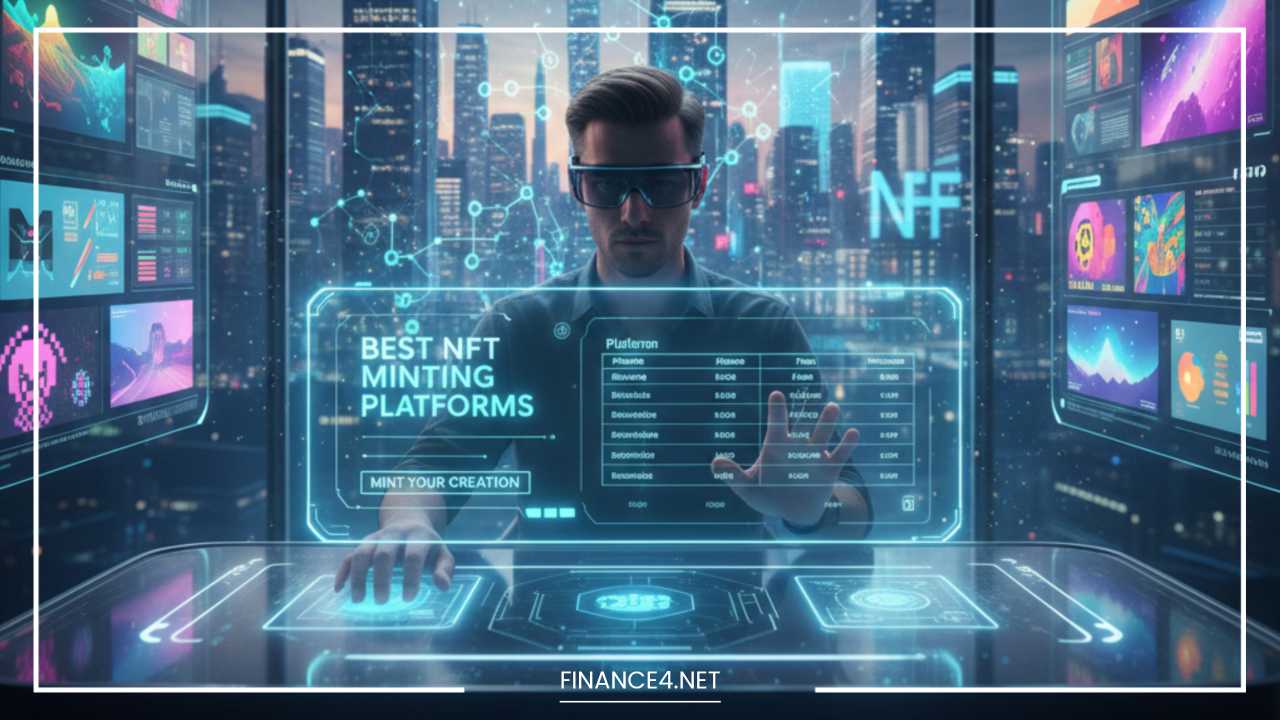
Best NFT Minting Platforms | Top NFT Platforms
The digital art and collectibles world has undergone a seismic shift with the advent of Non-Fungible Tokens (NFTs). An NFT is a unique digital identifier recorded on a blockchain, used to certify ownership and authenticity of a digital or physical asset. Unlike cryptocurrencies like Bitcoin or Ethereum, each NFT is one-of-a-kind and cannot be interchanged on a one-to-one basis, making them perfect for digital scarcity.
NFTs have revolutionized how creators monetize their work, ranging from digital paintings and music to in-game items and virtual real estate. The backbone of this entire ecosystem is the NFT minting platform—the crucial gateway where a raw digital file is transformed into a blockchain-verified, tradeable digital asset.
Choosing the right platform is not just a matter of convenience; it’s a strategic decision that directly impacts the success of your digital project. A creator must consider several factors: the fees charged (especially the volatile gas fees), the user experience offered by the interface, and, most importantly, the platform’s blockchain compatibility (Ethereum, Solana, Polygon, etc.), which determines transaction speed, cost, and the size of the potential audience. The right platform provides the necessary tools and the right market exposure, bridging the gap between digital creativity and true digital ownership. This comprehensive guide will explore the top NFT minting platforms, compare their features, and provide a step-by-step process for minting your first NFT.
What is NFT Minting?
In the simplest terms, NFT minting is the process of publishing a unique instance of a digital asset onto a blockchain. This act is what converts a digital file (like a JPEG, MP3, or GIF) into a non-fungible token, a unique digital item that can be tracked and traded.
The process involves executing a transaction via a smart contract—a piece of self-executing code stored on the blockchain—that creates a new block of data. This block contains the unique cryptographic hash of the digital file, the metadata (title, description, properties), and the creator’s wallet address, thereby permanently registering the item as an NFT and cementing its ownership.
Minting vs. Buying vs. Trading
It is crucial to understand the distinct roles of the three main activities in the NFT space:
-
Minting: This is the creation of a new NFT. The creator is the one who initiates the smart contract, uploads the file, and pays the initial transaction fee (gas fee) to permanently record the token on the blockchain.
-
Buying: This occurs when a user purchases an already minted NFT from a marketplace or another collector. The transaction involves transferring the cryptocurrency payment from the buyer’s wallet to the seller’s wallet, and the NFT ownership token from the seller’s wallet to the buyer’s wallet.
-
Trading: This refers to the secondary market activity where an NFT changes hands between collectors after the initial sale (mint). Platforms often enforce royalties on these trades, ensuring the original creator earns a percentage of every subsequent sale.
Overview of Blockchain Involvement
The blockchain network chosen for minting is perhaps the most significant decision a creator makes, as it dictates the entire technical and economic structure of the NFT:
-
Ethereum (ETH): Historically the most popular and dominant chain for high-value art and blue-chip collections. It offers unparalleled security and liquidity but suffers from high and volatile gas fees and slower transaction speeds, especially during peak congestion.
-
Solana (SOL): A leading alternative known for its extremely low transaction fees (often fractions of a penny) and high throughput, making it ideal for large-scale generative collections and play-to-earn (P2E) games.
-
Polygon (MATIC): An Ethereum Layer 2 scaling solution. It allows creators to mint on the Ethereum ecosystem but with significantly lower fees and faster transaction times by processing transactions off the main chain.
-
Other Blockchains: Chains like Flow (popular for Dapper Labs/NBA Top Shot), Tezos, and BNB Smart Chain (BSC) offer specialized features or lower costs, broadening the options for niche projects.
Key Features to Look for in NFT Minting Platforms
Selecting the perfect platform requires a methodical evaluation of its core capabilities and economic structure. Creators must look beyond aesthetics and delve into the technical and logistical features that will define their NFT’s journey.
1. Blockchain Support and Gas Fees
The most practical concern for creators is the cost.
-
Multi-Chain Support: Does the platform support multiple blockchains (Ethereum, Solana, Polygon, etc.)? This offers flexibility and allows creators to hedge against high fees on a single network. Platforms supporting Layer 2 solutions like Polygon or Immutable X are excellent for managing costs.
-
Gas Fee Strategy (Lazy Minting): Look for features like “Lazy Minting” (also known as gasless minting). This revolutionary feature allows the creator to list the NFT without paying the gas fee upfront; the NFT is only truly minted to the blockchain at the moment of sale, and the buyer covers the gas cost. This drastically lowers the barrier to entry for new artists.
2. Supported File Formats and Storage Options
The NFT itself is just the token; the actual digital art/file must be stored somewhere securely.
-
File Format Breadth: The platform should support a wide range of formats, including but not limited to, JPEGs, PNGs, GIFs, MP4s, MP3s, and 3D models (GLB, VRM).
-
Decentralized Storage: Crucially, the platform should integrate with decentralized storage solutions like IPFS (InterPlanetary File System) or Arweave. Storing the file on-chain (on the blockchain directly) is prohibitively expensive; using decentralized storage ensures the asset is stored permanently and immutably, meaning the artwork is linked forever to the NFT token and cannot be deleted by a centralized server.
3. Customization Options for NFTs
Creators need control over their digital creations and how they are governed post-sale.
-
Metadata Flexibility: The ability to easily edit the NFT’s metadata (title, description, properties, traits) is essential for collections and projects that require updates or a rarity system.
-
Royalty Customization: Platforms should allow creators to set and enforce royalty percentages (typically 5% to 15%) on all secondary market sales, providing a continuous income stream. Some platforms use special smart contracts to make these royalties more enforceable.
-
Smart Contract Control: The best platforms offer creators the option to deploy their own custom smart contracts for their collection, giving them complete ownership and control over minting logistics and future updates.
4. Security and Ownership Rights
The core promise of NFTs is true digital ownership, so security is paramount.
-
Wallet Compatibility: Robust support for trusted, non-custodial wallets (MetaMask, Phantom, Coinbase Wallet) is necessary, as these give the user full control over their private keys.
-
Ownership Clarity: The platform must clearly articulate what rights the buyer acquires (e.g., commercial use rights) and what rights the creator retains (e.g., copyright).
-
Audited Contracts: Platforms that use smart contracts audited by reputable blockchain security firms offer an extra layer of trust and safety against exploits.
5. Ease of Use and User Interface
A complex, intimidating interface can deter newcomers.
-
Beginner-Friendly Experience: Look for an intuitive, no-code interface that makes the minting process as simple as uploading a file and filling out a form.
-
Batch Minting: For large generative art projects, the ability to mint hundreds or thousands of tokens simultaneously is a non-negotiable feature.
6. Community and Marketplace Integration
The point of minting is to sell and trade, making market access critical.
-
Liquidity and Audience Size: A platform integrated with a high-liquidity marketplace (i.e., one with a high volume of transactions and many active users) dramatically increases the chance of a successful sale.
-
Discovery Tools: Features like advanced filtering, trending charts, and community spotlights help potential buyers discover new creators and projects.
Top NFT Minting Platforms
This section delves into the leading platforms, examining their unique selling propositions, fee structures, and best applications.
1. OpenSea
Overview: OpenSea is the veteran and dominant player, often referred to as the “Amazon” of the NFT world. It is the largest and most diverse NFT marketplace by volume, making it the de facto starting point for many creators.
Key Features:
-
Multi-Chain: Supports Ethereum, Polygon, Klaytn, and others.
-
Lazy Minting: Offers gas-free listing on Ethereum, passing the minting cost to the buyer upon the first sale.
-
Flexible Listing: Supports fixed price, declining price, and auction formats.
- High Liquidity: Features the largest audience and highest trading volume globally.Pros: Massive user base, high liquidity, beginner-friendly UI, gas-free listing.
Cons: High congestion on Ethereum can lead to expensive primary minting if not using lazy minting, some advanced creators prefer platforms with more customized smart contract control.
Pricing: 2.5% service fee on every sale (charged to the seller). Creator royalties are customizable but can be optional depending on the smart contract.
Best Use Cases: Beginners and Generalists. Ideal for new artists looking for the maximum possible audience and established collections seeking high trading volume.
2. Rarible
Overview: A community-governed marketplace focused on empowering artists. Rarible distinguishes itself with its RARI token, which grants holders voting rights over the platform’s development, aligning with a decentralized ethos.
Key Features:
-
Community Governance: Utilizes the $RARI token for decentralized decision-making.
-
Multi-Chain: Supports Ethereum, Polygon, Flow, and Tezos.
-
Creator-Centric: Provides tools for creators to deploy their own branded storefronts.
- Flexible Royalties: Allows creators to set higher royalty percentages than many competitors.Pros: Strong focus on decentralization and creator control, broad blockchain support, no-code minting tools.
Cons: Lower overall liquidity compared to OpenSea, market fees can be price-tiered.
Pricing: Fees are typically 0.5% to 7.5% per side (buyer and seller) on the main marketplace, depending on the price tier, but 0% on community storefronts.
Best Use Cases: Decentralization Advocates and Indie Creators. Perfect for artists who prioritize community voice, higher royalty control, and brand ownership.
3. Mintable
Overview: Endorsed by Mark Cuban, Mintable focuses on being exceptionally user-friendly for creators, particularly emphasizing gas-free minting options to lower the entry barrier.
Key Features:
-
Gas-Free Minting: Offers true gasless minting (lazy minting) on Ethereum.
-
Store Creation: Allows users to create their own dedicated, built-in NFT stores.
-
Educational Hub: Provides extensive resources and tutorials for newcomers.
- Cross-Listing: NFTs minted on Mintable can sometimes be cross-listed on other major marketplaces.Pros: Excellent for beginners, completely removes upfront gas costs via lazy minting, clear interface.
Cons: Smaller overall user base and liquidity than the top platforms.
Pricing: Varied fee structure: 2.5% on normal sales; 5% on gasless sales; 10% on print-on-demand NFTs.
Best Use Cases: First-Time Creators and Budget-Conscious Artists. Best for those experimenting with their first NFT projects and seeking zero upfront minting cost.
4. Foundation
Overview: A highly curated, artist-focused, and exclusive platform that began with an invitation-only model. Foundation is known for fostering high-quality, singular digital art pieces rather than large collections.
Key Features:
-
Curated Content: Emphasis on high-quality, rare, and unique art pieces.
-
Auction-Focused: Known for its dynamic bidding and high-profile sales events.
-
Artist-Centric Economics: A large percentage of the sale goes directly to the artist.
- Ethereum Native: Primarily focused on the Ethereum blockchain for the prestige of the network.Pros: High prestige and quality, significant cultural cache, competitive bidding.
Cons: High barrier to entry (curated/invite system), extremely high initial commission, limited to Ethereum’s gas fees.
Pricing: A substantial 10% fee on the final sale price is charged to the seller, one of the highest in the space.
Best Use Cases: High-End Digital Artists and Curated Projects. Suited for established artists or those with highly unique, one-of-a-kind pieces seeking a gallery-like experience.
5. Magic Eden
Overview: Magic Eden started as the premier NFT marketplace on the Solana blockchain, capitalizing on Solana’s low fees and speed, and has since expanded to be multi-chain, including Ethereum.
Key Features:
-
Solana Dominance: Largest marketplace for Solana NFTs, offering fast and near-zero-fee transactions.
-
Launchpad: Provides a dedicated platform for creators to launch collections with pre-sale and whitelisting tools.
-
Multi-Chain Expansion: Now supports Ethereum, Polygon, and Bitcoin Ordinals, aiming for broader market reach.
- Trader Tools: Offers advanced tools like sweeping and real-time floor price tracking.Pros: Extremely low transaction costs (on Solana), lightning-fast transactions, strong market share in the gaming/PFP niche.
Cons: Lower liquidity on their Ethereum market compared to OpenSea.
Pricing: Low transaction fee of 2% on Solana/Bitcoin sales, and 0.5% on EVM.
Best Use Cases: Gaming and Generative Art Collections. The top choice for large-scale projects, PFP drops, and any creator prioritizing speed and minimal gas fees.
6. Binance NFT Marketplace
Overview: A centralized marketplace integrated within the vast Binance cryptocurrency ecosystem. This integration provides existing Binance users with a seamless, high-security on-ramp to the NFT world.
Key Features:
-
High Liquidity Access: Leverages the massive user base and liquidity of the Binance exchange.
-
Cross-Chain: Supports BNB Smart Chain (BSC) and Ethereum.
-
Low Fees: Transactions on the BNB Smart Chain are highly cost-effective.
- DeFi Integration: Offers features like NFT loans for certain blue-chip assets.Pros: Extremely high security (backed by Binance), easy fiat on-ramp for existing Binance users, very low transaction fees on BSC.
Cons: Highly centralized nature, limited blockchain selection compared to multi-chain peers.
Pricing: A low 1% sales fee. Minting fees are minimal (e.g., 0.005 BNB or 0.001 ETH).
Best Use Cases: Existing Binance Users and Price-Sensitive Creators. Ideal for creators who already use the Binance ecosystem and those who want to leverage the security and low costs of the BNB Smart Chain.
Niche and Curated Options (Brief Mention)
-
SuperRare: Similar to Foundation, it’s highly curated and focuses exclusively on single-edition digital art, offering a gallery-like aesthetic. It is known for enforcing creator royalties.
-
Zora: A zero-fee, open-source protocol focused on supporting creators and decentralized creation. Its zero marketplace fee model makes it attractive for community-driven projects.
-
Cargo: A dedicated smart contract platform that allows for advanced NFT features like fractionalization and tokenizing unique physical items.
Comparing Platforms
Choosing the best platform ultimately depends on a creator’s goals: their target audience, budget, and desired level of technical control. The table below summarizes the key differentiators.
| Platform | Supported Blockchains | Primary Fees | Target Audience / Liquidity | Best Minting Strategy |
| OpenSea | ETH, Polygon, Solana, Klaytn | 2.5% sale fee | Massive / Highest Liquidity | Lazy Minting (Gas-Free Listing) |
| Rarible | ETH, Polygon, Flow, Tezos | 0.5% – 7.5% per side | Creator-Focused / Medium | Multi-Chain & Custom Royalties |
| Magic Eden | Solana, ETH, Polygon, Bitcoin | 2% (SOL/BTC), 0.5% (EVM) | PFP, Gaming / High on Solana | Low-Cost, High-Speed Solana Minting |
| Mintable | ETH, Immutable X | 2.5% – 10% sale fee | Beginners / Low-Medium | Gasless/Lazy Minting |
| Foundation | Ethereum | 10% sale fee | High-End Art / Medium-High | Curated, High-Prestige 1/1 Art |
| Binance NFT | BNB Chain, Ethereum | 1% sale fee | Binance Ecosystem Users / High | Low-Cost Minting on BNB Chain |
Recommendations for Different Types of Creators
-
For the Beginner/Hobbyist: Choose Mintable for its ease of use and guaranteed gasless listing, allowing you to test the waters with zero upfront cost, or OpenSea for the largest audience reach with its beginner-friendly Polygon option.
-
For the Serious Digital Artist (1/1 Pieces): Foundation or SuperRare are best if you are looking for a curated gallery environment, high prestige, and competitive auctions for unique, high-quality works.
-
For the Generative Collection Creator (PFPs, Utility): Magic Eden on Solana is the clear winner, offering the lowest minting fees and highest speed for deploying thousands of items, essential for mass-market collections.
-
For the Decentralization Advocate: Rarible is the top choice, allowing you to influence the platform’s future through RARI token governance and set higher royalties.
How to Mint Your First NFT
Minting an NFT has become significantly more accessible, requiring no coding knowledge on most platforms. Here is a general step-by-step guide:
Step 1: Wallet Setup and Funding
The process begins with securing a non-custodial crypto wallet.
-
Choose a Wallet: Select a wallet compatible with your chosen blockchain (e.g., MetaMask for Ethereum/Polygon, Phantom for Solana).
-
Secure Your Seed Phrase: Write down your recovery phrase and store it securely offline. Never share it.
-
Fund Your Wallet: Purchase the native cryptocurrency of your chosen blockchain (e.g., ETH for Ethereum, SOL for Solana) from an exchange and transfer it to your new wallet. This currency will be used to pay any upfront minting or transaction fees (gas fees).
Step 2: Choose Blockchain and Marketplace
Select the platform (e.g., OpenSea, Magic Eden) and the associated blockchain that aligns with your goals for cost, speed, and audience. For a cost-effective start, a platform supporting Polygon (Layer 2) or Solana is highly recommended.
Step 3: Connect Wallet and Create Account
Navigate to your chosen platform and click “Connect Wallet.” Approve the connection request in your wallet. Most marketplaces automatically create an account linked to your wallet address.
Step 4: Upload Content and Define Metadata
-
Upload: Click the “Create” or “Mint” button and upload your digital file (JPEG, MP4, etc.).
-
Metadata: Fill in the essential details:
-
Name & Description: Catchy and informative details about your NFT.
-
Collection: Organize your NFT into a collection (e.g., “The Cyberpunk Series”).
-
Properties/Traits: Add attributes like rarity levels (e.g., “Background: Rare,” “Hat: Common”).
-
Royalties: Set your desired royalty percentage (e.g., 5% or 10%) for secondary sales.
-
Step 5: Minting and Listing
This is the final, crucial step.
-
Choose Minting Option: Select between a direct mint (paying gas fees now) or a lazy mint/gasless listing (if available, where the buyer pays the gas fee upon purchase).
-
Review and Confirm: Review the final summary, including the estimated gas fee (if applicable).
-
Confirm Transaction: Your wallet will prompt you to approve the transaction. If paying gas, the network will deduct the fee, and your NFT will be permanently recorded on the blockchain.
Tips to Minimize Gas Fees
Gas fees are the primary variable cost for Ethereum-based NFTs.
-
Use Layer 2 Solutions: Always opt to mint on Polygon or other Layer 2 chains if the platform supports it. This is the single most effective way to lower costs.
-
Use Solana/Alternative Blockchains: Switching to a chain like Solana or BNB Chain virtually eliminates the high-cost barrier.
-
Use Lazy Minting: As mentioned, this transfers the burden of the initial minting cost to the buyer.
-
Mint Off-Peak Hours: If you must mint on Ethereum, transaction fees are typically lower on weekends, late at night, or early in the morning (UTC) when network congestion is lower.
Common Mistakes to Avoid
-
Ignoring Storage: Failing to use decentralized storage (IPFS/Arweave) means your NFT’s artwork could disappear if the host platform’s centralized server goes down. Always verify IPFS is used.
-
Setting Zero Royalties: Skipping the royalty setting means you will earn nothing from future secondary sales, missing out on long-term income.
-
Low Gas Limit: When manually adjusting a transaction on Ethereum, setting the gas limit too low can cause the transaction to fail, and you will lose the gas fee without the NFT being minted.
-
Poor Metadata: Missing or vague metadata makes it difficult for potential buyers to discover your NFT via the marketplace’s filtering and search tools.
NFT Minting Trends and Future Outlook
The NFT space is rapidly evolving, driven by innovations focused on solving the core issues of cost, speed, and environmental impact.
Growth of NFT Ecosystems
The market is shifting from a single-chain dominance (Ethereum) to a more vibrant multi-chain ecosystem. This proliferation of networks, each specializing in different use cases (e.g., Solana for gaming, Tezos for sustainability, Avalanche for speed), has created more options but also requires creators to make a more strategic choice based on their project’s needs.
Multi-Chain Minting and Layer 2 Solutions
The future is increasingly about interoperability. Platforms are racing to become truly multi-chain aggregators, allowing a user to manage assets across multiple networks from a single interface. Layer 2 solutions like Polygon, Arbitrum, and zkSync are critical to this. They enable developers to build on the security of the Ethereum network while offering transaction costs that rival or beat most competitors, thereby securing Ethereum’s longevity as a premium but scalable NFT chain.
Integration with Metaverse, Gaming, and DeFi
NFTs are moving beyond static art and into utility.
-
Metaverse/Gaming: In-game assets, character skins, and virtual land are being tokenized as NFTs, establishing true digital ownership within virtual worlds. This utility-driven approach is a massive growth area, demanding high-speed, low-fee blockchains (like Solana and Immutable X) to handle the volume of micro-transactions.
-
DeFi (Decentralized Finance): Concepts like NFT fractionalization (dividing a high-value NFT into many smaller, tradeable tokens) and NFT-backed lending (using an NFT as collateral for a crypto loan) are blurring the lines between digital collectibles and financial instruments.
Eco-Friendly Minting and Carbon-Neutral Platforms
Public awareness of the environmental impact of Proof-of-Work (PoW) blockchains like the original Ethereum has spurred a major movement toward sustainability.
-
PoS Transition: Ethereum’s move to a Proof-of-Stake (PoS) consensus mechanism drastically reduced its energy consumption, making it a more environmentally friendly option.
-
Eco-Friendly Chains: Blockchains like Solana, Polygon, Tezos, and Flow are inherently PoS or similar low-energy models, offering creators a path to carbon-neutral minting. Platforms that actively promote or exclusively use these chains are gaining favor among conscious creators.
Final Thoughts
The decision of where to mint your Non-Fungible Token is the most critical step in your journey as a digital creator or project developer. It is a choice that affects everything from your profit margin to the size of your potential collector base.
While platforms like OpenSea offer unmatched liquidity and a massive audience, they may come with higher costs for creators not utilizing lazy minting. Conversely, platforms like Magic Eden on Solana offer minimal fees and high speed, but on a different blockchain that might have a slightly different audience demographic. High-end creators might prefer the curated environment and prestige of Foundation.
To maximize your success, we encourage creators to conduct thorough research, compare the platform’s fees, verify its blockchain compatibility, and ensure it supports crucial features like lazy minting and decentralized storage (IPFS). The NFT market rewards those who are both creative and strategic.
The tools are now available for anyone to participate in this digital revolution. The best way to understand the ecosystem is to dive in. Start exploring the top platforms, evaluate which one aligns with your vision and budget, and take the final step: mint your first NFT and claim your stake in the decentralized digital economy.