Best Stablecoins for Bridging
 by
by 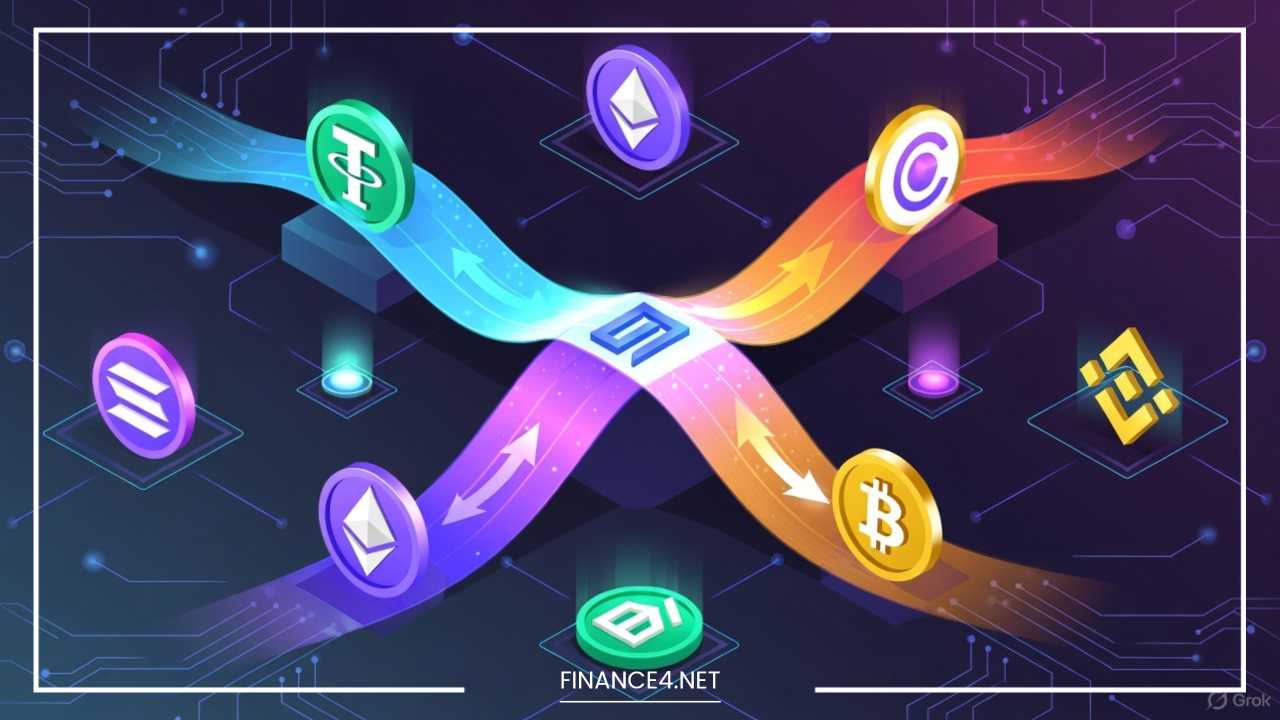
Best Stablecoins for Bridging | Top Crypto Options
The cryptocurrency landscape is characterized by its multichain nature, where innovation and liquidity are dispersed across dozens of independent blockchain networks—from Ethereum and its Layer-2s like Arbitrum and Optimism, to high-throughput chains like Solana and Avalanche. This decentralized ecosystem has made the movement of assets between these chains, known as bridging, a necessary and frequent operation.
At the core of this cross-chain movement lies the stablecoin: a crypto asset designed to maintain a stable value, typically pegged 1:1 to a fiat currency like the US Dollar. Choosing the right stablecoin for bridging is not merely a matter of convenience; it is a critical decision that directly impacts the security, speed, liquidity, and cost of a cross-chain transfer. With trillions of dollars in stablecoin transaction volume annually, understanding the best options for efficient bridging is essential for any serious crypto participant.
Understanding Stablecoins
Stablecoins are the financial backbone of the modern crypto market. They provide the necessary stability to transact, trade, and invest in a highly volatile asset class.
What are Stablecoins?
Stablecoins maintain their value through various backing mechanisms:
-
Fiat-Backed (Centralized): These coins, like USDT and USDC, are backed by reserves of fiat currency (mostly USD) or cash equivalents, such as short-term US Treasury bonds, held by a centralized entity. The issuer promises a 1:1 redemption. This model is currently the most dominant in the market.
-
Crypto-Collateralized (Decentralized): These coins, like DAI, are over-collateralized by a basket of other cryptocurrencies and managed by smart contracts and a decentralized autonomous organization (DAO). The over-collateralization ensures that the value of the collateral is always higher than the stablecoin’s supply, providing a buffer against price drops.
-
Algorithmic (Experimental): These attempted to maintain a peg through complex algorithms that automatically adjust supply and demand, often without significant external collateral. The spectacular collapse of the most prominent algorithmic stablecoin, TerraUSD (UST), served as a massive cautionary tale, proving this model to be inherently fragile and high-risk.
Why Stablecoins are Crucial for Cross-Chain Transactions
Stablecoins are the preferred asset for bridging for several reasons:
-
Low Volatility: They allow users to move value across chains without exposure to the price fluctuations of volatile assets like Bitcoin or Ethereum.
-
Liquidity and Speed: Due to their massive market capitalization and widespread adoption, stablecoins offer the deepest liquidity across decentralized exchanges (DEXs) on virtually every chain, ensuring trades can be executed with minimal slippage.
-
A Universal Digital Dollar: They function as a common denominator, simplifying the process of rebalancing capital across different blockchain ecosystems.
However, using stablecoins for bridging is not without risks:
-
Centralization Risk: Fiat-backed stablecoins rely on the transparency and solvency of their central issuers, which introduces a single point of failure and regulatory risk.
-
Smart Contract Risk: Bridging involves locking assets in a smart contract. If that contract has a bug or is exploited, the funds can be lost, as has happened in many high-profile bridge hacks.
-
Depeg Risk: Despite their name, stablecoins can briefly or catastrophically depeg from their dollar value due to reserve concerns, market panic, or, as seen with UST, algorithmic failure.
What is Bridging in Crypto?
Bridging is the process of transferring a crypto asset from one blockchain network to a different, incompatible one. Since one blockchain cannot natively read the state of another, a dedicated mechanism—the crypto bridge—is required to facilitate this transfer.
How Bridges Work
Bridges generally operate using one of two primary methods:
-
Lock-and-Mint (or Lock-and-Wrap): The stablecoin is locked in a smart contract on the source chain (e.g., Ethereum). A wrapped, pegged version of the coin (e.g., wUSDC or USDC.e) is then minted on the destination chain (e.g., Avalanche). The wrapped asset is redeemable 1:1 for the original coin by sending it back to the lock contract. This is the most common model, but it is the source of much of the industry’s fragmentation, as a wrapped token is not the “native” asset.
-
Burn-and-Mint (Native Bridging): The official issuer (e.g., Circle for USDC) integrates directly with the destination chain. The coin is burned on the source chain, and the issuer mints the native coin on the destination chain. This is the most secure method as it eliminates the counterparty risk of a third-party bridge contract.
Risks Involved in Bridging
Bridging is often considered one of the highest-risk operations in crypto, making the choice of stablecoin even more important.
-
Smart Contract Vulnerabilities: The locked funds on a bridge represent a massive honeypot. A bug in the bridge’s code can allow hackers to drain the collateral, rendering the wrapped tokens on the destination chain worthless.
-
Centralization in Bridges: Some bridges rely on a small group of multi-signature (multi-sig) key holders or validators to confirm transactions. If these entities are compromised or collude, they can steal the funds.
-
Slippage and Fees: Bridges often charge a service fee, and if the liquidity pool on the destination chain is shallow, a large transaction can incur significant slippage—the difference between the expected price and the execution price—which can be a hidden cost.
Key Factors to Consider When Choosing a Stablecoin for Bridging
To navigate the risks of cross-chain transfers, one must assess the underlying stablecoin on several key attributes.
1. Liquidity
Liquidity is the paramount factor for bridging. A highly liquid stablecoin guarantees that you can move a large amount of value without significant price impact.
-
Deepest Pools: Coins with high liquidity across major decentralized exchanges (DEXs) and bridges ensure your transaction is processed quickly with minimal slippage.
-
Market Dominance: High market cap stablecoins are more likely to have deep pools on new or emerging chains, making them inherently better for bridging.
2. Network Support & Native Status
A stablecoin’s utility is limited by the chains it supports.
-
Widespread Adoption: The best stablecoins are natively issued on the largest and most active Layer-1 and Layer-2 networks.
-
Native vs. Wrapped: Always prefer using the native version of the stablecoin on the destination chain (e.g., native USDC on Polygon) over a wrapped version issued by a third-party bridge, as the native version carries lower counterparty risk.
3. Decentralization & Trust
This factor addresses the reliability of the coin’s peg.
-
Backing and Audit: For centralized, fiat-backed coins, assess the issuer’s transparency. Look for monthly attestations by reputable accounting firms and verification that reserves are held in secure, highly liquid assets like US Treasury bills, as is the case with USDC.
-
Decentralized Collateral: For coins like DAI, evaluate the collateralization ratio and the diversity of the underlying assets to ensure the system can withstand market shocks.
4. Transaction Speed & Fees
The cost and time of the bridge operation are determined by the stablecoin and the underlying chain.
-
Chain Selection: Bridging USDT on a low-fee chain like Tron will be virtually instant and cost pennies, while bridging the same token on Ethereum during peak congestion can take minutes and cost hundreds of dollars in gas fees.
-
Bridge Type: Some bridges (especially liquidity-pool based ones) offer instant swaps, while official canonical bridges for some Layer-2s may have a multi-day withdrawal window.
5. Regulatory Risk
The stablecoin landscape is heavily scrutinized by global regulators.
-
Compliance: Coins prioritizing regulatory compliance (like USDC) may be favored by institutional and corporate users.
-
Sanctions Risk: Centralized issuers, being subject to government mandates, possess the ability to freeze assets on-chain, which is a major risk for a select number of sanctioned wallets or for users in jurisdictions under heavy sanctions.
Top Stablecoins for Bridging (Main Section)
The market for stablecoins is dominated by two central players, a leading decentralized option, and a few rising challengers.
1. USDT (Tether)
Tether is the largest stablecoin by market capitalization and transaction volume, making it the dominant choice for liquidity and trading.
| Feature | Details |
| Backing | Fiat-backed, reserves include US Treasuries, cash, and corporate bonds. |
| Use in Bridging | Unmatched liquidity on exchanges and DeFi protocols globally. |
| Supported Chains | Ethereum, Tron (massive volume), Solana, BNB Chain, Polygon, Avalanche, and more (supported on over 15 chains). |
| Dominance | Preferred in emerging markets for remittances and trade due to its low-fee options (especially on Tron). |
-
Pros:
-
Highest Liquidity: Ensures smooth execution of large transfers.
-
Widest Support: Available on more chains than any other stablecoin.
-
Fast & Cheap: Ultra-low transaction costs on high-throughput networks like Tron and Solana.
-
-
Cons:
-
Centralization/Transparency: Faces historical scrutiny regarding the full backing and transparency of its reserves, though this has improved over time.
-
Regulatory Concern: Viewed by some regulators with more caution than its competitors.
-
2. USDC (USD Coin)
USD Coin, issued by Circle in partnership with Coinbase, has positioned itself as the regulated and transparent choice, favored by institutions and US-based entities.
| Feature | Details |
| Backing | Fiat-backed, primarily by cash and short-term US Treasury bonds. |
| Use in Bridging | The preferred asset for canonical bridges and for direct bank-to-crypto on/off ramps due to its compliance-first approach. |
| Supported Chains | Ethereum, Polygon, Solana, Avalanche, Arbitrum, Optimism, and many more (often natively integrated). |
| Dominance | The most trusted centralized option; often the native stablecoin for new Layer-2 networks. |
-
Pros:
-
Transparency & Compliance: Reserves are subject to monthly attestations by a Big Four accounting firm, making it the most audited centralized stablecoin.
-
Institutional Trust: Strong regulatory compliance makes it the gold standard for institutional finance entering the crypto space.
-
Native Support: Often has the official, native version on new ecosystems, reducing the need for risky wrapped versions.
-
-
Cons:
-
Centralized Control: Circle can freeze funds, a necessary function for compliance but a risk for decentralization advocates.
-
Fewer Chains (Historically): While rapidly expanding, its distribution has historically lagged behind USDT’s extensive reach.
-
3. DAI
DAI, created by MakerDAO, is the leading decentralized, crypto-collateralized stablecoin. Its structure aims to remove the need for a central, trusted entity.
| Feature | Details |
| Backing | Crypto-collateralized (over-collateralized by a basket of assets, including ETH and a significant portion of USDC). |
| Use in Bridging | A primary asset within the DeFi ecosystem, used extensively for lending and borrowing across chains. |
| Supported Chains | Ethereum, Polygon, Arbitrum, Optimism, BNB Chain, and most major DeFi-enabled chains. |
| Dominance | The decentralized alternative; popular among users prioritizing censorship resistance. |
-
Pros:
-
Decentralized & Censorship-Resistant: Governed by a DAO and backed by smart contracts, making it immune to unilateral freezes by a single company.
-
Transparency: Its collateralization is transparent and verifiable on-chain.
-
-
Cons:
-
Collateral Complexity: Its peg relies on the stability of other crypto assets, which introduces complexity and indirect exposure to market volatility.
-
Bridging Complexity: While bridging is possible, the underlying smart contract mechanisms can make the process slower and potentially more costly than using a purely fiat-backed coin on a liquidity pool.
-
4. BUSD (Binance USD)
Note: As of this writing, BUSD is officially being phased out and should not be considered a viable long-term option for bridging, serving as a good example of a stablecoin with high centralization risk tied to one exchange.
5. Other Emerging Stablecoins: FRAX, Ethena’s USDe, and the UST Caution
The stablecoin landscape is constantly evolving with new models.
-
FRAX: A fractional-algorithmic stablecoin that uses a mix of collateral (partially centralized, partially algorithmic). It represents a move toward greater capital efficiency and has gained traction in DeFi, offering a hybrid model for users seeking a middle ground between centralized and decentralized options.
-
Ethena’s USDe: A synthetic dollar protocol that achieves its peg using delta-hedging with staked crypto assets. It is highly experimental and carries significantly different risks than fiat-backed coins, appealing to high-risk, high-reward DeFi users.
-
The UST Cautionary Tale: The catastrophic collapse of TerraUSD (UST) in 2022, which used a purely algorithmic method to maintain its peg, demonstrated the extreme fragility of uncollateralized or insufficiently backed models. Its failure resulted in tens of billions of dollars in losses and highlighted the systemic risks of relying on complex, untested stablecoin designs for cross-chain utility. UST’s demise is why most users now favor collateralized models for bridging.
Stablecoin Comparison Table for Bridging
| Stablecoin | Type | Bridging Risk Profile | Network Coverage | Liquidity Depth | Pros | Cons |
| USDT | Centralized, Fiat-Backed | Medium (Issuer Risk) | Excellent (Widest) | Highest | Best liquidity, fastest settlements on L1s. | Transparency concerns, high regulatory scrutiny. |
| USDC | Centralized, Fiat-Backed | Low (High Transparency) | Excellent (Native Focus) | Very High | Most transparent, best for institutional use and compliance. | Centralized control (asset freezing capability). |
| DAI | Decentralized, Crypto-Collateralized | Medium (Collateral Risk) | Good (DeFi Focused) | Medium-High | Censorship resistant, transparent on-chain collateral. | Indirect exposure to volatile collateral, potential for slower bridging. |
| FRAX | Hybrid (Fractional) | High (Experimental) | Growing | Moderate | Capital efficient, hybrid collateral model. | Highly experimental, more complex peg mechanism. |
How to Safely Bridge Stablecoins
A secure and successful bridge transfer depends on both the stablecoin chosen and the bridge protocol used.
Step-by-Step Guide
-
Select the Stablecoin: Choose one based on the destination chain and your risk tolerance. (e.g., Use USDC if bridging to a new L2 that supports a native version).
-
Choose a Reputable Bridge: Use the official/canonical bridge (for L2s like Arbitrum or Optimism) or a highly reputable third-party bridge with a long track record, massive Total Value Locked (TVL), and multiple independent security audits (e.g., Across, Stargate, or the official asset issuer’s portal).
-
Check Network Fees and Liquidity: Before initiating, check the gas fees on the source chain (especially if it’s Ethereum L1) and ensure the bridge’s liquidity pool on the destination chain is deep enough for your transaction size.
-
Initiate the Transaction: Connect your wallet and initiate the transfer. Double-check the destination network and the recipient address.
-
Confirm Token Receipt: Wait for the transaction to finalize. If bridging to an Optimistic Rollup, be aware that official withdrawals may involve a multi-day waiting period.
Safety Tips
-
Bookmark Official URLs: Bridge phishing is rampant. Always use bookmarked, official links for bridge protocols. Never follow links from DMs or suspicious advertisements.
-
Avoid “Too Good to Be True” Transfers: Bridges that promise zero fees or unrealistically high exchange rates often involve exploits or hidden contract risks.
-
Double-Check Addresses: When adding a token on a new chain, always verify the smart contract address for the stablecoin (e.g., the official USDC contract on Polygon) using documentation from the stablecoin issuer (Circle, Tether, or MakerDAO) to avoid holding fake or worthless scam tokens.
-
Use Hardware Wallets: Use a hardware wallet (e.g., Ledger, Trezor) for all transactions to physically verify the details of the smart contract interaction before signing.
Future Trends in Stablecoin Bridging
The future of stablecoin bridging is moving toward seamless, secure, and native asset transfers.
Cross-Chain Interoperability Improvements
The industry is rapidly evolving past the old “lock-and-mint” model which fragmented liquidity and created security risks. Newer architectures, such as intent-based bridges and protocols that use a native burn-and-mint approach (like the methods being adopted by USDC), are emerging to unify stablecoin liquidity across chains. This will make the user experience feel less like a complex bridge and more like a simple transfer.
Growth of Decentralized Bridges
While centralized stablecoins dominate, the infrastructure that moves them is becoming more decentralized. New bridge designs that rely on cryptographic proofs (like zero-knowledge proofs) rather than trusted validator sets are set to improve security substantially. This move toward trustless bridging will make cross-chain transfers safer and less reliant on human or centralized governance.
Potential Regulatory Impact on Bridging Stablecoins
Regulatory frameworks, such as the GENIUS Act in the U.S. and similar measures globally, are creating a compliant framework for fiat-backed stablecoin reserves. While this enhances trust and security for coins like USDC, it will also put pressure on third-party bridge providers to comply with AML/KYC regulations, potentially adding an access layer to some bridge services. The result will likely be a clearer distinction between regulated and unregulated bridging methods.
Final Thoughts
The decision of which stablecoin is best for bridging ultimately depends on your priority:
-
For maximum liquidity, trading volume, and widest chain coverage, USDT remains the practical choice.
-
For maximum security, regulatory compliance, and institutional use, USDC is the clear industry favorite, especially where native asset issuance is supported.
-
For users prioritizing decentralization and censorship resistance, DAI offers the most robust, crypto-backed alternative.
Regardless of the stablecoin, the single most important action is to research and double-check the bridge protocol itself. Liquidity, security, speed, and network support are key factors, but the bridge’s code is your greatest point of vulnerability. Use the most reputable protocols, verify the gas fees, and confirm that the stablecoin you receive on the destination chain is the native and official asset. Safe bridging is not an accident; it is the result of diligence.