How to Create NFT Receipts for Physical Products
 by
by 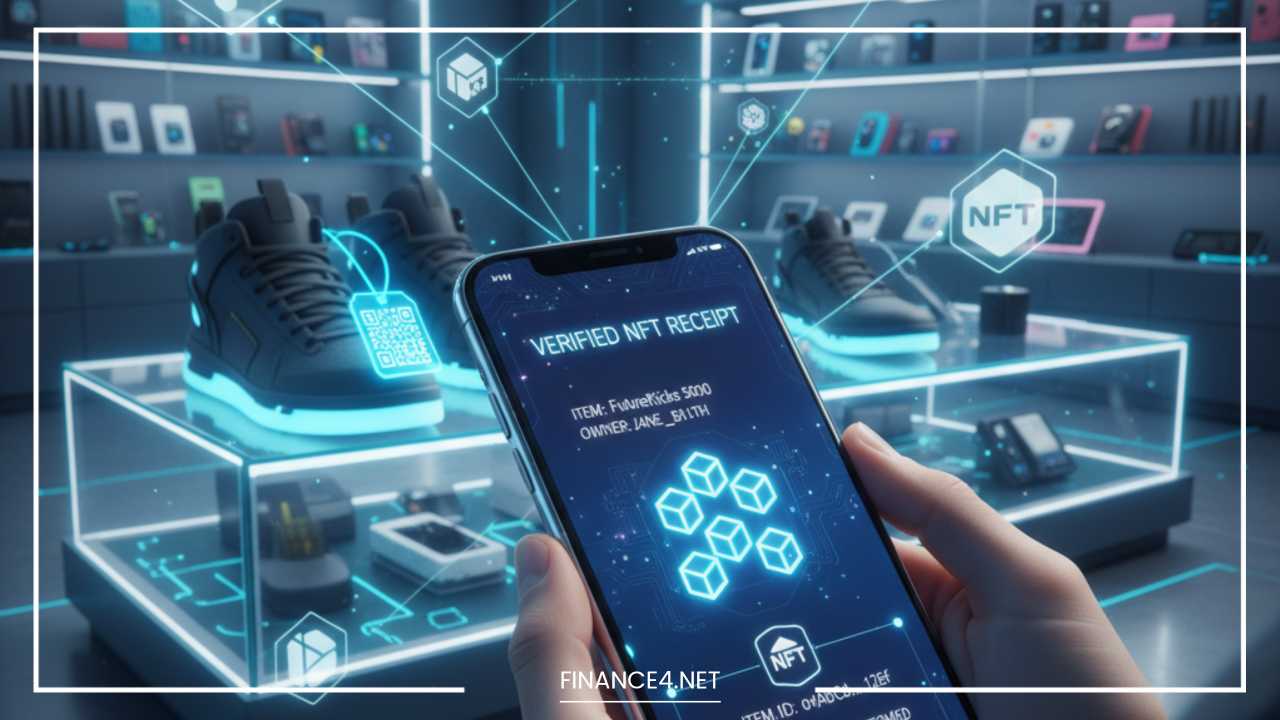
How to Create NFT Receipts for Physical Products | Step-by-Step Guide
The simple paper receipt—a ubiquitous, easily lost, and often illegible fragment of consumer history—is a relic of a bygone era. For decades, it has served as the sole, fragile proof of purchase, and the often-frustrating key to warranty claims and returns. However, in an increasingly digital and tokenized world, a revolutionary upgrade is emerging: the NFT Receipt.
An NFT receipt is a non-fungible token (NFT) issued at the point of sale (POS) that is cryptographically linked to a specific physical product. Unlike a standard receipt, it is an immutable, digital asset stored on a blockchain, forever documenting the product’s authenticity, ownership history, and warranty status.
This concept is rapidly gaining traction as businesses realize the profound benefits of tokenizing physical assets. It addresses critical issues like product counterfeiting, complex warranty validation, and the lack of a transparent secondary market. By creating a unique digital twin for every product sold, companies can forge a deeper, more trustworthy connection with their customers.
This comprehensive guide will demystify the process of creating NFT receipts. We will explore the compelling business case, detail the underlying technologies, and provide a clear, step-by-step implementation strategy for brands of all sizes. From defining product metadata to smart contract deployment and customer delivery, you will learn how to transition your business from flimsy paper trails to an unalterable, blockchain-backed future of commerce.
Understanding NFT Receipts
To grasp the power of the NFT receipt, one must first understand the fundamental technology behind it: the Non-Fungible Token.
What is an NFT in Simple Terms?
An NFT is essentially a digital certificate of ownership for a unique item, be it a digital artwork, a collectible, or, in this case, a physical receipt. “Non-fungible” means it cannot be exchanged on a one-for-one basis like a dollar bill or a Bitcoin. Each NFT is distinct and holds unique information. This uniqueness is permanently recorded on a decentralized ledger called a blockchain.
What Makes an NFT a “Receipt”?
When an NFT is designated as a receipt, its metadata is programmed to contain all the critical information traditionally found on a paper slip, but in an unchangeable format:
- Uniqueness: The NFT’s token ID is linked to the physical item’s unique serial number or product ID.
- Timestamp: The blockchain permanently records the exact date and time of the transaction.
- Proof of Ownership: The NFT is transferred to the buyer’s digital wallet, unequivocally proving they own the product.
- Immutability: Once the receipt is minted, the core data (price, date, product ID) cannot be altered or fabricated.
Key Use Cases
The utility of an NFT receipt extends far beyond a simple transaction record. It unlocks new possibilities for product management:
- Luxury Goods & Collectibles: Provides irrefutable proof of authenticity, crucial for maintaining value and provenance.
- Limited-Edition Drops: Certifies the product’s place in a numbered series, eliminating disputes over exclusivity.
- Warranty Claims: The digital, time-stamped receipt simplifies and automates warranty validation, removing the need for customers to hunt for old papers.
- Resale Markets: The NFT acts as the product’s transparent history log, making the secondary market fairer and more trustworthy by assuring the next buyer of the item’s legitimacy and condition.
The Business Case for NFT Receipts (![]() words)
words)
Integrating NFT receipts is not merely a technical novelty; it is a strategic business advantage that transforms the customer experience and strengthens operational integrity.
Enhancing Customer Trust and Transparency
In an age where consumers demand authenticity, providing a blockchain-backed receipt builds unprecedented trust. Customers receive a digital asset that they fully control, which openly documents their purchase. This transparency differentiates a brand, signaling a commitment to integrity over opacity.
Combating Counterfeit Products
Counterfeiting is a multi-billion dollar problem that erodes brand value and consumer confidence. When an NFT is tied to a physical product via a tamper-proof tag (like an NFC chip or secure QR code), only the genuine item possesses the correct, verifiable digital token. Prospective buyers on a secondary market can instantly verify the product’s authenticity by checking the token on the blockchain, effectively disrupting the supply chain of fake goods.
Streamlining Returns and Warranty Validation
The current process for returns and warranty claims is often manual and slow, relying on physical documentation. With an NFT receipt, the process is instantaneous. A smart contract can automatically verify the purchase date, product ID, and warranty expiration period held within the token’s metadata, drastically reducing processing time, internal fraud, and administrative overhead.
Creating Digital Twins for Physical Assets
The NFT acts as a “digital twin” of the physical item. This token can evolve over time, incorporating data about maintenance, repairs, and past ownership. This unified, persistent digital record adds tangible value to the product, especially for high-value or complex goods.
Opening Secondary Market Opportunities
NFT receipts enable brands to participate in the lucrative secondary market. By programming a royalty clause into the smart contract, the original brand can earn a small percentage every time the NFT (and thus the physical product) is resold. This transforms the resale of a product from a lost opportunity into a perpetual revenue stream, aligning the brand’s long-term interests with the product’s enduring value.
Key Technologies Involved
Creating an NFT receipt requires harmonizing several layers of decentralized technology, from the underlying ledger to the user’s interface.
Blockchain Basics
The blockchain is the distributed ledger that provides the immutability and transparency essential for the NFT receipt.
- Ethereum: The most established platform, offering the highest security and developer ecosystem. Its current high gas fees (transaction costs) can be prohibitive for high-volume, low-margin products.
- Polygon (Layer 2 on Ethereum): Offers the security of Ethereum but with significantly lower transaction costs and faster speeds, making it a popular choice for commercial applications like receipts.
- Solana: Known for its extremely fast transaction speed and low costs, though its network is less decentralized than Ethereum.
The choice of blockchain is critical, weighing the importance of cost and speed against security and decentralization.
Smart Contracts: The Automated Receipt
A smart contract is self-executing code stored on the blockchain. For an NFT receipt, the smart contract defines the rules for minting, ownership, and transfer.
- Standard: Most NFT receipts utilize the ERC-721 standard (for unique tokens) or, increasingly, the ERC-1155 standard, which allows a single contract to manage both unique tokens (the receipts) and fungible tokens (for loyalty points or fractional ownership).
- Function: The contract is programmed to execute the minting and immediate transfer of the NFT receipt to the customer’s wallet upon receiving a signal from the POS or e-commerce system.
IPFS / Decentralized Storage for Metadata
While the NFT token is on the blockchain, the metadata (the receipt details: product name, image, serial number, etc.) is typically too large to store directly on-chain. This metadata is stored securely on a decentralized file system like IPFS (InterPlanetary File System). The NFT’s smart contract then contains an immutable link (the Content Identifier, or CID) that points directly to this secure data file, ensuring the metadata cannot be tampered with or lost.
Wallets for Users
The customer needs a digital wallet to receive and hold their NFT receipt. Popular options include MetaMask, Coinbase Wallet, and various proprietary brand-developed wallets. Crucially, brands must simplify this step, potentially allowing customers to create a “custodial” wallet at checkout with a simple email or social login.
QR Code Integration
The final piece is bridging the physical and digital worlds. A tamper-resistant QR code or NFC chip embedded in the product or packaging links to the NFT’s unique page on the blockchain or a dedicated brand portal, allowing for instant verification and easy transfer.
Step-by-Step: How to Create NFT Receipts for Physical Products
The creation of an NFT receipt system moves through a defined pipeline, from product definition to final customer delivery.
Step 1: Define Your Product Metadata
The metadata is the heart of the NFT receipt. Before writing any code, determine exactly what data must be permanently logged.
- Mandatory Receipt Data:
- Unique Product Serial Number (or SKU/UPC)
- Mint Date and Transaction Hash (Proof of Sale)
- Purchase Price and Currency
- Seller/Store ID
- Customer Wallet Address (Recipient)
- Optional Value-Add Data:
- Warranty Period and Terms
- Link to a High-Resolution Product Image (stored on IPFS)
- Link to a Digital Manual or Assembly Instructions
- Royalty Percentage for Secondary Sales
- Initial Condition Rating (e.g., “New”)
The metadata should be structured in a standardized JSON format, which will then be uploaded to IPFS.
Step 2: Choose a Blockchain Platform and Minting Strategy
Based on the analysis in the technology section, select your blockchain. For most businesses, a Layer 2 solution like Polygon or a fast, low-cost Layer 1 like Solana offers the best balance of efficiency and cost for a high-volume receipt system.
Next, decide on your minting approach:
- No-Code Platforms: Platforms like OpenSea’s Storefront, Rarible, or specialized services like Manifold Studio allow you to create a smart contract and mint tokens with minimal coding knowledge. This is fast and ideal for pilot programs.
- Custom Development: For enterprise-level integration, custom development using languages like Solidity (for EVM chains like Ethereum/Polygon) is necessary. Tools like Hardhat or Truffle are used for testing, deployment, and interacting directly with the smart contract, offering maximum control over contract functions, such as automated royalty payments. This approach is recommended for integrating with existing POS systems.
Step 3: Write and Deploy the Smart Contract
If pursuing the custom route, a developer will write a simplified NFT contract that includes the following core functions:
mintReceipt(recipientAddress, serialNumber, metadataURI): This is the function called at the point of sale. It takes the customer’s wallet address, the product’s unique serial number, and the IPFS URI of the metadata, and then generates and transfers the new NFT to the customer.ownerOf(tokenId): A function that allows anyone to verify the current owner of the receipt.- Royalty Function: If secondary market royalties are desired, a function complying with standards like EIP-2981 must be included.
Once written, the contract is deployed to the chosen blockchain, and its unique contract address becomes the immutable ID for your brand’s receipts.
Step 4: Link NFT to the Physical Item
This is the bridge between the digital and physical. The product must have a unique, secure identifier that links back to the NFT.
- Secure QR Code: A QR code printed on a tamper-proof label on the product or packaging. When scanned, this code redirects the user to a secure claim portal or directly to the NFT’s page on a blockchain explorer (e.g., Polygonscan).
- NFC Chip: An embedded chip that customers can tap with their smartphone to launch the verification or claim process, offering greater security and a smoother user experience than a QR code.
- Hologram/Seals: A physical seal that, when broken, indicates tampering, combined with a unique alpha-numeric code that must be entered to claim the NFT.
Step 5: Deliver NFT to Customer
The final step is delivering the digital asset seamlessly.
- Claim Upon Purchase: The most common method involves the customer scanning the product’s code after purchase. This takes them to a web portal where they can connect their existing wallet (e.g., MetaMask) or create a new wallet using a simple social login (often a custodial wallet managed by the brand initially). The brand’s system then calls the
mintReceiptfunction on the smart contract, transferring the NFT. - Automatic Transfer at Checkout: For e-commerce, the customer can be prompted to provide or register their wallet address during the checkout flow. The minting and transfer are then executed by the e-commerce backend immediately upon payment confirmation.
Legal and Privacy Considerations
The immutability of the blockchain, while a core benefit, also introduces unique legal and privacy challenges that must be addressed proactively.
Who Owns the Data?
In a traditional transaction, the company owns the customer data. With an NFT receipt, the customer owns a tokenized asset that is a proof of purchase. Crucially, the sensitive personal information (PII) like the customer’s name, physical address, and credit card details should never be stored directly on the public blockchain.
The brand should only store public data (product ID, date, price, and the customer’s public wallet address) on-chain. The actual ownership of the NFT is recorded by the blockchain, but the association of the public wallet address to the customer’s real identity should be kept off-chain in the brand’s secure, centralized database, compliant with data protection laws.
Data Privacy and GDPR Compliance
Compliance with regulations like the General Data Protection Regulation (GDPR) is paramount. The “right to be forgotten” is fundamentally incompatible with the immutable nature of the blockchain. Therefore, a brand must ensure:
- No PII on-chain: As noted, all personally identifiable information is stored separately and can be erased if a customer exercises their GDPR rights.
- Consent and Transparency: Customers must provide explicit, informed consent for their public wallet address to be associated with their purchase and recorded on the blockchain.
Smart Contract Immutability and Potential Risks
Once a smart contract is deployed, it cannot be changed. This immutability guarantees the receipt’s permanence but also means that any bugs, security vulnerabilities, or legal issues encoded in the contract are permanent.
- Mitigation: Rigorous auditing of the smart contract by third-party security experts is mandatory before deployment. Companies should also consider a proxy pattern, which allows for upgrades to the contract’s logic (but not the core data ledger) to fix future issues without breaking the link to the existing NFTs.
Terms and Conditions for Customers
The terms of service for the NFT receipt must clearly delineate the rights and responsibilities of both the brand and the token holder. This should address:
- The customer’s right to transfer the NFT (and thus the product’s provenance).
- The brand’s right to use the recorded purchase data (anonymized) for market insights.
- Specific language on how warranty claims are verified using the token.
- The brand’s liability concerning the security of the customer’s self-custodied wallet.
Integration with E-commerce and POS Systems
The transition from a paper to an NFT receipt must be invisible and smooth for the customer and efficient for the brand’s existing infrastructure.
How to Integrate Minting into Online Stores
For platforms like Shopify or WooCommerce, the minting process needs to be triggered by the Order Confirmed status, not just payment authorization.
- Custom Checkout Field: A required field is added to the checkout flow where the customer provides their wallet address or selects to create a new wallet using a “wallet as a service” provider (Waas) that links to their email.
- API Bridge: The e-commerce backend uses a secure API key to connect to the smart contract’s minting function. Upon order confirmation, the API call executes the mint, passing the metadata URI and the customer’s wallet address.
- Third-Party Plugins: Specialized plugins are emerging that simplify this connection, acting as an intermediary service that handles the gas fees and complex transaction execution on behalf of the brand.
Connecting with In-Store Point-of-Sale (POS) Systems
Integrating with physical POS systems presents a slightly different challenge, as transactions must be near-instantaneous.
- POS Terminal Integration: The POS terminal requires a dedicated application or integration layer. Once the transaction is finalized, the POS system sends the sale data (product ID, price, time) to a dedicated Minting Service Backend (MSB).
- Customer-Facing QR Code: The receipt screen or a small dedicated terminal presents a QR code. The customer scans this code, which links them to the claim portal where they connect their wallet.
- MSB Execution: The MSB, which holds the private key for the company’s “minting wallet,” verifies the customer’s claim request against the POS data, executes the transaction on the blockchain (paying the gas fees), and updates the POS record with the transaction hash.
APIs and Third-Party Plugins for Automation
The key to scalability is automation. Instead of paying for every single transaction (gas fee), many large-scale receipt solutions use “gasless” transactions, where a specialized service or the brand’s MSB pays the network fee on the customer’s behalf to ensure a zero-friction experience. APIs are the backbone of this automation, ensuring data consistency between the centralized e-commerce/POS data and the decentralized smart contract data.
Real-World Examples and Case Studies
The theoretical benefits of NFT receipts are already being proven in high-value industries, providing valuable lessons for mass adoption.
Brands Already Using NFT Receipts
- Nike (via RTFKT): While primarily focused on digital collectibles, Nike’s token-gating system and CryptoKicks use NFTs to establish ownership and authenticity for physical-digital bundles, acting as an enhanced proof of purchase and a gateway to exclusive products.
- LVMH (Aura Blockchain Consortium): Major luxury brands under the LVMH umbrella (e.g., Louis Vuitton, Christian Dior) use the Aura platform to issue digital certificates of authenticity (essentially NFT receipts) for their high-value goods. This combats counterfeiting and secures the provenance of items in the secondary market.
- Startups and Smaller Businesses: Several startups are building “Web3 receipt” infrastructure for everyday goods, demonstrating that the technology is now cost-effective enough for non-luxury items, often leveraging Layer 2 solutions for low transaction costs.
Successes and Lessons Learned
The primary success has been the reduction of friction in verification. Customers in these ecosystems can prove their product is genuine and that they own it in seconds, a process that once took days of documentation review.
A key lesson is the importance of abstracting away the crypto complexity. The most successful implementations ensure the customer does not need to understand “gas fees” or “seed phrases.” The experience should feel like receiving a secure, digital file via email, but with the added layer of blockchain permanence. The user experience must be as simple as scanning a code and clicking “claim.”
Challenges and Future Outlook
While the utility is clear, widespread adoption of NFT receipts faces several hurdles that the industry is actively working to overcome.
Scalability and Environmental Concerns
Minting millions of receipts on energy-intensive Proof-of-Work blockchains (like the original Ethereum) is neither scalable nor environmentally responsible. The industry shift to Proof-of-Stake (PoS) (e.g., Ethereum’s Merge, Polygon, Solana) addresses the environmental concern, making the transaction energy consumption negligible. Scalability is being solved by Layer 2 solutions, allowing for millions of transactions at minimal cost.
Customer Education and Adoption Barriers
The largest barrier remains the customer. Many consumers are unfamiliar with digital wallets, public keys, and self-custody. Brands must commit to comprehensive, simple educational materials. Furthermore, the technology must be “opt-in” and accompanied by a familiar, simplified UX (e.g., email-based wallet creation) to lower the entry threshold.
Evolving Standards
The technology is rapidly evolving. Current standards like ERC-721 and ERC-1155 are the foundation, but new standards are being developed to facilitate specific legal and functional requirements for tokenized assets. Brands must choose flexible platforms that can adapt to future innovations.
Potential for Integration
The future of the NFT receipt is its integration with other technologies:
- IoT: A product’s embedded sensor could use the NFT to log maintenance data directly to its digital twin.
- AI/AR: Customers could use an AR filter to scan a product and instantly pull up its entire provenance history and warranty status from the linked NFT.
Final Thoughts
The NFT receipt is more than a novel digital artifact; it is the inevitable evolution of proof-of-purchase in the digital age. It transforms a disposable piece of paper into an immutable, verifiable, and transferable digital asset that benefits every party in the commerce chain.
For consumers, it provides irrefutable authenticity, hassle-free warranty claims, and a transparent history that protects the value of their asset. For businesses, it is a powerful tool to eliminate counterfeits, streamline operations, build radical customer trust, and unlock recurring revenue streams through secondary market royalties.
While the implementation involves integrating new blockchain technologies, the cost and complexity have dropped dramatically with the rise of Layer 2 solutions and specialized service providers. This makes the creation of an NFT receipt system feasible for both global enterprises and specialized smaller businesses.
The time for experimentation is now. Brands are strongly encouraged to pilot NFT receipt programs with limited-edition drops or high-value items. The successful integration of this technology will not only secure your products but will also position your brand at the forefront of the next generation of commerce: transparent, tokenized, and driven by customer empowerment.