How to Mint NFT Merchandise With Cross-Chain Utility
 by
by 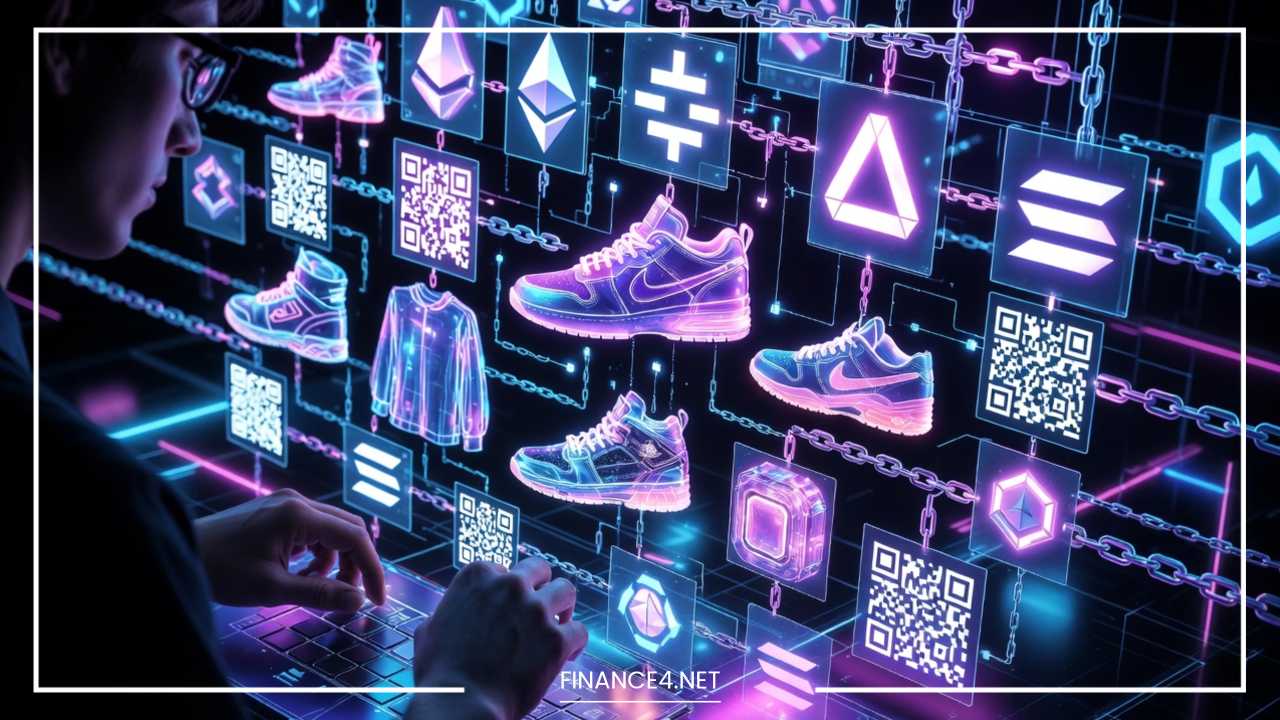
How to Mint NFT Merchandise With Cross-Chain Utility
The Evolution of NFT Merchandise
The landscape of non-fungible tokens (NFTs) has undergone a radical transformation since the initial digital gold rush of 2021. What began as a market dominated by speculative profile picture (PFP) collections and digital art has matured into a sophisticated ecosystem focused on tangible value and functional application. We have transitioned from the era of digital scarcity to the era of digital utility.
In today’s market, NFT merchandise represents the convergence of physical goods and blockchain-backed digital assets. This hybrid model, often referred to as “phygital” merchandise, allows brands and creators to offer more than just a JPEG; they offer a verifiable claim to physical products, exclusive access, and multi-platform experiences. However, as the number of active blockchains grows—from Ethereum and Polygon to Solana, Avalanche, and various Layer 2 solutions—a new problem has emerged: fragmentation.
Single-chain NFTs are often locked within a specific ecosystem, limiting their liquidity, reach, and long-term viability. If a user owns an NFT on Ethereum but spends most of their time in a gaming ecosystem on Polygon or Solana, the utility of that asset is severely diminished. This is where cross-chain utility becomes essential. By enabling NFT merchandise to move across different networks, creators can future-proof their assets and ensure they remain relevant regardless of which blockchain gains the most traction.
The 2025 landscape is one of chain abstraction and interoperability. Users no longer want to be told that their digital jacket only works in one corner of the internet. They want a seamless experience where their assets travel with them. In this comprehensive guide, we will explore the technical, strategic, and logistical framework required to mint NFT merchandise that thrives across multiple chains.
What Is NFT Merchandise?
NFT merchandise is a broad category that encompasses any physical or digital product whose ownership, authenticity, and utility are governed by a blockchain-based token. Unlike traditional merchandise, where a paper receipt or an email confirmation is the only proof of purchase, NFT merchandise provides a permanent, transparent record on a public ledger.
Definition and Scope
At its core, NFT merchandise turns a commodity into a programmable asset. This means the merchandise can “know” who its owner is, track its own history, and even change its properties over time. For a brand, this creates a direct, unmediated channel to the consumer that persists long after the initial sale.
Digital-Only vs. Physical-Linked NFTs
There are two primary forms of NFT merchandise currently dominating the market:
-
Digital-Only Assets: These include skins for avatars in the metaverse, digital wearables, or exclusive digital content. For example, a luxury brand might release a digital-only handbag that can be worn in virtual environments like Decentraland or The Sandbox. While there is no physical counterpart, the “merchandise” is the digital item itself.
-
Physical-Linked (Phygital) NFTs: This is the most potent form for mainstream brands. Here, the NFT acts as a digital twin or a redemption voucher for a physical item. For example, owning a specific NFT might allow the holder to claim a limited-edition hoodie, a pair of sneakers, or a high-end watch. The NFT serves as the certificate of authenticity for the physical item.
How Smart Contracts Power Ownership
The magic of NFT merchandise lies in the smart contract—a self-executing agreement with the terms of the deal written directly into the code. This ensures that if you sell the NFT on a secondary market, the right to claim the physical merchandise (if not yet redeemed) or the associated digital utility transfers automatically to the new owner. This eliminates the risk of counterfeit goods and provides a secure secondary market for collectors.
Real-World Brand Adoption
Major brands have already paved the way. Nike, through its acquisition of RTFKT, has released sneakers that exist both as wearable assets in virtual worlds and as physical shoes. Luxury brands like Gucci and Prada have utilized NFTs to provide access passes to exclusive physical events and limited-run fashion lines, proving that the technology has moved far beyond the “experimental” phase.
Understanding Cross-Chain Utility
To understand cross-chain utility, we must first define the concept of interoperability. In the context of blockchain, cross-chain refers to the ability of data and assets to move seamlessly between different blockchain networks.
Distinguishing the Technical Approaches
-
Multi-chain NFTs: These are identical collections launched on multiple blockchains simultaneously (e.g., a collection available on both Ethereum and Solana), but the individual tokens are usually not portable between them. They are essentially separate “islands” of the same project.
-
Cross-Chain NFTs: These are tokens that can be bridged or moved from Chain A to Chain B while maintaining their unique metadata, history, and identity. This is the gold standard for utility.
-
Wrapped NFTs: This involves locking an NFT on its native chain and minting a representative “wrapped” version on another chain. While functional, it often creates a dependency on the original chain that can be a point of failure.
The Problem of Fragmentation
Why do users want cross-chain NFTs? The primary driver is the user experience. Imagine buying an NFT on Ethereum that grants you a physical hoodie, but the “digital version” of that hoodie is for a game that only runs on Polygon. If the NFT cannot move between those chains, the user is forced to manage multiple wallets and pay expensive bridging fees, or worse, they are simply unable to use the asset they bought.
Common Cross-Chain Use Cases
-
Lower Fees: Moving an NFT from Ethereum to a Layer 2 like Arbitrum or Base to perform high-frequency actions like “leveling up” or “customizing” the digital merch.
-
Broader Marketplace Access: A creator can mint on a secure, high-prestige chain like Ethereum while allowing users to list the item on high-speed marketplaces on Solana or Avalanche.
-
Interoperability: Using the same NFT for merch redemption, as a character skin in a game, and as collateral in a decentralized finance (DeFi) protocol.
Benefits of Minting NFT Merchandise With Cross-Chain Utility
Investing in cross-chain capabilities offers several strategic advantages that significantly increase the ROI of a merchandise drop.
Expanded Audience and Liquidity
By supporting multiple chains, you lower the barrier to entry. A user who only holds SOL (Solana) can interact with your brand just as easily as a user who only holds ETH (Ethereum). You are no longer marketing to a “chain-specific” community, but to the entire Web3 ecosystem. This increased accessibility naturally leads to higher liquidity and more robust secondary market volume.
Reduced Dependency on One Blockchain
Relying on a single blockchain is a “single point of failure” risk. If a network experiences significant downtime, skyrocketing gas fees, or a decline in popularity, your merchandise ecosystem remains resilient. Cross-chain utility allows your project to migrate toward where the users are.
Better User Experience (UX)
Cross-chain functionality allows users to choose the environment that suits their budget and technical comfort level. A power user might keep their “Grail” NFT on a cold-storage Ethereum wallet, while a casual user might move theirs to a fast L2 for social features.
Longevity and Future-Proofing
The blockchain space moves fast. An NFT minted with cross-chain architecture is more likely to remain functional as new, more efficient networks emerge. You aren’t just building for today; you are building for the next decade of digital commerce.
Increased Perceived Value
Collectors view cross-chain assets as more versatile and technologically superior. When an NFT is “omnichain,” it feels more like a real object that exists independently of any one platform, much like how a physical hoodie works regardless of which city you are standing in.
Key Technologies Behind Cross-Chain NFT Merchandise
Building a cross-chain ecosystem requires a stack of specialized technologies working in harmony. It is no longer enough to just write a simple Solidity contract.
Smart Contract Standards
-
ERC-721 and ERC-1155: These are the bedrock of the EVM (Ethereum Virtual Machine) world. ERC-1155 is particularly popular for merchandise because it allows for “semi-fungible” items—useful if you are selling 500 identical blue hoodies but want each to be a distinct NFT.
-
SPL (Solana Program Library): For the Solana ecosystem, this standard handles the metadata and minting logic.
Messaging Protocols (The “Bridges”)
The “bridge” is the most critical and sensitive part of the stack. Modern cross-chain utility relies on messaging protocols like:
-
LayerZero: A protocol that enables “Omnichain” NFTs (ONFTs). It allows an NFT to be “sent” to another chain by burning it on the source and minting it on the destination, maintaining a consistent global ID without a central “vault.”
-
Chainlink CCIP: A highly secure cross-chain interoperability protocol that uses Chainlink’s decentralized oracle networks to facilitate the transfer of tokens and data.
-
Wormhole: A generic message-passing protocol that connects many different ecosystems, including non-EVM chains like Solana and Sui.
Metadata and Off-Chain Storage
For NFT merchandise, the digital representation must be permanent. If the image of the sneakers disappears, the value of the NFT plummets.
-
IPFS (InterPlanetary File System): A peer-to-peer network for storing and sharing data in a distributed file system.
-
Arweave: A protocol that offers permanent, “pay-once-store-forever” data storage. This is ideal for high-end merchandise where the digital twin needs to last for decades.
Token-Gated Access and Fulfillment
To turn an NFT into a physical object, you need a way to verify ownership and trigger a shipping order. This is often handled by:
-
Oracles: They feed real-world data (like “is this item shipped?”) back to the blockchain.
-
Web3 Commerce Integrations: Tools like Shopify’s “Tokengate” allow merchants to restrict certain products to NFT holders, bridging the gap between a crypto wallet and a shipping address.
Planning Your NFT Merchandise Strategy
Before writing a single line of code, you must define the “game theory” and logic of your merchandise ecosystem.
Defining the Utility
You must decide exactly how the NFT interacts with the physical world:
-
Burn-to-Redeem: The user sends the NFT to a “burn address” (effectively destroying it) to receive the physical item. This makes the physical item rare and the remaining NFTs even rarer.
-
Hold-to-Claim: The user must simply prove they own the NFT at a specific point in time (a “snapshot”) to claim the merch. The NFT remains in their wallet.
-
Mutating Utility: The NFT’s metadata changes after redemption—for example, the digital artwork of the jacket might go from “Brand New” to “Redeemed.”
Choosing Supported Blockchains
You should select a “Home Chain” for the primary mint and “Satellite Chains” for utility.
-
High Value: Ethereum or Bitcoin (via Ordinals) for the initial high-value mint.
-
High Activity: Polygon, Base, or Solana for trading, gaming, and social features.
Supply, Rarity, and Pricing
Will all NFTs grant merchandise, or only a “Golden Ticket” percentage? Will the physical item have the same rarity traits as the NFT (e.g., a “Gold Foil” NFT hoodie corresponds to a physical hoodie with gold stitching)? These decisions impact your manufacturing costs and the secondary market value.
Legal and Licensing
Crucially, you must define what the user actually owns. Are they buying the IP rights to the art, or just a license to wear the physical garment? If you are shipping internationally, you also need to factor in customs, duties, and data privacy laws regarding the collection of physical addresses.
Step-by-Step: How to Mint NFT Merchandise With Cross-Chain Utility
This technical roadmap will guide you through the process of a professional launch.
Step 1: Design the Merchandise and NFT
Start with the physical product. Secure your manufacturer and get high-quality 3D renders. These renders will become the visual component of your NFT. Prepare your metadata file, including attributes that marketplaces can filter, such as “Material,” “Release Season,” and “Redemption Status.”
Step 2: Choose the Right Blockchain Architecture
Decide on your cross-chain protocol. For most creators, LayerZero’s ONFT standard is the most robust choice in 2025. It ensures that no matter which chain the NFT moves to, it remains the “same” asset with the same history.
Step 3: Develop Smart Contracts
You will need to deploy a contract on every chain you wish to support.
-
Inherit ONFT Logic: Your Solidity contract should inherit the
ONFT721orONFT1155standard. -
Redemption Logic: Include a function called
redeemPhysical(). This function should either burn the token or set a flag in the metadata:mapping(uint256 => bool) public hasBeenRedeemed;. -
Cross-Chain Fees: Ensure your contract can handle the “gas” required to send the message across the bridge.
Step 4: Integrate Cross-Chain Infrastructure
Use a front-end library (like the LayerZero or Wormhole SDK) to build a “Bridge” interface on your website. This allows users to “teleport” their merchandise between chains. This interface must be intuitive, showing the user the estimated time for the transfer and the cost in the native currency (e.g., ETH or MATIC).
Step 5: Set Up Redemption and Fulfillment Logic
You need a “Redemption Portal.”
-
Wallet Connection: The user connects their wallet (Metamask, Phantom, etc.).
-
Verification: Your site checks the smart contract to see if the user owns a non-redeemed NFT.
-
Address Collection: The user enters their name and shipping details. This data should be encrypted and sent to a secure database—never store shipping addresses directly on the blockchain.
-
Transaction Execution: The user signs a transaction that marks their NFT as “Redeemed.”
-
Fulfillment: Once the transaction is confirmed on-chain, an API call is sent to your warehouse to pick, pack, and ship the item.
Step 6: Mint and Deploy
-
Testnet Deployment: Deploy to Sepolia (Ethereum) and Mumbai (Polygon) first. Test the bridging 100 times. Test the redemption flow.
-
Mainnet Launch: Once verified, deploy to Mainnet.
-
The Mint: Open the minting to your community. Use “allowlists” to prevent botting and ensure your most loyal fans get the merchandise first.
Security Risks and Best Practices
Security is the biggest challenge in the cross-chain space. Bridges are frequent targets for exploits, and smart contracts can have “edge case” bugs.
Bridge Vulnerabilities
Traditional “lock-and-mint” bridges are vulnerable because they hold a massive “vault” of assets on one side. If the vault is hacked, the tokens on the other side become worthless. Using Omnichain standards (like LayerZero) mitigates this because there is no central vault to drain.
Smart Contract Audits
There is no substitute for a professional audit. Companies like Quantstamp, OpenZeppelin, or Trail of Bits specialize in finding vulnerabilities in cross-chain logic. An audit might cost more upfront, but it prevents a catastrophic loss of reputation and capital.
Metadata Immutability Risks
If you store your metadata on a private server and that server goes down, your NFT becomes a “broken” asset. Always use IPFS or Arweave. Furthermore, once the “Redeemed” status is updated, you should “freeze” the metadata to ensure it cannot be changed again, providing a permanent record of the item’s life cycle.
Protecting Physical Redemption
“Double-spending” is a risk in physical merchandise. Ensure that your fulfillment system waits for a sufficient number of “block confirmations” before shipping the item. This prevents a user from triggering a shipment and then “reverting” the blockchain transaction.
Real-World Use Cases and Examples
Luxury Fashion: The “Digital Twin” Model
A high-end watchmaker issues 500 NFTs on Ethereum. Each NFT can be bridged to a Layer 2 for a lower-cost “digital wearable” version. The owner can scan an NFC chip on the physical watch to prove they own the NFT, which in turn grants them access to a private Discord channel and global “Owner Meetups.”
Gaming: Cross-Game Wearables
A game studio releases “Tactical Boots” as NFT merchandise. These boots are minted on Polygon for low-cost trading. However, because they are cross-chain, the player can bridge them to an Ethereum-based metaverse to show off their achievements in a social hub, then bridge them back to Polygon to use them in the game.
Music and Events: The “Tour Merch” of the Future
An artist sells an NFT that acts as a ticket to their world tour. At each venue, the holder can “check in” to receive a unique digital badge on their NFT. Once the tour is over, the holder can bridge their “fully stamped” NFT to a high-prestige chain and redeem it for a physical, one-of-a-kind tour jacket that reflects exactly which cities they visited.
Challenges and Limitations
While powerful, cross-chain NFT merchandise faces several headwinds:
-
Technical Complexity: The barrier to entry for developers is high. Managing multiple contracts across different languages and environments is prone to human error.
-
User Onboarding Friction: Most people do not want to know about “RPC endpoints” or “gas limits.” Until wallets become “chain-agnostic” (where the chain is hidden behind the scenes), mass adoption will be slow.
-
Gas Fees and Scalability: While L2s and alternative L1s are cheap, moving between them still requires “gas” in various native tokens, which can be confusing for beginners.
-
Regulatory Uncertainty: Governments are still deciding how to tax and regulate “digital-to-physical” transfers. Is the tax triggered at the mint, or at the redemption?
Future of Cross-Chain NFT Merchandise
The next five years will see a shift toward Chain Abstraction.
Interoperable Metaverses
We are moving toward a “Universal Profile” where your digital merchandise follows you seamlessly from a Zoom call to a VR game to a social media profile. The blockchain will be the “connective tissue” that makes this possible.
AI-Generated and Dynamic Merchandise
Imagine an NFT hoodie that changes its color based on the current weather in your physical location, or one that “evolves” the more you wear the physical version (tracked via a smart chip). Cross-chain utility allows these dynamic updates to be broadcasted to every platform you inhabit.
Mainstream Brand Adoption
As the “Big Three” (Google, Apple, Amazon) begin to integrate Web3 components into their operating systems, every physical product you buy—from a toaster to a car—may eventually have a cross-chain NFT “digital twin” for warranty, ownership, and secondary market purposes.
Final Thoughts: Getting Started Today
The era of static, single-chain NFTs is coming to an end. For brands and creators, the goal is no longer just to sell a token, but to create a lifelong relationship with the consumer through utility.
Minting NFT merchandise with cross-chain utility is a bold step toward a truly decentralized commerce future. It offers your collectors more freedom, your brand more resilience, and your products more value. While the technical hurdles are real, the tools and protocols available in 2025 have made this transition more accessible than ever before.
Start by defining a simple, high-value physical item. Choose a reliable cross-chain protocol. Prioritize security and user experience. The brands that master the “phygital” cross-chain landscape today will be the icons of the decentralized economy tomorrow.