How to Mint NFTs Without Coding
 by
by 
How to Mint NFTs Without Coding: A Simple Step-by-Step Guide
Non-Fungible Tokens, or NFTs, have transformed the digital landscape, creating entirely new avenues for creators and collectors. An NFT is essentially a certificate of ownership for a digital asset—be it a piece of art, a music track, a video, or even a virtual collectible—that is stored on a blockchain. Unlike cryptocurrencies like Bitcoin or Ethereum, which are fungible (meaning one coin is identical to another), each NFT is unique and irreplaceable.
The significance of NFTs is growing exponentially, moving beyond digital art into real-world applications like ticketing, real estate, and intellectual property management. For creators, NFTs offer an unprecedented way to monetize their digital work directly, secure verifiable ownership and provenance for their creations, and build a dedicated community around their art. For many years, the process of creating and deploying an NFT, known as minting, required complex coding knowledge to interact with smart contracts.
This article is designed to be your comprehensive guide to minting NFTs without writing a single line of code. We will walk you through the entire process, from understanding the underlying technology to selecting the best marketplace and successfully marketing your final creation. By the end of this guide, you will have all the tools and knowledge necessary to launch your own NFT project and participate in the vibrant creator economy.
Understanding NFTs and Blockchain Basics
To effectively mint an NFT, it is helpful to grasp the fundamental technology that makes it work: the blockchain.
What Is an NFT?
An NFT is a cryptographic token that exists on a blockchain and represents a unique asset. The “non-fungible” aspect is key. Consider a dollar bill—it is fungible because if you trade one dollar for another, you still have the same value. An NFT, however, is like a masterpiece painting; if you trade a one-of-a-kind digital artwork for another, you have two completely different assets.
An NFT itself does not contain the digital file (like the image or song); instead, it contains a unique identifier and a link that points to where the asset is permanently stored (often using a decentralized storage system like IPFS). The token on the blockchain acts as the verifiable deed or certificate of authenticity, recording the current owner, the creator, and the transaction history. This immutability and transparency are what establish scarcity and uniqueness in the digital realm.
How NFTs Work
NFTs are primarily powered by smart contracts, which are self-executing contracts with the terms of the agreement directly written into code. When you mint an NFT, you are essentially deploying a new instance of a smart contract onto a chosen blockchain. This contract contains all the rules and data about your NFT, including its name, metadata, and the link to the asset.
The core technology relies on the blockchain’s decentralized and immutable ledger. Every transaction—the initial minting, any subsequent sales, and changes in ownership—is recorded transparently across the network. This eliminates the need for central authorities and ensures that the history and authenticity of your digital asset are verifiable by anyone.
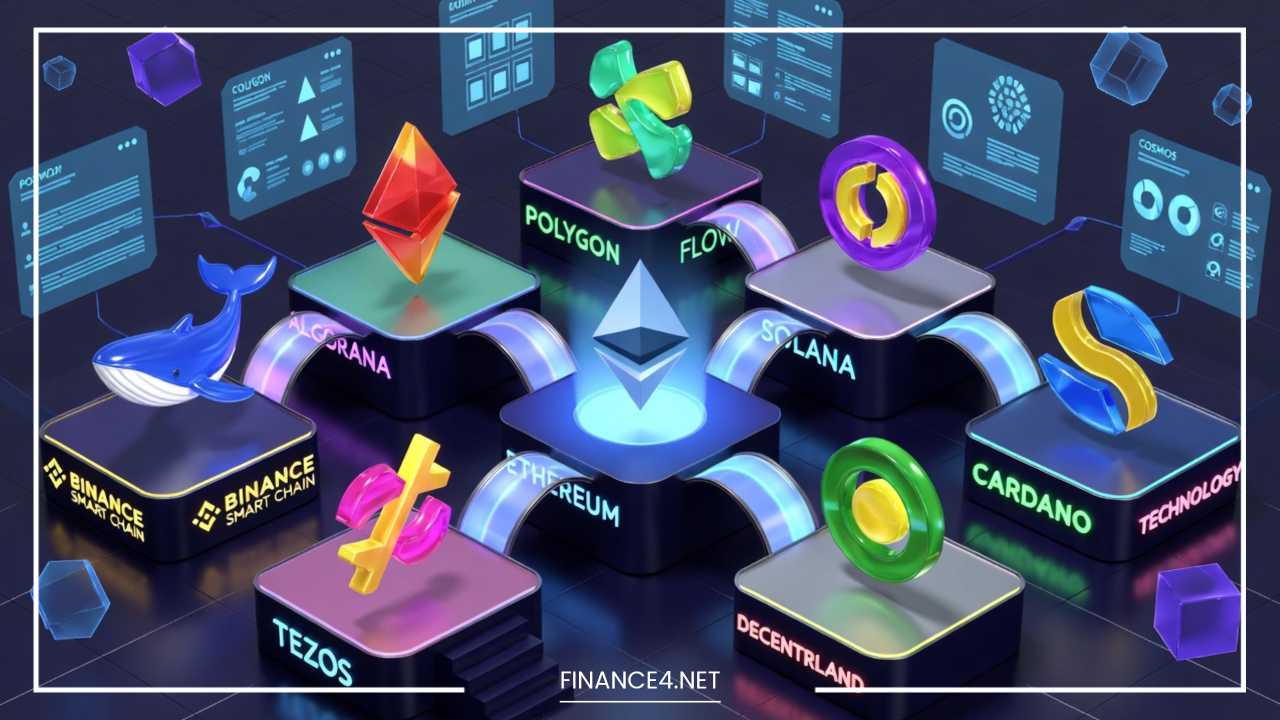
Which Blockchain is Best for Minting NFTs?
The choice of blockchain significantly impacts the minting experience, particularly regarding cost and speed. Since we are focused on no-code minting, we will highlight the most user-friendly options:
-
Ethereum (ETH): This is the most established and dominant blockchain for NFTs, providing the highest liquidity and cultural recognition. However, it is also known for having the highest and most volatile Gas Fees (transaction costs).
-
Polygon (MATIC): This is a Layer-2 solution built on top of Ethereum. It offers extremely low gas fees and fast transactions while still benefiting from Ethereum’s security. Many no-code platforms offer Polygon support, making it an excellent starting point for beginners.
-
Solana (SOL): Known for its high speed and minimal transaction costs, Solana has become a popular choice for creators focused on high-volume collections. It offers a distinct ecosystem separate from Ethereum.
-
Binance Smart Chain (BSC): Offers relatively low fees compared to Ethereum, making it another budget-friendly alternative.
For a beginner minting without code, platforms supporting Polygon are often the most cost-effective and easiest to navigate.
Choosing the Right NFT Marketplace
A marketplace is your primary tool for minting and selling your NFT. The marketplace handles the complex smart contract deployment behind the scenes, allowing you to focus on your art.
Popular NFT Marketplaces
Many platforms support no-code minting, but their features, fees, and audiences vary.
-
OpenSea: The undisputed largest and most popular multi-blockchain NFT marketplace. It offers a very user-friendly interface and supports both Ethereum and Polygon. Its vast audience reach makes it the default choice for most beginners.
-
Rarible: A community-owned, multi-chain NFT marketplace. Rarible offers a straightforward minting process and is known for being supportive of creators. It gives users the option to choose between several different blockchains.
-
Mintable: This marketplace prides itself on its ease of use and often offers “gasless” minting (known as lazy minting or listing without immediate on-chain transaction fees, which are only paid upon the first sale) on certain chains like Polygon.
-
Foundation: A highly curated, invite-only marketplace focused on high-caliber, single-edition artwork. While less accessible for a brand-new creator, it is the platform of choice for many established digital artists.
-
Zora: A newer protocol and marketplace focused on decentralization, allowing creators to control and customize their contracts with less platform interference.
Factors to Consider
Selecting the right marketplace depends on your goals:
| Factor | Description | Best for |
| Transaction Fees (Gas Fees) | The cost to process a transaction on the blockchain. Platforms offering Polygon or “gasless” minting are cheaper. | Beginners, budget-conscious creators, high-volume collections. |
| Ease of Use | The simplicity of the interface and minting flow. | First-time creators and those who prioritize speed. |
| Audience Reach | The size and quality of the potential buyer pool. | Maximize sales opportunities (e.g., OpenSea). |
| Blockchain Compatibility | Which chains the platform supports. | Creators who want low fees (Polygon, Solana) or high recognition (Ethereum). |
| Curated vs. Open | Whether the platform is open to all or requires an invitation/application. | Established artists (Curated) vs. Everyone else (Open). |
For most beginners following this guide, starting with OpenSea or Rarible on the Polygon blockchain is the most accessible and cost-effective path to minting without code.
How to Set Up an Account
Setting up an account on an NFT marketplace is rarely like a traditional website sign-up.
-
Connect Your Wallet: Instead of using an email and password, marketplaces require you to connect your digital wallet. This is because your wallet is your identity, your funds, and the storage key for your NFTs on the blockchain.
-
Profile Creation: Once the wallet is connected, the marketplace will usually prompt you to set up a profile, which includes choosing a username, adding an email address, and linking social media accounts. You will also be asked to sign a transaction (which is free) in your wallet to confirm your identity to the marketplace.
Setting Up a Digital Wallet
A digital wallet is the cornerstone of your journey into the NFT and crypto space. It is essential for storing your cryptocurrency (to pay for fees) and securely holding your NFTs.
What Is a Digital Wallet?
A digital wallet is a secure, personal application that allows you to manage the private keys to your crypto and NFT assets. It does not actually store the crypto or the NFT; those remain on the blockchain. It simply gives you the access to interact with those assets and the decentralized applications (dApps) like marketplaces. The key concept is non-custodial—you, and only you, hold the keys, making you fully responsible for its security.
The most critical part of setting up any wallet is your Seed Phrase (or Recovery Phrase). This is a sequence of 12 or 24 words that acts as the master key to your entire wallet. Lose it, and you lose access to everything. Share it, and you risk being completely drained of your assets. You must write it down and store it securely offline.
Popular Wallets for NFT Minting
-
MetaMask: The most popular and widely supported wallet, working as a browser extension and mobile app. It is essential for interacting with the Ethereum ecosystem (including Polygon and other Ethereum-Virtual-Machine-compatible chains).
-
Coinbase Wallet: A non-custodial wallet from the popular Coinbase exchange, offering a clean interface and ease of use, making it another excellent choice for beginners.
-
Trust Wallet: A well-known mobile-first wallet that supports a huge variety of coins and chains, including Binance Smart Chain.
Funding Your Wallet
To cover the inevitable Gas Fees (transaction costs) associated with minting and setting up initial contracts on most blockchains, your wallet must be funded with the native cryptocurrency of that chain (e.g., ETH for Ethereum, MATIC for Polygon).
-
Select a Cryptocurrency Exchange: Use a reputable centralized exchange (like Coinbase, Binance, or Kraken) to purchase the necessary cryptocurrency.
-
Send to Your Wallet: Once purchased, you will need to withdraw the crypto from the exchange to your personal digital wallet address (a long string of letters and numbers).
-
Ensure Correct Chain: Make absolutely certain that you are sending the crypto to the correct network supported by your wallet and the marketplace. For instance, if you plan to mint on Polygon, you may need to ensure your ETH or MATIC is on the Polygon network.
Creating Your NFT
The quality and preparation of your digital asset are paramount to your NFT’s potential success.
Prepare Your Digital Asset
An NFT can be virtually any digital file. Common types include:
-
Images: JPEGs, PNGs, GIFs (for animated art).
-
Video: MP4s, MOVs.
-
Music: MP3s, WAVs.
-
3D Models: GLBs, OBJs.
Tips for File Quality:
-
Resolution: For images, use a high resolution (at least 2000×2000 pixels or higher) to ensure quality viewing.
-
Aspect Ratio: Choose a common aspect ratio (like 1:1 square) or one that best showcases your art.
-
File Size: While most platforms support large files, keep them as optimized as possible without sacrificing quality to ensure fast loading times on the marketplace.
Designing for NFT Minting
A successful NFT is often about more than just the art; it is about the concept and collectibility.
-
Collections: Most high-value projects are part of a collection (e.g., 10,000 unique profile picture style NFTs) rather than a single 1/1 piece. Think about traits and rarity.
-
Utility: What does the NFT grant the holder? Early access, community membership, or a future benefit? Utility drives demand.
Metadata & Attributes
Metadata is the data that describes your NFT. This is crucial as it is what marketplaces and collectors use to categorize and search for your work. You will enter this information directly into the marketplace’s minting form—no coding required.
-
Title and Description: Your NFT’s name and a compelling description that explains the art, the story, and any included utility.
-
Attributes/Properties: These are the key traits that make your NFT unique. For a character-based collection, this could be “Hat: Fedora,” “Eyes: Laser,” or “Background: Cosmic.” This data is critical for determining an NFT’s rarity and thus its value.
How to Mint Your NFT on a Platform (Using OpenSea as an Example)
The non-coding minting process is streamlined by the marketplace. We will use the common OpenSea flow for demonstration, which has become a standard.
-
Start a Collection: Before minting an individual item, you often need to create a Collection first. This is where you upload a logo, set the name, and specify your desired Royalties (more on this later). You must also select the blockchain here (e.g., Ethereum or the cheaper Polygon).
-
Upload the Asset: Navigate to the “Add Item” or “Create” button within your new Collection. This is where you upload your digital file.
-
Enter Metadata: Fill in the required fields: Name, Description, External Link (to your website or social media), and select the appropriate Collection.
-
Add Properties: This is where you enter the critical Attributes (e.g., Type: Music, Rarity: Legendary).
-
Supply: Choose how many copies of this exact NFT you want to mint. A unique piece will have a supply of 1.
-
Confirm and Mint: Click the final “Create” or “Mint” button. Your connected wallet (e.g., MetaMask) will pop up, asking you to sign and confirm the transaction. This is the moment when you approve the Gas Fee, and the NFT is officially written onto the blockchain.
Minting Process (Step-by-Step on OpenSea)
This detailed walk-through uses OpenSea’s general process, which is representative of most no-code platforms.
Initiating the Minting Process
Step 1: Connect and Fund Your Wallet
-
Ensure your MetaMask or other wallet is connected to your chosen marketplace (e.g., OpenSea).
-
Confirm your wallet has enough crypto (e.g., ETH or MATIC) to cover any required Gas Fees.
Step 2: Create a New Collection
-
On the marketplace, navigate to your profile and find the “Create” or “My Collections” section.
-
Click “Create a Collection.”
-
Upload your Collection Logo, Featured Image, and Banner Image.
-
Fill in the Collection Name, URL, and Description.
-
Set your Royalty Percentage (usually between 5-10%).
-
Crucially, select the correct Blockchain (e.g., Polygon for low fees or Ethereum for maximum exposure).
-
Click “Create.”
Step 3: Upload the Digital File
-
Once the Collection is created, navigate into it and click “Add Item” or “Create.”
-
Upload your prepared digital asset (image, video, music file).
Step 4: Add Metadata and Attributes
-
Name: Give your NFT a unique and memorable name.
-
Description: Write the compelling story or utility of the piece.
-
Properties: Click to add the key-value attributes (e.g., Background / Forest, Character / Robot). This data is what makes it searchable and defines its rarity.
Step 5: Set Supply and Blockchain
-
Set the Supply. For a 1-of-1 unique piece, enter 1.
-
Verify the correct blockchain is selected (it should inherit from your Collection settings).
Step 6: Confirm the Minting Transaction
-
Click the final “Create” or “Mint” button.
-
Your wallet will pop up with a transaction request. If you are using a chain that requires an immediate fee (like Ethereum), the estimated Gas Fee will be displayed.
-
Review the fee and click “Confirm.”
Step 7: Finalization
-
The transaction is now being processed on the blockchain. Once confirmed (this can take seconds to minutes, depending on the network and fee), your NFT is minted! It is now a verifiable asset on the blockchain and will appear in your marketplace profile and your digital wallet.
Tips to Avoid Common Mistakes
-
Incorrect Chain Selection: Selecting Ethereum when you meant Polygon can lead to unexpectedly high fees. Always double-check the blockchain during the Collection and Item creation process.
-
Missing Metadata: Skipping the description and attributes makes your NFT harder to find and less appealing to collectors. Complete all fields.
-
Setting the Wrong Price: If you are ready to sell, do not forget to list it after minting. A newly minted NFT is just in your wallet; it is not for sale until you list it.
-
Losing Your Seed Phrase: This cannot be overstated. If you lose your seed phrase, your wallet, your crypto, and your NFTs are gone forever.
Understanding Gas Fees and Transaction Costs
One of the most confusing aspects for new NFT creators is the cost of minting, especially the dreaded Gas Fee.
What Are Gas Fees?
Gas Fees are transaction fees paid to the miners or validators of a blockchain network (like Ethereum or Solana) to compensate them for the computational power required to process and verify your transaction. Think of it as the fuel needed to run the smart contract that mints your NFT.
-
Why they exist: Gas fees prevent network spam and prioritize transactions. Transactions that offer a higher gas fee are typically processed faster.
-
Why they fluctuate: Fees are determined by network congestion and the overall demand for the blockchain. When many people are trying to transact at once, fees surge, sometimes costing hundreds of dollars on a busy network like Ethereum.
How to Minimize Gas Fees
While you cannot avoid network fees entirely on most major chains, you can minimize their impact:
-
Choose a Layer-2 Network (The Best Strategy): Minting on networks like Polygon (MATIC) or sidechains/alternatives like Solana drastically reduces transaction costs, often to less than a few cents. This is the simplest way for a no-code creator to save money.
-
Use “Lazy Minting”: Some platforms, like Mintable or older OpenSea contracts, offer lazy minting. This is a clever technique where the creator signs a transaction to list the NFT, but the actual on-chain minting (and the gas fee) is only paid by the buyer at the time of purchase. This removes the upfront cost for the creator.
-
Choose Optimal Minting Times (for Ethereum): If you must use Ethereum, minting during off-peak hours (like late at night or early morning in Western time zones, or on weekends) can sometimes result in lower gas fees due to reduced network traffic.
Are Gas Fees Worth It?
The simple answer is that the cost-to-profit ratio must be carefully evaluated.
-
High Gas Fee Mint: If you pay $50 to mint on Ethereum, you need to be confident your NFT will sell for significantly more than that to make a profit, especially after marketplace fees.
-
Low Gas Fee Mint: Minting on Polygon for nearly $0 in fees dramatically lowers your risk, making it viable for experimenting and building a collection without a large initial investment.
For most creators starting out, using a low-fee network is the smart way to justify the initial minting cost and test the market.
Marketing Your NFT
Minting is only the first step; selling requires effective marketing and community building. In a crowded marketplace, your NFT will get lost without a proactive strategy.
Creating Hype Around Your NFT
Promotion is not about passive listing; it is about active engagement.
-
Tease Your Work: Build anticipation before the launch. Post “sneak peeks” of your digital asset on social media days or weeks before the official mint.
-
Establish a Vision: Your NFT is a project, not just a picture. Clearly communicate the utility, the long-term roadmap, and the mission behind your work.
Using Social Media and NFT Communities
These platforms are the lifeblood of the NFT world:
-
Twitter/X: This is the primary hub for NFT artists and collectors. Post compelling visuals, use relevant hashtags (e.g., #NFTCommunity, #CryptoArt, #NFTs), and engage directly with collectors and other artists.
-
Discord: This is where communities are built. Set up a dedicated server for your project to engage with your most dedicated fans, host Q&A sessions, and manage your ‘Allow List’ (formerly ‘Whitelist’) for early access.
-
Instagram & TikTok: Use visually appealing short-form videos to showcase your creative process or the final animated/video asset.
How to Write a Compelling NFT Description
Your description is your sales pitch. It must highlight the uniqueness and value of the NFT.
-
The Story: Go beyond a generic title. Tell the story behind the art, the inspiration, or the technical process. Collectors buy into the narrative.
-
The Value Proposition: Clearly state any immediate or future benefits of owning the NFT. Example: “Ownership grants access to a private Discord channel and a free mint from our next collection.”
-
Technical Details: Briefly mention the file type, resolution, and the specific blockchain used for minting.
Selling Your NFT
Once your NFT is minted, you need to list it for sale. This process is managed directly on the marketplace.
How to List Your NFT for Sale
Listing an NFT for sale is a marketplace function, not a new minting transaction, but it may require an initial, one-time approval transaction on some chains.
-
Select Your NFT: Go to your profile/wallet on the marketplace and select the newly minted NFT.
-
Choose “Sell”: Click the “Sell” button.
-
Set Pricing: You have two main options:
-
Fixed Price: You set a specific price (e.g., 0.1 ETH), and the buyer can purchase it instantly.
-
Timed Auction: You set a minimum price, and the NFT sells to the highest bidder after a specified time period.
-
-
Set Duration: Choose how long the listing will remain active (e.g., 7 days, 1 month).
-
Confirm Listing: Your wallet will pop up one final time for you to sign the message approving the listing (often a free action on many chains). The NFT is now live on the marketplace.
Royalty Fees
One of the most revolutionary aspects of NFTs is the ability to set Royalty Fees.
-
What they are: A percentage of the sale price (typically 5-10%) that is automatically sent back to your wallet every time your NFT is re-sold on the secondary market.
-
The benefit: This allows digital artists to earn passive income from their work long after the initial sale, fundamentally changing the economics of digital art. You set this percentage when you first create your Collection, and it is baked into the smart contract.
How to Track Sales and Earnings
Most major marketplaces include a built-in dashboard on your profile where you can:
-
View active listings, past sales, and transaction history.
-
Track the total volume traded for your collection.
-
See the list of your current holders (collectors).
All your earnings from sales and royalties will be automatically deposited into your connected digital wallet (in the cryptocurrency in which the item was sold).
Tips for Success & Things to Keep in Mind
The NFT space is a dynamic and competitive ecosystem. Sustained success requires more than just good art.
Quality Over Quantity
The market is saturated with low-effort or quickly generated work. The most successful projects are those that demonstrate:
-
High Artistic Quality: Invest time in creating visually compelling and technically excellent assets.
-
Unique Concept: Offer a fresh idea, a strong narrative, or a clear-cut utility that stands out from the crowd. Collectors are looking for passion and authenticity.
Building a Community
The community is the soul of an NFT project. A piece of art with no community is just a file; a piece of art with a passionate community is a movement.
-
Be Accessible: Be present on Discord and Twitter. Talk to your fans and listen to their feedback.
-
Deliver Value: Follow through on your roadmap promises. Offer exclusive content or experiences to your NFT holders to foster loyalty.
Staying Updated on Trends
The technology, platforms, and collector preferences evolve rapidly.
-
Follow the News: Pay attention to which blockchains are gaining traction, what kind of artwork is selling, and new features launched by marketplaces.
-
Network: Engage with other artists and creators. The NFT community is often collaborative and supportive.
Legal Considerations
While this is not legal advice, basic intellectual property principles are critical:
-
Own Your IP: Only mint work that you created and own the intellectual property for. Minting copyrighted material you do not own will expose you to legal risks and likely result in your NFT being removed from the marketplace.
-
Terms of Use: Clearly define what rights the buyer receives when they purchase your NFT (e.g., personal use, commercial rights). This should be stated in your NFT’s description or your collection’s terms.
-
Authenticity: Ensure your NFT is legitimate and verifiable. Using reputable, established marketplaces helps ensure you are using audited smart contracts.
Final Thoughts
Minting an NFT used to be a technical hurdle reserved for those with blockchain development skills. Thanks to no-code marketplaces and innovative platforms, that barrier has been entirely removed. The power to tokenize your digital creations is now in the hands of any artist, musician, or creator.
We have covered the essentials:
-
Understanding the core concept of an NFT and the blockchain.
-
Selecting a beginner-friendly marketplace (like OpenSea) and a low-fee network (like Polygon).
-
Setting up and funding your digital wallet securely.
-
The simple, step-by-step process of uploading your asset and creating the NFT’s metadata.
-
Strategies for navigating and minimizing confusing Gas Fees.
-
The critical need for a strong marketing and community-building plan.
The digital economy is waiting for your creativity. Do not let the perceived complexity of blockchain technology hold you back. The tools are ready for you. Take the plunge, experiment with the process, and connect with the thriving global community of NFT creators and collectors. Start creating your digital legacy today.