Multi-Chain NFT Auctions with Live Bidding
 by
by 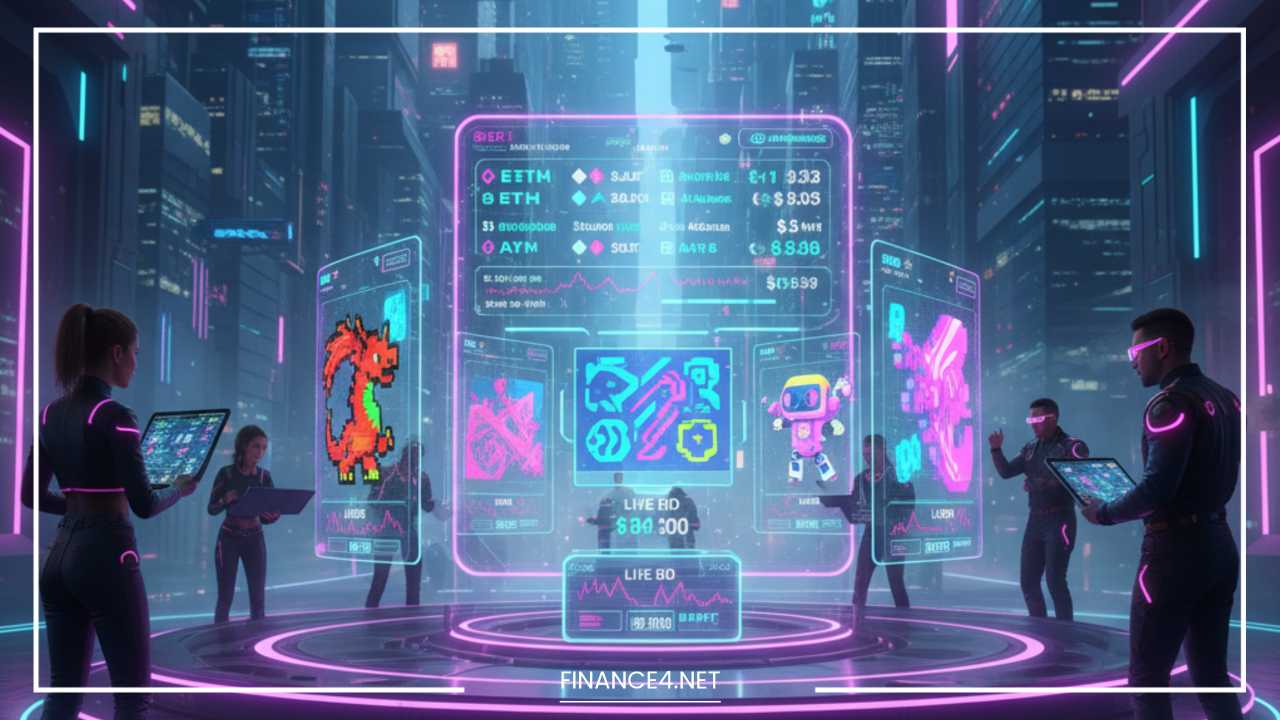
Multi-Chain NFT Auctions with Live Bidding: The Future of Digital Asset Exchange
The world of Non-Fungible Tokens (NFTs) has fundamentally reshaped the landscape of digital ownership and creative monetization. Moving beyond simple fixed-price sales, the NFT ecosystem is rapidly adopting sophisticated trading mechanisms, with the auction format providing a dynamic, high-stakes environment for price discovery. Yet, the true revolution lies in the confluence of two powerful trends: the rise of multi-chain interoperability and the electrifying experience of live bidding. This combination is not just an upgrade to a marketplace; it is the genesis of a globally accessible, highly competitive, and richly engaging digital asset exchange.
This article will explore the mechanics, advantages, challenges, and future trajectory of multi-chain NFT auctions with live bidding.
Understanding NFTs: Beyond the Hype
The foundation of this market is the Non-Fungible Token (NFT). In simple terms, an NFT is a unique cryptographic token that exists on a blockchain and represents ownership of a specific digital or physical asset.
Non-fungible is the core distinction. Unlike fungible cryptocurrencies like Bitcoin (where one BTC is interchangeable with any other BTC), an NFT possesses unique characteristics, metadata, and a verifiable history, making it irreplaceable.
- Uniqueness and Scarcity: Each NFT has a distinct token ID, ensuring its originality. This digital scarcity is crucial to its value.
- Ownership Verification: The underlying blockchain provides an immutable, public ledger that verifies the ownership history and authenticity of the token, offering unparalleled transparency.
- Use Cases: While digital art and collectibles (like CryptoPunks and Bored Ape Yacht Club) remain prominent, NFTs have expanded to gaming assets (virtual land and items), music rights, fractionalized real estate, and digital identity applications.
The inherent value of an NFT is intrinsically linked to the ability to securely transfer and trade it. The auction mechanism has emerged as the most efficient way to determine the true, market-driven price of a unique asset, laying the groundwork for more complex, cross-chain trading systems.
The Evolution of NFT Auctions
In the early days of NFTs, most sales were transacted via simple “Buy Now” listings. While effective for quick sales, this method often fails to capture the true market value of highly sought-after, scarce assets. The adoption of auctions was a natural progression from traditional art and collectible markets.
Benefits of Auctions
- For Creators: Auctions maximize revenue by enabling true price discovery. A bidding war can push the final sale price far beyond a seller’s initial reserve, rewarding the creator for the asset’s scarcity and desirability.
- For Collectors: Auctions offer a competitive, transparent environment where the price is set by the collective demand of the market, ensuring the final price reflects its current perceived value.
Common Auction Formats
The NFT market has embraced various auction styles, each with its own dynamic:
- English Auction: The most common. Bidders publicly increase their offer until the time limit expires or a predefined ceiling is reached. This format is the basis for live bidding.
- Dutch Auction: The price starts high and is gradually lowered until a bidder accepts the current price. This is often used for large-scale NFT drops where the goal is to sell out quickly while still maximizing early revenue.
- Sealed-Bid Auction: Bidders submit private, non-public bids. The highest bidder wins, but the competitive frenzy of public bidding is eliminated, offering a more discrete price discovery.
The pivot towards English-style auctions with live bidding is driven by the desire to replicate the excitement and competitive tension of a real-world auction house, ensuring maximum engagement and price momentum in the final minutes.
What is Multi-Chain NFT Technology?
The early NFT market was dominated by Ethereum (ETH), but its success brought a major drawback: network congestion and prohibitively high gas fees, especially during peak demand. This issue, coupled with the emergence of faster, cheaper, and more energy-efficient Layer-1 (L1) and Layer-2 (L2) solutions, necessitated a move toward multi-chain NFT technology.
A multi-chain NFT is a digital asset that can be seamlessly transacted, used, or bridged between two or more independent blockchain networks. Marketplaces like Magic Eden, OpenSea, and others have embraced this model, supporting major chains such as Ethereum, Solana, Polygon, Binance Smart Chain, and Bitcoin’s Ordinals.
Core Advantages of Multi-Chain Systems
- Lower Fees and Greater Accessibility: By offering options beyond Ethereum, multi-chain platforms allow users to trade on “cheaper rails” like Solana or Polygon, making NFTs accessible to a wider, more casual audience.
- Wider Audience and Liquidity: A creator on Solana can now tap into the massive liquidity pools of the Ethereum ecosystem, and vice-versa. This dramatically increases the pool of potential buyers and enhances the asset’s overall liquidity.
- Cross-Chain Interoperability: This allows for innovation, such as using an Ethereum-based NFT as collateral on a Solana DeFi platform, or utilizing a Polygon gaming asset in a different chain’s metaverse environment.
Technical Overview: Bridging and Wrapping
The key to multi-chain functionality lies in two technologies:
- Bridges: These are smart contract protocols that lock the original NFT on its native chain (e.g., Ethereum) and simultaneously “mint” a representation of it (a Wrapped NFT) on the destination chain (e.g., Polygon). The original is held in escrow, and the wrapped version is the one that is traded. When the wrapped NFT is “burned,” the original is unlocked and returned.
- Native Multi-Chain Standards: Some newer projects are minted directly with cross-chain functionality in mind, utilizing protocols designed for multiple execution environments, moving closer to a standardized digital asset.
While the current shift often sees activity moving to cheaper chains like L2s (e.g., Base) for utility-focused NFTs, the overarching goal of multi-chain infrastructure is to give users and creators the flexibility to choose the best chain for their needs, free from single-platform limitations.
Live Bidding Mechanics in NFT Auctions
Live bidding is the critical differentiator that transforms a static, time-bound sale into a dynamic, adrenaline-fueled event. It is designed to maximize the competitive spirit, especially in the final moments of an auction.
The Real-Time Experience
- Instantaneous Updates: Marketplaces offering live bidding provide real-time updates of the current highest bid, the identity (or pseudonym) of the bidder, and the time remaining. This psychological pressure is key to driving up the final price.
- Notifications and Extensions: High-stakes live auctions often implement “anti-sniping” mechanisms. If a bid is placed in the final minutes or seconds of the auction, the clock is automatically extended (e.g., by 5 or 10 minutes). This ensures that the auction is only won after the final bidder is determined, preventing last-second opportunistic bids and encouraging a genuine bidding war.
- Wallet Integration: Bidding requires the user to have the necessary cryptocurrency (or the NFT itself, for specific exchanges) in their connected, compatible crypto wallet (like MetaMask or Phantom). The smart contract automatically locks the bid amount as a commitment, which is refunded if the user is outbid.
Enhancing User Engagement
Live bidding is more than just a transaction tool; it’s a social and communal experience. Users often gather on platform-linked social channels or dedicated watch pages to follow the final moments of a major sale, creating a sense of shared excitement and cultural relevance. This engagement is crucial for maintaining interest in high-value, blue-chip NFT collections. Platforms like Nifty Gateway and curated sections of SuperRare and Foundation have pioneered this high-touch, live auction model.
Advantages of Multi-Chain Live NFT Auctions
The marriage of multi-chain access and live bidding creates a powerful, synergistic market environment.
| Feature | Single-Chain Auction (e.g., ETH) | Multi-Chain Live Auction |
| Liquidity | Confined to one blockchain’s user base. | Increased: Taps into the entire ecosystem’s liquidity (ETH, SOL, L2s). |
| Access/Audience | Limited by high gas fees and chain preference. | Global & Accessible: Lower fees on certain chains open the door to mass-market participation. |
| Price Discovery | Strong, but potentially dampened by high transaction costs. | Competitive & Real-Time: Live bidding maximizes price during peak engagement, while multi-chain access ensures maximum bidder participation. |
| Creator Exposure | Tied to the success and fee structure of a single network. | Wider & Flexible: Artists gain exposure across multiple communities, choosing the best platform/chain for a given collection. |
The Competitive Edge: For a unique 1/1 digital artwork, the goal is to get it in front of every major collector, regardless of their preferred blockchain wallet. A multi-chain infrastructure ensures that a buyer holding SOL can still compete with a buyer holding ETH, provided the marketplace facilitates the cross-chain transaction or the asset has been bridged. This intensified competition is the engine that drives record-breaking sales.
Challenges and Risks
Despite its potential, this advanced auction model is not without significant technical and market challenges.
1. Security Risks: The Achilles’ Heel of Interoperability
The biggest threat lies in the cross-chain bridges. These protocols, which lock assets on one chain to mint a corresponding asset on another, are complex smart contracts. They represent a large concentration of locked value, making them prime targets for sophisticated hackers.
- Smart Contract Vulnerabilities: Exploits in the bridge’s code can lead to the unauthorized minting of wrapped assets or the theft of the locked original NFT, which has resulted in hundreds of millions in losses across the broader DeFi and NFT space.
- Oracle/Relayer Integrity: Cross-chain communication relies on relayer networks or oracles to verify that an asset was locked on the original chain. A compromise in these centralized or weakly decentralized components can lead to fraud.
2. Gas Fees and Transaction Delays
While multi-chain solutions aim for lower fees, the live bidding mechanism introduces complexity:
- Final Settlement on Congested Chains: If the auction is settled on a congested chain like Ethereum (often chosen for high-value sales due to its perceived security), the final, critical bids may be delayed or fail to process if the bidder does not set a high enough gas fee (a risk known as a front-running or transaction-failure risk).
- Live Bid Complexity: Every bid, especially in a live, anti-sniping environment, requires an on-chain transaction. This mandatory transaction cost can dissuade smaller bidders, even on cheaper chains.
3. User Experience Complexity
For the average user, managing multiple wallets (e.g., MetaMask for ETH/Polygon, Phantom for Solana), navigating different token standards (ERC-721, Solana’s standards, Bitcoin Ordinals), and understanding the intricacies of bridging an asset is daunting. The complexity of cross-chain transaction management remains a significant barrier to mainstream adoption.
Future of Multi-Chain NFT Auctions
The next phase of evolution will focus on overcoming the current challenges to deliver a truly seamless, integrated experience.
- Standardization Efforts: There is a strong industry push towards unified standards that allow an NFT to be natively multi-chain without relying on fragile bridges. The development of more robust, decentralized cross-chain protocols will be essential to mitigating security risks.
- Integration with the Metaverse and AR/VR: As the Metaverse expands, the need for instantly tradable, multi-chain digital assets will grow. Future live auctions may be conducted within virtual worlds, where bidders are represented by their avatars, further merging the digital and social aspects of the sale.
- AI-Generated and Dynamic NFTs: Live bidding will increasingly be applied to dynamic NFTs (d-NFTs) that change their traits based on external data. An auction could sell a d-NFT whose characteristics update based on the outcome of the bidding war itself, adding a layer of gamification.
- Institutional Adoption: Traditional auction houses and financial institutions will continue to expand their NFT offerings, bringing greater professionalism, regulation, and liquidity to the multi-chain space. This institutional interest is likely to spur greater regulatory clarity, ultimately benefiting all participants.
By 2026, it is projected that multi-chain functionality will be the standard expectation for any major NFT marketplace, with live bidding becoming the primary method for high-value price discovery across all major chains.
Tips for Participating in Multi-Chain NFT Auctions
For both creators and collectors, the multi-chain live auction environment requires strategic planning and a high degree of diligence.
For Buyers
- Wallet Strategy: Maintain a clear separation of funds. Use a primary, secure hardware wallet for long-term storage and a separate hot wallet (e.g., MetaMask, Phantom) specifically for active bidding, ensuring it has enough of the chain’s native currency (ETH, SOL, MATIC) to cover transaction fees.
- Evaluate Value: Never bid based solely on the excitement of the live auction. Conduct thorough due diligence on the NFT’s rarity, the creator’s reputation, the project’s roadmap, and its trading history across all supported chains.
- Set Gas Limits (on ETH): In the final minutes of a high-stakes Ethereum auction, monitor the current gas prices and be prepared to manually set a competitive gas limit for your final bid to ensure the transaction processes before the clock expires.
- Security Best Practices: Only interact with official, verified smart contract addresses. Cross-chain phishing scams are common; always verify the marketplace URL and the contract of the NFT being sold.
For Sellers (Creators)
- Choose the Right Chain: Select the chain for the auction based on the target audience and asset type. Use cheaper chains for mass-market utility NFTs, and Ethereum for blue-chip, high-value art pieces that demand maximum security and traditional prestige.
- Clarity on Bidding Currency: Clearly state the accepted bidding currency (e.g., WETH, SOL, USDC) and the final settlement chain.
- Set a Fair Reserve: A reasonable reserve price protects the asset’s value, while the live bidding mechanism maximizes the final sale price above the floor.
Final Thoughts
The convergence of multi-chain capability and live bidding is the natural and necessary evolution of the NFT market. It addresses the critical issues of scalability and accessibility while simultaneously introducing the competitive thrill essential for maximizing price discovery. This new paradigm empowers artists to reach a truly global audience and allows collectors to participate in the highest-stakes sales from any corner of the digital ecosystem. While challenges remain, particularly in bridge security and user experience, the industry is rapidly developing the decentralized solutions required to overcome them. The future of digital asset exchange is one where a unique token can be seamlessly auctioned off to the highest bidder, regardless of their preferred blockchain, transforming the landscape for artists, collectors, and investors alike.
The journey toward a completely interoperable, real-time NFT market is accelerating, promising immense opportunities for those who understand and adapt to its complex, but rewarding, dynamic.