NFT Wearables in Metaverse
 by
by 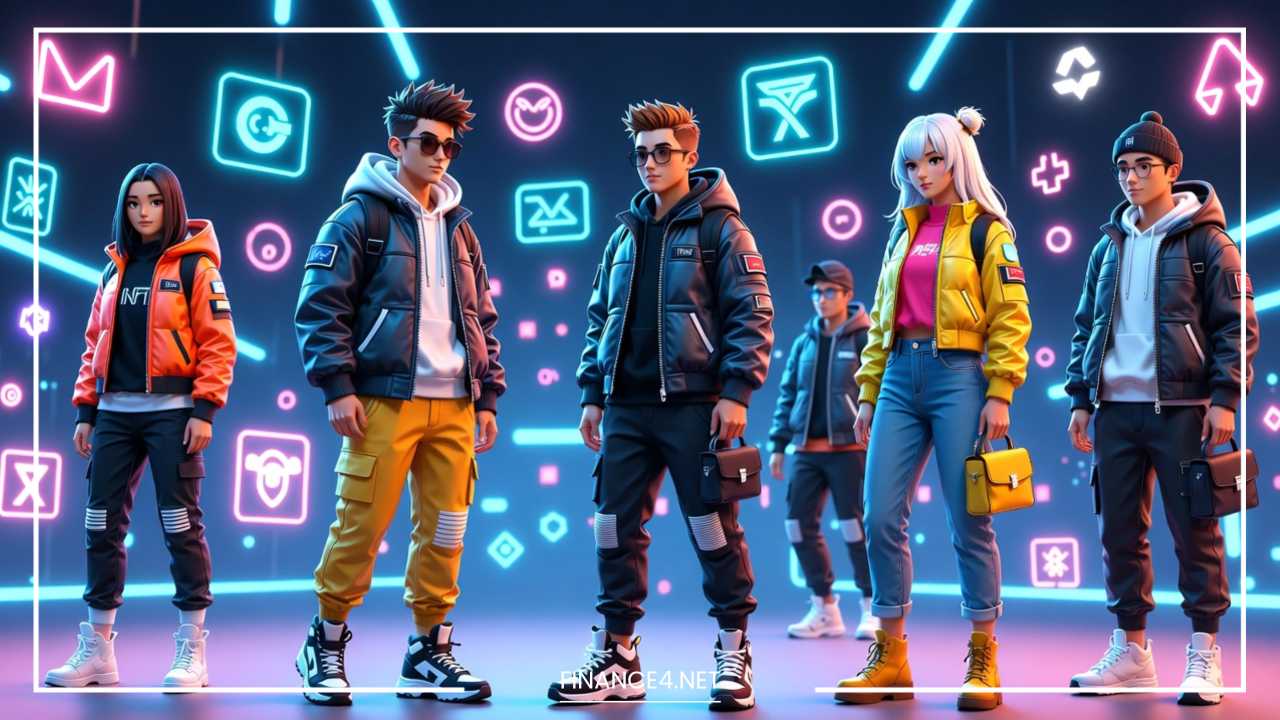
NFT Wearables in Metaverse: Digital Fashion, Avatars & Virtual Assets Guide
The concept of “identity” has undergone a radical transformation in the last decade. While fashion was once confined to the physical realm—textiles, tailoring, and storefronts—it has migrated into the digital ether. Today, the clothes we wear in virtual environments are becoming as significant as the clothes we wear to an interview or a gala. This shift is driven by the emergence of the metaverse and the technological backbone of Non-Fungible Tokens (NFTs).
NFT wearables represent the intersection of blockchain technology, haute couture, and social gaming. They are not merely “skins” or static images; they are programmable, tradable, and unique assets that grant users a sense of agency and ownership in a digital-first world. As we spend more time in decentralized environments like Decentraland and The Sandbox, or massive social platforms like Roblox, our digital avatars act as our primary ambassadors. Consequently, the demand for virtual assets has skyrocketed, turning digital fashion into a multi-billion-dollar frontier.
This guide provides a comprehensive deep dive into the world of NFT wearables. Whether you are a creator looking to mint your first collection, an investor seeking to understand the value of virtual assets, or a curious newcomer, this article will explore the mechanics, the industry players, and the future of identity in the metaverse.
What Are NFT Wearables?
To understand NFT wearables, one must first distinguish them from traditional video game “skins.” In games like Fortnite or League of Legends, players can purchase outfits for their characters. However, these assets are locked within a “walled garden.” If the game shuts down, the asset disappears. Furthermore, the player does not truly own the skin; they have merely purchased a license to use it within that specific software.
The Blockchain Difference
NFT wearables are digital clothing, accessories, or body modifications (like wings, glasses, or even tattoos) that are minted on a blockchain—most commonly Ethereum or Polygon. Because they are NFTs, they possess several unique characteristics:
-
True Ownership: The asset resides in your private crypto wallet, not on a game developer’s server. You have the legal and technical right to keep it, gift it, or sell it.
-
Provable Scarcity: A designer can limit a collection to 100 digital jackets. The blockchain ensures that no more can ever be created, maintaining the item’s value through rarity.
-
Smart Contracts: These digital assets are governed by code. This code can include “royalties,” ensuring that every time a wearable is resold on a secondary market, the original creator receives a percentage of the sale.
-
Metadata: An NFT wearable contains data that tells a metaverse platform how to render it. This includes 3D mesh data, texture files, and attachment points for the avatar.
In essence, NFT wearables are the “haute couture” of the internet—unique, verifiable, and permanent. Unlike a standard JPEG NFT, a wearable is a functional asset; it is meant to be used, displayed, and inhabited within a 3D space.
How NFT Wearables Work in the Metaverse
The lifecycle of an NFT wearable involves a sophisticated blend of 3D modeling and blockchain execution. Understanding how these pieces move from a designer’s computer to an avatar’s back is key to grasping the ecosystem.
The Technical Framework
When you “wear” an NFT, several backend processes occur simultaneously. The platform must verify that the wallet connected to the user session actually contains the token. Once verified, the platform’s engine (like Unity or Unreal Engine) fetches the 3D file associated with that token’s metadata.
The Lifecycle of a Virtual Asset
-
Design and Modeling: Creators use software like Blender or CLO3D to build a three-dimensional model. This model must adhere to the specific technical requirements of the target platform, such as polygon count limits (to ensure the world doesn’t lag) or specific file formats like .GLB.
-
Minting: This is the process of turning a digital file into a blockchain asset. The creator “mints” the item, which generates a unique ID on the ledger. This often involves paying “gas fees”—the cost of the computational power required to validate the transaction.
-
Wallet Connection: To wear the item, a user connects a digital wallet (like MetaMask) to the metaverse platform. The platform “scans” the wallet, identifies the wearable NFT, and populates it in the user’s in-game inventory.
-
Avatar Integration: The platform’s engine overlays the 3D model onto the user’s avatar. High-quality wearables are “rigged,” meaning they are attached to a virtual skeleton so they move realistically when the avatar walks, dances, or runs.
-
Marketplace Dynamics: If a user decides to move on from a look, they can list it on secondary marketplaces. Because the item is an NFT, the transaction is peer-to-peer, often bypassing the platform’s own store.
Digital Fashion: The Rise of Virtual Clothing
Digital fashion is no longer a niche hobby for tech enthusiasts; it is a serious business attracting the world’s most prestigious luxury houses. The logic is simple: in a world where we document our lives online, the “clout” gained from a digital outfit can be just as potent as that of a physical one.
Luxury Brands Entering Web3
Major fashion houses have recognized that the metaverse is the next great marketing and revenue channel. It allows them to reach a younger, tech-savvy demographic without the overhead of physical manufacturing.
-
Gucci: One of the earliest pioneers, Gucci created the “Gucci Garden” in Roblox and has released several NFT-based wearable collections. They even famously sold a digital-only bag for more than the price of the physical version.
-
Nike (RTFKT): Through its acquisition of RTFKT, Nike has become the dominant force in digital sneakers. Their “Cryptokicks” allow users to customize their footwear and even “evolve” the design over time through gameplay.
-
Dolce & Gabbana: Their “Collezione Genesi” set records for digital fashion auctions, proving that high-net-worth collectors are willing to pay sixnd seven-figure sums for one-of-a-kind digital couture.
Identity and the Gen Z Perspective
For Gen Z and Gen Alpha, digital identity is an extension of—or sometimes a replacement for—physical identity. In the metaverse, physical limitations like height, weight, or even species disappear. You can be a neon-lit cyborg or a floating ethereal being. NFT wearables provide the “props” for this performance of self. They allow users to signal their tastes, their wealth, and their community affiliations (such as wearing a hoodie that only members of a specific NFT project can own).
Top Platforms Supporting NFT Wearables
The metaverse is currently a fragmented landscape of different platforms, each offering a unique approach to digital assets.
Decentralized Platforms
-
Decentraland: This is perhaps the most “fashion-forward” metaverse. It hosts an annual Metaverse Fashion Week, where brands like Tommy Hilfiger and Etro showcase virtual collections. Decentraland has a robust DAO (Decentralized Autonomous Organization) that votes on which wearable collections are approved for the official marketplace, ensuring a level of quality control.
-
The Sandbox: Known for its “voxel” (blocky) aesthetic, The Sandbox allows creators to build assets using VoxEdit. While the style is more pixelated, the monetization opportunities for creators are immense. The platform has partnered with celebrities like Snoop Dogg and Paris Hilton to release exclusive wearable drops.
Gaming & Social Platforms
-
Roblox: While not purely blockchain-based, Roblox is a titan of digital fashion. It has its own economy (Robux) and a massive creator community. Recently, they have begun exploring “Limiteds,” which mimic the scarcity models of NFTs.
-
Fortnite: Epic Games’ powerhouse pioneered the “skin” economy. While they have resisted moving to the blockchain so far, their high-profile collaborations with brands like Balenciaga set the stage for the mainstream acceptance of virtual clothing.
NFT Marketplaces
-
OpenSea: The world’s largest general NFT marketplace, OpenSea is the primary secondary market for Decentraland and Sandbox wearables.
-
Rarible: A creator-centric marketplace that offers tools for minting and trading wearables, often with lower barriers to entry for independent designers.
Benefits of NFT Wearables
Why would someone pay hundreds—or thousands—of dollars for a piece of clothing they can’t physically touch? The benefits go far beyond aesthetics.
True Digital Ownership
In a traditional game, if you are banned or the game closes, your items vanish. With NFT wearables, the asset is yours. You can move it to a cold storage wallet or sell it on a third-party site regardless of what the game developer does.
The Investment Angle
Digital assets are increasingly viewed as a legitimate investment class. Rare wearables from early metaverse history—like the first “DCL” (Decentraland) shirts—have seen massive appreciation in value. For many, a digital closet is a diversified portfolio.
Creator Monetization and Royalties
In the traditional fashion industry, a designer makes money only on the first sale. In the world of NFT wearables, a designer can program a royalty (typically 5% to 10%) into the smart contract. Every time that digital hat is flipped on a secondary market, the creator gets a cut automatically. This empowers independent artists and provides a sustainable revenue model.
Challenges & Risks
Despite the excitement, the NFT wearable space is not without its hurdles. It is a nascent market that requires careful navigation.
Interoperability Limitations
Currently, if you buy a shirt in Decentraland, you cannot wear it in The Sandbox. Each platform has different coding languages, file size limits, and aesthetic styles. Until the industry agrees on universal standards (like the VRM format), the utility of a wearable is often limited to a single “silo.”
Market Volatility
The NFT market is notoriously volatile. Prices can skyrocket based on hype and crash just as quickly. Investors often “sweep the floor” (buy the cheapest items in a collection) to drive up prices, leading to artificial bubbles.
Technical and Financial Barriers
High “gas fees” on the Ethereum network can sometimes cost more than the wearable itself. While “Layer 2” solutions like Polygon have reduced these costs, the process of setting up a wallet and managing private keys remains a barrier to entry for the average consumer.
How to Create NFT Wearables (Step-by-Step)
For those with a creative spark, the metaverse offers an unprecedented canvas. Here is how to transition from an artist to a digital fashion mogul.
Step 1: Master the Tools
You don’t need to be a coder, but you do need to be a 3D artist.
-
Blender: A free, open-source 3D creation suite that is the industry standard for metaverse assets.
-
CLO3D / Marvelous Designer: These tools are specifically designed for clothing. They simulate fabric physics, allowing you to “sew” digital garments that drape realistically on a body.
Step 2: Adhere to Platform Constraints
Every platform has a “Technical Style Guide.” For example:
-
Decentraland: Limits wearables to roughly 1,500 triangles and two textures.
-
The Sandbox: Requires assets to be built in a specific “voxel” grid size.
Step 3: Minting and Publishing
Once your file is ready (usually a .GLB or .VOX file), you upload it to the platform’s “Builder” or “Creator Lab.” You will need to write a description, set the total supply (e.g., “1 of 100”), and pay a submission fee to have the platform’s curators review the item for technical errors.
Step 4: Marketing Your Collection
In the NFT world, community is everything. Successful creators build a presence on X (formerly Twitter) and Discord, teasing their “drops” and engaging with potential buyers. “Phygital” drops—where buying the NFT also gets you a physical version of the item—are currently a very popular way to add tangible value.
Future of NFT Wearables in the Metaverse
We are only at the “dial-up” stage of digital fashion. The next decade will see innovations that merge the virtual and physical worlds in ways we can barely imagine.
AI-Generated Fashion
Artificial Intelligence will soon allow users to generate custom wearables simply by typing a prompt. Imagine saying, “Give me a neon Victorian suit made of liquid gold,” and having an AI instantly model and rig that asset for your avatar.
Augmented Reality (AR) Integration
The real world is becoming a layer of the metaverse. Through AR glasses, we will soon be able to “wear” our NFTs in real life. You could be walking down the street in a plain white t-shirt, but to anyone looking through an AR lens, you are wearing a flaming, animated NFT masterpiece.
The “Phygital” Revolution
The line between physical and digital goods is blurring. Brands are experimenting with NFC (Near Field Communication) tags embedded in physical clothes. When you scan the tag with your phone, it proves you own the item and “unlocks” the digital version for your avatar to wear in the metaverse.
Final Thoughts
NFT wearables are far more than just “expensive JPEGs” for avatars. They are the building blocks of a new economy based on digital identity, creative sovereignty, and the democratization of fashion. By moving the ownership of assets from corporations to individuals, blockchain technology has laid the groundwork for a more expressive and equitable virtual world.
As the technology matures and the barrier to entry drops, we will likely see a world where our digital closets are as diverse and valuable as our physical ones. Whether you’re a designer looking for a new medium or a user looking to stand out in the digital crowd, the era of NFT wearables is just beginning.