Top Banks for Digital Wallets Compatibility
 by
by 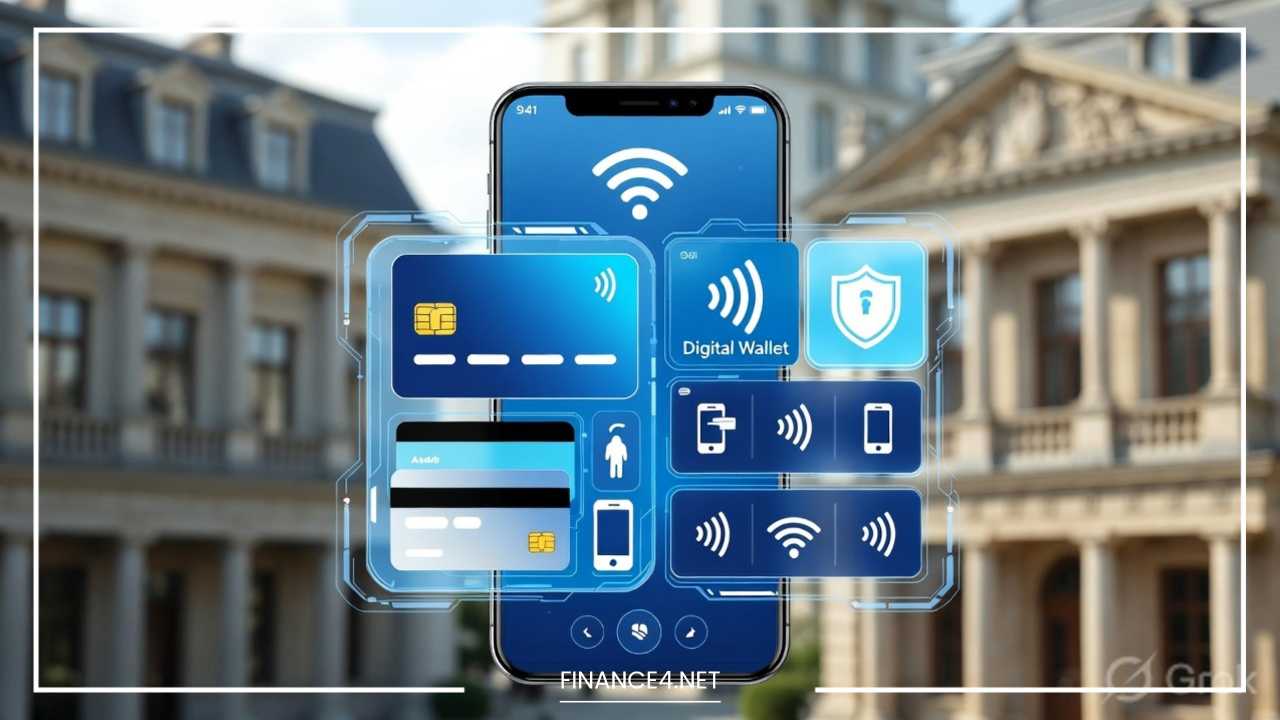
Top Banks for Digital Wallets Compatibility: The Definitive Guide for 2026
The landscape of global finance has undergone a tectonic shift over the last decade. We have moved from a world where cash was king to one where a single tap of a smartphone or smartwatch can finalize a transaction in milliseconds. This evolution is driven by the rise of digital wallets—sophisticated software applications that store payment information and facilitate contactless, secure, and rapid transactions.
As of 2026, over half of the global population utilizes digital wallets for their daily financial needs. From grabbing a morning coffee with Apple Pay to managing international business invoices via PayPal, the convenience is undeniable. However, the efficiency of these tools depends entirely on the underlying infrastructure: your bank. Not all financial institutions are created equal when it comes to digital integration. Choosing a bank that offers seamless compatibility with major wallets like Google Pay, Samsung Pay, and niche fintech solutions is no longer just a “perk”—it is a necessity for the modern consumer.
This comprehensive guide explores the best banks for digital wallet compatibility, the features that define a top-tier digital banking experience, and how you can optimize your financial setup for the contactless era.
What Is a Digital Wallet?
At its core, a digital wallet (or e-wallet) is a virtual version of the physical leather wallet you carry in your pocket. Instead of holding paper bills and plastic cards, it securely stores your credit card, debit card, and even bank account information on a device like a smartphone, tablet, or wearable.
How They Work
Digital wallets do not actually “store” your money in the way a checking account does. Instead, they act as a secure, encrypted interface. When you add a card to a wallet, the app communicates with your bank to verify your identity. Once approved, the wallet creates a digital version of that card.
The underlying technology relies on Near Field Communication (NFC) for physical stores and secure APIs for online transactions. When you place your phone near a payment terminal, the two devices “talk” to each other using short-range radio waves to exchange payment credentials instantly.
Key Features
-
Contactless Payments: Utilizing NFC technology, these wallets allow you to pay at physical terminals by simply holding your device nearby.
-
Online Checkout: Many websites now offer “One-Tap” checkout buttons for Apple Pay or Google Pay, eliminating the need to manually enter 16-digit card numbers and shipping addresses.
-
P2P Transfers: Services like Venmo, Cash App, and Apple Cash allow users to send money directly to friends and family instantly, often using the bank account linked to the wallet.
-
Tokenization Security: This is the most critical security feature. Instead of transmitting your actual card number during a transaction, the wallet sends a one-time-use token. Even if a hacker intercepts the data, the information is useless for future purchases.
Major Players in 2026
-
Apple Pay: The gold standard for iOS users, integrated deeply into the Apple ecosystem, including the Apple Watch and Mac.
-
Google Pay: The primary choice for Android users, known for its integration with Google services, Gmail-based boarding passes, and loyalty programs.
-
Samsung Pay: Unique for its historical support of both NFC and older magnetic stripe terminals, though it has shifted primarily to NFC in its 2025 and 2026 flagship models.
-
PayPal: A veteran in the space that has evolved from an online checkout tool into a full-fledged mobile payment app with QR code scanning capabilities in physical retail.
Why Digital Wallet Compatibility With Banks Matters
You might have the most advanced smartphone on the market, but if your bank does not support the specific encryption protocols required by Apple or Google, your digital wallet is nothing more than an empty app. The synergy between the financial institution and the software provider is what creates the “magic” of a one-tap payment.
Faster Payments and Efficiency
Bank-supported digital wallets bypass the clunky process of swiping, inserting chips, or entering PINs. In a fast-paced retail environment, reducing transaction time from 15 seconds to 2 seconds is significant. For online shopping, compatibility means bypassing long forms, which reduces “cart abandonment” and saves the user from the frustration of hunting for a physical wallet while browsing on a couch.
Improved Security
Banks that prioritize digital wallet compatibility often invest heavily in biometric authentication. This means a transaction cannot occur unless you provide a fingerprint or face scan. Furthermore, the tokenization mentioned earlier ensures your sensitive data is never exposed to the merchant’s database. In an era where major retailers suffer frequent data breaches, having your real card number shielded by a digital token is an invaluable layer of protection.
International Payment Support
For travelers, compatibility is a lifesaver. Top-tier banks ensure their cards work with global wallet standards, allowing you to pay for a subway ride in London, a croissant in Paris, or a meal in Tokyo using the same device you use at home. Most modern digital-friendly banks also provide real-time currency conversion rates within the wallet interface, so you know exactly how much you are spending in your home currency.
Streamlined Subscription Management
Many digital wallets now allow you to view and manage recurring subscriptions. When your bank is fully integrated, you can see if a Netflix or Spotify payment was processed via your wallet, allowing for better budgeting and the ability to cancel unwanted services with a few taps.
Key Features to Look for in Banks That Support Digital Wallets
When selecting a bank with an eye toward digital payments, you should look beyond the basic marketing. A truly digital-forward bank offers a suite of integrated tools that make the wallet experience superior:
Support for All Major Wallets
The best banks do not force you into one ecosystem. While some smaller credit unions might only support Apple Pay, a top-tier bank should offer native support for Apple Pay, Google Pay, and Samsung Pay at a minimum.
Instant Transaction Notifications
A hallmark of a good digital bank is the “push” notification. The second you tap your phone at a terminal, you should receive a notification on your device detailing the amount and the merchant. This is a vital first line of defense against fraud; if you get a notification for a purchase you didn’t make, you can freeze your card instantly via the bank’s app.
Virtual Cards
Forward-thinking banks like Capital One and Revolut allow you to generate virtual card numbers. These are separate from your physical card and can be used for specific online subscriptions or “one-off” purchases on websites you don’t entirely trust. If a site is hacked, you can delete the virtual card without needing to replace your physical one.
Easy Card Linking (In-App Provisioning)
The setup process should be “in-app.” Instead of manually typing in your card details into a wallet app, your bank’s mobile app should have a button that says “Add to Apple Wallet” or “Add to Google Pay.” This handles the verification automatically and is much more secure than manual entry.
Fraud Protection and Zero Liability
Even in the digital world, fraud happens. Ensure your bank extends its “Zero Liability” policy to digital wallet transactions. This means if someone manages to bypass your phone security and make a purchase, the bank will refund the money just as they would for a stolen physical card.
Top Banks for Digital Wallets Compatibility
The following banks have distinguished themselves in 2026 by offering the most robust, secure, and user-friendly integrations with digital payment ecosystems.
1. Chase Bank
Chase has solidified its position as the heavyweight champion of digital integration. As one of the largest issuers of Visa cards in the world, Chase has the infrastructure to support every major wallet platform with near-perfect uptime.
-
Wallet Compatibility: Full support for Apple Pay, Google Pay, Samsung Pay, and PayPal.
-
Features: Chase allows users to add cards directly from the Chase Mobile app. They have also integrated “Chase Pay” logic into merchant apps like Starbucks and Shell.
-
Digital ATMs: Chase was a pioneer in “Cardless ATMs.” You can open your phone’s digital wallet, tap the ATM, and withdraw cash using only your phone.
-
Pros: Massive rewards ecosystem (Ultimate Rewards) that tracks perfectly through digital wallets.
-
Cons: Some legacy “Slate” or older commercial cards occasionally have trouble with the newest biometric verification steps.
2. Bank of America
Bank of America (BofA) has taken a strategic approach to digital wallets, viewing them as a core component of their consumer services. They have invested heavily in their proprietary AI assistant, Erica, to bridge the gap between banking and spending.
-
Digital Wallet Integration: BofA offers one of the most stable integrations with the Wallethub and PayPal ecosystems.
-
Erica Integration: You can ask the BofA app, “Erica, how much did I spend on Apple Pay last month?” and get an instant categorized breakdown.
-
Security Features: They utilize advanced tokenization and offer an “ID Theft Protection” suite that monitors if your digital wallet credentials appear on the dark web.
-
Pros: Excellent for users who want a high-tech “command center” for their finances.
3. Wells Fargo
Wells Fargo has spent the last few years catching up to and eventually surpassing many competitors in the mobile space. Their focus in 2026 is on the security of the handshake between the bank and the device.
-
Wallet Compatibility: Supports all major platforms.
-
Fraud Monitoring: Their 24/7 monitoring specifically tracks digital wallet “provisioning” (the act of adding a card to a wallet). If a card is added to a new device in a different state, the bank triggers an immediate verification call.
-
Mobile Payment Support: They offer seamless integration with Zelle, which is often used in conjunction with digital wallets for P2P payments.
-
Pros: Very high success rates for international NFC payments.
4. Capital One
Capital One is often cited as the best bank for tech-savvy users and online shoppers due to its emphasis on Virtual Cards and its browser extension, Eno.
-
Virtual Cards: Through the mobile app, users can create merchant-specific virtual cards. This is perfect for “free trials” where you don’t want the company to have your real card number.
-
Wallet Integrations: Their “Instant Credit” feature allows you to apply for a card, get approved, and add the digital version to your Apple or Google Wallet before the physical card is even printed.
-
Mobile Banking Features: Capital One’s app provides a “Purchase Eraser” for travel, which works seamlessly with transactions made via digital wallets.
-
Pros: Best-in-class security for online-first consumers.
5. Citibank
Citibank shines in the realm of global payment support. Because Citi has a massive presence in Asia, Europe, and Latin America, their digital wallet integration is built for the “Global Citizen.”
-
Global Partnerships: Citi has collaborated with local wallet providers (like GrabPay in SE Asia) to ensure their cards work where others might fail.
-
Digital Wallet Partnerships: They frequently offer “Merchant Offers” that are specifically triggered when you use a Citi card through a digital wallet at certain retailers.
-
Pros: The most reliable bank for digital payments while traveling abroad.
6. HSBC
HSBC is the premier choice for international residents and expats. Their 2026 focus has been on the HSBC Global Wallet.
-
International Support: The Global Wallet is a multi-currency e-wallet that lives within the HSBC app and can be linked to Apple or Google Pay. It allows you to spend in local currencies without the usual 3% foreign transaction fees.
-
Cross-Border Payments: You can receive money in one currency and spend it in another via your phone’s NFC wallet almost instantly.
-
Pros: Unbeatable for people who live between two or more countries.
7. Revolut
As a “neobank” or fintech company, Revolut doesn’t just support digital wallets; it was built to be one. Revolut often introduces features years before traditional banks.
-
Fintech-First: Revolut offers “Disposable Virtual Cards” that change their number after every single transaction. This makes it impossible for a merchant to charge you twice or for a hacker to reuse the data.
-
Crypto Integration: In 2026, Revolut allows users to spend their crypto balances (Bitcoin, Ethereum) at any NFC terminal by converting the crypto to fiat in real-time within the digital wallet.
-
Instant Payments: Transfers between Revolut users are instant and can be initiated directly from the smartphone’s contact list.
-
Pros: The most feature-rich option for the “early adopter.”
Comparison Table: Top Banks and Supported Wallets
| Bank | Apple Pay | Google Pay | Samsung Pay | PayPal | Virtual Cards | Cardless ATM |
| Chase | ✔ | ✔ | ✔ | ✔ | Limited | ✔ |
| Bank of America | ✔ | ✔ | ✔ | ✔ | No | ✔ |
| Wells Fargo | ✔ | ✔ | ✔ | ✔ | No | ✔ |
| Capital One | ✔ | ✔ | ✔ | ✔ | ✔ | No |
| Citibank | ✔ | ✔ | ✔ | ✔ | No | ✔ |
| HSBC | ✔ | ✔ | ✔ | ✔ | ✔ | No |
| Revolut | ✔ | ✔ | ✔ | ✔ | ✔ | No |
How to Connect Your Bank Account to a Digital Wallet
Setting up a digital wallet is a straightforward process, but it requires a few security checks to ensure that you are the rightful owner of the card.
Step-by-Step for Apple Pay
-
Open the Wallet App: It is pre-installed on every iPhone.
-
Add Card: Tap the + icon in the top right corner.
-
Scan or Enter Details: You can use the camera to “read” your card number and expiration date.
-
Verification: Your bank will prompt you to verify. The most common method is a text message (OTP) or a notification from your bank’s mobile app.
-
Set as Default: If this is your primary spending card, ensure it is at the “front” of the wallet.
Step-by-Step for Google Pay
-
Download/Open Google Wallet: Available on the Play Store.
-
Add a Payment Method: Tap “Add to Wallet” and select “Payment card.”
-
Enter Information: Manually enter the 16-digit number, CVV, and billing address.
-
Accept Terms: You will need to agree to the bank’s digital card terms and conditions.
-
Verify: Usually done via email or SMS code. Once verified, the card is ready for NFC use.
Security Tips for Using Digital Wallets
While digital wallets are fundamentally more secure than carrying a piece of plastic with your card number printed on it, they are not invincible. As hackers move away from “skimming” physical cards, they move toward “social engineering” to gain access to digital accounts.
Enable Biometric Authentication
Never disable the requirement for a fingerprint or face scan. If your phone allows “Express Transit” (paying for subways without unlocking), be aware of the risks and limit the amount that can be spent without a scan.
Avoid Public Wi-Fi for Setup
When adding a new bank card to your wallet, do it over a secure, encrypted connection. Public Wi-Fi at airports or cafes can be used for “Man-in-the-Middle” attacks where a hacker intercepts the verification code sent by your bank.
Enable Instant Transaction Alerts
Go into your bank’s mobile app and turn on Push Notifications for all transactions. This allows you to spot a $1.00 “test charge” from a fraudster immediately, rather than finding out at the end of the month when you read your statement.
Use Device Lock and “Find My”
If your phone is lost or stolen, use the Find My iPhone or Find My Device (Android) tool to remotely wipe your phone or “Mark as Lost.” This instantly suspends all digital wallet cards stored on the device without needing to cancel your physical cards.
Monitor Bank Statements
Even with digital wallets, check your monthly statement for recurring “zombie” subscriptions. Sometimes, deleting an app doesn’t stop the digital wallet from processing the monthly charge.
The Future of Digital Wallet Banking
The year 2026 is just the beginning. The next five years will see a total convergence of banking, identity, and commerce.
Central Bank Digital Currencies (CBDCs)
Governments are currently testing “Digital Dollars” and “Digital Euros.” In the future, your bank will provide a digital wallet that holds both your traditional money and government-issued digital currency, allowing for instant, fee-free transfers.
AI-Driven Fraud Detection
Future banks will use Behavioral Biometrics. The wallet will learn exactly how you hold your phone and how fast you type. If someone else tries to use your phone to pay, the wallet may lock itself because the “rhythm” of the transaction doesn’t match your profile.
The Rise of “Super-Apps”
We are moving toward the “Everything App” model seen in Asia (like WeChat). In the US and Europe, banks are trying to build apps where you can book a hotel, pay for it with a digital wallet, earn loyalty points, and get travel insurance—all in one place.
Crypto and Web3 Integration
As blockchain technology matures, more banks will allow users to link “cold storage” crypto wallets to their traditional banking apps. This would allow you to pay for groceries with Bitcoin as easily as you do with a debit card today.
Final Thoughts
The “best” bank for digital wallet compatibility depends on your lifestyle. If you are a high-spending consumer who wants maximum rewards and ATM access, Chase is the clear winner. If you are terrified of online fraud and want merchant-specific protection, Capital One’s virtual cards are indispensable. For the world traveler, HSBC and Revolut offer a level of multi-currency flexibility that traditional domestic banks cannot match.
In 2026, your bank is no longer just a place to store money; it is a technology partner. Before you open your next checking account, ensure that the institution isn’t just “supporting” digital wallets, but is actively innovating within them. The convenience of a tap-and-go life is only possible when your bank is as fast and as mobile as you are.