Top Multi-Chain DEX Governance Tokens to Watch
 by
by 
Top Multi-Chain DEX Governance Tokens to Watch in 2025
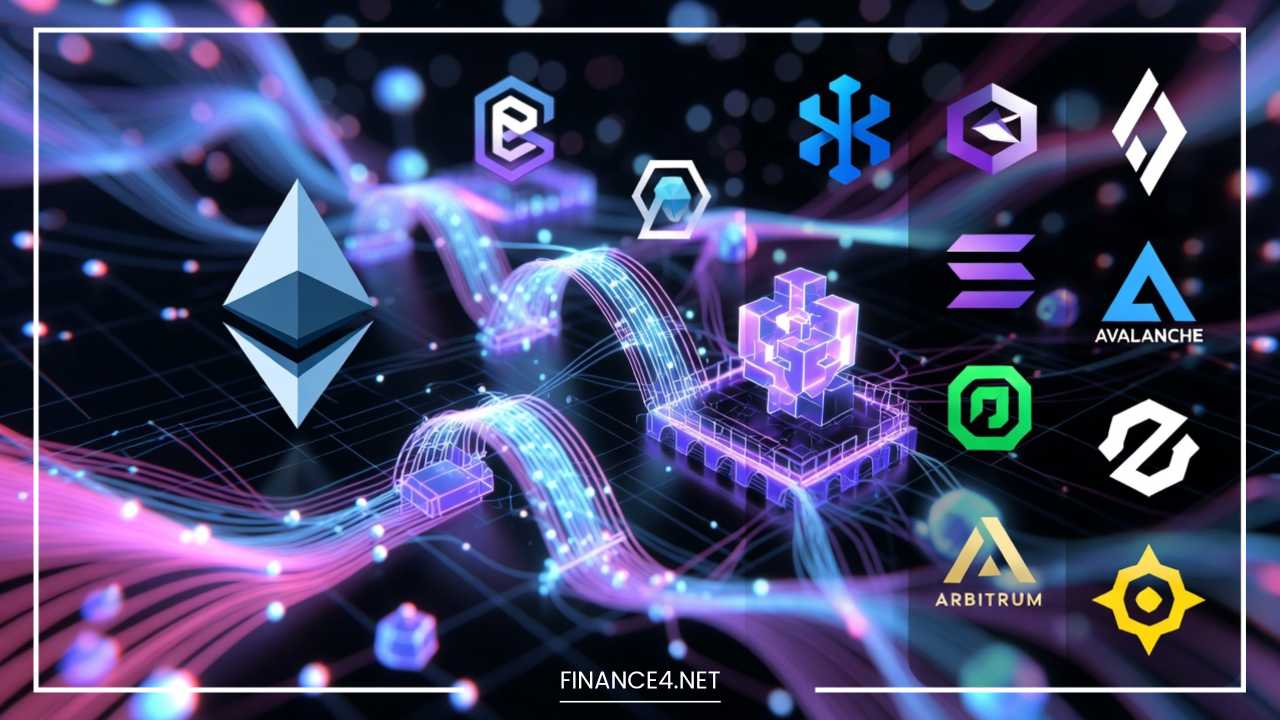
The cryptocurrency landscape is continuously evolving, with Decentralized Exchanges (DEXs) at the forefront of this revolution. As the DeFi ecosystem matures, the limitations of single-chain DEXs—primarily liquidity fragmentation and high transaction costs on popular networks like Ethereum—have become increasingly apparent.
This has led to the emergence and rapid growth of multi-chain DEXs, which aim to provide seamless asset swaps and enhanced liquidity across various blockchain networks. Integral to the decentralized nature and future direction of these platforms are their governance tokens.
This article delves into the fascinating world of multi-chain DEX governance tokens, exploring their importance, functionality, and the top projects that are poised to shape the future of decentralized finance. We will analyze their unique value propositions, governance models, and the opportunities and risks associated with investing in them, providing a comprehensive overview for both seasoned crypto enthusiasts and newcomers alike.
The Rise of Multi-Chain DEXs: A Paradigm Shift
Traditional DEXs, like early iterations of Uniswap, were primarily confined to a single blockchain, often Ethereum. While groundbreaking, this design led to several challenges:
- Liquidity Fragmentation: Assets were locked within their native chains, making cross-chain swaps cumbersome, expensive, and reliant on centralized bridges or wrapped assets. This fragmented liquidity across different chains, leading to less efficient markets and higher slippage.
- High Gas Fees and Slow Transactions: Blockchains like Ethereum, while robust, often suffer from network congestion, resulting in exorbitant gas fees and slow transaction speeds, particularly during peak demand. This made smaller trades economically unfeasible for many users.
- Limited Interoperability: The siloed nature of single-chain DEXs hindered the broader vision of a truly interconnected and interoperable DeFi ecosystem.
Multi-chain DEXs emerged as a solution to these problems, leveraging technologies such as:
- Cross-chain bridges: These protocols enable the transfer of assets between different blockchains.
- Atomic swaps: Allowing direct, trustless asset exchange between heterogeneous blockchains without intermediaries.
- Layer-2 scaling solutions: Processing transactions off-chain to reduce fees and improve speed on congested networks.
- DEX aggregators: These platforms source liquidity from multiple DEXs across various chains to provide users with the best prices and optimized trade routes.
By supporting multiple blockchain networks, multi-chain DEXs aim to create a more fluid, cost-effective, and user-friendly trading experience, paving the way for mass adoption of decentralized finance.
The Power of Governance Tokens in Multi-Chain DEXs
Governance tokens are the backbone of decentralized autonomous organizations (DAOs) that govern DEXs. Holding these tokens grants users the right to participate in critical decision-making processes, effectively giving them a say in the future direction of the protocol. This decentralized governance model is a cornerstone of the Web3 ethos, promoting transparency, community ownership, and resistance to censorship.
The utility of multi-chain DEX governance tokens typically encompasses:
- Voting Rights: Token holders can propose and vote on various aspects of the DEX, including:
- Protocol upgrades and new features
- Changes to fee structures and revenue distribution
- Listing of new tokens and liquidity pools
- Strategic partnerships and integrations
- Allocation of treasury funds
- Staking and Yield Generation: Many governance tokens can be staked to earn a share of the protocol’s trading fees or receive additional token rewards, incentivizing long-term holding and participation.
- Liquidity Mining Incentives: DEXs often distribute governance tokens as rewards to liquidity providers, encouraging them to supply assets to the platform’s liquidity pools, thereby enhancing market depth and efficiency.
- Fee Reductions and Exclusive Perks: Some platforms offer discounted trading fees or access to exclusive features for their governance token holders.
- Access to New Opportunities: Token holders might gain early access to new product launches, airdrops, or other ecosystem-specific benefits.
The value of a multi-chain DEX governance token is inherently tied to the success, adoption, and growth of its underlying platform. As a DEX gains more users, attracts deeper liquidity, and expands its multi-chain capabilities, the utility and demand for its governance token are likely to increase.
Top Multi-Chain DEX Governance Tokens to Watch
The multi-chain DEX space is dynamic, with new projects constantly emerging and existing ones evolving. Here’s a look at some of the leading multi-chain DEX governance tokens that warrant attention in 2024 and beyond:
1. SushiSwap (SUSHI)
Overview: SushiSwap is a prominent multi-chain DEX that originated as a fork of Uniswap. It has since evolved into a comprehensive DeFi ecosystem offering a wide range of services beyond just token swaps, including yield farming, lending (Kashi), and a launchpad (MISO). SushiSwap’s strength lies in its expansive multi-chain support, operating across numerous networks like Ethereum, Polygon, Avalanche, Fantom, Arbitrum, Optimism, and more.
Governance Model: The SUSHI token empowers its holders to govern the SushiSwap protocol. Through the Sushi DAO, token holders can vote on proposals related to treasury allocation, protocol parameters, product development, and strategic partnerships. The governance process often involves forums for discussion and Snapshot voting for on-chain decisions.
Unique Value Proposition:
- Broad Multi-Chain Footprint: SushiSwap’s presence on a multitude of blockchains makes it highly accessible and versatile for users operating across different ecosystems.
- Diverse DeFi Offerings: Beyond standard swaps, SushiSwap’s integrated suite of DeFi products provides additional utility and reasons for users to engage with the platform and hold SUSHI.
- Strong Community: SushiSwap boasts a passionate and active community that drives its decentralized governance and innovation.
Risks & Opportunities:
- Opportunities: Continued expansion to new chains, successful launch of new products (e.g., concentrated liquidity AMM), and growing DeFi adoption across supported networks could boost SUSHI’s value.
- Risks: Intense competition from other multi-chain DEXs, potential smart contract vulnerabilities, and regulatory uncertainties.
2. 1inch Network (1INCH)
Overview: While not a DEX in the traditional sense, 1inch is a leading DEX aggregator that sources the best swap rates by splitting trades across multiple DEXs, including those on various chains. It acts as a crucial interoperability layer, enabling users to optimize their trades across fragmented liquidity pools on different networks like Ethereum, BNB Chain, Polygon, Avalanche, Optimism, Arbitrum, and more.
Governance Model: The 1INCH token governs the 1inch Network, allowing holders to vote on parameters such as the spread surplus, referral rewards, and the DAO treasury fund. 1inch employs an “instant governance” model for certain decisions, allowing for quicker adjustments to protocol parameters.
Unique Value Proposition:
- Optimal Trade Execution: 1inch’s core strength is its ability to find the most efficient trade routes and prices across the entire DEX landscape, saving users money on slippage and gas fees.
- Multi-Chain Aggregation: Its support for a vast number of blockchains and integration with numerous DEXs positions it as a go-to platform for cross-chain swaps.
- Focus on User Experience: 1inch aims to simplify complex multi-chain trading into a single, intuitive interface.
Risks & Opportunities:
- Opportunities: Growing adoption of multi-chain DeFi, increasing fragmentation of liquidity, and continued innovation in aggregation algorithms could drive demand for 1INCH.
- Risks: Competition from other aggregators, reliance on the underlying security of various DEXs and bridges, and potential changes in gas fee dynamics across networks.
3. Curve Finance (CRV)
Overview: Curve Finance is renowned for its highly efficient stablecoin swaps with low slippage. While initially focused on Ethereum, it has expanded its operations to numerous other chains, including Polygon, Arbitrum, Optimism, Avalanche, and more, becoming a key player in the multi-chain stablecoin ecosystem. Its specialized AMM design is optimized for assets that are pegged to each other (e.g., stablecoins), minimizing impermanent loss for liquidity providers.
Governance Model: The CRV token is the governance token for Curve DAO. CRV holders can lock their tokens to receive veCRV (vote-escrowed CRV), which provides boosted voting power and a share of the protocol’s trading fees. This veCRV model incentivizes long-term commitment and active participation in governance, primarily focusing on directing liquidity incentives to various stablecoin pools.
Unique Value Proposition:
- Market Leader in Stablecoin Swaps: Curve’s deep liquidity and specialized AMM make it the preferred platform for large-volume stablecoin trades, crucial for maintaining DeFi stability.
- Capital Efficiency: Its design minimizes slippage, making it highly capital-efficient for stable asset trading.
- Strong Incentive Mechanism: The veCRV model effectively aligns the interests of token holders, liquidity providers, and the protocol’s long-term success.
Risks & Opportunities:
- Opportunities: The continued growth of the stablecoin market, expansion into new stable asset categories (e.g., Liquid Staking Tokens), and increasing demand for capital-efficient swaps across chains.
- Risks: Regulatory scrutiny on stablecoins, potential smart contract exploits (though Curve has undergone extensive audits), and competition from new stablecoin-focused DEXs.
4. PancakeSwap (CAKE)
Overview: PancakeSwap is the leading DEX on the BNB Smart Chain (BSC), offering a wide array of DeFi services including token swaps, yield farming, syrup pools (staking), an NFT marketplace, and a lottery. While primarily dominant on BSC, PancakeSwap has also expanded to other EVM-compatible chains, becoming a multi-chain player.
Governance Model: The CAKE token is central to PancakeSwap’s governance. CAKE holders can stake their tokens in “Syrup Pools” to earn more CAKE or other tokens. They also have voting rights on proposals that influence the protocol’s development, such as emission rates, new features, and changes to the platform’s economics.
Unique Value Proposition:
- Dominant on BNB Smart Chain: PancakeSwap benefits from BSC’s lower transaction fees and faster block times, attracting a large retail user base.
- Comprehensive DeFi Suite: Its wide range of integrated DeFi products provides significant utility for CAKE holders and users.
- High Liquidity and Volume: PancakeSwap consistently ranks among the top DEXs by trading volume and Total Value Locked (TVL), especially within the BSC ecosystem.
Risks & Opportunities:
- Opportunities: Continued growth of the BNB Smart Chain ecosystem, successful expansion to new chains, and innovative product development could boost CAKE’s appeal.
- Risks: Centralization concerns associated with BSC’s Proof-of-Stake Authority (PoSA) consensus, intense competition from other EVM-compatible DEXs, and potential regulatory headwinds.
5. ThorChain (RUNE)
Overview: THORChain is a decentralized cross-chain liquidity protocol that enables native asset swaps between different blockchains1 (e.g., Bitcoin, Ethereum, BNB Chain, Cosmos, Dogecoin) without the need for wrapped tokens or centralized intermediaries. It achieves this through a network of nodes that bond RUNE tokens and continuously swap assets in liquidity pools.
Governance Model: RUNE is the native asset and governance token of the THORChain ecosystem. Node operators are required to bond RUNE to participate in the network, aligning their incentives with the protocol’s security and success. RUNE holders can also participate in governance, voting on key parameters and upgrades to the protocol.
Unique Value Proposition:
- Native Cross-Chain Swaps: THORChain’s ability to swap native assets directly (e.g., BTC to ETH) is a significant differentiator, eliminating the risks associated with wrapped tokens and centralized bridges.
- High Level of Decentralization: Its network of independent nodes contributes to the protocol’s censorship resistance and security.
- Deep Liquidity for Native Assets: It provides a unique avenue for trading native assets across different chains, potentially reducing slippage for certain pairs.
Risks & Opportunities:
- Opportunities: Increasing demand for truly decentralized cross-chain interoperability, expansion to support more native assets, and growing trust in its security model could drive RUNE’s value.
- Risks: Complexity of the protocol’s architecture, potential for exploits (though significant security audits have been conducted), and the inherent volatility of multi-asset liquidity pools.
6. Osmosis (OSMO)
Overview: Osmosis is a leading interchain AMM DEX built on the Cosmos SDK, specifically designed for the Cosmos ecosystem. It facilitates seamless and sovereign cross-chain swaps between various Cosmos-SDK-based blockchains through the Inter-Blockchain Communication (IBC) protocol. Osmosis is a testament to the power of modular blockchain design and true interoperability within an interconnected network.
Governance Model: The OSMO token is the governance token of the Osmosis Zone. OSMO holders can stake their tokens to secure the network and earn staking rewards, as well as participate in governance. This includes voting on protocol upgrades, adjusting liquidity mining incentives, and allocating funds from the community pool.
Unique Value Proposition:
- Native to Cosmos Ecosystem: Osmosis leverages the IBC protocol to enable highly efficient and trustless swaps between a growing number of sovereign blockchains within Cosmos.
- Superfluid Staking: A unique feature allowing users to simultaneously stake their OSMO to secure the network and provide liquidity to pools, earning both staking rewards and LP fees.
- Customizable Liquidity Pools: Osmosis offers flexible liquidity pool designs, including multi-asset pools and concentrated liquidity.
Risks & Opportunities:
- Opportunities: The continued expansion and adoption of the Cosmos ecosystem and IBC, successful implementation of new AMM features, and growing demand for interchain asset transfers could boost OSMO.
- Risks: Reliance on the broader Cosmos ecosystem’s growth, potential for security vulnerabilities in IBC or smart contracts, and competition from other interchain solutions.
7. Balancer (BAL)
Overview: Balancer is a flexible AMM DEX that allows users to create customizable liquidity pools with varying token weightings, effectively functioning as a self-balancing index fund. It supports multi-chain deployments, including on Ethereum, Polygon, Arbitrum, and Optimism, offering a versatile platform for liquidity provision and trading.
Governance Model: The BAL token is the governance token of the Balancer Protocol. BAL holders can vote on protocol improvements, fee changes, and the allocation of BAL emissions to liquidity pools. Similar to Curve, Balancer has introduced veBAL (vote-escrowed BAL) to incentivize long-term staking and active governance participation.
Unique Value Proposition:
- Customizable Liquidity Pools: Balancer’s unique pool architecture allows for highly flexible and capital-efficient liquidity provision, supporting pools with more than two assets and custom weightings.
- Smart Order Router: It employs a smart order router to find the best prices across its own pools and other DEXs, optimizing trades for users.
- Composability: Balancer pools can be integrated with other DeFi protocols, expanding their utility and reach.
Risks & Opportunities:
- Opportunities: Growing demand for diverse and customizable liquidity solutions, expansion to new chains, and continued innovation in its AMM model could enhance BAL’s value.
- Risks: Complexity of its pool structures, potential for impermanent loss for liquidity providers, and intense competition in the AMM space.
Key Considerations for Multi-Chain DEX Governance Tokens
When evaluating multi-chain DEX governance tokens, several factors are crucial for a comprehensive understanding:
1. Interoperability Solutions
The effectiveness of a multi-chain DEX heavily relies on its underlying interoperability solutions. Investors should consider:
- Bridge Security: The security of cross-chain bridges is paramount. Historical hacks on bridges have highlighted the risks involved. Projects with robust security audits, multi-sig mechanisms, and decentralized bridge architectures are preferred.
- Native Interoperability: Protocols that leverage native cross-chain communication protocols (like Cosmos’s IBC or Polkadot’s XCM) offer a higher degree of security and decentralization compared to relying solely on external bridges.
- Aggregator Efficiency: For DEX aggregators, the sophistication of their routing algorithms and their ability to consistently find the best prices across various chains are key performance indicators.
2. Liquidity and Trading Volume
High liquidity and robust trading volume are essential for any successful DEX, multi-chain or otherwise. These factors indicate a healthy and active ecosystem, leading to:
- Reduced Slippage: Deeper liquidity pools mean less price impact for large trades.
- Efficient Price Discovery: Active trading ensures competitive prices.
- Increased Protocol Revenue: More trading volume translates to higher fees for the protocol, which can benefit governance token holders through staking rewards or buybacks.
3. Governance Model and Community Engagement
The quality and decentralization of the governance model directly impact the token’s long-term viability:
- Active Participation: A vibrant and engaged community of token holders is crucial for effective decentralized governance. Look for active forums, robust voting turnout, and meaningful discussions.
- Transparent Decision-Making: The governance process should be transparent, with proposals and voting results easily accessible on-chain.
- Incentives for Participation: Mechanisms like vote-escrowed tokens (e.g., veCRV, veBAL) can incentivize long-term holding and discourage short-term speculation, fostering a more stable governance structure.
4. Security Audits and Risk Management
DEXs, particularly multi-chain ones, are complex systems susceptible to smart contract vulnerabilities and bridge exploits. It’s critical to assess:
- Regular Audits: Reputable DEXs undergo frequent security audits by leading blockchain security firms.
- Bug Bounty Programs: The presence of bug bounty programs demonstrates a commitment to identifying and fixing vulnerabilities.
- Multi-Signature Wallets and Timelocks: These mechanisms add layers of security by requiring multiple approvals for critical operations and introducing delays for sensitive changes, allowing time for community review and potential intervention.
5. Regulatory Landscape
The regulatory environment for cryptocurrencies and DeFi is constantly evolving. Multi-chain DEXs and their governance tokens may face increasing scrutiny from regulators worldwide. Considerations include:
- Decentralization as a Defense: The truly decentralized nature of a DEX can offer some protection against traditional financial regulations, as there is no central entity to target.
- Potential for KYC/AML: While antithetical to the core ethos of DeFi, some DEXs might explore optional KYC/AML layers or implement smart compliance tools to navigate regulatory pressures, particularly in certain jurisdictions.
- Jurisdictional Risks: Regulators may attempt to target specific individuals or entities contributing to a DEX if they deem it to be operating illegally within their jurisdiction.
Investing Strategies for Multi-Chain DEX Governance Tokens
Investing in multi-chain DEX governance tokens carries both opportunities and risks. Here are some strategies to consider:
- Due Diligence is Key: Thoroughly research each project. Understand its technology, team, roadmap, community, and competitive landscape.
- Evaluate Multi-Chain Strategy: Assess how effectively the DEX implements its multi-chain strategy. Does it have robust bridges? Is it expanding to relevant new chains?
- Assess Tokenomics: Analyze the token’s supply, distribution, vesting schedules, and inflation/deflation mechanisms. How are fees generated and distributed to token holders?
- Consider Staking and Yield Opportunities: Look for projects that offer attractive and sustainable staking or yield farming opportunities for their governance tokens. This can provide passive income and incentivize long-term holding.
- Diversification: As with any crypto investment, diversify your portfolio across multiple projects to mitigate risk.
- Long-Term vs. Short-Term: Decide whether you are investing for long-term growth and governance participation or short-term trading opportunities. Governance tokens often reward long-term holders through increased voting power and greater fee share.
- Monitor Community and Development: Stay updated on the project’s development progress, community discussions, and upcoming proposals. Active participation in governance, if possible, can further align your interests with the project’s success.
- Risk Management: Be aware of the inherent volatility of cryptocurrency markets and the specific risks associated with DeFi protocols (e.g., impermanent loss, smart contract exploits). Only invest what you can afford to lose.
The Future of Multi-Chain DEX Governance
The future of multi-chain DEX governance is poised for significant innovation and evolution. We can expect:
- Enhanced Interoperability: Further advancements in cross-chain communication protocols and atomic swap technologies will lead to even more seamless and trustless asset transfers between blockchains.
- More Sophisticated Governance Models: DAOs will likely adopt more nuanced and efficient governance structures, possibly incorporating quadratic voting, liquid democracy, or delegated voting to improve participation and decision-making.
- Increased Regulatory Clarity (and Challenges): As the DeFi space matures, regulators will increasingly attempt to define and regulate DEXs. This could lead to a more defined legal framework, but also potential challenges for truly decentralized protocols.
- Integration with Real-World Assets (RWAs): Multi-chain DEXs could play a crucial role in the tokenization and trading of real-world assets across different blockchains, opening up new avenues for liquidity and financial innovation.
- User-Friendly Interfaces: As multi-chain technology becomes more complex under the hood, the front-end user experience will need to become even more intuitive and simplified to onboard a broader audience.
- Layer-3 Solutions and Beyond: The evolution of blockchain technology might see the emergence of Layer-3 solutions that further enhance interoperability and scalability, creating new opportunities for multi-chain DEXs.
Final Thoughts
Multi-chain DEX governance tokens represent a pivotal shift in the decentralized finance landscape. They embody the core principles of decentralization and community ownership, offering users a tangible stake in the protocols they use. While the sector is still nascent and carries inherent risks, the potential for growth and innovation is immense.
By carefully analyzing the underlying technology, governance models, liquidity, and security measures of these projects, and by adopting a strategic investment approach, participants can position themselves to benefit from the ongoing evolution of multi-chain decentralized exchanges. As the crypto world hurries towards a more interconnected and interoperable future, multi-chain DEX governance tokens will undoubtedly remain at the heart of this transformative journey.