Top NFT Aggregator for Digital Fashion
 by
by 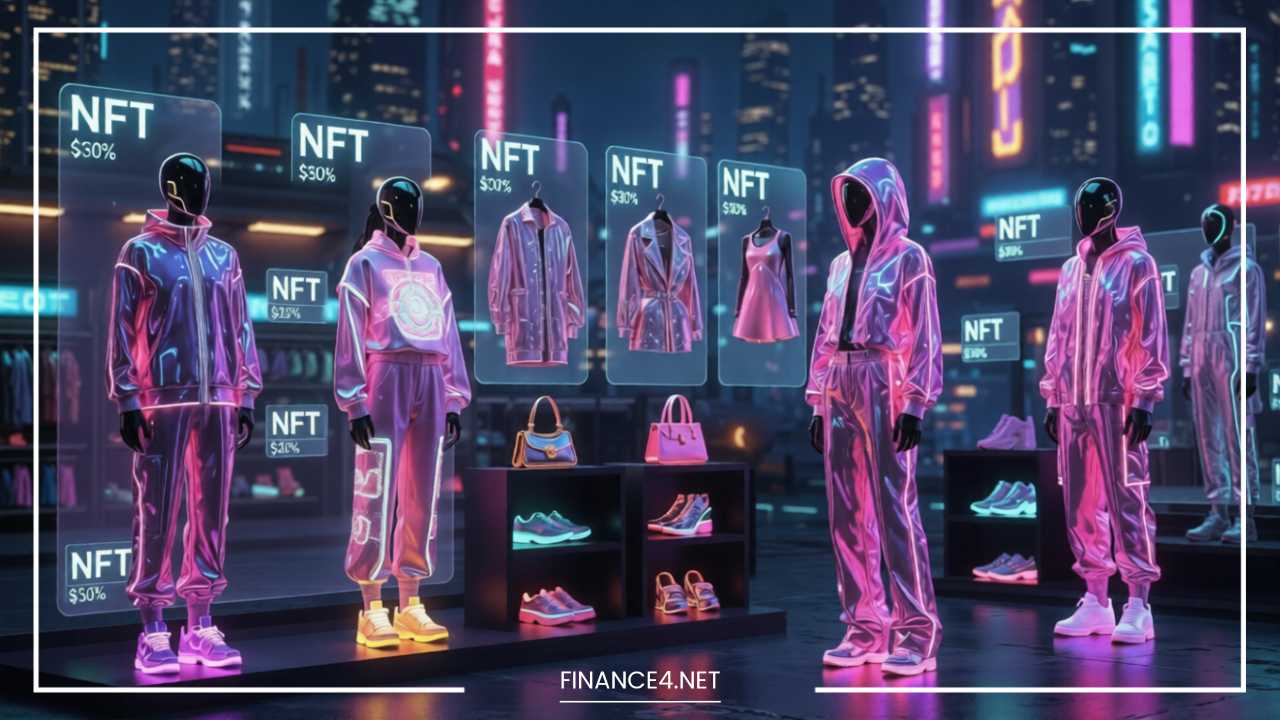
Top NFT Aggregator for Digital Fashion | Discover & Trade Virtual Wearables
In the digital age, our virtual identities are becoming just as defining as our physical ones. As we transition more of our social, professional, and recreational lives into virtual spaces—ranging from high-fidelity gaming environments and sprawling metaverse platforms to augmented reality (AR) social feeds—the clothes we choose for our avatars have evolved from simple “skins” into potent markers of personal style, status, and community affiliation. This shift has given rise to the vibrant, high-stakes sector of digital fashion.
At the intersection of this creative movement and blockchain technology lie Non-Fungible Tokens (NFTs). By tokenizing virtual clothing, accessories, and wearable assets, designers and brands provide users with the holy grail of digital ownership: verifiable scarcity and provenance. However, the rapidly expanding market for these assets is inherently fragmented. Collectors often find themselves navigating a labyrinth of disparate marketplaces, each with its own liquidity pools, fee structures, and technical interfaces.
This is where NFT aggregators emerge as the essential infrastructure for the digital fashion revolution. By consolidating listings, analytics, and trading tools into a unified interface, these platforms simplify the discovery and acquisition of virtual wearables. Whether you are a fashion-forward digital native looking to curate your avatar’s wardrobe or a strategic investor eyeing the next “phygital” luxury collaboration, mastering the use of NFT aggregators is no longer optional—it is your portal to the future of style.
What Are NFTs in Digital Fashion?
To appreciate the significance of digital fashion, one must understand the unique architecture of NFTs. At its core, an NFT is a cryptographic certificate registered on a blockchain, such as Ethereum, Solana, or Polygon. While cryptocurrencies like Bitcoin are fungible—meaning every unit is interchangeable—NFTs are distinct, carrying unique metadata that makes each token an original, irreplicable asset.
Digital fashion encompasses a wide array of virtual-only garments, accessories, and aesthetic wearables. These assets are engineered as 3D models or smart-contract-backed digital items that can be worn by avatars in various virtual environments. The sector bridges the gap between traditional garment construction and computer graphics, resulting in designs that defy the laws of physics—garments made of liquid gold, gravity-defying fabrics, or even light itself.
The value proposition of these tokens is rooted in three primary drivers:
-
True Ownership: Unlike a standard digital purchase in a centralized video game, where the company retains control, an NFT allows you to own your garment in a decentralized, transparent, and portable way.
-
Scarcity and Exclusivity: By tokenizing limited editions, designers can replicate the “drop” culture of streetwear, creating a sense of urgency and prestige.
-
Investment Potential: Digital fashion is increasingly viewed as an asset class. Rare pieces from renowned designers or significant collaborations often appreciate in value as the metaverse expands.
From the virtual sneakers developed by RTFKT to the high-fashion digital couture shows hosted in platforms like Decentraland, the landscape is thriving. Fashion houses—such as Louis Vuitton, Gucci, and Maison Margiela—are now leveraging these tokens to offer “phygital” experiences, where a digital NFT might serve as a key to claim a high-end physical counterpart.
Challenges in Discovering and Trading Digital Fashion NFTs
The primary hurdle for the digital fashion industry today is market fragmentation. Because there is no single dominant marketplace, digital garments are scattered across different platforms, blockchains, and layer-2 solutions. A collector interested in a specific aesthetic might have to check OpenSea, then jump over to Magic Eden, and finally monitor specialized metaverse marketplaces. This process is time-consuming, prone to human error, and inefficient.
Furthermore, the lack of a unified view creates significant hurdles:
-
Information Asymmetry: Determining the “floor price”—the entry price for a collection—or identifying an item’s rarity traits across different platforms is a manual, arduous process. Without real-time, consolidated data, users often overpay for assets.
-
The “Copycat” Problem: The permissionless nature of blockchain allows bad actors to mint “fake” versions of popular digital fashion. Without the robust verification tools often found in professional-grade aggregators, novices are at high risk of purchasing worthless copies.
-
Transaction Friction: Managing assets across multiple wallets and blockchains can be daunting. Each interaction on a decentralized exchange involves gas fees, and navigating different fee structures across platforms adds complexity to every trade.
The emergence of NFT aggregators is the industry’s response to these challenges. By functioning as a meta-interface, an aggregator effectively “lifts the veil” on the broader market, allowing collectors to see the entire ecosystem at a glance.
What Is an NFT Aggregator?
An NFT aggregator is a high-performance web platform that consolidates data, listings, and liquidity from multiple NFT marketplaces into one intuitive dashboard. Instead of visiting five different sites to see what is available, an aggregator pulls real-time information from all of them and presents it to you as a single, searchable database.
The functionality of an aggregator goes beyond simple search. It acts as a comprehensive trading suite:
-
Aggregated Search and Filtering: Users can search for a specific collection or type of wearable across all connected marketplaces simultaneously. Advanced filters—such as filtering by specific rarity traits, creator identity, or blockchain network—make finding a specific piece effortless.
-
Price Tracking and Analytics: Aggregators provide a bird’s-eye view of market health. They show live floor price movements, sales volume, and historical performance, enabling users to spot trends before they become mainstream.
-
Operational Efficiency: Most importantly, aggregators allow for “sweeping” or bulk-buying. A collector can select multiple NFTs from different platforms and purchase them in a single transaction, significantly saving on gas fees and time.
Essentially, an aggregator turns the chaotic, fragmented world of Web3 commerce into a streamlined experience akin to shopping on any traditional e-commerce site, while retaining the security and decentralized benefits of the blockchain.
Top NFT Aggregators for Digital Fashion
As of 2026, the marketplace has matured. The following platforms represent the industry leaders, each catering to different types of digital fashion collectors.
1. OpenSea: The Industry Standard
OpenSea remains the most versatile marketplace and, in many ways, its own powerful aggregator.
-
Overview: The pioneer of the space, OpenSea supports a massive range of chains including Ethereum, Polygon, and Arbitrum.
-
Digital Fashion Relevance: Because it is the largest platform, almost every major digital fashion drop eventually finds its way here. Its interface is highly approachable for beginners.
-
Unique Selling Point: Its sheer liquidity. If you are looking to sell a piece of digital fashion or find a rare item with a high probability of availability, OpenSea is the first port of call.
2. Blur: The Pro-Trader’s Powerhouse
Blur has fundamentally changed the landscape of professional NFT trading, prioritizing speed and depth.
-
Overview: Built for high-volume users, Blur focuses on real-time data and lightning-fast execution.
-
Digital Fashion Relevance: Blur is the platform where serious investors track the floor prices of high-value fashion collections. Its “sweep” feature, which allows traders to buy the lowest-priced items from a collection instantly, is indispensable for those looking to build a large wardrobe quickly.
-
Unique Selling Point: Its advanced analytics and “pro” dashboard. Blur provides detailed charts on volume, price changes, and historical sales that are second to none.
3. Magic Eden: The Gaming & Cross-Chain Leader
Originally the home of Solana NFTs, Magic Eden has evolved into a formidable multi-chain contender.
-
Overview: A user-friendly, highly visual marketplace that has aggressively integrated support for Bitcoin Ordinals and Ethereum.
-
Digital Fashion Relevance: Because of its deep integration with gaming studios, Magic Eden is the go-to aggregator for in-game wearables and metaverse-native fashion items.
-
Unique Selling Point: The “Magic Eden Launchpad.” The platform frequently hosts exclusive drops, making it the best place to discover up-and-coming designers and new digital fashion projects.
4. Rarible: The Creator-Centric Hub
Rarible has carved out a niche as the champion of the creator community and decentralized governance.
-
Overview: A platform that emphasizes community ownership and allows users to participate in the platform’s decision-making through its native $RARI token.
-
Digital Fashion Relevance: Its “no-code” minting tools have attracted a vast array of independent digital fashion designers. If you prefer to support individual creators rather than big luxury houses, this is your platform.
-
Unique Selling Point: Transparency and accessibility. Rarible is consistently one of the most creator-friendly platforms, often offering tools that make the process of verifying authenticity and managing royalties much simpler.
How to Use NFT Aggregators Effectively
To maximize your experience, you should approach the market with a clear strategy. Here is a step-by-step guide to trading digital fashion like a pro:
-
Secure Your Foundation: Ensure you have a reputable crypto wallet (such as MetaMask or Phantom). Keep your recovery phrase offline. Only connect your wallet to official, verified URLs for these aggregators.
-
Define Your Hunt: Before opening the aggregator, know what you are looking for. Are you looking for a specific designer, a “phygital” item, or wearables for a specific metaverse platform?
-
Utilize Filters: Do not just browse. Use the filters to drill down. If you are collecting, sort by “rarity.” If you are investing, sort by “lowest price.” Understanding the relationship between these two metrics is vital for success.
-
Review the Data: Before committing to a purchase, click through to the item’s history. Check its price fluctuations. Is it currently at an all-time low? How often has it been traded? Avoid jumping into a purchase based solely on the hype of a new release.
-
Execution and Security: When buying, the aggregator will prompt you to approve the transaction via your wallet. Take a moment to verify the contract address and the gas fee. If the gas fee seems astronomically high, it may be a sign of a network congestion or a faulty interaction.
Pro-Tip: Always follow the “Official Link” provided by the creator or brand’s social media. Never trust a link sent to you by a stranger in a chat, even if it looks like a popular aggregator site.
Trends in Digital Fashion and the NFT Market
As we look toward the remainder of 2026, the digital fashion sector is experiencing a massive shift driven by technological convergence.
-
Metaverse Interoperability: This is the “Holy Grail” of digital fashion. Developers are working on standards that allow an NFT garment bought in one platform (like Decentraland) to be rendered in another (like Roblox). As this capability grows, the value of a single digital garment will skyrocket because its utility will no longer be trapped in a single, closed garden.
-
Generative AI Design: Designers are increasingly using AI to create complex, algorithmic textures and patterns that are impossible to create by hand. This has led to “dynamic NFTs”—garments that can change their appearance based on real-time data, such as the weather in the user’s physical location or the time of day.
-
Phygital Ecosystems: The divide between physical and digital is evaporating. High-end brands are now embedding NFC chips into physical clothes that verify the digital asset on the blockchain, creating a perfect, traceable “digital twin.”
-
Circular Fashion and Sustainability: Paradoxically, the digital fashion industry is being positioned as a solution to the waste of the physical fashion industry. By designing and wearing clothes virtually, we drastically reduce the environmental impact of textile manufacturing.
Benefits of Using NFT Aggregators for Fashion Collectors
Why should you rely on an aggregator rather than a single marketplace? The benefits go beyond simple convenience:
-
Unified Market Visibility: You are no longer blind to the broader market. You can see when a rare item is listed at a bargain price anywhere in the ecosystem.
-
Data-Driven Investing: Aggregators provide the analytics required to treat your digital fashion wardrobe as a legitimate portfolio. You can track your assets’ value over time, just like stocks or real estate.
-
Social and Community Engagement: Many aggregators now integrate social features, allowing you to see what high-profile collectors are buying or to join “watchlists” for specific fashion designers, keeping you at the forefront of the next big trend.
Potential Risks and Considerations
It is important to maintain a healthy skepticism when entering the NFT market.
-
Market Volatility: The value of digital assets is speculative. Prices can crash just as quickly as they rise. Never invest capital that you cannot afford to lose.
-
The “Phishing” Plague: Despite all the technology in the world, the greatest risk remains the “human element.” Be wary of fake websites that mirror popular aggregators, and never sign a transaction you do not fully understand.
-
IP and Copyright Complexity: When you purchase an NFT, you are buying the token, not necessarily the underlying copyright to the design. Always read the creator’s terms of service to understand what you can and cannot do with the asset (e.g., can you use it for commercial gain?).
-
Gas Costs: On networks like Ethereum, gas fees can fluctuate based on network demand. Always plan your trades during lower-activity periods to save on transaction overhead.
Treat your digital fashion collection as you would a collection of fine art or vintage clothing: research the provenance, understand the creator’s history, and build your collection for the joy of the aesthetic, not just the hope of quick profit.
Final Thoughts
The intersection of fashion, gaming, and blockchain is just beginning. What started as a niche experimental project for early adopters has blossomed into a multi-billion-dollar global ecosystem that is redefining the very concept of “wearing” clothes. Digital fashion has given creators the freedom to design without the constraints of physics or geography, and it has given consumers the power to express themselves with unparalleled creativity.
NFT aggregators are the essential navigators of this vast digital terrain. By providing the tools for discovery, the clarity of market data, and the speed required to execute trades, they ensure that the next frontier of fashion is accessible to everyone. Whether you are a casual gamer looking for a new avatar skin or a serious collector curating a virtual museum of high-fashion couture, these platforms are your bridge to the future.
We are standing at the dawn of an era where your “digital closet” will be as defining as your physical one. The runway is digital, the audience is global, and the possibilities are endless. Explore the platforms with an informed mind, stay vigilant about your security, and, most importantly, have fun building a virtual identity that is uniquely and authentically you. The future of style has arrived, and it is entirely digital.