Top NFT Loyalty Reward Best Practices
 by
by 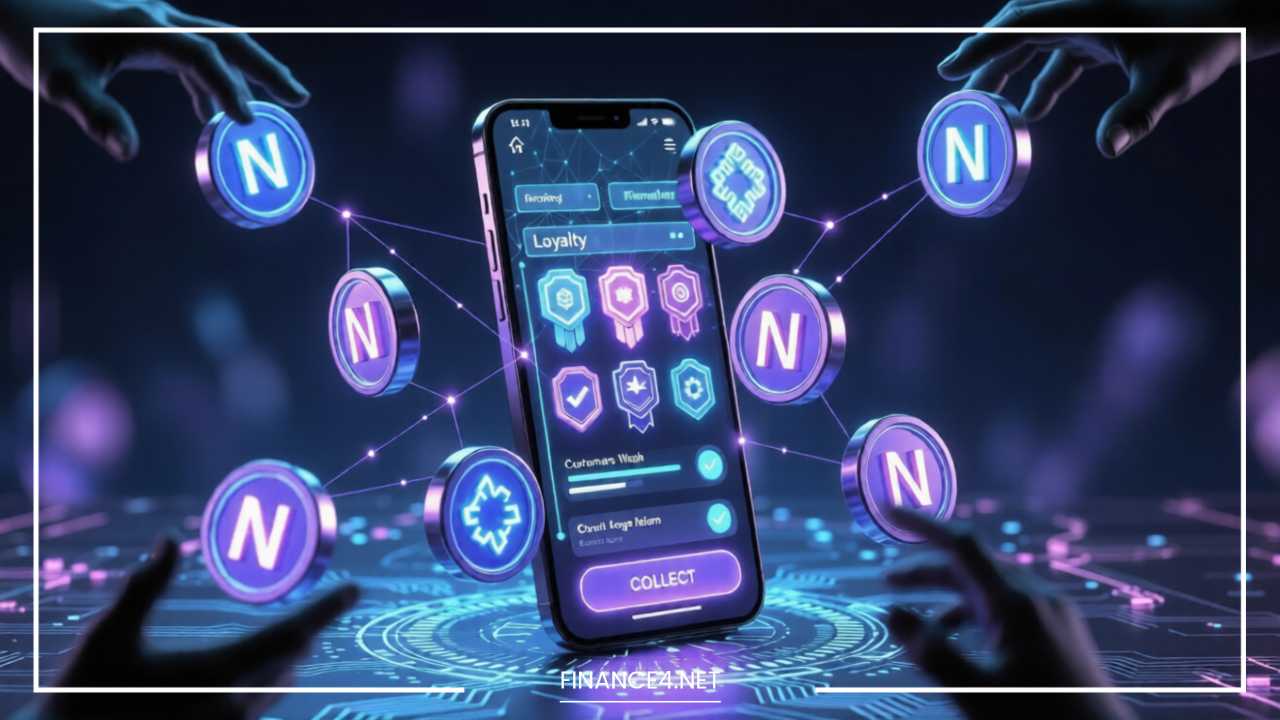
Top NFT Loyalty Reward Best Practices Every Brand Should Know
The digital landscape is undergoing a seismic shift. For decades, brand loyalty was defined by punch cards, plastic sliders, and centralized databases of “points” that often expired unused or felt disconnected from the consumer’s lifestyle. Today, we are entering the era of Web3 loyalty, where the relationship between a brand and its customer is being redefined through Non-Fungible Tokens (NFTs).
What is NFT Loyalty Rewards
At its core, an NFT (Non-Fungible Token) is a unique digital asset verified by blockchain technology. Unlike Bitcoin, which is fungible (one Bitcoin is the same as any other), an NFT represents something singular—a digital deed of ownership. While the initial hype around NFTs focused on high-priced digital art, the true “killer app” for this technology has emerged in the realm of customer retention and brand equity.
Traditional loyalty programs are often “walled gardens.” You earn points in one shop, but you don’t truly own them; the brand can change the rules, devalue the points, or close your account at any time. NFT-based rewards change this power dynamic. By tokenizing loyalty, brands allow customers to actually own their status. This ownership creates a sense of “skin in the game,” transforming a passive consumer into an active stakeholder.
In 2026, brands are moving beyond experimental “drops” and toward integrated ecosystems. This article explores why NFT loyalty is the future of marketing and provides a comprehensive roadmap of best practices for brands looking to build lasting digital communities.
What Are NFT Loyalty Rewards?
To understand NFT loyalty, we must first distinguish it from the “points” systems of the past. In a traditional program, a brand tracks your purchases and assigns a numerical value to your account. In an NFT loyalty program, your “membership card” or “reward points” exist as tokens in a digital wallet.
Definition of NFT-Based Loyalty Rewards
An NFT-based loyalty reward is a programmable digital asset that grants the holder specific rights, access, or value within a brand’s ecosystem. Because these assets live on a blockchain, they are immutable, verifiable, and—most importantly—portable.
Traditional vs. NFT Loyalty Programs
The fundamental difference lies in custody and utility.
-
Centralization vs. Decentralization: Traditional points live on a brand’s private server. If the server goes down or the company changes its T&Cs, your points can vanish. NFTs live on a public ledger.
-
Liquidity: You cannot sell your airline miles to a stranger easily. You can sell a loyalty NFT on an open market if you no longer wish to patronize that brand.
-
Transparency: In traditional systems, the “scarcity” of a reward is whatever the brand says it is. With NFTs, the total supply is mathematically proven on-chain.
How NFTs Create Ownership and Exclusivity
Ownership is a powerful psychological trigger. When a customer “owns” a piece of the brand’s digital identity, they become a brand guardian. Exclusivity is managed through token-gating: software that checks a user’s wallet for a specific NFT before allowing them to access a website, a discount code, or a physical event.
Types of NFT Rewards
-
Digital Collectibles: Artistic assets that commemorate a specific event (e.g., “I attended the 2024 Flagship Store Opening”).
-
Membership NFTs: Acting as a “digital key,” these provide ongoing access to gated communities or early product drops.
-
Event Access NFTs: Virtual tickets that cannot be forged and may transform into a collectible after the event ends.
-
Redeemable Rewards NFTs: Tokens that can be “burned” (permanently removed from circulation) in exchange for a physical product, such as a limited-edition sneaker.
-
Tier-Based Loyalty NFTs: Dynamic assets that “level up” as the user interacts more with the brand, changing visually as the user moves from Bronze to Gold status.
Why Brands Are Adopting NFT Loyalty Programs
The move toward Web3 isn’t just about following a trend; it’s a strategic response to the diminishing returns of traditional digital marketing.
1. Stronger Customer Engagement
NFTs turn loyalty into an active pursuit. Collecting a full set of digital stamps or “leveling up” a profile picture provides a dopamine hit that a simple “Point Balance: 450” email cannot match. This creates a more interactive and frequent touchpoint between the brand and the consumer.
2. Gamification of Loyalty Programs
By introducing game mechanics—such as “quests” to unlock the next NFT tier—brands tap into the human desire for achievement. This gamification keeps the brand top-of-mind and encourages repetitive, positive behaviors.
3. Enhanced Community Building
Traditional loyalty is a 1-to-1 relationship between the brand and the individual. NFT loyalty is a 1-to-many relationship. When customers hold the same “Founders Pass” NFT, they become part of an exclusive club. They often congregate in digital spaces like Discord, discussing the brand and becoming its most vocal advocates.
4. Transparency and Security via Blockchain
Because rewards are on the blockchain, fraud is virtually eliminated. There are no “fake” points or double-spending. Consumers can see exactly how many “Legendary” rewards exist, creating authentic scarcity and trust.
5. Tradable Rewards and Secondary Markets
One of the most radical shifts is the tradability of rewards. If a loyal customer moves to a different city and can no longer use their “Local VIP” NFT, they can sell it to someone else. This ensures the reward always has value. Furthermore, brands can program royalties into the NFT, earning a small percentage of every secondary sale—turning a loyalty program into a revenue stream.
6. Cross-Platform Loyalty Ecosystems
NFTs allow for “vampire marketing” in a positive sense. A brand can offer rewards to anyone who holds an NFT from a partner brand. For example, a luxury hotel could offer a free drink to anyone holding a specific airline’s NFT, creating a frictionless partnership ecosystem.
Key Components of a Successful NFT Loyalty Program
NFT Minting Strategy
Brands must decide if they will “airdrop” (send for free) NFTs to existing customers or require them to be “claimed” through actions. A gradual rollout usually performs better than a massive, unannounced dump of tokens.
Wallet Integration and User Onboarding
The biggest barrier to entry is technical friction. Successful brands utilize custodial wallets. This allows users to sign up with an email and password, while the brand manages the complex “private keys” in the background. The user gets the benefits of an NFT without needing to know what a “seed phrase” is.
Blockchain Selection
Choosing a blockchain involves balancing three factors: Cost, Speed, and Sustainability.
-
Ethereum: High security, but high “gas fees” (transaction costs).
-
Polygon/Base: Low fees, fast, and very popular for retail brands.
-
Solana: Extremely fast and cheap, ideal for high-frequency rewards.
Reward Mechanics and Utility Design
An NFT without utility is just a JPEG. Brands must map out exactly what the token does. Does it grant a 10% discount? Does it unlock a secret menu? Does it give the user voting rights on the next product colorway? This utility must be clear and immediate.
Top NFT Loyalty Reward Best Practices Every Brand Should Know
1. Focus on Real Utility
The “PFP” (Profile Picture) craze of 2021 proved that hype dies quickly. For a loyalty program to survive, the NFT must offer tangible value.
-
Tangible Benefits: Discounts that are better than those offered to the general public.
-
VIP Access: Early access to sales or “skip the line” passes at physical locations.
-
Exclusive Content: Behind-the-scenes videos, digital wearables for the Metaverse, or early lookbooks.
2. Keep User Experience Simple
Avoid complex wallet setups. If a customer has to download a specific browser extension and buy Ether from an exchange just to join your program, you have already lost 99% of them.
-
Email Login: Use services like Privy or Magic Link to allow Web2-style logins.
-
Fiat Onramps: Allow users to pay for premium NFTs (if any) using a standard credit card.
3. Create Tiered Loyalty Rewards
Psychology plays a huge role in loyalty. By creating Bronze, Silver, and Gold tiers, you give users a goal.
-
Encourage Longevity: The longer an NFT is held (HODLed), the more rewards it should accumulate.
-
Dynamic Metadata: Use technology that allows the NFT’s image to change as the user moves up in rank.
4. Integrate Gamification
Turn brand interaction into a quest. Reward actions like:
-
“Connect your Instagram and tag us to earn the ‘Socialite’ badge.”
-
“Scan a QR code in-store five times to unlock the ‘Local Legend’ NFT.”
5. Build Community Around NFTs
An NFT is a social object. Provide a space where holders can interact.
-
Token-Gated Discord: Exclusive channels for high-tier holders.
-
In-Person Events: “NFT Holder Only” nights at retail locations.
6. Ensure Long-Term Value
Avoid one-time campaigns. A “Genesis” NFT should still be useful three years from now. If the benefits stop, the holders will sell, and the floor price—and brand reputation—will collapse.
7. Choose the Right Blockchain
In 2026, environmental impact is a non-negotiable. Use Proof-of-Stake blockchains which use 99.9% less energy than older models.
-
Transaction Fees: Ensure the cost to “claim” a reward is near zero.
-
Scalability: Can the chain handle a million users minting rewards simultaneously during a Super Bowl ad?
8. Enable Interoperability
The true power of Web3 is “Lego-like” connectivity. Imagine an NFT earned at a Nike store that unlocks a special skin in Fortnite or a discount at a Starbucks.
9. Reward Engagement, Not Just Purchases
Traditional programs focus on the “wallet.” NFT programs should focus on the “person.” Reward users for social sharing, content creation, and brand advocacy. This builds a deeper emotional connection than a simple transaction.
10. Track Data and Optimize
The blockchain is a public ledger. Brands can see exactly how users are moving their NFTs. If users are selling their “Silver” tokens quickly, perhaps the Silver rewards aren’t enticing enough. Use on-chain analytics to pivot your strategy in real-time.
Real-World Examples of NFT Loyalty Programs
Starbucks Odyssey
Starbucks extended its world-class rewards program into Web3 with “Odyssey.” Members participate in “Journeys” to earn “Journey Stamps” (NFTs).
-
Strategy: They hid the complexity. Users didn’t need a crypto wallet; they just used their Starbucks login.
-
Result: High engagement from non-crypto users who valued the exclusive coffee-farm tours and virtual classes.
Nike & .SWOOSH
Nike created a platform where users can collect and co-create virtual creations.
-
Strategy: They focused on co-creation. They allowed some NFT holders to help design products and earn royalties.
-
Result: A massive community of digital creators who feel they “own” a piece of Nike’s future designs.
Reddit Digital Collectibles
Reddit introduced “Collectible Avatars” and gave them to top contributors.
-
Strategy: Meet users where they are. They used the term “Collectible” instead of “NFT” to avoid stigma.
-
Result: Millions of wallets created, making it one of the most successful onboarding events in Web3 history.
Lufthansa “Uptrip”
Lufthansa launched a trading card app where passengers scan boarding passes to collect NFTs.
-
Strategy: Turning travel into a collection game.
-
Result: Increased brand affinity among frequent flyers who compete to complete “collections” for lounge access.
Challenges and Risks of NFT Loyalty Programs
Despite the potential, brands must navigate significant hurdles:
-
Regulatory Uncertainty: Laws regarding digital assets are still evolving. Brands must ensure their NFTs aren’t classified as “unregulated securities.”
-
Customer Education: There is still a “stigma” around crypto for some. Brands must focus on the value, not the technology.
-
Technical Complexity: Managing smart contracts requires specialized talent. A bug in the code can lead to lost rewards.
-
Security Risks: Phishing attacks targeting loyalty wallets can damage a brand’s reputation if users aren’t properly protected.
-
Environmental Concerns: Even with eco-friendly chains, the “crypto” label carries environmental baggage that requires careful PR management.
Future of NFT Loyalty Rewards
The next five years will see NFT loyalty merge with other emerging tech.
-
AI + NFT Loyalty: AI could generate unique, personalized NFT art for every customer based on their specific shopping habits.
-
Metaverse Integration: Your loyalty NFT becomes your “avatar’s outfit” in virtual worlds, signaling your status in digital social spaces.
-
Tokenized Brand Communities: Brands may eventually transition into DAOs (Decentralized Autonomous Organizations) where high-tier loyalty NFT holders have a vote in company directions.
-
Interoperable Digital Identities: Your loyalty NFT becomes part of your “Web3 Resume,” showing your tastes, history, and reliability across the entire web.
Final Thoughts
The transition from traditional points to NFT-based loyalty is not just a technical upgrade; it’s a philosophical shift. It moves the brand-consumer relationship from one of extraction to one of partnership.
For brands, the message is clear: Start small, but start now. Focus on utility over hype, simplicity over complexity, and community over transactions. Those who successfully navigate the transition to Web3 loyalty will not just have customers; they will have a decentralized army of advocates who truly own a piece of the brand’s future.
Innovation in this space is no longer optional—it is the new baseline for customer retention. By following these best practices, brands can ensure their loyalty programs remain relevant, secure, and genuinely rewarding for the next generation of consumers.