Top NFT Marketplaces for Brand Collectibles
 by
by 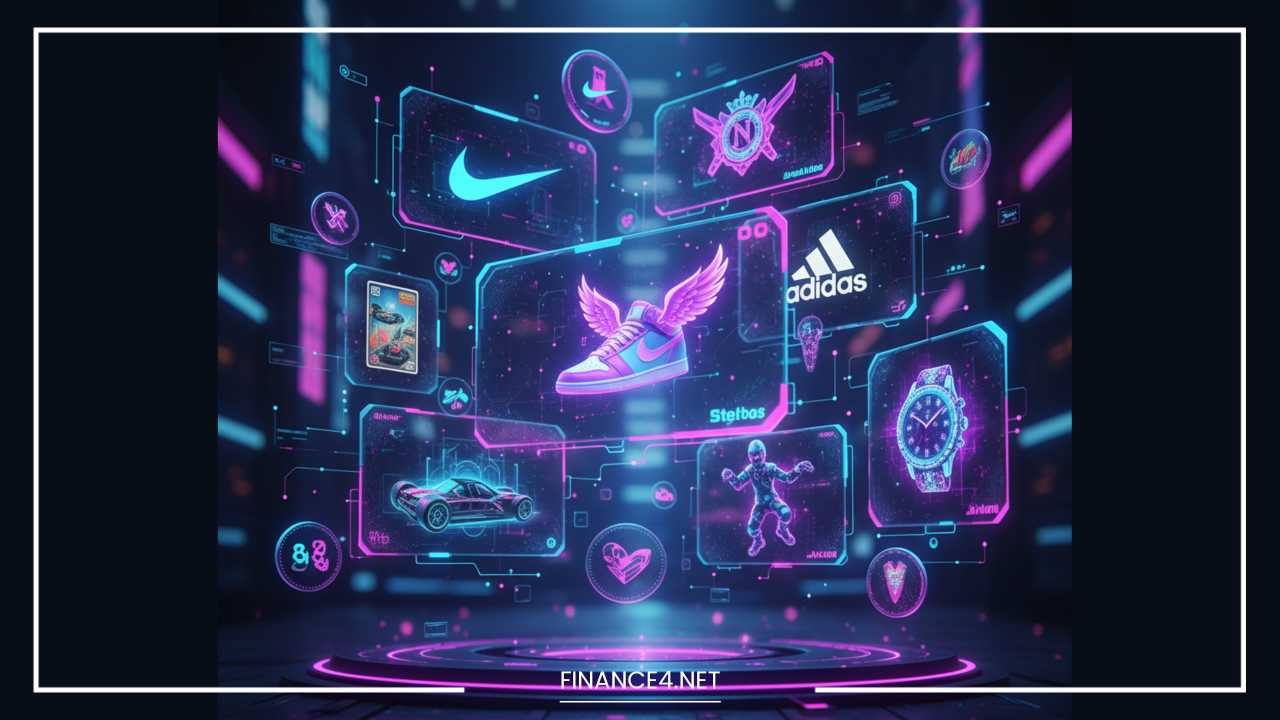
Top NFT Marketplaces for Brand Collectibles | Best Platforms 2025
The rise of Non-Fungible Tokens (NFTs) has fundamentally reshaped the landscape of digital ownership, giving creators, artists, and, increasingly, global brands a novel way to connect with their audiences. NFTs, acting as provable digital deeds of ownership, have moved far beyond esoteric digital art to become the backbone of an entirely new collectibles market. This burgeoning ecosystem has seen major corporations, from luxury fashion houses and automotive giants to sports leagues and entertainment studios, launch their own digital assets, turning brand loyalty into verifiable blockchain ownership.
For the collector, this shift introduces a new dilemma: with a fragmented digital landscape, where do you go to find, buy, and trade these precious brand collectibles? The choice of marketplace is paramount. It determines the authenticity, security, ease of transaction, and, ultimately, the value and longevity of the digital assets in your wallet.
This comprehensive article serves as an essential guide to the world of brand-focused NFTs. We’ll define what these brand collectibles are, break down the critical features to look for in a marketplace, and provide an in-depth review of the top NFT marketplaces that have become the primary destinations for licensed and official brand-related digital goods. Readers will gain a clear understanding of the platforms that are leading the charge, enabling them to navigate this exciting, high-stakes market with confidence.
What Are Brand Collectibles in the NFT Space?
Brand collectibles in the NFT space are officially licensed digital assets issued by established companies, institutions, or intellectual property (IP) holders. They translate the rarity, prestige, and emotional connection of physical brand memorabilia into a digital format.
Definition and Examples
These collectibles go beyond simple artwork; they are digital tokens representing various forms of branded content:
- Branded Digital Art: Limited-edition posters, abstract art pieces, or unique 3D renders featuring brand logos or mascots.
- Limited Edition Digital Merchandise (Phygital): NFTs that are paired with a physical item, granting the owner special access or redemption rights (e.g., a luxury fashion brand NFT granting early access to a new collection).
- In-Game/Metaverse Assets: Licensed skins, vehicles, land, or accessories for use in virtual worlds, such as branded sneakers for an avatar.
- Moment-Based Collectibles: The tokenization of significant historical, sporting, or cultural “moments” (e.g., a legendary basketball play).
Brand Leverage and Appeal
Brands are embracing NFTs for several compelling reasons:
- Marketing and Engagement: NFTs create a direct, unmediated channel to engage the most loyal customer base. They transform passive consumers into active stakeholders and community members.
- New Revenue Streams: Selling limited-edition digital goods and earning royalties on secondary market resales provides a powerful new source of income.
- Authentication and Provenance: The blockchain provides an indisputable ledger of ownership, solving the problem of counterfeit goods and ensuring the authenticity of rare items.
For collectors and fans, the appeal is simple: verified ownership of an official piece of the brand’s history, often coupled with utility like access to exclusive events, merchandise, or communities. It’s a transition from collecting fan art to owning a certified, valuable artifact issued directly by the brand itself.
Key Features to Look for in an NFT Marketplace for Brand Collectibles
A successful marketplace for branded goods must offer more than just a platform to sell digital assets. It requires a specific set of features that prioritize trust, ease of access, and the unique requirements of global brands and their customers.
| Feature | Importance for Brand Collectibles |
| Security and Authenticity Verification | Critical. The marketplace must have robust verification processes to ensure the listed NFTs are official and not unauthorized knock-offs. Security against phishing and exploits is paramount for high-value brand IP. |
| User Interface and Ease of Use | High. Many brand collectors are new to Web3. The platform must offer a seamless, intuitive experience, ideally supporting fiat (credit card) payments in addition to cryptocurrency. |
| Variety and Quality of Brand Collectibles | High. A good marketplace either offers a vast, diverse range of official collections or curates a very high-quality, exclusive selection, matching the prestige of the brands it hosts. |
| Fees and Commissions | Medium. Transaction and gas fees impact the final purchase price and the seller’s profit. Competitive or transparent flat-rate fees are preferred, especially by high-volume brands. |
| Compatibility with Wallets and Blockchains | High. While Ethereum and Polygon remain dominant, multi-chain support (Solana, Flow, Base, etc.) offers flexibility and lower transaction costs, crucial for mass-market drops. |
| Secondary Market and Resale Options | Critical. A healthy resale market is essential for liquidity and driving the value of the collectibles. The platform should facilitate easy peer-to-peer trading and honor creator royalties. |
| Community and Support | Medium. Active community features (forums, Discord integration) and responsive customer support build trust and help newcomers navigate the complex world of NFTs. |
The choice often boils down to a fundamental trade-off: mass-market accessibility versus exclusivity and curation. Marketplaces that cater to mass adoption will focus on low fees and easy purchasing, while high-end platforms emphasize the prestige of limited-edition drops and highly verified creators.
Top NFT Marketplaces for Brand Collectibles
The NFT market is diverse, and no single platform dominates every niche. For brand collectibles, success is measured by the quality of the IP secured and the stability of the platform hosting it. Here is a detailed look at the top marketplaces for brand collectibles, from the universal giants to the niche specialists.
OpenSea
OpenSea is the undisputed largest and most diverse general NFT marketplace in the world. Its sheer volume and brand recognition make it an essential platform for nearly all Web3 projects, including brand collectibles.
- Overview: Founded in 2017, OpenSea functions as a giant digital eBay for NFTs, supporting a massive variety of digital assets across multiple blockchains.
- Unique Selling Points: Its network effect and unparalleled liquidity. Many major brands will launch their official collection on a custom site, but the collection’s secondary market volume inevitably converges on OpenSea due to its vast user base.
- Supported Blockchains: Ethereum (ETH), Polygon (MATIC), Solana (SOL), Klaytn, Arbitrum, Optimism, and more.
- Notable Brand Collaborations: While OpenSea is mostly an open platform, it hosts the secondary trading for countless official brand-linked collections, including major luxury brands, tech companies, and entertainment properties that have chosen to launch on a dedicated site but rely on OpenSea for resale.
- Fees and Payment Options: Marketplace fee is typically 2.5% on every sale, paid by the seller. Creator royalties are variable and set by the collection’s smart contract. Payments are predominantly made using cryptocurrency (ETH, WETH, etc.).
- Pros: Highest liquidity, vast collection range, multi-chain support, and a user-friendly interface.
- Cons: Not curated, meaning collectors must navigate a high volume of unverified or scam projects to find the official brand collections. High gas fees can be a concern on the Ethereum network.
Rarible
Rarible is a strong, community-governed alternative to OpenSea, positioning itself as a creator-centric marketplace with multi-chain capabilities.
- Overview: Rarible is an aggregator and marketplace with a focus on art and collectibles, notable for introducing its native governance token, $RARI, to decentralize platform control.
- Unique Selling Points: It supports multi-chain aggregation, allowing listings from other marketplaces to be traded on Rarible. Its decentralized nature and emphasis on creator royalties appeal to established brands and artists seeking an equitable platform.
- Supported Blockchains: Ethereum (ETH), Polygon (MATIC), Tezos, Flow, Immutable X, and Solana (SOL).
- Notable Brand Collaborations: Rarible has historically partnered with brands like Taco Bell (for themed collectibles) and Louis Vuitton (though many brand partnerships are dynamic across multiple platforms).
- Fees and Payment Options: A streamlined fee structure of 1% on the buyer side and 1% on the seller side (total 2% per sale). It supports payment in various cryptocurrencies.
- Pros: Lower marketplace fees than OpenSea, strong commitment to creator royalties, and multi-chain support for flexibility.
- Cons: Lower liquidity and volume compared to OpenSea.
SuperRare
SuperRare is a highly curated, high-end marketplace focused exclusively on single-edition digital art. While not a mass-market brand destination, it is where luxury and fine art brands often choose to make an exclusive, high-prestige debut.
- Overview: Known for its stringent approval process, SuperRare focuses on quality over quantity, offering authenticated, rare, one-of-a-kind digital art pieces.
- Unique Selling Points: Prestige and Exclusivity. The platform’s reputation ensures that any brand launching an NFT here is positioning its work as fine digital art, appealing to serious collectors and investors.
- Supported Blockchains: Primarily Ethereum (ETH).
- Notable Brand Collaborations: Collaborations tend to be focused on high-concept art projects with leading figures, which major brands often engage for cultural resonance.
- Fees and Payment Options: Primary sales incur a 15% commission on the artist/seller. Secondary sales have a 3% fee paid by the buyer, with a creator royalty of 10%. Transactions are primarily in ETH.
- Pros: Unmatched quality control and curation, establishing a high-value perception for branded assets.
- Cons: Very niche, high fees, and not suitable for mass-market or high-volume brand drops.
Nifty Gateway
Nifty Gateway is perhaps the most famous example of a curated, “drop-centric” marketplace, making it a natural fit for exclusive brand partnerships.
- Overview: This marketplace, owned by Gemini, specializes in limited-edition, exclusive “Nifty Drops” often involving major celebrities, artists, and global brands. It pioneered the use of credit card payments for NFTs.
- Unique Selling Points: Fiat Payment Support (credit card) and a strong focus on centralized curation. This low barrier to entry for payment is crucial for attracting traditional brand consumers. All NFTs are managed in a “custodial wallet” system (though non-custodial options are also available).
- Supported Blockchains: Primarily Ethereum (ETH).
- Notable Brand Collaborations: Famous for collaborations with artists like Beeple and brands that desire exclusivity and a high-profile launch, often involving celebrity tie-ins.
- Fees and Payment Options: A 5% marketplace fee + $0.30 on secondary sales, paid by the seller. Primary sales are commission-based and negotiated. Supports both crypto and credit/debit card payments.
- Pros: Fiat currency acceptance dramatically lowers the entry barrier for new collectors, high level of security and curation.
- Cons: More centralized/custodial nature than other platforms, higher fees than some open marketplaces.
Foundation
Foundation is another popular, invite-only, and curated platform that emphasizes the relationship between creator and collector, making it suitable for brands that want to maintain an artistic edge.
- Overview: A curated platform focusing on showcasing digital artists and their collections through a clean, gallery-like interface.
- Unique Selling Points: Simplicity and Aesthetic. Foundation is known for its elegant design and focus on showcasing the art itself, making it appealing for lifestyle and aesthetic-focused brands.
- Supported Blockchains: Ethereum (ETH) and Base (L2).
- Notable Brand Collaborations: More artist-driven, but ideal for brands that commission unique, high-value artistic interpretations of their IP.
- Fees and Payment Options: Primary and secondary sales using auction/offers incur a 5% fee. Drops and Editions have a low flat 0.0008 ETH per mint fee.
- Pros: Strong focus on artistic merit, lower transaction fees on the L2 Base chain.
- Cons: Historically invite-only (though now open to artists), resulting in lower volume and fewer mass-market brand collections.
Niche and Specialized Marketplaces (Focus on Brand IP)
While the platforms above handle diverse collections, the following marketplaces are built specifically around brand intellectual property, making them the most relevant for dedicated brand collectible buyers.
NBA Top Shot
This is the premier example of a successful, single-brand-focused NFT marketplace, transforming a major sports league’s content into digital assets.
- Overview: Developed by Dapper Labs, NBA Top Shot tokenizes iconic basketball video highlights (“Moments”) into limited-edition collectibles on the Flow blockchain.
- Unique Selling Points: Focus on a single, massive IP. It introduced the concept of “digital packs” (like trading card packs) and is designed for a mass-market, non-crypto-native audience.
- Supported Blockchains: Flow (built for scalability and low fees).
- Notable Brand Collaborations: NBA, WNBA, and associated leagues (e.g., NFL All Day and UFC Strike operate on the same Dapper Labs/Flow infrastructure).
- Fees and Payment Options: A straightforward 5% marketplace fee on every sale. Supports both cryptocurrency and fiat payments (credit card) directly into a custodial Dapper Wallet.
- Pros: Extremely low barrier to entry for fans, official and guaranteed authenticity, high liquidity within its niche, and very low transaction fees due to the Flow blockchain.
- Cons: Limited to a specific IP (basketball), and the collected assets primarily exist within the Dapper ecosystem.
VeVe
VeVe is a mobile-first platform dedicated entirely to licensed digital collectibles from major global entertainment and comic book brands.
- Overview: VeVe is an app-based marketplace that sells NFTs of 3D models and comics, often with Augmented Reality (AR) capabilities. It’s a direct-to-consumer model focused on pop culture.
- Unique Selling Points: Deep IP Integration and Mobile Experience. It holds licenses for some of the world’s most recognizable IP, creating highly detailed, fully realized 3D digital sculptures (statues) that collectors can display in virtual showrooms (Vaults) or use in AR.
- Supported Blockchains: The platform operates on the GoChain (and is in the process of migrating to the Immutable X/Ethereum layer-2 solution).
- Notable Brand Collaborations: An unparalleled roster of IPs including Disney, Marvel, DC Comics, Star Wars, James Bond 007, Pixar, Universal, and USPS.
- Fees and Payment Options: Marketplace transaction fees range from 2.5% to 8.5%. Purchases are made using the in-app currency, Gems (which can be bought with fiat currency or cryptocurrency).
- Pros: Unmatched portfolio of premium global IP, mobile-first design, high visual quality (3D and AR), and fiat-friendly payment system.
- Cons: Highly centralized and a closed ecosystem (custodial wallet), making it less “Web3” in the decentralized sense than other platforms.
Zora
Zora is a decentralized protocol and marketplace that has gained traction for its creator-centric, protocol-first approach and very low minting costs.
- Overview: Zora is an on-chain protocol that is designed to make NFT minting virtually free (excluding gas) and highly decentralized.
- Unique Selling Points: Zero Marketplace Fees. Its focus is on cheap, scalable, and decentralized creation, making it attractive for brands that prioritize a grassroots, community-owned feel for their drops.
- Supported Blockchains: Ethereum (ETH) and the Zora Network L2 (built for cheaper minting).
- Notable Brand Collaborations: Zora is a protocol, so brands often use its infrastructure for their own decentralized drops, benefiting from the cheap layer-2 environment. Its early use cases involved creators launching their own community tokens and redeemable physical items, a model appealing to innovative brands.
- Fees and Payment Options: Zero marketplace fee for buying and selling; users only pay the gas fee to the network, which is very cheap on the Zora Network L2. Payments are in ETH or native layer-2 tokens.
- Pros: Highly decentralized, minimal fees, and a protocol built for cheap and wide-scale distribution.
- Cons: Less beginner-friendly than custodial platforms, and the user interface can be less intuitive for non-crypto natives.
Mintable
Mintable positions itself as a democratic, all-in-one platform with a strong focus on accessibility and gas-free minting options.
- Overview: An open marketplace allowing users to create, sell, and buy a wide range of NFTs, including art, music, and virtual goods. It aims to be simple for newcomers.
- Unique Selling Points: Gasless Minting (or “gas fee passing”). This allows creators to mint an NFT without paying the gas fee upfront, passing the cost to the first buyer. This is useful for brands wanting to offer free or low-cost collectibles.
- Supported Blockchains: Ethereum (ETH) and Immutable X.
- Notable Brand Collaborations: Mintable has focused on broad appeal and has hosted various artists and independent brand projects.
- Fees and Payment Options: Marketplace fees are around 2.5% for regular items and up to 5% for Mintable Pro store items. Supports crypto payments.
- Pros: Very easy to use for beginners, gas-free minting options, and supports a wide variety of NFT types.
- Cons: Lower brand presence and liquidity compared to market leaders like OpenSea.
How to Choose the Right NFT Marketplace for Your Brand Collectibles
Selecting a marketplace is a strategic decision that affects the brand’s image, audience reach, and the success of the NFT launch. The optimal choice depends on whether you are the brand launching the collection or the collector looking to buy.
Factors Specific to Brands
A brand’s choice should align with its core goals:
- Mass Market Adoption (NBA Top Shot, Nifty Gateway): If the goal is high-volume sales to a non-crypto audience, choose a platform with fiat support, a simple mobile app, and low-cost/proprietary blockchains (like Flow or an L2 solution).
- Prestige and Fine Art (SuperRare, Foundation): For luxury or fine art collaborations, a curated platform that emphasizes exclusivity and quality signals the collection’s high-value status.
- Decentralization and Community (Zora, Rarible): If the brand wants to signal a commitment to Web3 principles, decentralization, and creator-friendly models, protocols with low/zero fees and DAO governance are the best fit.
- IP Integration (VeVe): For entertainment and media IP (movies, comics, video games), a specialized platform that offers 3D/AR utility and a deep-cut fan base is ideal.
Factors Specific to Collectors
A collector should prioritize the following when seeking out a brand collectible:
- Authenticity Guarantee: For high-value purchases, prioritize platforms that explicitly partner with the brand (VeVe, NBA Top Shot, Nifty Gateway) or those with robust, verified smart contracts on open platforms (OpenSea).
- Payment Preference: If you are new to crypto, custodial platforms with credit card payment (Nifty Gateway, VeVe, NBA Top Shot) are easier. If you are an experienced crypto user, decentralized platforms offer more control.
- Liquidity: Check the marketplace’s volume and activity. A high-volume platform like OpenSea provides the best chance to quickly resell a collectible for its market price.
- Ecosystem: Consider where you want the asset to exist—a walled garden (VeVe) or an open digital ecosystem (OpenSea/Ethereum).
Tips for Buying and Selling Brand Collectibles on NFT Marketplaces
Navigating the NFT market requires a blend of technological awareness, market savvy, and security diligence.
Buying Tips (The Collector)
- Verify Authenticity: Always check the creator’s social media and official website for a direct link to the NFT collection. On open marketplaces like OpenSea, look for the official blue verified checkmark and confirm the smart contract address matches the one cited by the brand.
- Understand Market Trends and Timing: Brand drops often follow specific trends. Collectibles tied to a movie release, major sporting event, or fashion show will see a demand spike. Buying early (minting) or during a post-drop lull often yields better prices.
- Protect Your Wallet and Private Keys: Your private keys are your ownership. Never share them. Use a reputable hardware wallet for storing high-value collectibles (cold storage) and a separate, funded hot wallet for market transactions. Beware of phishing links on Discord or social media.
Selling Tips (The Brand/Creator)
- Set Prices and Bidding Strategies: For drops, brands can choose between a fixed price, an English auction (highest bid wins), a Dutch auction (price starts high and drops), or free/burn-to-mint models. The strategy should align with the goal (e.g., Dutch auction for price discovery, fixed price for guaranteed revenue).
- Ensure Royalty Enforcement: When launching a collection, ensure the smart contract has clear, enforceable secondary sale royalty clauses to guarantee the brand continues to earn a percentage of every resale in perpetuity.
- Community Engagement is Crucial: NFT value is often tied to the community. Brands must actively engage with their collectors, offer utility, and provide exclusive content to encourage holding and drive secondary market demand.
Future Trends in NFT Marketplaces for Brand Collectibles
The market is rapidly evolving, driven by innovation and mainstream adoption. The next few years will see brand collectibles move from novelty to an integral part of brand strategy.
Growing Adoption by Major Brands and Celebrities
As legal and technical frameworks mature, the trickle of major brand drops will become a flood. Expect every major global IP holder—from gaming studios and music labels to massive consumer goods companies—to have an official, multi-platform NFT strategy. This will drive significant volume and attract more institutional investment.
Integration of Augmented Reality (AR) and Virtual Reality (VR)
The future of brand collectibles is increasingly phygital (blending physical and digital) and immersive. Marketplaces will integrate AR functionality, allowing collectors to “display” their digital art in their real-world environment via a smartphone. Furthermore, the true utility of many brand-related NFTs will be found in metaverse platforms, where the asset can be worn, driven, or exhibited in a persistent virtual world. This shift will require closer integration between marketplaces and metaverse development studios.
Increasing Focus on Sustainability and Eco-Friendly Blockchains
Public scrutiny over the environmental impact of Proof-of-Work blockchains (like pre-Merge Ethereum) has spurred a shift. Future brand collectibles will overwhelmingly launch on Proof-of-Stake (PoS) chains (like the current Ethereum) or layer-2 solutions (Polygon, Base) and specialized low-energy chains (Flow). Marketplaces that clearly communicate their commitment to sustainability, like those built on PoS infrastructure, will gain favor with both consumers and eco-conscious brands.
Evolution of Legal Frameworks and Intellectual Property Rights
Currently, the market often grapples with ambiguous rights associated with NFT ownership. Future trends include:
- Standardized IP Rights: Marketplaces will increasingly adopt and enforce common licenses (like CC0 or various Brand Asset Licenses) to clearly define what the buyer can and cannot do with the underlying IP.
- Global Regulation: Governments will establish clear legal structures for digital asset sales, improving consumer protection and making it safer for major brands to enter the space without legal risk.
Final Thoughts
The journey into the world of brand collectibles is thrilling and represents a monumental shift in how we define and value ownership. The right marketplace is not merely a venue for transactions; it is a gateway to a community, an authenticity guarantee, and a promise of liquidity.
Whether you are seeking the exclusivity of a curated, high-end drop on SuperRare and Nifty Gateway, the unparalleled pop culture IP of a specialist like VeVe, or the vast, open-market liquidity of OpenSea, the choice must be made thoughtfully.
The era of brand collectibles has only just begun. We encourage both seasoned crypto enthusiasts and new brand fans to explore these platforms and engage with this new form of digital ownership. By prioritizing security, verifying authenticity, and choosing a platform that aligns with your collecting goals, you can build a collection that is not only valuable but deeply connected to the brands you love. Start your journey today—the next digital heirloom awaits.