Building a Multi-Chain NFT Brand
 by
by 
Building a Multi-Chain NFT Brand: Navigating the Interoperable Future
The digital art and collectibles landscape has undergone a seismic shift with the advent of Non-Fungible Tokens (NFTs). Once a niche concept, NFTs have exploded into mainstream consciousness, transforming how we perceive and assign value to digital assets. As the ecosystem matures, a new paradigm is emerging: the multi-chain NFT brand. This article will delve into the intricacies of building such a brand, exploring its advantages, challenges, technical considerations, and strategic imperatives.
Introduction: Understanding the Multi-Chain NFT Landscape
At its core, an NFT is a unique digital identifier recorded on a blockchain. Unlike cryptocurrencies, which are fungible (interchangeable), each NFT is distinct and cannot be replicated or subdivided. This inherent uniqueness allows NFTs to represent ownership of a wide array of digital and even physical assets, from digital art and music to in-game items and real estate.
Traditionally, NFTs have resided on a single blockchain, primarily Ethereum. This is what defines a single-chain ecosystem. However, the limitations of single-chain environments – notably high transaction fees (gas fees) and network congestion – have spurred innovation, leading to the rise of multi-chain ecosystems. In this context, multi-chain means an NFT brand operates across several different blockchain networks, allowing its assets to exist and be traded on various platforms.
Why multi-chain matters for NFT brands: The move towards a multi-chain future is not merely a technical evolution; it’s a strategic necessity. By expanding beyond a single blockchain, NFT brands can significantly increase their access to a broader audience, enhance scalability, and tap into diverse market segments. It’s about building a more resilient, accessible, and future-proof digital presence.
Why Build a Multi-Chain NFT Brand?
The decision to embrace a multi-chain strategy offers compelling advantages for NFT brands looking to thrive in an increasingly interconnected Web3 world:
- Broader Audience Reach: The crypto landscape is diverse, with vibrant communities on various blockchains. By deploying NFTs on multiple chains like Ethereum, Solana, Polygon, Binance Smart Chain (BSC), and Tezos, brands can tap into a wider pool of potential collectors and users who may prefer or be exclusive to a particular ecosystem. This significantly expands market penetration beyond a single blockchain’s user base.
- Avoiding Ecosystem Lock-in: Relying solely on one blockchain carries inherent risks. High gas fees, network congestion, or even protocol-specific vulnerabilities can severely impact user experience and the brand’s operational efficiency. A multi-chain approach diversifies these risks, ensuring that the brand is not held hostage by the performance or policy changes of a single network.
- Higher Liquidity and Trading Volume: More chains mean more marketplaces and more participants. By making NFTs available across different platforms, brands can attract collectors from various trading hubs, leading to increased liquidity and potentially higher trading volumes. This enhances the overall value and desirability of the NFT collection.
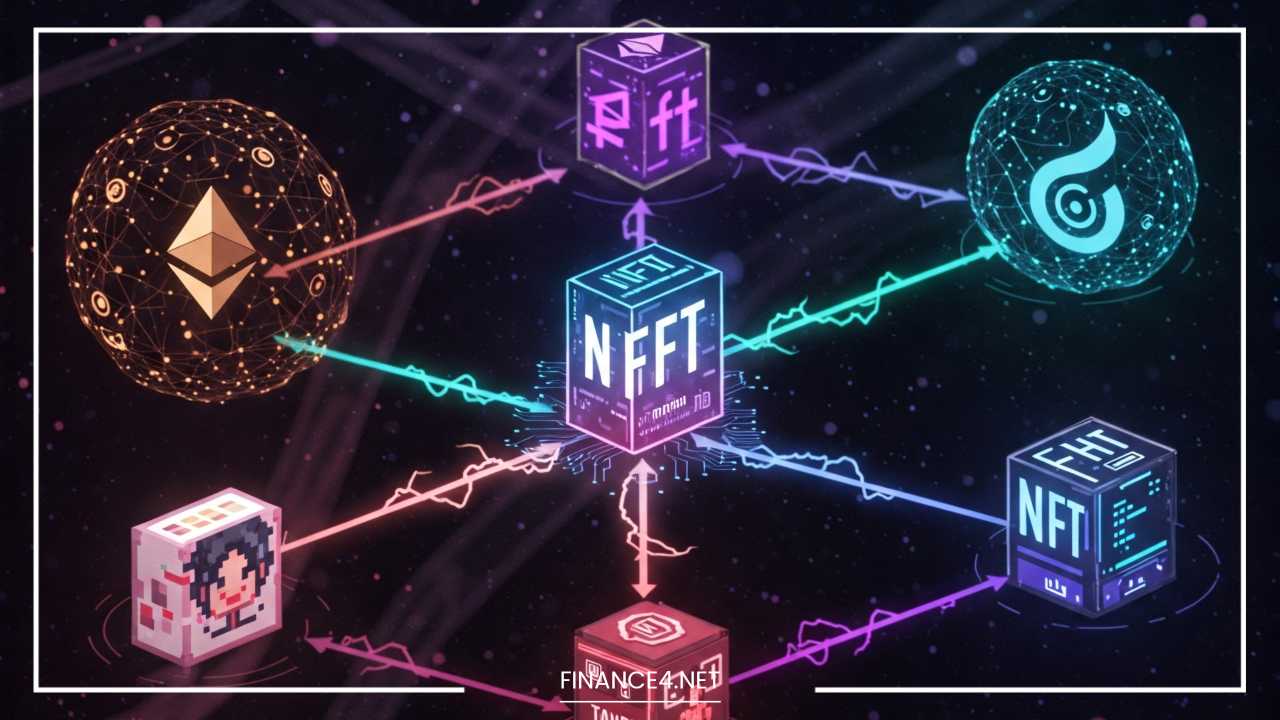
- Increasing Interoperability: The vision of Web3 is a seamless, interconnected digital world. Multi-chain NFTs contribute directly to this vision by fostering interoperability. When NFTs can move and function across different environments, their utility and user experience are profoundly enhanced, opening up new possibilities for cross-platform gaming, DeFi integrations, and more.
- Risk Mitigation: Beyond avoiding ecosystem lock-in, multi-chain operations mitigate various risks. If one blockchain experiences a major outage or security breach, the brand’s assets on other chains remain unaffected. This diversification acts as a crucial safeguard in a nascent and rapidly evolving technological space.
Key Challenges in Building a Multi-Chain NFT Brand
While the benefits are substantial, building a multi-chain NFT brand is not without its complexities. Brands must be prepared to navigate several significant hurdles:
- Technical Complexity: Managing multiple smart contracts across different blockchains is inherently more complex than a single deployment. This includes ensuring compatibility between contract standards (e.g., ERC-721 on Ethereum, Metaplex on Solana), developing and maintaining bridging mechanisms, and handling potential data inconsistencies across chains.
- Fragmented User Experience: Each blockchain often comes with its own distinct user interfaces, wallet requirements, and ecosystem quirks. For a user accustomed to Ethereum’s MetaMask, interacting with Solana’s Phantom wallet or Polygon’s network settings can be a hurdle. Maintaining a consistent and intuitive user experience across these disparate environments is a major design challenge.
- Costs and Fees: While multi-chain aims to reduce reliance on high-fee networks, deploying and managing NFTs across multiple chains still incurs costs. Gas fees for minting, listing, and transferring can accumulate, and bridging operations often come with their own set of fees. Brands need a robust financial strategy to manage these expenses.
- Brand Identity: Ensuring a consistent brand identity and aesthetic across diverse blockchain communities can be challenging. Each community has its own culture, language, and expectations. Maintaining a unified message and visual style while adapting to the nuances of each ecosystem requires careful planning and execution.
- Security Considerations: Cross-chain bridging, while enabling interoperability, introduces new security vulnerabilities. The process of locking an NFT on one chain and minting a “wrapped” version on another relies on the security of the bridge itself. Exploits of cross-chain bridges have led to significant losses in the past, making robust security audits and careful bridge selection paramount.
Selecting the Right Chains for Your NFT Brand
Choosing the optimal blockchains for your multi-chain strategy is a critical decision that will shape your brand’s future. Several factors must be carefully weighed:
- Factors to Consider:
- Popularity and adoption: Where are your target collectors and users already active? Ethereum boasts the largest and most liquid NFT market, while Solana has a strong community for gaming and faster transactions. Polygon and Binance Smart Chain offer lower fees and increasing adoption.
- Transaction speed and gas fees: If your NFTs involve frequent transactions or in-game utility, blockchains with low fees and high throughput (like Solana, Polygon, Avalanche) will be more appealing than high-fee networks like Ethereum.
- Ecosystem development: Consider the maturity of developer tools, the vibrancy of the community, and the presence of established marketplaces and partnerships on each chain. A robust ecosystem simplifies development and offers greater reach.
- Blockchain-specific features: Different blockchains have unique strengths. Ethereum’s EVM compatibility is widely supported, while Solana’s Metaplex standard is optimized for high-volume NFT projects. Tezos is known for its energy efficiency and on-chain governance.
- Long-term viability and scalability: Evaluate the long-term prospects of each blockchain. Is it actively developing? Does it have a clear roadmap for scalability? Projects built on future-proof chains are more likely to endure.
- Comparing Chains:
- Ethereum: Pros: Largest user base, highest liquidity, robust security, strong developer community. Cons: High gas fees, network congestion. Ideal for: High-value art, established collections.
- Solana: Pros: Extremely fast transactions, very low fees, growing ecosystem, strong for gaming NFTs. Cons: Less decentralized than Ethereum, occasional network outages. Ideal for: High-volume drops, gaming, dynamic NFTs.
- Polygon (Layer 2 on Ethereum): Pros: Significantly lower fees than Ethereum, fast transactions, EVM compatible, benefits from Ethereum’s security. Cons: Still relies on Ethereum for ultimate security. Ideal for: Scaling Ethereum-based projects, gaming, digital collectibles.
- Binance Smart Chain (BSC): Pros: Low fees, fast transactions, large user base, EVM compatible. Cons: More centralized than other options. Ideal for: Accessible entry point, certain gaming projects.
- Tezos: Pros: Energy-efficient (Proof-of-Stake), low transaction costs, strong art community, formal verification. Cons: Smaller market share compared to Ethereum/Solana. Ideal for: Eco-conscious projects, digital art.
- Hybrid Approach: Rather than attempting to launch on every single blockchain, a pragmatic hybrid approach is often most effective. This involves strategically selecting 2-3 core chains that align with your brand’s vision and target audience. For instance, a brand might launch its primary collection on Ethereum for prestige and liquidity, while offering a derivative collection or specific utility NFTs on Polygon or Solana for lower-cost interactions and broader accessibility. This prevents spreading resources too thin while still achieving multi-chain benefits.
Developing a Seamless User Experience Across Multiple Chains
A multi-chain strategy can easily devolve into a fragmented and confusing experience for users if not meticulously planned. The key is to create a sense of unity despite the underlying technical diversity.
- Unified Branding and Aesthetic: Your brand’s visual identity, messaging, and overall aesthetic must remain consistent across all supported chains. This ensures that regardless of which blockchain a user interacts with your NFTs, they immediately recognize and connect with your brand. This includes consistent art styles, website design, social media presence, and communication tone.
- Simplifying the Cross-Chain Experience: The goal is to make cross-chain interactions as frictionless as possible. This means providing clear, step-by-step instructions for bridging assets, integrating user-friendly cross-chain bridges directly into your platform, or guiding users to reputable third-party solutions. The less technical expertise required from the user, the better. Consider features like “one-click” bridging where possible.
- Interoperability and Cross-Chain Tools: Leverage existing interoperability protocols and tools to facilitate seamless movement of NFTs. Platforms like Wormhole and Chainlink CCIP (Cross-Chain Interoperability Protocol) are designed to enable secure and efficient asset and data transfers between different blockchains. Integrating these tools can power the behind-the-scenes magic of your multi-chain operations, allowing NFTs to truly work across environments. While Anyswap (now Multichain) was a prominent bridge, users should always verify the current status and security of any bridging solution due to the evolving nature of the space.
- Wallet Compatibility: Ensure your multi-chain NFTs are easily accessible and manageable within major cryptocurrency wallets. MetaMask is the de-facto standard for Ethereum and EVM-compatible chains (Polygon, BSC), while Phantom dominates the Solana ecosystem. Providing clear guidance on which wallets to use for each chain, and potentially integrating WalletConnect for broader compatibility, will enhance user convenience.
Technical Solutions for Multi-Chain NFT Minting
The technical backbone of a multi-chain NFT brand involves careful smart contract development, strategic use of bridging technologies, and integration with multi-chain marketplaces.
- Smart Contract Development: The foundation of your NFTs lies in their smart contracts.
- For Ethereum and EVM-compatible chains (Polygon, BSC), the ERC-721 standard is the most common for unique NFTs, and ERC-1155 for semi-fungible tokens or collections with shared traits. Developers need to write secure and optimized Solidity contracts that adhere to these standards.
- For Solana, NFTs are typically built using the Metaplex SPL (Solana Program Library) Token Standard. This requires Rust programming knowledge or utilizing Metaplex’s robust development tools.
- When designing smart contracts for a multi-chain brand, consider if your core contract can be designed to be chain-agnostic where possible, or if you will deploy separate, but functionally identical, contracts on each chain. Cross-chain minting mechanisms, where a token burned on one chain triggers a mint on another, can help maintain a unified supply.
- Bridges and Cross-Chain Protocols: These are the crucial conduits that allow NFTs to move between blockchains.
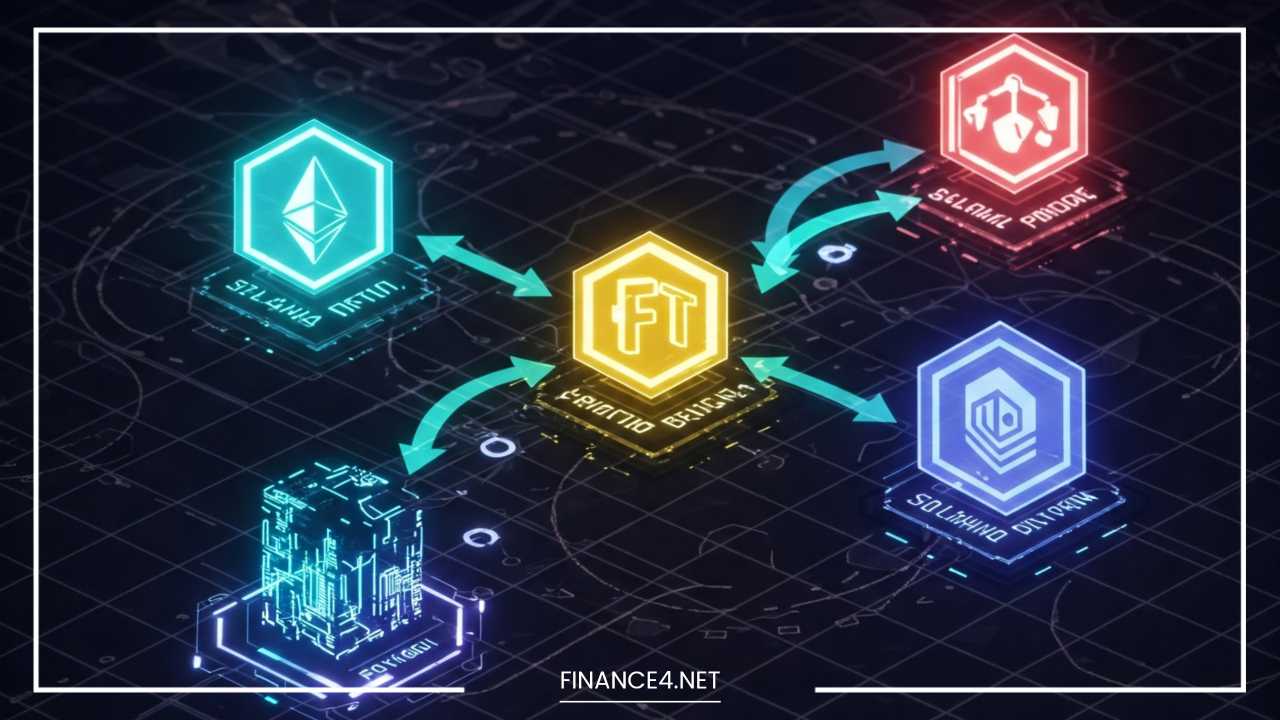
- How they work: Typically, a bridge operates by “locking” the original NFT on its native chain within a smart contract (the “vault” contract). A corresponding “wrapped” or “bridged” NFT is then minted on the target chain. When the wrapped NFT is “burned” on the target chain, the original NFT is “unlocked” on the native chain. This ensures that the NFT’s uniqueness and scarcity are maintained.
- Integration: Brands can integrate directly with established bridging protocols (like Wormhole, Chainlink CCIP, or dedicated Layer 2 bridges like Polygon Bridge) or utilize platforms that abstract away much of this complexity. Thorough due diligence on the security and audit history of any chosen bridge is non-negotiable.
- Multi-Chain NFT Marketplaces: The rise of multi-chain NFTs has led to marketplaces that support multiple networks, becoming central hubs for collectors.
- OpenSea: Dominant in the Ethereum space, OpenSea has expanded to support Polygon and Klaytn, making it a key player for multi-chain brands.
- Magic Eden: A leading Solana marketplace that has rapidly expanded to Ethereum and Polygon, showcasing its commitment to a multi-chain future.
- Rarible: Supports Ethereum, Flow, Polygon, and Tezos, offering broad multi-chain compatibility.
- Listing your NFTs on these multi-chain marketplaces is crucial for discoverability and liquidity. Brands should familiarize themselves with the specific listing requirements and fee structures of each platform.
- Automating Cross-Chain Minting: For large-scale NFT projects, manual minting and listing across multiple chains can be inefficient.
- Tools and services: Platforms and development frameworks are emerging that facilitate automated cross-chain minting. These might involve smart contract logic that allows for programmatic minting on different chains based on a central source of truth.
- Burn-and-mint vs. Lock-and-mint: Two primary approaches exist. Burn-and-mint involves destroying the NFT on the source chain and creating a new, equivalent NFT on the destination. Lock-and-mint involves locking the original NFT and minting a wrapped version. The choice depends on the specific use case and desired level of decentralization.
- Services offering “auto-listing” features on multiple marketplaces after minting can significantly streamline the post-minting process, ensuring immediate market availability.
Marketing a Multi-Chain NFT Brand
A multi-chain strategy requires a tailored marketing approach that acknowledges the distinct communities and platforms involved.
- Targeting Multi-Chain Communities: Each blockchain ecosystem has its own culture, influencers, and preferred communication channels. A successful multi-chain brand will engage with these specific communities. For example, Ethereum communities might be more active on Twitter and Discord for high-value art, while Solana communities might gravitate towards platforms with faster updates and gaming focus.
- Cross-Platform Promotions: Develop integrated marketing campaigns that span across different marketplaces and social channels. Showcase your NFTs’ availability on various chains in all your promotional materials. Highlight the benefits of the multi-chain approach – lower fees, faster transactions, broader access – as key selling points.
- Influencer Partnerships: Collaborate with NFT creators and influencers who have strong followings across different blockchain ecosystems. An Ethereum-focused influencer might introduce your collection to their audience, while a Solana expert can do the same for their community. Tailor your outreach to their specific areas of expertise.
- Content Strategy: Your content should be adaptable to different communities. While core brand messaging remains consistent, the specifics of how you present information about gas fees, bridging, or wallet compatibility might need to be adjusted for each audience. Create educational content that simplifies the multi-chain experience for newcomers.
- Launch Strategy: Planning a multi-chain launch requires meticulous coordination. Consider whether to launch simultaneously across all chosen chains or stagger the launches. A simultaneous launch can generate significant hype but requires robust technical infrastructure. A staggered approach might allow for iteration and learning from earlier launches. Clearly communicate the launch details, including which chains will be supported, minting mechanisms, and marketplace availability.
Case Studies of Successful Multi-Chain NFT Brands
Several pioneering NFT projects have already embraced a multi-chain future, demonstrating the power and potential of this approach.
- Examples of Leading Multi-Chain NFT Projects: While many top-tier projects started on a single chain like Ethereum (e.g., Bored Ape Yacht Club, Doodles, World of Women), the trend is towards expanding utility and derivatives to other chains. Projects often explore Layer 2 solutions like Polygon for gaming or additional utility, reducing gas fees for their community. Some native multi-chain projects are also emerging, designing their presence across multiple networks from the ground up. While a prime example of a completely multi-chain brand with identical core collections on multiple chains is still evolving, many projects are deploying companion collections, gaming assets, or cheaper derivatives on alternative chains. For instance, some projects might have their main PFP collection on Ethereum and then launch a gaming token or collectible on Polygon or Ronin (an Ethereum sidechain for gaming).
- Lessons Learned:
- Community is paramount: Successful multi-chain brands prioritize fostering strong communities on each chain they operate on, not just a generalized Web3 audience.
- Utility drives adoption: Simply being on multiple chains isn’t enough. Offering genuine utility, whether it’s through gaming, staking, or exclusive access, incentivizes users to engage with your NFTs across ecosystems.
- Strategic bridging: Carefully selecting and integrating secure and user-friendly bridges is key to maintaining a seamless experience and preventing user frustration or loss of assets.
- Education is crucial: Given the technical complexities, successful brands invest in clear documentation, tutorials, and community support to guide users through cross-chain interactions.
The Future of Multi-Chain NFTs
The multi-chain narrative is only just beginning. The future promises even greater interoperability and innovation within the NFT space.
- Emerging Trends:
- The rise of Layer 2 solutions: Ethereum’s scaling solutions like Arbitrum, Optimism, and zkSync will continue to play a pivotal role, offering significantly lower fees and faster transactions while leveraging Ethereum’s security. This makes them ideal for more interactive NFT experiences.
- New blockchain networks: The landscape of promising blockchain networks is constantly evolving. Beyond the established players, emerging chains with unique value propositions (e.g., specific game-focused chains, or those with novel consensus mechanisms) will offer new opportunities for NFT brands.
- Abstracted complexity: As the multi-chain ecosystem matures, expect more tools and platforms that abstract away the underlying blockchain complexities from the user, making multi-chain interactions feel as simple as traditional web Browse.
- Potential Challenges: Despite progress, challenges remain. The security of cross-chain bridges will continue to be a critical concern, demanding continuous innovation in auditing and decentralized bridge designs. Regulatory clarity across multiple jurisdictions and blockchain types will also be crucial for mass adoption.
- The Role of Decentralized Finance (DeFi) and DAOs: DeFi protocols are increasingly integrating NFTs, enabling new financial primitives like NFT-backed loans and fractionalized ownership. In a multi-chain world, this means greater liquidity and utility for NFTs across various DeFi ecosystems. Decentralized Autonomous Organizations (DAOs) will likely play a more significant role in governing multi-chain NFT projects, empowering communities to make decisions about development, partnerships, and cross-chain expansion.
Final Thoughts: Building a Strong Multi-Chain NFT Brand for the Future
Building a multi-chain NFT brand is an ambitious undertaking, but one that is increasingly essential for long-term success in the dynamic Web3 space. By strategically embracing multiple blockchains, brands can achieve broader audience reach, mitigate risks, enhance liquidity, and contribute to a truly interoperable digital future.
While technical complexities and user experience challenges exist, careful planning, robust development, and a focus on community engagement can overcome these hurdles. The journey to becoming a truly multi-chain NFT brand is a testament to innovation and adaptability, positioning creators and businesses at the forefront of digital ownership. Embrace the challenges and the immense rewards of building a brand that transcends the confines of a single chain, shaping the next era of digital collectibles.
Are you ready to embark on your multi-chain NFT journey? Explore leading cross-chain development tools, connect with experienced Web3 development agencies, and immerse yourself in the communities of your target blockchains. The future of NFTs is multi-chain – are you prepared to build it?