Cross-Chain NFT Marketplace Guide
 by
by 
Cross-Chain NFT Marketplace Guide: Unlocking the Future of Digital Assets
The world of Non-Fungible Tokens (NFTs) has evolved rapidly since its inception, moving from a niche interest to a significant force in digital ownership and creative expression. However, the initial iterations of NFT marketplaces, often confined to single blockchain networks, presented a myriad of challenges. The solution gaining significant traction in 2025 is the Cross-Chain NFT Marketplace, a groundbreaking innovation designed to overcome these limitations and usher in a truly interoperable digital asset ecosystem.
Introduction to Cross-Chain NFTs
At its core, an NFT is a unique digital identifier recorded on a blockchain that verifies ownership of a specific asset, whether digital or, increasingly, real-world. Unlike cryptocurrencies, which are fungible (each unit is interchangeable), NFTs are non-fungible, meaning each one is distinct and irreplaceable. This uniqueness allows NFTs to represent a wide array of items, from digital art and music to virtual real estate, in-game items, and even intellectual property rights.
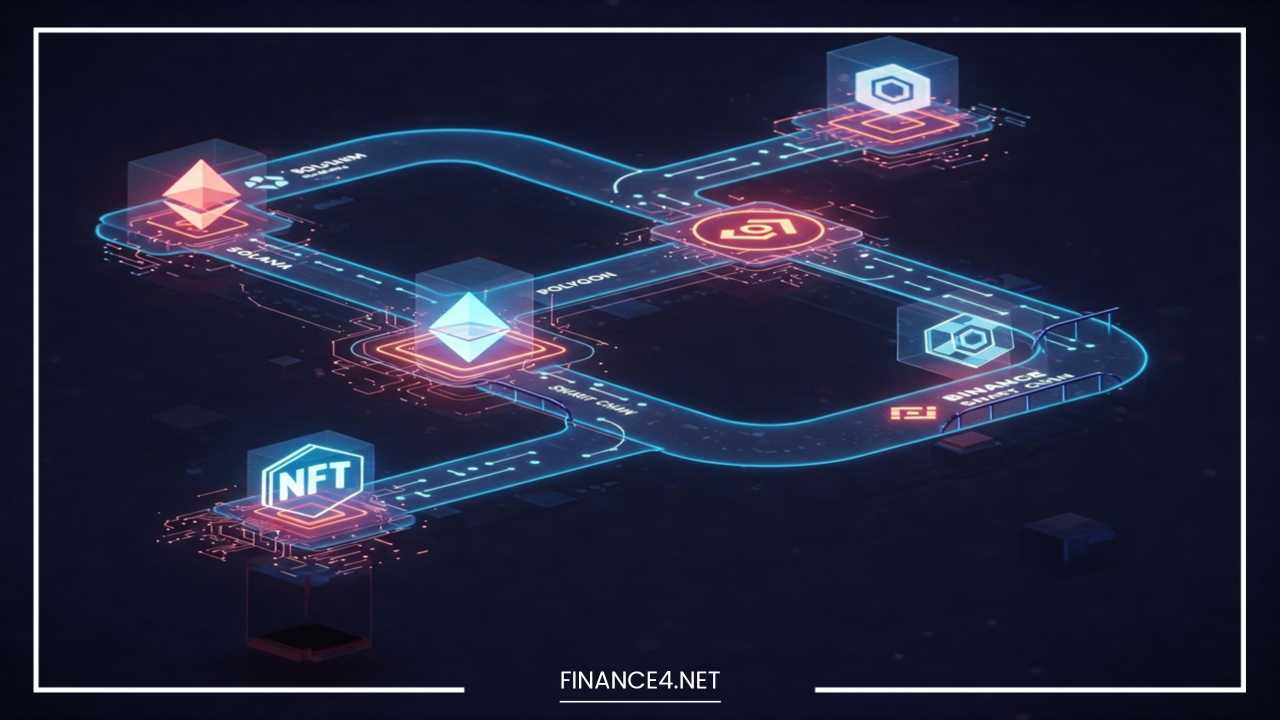
The term “cross-chain” refers to the ability to interact and transfer assets or data between different, otherwise independent, blockchain networks. Traditionally, blockchains have operated in silos, making it difficult to move assets from one chain to another. Cross-chain functionality breaks down these barriers, enabling seamless communication and asset flow across disparate ecosystems.
Why does cross-chain functionality matter in the NFT ecosystem? The answer lies in enhancing liquidity, accessibility, and innovation. Imagine an artist minting an NFT on Ethereum, and a collector on Solana wanting to purchase it without having to navigate complex bridges or switch wallets. Cross-chain technology makes this possible, fostering a more interconnected and vibrant NFT market where assets are no longer confined to the chain they were born on.
The Problem with Traditional (Single-Chain) NFT Marketplaces
Early NFT marketplaces largely operated on a single blockchain, most prominently Ethereum. While these platforms were instrumental in pioneering the NFT space, their inherent limitations became increasingly apparent as the ecosystem matured:
- Limitations of Marketplaces Tied to One Blockchain: Marketplaces like the early OpenSea primarily catered to Ethereum-based NFTs (ERC-721 and ERC-1155 standards). This meant that NFTs minted on other emerging blockchains, such as Solana, Polygon, or BNB Chain, were invisible and inaccessible to users solely operating within the Ethereum ecosystem. This created fragmented markets where users had to choose a blockchain and stick to it, limiting their exposure to the broader NFT landscape.
- Issues with Liquidity, Accessibility, and Interoperability: This single-chain focus led to significant liquidity fragmentation. An NFT might be highly sought after on one chain but have limited buyers on another, simply because the marketplaces weren’t connected. For users, it meant potentially higher gas fees on congested networks like Ethereum, and the need to manage multiple wallets and bridge assets manually, which was often a complex and cumbersome process. The lack of native interoperability also meant that the utility of an NFT might be confined to its originating chain, hindering its potential for use in cross-chain gaming, metaverse experiences, or DeFi protocols.
- Fragmentation of Communities and Assets: Different blockchain networks often host distinct communities of creators and collectors. A single-chain marketplace inadvertently contributed to this fragmentation, making it challenging for artists to reach a wider audience or for collectors to discover diverse NFTs across the entire Web3 landscape. This siloed approach limited the overall growth and collaborative potential of the NFT market.
What Is a Cross-Chain NFT Marketplace?
A cross-chain NFT marketplace is a decentralized platform that enables the buying, selling, and trading of NFTs across multiple distinct blockchain networks. Unlike traditional marketplaces that are tethered to a single blockchain, a cross-chain marketplace acts as an aggregator and facilitator, providing a unified interface for users to access a much wider array of digital assets.
The core concept revolves around breaking down the “walled gardens” of individual blockchains. Imagine a global art gallery where pieces from different countries (blockchains) can be displayed and traded seamlessly, without the need for complex currency exchanges or border controls. This is precisely what a cross-chain NFT marketplace aims to achieve in the digital realm.
Key functionalities that differentiate cross-chain marketplaces include:
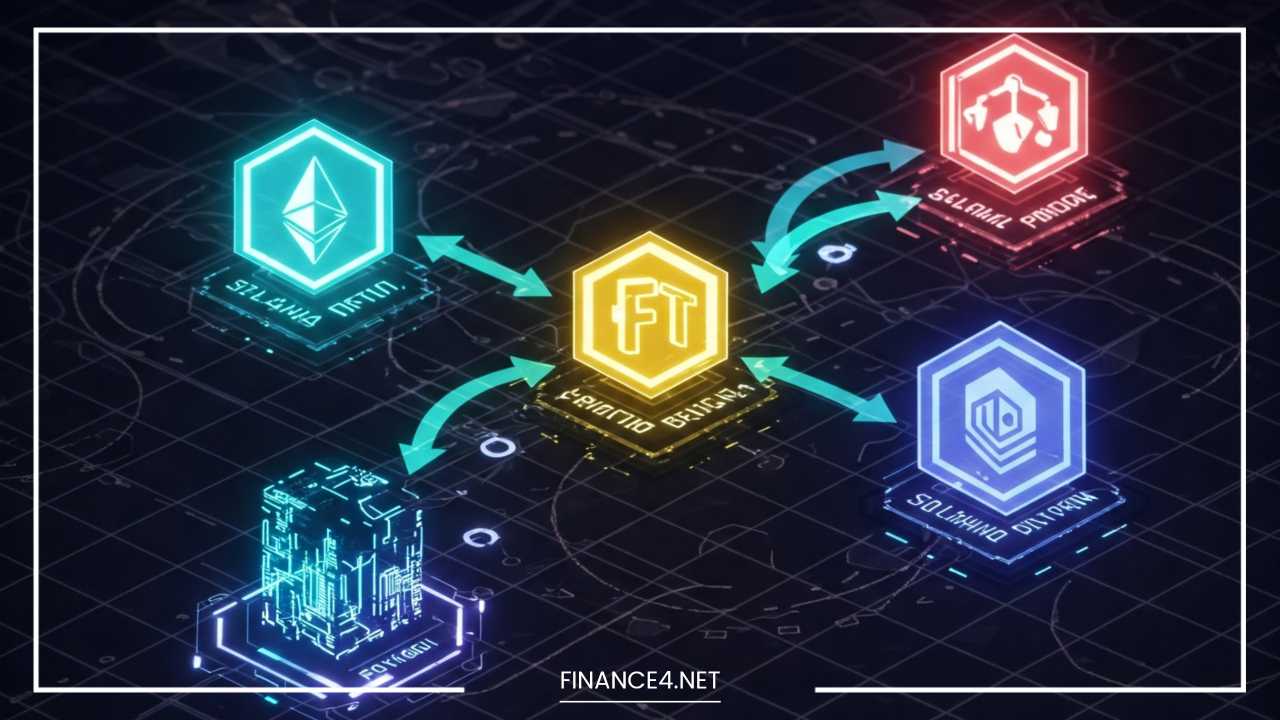
- Bridging: The fundamental mechanism for moving assets between chains. This involves “wrapping” an NFT on one chain and minting a corresponding wrapped version on the destination chain, or utilizing more advanced atomic swap protocols.
- Multi-Wallet Support: Users can connect various wallets, such as MetaMask (Ethereum, Polygon, BNB Chain, etc.), Phantom (Solana), or others, allowing them to manage assets across different networks from a single marketplace interface.
- Interoperability Layers: These are the underlying protocols and technologies that enable secure and efficient communication between disparate blockchains, making the cross-chain experience possible.
By abstracting away the underlying blockchain complexities, cross-chain marketplaces offer a more streamlined and inclusive experience for both creators and collectors, paving the way for a truly interconnected NFT ecosystem.
Benefits of Cross-Chain NFT Marketplaces
The advantages offered by cross-chain NFT marketplaces are significant, addressing many of the pain points associated with their single-chain predecessors:
- Broader Access to NFTs Across Chains: This is arguably the most compelling benefit. Users are no longer limited to the NFTs available on a single blockchain. They can discover and acquire digital assets from Ethereum, Solana, Polygon, Avalanche, BNB Chain, and many other networks, all within a single platform. This vastly expands the options for collectors and increases the visibility for creators.
- Reduced Fees or Gas Optimization: Different blockchains have varying transaction fees (gas fees). Cross-chain marketplaces often enable users to choose the most cost-effective chain for a transaction, or they leverage Layer 2 solutions and sidechains that offer significantly lower gas fees compared to mainnet Ethereum. This makes NFT trading more accessible, especially for smaller transactions or for users in regions with lower purchasing power.
- Improved Liquidity and Market Reach: By aggregating NFTs from multiple chains, these marketplaces create a much deeper and more liquid market. An NFT that might have struggled to find a buyer on a niche single-chain marketplace could find a global audience on a cross-chain platform. This enhanced liquidity benefits both sellers (faster sales, better prices) and buyers (more options, competitive pricing). For creators, it means greater exposure to a wider pool of potential collectors, maximizing their earning potential and project reach.
- Enhanced Innovation and User Experience: The ability to move NFTs across chains unlocks new possibilities for innovation. Developers can create dApps that leverage NFTs from different blockchains, fostering truly interoperable gaming metaverses, cross-chain DeFi applications, and novel digital experiences. From a user perspective, the simplified interface that abstracts away much of the underlying blockchain complexity leads to a much smoother and more intuitive experience, attracting a broader audience to the NFT space.
How Cross-Chain NFT Marketplaces Work
The magic behind cross-chain NFT marketplaces lies in a sophisticated interplay of technologies and protocols designed to facilitate seamless asset movement and interaction.
- Cross-Chain Bridges & Wrapped Assets: The most common method for enabling cross-chain NFT transfers involves “bridging” and “wrapping” assets. When an NFT is bridged from its native chain (e.g., Ethereum) to another chain (e.g., Polygon), the original NFT is typically locked in a smart contract on the source chain. A “wrapped” version of that NFT, representing the original asset, is then minted on the destination chain. This wrapped NFT retains the same unique properties and metadata as the original. When the wrapped NFT is transferred back to the native chain, the wrapped version is burned on the destination chain, and the original NFT is unlocked from the smart contract on the source chain. These bridges rely on various mechanisms, including trusted multi-signature schemes or more decentralized validator networks, to ensure the secure locking and minting of assets.
- Role of Smart Contracts and Interoperability Protocols (e.g., LayerZero, Axelar): Smart contracts are the backbone of all blockchain operations, and cross-chain functionality is no exception. Specialized smart contracts are deployed on both the source and destination chains to manage the locking, minting, and burning processes of bridged assets. Beyond simple bridging, advanced interoperability protocols like LayerZero and Axelar are crucial. These protocols provide a generalized messaging layer, allowing smart contracts on different blockchains to communicate with each other directly and securely. This enables more complex cross-chain interactions beyond just asset transfers, such as calling functions on a smart contract on a different chain, which is vital for true cross-chain NFT utility.
- Cross-Chain Wallets and Transaction Mechanisms: For users, cross-chain functionality is facilitated by multi-chain compatible wallets (e.g., MetaMask, Phantom, Coinbase Wallet, Trust Wallet, Omni Wallet). These wallets can manage private keys across various blockchain networks, allowing users to interact with dApps and sign transactions on different chains from a single interface. When buying or selling an NFT on a cross-chain marketplace, the marketplace’s smart contracts orchestrate the transaction, potentially involving multiple steps across different chains (e.g., approving a wrapped token, transferring the NFT, receiving payment)—all abstracted for the user.
- Security Implications and Best Practices: While cross-chain technology offers immense benefits, it also introduces new security considerations. Cross-chain bridges have historically been targets for exploits due to the large amounts of locked value. Best practices for users include:
- Verifying Bridge Legitimacy: Only use well-established and audited bridges.
- Understanding Risks: Be aware of the potential for smart contract vulnerabilities and bridge exploits.
- Using Reputable Marketplaces: Stick to platforms with a strong security track record.
- Keeping Wallets Secure: Utilize hardware wallets and multi-factor authentication whenever possible.
- For developers and platforms, rigorous smart contract auditing, bug bounty programs, and decentralized validator networks are crucial for mitigating risks.
Popular Cross-Chain NFT Marketplaces
The landscape of cross-chain NFT marketplaces is rapidly expanding, with several platforms leading the charge:
- Magic Eden: Initially a dominant force on Solana, Magic Eden has successfully expanded its reach to become a leading cross-chain NFT marketplace.
- Supported Blockchains: Primarily Solana, but also supports Ethereum, Polygon, and Bitcoin (Ordinals). More integrations are planned.
- Unique Features: Known for its user-friendly interface, robust launchpad for new NFT projects, and innovative features like bulk listing tools. It also offers a non-custodial Web3 wallet with multi-chain support. Magic Eden emphasizes creator tools, including royalty enforcement, and has a rewards program.
- Fees: Magic Eden charges a platform fee (typically a percentage of the sale price, often around 2%), in addition to network-specific gas fees paid to the blockchain validators.
- Wallets Supported: Magic Eden Wallet, MetaMask, Phantom, and other compatible Web3 wallets.
- User Experience: Generally highly regarded for its intuitive design and comprehensive features, making it accessible for both beginners and experienced traders.
- Rarible: A long-standing player in the NFT space, Rarible has embraced multichain functionality, positioning itself as a “multichain RWA marketplace.”
- Supported Blockchains: Ethereum, Tezos, Polygon, Solana, and Immutable X.
- Unique Features: Offers flexible royalty options for creators (up to 10%), supports “lazy minting” (where the buyer pays minting fees), and focuses on Real-World Asset (RWA) tokenization. Rarible aims to be an aggregated marketplace for various NFT projects.
- Fees: Rarible charges a service fee (typically 1.5% of the NFT’s price when it sells) in addition to blockchain-specific gas fees. Lazy minting shifts the minting gas fee to the buyer.
- Wallets Supported: MetaMask, WalletConnect, and various chain-specific wallets depending on the selected network.
- User Experience: Offers a clean interface and aims for ease of use, particularly for creators looking to mint and sell NFTs.
- Omni X: While primarily a multi-chain Web3 wallet, Omni is evolving into a “super app” that integrates NFT management and trading across numerous chains.
- Supported Blockchains: Supports over 25 blockchains, including Ethereum, Solana, Polygon, BNB Chain, Tron, Base, and Bitcoin.
- Unique Features: Its strength lies in its comprehensive multi-chain wallet that allows users to manage crypto and NFTs from a single interface, supporting imports from other popular wallets like MetaMask and Phantom. It emphasizes ease of use with features like “3-tap staking” and personalized wallet backgrounds with NFTs.
- Fees: As a wallet, Omni charges network fees for transactions like swaps and bridging, but the marketplace aspect’s specific listing/trading fees might be dependent on the integrated platforms.
- Wallets Supported: Omni’s native multi-chain wallet, with compatibility for Ledger hardware wallets.
- User Experience: Designed for simplicity and seamless cross-chain asset management, aiming to be a one-stop shop for Web3 interactions.
- Mintbase: Focuses heavily on the NEAR Protocol, providing a platform for creators to easily mint and sell NFTs with lower fees. While not as broadly multi-chain as Magic Eden or Rarible, its integration with NEAR’s Rainbow Bridge offers cross-chain capabilities.
- Supported Blockchains: Primarily NEAR Protocol, with interoperability via the Rainbow Bridge to Ethereum.
- Unique Features: Emphasizes ease of NFT creation and significantly lower gas fees due to its NEAR integration. It’s often described as the “Shopify for NFTs” due to its focus on enabling artists, musicians, and event organizers to set up their own NFT stores.
- Fees: Very low transaction fees on NEAR. When bridging to Ethereum, Ethereum gas fees apply.
- Wallets Supported: NEAR Wallet, MetaMask (for Ethereum interactions via the bridge).
- User Experience: Designed to be highly user-friendly for creators, abstracting away much of the blockchain complexity.
These marketplaces represent the vanguard of cross-chain NFT trading, each with its unique strengths and focus areas. The trend is clearly towards more seamless and interconnected experiences, providing users with unprecedented choice and flexibility.
How to Use a Cross-Chain NFT Marketplace (Step-by-Step Guide)
Using a cross-chain NFT marketplace, while seemingly complex, is becoming increasingly user-friendly. Here’s a general step-by-step guide:
- Connecting Wallets: The first step is to connect your Web3 wallet(s) to the marketplace. Most cross-chain marketplaces support popular options like MetaMask (for Ethereum, Polygon, BNB Chain, etc.), Phantom (for Solana), and often provide WalletConnect for broader compatibility. You might need to connect multiple wallets if your NFTs are spread across different chains or if you plan to transact on specific networks. The marketplace will typically guide you through selecting the appropriate network within your connected wallet.
- Selecting Blockchains: Once your wallet is connected, the marketplace will often allow you to filter or select which blockchain networks you want to browse NFTs from. This is where the “cross-chain” aspect truly comes into play. You can view collections originating from Ethereum, Solana, Polygon, and other supported chains side-by-side.
- Bridging Assets (If Necessary): If you intend to buy an NFT on a chain different from where your funds are, or if you want to sell an NFT on a chain where you don’t typically operate, you might need to bridge your assets.
- Bridging Funds: If your ETH is on Ethereum, but you want to buy an NFT on Polygon to save on gas fees, you’d use a bridge (often integrated directly into the marketplace or accessible via a separate bridging service) to transfer your ETH from Ethereum to Polygon (it will likely become wrapped ETH or MATIC).
- Bridging NFTs: If you own an NFT on Ethereum and want to list it on a Solana-based marketplace for broader reach, you’d use a cross-chain bridge to wrap your Ethereum NFT and mint a corresponding representation on Solana. Caution: Always ensure the marketplace supports the bridging of the specific NFT collection you intend to move. Not all NFTs are compatible with all bridges or all marketplaces.
- Buying, Selling, and Listing NFTs Across Chains:
- Buying: Browse the marketplace’s diverse collections. When you find an NFT you want to purchase, ensure your connected wallet has the necessary cryptocurrency on the correct blockchain. The marketplace will often guide you if a bridge is required. You’ll confirm the transaction with your wallet, paying the NFT price and associated network gas fees.
- Selling/Listing: If you want to sell an NFT, navigate to your profile or collection. Select the NFT you wish to list and specify the desired price, currency, and any royalty settings. The marketplace will then guide you through signing the transaction(s) to list the NFT. If the NFT is on a chain not directly supported by the marketplace’s primary listing mechanism, you might be prompted to bridge it first. Many marketplaces also offer “lazy minting” or “lazy listing,” where the gas fees for minting or listing are deferred until the item is sold, typically paid by the buyer.
Always double-check transaction details, including fees and the target blockchain, before confirming any action.
Challenges and Risks
While cross-chain NFT marketplaces offer a compelling vision, they are not without their challenges and risks:
- Bridge Security Risks and Exploits: Cross-chain bridges, by their nature, manage significant amounts of locked capital, making them attractive targets for malicious actors. Numerous high-profile bridge exploits have occurred, resulting in substantial financial losses. These exploits often stem from smart contract vulnerabilities, compromised private keys, or oracle manipulation. Users must exercise extreme caution and only use bridges with robust security audits, decentralized architectures, and proven track records.
- UI/UX Complexity: Despite advancements, the underlying complexity of interacting with multiple blockchains can still translate into a less-than-ideal user experience for novices. Bridging assets, understanding different gas fee structures, and managing multiple wallet connections can be daunting. As the technology matures, marketplaces are striving to abstract these complexities further, but user education remains crucial.
- Regulatory Uncertainty: The regulatory landscape for NFTs and cross-chain technology is still evolving. Different jurisdictions may classify NFTs differently (e.g., as collectibles, securities, or utility tokens), and cross-chain transactions introduce additional layers of jurisdictional complexity. This uncertainty can pose challenges for marketplace operators and may impact the types of NFTs and services they can offer in certain regions. In 2025, while some regulatory clarity is emerging (e.g., SEC closing the OpenSea investigation without charges indicating a move away from aggressive enforcement), new standards are likely to emerge, particularly for NFTs tied to real-world assets or those with investment characteristics.
- Market Maturity and Liquidity Variance: While cross-chain marketplaces aim to improve liquidity, the overall market for cross-chain NFTs is still maturing. Liquidity for specific NFT collections can vary significantly across different chains, and some niche NFTs might still face challenges finding buyers even on a multi-chain platform. The success of a cross-chain marketplace heavily depends on its ability to effectively aggregate and present liquidity from diverse sources.
Future of Cross-Chain NFTs and Marketplaces
The trajectory for cross-chain NFTs and marketplaces in 2025 and beyond is one of increasing sophistication and integration:
- Emerging Protocols Enabling Seamless Interoperability: Protocols like Chainlink’s Cross-Chain Interoperability Protocol (CCIP) are aiming to provide a more standardized and secure framework for cross-chain communication, moving beyond simple asset bridging to enable more complex application-level interactions. This will make it easier for developers to build truly composable dApps that leverage NFTs and data from across the blockchain ecosystem. Newer protocols focusing on atomic swaps and generalized message passing will further enhance seamlessness.
- Growth in Multichain NFT Projects: As cross-chain infrastructure matures, more NFT projects are being designed from the ground up to be multichain compatible. This means NFTs will not just be bridged but will natively exist and function across multiple networks, potentially offering different utilities or experiences depending on the chain they are accessed from. This trend will be particularly prevalent in gaming and metaverse applications.
- Potential Integration with AI, Gaming, Metaverse: The synergy between cross-chain NFTs and emerging technologies is immense.
- AI-Generated NFTs: Cross-chain marketplaces can facilitate the trading of dynamic, AI-generated NFTs that might evolve based on data from different chains.
- Gaming: True interoperable gaming metaverses will rely heavily on cross-chain NFTs, allowing players to own and use in-game assets across various blockchain-based games, regardless of their native chain.
- Metaverse: NFTs representing virtual land, avatars, or wearables will seamlessly move between different metaverse platforms, fostering a more interconnected digital reality.
- Role of Standards like ERC-4337 (Account Abstraction) or NFT-specific Cross-Chain Standards:
- ERC-4337 (Account Abstraction): This Ethereum improvement is a game-changer for user experience. It allows smart contract wallets to function like regular accounts, enabling features like gas abstraction (paying gas in any token, or having dApps sponsor gas), social recovery, and batch transactions. For NFTs, this means simpler onboarding for new users (no need for ETH to pay gas initially), more secure wallets with multi-factor authentication, and potentially batch purchasing/selling of NFTs, significantly improving the user experience on cross-chain marketplaces.
- NFT-specific Cross-Chain Standards: While general interoperability protocols exist, there is a growing need for NFT-specific cross-chain standards. These standards would define how NFT metadata, royalties, and unique functionalities are preserved and interpreted consistently across different chains, ensuring true interoperability and preventing fragmentation of utility. While no widely adopted standard is yet finalized, initiatives are exploring how to ensure consistent representation and functionality of NFTs as they traverse chains.
The future points towards a highly fluid and integrated NFT ecosystem, where the underlying blockchain becomes largely invisible to the end-user, prioritizing utility and accessibility.
Final Thoughts and Key Takeaways
Cross-chain NFT marketplaces are not just an incremental improvement; they represent a fundamental shift in how we interact with digital assets. By addressing the limitations of single-chain platforms, they unlock broader accessibility, enhanced liquidity, and a fertile ground for innovation across diverse blockchain networks.
The importance of these marketplaces cannot be overstated. They are crucial for moving beyond fragmented ecosystems towards a truly interconnected Web3. For creators, they offer unparalleled reach; for collectors, an expansive universe of digital art and collectibles.
While the journey is ongoing, with challenges like bridge security and UI/UX complexity being actively addressed, the trajectory is clear. We encourage you to explore the exciting world of cross-chain NFT marketplaces with informed caution. Do your research on platforms and bridges, understand the associated risks, and always prioritize the security of your digital assets. The future of NFTs is inherently cross-chain, and these marketplaces are leading the charge in building that future.