Top Cross-Chain NFT Launch Strategies
 by
by 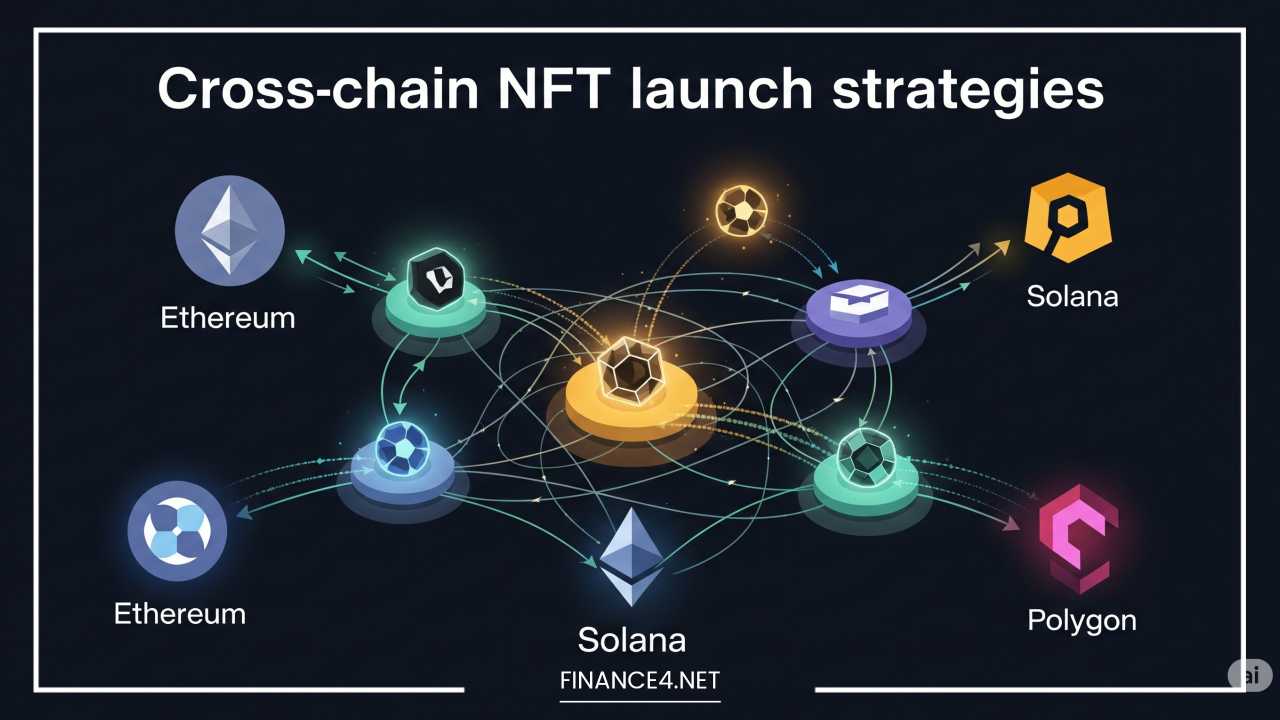
Top Cross-Chain NFT Launch Strategies | Maximize Reach & Adoption
The digital landscape is constantly evolving, and at the forefront of this evolution are Non-Fungible Tokens (NFTs). Once largely confined to single blockchain ecosystems, NFTs are now breaking free, paving the way for a multi-chain future. This shift, driven by the need for scalability, broader user reach, and enhanced liquidity, has given rise to cross-chain NFTs. For creators and projects looking to maximize the impact of their NFT launches, understanding and implementing robust cross-chain strategies is no longer an option, but a necessity.
Introduction to Cross-Chain NFTs
Defining Cross-Chain NFTs:
Cross-chain NFTs are digital assets that are not restricted to a single blockchain. Instead, they possess the capability to move, or be “bridged,” across multiple distinct blockchain networks while retaining their unique identity, authenticity, and value. Unlike traditional NFTs tethered to a specific chain like Ethereum or Solana, cross-chain NFTs offer unprecedented flexibility and interoperability. This is typically achieved through mechanisms like “burn-and-mint” (where an NFT is burned on one chain and a wrapped equivalent is minted on another) or “lock-and-mint” (where the original NFT is locked and a representation is minted elsewhere).
Why Cross-Chain Functionality Matters:
The initial success of NFTs on singular chains, particularly Ethereum, quickly highlighted inherent limitations. High gas fees, network congestion, and the fragmentation of user bases within isolated ecosystems became significant bottlenecks. Cross-chain functionality directly addresses these issues, offering:
- Scalability: By distributing transactions across various chains, the burden on any single network is alleviated, leading to faster and often cheaper transactions.
- User Base Reach: A project can tap into diverse communities and user demographics that reside on different blockchains, significantly expanding its potential audience.
- Liquidity: With NFTs accessible across multiple marketplaces and liquidity pools, the ease and speed with which they can be bought and sold are dramatically increased.
Challenges Solved by Cross-Chain Compatibility:
The fragmentation of the blockchain space has historically created “walled gardens,” where assets and data are confined to their native networks. Cross-chain compatibility breaks down these barriers, resolving critical challenges such as:
- Liquidity Fragmentation: Prevents the isolation of liquidity, allowing assets to be pooled and traded more efficiently across networks.
- High Transaction Costs and Congestion: Users can leverage networks with lower fees or less congestion for transactions, optimizing costs and improving efficiency.
- Limited Utility: Enables NFTs to be utilized across a wider array of applications, including DeFi protocols, gaming metaverses, and more, regardless of their original chain.
- Vendor Lock-in: Reduces reliance on a single blockchain, providing resilience and flexibility against network-specific issues or shifts in popularity.
Why Go Cross-Chain? Key Benefits
The strategic decision to launch a cross-chain NFT project comes with a multitude of advantages that can significantly enhance a project’s success and longevity.
Increased Audience Reach Across Ecosystems:
One of the most compelling reasons to go cross-chain is the immediate expansion of your potential audience. Imagine an artist whose primary collectors are on Ethereum, but their new audience of gamers is predominantly on Polygon or Solana. By launching cross-chain, they can simultaneously reach both demographics. This allows projects to:
- Tap into diverse user preferences and technical capabilities (e.g., users who prefer lower fees on Polygon vs. those prioritizing Ethereum’s security).
- Engage communities on different social platforms and regional hubs, previously inaccessible due to blockchain limitations.
- Maximize exposure for the collection, increasing visibility and demand.
Better Liquidity and Trading Opportunities:
Fragmented liquidity is a major hurdle in the single-chain NFT market. An NFT listed only on an Ethereum marketplace can only be bought by Ethereum users with ETH. Cross-chain functionality unifies this liquidity, enabling:
- Wider Marketplace Access: NFTs can be listed and traded on various marketplaces across different chains (e.g., OpenSea, Magic Eden, Rarible Protocol), dramatically increasing the pool of potential buyers and sellers.
- Efficient Price Discovery: With more participants and venues, the true market value of an NFT can be discovered more efficiently.
- Enhanced Trading Pairs: The ability to trade NFTs against a wider range of cryptocurrencies and stablecoins across different chains improves market flexibility.
Flexibility in Choosing Marketplaces and Communities:
A cross-chain approach provides creators and collectors with unparalleled flexibility.
- Creator Choice: Projects can choose the most suitable marketplaces for their launch based on target audience, fee structures, and community features, rather than being confined by their native chain.
- User Choice: Buyers and sellers can utilize their preferred wallets and chains, reducing friction and improving the overall user experience.
- Community Integration: NFTs can serve as unifying assets, fostering collaboration between communities that were previously siloed by blockchain boundaries.
Risk Diversification:
Reliance on a single blockchain carries inherent risks. A network outage, security vulnerability, or significant increase in gas fees on one chain can severely impact an NFT collection. Cross-chain deployment mitigates these risks by:
- Reducing Exposure to Single Points of Failure: If one chain experiences issues, the NFT’s existence on other chains provides a layer of resilience and continuity.
- Hedging Against Network-Specific Challenges: Projects can navigate periods of high congestion or exorbitant fees on one chain by leveraging alternatives.
- Future-Proofing: As the blockchain landscape evolves, having a multi-chain presence positions a project for adaptability and relevance regardless of shifts in blockchain popularity.
Pre-Launch Strategy Essentials
A successful cross-chain NFT launch hinges on meticulous planning and strategic decision-making in the pre-launch phase.
Choosing the Right Blockchains:
This is perhaps the most critical initial decision. It requires a thorough evaluation of various factors:
- Ecosystem Maturity and User Base: Consider chains with established NFT ecosystems and active communities. Ethereum remains dominant for high-value collections, while Polygon and BNB Chain offer lower fees and faster transactions, attracting a broader user base. Solana is known for speed and low costs, appealing to gaming and DeFi.
- Fees and Transaction Speed: Align these with your project’s goals and target audience. High-volume, low-value NFTs might fare better on cheaper, faster chains.
- Developer Support and Tooling: Assess the availability of robust developer tools, documentation, and support for smart contract deployment and bridging.
- Security and Decentralization: Evaluate the security track record and decentralization level of each prospective blockchain.
Wallet and Token Compatibility:
Ensuring seamless user experience across chains requires careful consideration of wallet and token compatibility.
- Multi-Chain Wallet Support: Your chosen blockchains should be compatible with popular multi-chain wallets like MetaMask (for EVM-compatible chains), Phantom (for Solana), or integrated solutions that support various networks.
- Token Standards: While ERC-721 and ERC-1155 are prevalent on EVM chains, understand and adhere to equivalent standards on non-EVM chains (e.g., SPL tokens on Solana).
- User Onboarding: Simplify the process for users who might be new to a particular chain or bridging process. Provide clear guides and support.
Smart Contract Design Considerations for Interoperability:
Designing your NFT smart contracts with interoperability in mind from the outset is crucial.
- Bridge Compatibility: Ensure your smart contracts can interact seamlessly with chosen cross-chain bridge protocols. This might involve implementing specific interfaces or logic for burning, locking, and minting wrapped NFTs.
- Metadata Consistency: Maintain consistent metadata across all chains to ensure the NFT’s attributes, artwork, and identity remain intact regardless of its location.
- Upgradability: Consider making your smart contracts upgradable to adapt to future interoperability standards or to fix potential issues without redeploying the entire collection.
Partnering with Cross-Chain Bridges:
Cross-chain bridges are the technological backbone of NFT interoperability. Selecting reliable and secure bridge partners is paramount.
- Security Audits and Track Record: Prioritize bridges with a strong security history and recent, thorough audits. Bridge exploits have been a significant concern in the past.
- Supported Chains: Ensure the bridge supports all the blockchains you intend to launch on.
- Ease of Integration: Evaluate the developer-friendliness and documentation of the bridge’s APIs and SDKs.
- Key Players: Research and potentially partner with established bridges like LayerZero, Wormhole, or Axelar.
- LayerZero: Known for its Omnichain Fungible Token (OFT) and Omnichain Non-Fungible Token (ONFT) standards, enabling native cross-chain communication.
- Wormhole: A generic message passing protocol that facilitates transfers of tokens and NFTs across various chains.
- Axelar: Provides a secure, programmable interoperability layer for Web3, allowing seamless cross-chain asset transfers and general message passing.
Selecting the Right Cross-Chain Tools & Protocols
The ecosystem of cross-chain tools and protocols is rapidly expanding, offering diverse solutions for NFT projects. Choosing the right ones is essential for a smooth and effective launch.
Cross-Chain NFT Platforms:
These platforms are designed to facilitate the creation, management, and trading of NFTs across multiple blockchains.
- Rarible Protocol: Offers a comprehensive suite of tools for building NFT marketplaces and applications that can be deployed on various blockchains, enabling creators to mint and manage cross-chain NFTs.
- Mintbase: While historically focused on NEAR Protocol, Mintbase is exploring multi-chain functionalities, allowing for greater flexibility in NFT creation and distribution.
- OmniFlix: A decentralized media and NFT platform that aims to be chain-agnostic, supporting creators in launching and distributing their NFTs across different networks.
Interoperability Protocols:
These underlying protocols enable communication and asset transfer between distinct blockchains.
- Chainlink CCIP (Cross-Chain Interoperability Protocol): Provides a secure and reliable framework for cross-chain messaging and token transfers. CCIP’s robust oracle network infrastructure helps ensure the integrity of cross-chain operations, making it a strong contender for securing NFT bridging.
- Polkadot: Designed as a multi-chain framework, Polkadot enables different blockchains (parachains) to communicate and share security within its ecosystem, offering native interoperability.
- Cosmos IBC (Inter-Blockchain Communication Protocol): A standard for sovereign blockchains to communicate and exchange data and assets directly, fostering a highly interconnected network of independent chains.
Token Standards (ERC-721, ERC-1155, and equivalents on other chains):
While ERC-721 (unique, non-fungible) and ERC-1155 (semi-fungible, allowing for batches) are the dominant standards on Ethereum and EVM-compatible chains, understanding their equivalents and adaptations on other networks is crucial.
- EVM-compatible chains: Largely adhere to ERC-721 and ERC-1155, simplifying cross-chain deployment for projects moving between these networks.
- Solana: Utilizes its own SPL (Solana Program Library) token standard, which includes modules for NFTs. Bridging to Solana would involve minting an SPL token representation.
- Other Blockchains: Research the native NFT standards and best practices for any non-EVM chains you plan to integrate.
Multi-Chain NFT Infrastructure:
These are platforms and marketplaces that offer native support for NFTs across multiple chains, providing a unified user experience.
- NFTrade: A cross-chain NFT platform that aggregates listings from various marketplaces and chains, allowing users to buy, sell, and swap NFTs across different networks.
- Magic Eden: While strong on Solana, Magic Eden has expanded its multi-chain support, listing NFTs from other prominent blockchains, catering to a broader audience.
- OpenSea (with multi-chain support): The largest NFT marketplace, OpenSea has increasingly integrated support for NFTs from various chains beyond Ethereum, providing a centralized hub for multi-chain collections.
Launch Strategies for Maximum Reach
Executing a cross-chain NFT launch requires more than just technical setup; it demands strategic planning to maximize visibility and engagement across disparate communities.
Coordinated Minting Events Across Multiple Chains:
Instead of a staggered release, a simultaneous or near-simultaneous minting event across chosen blockchains can generate significant hype and unified momentum.
- Simultaneous Drop: Launch the mint on Ethereum, Polygon, and Solana (or other chosen chains) at the exact same time. This creates a sense of a grand, unified event.
- Tiered Access/Exclusive Mints: Offer specific allocations or exclusive minting phases on different chains to incentivize participation from various communities. For example, a lower-cost mint on Polygon for new users, alongside a premium mint on Ethereum for high-value collectors.
- Dynamic Pricing: Adjust pricing strategies based on the economic realities and typical transaction costs of each chain.
Whitelisting and Cross-Chain Community Segmentation:
Managing whitelists across multiple chains can be complex but is essential for rewarding early supporters and strategic partners.
- Unified Whitelist: Implement a system that allows users to claim a whitelist spot on their preferred chain, regardless of where they initially qualified.
- Chain-Specific Whitelists: Cater to existing communities on particular chains by offering dedicated whitelist opportunities, fostering loyalty and engagement within those ecosystems.
- DAO and Partner Allocations: Allocate whitelist spots or specific NFT editions to DAOs and influential communities on various chains, leveraging their reach.
Pricing Strategies for Different Ecosystems:
Pricing needs to be flexible and considerate of each blockchain’s characteristics.
- Gas Fee Consideration: For chains with variable and potentially high gas fees (like Ethereum), factor in these costs when setting the mint price to ensure accessibility.
- Local Market Value: Research the typical price ranges and spending habits of NFT collectors on each target chain. A lower entry point on a cheaper chain might attract a larger volume of new collectors.
- Equitable Value Proposition: While prices may vary, ensure the perceived value of the NFT remains consistent across all chains.
Dynamic Metadata and NFT Bridging:
The ability to maintain consistent and even evolving metadata across chains is a key feature of advanced cross-chain NFTs.
- Centralized or Decentralized Metadata Storage: Decide if your metadata will be hosted on a single, chain-agnostic platform (like IPFS with a gateway) or replicated across chains, and how updates will be synchronized.
- Bridging Mechanism Transparency: Clearly explain to users how the bridging process works (burn-and-mint, lock-and-mint, etc.) and what to expect regarding transaction times and fees.
- User Experience: Design intuitive interfaces for bridging NFTs, minimizing complexity and providing real-time status updates.
Pro Tip: Learning from Industry Leaders
- Otherside by Yuga Labs: While not a purely cross-chain mint, Yuga Labs’ Otherside metaverse land deed NFTs demonstrated a multi-chain approach to community engagement and future utility. Their primary mint was on Ethereum, but the vision for Otherside inherently involves interoperability and expansion to other layers and potentially chains for various game assets and experiences, showcasing a long-term cross-chain vision for their ecosystem. Their focus on building a robust community across their various collections on Ethereum laid the groundwork for future cross-chain potential through their IP.
- Aavegotchi: This project is a prime example of a successful cross-chain migration and active multi-chain utility. Originally on Ethereum, Aavegotchi migrated its main game to Polygon, demonstrating the benefits of lower fees and faster transactions for a gaming ecosystem. They actively leverage bridging mechanisms to allow users to move their Aavegotchis and associated “wearables” between Ethereum and Polygon, showcasing practical cross-chain NFT utility for gaming assets and collectibles. This allowed them to onboard a wider player base and enable more frequent, affordable interactions with their NFTs.
Marketing & Community Building Across Chains
A multi-chain presence requires a multi-faceted marketing and community building strategy that recognizes and leverages the unique characteristics of each ecosystem.
Cross-Platform Community Management (Discord, Telegram, Twitter):
Maintaining a cohesive community while catering to diverse blockchain audiences is crucial.
- Dedicated Channels: Establish distinct channels on platforms like Discord or Telegram for chain-specific discussions, support, and announcements (e.g., #ethereum-holders, #polygon-support).
- Unified Announcements: Ensure core announcements are broadcast across all relevant channels and social media platforms to maintain transparency and reach all segments of your community.
- Community Managers: Designate community managers who are familiar with the nuances and culture of each blockchain ecosystem.
Language/Localization Considerations:
The global nature of crypto means your audience will be diverse.
- Multi-Language Support: Provide documentation, FAQs, and community support in multiple languages, especially if targeting specific regional markets.
- Cultural Sensitivity: Be mindful of cultural norms and communication styles within different blockchain communities.
Working with Influencers and DAOs on Multiple Chains:
Leverage the reach of established figures and decentralized autonomous organizations (DAOs) within each target ecosystem.
- Chain-Specific Influencers: Partner with influencers who have a strong following and credibility within the Ethereum, Solana, Polygon, or other specific blockchain communities.
- DAO Collaborations: Engage with prominent DAOs on different chains for partnerships, cross-promotions, or even co-creation opportunities. Their community engagement can be a powerful marketing tool.
- Ambassador Programs: Establish an ambassador program with representatives from various blockchain communities to spread awareness and foster organic growth.
Airdrops and Cross-Chain Incentives:
Incentivize cross-chain activity and reward early adopters and loyal community members.
- Cross-Chain Airdrops: Distribute NFTs or native tokens to users who hold your NFTs on any of the supported chains, or to those who actively bridge their NFTs.
- Bridging Rewards: Offer exclusive rewards or benefits for users who bridge their NFTs from one chain to another, encouraging interoperability.
- Staking and Utility: Implement staking mechanisms or other utility features that are accessible across different chains, further incentivizing holding and interaction with your NFTs. For example, an NFT staked on Polygon could still grant access to exclusive content or governance rights that are recognized across the ecosystem.
Post-Launch Monitoring & Maintenance
A cross-chain NFT launch isn’t a one-time event; it requires continuous monitoring, support, and adaptation to ensure long-term success and user satisfaction.
Handling Support and Bug Fixes Across Different Networks:
The complexity of multi-chain deployments means potential issues can arise on any connected network.
- Dedicated Support Channels: Maintain clear and accessible support channels (e.g., Discord tickets, dedicated email) with personnel knowledgeable about each integrated blockchain.
- Rapid Response Protocol: Establish a protocol for quickly identifying, diagnosing, and resolving bugs or issues that might arise on specific chains or during bridging operations.
- Transparent Communication: Keep the community informed about any known issues, their status, and the steps being taken to resolve them.
Tracking Performance (Analytics, Bridging Metrics, Royalties):
Robust analytics are essential for understanding user behavior and the health of your cross-chain ecosystem.
- Cross-Chain Analytics Dashboards: Utilize or develop tools that aggregate data from all integrated chains, providing a holistic view of NFT activity (sales, transfers, unique holders).
- Bridging Metrics: Monitor the volume and frequency of NFT bridges between chains. This data can indicate user preferences, identify popular pathways, and highlight any bottlenecks.
- Royalty Enforcement: Ensure that royalty structures are consistently enforced across all marketplaces and chains where your NFTs are traded. This often requires integration with multi-chain royalty registries or working closely with marketplaces.
NFT Marketplaces’ Listing Sync and Royalty Enforcement:
Maintaining consistent listings and royalty flows across diverse marketplaces is crucial for creators.
- API Integrations: Leverage marketplace APIs to automate listing synchronization and updates across platforms like OpenSea, Magic Eden, Rarible, and others.
- Standardized Royalty Protocols: Advocate for and integrate with emerging multi-chain royalty standards or collaborate with major marketplaces to ensure proper royalty distribution regardless of the chain of sale.
- User Education: Educate your community on how royalties work across chains and the importance of supporting marketplaces that enforce creator royalties.
Future Trends in Cross-Chain NFTs
The landscape of cross-chain NFTs is rapidly evolving, driven by innovation in blockchain architecture and interoperability solutions. Staying abreast of these trends is vital for future-proofing your NFT strategy.
The Rise of Modular Chains and App-Specific Blockchains:
Traditional monolithic blockchains are giving way to more specialized architectures.
- Modular Blockchains: These separate the core functions of a blockchain (execution, data availability, consensus, settlement) into distinct layers. This modularity facilitates specialized app-specific chains that can connect seamlessly, offering tailored environments for NFTs (e.g., gaming blockchains, metaverse-specific chains).
- App-Specific Blockchains: Projects can launch their own blockchains optimized for their specific NFT use case, offering maximum control, customization, and performance. Cross-chain solutions become essential for these app-chains to connect with broader liquidity and user bases.
Layer 2 and ZK-rollups’ Impact on NFTs:
Layer 2 scaling solutions, particularly ZK-rollups, are revolutionizing transaction efficiency and cost, significantly impacting the viability of NFTs.
- Lower Fees and Faster Transactions: ZK-rollups enable near-instant and significantly cheaper transactions, making high-volume NFT activities (like gaming, frequent trading, or micro-transactions) more feasible on Ethereum’s security layer.
- Enhanced Scalability: By processing transactions off-chain and then submitting a single proof to the mainnet, ZK-rollups drastically increase throughput, reducing network congestion.
- Bridge to Mainnet: L2s inherently act as “bridges” to their respective mainnets, providing a secure and capital-efficient way to move NFTs between the main L1 and the scaling solution.
Cross-Chain Gaming Assets and Metaverse Integration:
The gaming and metaverse sectors are arguably the most impactful frontiers for cross-chain NFTs.
- True Digital Ownership: Cross-chain capabilities allow players to truly own their in-game assets (characters, skins, weapons) and use them across different games or metaverse environments, regardless of the underlying blockchain.
- Interoperable Metaverses: The vision of a truly open metaverse hinges on cross-chain NFTs. Avatars, virtual land, and digital fashion items could seamlessly traverse different virtual worlds, fostering a more expansive and interconnected digital economy.
- Enhanced Play-to-Earn Models: By enabling assets to move and be traded across various gaming ecosystems, cross-chain NFTs unlock more robust and liquid play-to-earn economies.
Final Thoughts & Actionable Takeaways
The journey into cross-chain NFTs is not merely a technological advancement but a strategic imperative for creators and projects aiming for sustained relevance and widespread adoption in the Web3 space. The era of single-chain dominance for NFTs is rapidly waning, giving way to an interconnected, interoperable future.
Recap of Key Strategies:
A successful cross-chain NFT launch demands a holistic approach encompassing:
- Strategic Blockchain Selection: Carefully choosing networks based on audience, costs, and ecosystem health.
- Robust Technical Foundation: Designing interoperable smart contracts and partnering with secure, reliable cross-chain bridges.
- Dynamic Launch Execution: Implementing coordinated mints, intelligent pricing, and flexible whitelist strategies.
- Targeted Marketing and Community Building: Engaging diverse communities across multiple platforms with localized approaches and strategic partnerships.
- Continuous Post-Launch Support: Monitoring performance, ensuring royalty enforcement, and providing ongoing support for a seamless user experience.
Importance of Planning and User Experience:
Underpinning all these strategies is the critical importance of meticulous planning and an unwavering focus on user experience. The technical complexities of cross-chain interactions must be abstracted away for the end-user, making the process of owning, trading, and utilizing cross-chain NFTs as intuitive as possible. Clear communication, comprehensive guides, and responsive support are paramount.
For any project considering a foray into cross-chain NFTs, the time to act is now.
- Plan a Pilot Launch: Start with a smaller, experimental cross-chain launch to gain experience and gather insights.
- Test on Testnets: Thoroughly test all aspects of your cross-chain functionality on relevant testnets before deploying to mainnet.
- Partner with Interoperability Protocols: Engage with leading cross-chain bridge and interoperability protocol teams to leverage their expertise and secure infrastructure.
- Prioritize Security: Given the history of bridge exploits, invest heavily in security audits and best practices for your smart contracts and bridging mechanisms.
By embracing these strategies, projects can unlock the full potential of cross-chain NFTs, reaching wider audiences, fostering deeper liquidity, and building truly decentralized and resilient digital economies. The future of NFTs is inherently multi-chain, and those who master its complexities will lead the next wave of innovation in the Web3 world.