How to Create Bridging-Based Sidechain Tokens
 by
by 
How to Create Bridging-Based Sidechain Tokens | Step-by-Step Guide
The burgeoning world of blockchain technology is constantly evolving, driven by an insatiable demand for scalability, efficiency, and specialized functionalities. While monolithic blockchains like Ethereum laid the groundwork, their inherent limitations in transaction throughput and cost have paved the way for innovative solutions. Among the most promising of these are sidechains, and the mechanism that allows assets to flow seamlessly between them and their parent chains is known as bridging.
This article will guide you through the intricate process of creating bridging-based sidechain tokens, from conceptual design to secure implementation, enabling you to unlock new possibilities for decentralized applications and digital assets.
Introduction to Sidechains and Bridging
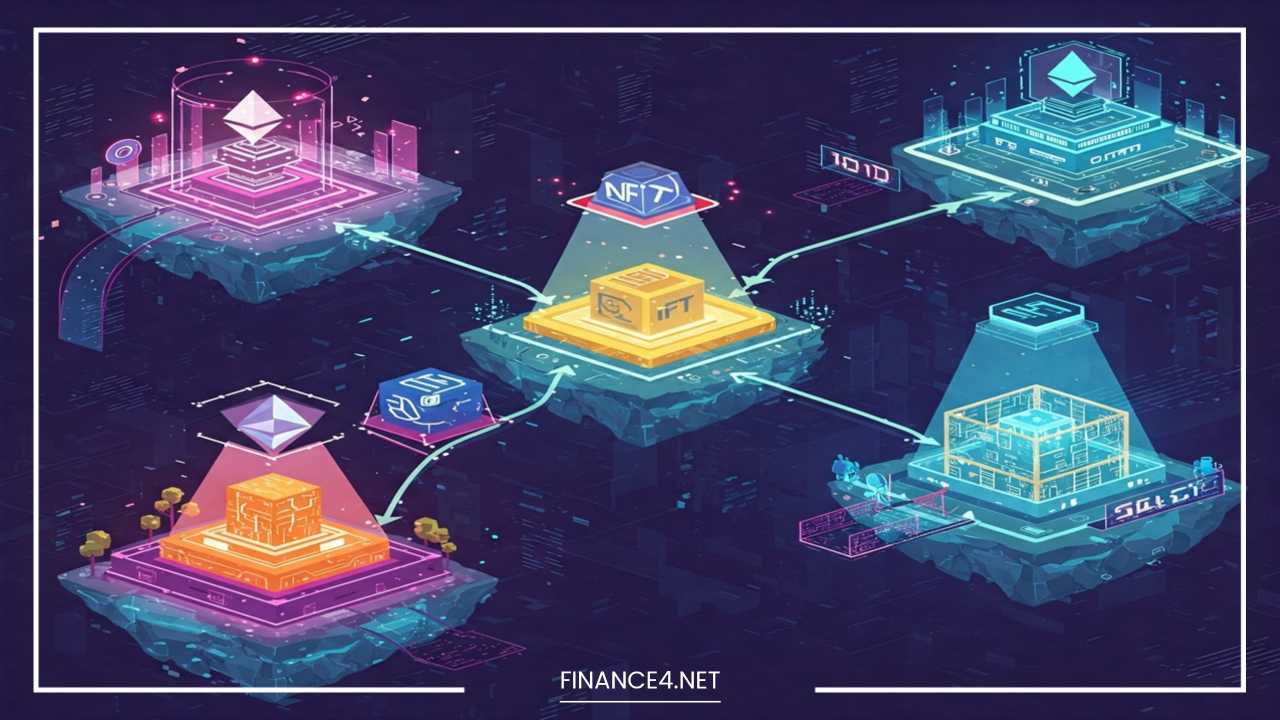
At its core, a sidechain is a separate blockchain that is connected to a main blockchain (often called the “mainnet” or “Layer 1”) in a way that allows assets to be moved between them. Think of the mainnet as a central hub, and sidechains as specialized spokes off that hub. They operate independently, with their own consensus mechanisms, block times, and even token standards, yet remain interoperable with the mainnet.
The importance of sidechains cannot be overstated. Firstly, they address the critical issue of scalability. By offloading transactions from the congested mainnet, sidechains can process a significantly higher volume of transactions at a much faster rate and lower cost. Secondly, they offer unparalleled customization. Developers can tailor a sidechain to specific application needs, optimizing it for particular use cases like gaming, DeFi, or NFTs, without being constrained by the mainnet’s design. This leads to greater experimentation, allowing novel features and consensus mechanisms to be tested and deployed without risking the security or stability of the mainnet.
Bridging-based tokens are essentially representations of assets that originate on one blockchain but exist and are usable on another via a bridge. When you “bridge” a token, the original token is typically locked on the mainnet, and a corresponding amount of a new, wrapped, or pegged token is minted on the sidechain. This ensures that the total supply remains consistent across both chains.
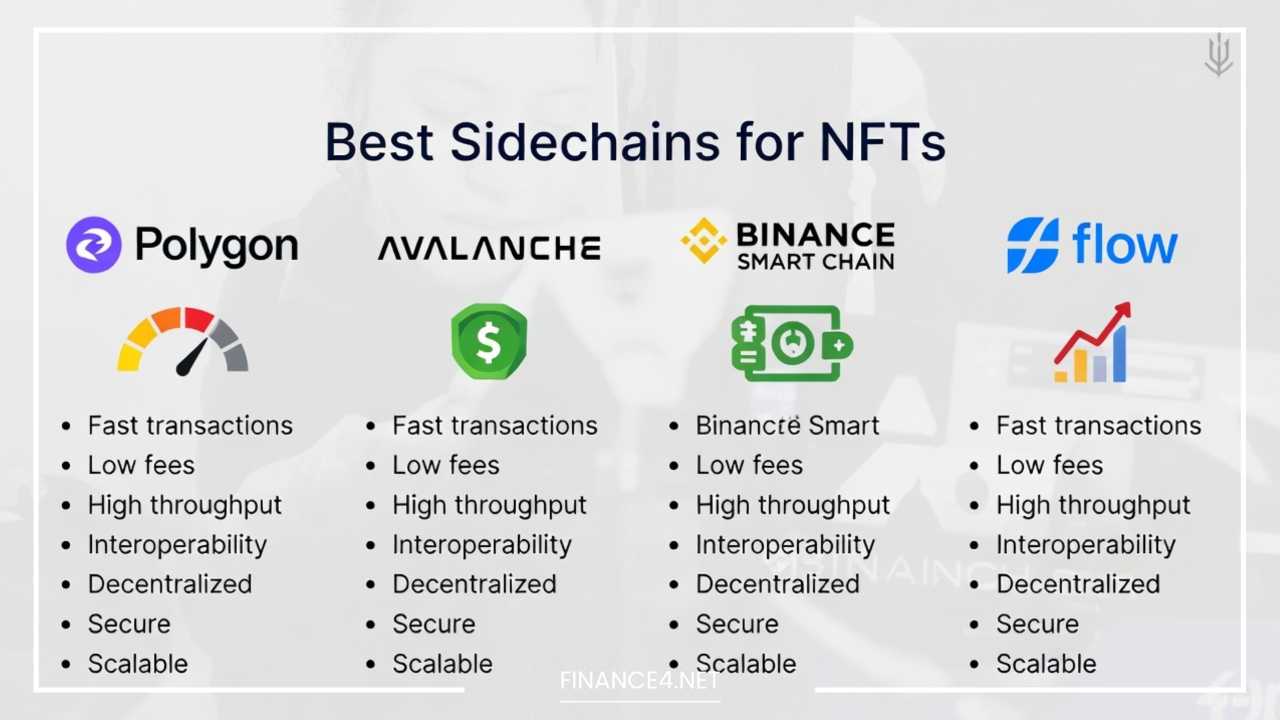
Examples of prominent sidechain platforms abound. Polygon (formerly Matic Network) is a well-known example that provides an effective scaling solution for Ethereum, offering faster and cheaper transactions. Arbitrum and Optimism are other leading Layer 2 solutions for Ethereum, employing optimistic rollups to achieve scalability. Each of these platforms leverages sophisticated bridging mechanisms to facilitate the transfer of assets and data between their respective networks and Ethereum.
Core Concepts of Bridging
Blockchain bridging is the technological process that enables the transfer of assets, data, and even smart contract calls between two distinct blockchain networks. Without bridges, blockchains would largely operate in isolation, hindering the broader vision of a truly interconnected Web3.
There are primarily two types of bridges: trusted (centralized) and trustless (decentralized). Trusted bridges rely on a centralized entity or a small group of validators to secure the assets and facilitate transfers. While simpler to implement, they introduce a single point of failure and require users to trust the bridge operators. In contrast, trustless bridges utilize smart contracts and cryptographic proofs to ensure the security and integrity of transfers, removing the need for reliance on a third party. Examples include various types of “light client” bridges or those leveraging zero-knowledge proofs.
While various token standards exist across different blockchains, the most prevalent for fungible tokens are ERC-20 on Ethereum and its compatible sidechains. For non-fungible tokens, ERC-721 is the standard. Bridging mechanisms must be able to handle these standards effectively to ensure seamless asset transfer.
How bridging works under the hood typically involves a “lock-and-mint” or “burn-and-mint” mechanism. When you want to move an asset from the mainnet to a sidechain, the asset is first locked in a smart contract on the mainnet. An equivalent amount of a new, wrapped version of that token is then minted on the sidechain. Conversely, to move assets back to the mainnet, the wrapped tokens on the sidechain are burned, and the original tokens are unlocked from the mainnet contract. This ensures a 1:1 backing and prevents double-spending.
Despite their crucial role, bridges face several challenges. Security is paramount, as bridges often hold significant amounts of locked assets, making them attractive targets for malicious actors. Past high-profile hacks underscore this vulnerability. Latency can be an issue, as transfers might require several block confirmations on both chains, leading to delays. Finally, cost (gas fees) associated with transactions on both the mainnet and sidechain can accumulate, particularly for frequent transfers. Addressing these challenges is vital for the widespread adoption and reliability of bridging solutions.
Design Considerations Before You Build
Before diving into smart contract development, a thorough design phase is crucial. This initial planning will lay the groundwork for a robust and secure bridging solution.
The first critical decision is to choose your mainnet and sidechain. Ethereum remains the dominant Layer 1 for a vast array of decentralized applications, offering unparalleled security and decentralization. For a sidechain, options like Polygon (PoS chain) are popular for their EVM compatibility, lower fees, and faster transaction times. Other viable options include optimistic rollups like Arbitrum or Optimism, or ZK-rollups like zkSync or StarkNet, each with their own trade-offs in terms of security, decentralization, and developer experience. The choice will depend on your specific needs regarding throughput, cost, and desired security model. For instance, if you’re building a high-frequency trading application, a faster sidechain might be prioritized.
Next, consider the bridging direction. Do you need a one-way bridge, where tokens can only flow from the mainnet to the sidechain (e.g., for a new token launch that will primarily exist on the sidechain)? Or do you require a two-way bridge, allowing seamless movement in both directions? Most applications demand a two-way bridge for user flexibility and asset liquidity. A two-way bridge introduces greater complexity in terms of state synchronization and security.
Tokenomics is another vital aspect. Will your sidechain token be pegged 1:1 to the mainnet token, meaning one sidechain token always equals one mainnet token? This is the most common approach for wrapped tokens, ensuring price stability and fungibility. Alternatively, could there be a variable exchange rate? While less common for simple asset bridging, variable rates might apply in more complex scenarios involving automated market makers (AMMs) within the bridge or where the sidechain token has its own distinct utility and supply dynamics. For typical bridging, a 1:1 pegged model is generally preferred for simplicity and user understanding.
Finally, evaluate your bridge service options. You can opt to build a custom bridge from scratch, offering maximum control and customization but requiring significant development effort and security expertise. This is often undertaken by large projects with unique requirements. Alternatively, you can leverage third-party bridge services like Wormhole, LayerZero, or ChainSafe. These solutions provide pre-built infrastructure, often with established security audits and a wider network of supported chains, significantly reducing development time and risk. The choice often boils down to the trade-off between control/customization and development speed/security guarantees. For most projects, starting with a well-vetted third-party solution is often the more pragmatic approach.
Smart Contract Architecture
The heart of any bridging solution lies in its smart contract architecture. These contracts define the rules for locking, minting, burning, and unlocking tokens across chains.
At a high level, you will primarily need two types of contracts:
- Locking Contract on L1 (Mainnet): This contract resides on your mainnet (e.g., Ethereum). Its primary function is to hold the original mainnet tokens securely when they are transferred to the sidechain. When a user initiates a transfer from L1 to L2, they send their tokens to this locking contract. The contract will then emit an event, signaling to the sidechain that a certain amount of tokens has been locked and can be minted on the other side.
- Minting Contract on L2 (Sidechain): This contract is deployed on your chosen sidechain (e.g., Polygon). Its role is to mint new, wrapped tokens on the sidechain, corresponding to the tokens locked on the mainnet. Conversely, when a user wishes to move tokens back to the mainnet, they will send the wrapped tokens to this contract, which will then burn them and trigger a release on the L1 locking contract.
Events & Oracles for Bridge Logic: The communication between the two contracts, across different blockchains, is facilitated by events and often involves oracles or a network of relayers.
When tokens are locked on L1, the Locking Contract emits an event containing details like the sender’s address, the amount locked, and the recipient’s address on L2.
A network of relayers or an oracle system constantly monitors these events on L1. Once an event is detected and confirmed (typically after a certain number of block confirmations to ensure finality), the relayer/oracle will relay this information to the Minting Contract on L2. The Minting Contract, after verifying the authenticity of the message (often through cryptographic proofs or multi-signature schemes), will then proceed to mint the corresponding tokens to the recipient’s address on L2. The reverse process occurs when tokens are moved from L2 back to L1: the Minting Contract on L2 burns tokens and emits an event, which is then relayed to the Locking Contract on L1 to unlock the original tokens.
Burn/Mint Mechanisms vs. Lock/Unlock: While both terms are often used interchangeably, it’s crucial to understand the nuances. The lock/mint mechanism is generally used for transfers from the mainnet to the sidechain, where original tokens are locked and new wrapped tokens are minted. The burn/unlock mechanism is used for transfers from the sidechain back to the mainnet, where the wrapped tokens on the sidechain are destroyed (burned), and the original tokens on the mainnet are released (unlocked). This ensures a consistent total supply of the asset across both chains, maintaining the 1:1 peg.
Using Standard Libraries (OpenZeppelin, etc.): Developing secure and robust smart contracts from scratch is a formidable task. Fortunately, highly audited and widely used standard libraries like OpenZeppelin Contracts significantly streamline the process and enhance security. For instance, OpenZeppelin provides battle-tested implementations of ERC-20 tokens, access control mechanisms, and upgradeable proxy patterns. By leveraging these libraries, developers can focus on the unique bridging logic rather than reinventing the wheel for fundamental token functionalities, while also benefiting from the community’s rigorous security audits. This drastically reduces the risk of introducing vulnerabilities.
Step-by-Step Implementation Guide
Bringing your bridging solution to life requires a structured implementation approach. This guide outlines the key steps, from setting up your development environment to testing cross-chain transfers.
1. Setting up the Development Environment:
Before writing any code, you need a robust development environment.
- Remix IDE: For quick prototyping and learning, Remix is an excellent browser-based IDE. It allows you to write, compile, deploy, and interact with smart contracts directly from your browser.
- Hardhat: For more complex projects, Hardhat is a powerful, flexible, and extensible Ethereum development environment. It offers features like task runners, testing frameworks, and console logs, making it ideal for managing larger codebases and automated testing.
- Foundry: If you prefer a Rust-based toolchain and prioritize speed and efficiency, Foundry is a popular choice for EVM development. It offers a fast test runner and a powerful CLI.
- Node.js & npm/yarn: Ensure you have Node.js installed, as most development tools and libraries for smart contract development are JavaScript-based. Use npm or yarn for package management.
2. Writing a Basic ERC-20 Token:
Start by creating a standard ERC-20 token contract. This will be the asset you intend to bridge. You can leverage OpenZeppelin’s ERC20.sol for this.
// SPDX-License-Identifier: MIT
pragma solidity ^0.8.20;

import "@openzeppelin/contracts/token/ERC20/ERC20.sol";
import "@openzeppelin/contracts/access/Ownable.sol";

contract MyMainnetToken is ERC20, Ownable {
    constructor(uint256 initialSupply) ERC20("MyMainnetToken", "MMT") Ownable(msg.sender) {
        _mint(msg.sender, initialSupply);
    }

    // You might add functions for pausing, burning, etc., as needed.
}
3. Creating the Bridge Contracts:
- L1 Locking Contract (e.g., MainnetBridge.sol):This contract will hold the MyMainnetToken. It needs a function for users to deposit tokens and a mechanism to inform the L2 side about the deposit.
Solidity
// SPDX-License-Identifier: MIT pragma solidity ^0.8.20; import "@openzeppelin/contracts/token/ERC20/IERC20.sol"; import "@openzeppelin/contracts/access/Ownable.sol"; contract MainnetBridge is Ownable { IERC20 public token; // The mainnet token to be locked mapping(address => uint256) public lockedBalances; event TokensLocked(address indexed user, uint256 amount, address indexed recipientOnSidechain); event TokensReleased(address indexed user, uint256 amount); constructor(address _tokenAddress) Ownable(msg.sender) { token = IERC20(_tokenAddress); } function lockTokens(uint256 _amount, address _recipientOnSidechain) public { require(token.transferFrom(msg.sender, address(this), _amount), "Token transfer failed"); lockedBalances[msg.sender] += _amount; emit TokensLocked(msg.sender, _amount, _recipientOnSidechain); } // This function would typically be called by an authorized relayer/oracle // after verification of a burn event on the sidechain. function releaseTokens(address _recipient, uint256 _amount) public onlyOwner { // Add robust verification for the sidechain burn event here // This is a simplified example and needs a secure cross-chain messaging mechanism. token.transfer(_recipient, _amount); emit TokensReleased(_recipient, _amount); } } - L2 Minting Contract (e.g., SidechainBridge.sol):This contract will be the ERC-20 token contract on the sidechain, with added functionality for minting and burning.
Solidity
// SPDX-License-Identifier: MIT
pragma solidity ^0.8.20;

import "@openzeppelin/contracts/token/ERC20/ERC20.sol";
import "@openzeppelin/contracts/access/Ownable.sol";

contract SidechainToken is ERC20, Ownable {
    event TokensMinted(address indexed user, uint256 amount);
    event TokensBurned(address indexed user, uint256 amount, address indexed recipientOnMainnet);

    constructor() ERC20("MySidechainToken", "MST") Ownable(msg.sender) {}

    // This function would typically be called by an authorized relayer/oracle
    // after verification of a lock event on the mainnet.
    function mintTokens(address _recipient, uint256 _amount) public onlyOwner {
        // Add robust verification for the mainnet lock event here
        // This is a simplified example and needs a secure cross-chain messaging mechanism.
        _mint(_recipient, _amount);
        emit TokensMinted(_recipient, _amount);
    }

    function burnTokens(uint256 _amount, address _recipientOnMainnet) public {
        _burn(msg.sender, _amount);
        emit TokensBurned(msg.sender, _amount, _recipientOnMainnet);
    }
}
Important Note on Cross-Chain Messaging: The simplified releaseTokens and mintTokens functions above rely on onlyOwner for demonstration. In a real-world scenario, you must integrate a secure cross-chain messaging protocol. This is the most complex and critical part of bridging. Solutions like LayerZero, Axelar, or custom multi-signature relay networks provide the secure and verifiable communication required for inter-chain operations. These protocols ensure that a “lock” event on L1 is securely and verifiably communicated to L2 to trigger a “mint,” and vice-versa.
4. Deploying to Testnets:
Deploy your MyMainnetToken and MainnetBridge contracts to an Ethereum testnet (e.g., Goerli).
Deploy your SidechainToken contract to a compatible sidechain testnet (e.g., Mumbai for Polygon).
Ensure you fund your deployment addresses with testnet ETH/MATIC.
5. Testing Bridge Transfers:
- Manual Testing (via Etherscan/PolygonScan or Remix):
- On Goerli: Mint
MyMainnetTokento your address. ApproveMainnetBridgeto spend yourMyMainnetToken. CalllockTokensonMainnetBridge, specifying your sidechain address. - Monitor the
TokensLockedevent on Goerli. - Simulate the relayer’s role (for testing purposes, you’d manually call
mintTokenson the MumbaiSidechainTokencontract, acting as the owner, and pass the recipient and amount from the Goerli event). - Verify you received
MySidechainTokenon Mumbai. - To bridge back: Call
burnTokensonSidechainTokenon Mumbai. - Monitor the
TokensBurnedevent on Mumbai. - Simulate the relayer’s role to call
releaseTokenson the GoerliMainnetBridgecontract. - Verify you received
MyMainnetTokenon Goerli.
- On Goerli: Mint
- Script-Based Testing (using Hardhat/Foundry): Write automated tests that simulate the entire bridging process, including token transfers and cross-chain message relaying (mocking the relayer’s behavior if not using a live messaging protocol). This is crucial for comprehensive testing.
6. Using Cross-Chain Messaging Protocols:
Once the basic token and bridge contracts are in place, integrate a robust cross-chain messaging protocol. This typically involves:
- Deploying gateway contracts provided by the messaging protocol on both L1 and L2.
- Modifying your
MainnetBridgeandSidechainTokencontracts to send messages through these gateway contracts instead of relying ononlyOwnerfunctions. - The messaging protocol handles the secure relaying and verification of cross-chain messages, ensuring that only valid and authorized actions are executed on the destination chain. This is where the true “trustless” nature of advanced bridges comes into play.
Security Best Practices
Security is paramount when dealing with bridging solutions, as they are often honeypots for attackers. A single vulnerability can lead to catastrophic losses.
Common Vulnerabilities in Bridges:
- Re-entrancy: Malicious actors repeatedly calling a function before the previous execution completes, leading to drained funds.
- Access Control Issues: Improperly secured functions allowing unauthorized users to mint tokens or release funds.
- Front-running: Attackers observing pending transactions and submitting their own with higher gas fees to execute before the legitimate transaction.
- Oracle Manipulation: If a bridge relies on external oracles, their manipulation can lead to incorrect state updates and asset theft.
- Signature Forgery: Weak cryptographic implementations or replay attacks can lead to fraudulent transactions.
- Upgradability Issues: Flaws in upgradeable proxy patterns can introduce vulnerabilities if not handled carefully.
Audit Recommendations:
Professional security audits by reputable blockchain security firms are non-negotiable. Before deploying to mainnet, have your smart contracts rigorously audited for all known vulnerabilities and potential attack vectors. Implement bug bounty programs to incentivize white-hat hackers to find and report vulnerabilities.
Time Delays and Slashing Mechanisms:
To mitigate immediate large-scale attacks, incorporate time delays (e.g., timelocks) for significant withdrawals or critical administrative actions. This provides a window for detection and intervention.
Slashing mechanisms can be implemented for decentralized bridges or relay networks. If a relayer or validator acts maliciously or provides incorrect information, a portion of their staked collateral is “slashed” (forfeited), creating a strong economic disincentive for bad behavior.
Examples of Past Bridge Hacks:
The history of blockchain is unfortunately littered with bridge hacks that serve as stark warnings. The Ronin Bridge hack (2022), where over $600 million was stolen due to compromised validator keys, highlighted the risks of centralized control. The Wormhole bridge hack (2022), which resulted in a loss of over $320 million due to a signature validation vulnerability, emphasized the need for meticulous cryptographic security. These incidents underscore the critical importance of robust security practices and continuous vigilance.
User Interface & Experience
A well-designed user interface (UI) and a smooth user experience (UX) are crucial for the adoption and widespread use of your bridging solution, even if the underlying smart contracts are perfectly secure.
Building a Frontend for Bridging:
Develop a user-friendly web interface that allows users to easily initiate bridge transfers. This typically involves:
- Clear input fields for the amount of tokens to transfer.
- Dropdowns for selecting the source and destination chains.
- Displaying the estimated gas fees for both legs of the transfer.
- A clear “Connect Wallet” button.
Wallet Integrations (MetaMask, WalletConnect):
Seamless integration with popular web3 wallets is essential. MetaMask is the most widely used browser extension wallet. For mobile users and broader wallet support, WalletConnect provides a standard way to connect decentralized applications to various mobile wallets. Ensure your frontend can detect the user’s connected wallet, display their balances, and facilitate transaction signing.
Transaction Feedback and Confirmations:
Keep users informed throughout the bridging process. Provide clear visual cues and text feedback for:
- Initiating the transaction.
- Waiting for wallet confirmation.
- Transaction submission and pending status (with links to block explorers on both chains).
- Successful completion of the transfer (and confirmation of receipt on the destination chain).
- Handling errors gracefully with understandable messages.
Gas Cost Considerations:
Gas fees can be a significant barrier.
- Clearly display the estimated gas costs for both the mainnet and sidechain legs of the transfer upfront.
- Consider integrating with gas price oracles to provide real-time estimates.
- Inform users about potential network congestion that might increase gas prices.
- For users bridging from a high-cost L1 to a low-cost L2, highlight the long-term gas savings on the sidechain. A transparent approach to gas fees builds user trust.
Monitoring, Maintenance, and Upgrades
Once your bridging solution is live, continuous monitoring, proactive maintenance, and careful upgrade strategies are essential for its long-term health and security.
Watching Bridge Activity (Logs, Dashboards):
Implement robust monitoring systems to track all bridge transactions. Utilize blockchain explorers (Etherscan, PolygonScan, etc.) to view transaction logs and events. Set up custom dashboards using tools like Dune Analytics or Grafana to visualize bridge volume, TVL (Total Value Locked), and identify any anomalies. Alerts for unusual activity or failed transactions are critical.
Handling Stuck Transactions or Errors:
Develop procedures and tools to identify and address stuck transactions or errors. This might involve manual intervention for complex cases, or automated re-submission logic for temporary network issues. Provide clear support channels for users experiencing issues.
Upgrading Smart Contracts Carefully:
If your smart contracts are upgradeable (e.g., using proxy patterns), plan upgrades meticulously. Test all upgrades thoroughly on testnets. Communicate upcoming upgrades to your community well in advance. Consider multi-signature approvals for critical upgrades to enhance security and decentralization. Non-upgradeable contracts require a complete redeployment and migration, a more complex process that necessitates careful planning for asset migration.
Real-World Use Cases and Examples
Bridging-based sidechain tokens are not merely theoretical constructs; they are the backbone of a thriving multi-chain ecosystem, powering a diverse range of decentralized applications.
Real projects using bridging-based sidechain tokens:
- Wrapped ETH (WETH) on Polygon: Perhaps the most ubiquitous example. ETH locked on Ethereum is represented as WETH on Polygon, enabling its use in Polygon’s DeFi ecosystem with lower fees and faster transactions.
- USDC/USDT on various sidechains: Stablecoins are frequently bridged to sidechains to facilitate cheaper and faster transactions for payments, trading, and lending.
- Gaming Assets (NFTs) on Ronin (Axie Infinity): The Ronin sidechain, purpose-built for Axie Infinity, allows players to bridge their NFTs (Axies) and in-game tokens (SLP, AXS) from Ethereum to Ronin for seamless gameplay.
- DeFi Protocols: Many DeFi protocols deploy on sidechains, bridging their governance tokens and liquidity pool tokens to attract users with lower transaction costs. For instance, Aave and Curve have deployments on Polygon, utilizing bridged assets.
Lessons from successful implementations:
Successful implementations underscore the importance of:
- Robust security: Prioritizing audits and battle-testing.
- User-friendliness: Intuitive UIs and clear instructions.
- Liquidity: Ensuring sufficient liquidity of bridged assets on both sides.
- Community engagement: Keeping users informed about bridge status, upgrades, and potential issues.
- Scalability: The ability of the sidechain to handle growing transaction volumes.
Final Thoughts and Next Steps
Creating bridging-based sidechain tokens is a powerful way to extend the reach and utility of your digital assets, unlocking scalability, customization, and cost-efficiency. We’ve journeyed from understanding the fundamentals of sidechains and bridging to the intricate details of smart contract architecture, implementation, and critical security considerations.
The process demands meticulous planning, technical expertise, and an unwavering commitment to security. Remember to test extensively, prioritize professional audits, and build a user-friendly interface. The multi-chain future is here, and mastering bridging is key to navigating its complexities and leveraging its immense potential.
Learning Resources:
- OpenZeppelin Documentation
- Hardhat/Foundry Documentation
- Official documentation of your chosen sidechain (Polygon Docs, Arbitrum Docs)
- Documentation for cross-chain messaging protocols (LayerZero, Axelar)
Encouragement:
Embark on this journey with a spirit of continuous learning and iteration. The blockchain space evolves rapidly. Test, audit, iterate, and finally, confidently launch your bridging solution to contribute to a more interconnected and scalable decentralized world.