How to Trade NFT Collections
 by
by 
How to Trade NFT Collections | Step-by-Step Guide for Beginners
NFTs, or Non-Fungible Tokens, have evolved from a niche digital asset into a global phenomenon, revolutionizing how we perceive ownership and value in the digital world. At their core, NFTs are unique digital certificates of ownership stored on a blockchain, ensuring their authenticity and scarcity. While early NFTs were often one-off pieces of digital art, the market has matured, with the primary focus now shifting to NFT collections. These collections, like Bored Ape Yacht Club or Azuki, are more than just a series of images; they represent a blend of art, community, and utility that has created a dynamic and, at times, volatile, trading ecosystem.
Trading NFTs is a modern form of collecting and investing, combining the thrill of the art market with the fast-paced nature of cryptocurrency trading. People engage in NFT trading for various reasons. Some are driven by the potential for significant profit, seeking to capitalize on a project’s hype and market demand. Others are drawn by the strong sense of community and belonging that many collections offer, seeing their NFT as a membership pass to a private club. For many, the value lies in the utility—the exclusive access to events, games, or airdrops that an NFT provides. This article will serve as your comprehensive guide to navigating the world of NFT collections, from setting up your first wallet to executing advanced trading strategies.
Understanding NFT Collections
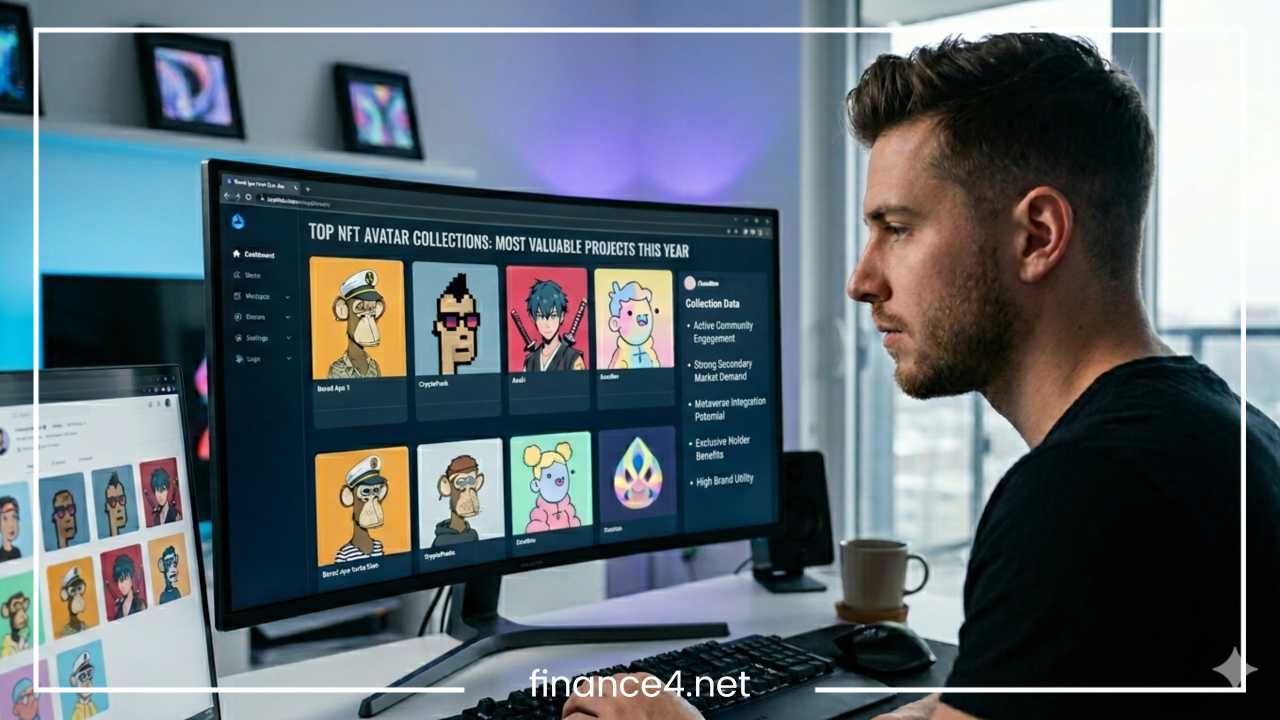
An NFT collection is a curated set of a certain number of NFTs, often with a consistent theme, artistic style, or underlying narrative. Each NFT within a collection is unique, but they share a common set of traits or attributes. The most famous example is the Bored Ape Yacht Club (BAYC), which features 10,000 unique cartoon ape images, each with different features like hats, fur types, and accessories. Other notable examples include Azuki, Pudgy Penguins, and Doodles, each with its own distinct aesthetic and community.
What makes an NFT in a collection valuable is its rarity, determined by the unique combination of its traits. Each NFT’s rarity is encoded in its metadata, a set of data that describes the token’s attributes. Analytics platforms use this metadata to assign a rarity rank to each NFT. For example, a Bored Ape with a rare “gold fur” trait will be significantly more valuable than one with a common “brown fur” trait.
The floor price is a critical metric in NFT trading. It represents the lowest price at which an NFT from a specific collection is currently listed for sale on a marketplace. The floor price provides a baseline valuation for the entire collection and is a key indicator of its overall health and demand. It’s calculated by simply identifying the cheapest available listing for a given collection. A rising floor price suggests growing interest and demand, while a dropping floor price can signal a loss of momentum.
In the market, collections are often categorized as either blue-chip or speculative. Blue-chip collections, like BAYC and CryptoPunks, are well-established with a proven track record, strong brand recognition, and a high floor price. They are considered long-term, safer investments, similar to blue-chip stocks. Speculative collections, on the other hand, are newer, less-established projects that offer the potential for massive gains but also carry a much higher risk of failure. Traders who engage with speculative collections are often looking to get in early on the “next big thing” before it becomes widely known.
Setting Up to Trade NFTs
Before you can dive into the world of NFT trading, you need to set up the proper infrastructure. This involves creating a digital wallet, connecting it to a marketplace, and funding it with the necessary cryptocurrency.
Creating a Digital Wallet
Your digital wallet is your gateway to the world of NFTs. It’s a software application that allows you to store your cryptocurrencies and NFTs and interact with decentralized applications (dApps) like marketplaces. The most popular wallets include MetaMask for the Ethereum blockchain and Phantom for the Solana blockchain. To create a wallet, you’ll download the browser extension or mobile app and follow the setup instructions. The most crucial step is to securely write down your seed phrase (also known as a recovery phrase). This 12- or 24-word phrase is the master key to your wallet. If you lose it, you lose access to all your assets. If someone else gets it, they can steal your funds. Keep it offline, and never share it with anyone.
For enhanced security, consider using a hardware wallet like Ledger or Trezor. These physical devices store your private keys offline, requiring a manual button press to approve transactions. This makes it nearly impossible for a hacker to access your funds without physical possession of the device.
Connecting to NFT Marketplaces
Once your wallet is set up, you’ll connect it to an NFT marketplace. Think of these marketplaces as the “eBay” for NFTs. The largest and most popular platforms include OpenSea, Blur, and LooksRare for Ethereum-based NFTs, and Magic Eden for Solana NFTs. Connecting is a straightforward process: you simply click the “Connect Wallet” button on the marketplace website, select your wallet provider, and approve the connection request.
Funding Your Wallet
To buy or trade NFTs, you need to fund your wallet with the appropriate cryptocurrency. For most of the major NFT collections on the Ethereum blockchain, you’ll need Ether (ETH). For Solana-based collections, you’ll need Solana (SOL). You can purchase these cryptocurrencies on centralized exchanges like Coinbase or Binance and then transfer them to your digital wallet using its unique public address. Make sure to double-check the address before sending, as a mistake can result in lost funds.
Researching NFT Projects Before Trading
Successful NFT trading isn’t about luck; it’s about making informed decisions based on thorough research. Before you buy into a collection, you must evaluate its potential for growth.
How to Evaluate an NFT Collection
- Team and Community: The people behind a project and the community they’ve built are two of the most important factors. A transparent team with a solid track record is a good sign. A strong, engaged, and passionate community on platforms like Twitter and Discord shows long-term support and demand.
- Roadmap and Utility: A project’s roadmap outlines its future plans and goals. Is the team committed to building something of real value? Utility refers to the benefits of holding the NFT. Does it provide access to a game, a private club, or exclusive content? The more robust the utility, the more likely the project is to retain value.
- Art and Design: While subjective, the quality of the art is a key component. Visually appealing and unique designs often attract a wider audience and command higher prices.
- Rarity and Analytics: Use rarity tools and analytics platforms to understand the value of a specific NFT within a collection. Platforms like Rarity Sniper and Trait Sniper analyze a collection’s metadata and rank each NFT based on the rarity of its traits. Analytics platforms like NFTGo and Nansen provide data on trading volume, floor price trends, and a collection’s market cap, helping you gauge its health and momentum.
Gathering “Alpha”
In the crypto world, “alpha” refers to insider knowledge or an edge that gives you an advantage. The best places to find alpha are Twitter and Discord. Follow NFT influencers, project founders, and well-respected collectors on Twitter to stay updated on market trends and new projects. Join a project’s official Discord server to connect with the community, get announcements directly from the team, and participate in whitelist raffles. Be wary of scams, though; always verify information and be skeptical of unsolicited advice or DMs.
Strategies for Trading NFTs
Once you’re set up and have a solid research process, you can begin to execute different trading strategies.
- Flipping: This is the most common and high-risk strategy, involving buying an NFT at a low price and selling it for a profit shortly after. Flipping is often done with new or hyped-up collections where demand is high and prices are volatile. Success depends on acting quickly and identifying undervalued assets.
- Sniping: This is a more advanced form of flipping where you use tools to find and buy NFTs listed significantly below the floor price. For example, a user might accidentally list a rare NFT for the floor price, and a sniper will quickly purchase it before the owner realizes their mistake. This requires fast reflexes and real-time data.
- Holding for Value: This is a long-term investment strategy. Instead of trying to make quick profits, you identify a blue-chip collection with strong fundamentals and hold the NFT for an extended period, similar to a traditional long-term stock investment. This strategy is less susceptible to short-term market volatility but requires patience and a strong conviction in the project’s long-term success.
- Whitelist/Minting Strategy: The earliest stage of a project is the mint, where the NFTs are created on the blockchain and sold for the first time. Getting on a “whitelist” gives you guaranteed access to mint an NFT at a fixed, often lower, price. This is a highly sought-after strategy because the price of the NFT can skyrocket immediately after the public mint, offering a significant and quick profit.
- Arbitrage: This strategy involves exploiting price differences for the same NFT across different marketplaces. For instance, if an NFT is listed for a lower price on OpenSea than on Blur, a trader can buy it on OpenSea and instantly list it for a higher price on Blur, profiting from the spread. This requires fast execution and careful consideration of transaction fees.
- When to Take Profit or Cut Losses: A crucial part of any trading strategy is knowing when to exit a position. When to sell depends on your goals. For flipping, you might set a specific profit target (e.g., 20% gain). For holding, you might only sell if the project’s fundamentals change. Similarly, setting a stop-loss is vital to protect yourself from significant losses. If a project’s floor price drops by a certain percentage, it might be time to sell and cut your losses rather than watching the value go to zero.
Tools and Platforms to Use
To be a successful NFT trader, you need to leverage the right tools and platforms.
- Analytics Platforms: These are your data dashboards. NFTGo, Nansen, and DappRadar provide real-time data on sales volume, floor price, holder distribution, and smart money movements. Nansen, in particular, is known for its “smart money” feature, which tracks the movements of savvy wallets to identify new trends.
- Marketplaces: Choosing the right marketplace is crucial. OpenSea is the largest and most beginner-friendly platform. Blur is a favorite among professional traders for its advanced features, such as bidding on entire collections and a more efficient user interface for rapid trading. LooksRare offers rewards for trading on the platform.
- Wallet Trackers: Platforms like DeBank and Zapper allow you to track your portfolio’s performance across different blockchains and wallets. They provide a clear overview of your assets, their value, and your overall profit and loss.
- Trading Tools and Bots: For those looking to gain an edge, various tools and Discord bots can provide real-time alerts for rare listings, floor price changes, and new project announcements. Tools like Alpha Sharks are designed for dedicated traders, providing a constant stream of market data.
Risks and Challenges of NFT Trading
The NFT market is not without its risks, and being aware of them is the first step toward mitigating them.
- Volatility and Liquidity: The NFT market is highly volatile. Prices can fluctuate wildly, and what’s valuable today could be worthless tomorrow. Many collections have low liquidity, meaning there aren’t enough buyers to sell your NFT quickly without a significant price drop.
- Scams and Rug Pulls: Scams are rampant. A “rug pull” is when a project’s founders disappear after raising money, leaving investors with worthless NFTs. This is why vetting a team and their roadmap is so important. Phishing scams, where malicious links steal your wallet’s contents, are also common. Never click on suspicious links or share your seed phrase.
- FOMO and Emotional Trading: The Fear of Missing Out (FOMO) is a major pitfall. Hype can drive prices up, and new traders often buy at the peak, only to see the value plummet. Trading should be based on rational analysis, not emotion.
- Gas Wars and Failed Transactions: On blockchains like Ethereum, transactions require a “gas fee” to be processed. During periods of high demand, a “gas war” can occur, where traders bid up gas fees to get their transactions through faster. A failed transaction can still result in you losing your gas fee, a costly mistake.
- Regulatory Uncertainties: The regulatory landscape for NFTs is still developing. New laws and taxes could impact the market’s future, so staying informed is essential.
Real-World Examples or Case Studies
Success Stories
- Pudgy Penguins: Once considered a failed project, Pudgy Penguins saw a massive turnaround after a new team took over. They revitalized the brand, built a thriving community, and expanded the IP into physical merchandise and toys. Traders who bought in during the low point made incredible returns. This highlights the importance of a strong team and community.
- Bored Ape Yacht Club: The early adopters of BAYC are the most famous success stories. They minted their apes for 0.08 ETH, and the collection later became a global brand with a floor price in the hundreds of thousands of dollars, demonstrating the power of getting in on the ground floor of a blue-chip project.
Common Mistakes
- Buying the Hype: Many new traders buy into projects based solely on social media hype without doing their own research. The result is often buying at the peak of a short-term pump, leading to significant losses.
- Ignoring Transaction Fees: A new trader might see a small price difference and attempt to “flip” an NFT, only to realize that the gas fees wipe out all their potential profit.
Lessons Learned from Market Cycles
The NFT market is cyclical, with bull and bear markets. During a bull market, everything is on the rise. Projects with little to no utility can still see massive gains. During a bear market, only the projects with the strongest fundamentals and most loyal communities tend to survive. The lesson is simple: do your research, and don’t assume that a rising tide lifts all boats.
Tips for Success in NFT Trading
- Patience and Research Over Hype: Never rush a trade. Take the time to evaluate a project’s team, roadmap, and community. The best opportunities are often found by those who have done the legwork.
- Community Involvement: Engage with the projects you’re interested in. Join their Discord, participate in Twitter spaces, and get to know the community. This gives you a better feel for the project’s health and can lead to valuable insights.
- Stay Updated: The market moves fast. Follow the right people and news sources on Twitter, read newsletters and Substacks from respected analysts, and watch educational content on YouTube. Staying informed is your greatest asset.
- Diversify: Don’t put all your eggs in one basket. Diversify your portfolio across different collections and blockchains (e.g., Ethereum and Solana) to spread out your risk.
Final Thoughts
Trading NFT collections is a complex but potentially rewarding endeavor. It’s a field that combines elements of art, technology, and finance, and it’s constantly evolving. The key to success isn’t just about buying and selling; it’s about being a student of the market, understanding the fundamentals of a project, and managing risk effectively. Start small, educate yourself continuously, and never invest more than you can afford to lose. Trade responsibly, and you’ll be well-equipped to navigate this exciting new frontier.