Top NFT Aggregator for Animators
 by
by 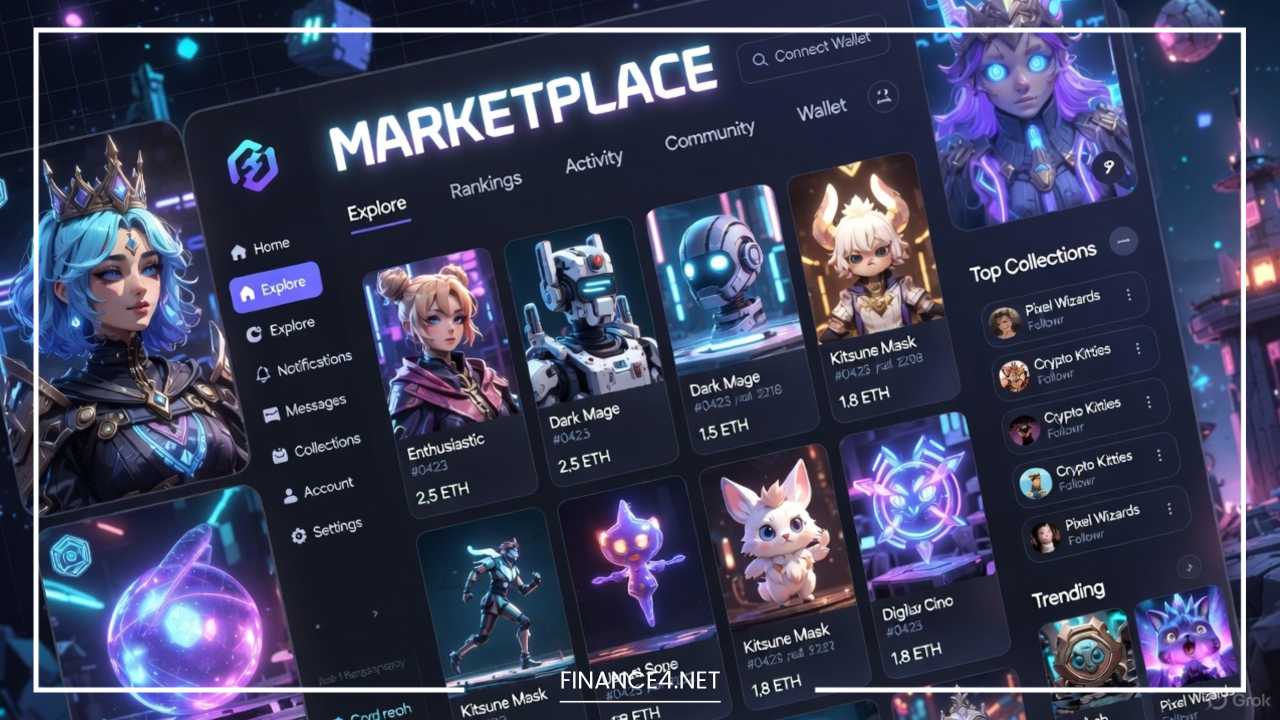
Top NFT Aggregator for Animators – Discover & Collect Digital Art
The convergence of animation and blockchain technology has fundamentally reshaped the landscape for digital artists. For decades, animators battled the issue of digital scarcity—the ease with which digital work could be copied and distributed freely, often undermining the concept of original ownership. Non-Fungible Tokens, or NFTs, solved this problem by providing a verified, immutable certificate of ownership for digital assets, including animated loops, short films, 3D models, and generative art. This innovation has democratized art sales, allowing creators to connect directly with a global audience and retain royalties on all future sales.
However, the rapid proliferation of NFTs led to a fragmented ecosystem. Hundreds of marketplaces sprung up across various blockchains (Ethereum, Solana, Polygon, etc.), making it difficult for animators to list their work efficiently and, more crucially, for collectors to find, compare, and purchase the best digital art seamlessly. This is where the NFT aggregator steps in. Aggregators are the essential discovery engine of the modern NFT space, centralizing listings from dozens of marketplaces into one unified interface. For animators, these platforms are no longer a luxury but a vital tool for maximizing visibility, understanding market trends, and ultimately, earning a sustainable income from their passion.
What is an NFT Aggregator?
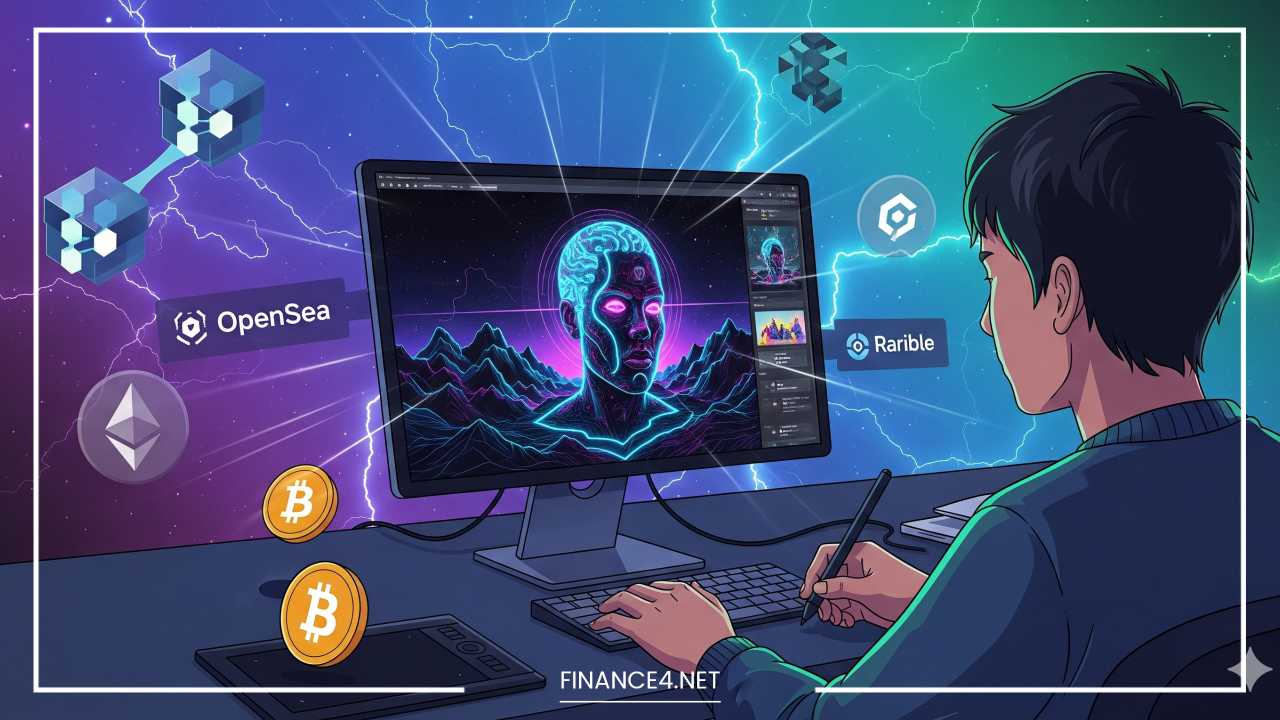
An NFT aggregator is a sophisticated platform designed to solve the problem of market fragmentation. In simple terms, it acts as a comparison shopping engine for the entire NFT ecosystem. Instead of navigating individual marketplaces like OpenSea, Rarible, or LooksRare one by one, a user can access a single dashboard that displays NFT listings, floor prices, and sales data pulled from all integrated marketplaces.
Definition and Purpose
The primary purpose of an aggregator is to provide efficiency, price discovery, and enhanced liquidity. By utilizing APIs (Application Programming Interfaces) to pull real-time data from various platforms, an aggregator gives collectors a holistic view of the market. This unified access allows for powerful functionalities, such as:
-
Real-time Price Comparison: Instantly see the lowest available price (the “floor price”) for a specific animated collection across multiple marketplaces.
-
Bulk Buying (Sweeping): A collector can purchase multiple NFTs from a single collection that are listed on different marketplaces, all in one single transaction, saving time and potentially reducing transaction costs.
-
Unified Searching: Advanced filtering and searching tools allow users to find specific animated NFTs across all aggregated markets using a single set of criteria (e.g., chain, price, rarity traits).
How it Differs from a Regular NFT Marketplace
The key distinction lies in the role each platform plays in the transaction process.
| Feature | NFT Marketplace (e.g., SuperRare) | NFT Aggregator (e.g., Blur, integrated tools on Magic Eden) |
| Primary Role | To host, mint, and sell its own original listings. | To pull and display listings from other marketplaces. |
| Listing Creation | Allows creators to directly mint their NFTs on the platform. | Does not host or mint; it only links to existing listings. |
| Scope of Inventory | Limited to NFTs created or listed on that specific platform. | Comprehensive, encompassing listings from dozens of external marketplaces. |
| Best For | Artists creating and selling new NFTs; collectors seeking curated work. | Collectors and traders seeking the best deal, market-wide analytics, and speed. |
For animators, understanding this difference is crucial. You still mint your work on a core marketplace (like OpenSea or Rarible), but an aggregator is the tool that ensures your newly minted work is seen by the largest pool of serious buyers who are actively searching for the best deal in real-time.
Why Animators Should Use NFT Aggregators
The art world thrives on visibility, and in the sprawling digital realm of NFTs, visibility is the most valuable currency. For animators, whose work often involves complex, visually rich files, getting noticed requires more than just a listing—it requires strategic market access, which aggregators provide.
Exposure to a Global Audience
NFTs are inherently global, but aggregators turbocharge this reach. By listing your animated work, which may be on a niche marketplace, the aggregator places it in front of the massive user base of high-volume traders and dedicated collectors who prioritize a centralized discovery platform. This means your unique 1/1 animated short film is displayed alongside the biggest PFP (Profile-For-Picture) projects, maximizing organic discovery by a broader, more diverse audience.
Easy Access to Trending and Niche NFTs
Animators are often collectors and collaborators themselves. Aggregators offer sophisticated dashboards and filtering that allow you to quickly:
-
Identify Market Trends: See which animation styles, collections, or utility-focused NFTs are trending and what the market is willing to pay. This data is invaluable for informing your own creation strategy.
-
Find Collaboration Opportunities: Easily search for creators on specific chains or in particular niches to find partners for joint NFT drops, expanding your artistic network and collector base.
-
Acquire Assets for Metaverse Projects: As the Metaverse expands, animators can use aggregators to efficiently purchase 3D models, wearables, or virtual land from various markets to build their virtual studios or environments.
Tools for Managing Collections and Pricing
Aggregators often feature advanced portfolio and analytics tools that far exceed what individual marketplaces offer. Animators can track:
-
Royalty Earnings: Monitor secondary market sales of their NFTs across all major platforms.
-
Pricing Strategy: Use real-time price comparisons to list their work competitively, preventing “undercutting” by other artists, or identifying arbitrage opportunities if they hold NFTs from other collections.
-
Wallet Health: Get a comprehensive overview of all their digital assets, across all supported blockchains, from a single dashboard.
Example of Real-World Success Stories
While specific platform success is often anecdotal, the principles hold true. For instance, the generative animation community, whose work often relies on highly detailed, randomized traits, heavily benefits from rarity-ranking and advanced filtering tools offered by aggregators. A collector searching an aggregator for the rarest trait combination on a newly launched animated PFP project is far more likely to find a listing than one manually refreshing multiple marketplace pages, leading to a faster and potentially higher-value sale for the animator.
Key Features to Look for in an NFT Aggregator
Not all aggregators are created equal. Animators, whose work relies on visual fidelity and sometimes unique utility, should prioritize platforms with specific features that cater to their medium and business needs.
User-Friendly Interface and Visual Display
Animated NFTs, whether they are frame-by-frame loops or complex 3D renders, need to be viewed in high definition. A top aggregator must have a clean, fast-loading interface that handles the visualization of high-fidelity video and GIF files without lag. Look for platforms that allow for:
-
Seamless Playback: Animations should play directly within the listing card.
-
Metadata Clarity: Clear display of file format, frame rate, and resolution, which are critical details for serious collectors.
Multi-Chain Support
The initial dominance of Ethereum has evolved into a multi-chain reality. An animator should seek an aggregator that supports the blockchains where their work is minted:
-
Ethereum (ETH): Essential for high-value, primary sales, and established collections.
-
Solana (SOL): Known for its speed and significantly lower gas fees, ideal for larger volume collections and more affordable pieces.
-
Polygon (MATIC): A popular Ethereum Layer 2 solution for gas-free or ultra-low-cost transactions, perfect for community-driven drops or smaller editions.
-
Other EVM-compatible chains (Arbitrum, Optimism): Increasing in importance for creators looking to minimize costs.
A platform with strong multi-chain aggregation allows the animator to mint efficiently on their preferred chain while still ensuring market-wide exposure.
Advanced Search and Filtering
This is the core strength of an aggregator. Animators should look for:
-
Rarity Filtering: The ability to sort listings based on their statistical rarity within a collection. This is a crucial feature for generative art sales.
-
Media Type Filtering: Filters specifically for “Animation,” “Video,” “3D Model,” or “Motion Graphics” that allow targeted discovery by collectors.
-
Price and Volume Metrics: Detailed charts and graphs that go beyond simple floor price, including sales history, volume, and depth of the order book.
Portfolio and Analytics Tools
Professional animators need to manage their digital assets as a business. Key tools include:
-
Historical Data: Access to past sales data to inform future pricing and drop times.
-
Profit & Loss (P&L) Tracking: Tools that help artists track their revenue, factoring in original minting costs, gas fees, and secondary royalties.
-
Watchlists and Alerts: The ability to set up notifications for when a competitor lists a new animation, or when a collector makes an offer on one of their own pieces.
Integration with Wallets and Marketplaces
The platform should support a wide range of popular wallets (e.g., MetaMask, Phantom, Coinbase Wallet) and have deep integration with all major marketplaces to ensure the most comprehensive and secure listing aggregation possible.
Community Features (Forums, Collaborations)
While not a core function, some aggregators foster community through decentralized autonomous organization (DAO) governance or dedicated forums. This allows animators to engage directly with collectors and influence the platform’s future development.
Top NFT Aggregators for Animators
While “aggregator” is a specific term, many leading marketplaces now incorporate aggregation features to remain competitive. Below are key platforms, categorized by their primary function and best use case for animators, keeping in mind the most current market structure.
1. OpenSea (The Industry Standard)
-
Description: OpenSea is the largest, oldest, and most versatile NFT marketplace. While primarily a marketplace, its massive volume and multi-chain support mean it acts as a de facto aggregator simply by holding the bulk of the market’s listings and liquidity.
-
Pros:
-
Largest User Base: Maximum visibility for animated works.
-
Multi-Chain: Supports Ethereum, Polygon, Solana, Klaytn, and more, offering flexibility in minting cost.
-
User-Friendly Interface: The most beginner-friendly platform for initial minting and simple listing.
-
-
Cons:
-
Lower Rarity Tools: Less specialized in professional trading analytics compared to pure aggregators.
-
Transaction Fee: Charges a 2.5% fee on every transaction.
-
-
Best Use Case for Animators: Ideal for beginners looking to make their first mint and for high-volume collections leveraging Polygon or Solana for low-fee transactions.
2. Blur (The Professional Trader’s Aggregator)
-
Description: Blur is an open-source, Ethereum-based NFT marketplace and aggregator that is built specifically for professional traders and high-volume users. It aggressively pulls listings from OpenSea, LooksRare, and others.
-
Pros:
-
Speed and Efficiency: Optimized for fast-paced bulk buying (“sweeping”) and listing.
-
Advanced Analytics: Professional-grade dashboard with real-time analytics, rarity ranking, and portfolio management tools.
-
High Liquidity: Dominates the trading volume on Ethereum, ensuring your work is seen by the most active buyers.
-
-
Cons:
-
Steep Learning Curve: The interface is focused on trading efficiency, not artistic display, making it less intuitive for casual users.
-
Ethereum Focus: Primarily built around the Ethereum ecosystem, though it is expanding.
-
-
Best Use Case for Animators: Essential for established artists with high-value collections or generative artists who require real-time rarity and order book data for strategic drops.
3. Magic Eden (The Multi-Chain Powerhouse)
-
Description: Originally Solana’s largest marketplace, Magic Eden has aggressively expanded to become a true multi-chain platform supporting Ethereum, Polygon, and Bitcoin Ordinals. It provides aggregation and launchpad services, often linking to external listings.
-
Pros:
-
Solana Bridge: Offers the benefits of low-fee transactions and high speed on the Solana chain, perfect for complex, high-frame-rate animations.
-
Launchpad Feature: A curated system that helps artists mint and market new collections effectively.
-
Curated Quality: Known for curating collections, which can boost discoverability for quality animated work.
-
-
Cons:
-
Less Ethereum Dominance: While expanding, its primary reputation is rooted in the Solana ecosystem.
-
-
Best Use Case for Animators: Excellent for 3D and high-fidelity animators who need the low fees of Solana or Polygon to handle large file sizes and complex renders without incurring huge gas costs.
4. SuperRare (The Premium, Curated Gallery)
-
Description: SuperRare is not an aggregator in the traditional sense, but its hyper-curated, exclusive approach to 1/1 digital art sets the price ceiling for many artists. It is an artist-focused marketplace where all pieces are vetted, making it a critical reference point for the high-end animation market.
-
Pros:
-
Prestige and Exclusivity: Acceptance onto the platform elevates an animator’s brand and pricing potential.
-
Artist-Focused Model: Emphasizes uniqueness, provenance, and storytelling, which is ideal for unique animated short films.
-
Guaranteed Royalties: Ensures artists receive secondary royalties.
-
-
Cons:
-
Extremely Selective: Difficult to get accepted, limiting access to only a small fraction of the animation community.
-
Higher Fees: Generally features a higher commission structure (e.g., 15% on primary sales).
-
-
Best Use Case for Animators: The elite or established 1/1 artist whose work is considered museum-quality and can command a high price point.
5. Rarible (The Community-Driven Platform)
-
Description: Rarible is a creator-centric, multi-chain marketplace that offers both a marketplace and a growing set of aggregation-like features through its user interface. It focuses on empowering creators with a native governance token ($RARI).
-
Pros:
-
Community Governance: Token holders can vote on platform decisions, giving artists a voice.
-
Multi-Chain Support: Supports Ethereum, Polygon, Tezos, and Flow.
-
Easy Minting: Offers a straightforward no-code minting process.
-
-
Cons:
-
Less Volume: Market volume is generally lower than OpenSea or Blur.
-
-
Best Use Case for Animators: Suitable for independent creators prioritizing community involvement and those using less common chains like Flow or Tezos.
How to Get Started as an Animator on NFT Aggregators
Aggregators are a final-stage tool; the beginning of your journey starts with a solid foundation.
Creating a Digital Wallet
Your wallet is your identity, bank, and access key to the NFT world.
-
Ethereum/EVM Chains (OpenSea, Blur, Rarible): MetaMask is the most popular choice, acting as a browser extension that securely manages your funds and signs transactions.
-
Solana (Magic Eden): Phantom is the leading wallet, renowned for its excellent UI and seamless integration with the Solana ecosystem.
Once set up, you must fund your wallet with the native cryptocurrency of the network (ETH for Ethereum, SOL for Solana) to cover transaction fees (gas) and initial costs.
Minting Animated NFTs
Minting is the process of publishing your digital file to the blockchain as an NFT. You generally do this on a core marketplace like OpenSea or Rarible.
-
Preparation: Export your animation as a high-resolution file (e.g., MP4, GIF, WebM) that meets the marketplace’s size limits (typically up to 100MB).
-
Choosing a Contract: Select the smart contract standard. ERC-721 is the standard for unique 1/1 pieces, while ERC-1155 is used for limited-edition pieces (e.g., 10 editions of the same animation).
-
Lazy Minting vs. Upfront Minting:
-
Lazy Minting (OpenSea/Mintable): The NFT is listed without being formally published to the blockchain until it is purchased. The buyer pays the gas fee, saving the animator upfront costs.
-
Upfront Minting (SuperRare/Ethereum Standard): The animator pays the gas fee immediately to officially record the NFT on the chain. This is generally preferred for high-value art as it confirms provenance immediately.
-
Uploading and Categorizing Your Work
When listing your NFT, the metadata you provide is what aggregators read to categorize your art:
-
Collection Naming: Create a distinct, memorable collection name.
-
Rarity Traits: For generative animation, carefully define the traits (e.g., “Background Color,” “Character Type,” “Animation Speed”) to enable proper rarity filtering on aggregators.
-
Description and Storytelling: A compelling story behind the animation drastically increases its appeal to collectors.
Pricing Strategies: Fixed vs. Auction
Aggregators display all available pricing models, so choose wisely:
-
Fixed Price (Buy Now): Best for editions or high-volume collections. Set a competitive floor price based on aggregator data.
-
Timed Auction: Ideal for 1/1 prestige pieces. A short auction can drive competitive bidding and often results in a higher final sale price.
-
Accepting Offers: Use the aggregator’s portfolio tool to manage offers from multiple marketplaces, providing a centralized view for negotiation.
Promoting Your NFTs
Even the best aggregator can’t replace marketing. Promotion is essential:
-
Social Media: Twitter (X) and Discord are the primary hubs. Use compelling GIFs and a clear link to your aggregator listing.
-
Community Engagement: Join NFT communities on Discord, share your work, and engage with collectors and other artists.
-
Collaborations: Launch joint drops with other established artists, instantly leveraging their collector base and exposing your work to a new audience.
Tips for Animators to Maximize NFT Sales
Success in the NFT space requires a strategic blend of artistic quality and market savviness.
Creating Unique, High-Quality Animations
-
High Resolution and Frame Rate: Your work should maximize the viewing experience. Higher fidelity (e.g., 4K resolution, 60fps) signals quality and dedication to the craft.
-
Utility Integration: Integrate utility into your animated NFT. This could be giving holders commercial rights, access to future drops (airdrops), or a vote in a community DAO. Utility drives value and long-term holding.
-
Engaging Storytelling with Your Art: An NFT is more than a file—it’s a piece of history. Use your description to explain your creative process, the narrative behind the piece, and why it is special.
Timing Drops and Using Social Media Effectively
-
Strategic Drops: Research market activity on the aggregator. Avoid dropping when a major, heavily-hyped collection is launching. Use aggregator trend data to identify low-competition times.
-
Teasers and Hype: Use social media to tease a new animation for weeks before the drop, building anticipation and getting collectors to add your pieces to their aggregator watchlists.
-
Exclusive Content: Offer exclusive sneak peeks or a private minting link to your most engaged community members.
Understanding Royalties and Smart Contracts
The ability to earn royalties on secondary sales is a landmark feature for animators.
-
Set Clear Royalties: Most artists set royalties between 5% and 10%. Ensure your smart contract (or the marketplace’s minting tool) clearly sets this percentage.
-
Enforcement: While the ability of marketplaces to enforce royalties varies, listing on aggregators that support and prioritize royalty enforcement (like Blur or certain OpenSea settings) is critical.
Challenges and Considerations
The NFT space is highly dynamic and comes with distinct challenges that animators must navigate.
Market Volatility and Trends
The value of NFTs is highly speculative. Market trends can shift weekly, making yesterday’s successful style obsolete today. Animators must:
-
Avoid Over-saturation: Resist the urge to mint low-effort work simply to chase a trend.
-
Be Patient: Sales can be slow, and a strong market presence requires consistent high-quality output, not just one big drop.
High Gas Fees (Ethereum)
Gas fees are the cost of a transaction on the Ethereum network. While Layer 2 solutions like Polygon and aggregators that allow for bulk buying can mitigate this, animators must be aware of the costs:
-
Timing: If minting on Ethereum, choose off-peak hours (e.g., late night in the U.S.) when network traffic and gas prices are lower.
-
Lazy Minting: Utilize lazy minting features on platforms like OpenSea to shift the gas cost to the buyer.
Intellectual Property and Copyright Concerns
-
Ownership vs. IP: When a collector buys an NFT, they are buying the token of ownership, not necessarily the full copyright or Intellectual Property (IP) of the animation itself.
-
Smart Contract Clarity: Clearly define the rights the buyer receives in the smart contract or the NFT description (e.g., commercial rights, personal display rights). Lack of clarity can lead to legal issues down the line.
Overcoming Discoverability Issues
Despite aggregators, the market is crowded. Animators must employ strategies beyond just listing:
-
Verified Status: Achieve verified status on major marketplaces and aggregators, which is often a filter collectors use.
-
Cross-Promotion: Engage in strategic cross-chain or cross-platform promotions with other artists to break out of your niche.
Future of NFT Aggregators for Animators
The next phase of Web3 promises even deeper integration of NFTs, further solidifying the role of the aggregator as the universal portal.
Emerging Trends in Animation NFTs
-
Interactive and Dynamic NFTs: Animations that can change based on external data (e.g., weather, time of day, blockchain transactions) will require sophisticated aggregation tools to display their current, dynamic state.
-
Fully Animated Avatars: The demand for high-quality, interoperable 3D and 2D animated avatars for the Metaverse will drive a need for specialized aggregators that can filter based on avatar rig compatibility and utility.
AI and Generative Art Integration
Artificial Intelligence (AI) is already being used to assist in the creation of generative art, including animation. Future aggregators will likely integrate AI-powered tools that:
-
Value Assessment: Use machine learning to analyze the visual complexity of an animation and suggest a fair market value.
-
Enhanced Rarity Ranking: Utilize AI to identify and rank rarity based on visual features and artistic composition, not just metadata.
Cross-Platform and Metaverse Opportunities
NFTs are becoming the core assets of virtual worlds. Aggregators will evolve into a cross-platform inventory management tool for virtual goods:
-
Metaverse-Native Display: Animators’ 3D models and animated wearables will be displayed directly within a user’s virtual gallery or Metaverse inventory, all fed by the aggregator’s data.
-
Seamless Interoperability: Aggregators will connect listings from virtual worlds like Decentraland and The Sandbox, creating a single marketplace for all digital-world assets, making it easier for animators to sell assets for games and virtual environments.
The Potential for Wider Adoption and Monetization
As institutional interest grows and user experience simplifies, aggregators will facilitate mass adoption by providing:
-
Fiat On-Ramps: Easier paths for traditional collectors to purchase NFTs using credit cards, dramatically increasing the animator’s potential buyer pool.
-
Regulated Market Access: Providing a clear, compliant, and secure interface for institutional buyers, thereby unlocking a new tier of high-value art sales for animators.
Final Thoughts
The NFT aggregator is the essential tool for any animator serious about making a sustainable living in the Web3 space. It transforms a fragmented market into a powerful, centralized discovery engine, putting your work in front of the most active and motivated collectors. It provides the analytics necessary to price your creations competitively, the speed to capitalize on market opportunities, and the universal exposure required to succeed in a crowded digital gallery.
NFTs have given animators ownership and a direct revenue stream; the aggregator gives them scalability and visibility.
Start your journey today: research the best marketplace for your specific art style and budget, fund your wallet, and utilize the power of a top-tier aggregator—be it the bulk-buying efficiency of Blur, the broad market reach of OpenSea, or the multi-chain prowess of Magic Eden—to ensure your animated masterpiece gets the audience it deserves.
The future of animation is digital, decentralized, and discovered via aggregation. Start minting, join the community, and let the aggregators work for you.