Top NFT Music Platforms
 by
by 
Top NFT Music Platforms Compared: Where to Buy & Sell Music NFTs
The Rise of Music NFTs
The traditional music industry has long been defined by centralized gatekeepers, multi-layered distribution pipelines, and complex royalty clearance networks that route a significant majority of revenue away from actual music creators. Under conventional digital streaming models, independent recording artists often require millions of user streams each month merely to cross basic financial thresholds. Digital service providers pay small fractions of a cent per stream, while record labels, publishers, aggregators, and performing rights organizations take large cuts before any funds reach the artist.
Non-fungible token technology presents an alternative economic architecture for music distribution, monetization, and direct community engagement. Built on decentralized cryptographic ledgers, music NFTs allow recording artists, producers, and song authors to convert audio recordings, full-length LP pressings, stems, visual cover art, and fan experiences into unique, programmable digital assets. These digital assets are issued directly onto public blockchains, where ownership, provenance, and secondary market trading parameters are immutably recorded.
For independent musicians, this technological transition represents a shift toward financial self-sovereignty. Rather than relying exclusively on mass streaming volume, creators can establish sustainable micro-economies centered on digital scarcity and direct fan support. A dedicated community of one hundred super-fans collecting limited-edition digital pressings can generate higher net revenue for an artist than hundreds of thousands of passive algorithm-driven streams.
For collectors, music fans, and digital art enthusiasts, music NFTs offer verified proof of digital ownership, direct access to creators, and unique opportunities to participate in an artist’s career trajectory. Unlike traditional digital audio files or streaming subscriptions—where users merely acquire a non-transferable license to stream audio hosted on a centralized server—a music NFT combines cryptographically verified ownership with smart contract logic.
Selecting the proper marketplace is a crucial strategic decision for both creators launching primary drops and collectors building digital audio portfolios. Platforms vary widely in their underlying blockchain architectures, media playback tools, user interface designs, minting mechanics, transaction fees, and creator royalty enforcement standards. This guide provides a detailed comparative evaluation of top NFT music platforms, equipping musicians and collectors with the insights required to navigate the emerging web3 audio ecosystem.
What Are Music NFTs and How Do They Work?
To evaluate top NFT music platforms effectively, it is essential to establish a clear technical foundation of what a music NFT represents and how underlying blockchain systems manage digital assets.
At its most fundamental level, a music NFT is a unique cryptographic token deployed on a blockchain network through a specialized smart contract. The token itself acts as a digital certificate of authenticity and ownership, containing pointer metadata that links the on-chain asset to off-chain media files, including uncompressed audio, artwork, video content, and descriptive metadata.
Token Creation -> Smart Contract Deployment -> Decentralized File Storage (IPFS/Arweave) -> On-Chain Ownership Verification
Types of Music NFTs
The versatility of smart contract programming allows creators to structure music NFTs in various formats depending on their artistic goals and audience preferences:
-
1-of-1 Audio Master Editions: Unique, single-edition tokens representing the ultimate digital collectible of a track or album. These are often auctioned off to high-tier collectors and may include exclusive master rights, physical unreleased vinyl, or lifetime VIP concert access.
-
Limited Edition Audio Pressings: Fixed-supply digital drops (such as 10, 50, or 500 copies) of a single track or album offered at a fixed price. These operate similarly to physical limited vinyl runs, creating verifiable scarcity while remaining accessible to a broader fanbase.
-
Open Edition Drops: Minting events where an unlimited number of identical tokens can be minted within a constrained timeframe (such as 24 or 48 hours). This format prioritizes widespread distribution and accessible community onboarding over strict scarcity.
-
Audio Stems and Producer Packs: Multi-token releases where individual musical components—such as isolated vocal tracks, drum stems, basslines, or synthesizer layers—are sold as separate tokens. These allow remixers, DJs, and fellow producers to acquire authorized audio components for creative usage.
-
Access Keys and Community Utility Tokens: Tokens that serve primarily as membership passes, granting holders access to private Discord channels, unreleased demo listening sessions, direct messaging privileges with the artist, or priority booking for physical tour tickets.
-
Royalty-Bearing Music Tokens: Advanced smart contract implementations where token holders acquire a legal or contractual right to receive a proportional percentage of streaming royalties, sync licensing revenue, or master publishing payouts generated off-chain.
Blockchain Networks, Wallets, and Smart Contracts
The execution of a music NFT relies on three core technological components:
-
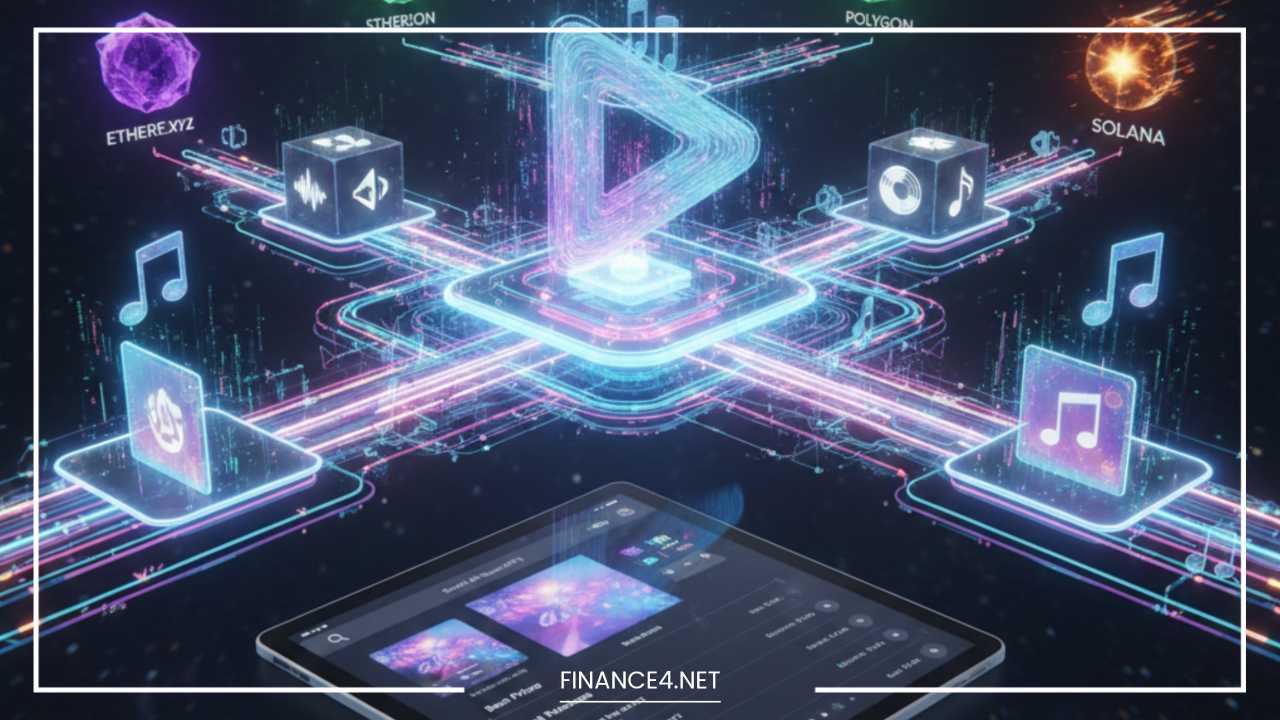
Public Blockchains: The underlying distributed ledgers that process transactions, secure ownership records, and execute smart contract code. Major networks used for music NFTs include Ethereum, Polygon, Solana, Base, Tezos, and Flow.
-
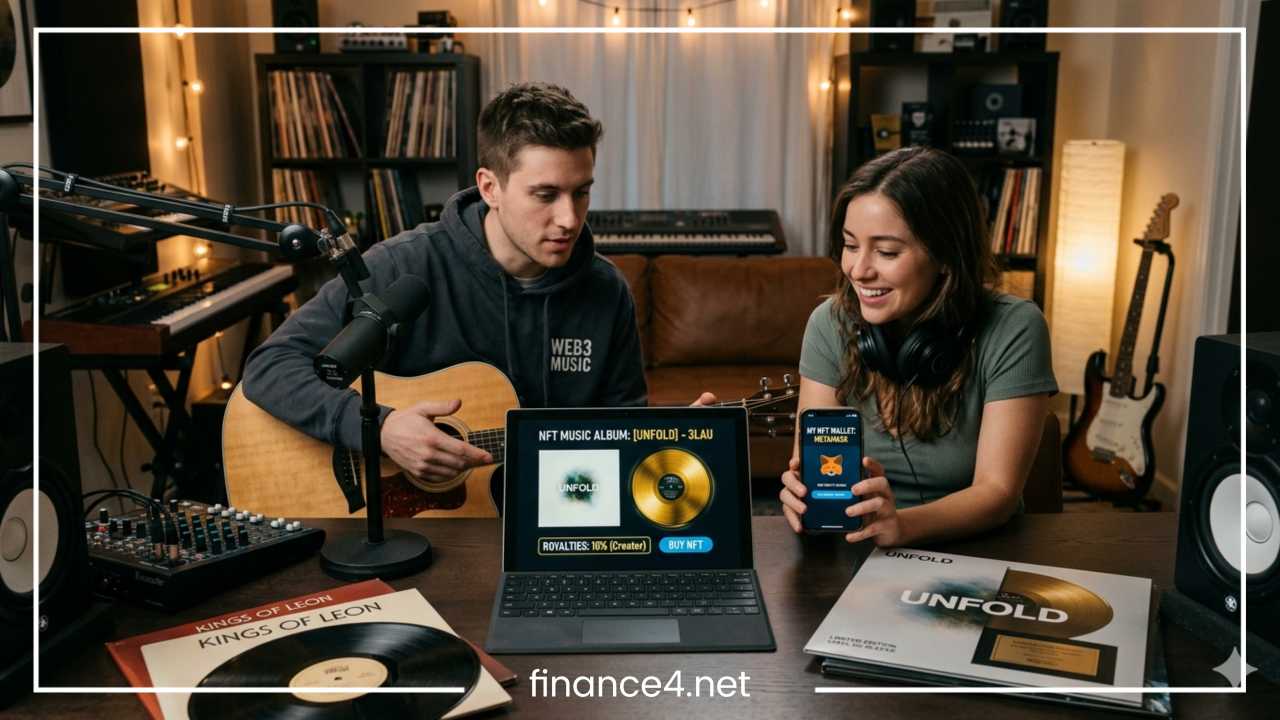
Digital Wallets: Self-custody software or hardware tools (such as MetaMask, Phantom, or Coinbase Wallet) that store cryptographic keys, allowing users to sign transactions, manage digital assets, and authenticate their identities across marketplace platforms.
-
Smart Contracts: Self-executing code deployed on the blockchain that governs token creation, transferability, secondary sales royalties, and access restrictions. Common token standards include Ethereum’s ERC-721 (for unique 1-of-1 assets) and ERC-1155 (for multi-edition semi-fungible drops).
Token Ownership vs. Copyright Ownership
A critical distinction that every artist and collector must understand before entering the web3 music space is the difference between owning a cryptographic token and holding the underlying intellectual property rights of the sound recording:
-
Token Ownership: Purchasing a standard music NFT gives the buyer cryptographically verified ownership of that specific token and the associated media download. This is legally equivalent to buying a physical CD or limited-edition vinyl record. The buyer has the right to listen to the audio, display the asset in digital galleries, and resell the token on secondary marketplaces.
-
Copyright Ownership: Owning a standard music NFT does not automatically convey copyright ownership, master recording rights, publishing rights, or public performance rights. Unless the artist explicitly executes a legal contract transferring copyright or streaming revenue shares to the token holder, all intellectual property remains fully retained by the song authors and recording rights holders.
What to Look for in a Music NFT Platform
Selecting a music NFT platform requires balancing creator-side tools against collector-side user experience. Because the market features both broad generalist marketplaces and specialized music-native platforms, users must evaluate services across key operational criteria.
Music-Specific Media Features and Native Playback
Dedicated audio presentation is crucial for music assets. General NFT marketplaces historically focused on static visual art or profile picture collections, treating audio as a secondary attachment hidden behind a thumbnail image. In contrast, top NFT music platforms integrate native high-fidelity web audio players, full-screen waveform displays, lyrics integration, continuous background playback, and playlist curation tools.
Minting, Listing, and Network Gas Fees
The economic viability of a music drop is heavily influenced by underlying transaction costs:
-
Minting Fees: The cost associated with writing new smart contract data to the blockchain. Some platforms offer lazy minting, which defers on-chain token creation until the moment a buyer completes a purchase, eliminating upfront costs for artists.
-
Marketplace Commissions: Platform service fees charged on primary sales and secondary market trades, typically ranging between 1.5% and 10%.
-
Network Gas Fees: Execution costs paid directly to blockchain validators. High gas costs on congested networks like Ethereum mainnet can render low-cost edition drops financially impractical, driving creators toward efficient layer-2 solutions like Polygon and Base, or fast layer-1 networks like Solana.
Creator Royalty Recourse and Secondary Market Controls
Secondary market royalties are automated payments routed to the original creator whenever a token is resold between collectors. Platform support for royalties varies:
-
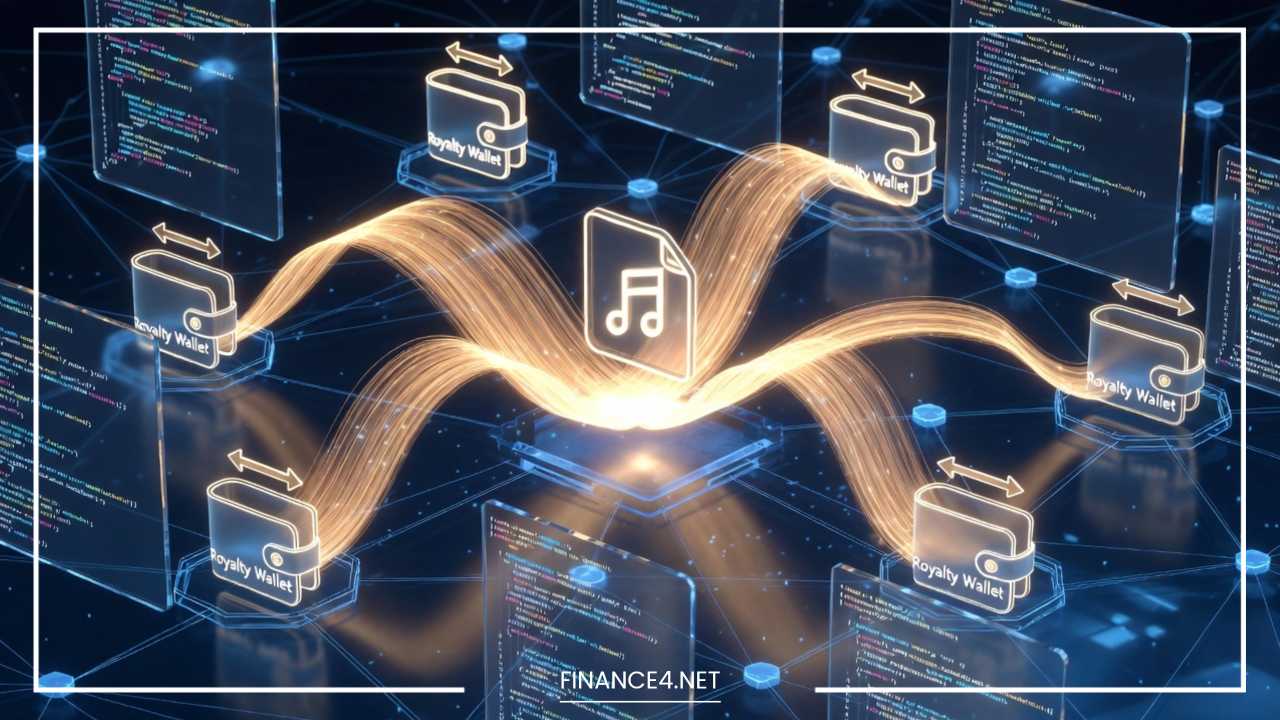
On-Chain Contract Royalties: Smart contracts with built-in royalty mechanisms that automatically split secondary sale proceeds and deliver them directly to creator wallet addresses.
-
Platform-Enforced Royalties: Marketplaces that respect creator-defined royalty percentages (typically 5% to 10%) at the application layer, ensuring artists continue to monetize resale volume.
Audience Reach, Curation, and Discoverability
Platforms differ significantly in how they curate content and attract audiences:
-
Open Marketplaces: Anyone can connect a wallet and list an audio file immediately. This maximizes creative access but creates discoverability challenges, as high-quality music can get buried under high volumes of unrelated digital collectibles.
-
Curated Platforms: Platforms that utilize formal application procedures, community voting, or internal editorial boards to select participating artists. Curation elevates artistic credibility and attracts dedicated collectors, but establishes barrier-to-entry friction for rising independent musicians.
Top NFT Music Platforms Compared
Below is a comparative overview summarizing top marketplace options across vital operational metrics.
| Platform | Best For | Music Support | Blockchains Supported | Minting & Listing Costs | Marketplace Commissions | Royalty Enforcement | Primary Limitations |
| OpenSea | Broad discoverability & multi-chain secondary trading | General media player attached to cover art | Ethereum, Polygon, Solana, Arbitrum, Base | Standard gas fees apply; supports lazy minting options | Standard platform fee model | Enforced via creator royalty standards | Lacks native music discovery and continuous audio playback |
| Rarible | Multi-chain creators seeking custom community rules | Basic audio preview with visual focus | Ethereum, Polygon, Tezos, Flow, Immutable | Lazy minting available to bypass upfront gas costs | Variable commission structure | Supported via custom collection settings | Music assets easily buried under general digital art collections |
| Magic Eden | High-speed, low-cost multi-edition drops | Media player oriented around visual artwork | Solana, Ethereum, Polygon, Bitcoin | Minimal network gas costs on Solana releases | Low competitive fee model | Enforced via ecosystem creator standards | Minimal dedicated music curation or continuous listening tools |
| Sound.xyz | Web3-native music drops & listening communities | Full native audio player, lyrics, comments, charts | Ethereum, Base, Optimism | Low layer-2 gas options available for creators | Protocol-level primary sale fee structure | Programmed directly into custom smart contracts | Market activity tied strictly to dedicated web3 music audience |
| SuperRare | Exclusive 1-of-1 audiovisual art drops | Fine-art gallery style audio presentation | Ethereum | Standard Ethereum mainnet gas execution costs | Curated platform gallery fee structure | Fixed primary and secondary artist royalty splits | Strict application process with high barrier to entry |
OpenSea
OpenSea is one of the largest generalist digital asset marketplaces in the web3 ecosystem. While its primary volume stems from profile pictures, digital art, and virtual land, it hosts a vast library of music-related tokens, album drops, and event passes.
Creator and Collector Workflow
OpenSea offers a versatile multi-chain environment supporting Ethereum, Polygon, Arbitrum, Base, and Solana. Musicians can establish custom storefronts or collections, uploading WAV, MP3, or OGG audio files alongside high-resolution cover artwork and unlockable content packages. Unlockable content can include private download links for uncompressed audio stems, concert tickets, discount codes for physical merchandise, or direct contact details for fan rewards.
Economic Structure and Fees
OpenSea charges a standard service fee on completed trades. Creators can configure secondary sale royalty preferences during collection setup. By deploying on layer-2 networks like Polygon or Base, artists can eliminate steep gas overheads for primary buyers, making low-cost edition drops feasible.
Platform Strengths and Weaknesses
OpenSea provides creator exposure due to its massive active user base and robust secondary market liquidity. Collectors benefit from deep filtering parameters, wallet support, and trading analytics. However, because OpenSea serves all digital asset categories, its music discovery tools remain rudimentary. There are no native playlist engines, charts, or continuous audio players, requiring artists to drive external traffic from social channels to convert sales.
Rarible
Rarible is a community-centric, multi-chain NFT marketplace governed by a decentralized architecture. It offers flexible creator tools designed to give artists granular control over their token deployments and community engagement models.
Multi-Chain Architecture and Minting Options
Rarible operates across multiple blockchain networks, including Ethereum, Polygon, Tezos, and Flow. A key feature for independent recording artists is Rarible’s integrated lazy minting workflow. Lazy minting allows musicians to upload and list audio tracks without paying upfront gas fees to deploy data onto the blockchain. The token is minted on-chain only when a collector purchases the item, with the buyer covering the initial gas cost.
Creator Features and Governance
Rarible supports custom royalty fees set directly by creators during the minting process, ensuring artists earn a percentage of secondary resales. Additionally, creators can structure custom unlockable files, granting token holders access to exclusive stems, instrumentals, or private community groups.
Platform Limitations
Despite its flexible creator tooling, Rarible is primarily oriented around visual art and digital collectibles. Audio files are displayed alongside visual assets without dedicated music charts or stream-to-earn features, meaning musicians must rely on self-driven marketing to gain visibility.
Magic Eden
Originally established as the dominant digital asset marketplace on the Solana blockchain, Magic Eden has expanded into a prominent multi-chain venue supporting Solana, Ethereum, Polygon, and Bitcoin assets.
Speed, Scalability, and Low Transaction Overhead
Magic Eden’s foundation on Solana offers substantial advantages for music creators targeting broad consumer fan bases. Solana processes thousands of transactions per second with average network fees costing fractions of a cent. This enables musicians to drop thousands of affordable digital pressings without subjecting fans to steep network gas fees.
Creator Launchpad and Collector Tools
Magic Eden features a structured Launchpad program designed to help creators execute primary drops with full technical support, secondary market listings, and automated whitelist management. The platform’s secondary trading interface is fast and offers high liquidity for multi-edition collectibles.
Suitability for Music Assets
While Magic Eden excels at high-volume digital collectibles and access passes, its native audio presentation features are basic. Audio tracks play within standard modal windows attached to primary artwork thumbnails. It is an ideal platform for musicians using NFTs as ticket passes, fan club memberships, or large edition collectibles, but less suited for artists seeking a dedicated listening platform experience.
Sound.xyz
Sound.xyz was constructed specifically to reimagine how music is released, discovered, and monetized in the web3 era, placing audio listening and artist-fan interaction at the core of its product design.
Native Listening Experience and Fan Engagement Features
Unlike generalist marketplaces, Sound.xyz functions as a full-featured web3 music streaming player and discovery portal. Every release features full-length uncompressed audio streaming, interactive waveform displays, embedded lyrics, and a unique listener commentary system. Collectors can leave timestamped comments directly on the audio waveform when purchasing a track edition, permanently enshrining their presence on the music player interface.
Smart Contract Architecture and Protocol Drops
Sound.xyz operates on custom smart contracts (Sound Protocol) deployed on fast, low-cost layer-2 networks such as Base and Optimism, as well as Ethereum mainnet. Releases are often structured as limited time-window drops or fixed edition runs. Primary sale revenue is delivered instantaneously to artist wallet addresses via smart contracts, eliminating traditional royalty accounting delays.
Platform Strengths and Limitations
Sound.xyz offers a tailored music-first environment, attracting a dedicated audience of active web3 music collectors and curating daily top-chart rankings. The platform provides strong community features and native playback. However, its overall reach is focused primarily within the web3 music community, requiring artists to actively convert traditional social media followers into web3 collectors.
SuperRare
SuperRare is a curated marketplace dedicated to single-edition (1-of-1) digital art and high-concept audiovisual works, operating on the Ethereum mainnet.
Curated Audiovisual Masterpieces
SuperRare operates as an exclusive digital gallery rather than an open public minting platform. Artists must submit formal applications and undergo review by the platform’s curation team or community council before receiving minting privileges. For established musicians or avant-garde sound designers producing rare 1-of-1 master releases, visual albums, or high-concept sound sculptures, SuperRare offers a prestigious presentation environment.
High-Value Auctions and Collector Dynamics
Releases on SuperRare are conducted through reserve auctions, timed bids, or direct offers, frequently commanding high sale prices from fine-art collectors. SuperRare enforces fixed creator splits on primary sales along with secondary royalties on all subsequent trades.
Key Trade-offs
SuperRare’s principal trade-off is its high barrier to entry and narrow artistic focus. Independent musicians seeking to launch accessible multi-edition single tracks or affordable fan passes cannot use SuperRare for volume drops. It remains reserved for high-value, single-edition audio-visual art installations.
How to Buy Music NFTs
Acquiring your first music NFT requires a few basic web3 setup steps. The process is straightforward once your digital wallet is configured and funded.
Setting Up a Web3 Wallet
To interact with decentralized marketplaces, you must establish a self-custody web3 wallet:
-
Select a Wallet: Choose a trusted browser extension or mobile wallet software. Use MetaMask or Coinbase Wallet for Ethereum and layer-2 networks (Polygon, Base, Optimism), or Phantom for Solana-based platforms.
-
Secure Your Recovery Phrase: During wallet setup, you will be generated a 12 or 24-word secret recovery phrase. Write this phrase down on paper and store it securely offline. Never share your recovery phrase with anyone or enter it on unverified websites.
Funding Your Wallet with Cryptocurrency
Marketplaces process purchases using native blockchain tokens:
-
Acquire Crypto: Purchase the relevant network currency (such as ETH for Ethereum/Base/Optimism, MATIC/POL for Polygon, or SOL for Solana) through a licensed cryptocurrency exchange.
-
Transfer to Wallet: Copy your public wallet receiving address and withdraw the purchased crypto from the exchange directly to your self-custody wallet.
Connecting and Purchasing on a Marketplace
Once your wallet is funded:
-
Navigate to the Platform: Visit the official website of your chosen music NFT marketplace and connect your wallet by approving the connection request.
-
Browse and Verify: Explore curated drops, music charts, or specific artist collections. Verify the authenticity of the release by checking the creator’s verified social profiles and official contract addresses to avoid counterfeit listings.
-
Execute the Transaction: For fixed-price drops, click “Buy Now” and approve the transaction details—including the item price and estimated network gas fee—inside your wallet popup. For auction listings, place your desired bid amount and approve the contract signature.
-
Access Your Media: Once the transaction is confirmed on-chain, the NFT will appear in your wallet inventory. You can stream the audio through the platform’s native player or download attached high-resolution audio files and unlockable perks.
How to Sell Music NFTs as an Artist
Launching a music NFT release requires structured preparation across technical setup, pricing strategy, and community coordination.
Phase 1: Asset Preparation and Legal Clearance
Before deploying smart contracts, ensure all creative components are complete and legally cleared:
-
Audio Optimization: Prepare uncompressed master audio files (WAV or 24-bit 48kHz FLAC) alongside web-optimized preview copies (320kbps MP3).
-
Visual Assets: Create high-resolution cover artwork or animated video loops (MP4 or GIF) optimized for digital display containers.
-
Rights Clearance: Ensure all vocal features, producer credits, session musician agreements, and sample clearances are fully executed. Minting unauthorized audio on a public blockchain can trigger copyright take-down notices and permanently damage your artistic reputation.
Phase 2: Selecting Supply Structure and Pricing Models
Choose a release format that aligns with your audience size and strategic goals:
-
1-of-1 Auction Model: Ideal for rare master recordings, visual album art, or drops bundled with unique real-world utility (e.g., private acoustic performances or lifetime VIP concert access).
-
Fixed Edition Size: Set a defined limit (e.g., 50 copies at 0.02 ETH each) to establish immediate scarcity and reward early collectors.
-
Open Edition Window: Set a fixed low price (e.g., 0.005 ETH) and leave the mint open for a limited duration (e.g., 24 hours) to maximize listener onboarding and build a broad collector base.
Phase 3: Smart Contract Configuration and Minting
When setting up your drop on a platform like Sound.xyz, OpenSea, or Rarible:
-
Upload Audio and Metadata: Input track titles, credits, lyrics, genre tags, and high-resolution media files.
-
Configure Royalties: Define your desired secondary sale royalty percentage (typically 5% to 10%) and set up split payment wallet addresses if revenue needs to be shared automatically between band members, producers, or vocalists.
-
Define Unlockables: Attach private utility packages, such as stem downloads, exclusive Discord roles, or concert ticket redemption codes.
Phase 4: Marketing, Distribution, and Collector Engagement
Web3 music releases succeed through direct community engagement:
-
Cultivate Direct Communication Channels: Build active communication channels on platforms like X, Discord, and Telegram to communicate directly with fans weeks before the drop.
-
Host Listening Parties: Organize live audio streaming sessions (such as X Spaces or Discord livestreams) to preview the music, discuss the creative process behind the project, and explain token utility to potential collectors.
-
Cross-Promote Web2 and Web3: Direct your traditional streaming listeners and social media followers to your web3 drop through clear educational guides and direct links.
Fees, Royalties, Risks, and Ownership Rights
Navigating the web3 audio ecosystem requires a transparent understanding of underlying platform economics, smart contract limitations, and digital security practices.
Comprehensive Fee Analysis
Every music NFT transaction involves operational costs distributed across multiple entities:
-
Marketplace Commission Fees: Platform service charges deducted from the primary sale price or added to secondary trades.
-
Network Gas Fees: Execution payments routed directly to blockchain network validators. Gas fluctuates based on network congestion. Deploying on layer-2 protocols (Base, Polygon, Optimism) or Solana minimizes gas overhead compared to Ethereum mainnet execution.
-
Payment Gateway Charges: Additional credit card processing fees incurred if collectors choose to purchase NFTs using fiat currency via credit or debit card integrations.
Secondary Sale Creator Royalties
Secondary royalties represent a key structural innovation for creators, allowing artists to earn passive income as their work appreciates in value and trades on secondary markets over time. When a collector resells a music NFT on a participating secondary marketplace, the smart contract or platform application routes a percentage of the purchase price directly back to the artist’s wallet address. While most music-native platforms enforce secondary royalties, creators should verify royalty enforcement policies on generalist marketplaces prior to listing collections.
Risk Considerations and Digital Security
Participants in the music NFT market should take proactive steps to mitigate operational risks:
-
Copyright Infringement and Impersonation: Unscrupulous actors may attempt to mint audio tracks they do not own. Collectors should verify artist identities through official verified social media links and contract addresses before buying.
-
Marketplace Illiquidity: Music NFTs are non-fungible niche assets. Unlike major liquid cryptocurrencies, reselling an audio token on the secondary market depends entirely on active collector demand and artist relevance.
-
Smart Contract Vulnerabilities and Phishing: Malicious websites and compromised social media accounts frequently attempt to trick users into signing dangerous wallet transactions. Always double-check marketplace domains, use hardware security wallets for high-value assets, and never reveal your secret seed phrase.
-
Centralized Media Storage Risks: If a platform stores media files on centralized servers, audio links can break if the service shuts down. Ensure your chosen platform stores audio metadata on decentralized storage networks like IPFS or Arweave to guarantee perpetual access.
Which Music NFT Platform Should You Choose?
Selecting the optimal marketplace depends on your specific goals, budget, technical expertise, and artistic scale.
Recommendations for Independent Musicians
-
For Low Upfront Costs: Use Rarible to leverage lazy minting workflows that eliminate upfront gas expenses, or deploy multi-edition drops on Magic Eden via Solana to provide fans with minimal transaction costs.
-
For Web3 Community & Chart Exposure: Choose Sound.xyz to access a dedicated ecosystem of active web3 music collectors, continuous streaming features, and native music chart visibility.
Recommendations for Established Artists and Fine Art Creators
-
For High-Value 1-of-1 Audiovisual Releases: Apply to SuperRare to position exclusive masterworks, visual albums, and fine-art sound installations in front of high-tier art collectors.
-
For Large Multi-Chain drops: Deploy custom smart contract collections on OpenSea utilizing layer-2 networks like Base or Polygon to combine high brand visibility with efficient trading mechanics.
Recommendations for Buyers and Collectors
-
For First-Time Audio Collectors: Start on Sound.xyz to enjoy full-length track previews, read community lyrics, leave timestamped comments, and discover emerging web3 artists through daily curated charts.
-
For Secondary Market Trading & Broad Portfolios: Utilize OpenSea and Magic Eden to access multi-chain secondary market listings, filter by price metrics, and manage diverse digital collectible inventories inside a single wallet interface.
Final Thoughts
Music NFTs offer a transformative path forward for recording artists and collectors alike, enabling direct financial relationships, transparent royalty routing, and authentic digital ownership. By carefully evaluating platforms based on media playback tools, underlying blockchain gas efficiency, royalty enforcement standards, and community reach, musicians and music fans can select the precise marketplace environment required to support their long-term digital audio goals.
Educational Visual Guides
For creators and collectors seeking visual demonstrations of how web3 music protocols, marketplace setups, and wallet connections operate in practice, the following video resources provide step-by-step walkthroughs.
These videos illustrate the practical mechanics of configuring self-custody wallets, uploading audio metadata to decentralized storage networks, and deploying smart contracts on top NFT music platforms.
Frequently Asked Questions
What are the best music NFT platforms for independent artists in 2026?
Independent artists looking to launch music NFTs without incurring heavy upfront costs often turn to platforms like Rarible, which supports lazy minting, or Magic Eden on the Solana blockchain for low transaction fees. For creators seeking a dedicated web3 music community, Sound.xyz offers native streaming players, timestamped comments, and music-first curation.
How do musicians make money from music NFTs?
Musicians generate revenue through primary sales of limited edition tracks, audio stems, albums, or access passes. Additionally, smart contracts on platforms like Sound.xyz and Rarible automatically enforce secondary market creator royalties (typically 5% to 10%), ensuring artists receive passive income whenever their music NFTs are resold between collectors.
Do buyers of music NFTs own the copyright to the song?
No. Purchasing a music NFT gives the collector cryptographic ownership of that specific digital token and the associated audio download, similar to owning a physical vinyl record. It does not convey master copyright, publishing rights, or sync licensing authority unless a formal legal agreement transferring those rights is explicitly attached to the smart contract.
What is the difference between primary and secondary markets for music NFTs?
The primary market refers to the initial sale where an artist drops their music NFT directly to fans and collectors. The secondary market involves subsequent peer-to-peer trading, where existing collectors list their previously purchased music NFTs for resale to new buyers on marketplace exchanges.
Why do some music NFT platforms use layer-2 blockchains like Polygon or Base?
Layer-2 networks and alternative blockchains like Polygon, Base, and Solana process transactions much faster and with significantly lower gas fees than the Ethereum mainnet. This efficiency allows artists to drop large editions or low-cost tracks without making buyers pay prohibitive transaction fees.
What should beginners know before buying music NFTs?
Beginners must first install and secure a self-custody web3 wallet (such as MetaMask or Phantom), fund it with the required cryptocurrency (like ETH or SOL), and verify official creator profiles and contract addresses on marketplaces to avoid counterfeit listings and phishing scams.