NFT Rarity Tools Explained
 by
by 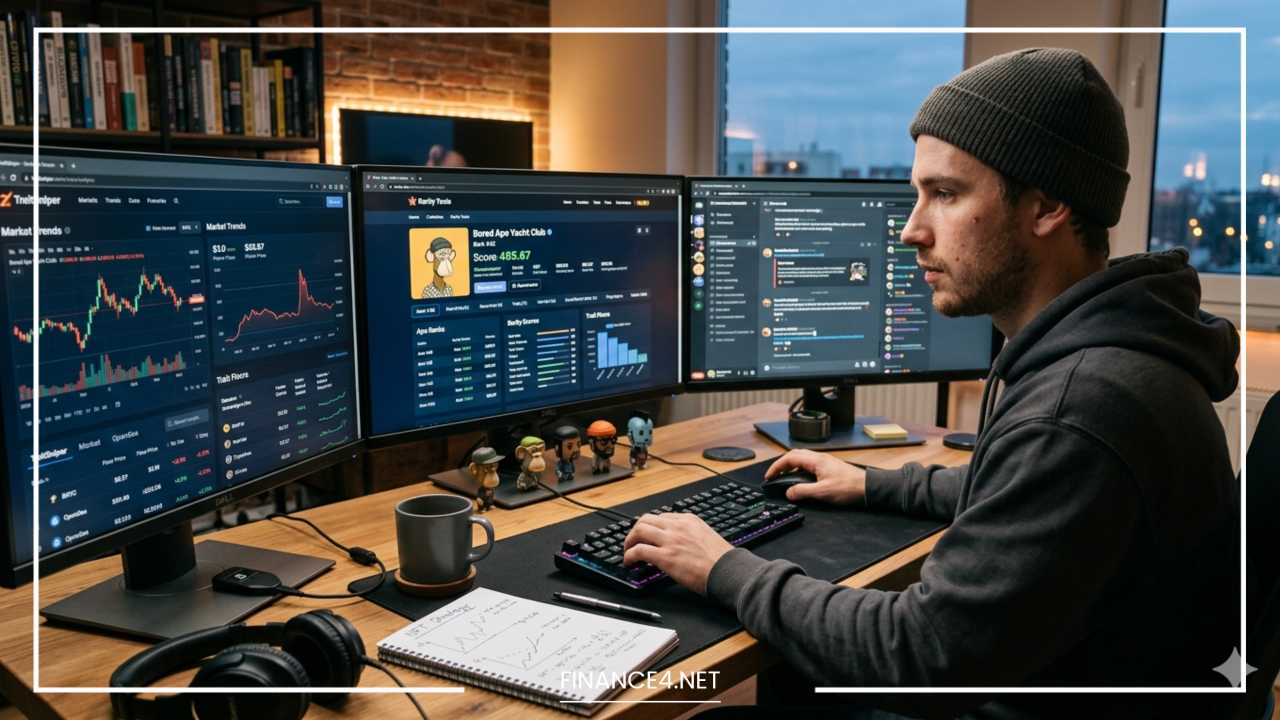
NFT Rarity Tools Explained | Guide to NFT Rankings & Analytics
The world of Non-Fungible Tokens (NFTs) has evolved from a niche digital hobby into a complex financial ecosystem. As thousands of new collections launch across various blockchains, a central question remains for every collector and investor: What makes one digital asset more valuable than another? While factors like community strength, utility, and artist reputation play massive roles, the primary driver of market value within a specific collection is rarity. In a sea of 10,000 similar-looking avatars, the presence of a “Gold Skin” or “Laser Eyes” trait can be the difference between a “floor” price and a life-changing sale. To navigate this complexity, the industry has developed specialized NFT rarity tools.
This guide provides a comprehensive deep dive into how rarity is defined, the mechanics behind ranking algorithms, and how you can use professional analytics tools to gain a competitive edge in the NFT marketplace.
Understanding NFT Rarity
At its core, NFT rarity refers to the mathematical scarcity of a specific token’s attributes compared to the rest of the collection. Most popular NFT projects, particularly Profile Picture (PFP) collections, are “generative.” This means they are created by an algorithm that randomly combines various traits—such as backgrounds, clothing, eyes, and headwear—based on pre-defined rarity percentages set by the developer.
Define NFT Rarity and Its Impact on Value
Rarity is the engine of the NFT secondary market. If every item in a collection were identical, the market would function as a simple commodity market where only the “floor price” (the lowest price at which an item is listed) matters. However, because NFTs are unique, rarity creates a hierarchy of value. Collectors are often willing to pay a premium for assets that are statistically harder to find, as these items offer higher social status and better potential for long-term appreciation.
Different Types of Rarity
-
Trait-Based Rarity: This focuses on individual attributes. For example, in a collection of 10,000, if only 50 NFTs have a “Crown,” those 50 assets possess high trait-based rarity. This is the most intuitive form of rarity for new buyers.
-
Collection-Wide Rarity: This is the overall ranking of a single NFT based on the combination of all its traits. An NFT might not have a single “super rare” trait, but if it has five “moderately rare” traits that rarely appear together, its total rarity score might be higher than an asset with one “super rare” trait and four “common” ones.
-
Statistical Rarity vs. Perceived Rarity: Statistical rarity is a cold, mathematical calculation. Perceived rarity, however, is driven by market demand and aesthetics. A “Black Hoodie” might be statistically less rare than a “Neon Suit,” but if the community finds the hoodie more aesthetically pleasing or culturally relevant, the market may price it higher regardless of the data. This is often called “Aesthetic Rarity.”
Examples of Rarity Affecting Prices
In a typical 10,000-piece collection, the “Floor” NFTs might sell for 0.1 ETH. However, an NFT ranked in the Top 100 (the top 1%) might sell for 5 ETH or more. This 50x multiplier is driven entirely by the rarity data provided by tools and the prestige associated with owning a “Top Tier” asset.
Overview of NFT Rarity Tools
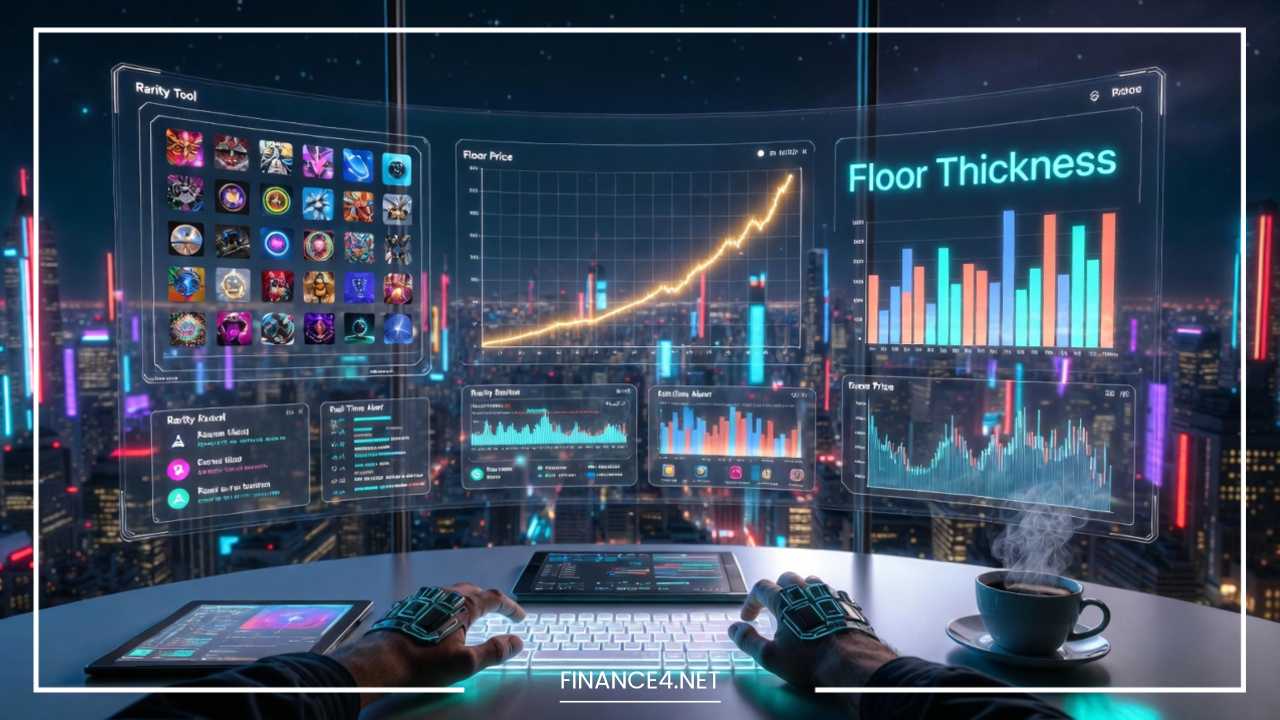
Because calculating the rarity of 10,000 items manually is impossible, rarity tools serve as the “Bloomberg Terminals” of the NFT world. These platforms aggregate metadata and provide instant rankings, allowing users to see exactly where a specific NFT stands.
What are Rarity Tools?
Rarity tools are data aggregators that “scrape” the blockchain and the InterPlanetary File System (IPFS) to find the metadata associated with an NFT. They then apply mathematical formulas to rank every token in a collection from #1 (the rarest) to the bottom (the most common).
Popular Tools in the Market
-
Rarity.tools: One of the original and most respected platforms. It uses a proprietary “Rarity Score” that has become an industry standard. It is known for its clean interface and detailed “Upcoming Mints” calendar, which helps investors get in early on new projects.
-
HowRare.is: Originally focused on the Solana ecosystem, this tool has expanded to cover multiple chains. It is highly valued for its speed and its “on-chain” verification, ensuring that the rankings reflect the actual data stored on the blockchain.
-
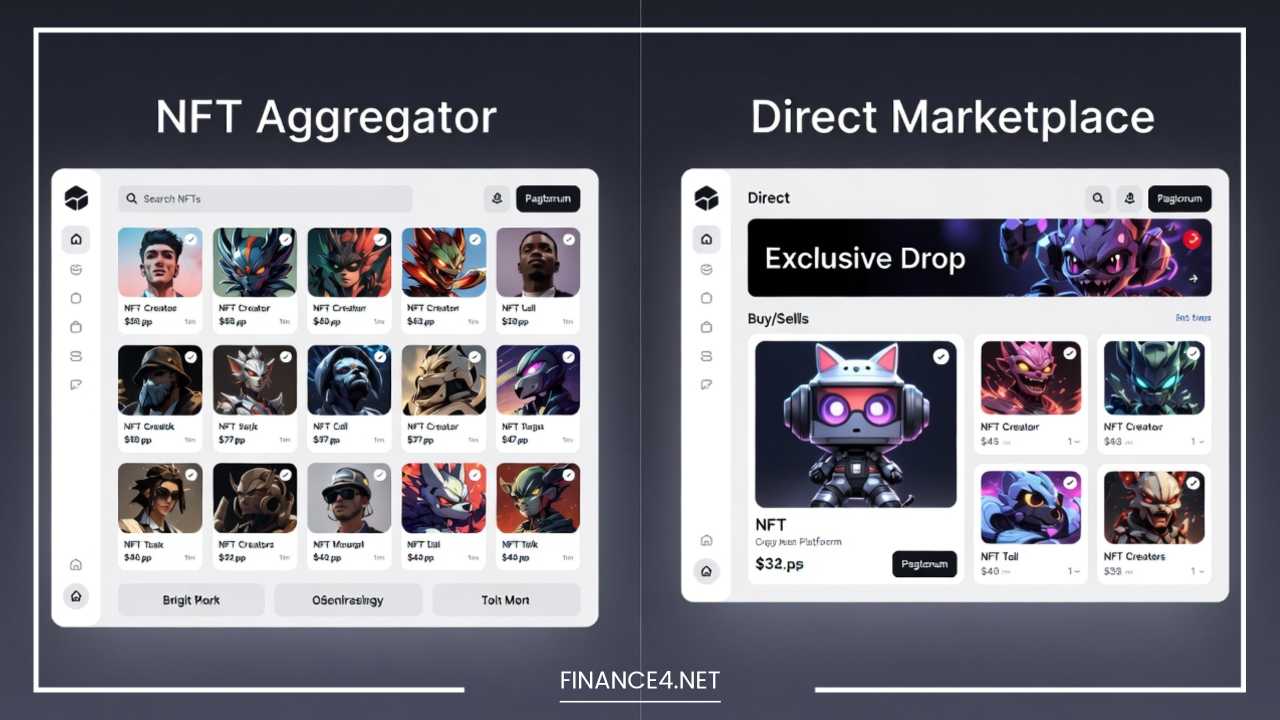
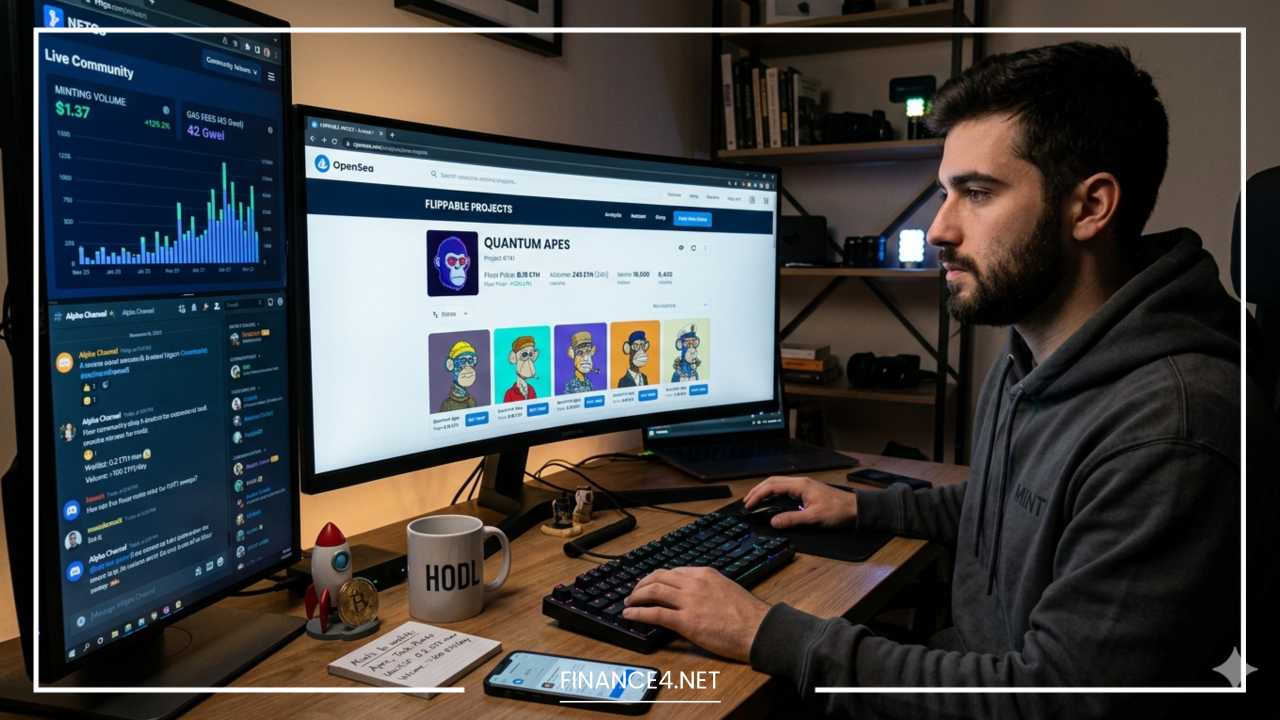
TraitSniper: Designed for active day traders, TraitSniper focuses on “sniping”—buying underpriced rare NFTs immediately after a collection reveals its traits. It offers a browser extension that overlays rarity ranks directly onto marketplaces like OpenSea, giving users a split-second advantage over others.
-
OpenSea Rarity Ranking: The world’s largest marketplace has integrated its own rarity system, often powered by the OpenRarity protocol (developed in collaboration with multiple projects). This provides a “native” way to see rankings without leaving the marketplace.
Free vs. Premium Tools
While most tools offer free access to basic rankings, premium versions often provide a significant edge. Premium features include “Instant Reveal” access (seeing ranks seconds after metadata goes live), advanced filtering (sorting by “Floor Price” relative to “Rarity Rank”), and real-time alerts for “mispriced” rare items.
How NFT Rarity Tools Work
To provide a ranking, a tool must first “ingest” the data. Every NFT is essentially a pointer to a metadata file (usually in JSON format). This file contains a list of “attributes” or “properties.”
Calculating Rarity Scores
There is no single “official” way to calculate rarity, which is why the same NFT might be ranked differently across platforms. Here are the three most common methods:
-
Trait Counting: This is the simplest method. It looks at how many traits an NFT has. Sometimes, having a very low number of traits (e.g., a “naked” ape) or a very high number of traits makes the NFT rare.
-
Rarity Scoring Formulas: The most popular method is the Rarity Score. It calculates a score for each trait based on its percentage of occurrence. The formula is:
-
Rarity Score for a Trait Value = 1 / (Number of NFTs with that trait value / Total number of NFTs in collection)
-
The scores for all individual traits are then summed to reach a final “Total Rarity Score.”
-
-
Statistical Rarity: This involves multiplying the probability of each trait. For example, if an NFT has a 1% hat and a 2% background, the statistical rarity is $0.01 \times 0.02 = 0.0002$.
Weighting Different Traits
Not all traits are created equal. Some tools allow developers to “weight” certain categories. For example, a developer might decide that “Skin Type” should have a higher impact on the rarity score than “Earring Type.” This helps align the mathematical rank with the “intended” rarity of the artist.
Data Sources and Limitations
Rarity tools rely on:
-
On-Chain Metadata: Data stored directly on the blockchain (rare for large image collections due to cost).
-
JSON Files/IPFS: Off-chain storage where most NFT data lives.
-
APIs: Direct feeds from marketplaces or project servers.
Limitations: Tools can be wrong. If a developer updates the metadata (a “metadata refresh”), the tools might take hours to sync. Human error in labeling traits can also lead to “ghost” rarity that doesn’t actually exist.
Using NFT Rarity Tools Effectively
To succeed as an NFT collector, you must move beyond simply looking at the “Rank” number. You need a strategy to identify value.
Step-by-Step Guide
-
Selecting a Collection: Open your preferred tool and search for the project. Ensure the “Verified” tick is present to avoid scam clones.
-
Understanding the Rarity Table: Look at the distribution. If the top 100 NFTs have a score of 500+, but the “floor” NFTs have a score of 50, an NFT with a score of 300 might be a massive bargain if listed near the floor price.
-
Filtering by Traits: Use the tool to filter by specific categories like “Eyes” or “Mouth.” This allows you to see the “Floor Price” for specific rare traits rather than the whole collection.
Tips for Collectors
-
Avoid Overvaluing “Rare-Looking” Traits: Just because a trait looks cool doesn’t mean it is rare. Always check the dataset. A “Flaming Sword” might look rare but could have a 10% occurrence rate, while a “Small Pebble” might have a 0.5% rate.
-
Cross-Check Multiple Tools: If an NFT is ranked #50 on Rarity.tools but #500 on TraitSniper, investigate why. Usually, it’s due to how “Trait Count” is weighted.
-
Use Rarity Alongside Other Metrics: Rarity is only one piece of the puzzle. You must also check Floor Price stability, 24-hour Volume, and Liquidity (how easily you can sell the item). A rare NFT in a dead collection is still a dead asset.
Case Studies / Examples
Bored Ape Yacht Club (BAYC)
In BAYC, the “Solid Gold Fur” trait is one of the most iconic. While there are other traits with similar statistical rarity, the market has assigned a massive premium to “Gold Apes.” Rarity tools helped solidify this by showing exactly how few existed (46 out of 10,000). This led to a “feedback loop” where the rarity data drove the hype, and the hype drove the price, eventually leading to multi-million dollar sales.
CryptoPunks
CryptoPunks are the “OG” example of rarity. Rarity tools for Punks focus heavily on “Types.” There are only 9 Aliens, 24 Apes, and 88 Zombies. Because these types are so easily identifiable and their rarity is so extreme, they trade in a completely different price bracket than the “Human” punks. Here, rarity tools aren’t just for ranking; they are for “tiering” the entire market.
Advanced Tips for NFT Investors
Sophisticated investors don’t rely on rarity alone. They use a “Multi-Signal” approach to manage risk.
Combining Rarity with Other Analytics
-
Historical Sales Trends: Use tools like NFTGo or Nansen to see if “rare” items in a specific collection are actually trending up in price. Sometimes the “floor” rises while the “rares” stay stagnant.
-
Social Media Sentiment: If a famous influencer buys a specific “common” trait, that trait might become more valuable than a “rare” one due to social signaling.
-
Creator Reputation: A rare NFT from a world-renowned artist is a safer bet than a rare NFT from an anonymous developer who might “rug pull” (abandon) the project.
Risk Management
The biggest mistake is overpaying for “Mid-Tier” rarity. In a crash, the “Floor” is the most liquid (easiest to sell), and the “Top 1%” is the most desirable. The “Top 10% to 30%” often gets stuck in the middle—too expensive for average buyers and not “special” enough for whales. Avoid getting stuck in the “Mid-Tier Trap.”
Common Misconceptions About NFT Rarity
-
Rare does not always mean valuable: If nobody wants to buy into the collection, being the #1 rarest item means nothing. Demand must exist first.
-
Tools give estimates, not guarantees: Rarity scores are mathematical opinions. The “true” value is only what a buyer is willing to pay.
-
Market trends often override rarity: If “Zombie” themed NFTs become a trend, a Zombie NFT with common traits might sell for more than a non-Zombie NFT with rare traits.
Future of NFT Rarity Tools
The next generation of rarity tools will likely move beyond simple trait counting. We are starting to see:
-
AI-Enhanced Analytics: Using machine learning to identify “Aesthetic Rarity” by analyzing color palettes and visual appeal.
-
Integration with Marketplaces: Expect to see rarity scores built directly into every wallet and marketplace interface, making the data unavoidable.
-
Gaming and Metaverse Utility: In the future, rarity tools will calculate “Power Levels” or “In-Game Stats.” A sword won’t just be rare because it’s “Blue,” but because it has a “+50 Attack” metadata tag that affects gameplay.
Final Thoughts
NFT rarity tools have democratized the way we value digital art. By turning complex metadata into simple rankings, these tools allow any investor—from a hobbyist to a professional trader—to identify scarcity and potential value. However, data is most powerful when combined with intuition.
The most successful NFT participants are those who use rarity tools to narrow down their choices, then use their own research into community, art, and utility to make the final decision. Always remember: in the world of NFTs, the math tells you how rare it is, but the community tells you how much it’s worth.