Best NFT Aggregator Websites
 by
by 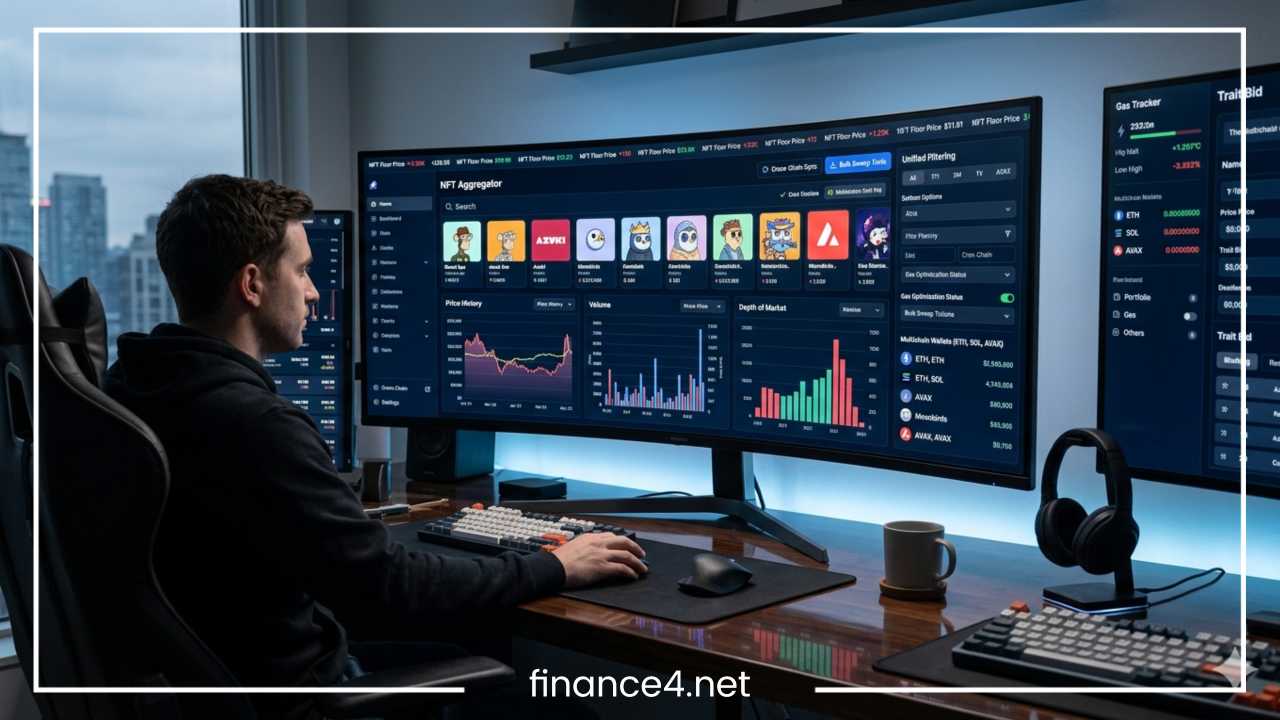
Best NFT Aggregator Websites: Features, Benefits & Comparisons
Non-Fungible Tokens (NFTs) have completely transformed our understanding of digital ownership, turning digital art, collectibles, virtual real estate, and gaming assets into verifiable tokenized items on the blockchain. As public interest grew, dozens of unique marketplaces emerged, each competing for exclusive collections and active traders. While this rapid development fueled immense creativity, it simultaneously introduced a massive operational problem: fragmented liquidity.
Instead of a single, unified marketplace where every buyer and seller could meet, the digital asset ecosystem fractured into siloed storefronts. Valuable digital items were scattered across separate websites, forcing collectors to constantly open multiple browser tabs, manually monitor distinct price feeds, and deal with inconsistent web interfaces. To purchase a specific asset or effectively manage a broad portfolio, an individual had to constantly navigate back and forth between these disconnected platforms.
This fragmentation inevitably birthed a brand-new infrastructure solution: the NFT aggregator. Designed to serve as a unified search and transaction layer, these powerful platforms pull diverse marketplace data into a single, intuitive interface. By connecting fragmented liquidity, these specialized tools completely reshape the digital commerce landscape.
This comprehensive guide breaks down the inner workings of the best NFT aggregator websites, explains their core features, highlights their distinct benefits, and provides a side-by-side comparison to help you find the absolute best tool for your trading needs.
What Is an NFT Aggregator?
An NFT aggregator is a specialized web platform that compiles listings, pricing data, and transaction histories from multiple independent digital marketplaces into one single dashboard. Think of it exactly like modern travel search engines that automatically scan hundreds of airlines and hotel websites to display every available option in a single place. Rather than visiting individual storefronts one by one, users can manage their entire digital asset experience from a centralized hub.
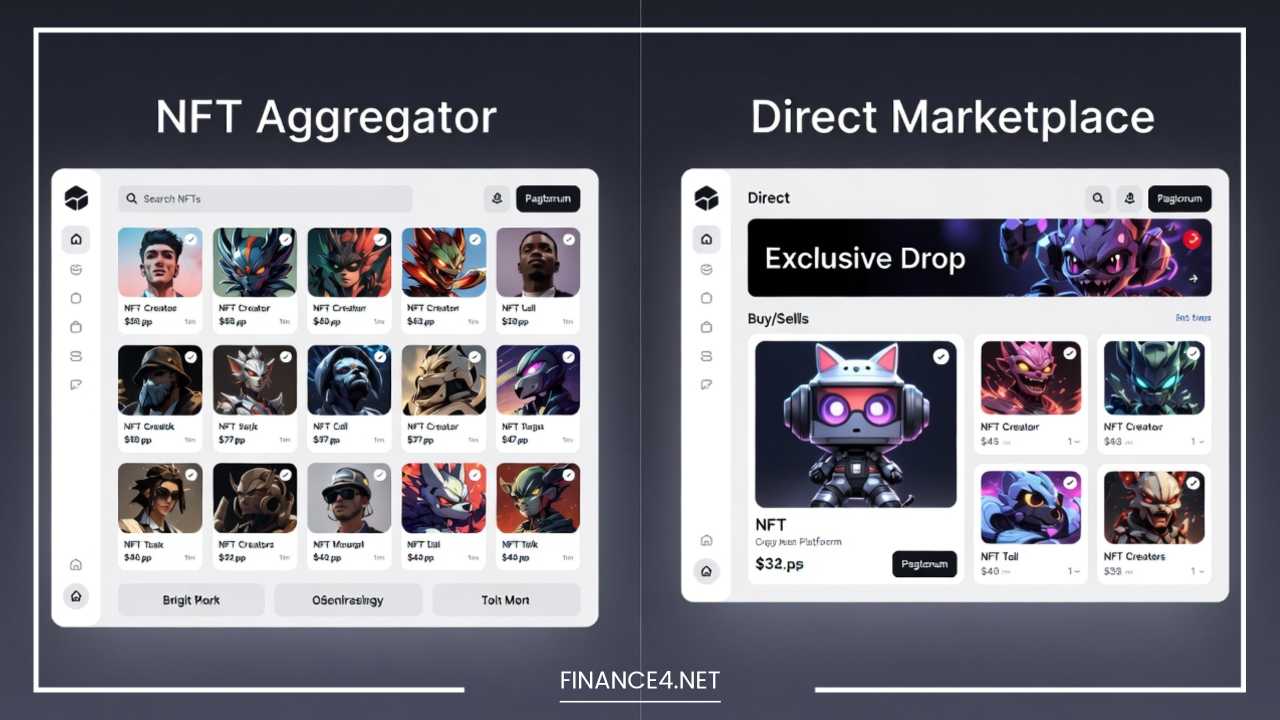
To understand the core difference, a standard marketplace operates as a localized storefront. It only displays the native listings created by users directly on its platform. An aggregator, on the other hand, operates as an overarching infrastructure layer. It scans those individual marketplaces, normalizes their disparate data points, and presents them collectively to the user.
Exploring Real-World Use Cases
Imagine you are looking to purchase a specific piece from a popular digital art collection. Without an aggregator, you would have to manually open separate tabs for three or four different marketplaces, type the collection name into each search bar, verify that the collection is authentic, and manually check which storefront has the lowest listed price. This process is incredibly tedious and frequently results in missing out on time-sensitive deals.
By using an NFT marketplace aggregator, you simply type the collection name once. The platform automatically displays every single live listing across all integrated marketplaces simultaneously. You can instantly see which specific marketplace holds the absolute lowest floor price, view historical trends from multiple sources on a single chart, and buy the chosen asset immediately without ever leaving the aggregator website.
How NFT Aggregator Websites Work
The seamless interface of an aggregator relies on a sophisticated web of back-end infrastructure, heavy data parsing, and advanced smart contract interactions. The operational lifecycle follows a clear path:
-
API Integrations and Scraping: Aggregators continuously communicate with various marketplace web architectures using Application Programming Interfaces (APIs). They constantly ping individual marketplace servers to extract updated metadata, listing parameters, and individual asset prices.
-
On-Chain Indexing: To guarantee accuracy, aggregators do not rely solely on third-party marketplace data. They utilize dedicated blockchain indexing nodes to watch for raw transaction events directly on the public ledger, catching new listings and sales the moment they are written to the blockchain.
-
Data Normalization: Different platforms use different formats for storing traits, rarities, and descriptions. The aggregator normalizes this data, organizing it into a standard format so users can filter by specific traits smoothly across all sources.
-
Smart Contract Interaction: When a buyer finalizes an order, the aggregator uses its own custom smart contracts to execute the trade. These contracts act as automated routers, taking the buyer’s funds, interacting with the targeted external marketplace contracts, and returning the asset to the user’s wallet in a single, safe operation.
This back-end structure enables advanced features like bulk buying and transaction optimization. When a user wants to execute a “floor sweep”—buying up the ten cheapest available items in a collection—the aggregator’s smart contract bundles all ten individual purchases into one single blockchain interaction. This process avoids the need to sign ten separate approvals, creating true real-time price discovery and maximum speed.
Benefits of Using NFT Aggregators
Utilizing an aggregator provides immediate strategic advantages for both casual collectors and high-frequency day traders.
Better Price Discovery
Because digital items can be listed across different platforms simultaneously at completely different price points, arbitrage opportunities and pricing inefficiencies are incredibly common. Aggregators pull all this data onto one screen, allowing you to instantly compare listings across multiple platforms. This cross-market visibility ensures you never accidentally pay more for an asset on one site when a cheaper listing exists on another.
Time Savings
Manually checking half a dozen web platforms is exhausting. An aggregator provides a single dashboard that completely eliminates the need to visit individual marketplaces. You can manage your listings, submit custom offers, track trending collections, and monitor your personal portfolio from one single browser tab.
Increased Liquidity
By pulling together listings from all across the Web3 ecosystem, aggregators give you immediate access to a much larger pool of available assets. This deep pool makes it significantly easier to buy or sell large quantities of items quickly without causing dramatic, artificial spikes or drops in a collection’s floor price.
Reduced Trading Costs
When purchasing multiple items on standard web platforms, you must execute and pay blockchain network gas fees for every single item individually. Aggregators solve this through batch transactions and gas optimization models. By bundling multiple purchases into a single smart contract execution, they remove repetitive computational overhead, which can save you up to thirty percent on total transaction costs.
Improved User Experience
Individual marketplaces frequently suffer from slow interfaces, varying layouts, and confusing filtering systems. Aggregators invest heavily in high-performance web engineering, offering ultra-fast interface refreshes, unified trait filtering, comprehensive data analytics, and customizable layouts designed specifically for clear navigation.
Key Features to Look for in an NFT Aggregator
Not all platforms are built the same way. When choosing an aggregator, look for these vital features:
Multi-Marketplace Support
The primary value of an aggregator is its data reach. A top-tier platform must integrate with all the major foundational marketplaces as well as smaller, niche platforms. If an aggregator misses out on tracking two or three prominent platforms, its pricing data and inventory pools will be fundamentally incomplete.
Advanced Search Filters
When browsing large collections containing tens of thousands of unique items, simple search bars are not enough. You need highly advanced sorting systems that allow you to filter by multiple specific attributes simultaneously, organize by rarity tiers, filter out flagged or suspicious items, and sort by specific pricing ranges.
Portfolio Tracking
A built-in portfolio tracker helps you easily see your entire collection’s value across multiple wallets. The platform should display historical purchase costs, current estimated values based on active floor prices, and clear data showing your unrealized profits or losses over time.
Collection Analytics
To make smart, data-driven decisions, you need access to historical market charts. High-quality platforms provide clear volume bars, live candlestick charts for floor prices, detailed graphs showing holder distribution, and real-time feeds showing exactly when items are being minted or sold.
Bulk Purchase Capability
The ability to select multiple items across different collections and marketplaces, place them into a single shopping cart, and buy them all in a single transaction is an essential tool for scaling your operations and saving on transaction fees.
Floor Price Monitoring
Markets move fast. Top aggregators provide sub-second price updates, live tickers, and customizable alerts that notify you the exact moment a specific collection’s lowest available price drops below your target threshold.
Wallet Integration
A great platform must natively support multiple browser wallets and hardware wallets. It should allow you to connect multiple wallet addresses at the same time so you can manage your entire digital inventory from one single view.
Cross-Chain Compatibility
The digital asset ecosystem is spread across multiple distinct blockchains. A modern aggregator should ideally support multi-chain ecosystems, letting you browse, compare, and trade items on various networks seamlessly without constantly switching networks manually in your wallet.
Security Features
Because you are interacting with smart contracts, security is absolutely critical. Look for platforms that have clearly published, independent security audits, built-in safety alerts for flagged or stolen items, and clear transparency regarding contract permissions.
Best NFT Aggregator Websites Compared
The following deep dives highlight the top tools currently shaping the aggregation market.
1. Gem
Gem established itself as one of the earliest and most reliable platforms built to handle bulk transactions and optimize gas efficiency across the ecosystem.
-
Overview: Designed to provide a clean, highly visual interface, Gem focuses heavily on reducing transaction costs for everyday collectors while offering access to massive multi-marketplace liquidity.
-
Key Features: It features an intuitive multi-market shopping cart, automated gas-saving code, built-in rarity rankings, and a clean interface that easily handles large, complex data views.
-
Pros: Incredible gas optimization on bundled purchases, highly polished user interface that is very accessible for beginners, and broad integration across all major foundational platforms.
-
Cons: Advanced analytical features are somewhat limited compared to platforms built strictly for day traders; focus remains largely on core trading rather than deep financial data.
-
Best for: Casual collectors and intermediate traders who want to purchase multiple items efficiently without dealing with overly complex charts.
2. Blur
Blur completely disrupted the digital asset world by launching a lightning-fast, highly advanced platform tailored specifically for professional, high-volume traders.
-
Overview: Blur acts as both a zero-fee marketplace and a highly sophisticated aggregator, prioritizing raw data speed and professional-grade trading tools above everything else.
-
Key Features: It provides real-time data feeds that refresh every few seconds, advanced depth charts, customizable trait bidding systems, floor sweeping tools, and a built-in lending protocol.
-
Pros: Zero platform transaction fees, incredibly fast data feeds, advanced features like bidding on specific trait combinations, and a highly customizable interface built for active trading.
-
Cons: The complex interface can be incredibly overwhelming for beginners, and its visual design prioritizes raw text and numbers over large, clear asset images.
-
Best for: Professional high-volume day traders and yield hunters who require real-time market data and advanced financial features.
3. Genie
Genie holds a historic place as the very first major aggregator platform built for the digital asset space, laying down the foundational blueprint for multi-market bulk buying.
-
Overview: Created to solve the problem of fragmented inventory, Genie focused heavily on letting users buy, sell, and trade across multiple platforms in single, unified actions.
-
Key Features: Its core features include the classic Genie Swap for sweeping multiple items simultaneously, clean asset lists, and straightforward multi-marketplace price routing.
-
Pros: Straightforward, highly reliable asset routing engine, simple user flow, and historic consistency across core marketplace networks.
-
Cons: Development and standalone branding have gradually blended into larger institutional platforms, meaning it lacks some of the hyper-frequent feature rollouts seen on newer independent platforms.
-
Best for: Traders who value historical platform reliability and clean, un-cluttered bulk purchasing utilities.
4. Reservoir
Reservoir takes a completely different approach by operating primarily as an open-source, developer-focused infrastructure layer rather than a standard consumer website.
-
Overview: Reservoir aggregates and normalizes the entire market into a single developer ecosystem, allowing anyone to build custom consumer-facing interfaces using its underlying liquidity tools.
-
Key Features: It provides all-inclusive programmatic API endpoints, fully modular front-end development kits, cross-chain order book aggregation, and deep historical data access.
-
Pros: Unmatched customizability for developers, open-source architecture, access to raw data pools, and the unique ability to easily power custom localized marketplaces.
-
Cons: Not designed as a ready-to-use platform for casual retail buyers; utilizing its full power requires technical knowledge and coding experience.
-
Best for: Web3 developers, data analysts, and enterprise platforms looking to build their own unique digital asset products or custom trading desks.
5. Rarible Aggregator
Rarible expanded its ecosystem by creating a dedicated aggregation tool that pairs its native community protocol with deep cross-platform market inventory.
-
Overview: This platform combines a community-focused governance ethos with a broad multi-marketplace aggregation engine to give users wide inventory access without sacrificing decentralized values.
-
Key Features: It features multi-chain tracking across several decentralized networks, clear creator royalty tracking, localized reward models, and an intuitive filtering interface.
-
Pros: Excellent cross-chain and multi-chain support across multiple underlying networks, transparent royalty options, and a highly community-driven governance structure.
-
Cons: High-volume trading speeds and data refresh rates can occasionally lag behind platforms built exclusively for professional day traders.
-
Best for: Ecosystem participants who prioritize multi-chain access and community-governed Web3 infrastructure.
Comparison Table
The following table provides a quick, side-by-side breakdown of how these top platforms compare across key operational features:
| Platform | Marketplaces Supported | Bulk Buying | Analytics | Multi-Chain | Best For |
| Gem | Broad (All Major Platforms) | Highly Optimized | Moderate | Growing | Casual & Intermediate Collectors |
| Blur | Full Market Coverage | Extremely Advanced | Professional | Limited | High-Volume Professional Day Traders |
| Genie | Core Platforms | Standard Swap | Basic | Limited | Historic Reliability & Bulk Swapping |
| Reservoir | Complete Industry Sync | Developer-Driven | Full Raw Data | Advanced | Web3 Developers & Custom Protocols |
| Rarible | Broad Market Ecosystem | Fully Integrated | Standard | Comprehensive | Multi-Chain Traders & Community Members |
NFT Aggregators vs Traditional NFT Marketplaces
Understanding exactly when to use an aggregator versus a traditional marketplace comes down to recognizing your specific goals for a given trade.
| Feature | NFT Aggregator | NFT Marketplace |
| Listings | Multiple External Sources | Single Local Source Only |
| Price Comparison | Comprehensive Cross-Market Comparison | Limited to Native Platform Listings |
| Liquidity | Higher (Combined Global Pools) | Lower (Restricted to Native Users) |
| Convenience | High (One Dashboard for Everything) | Medium (Requires Open Browser Tabs) |
Advantages and Disadvantages of Marketplaces
Traditional marketplaces are still the best choice for minting new collections, participating in community-specific launchpads, or accessing specialized, platform-exclusive drops. They offer a simple, cohesive experience for newcomers who are buying their very first digital item. However, their isolated nature means you are completely cut off from seeing better prices or identical items listed elsewhere across the broader internet.
Advantages and Disadvantages of Aggregators
Aggregators offer unmatched efficiency, better price discovery, and significant savings on gas fees through batch transactions. They give you a complete, high-level view of the entire global market on one screen. The main downside is that they add an extra layer of smart contract interaction, which can occasionally mean navigating complex, data-heavy layouts that feel intimidating to complete beginners.
Security Considerations When Using NFT Aggregators
Because trading digital assets requires connecting your crypto wallet and giving smart contracts permission to manage your tokens, maintaining strict security hygiene is absolutely paramount.
-
Manage Smart Contract Approvals: When you buy or sell items, aggregators ask you to sign a wallet approval. Regularly audit these permissions using tools like Revoke.cash, and turn off active permissions for platforms you are not actively using.
-
Watch Out for Phishing Attacks: Malicious actors frequently build fake, copycat aggregator websites that look identical to the real ones. Always double-check the exact web URL, bookmark official platforms, and never type your recovery seed phrase into any website under any circumstance.
-
Verify Collection Authenticity: Scammers often copy images from popular collections and mint fake versions on open marketplaces. Ensure the aggregator you choose uses verification badges, and manually cross-reference the contract address directly on a blockchain explorer before finalizing a purchase.
-
Understand Smart Contract Risk: Because aggregators route transactions through custom smart contracts to bundle your orders, you are relying on their code being secure. Stick to established platforms that have clear, publicly accessible security audit reports from reputable Web3 cybersecurity firms.
Future of NFT Aggregation
The infrastructure behind aggregation is evolving rapidly, moving far beyond basic price charts toward a highly sophisticated financial ecosystem.
As the industry develops, cross-chain and multi-chain trading will become the norm. Future aggregators will allow you to buy an item hosted on one blockchain network using tokens you hold on a completely separate network, handling all the complex cross-chain swapping and bridging instantly behind the scenes in a single click.
Additionally, artificial intelligence will play a major role in platform interfaces. AI-powered discovery tools will analyze your historical collection preferences to recommend specific assets, flag undervalued listings based on rare trait combinations, and provide real-time automated fraud detection. This evolution will deeply connect digital asset trading with broader decentralized finance (DeFi) tools, allowing users to effortlessly fractionalize assets, access instant lending pools, and manage global yield strategies from one unified window.
Final Thoughts
NFT aggregators have evolved from basic convenience tools into essential infrastructure for the digital asset economy. By pulling together fragmented liquidity pools, providing deep historical analytics, and enabling cost-saving batch transactions, these platforms save traders significant amounts of time and money.
If you are a casual collector focused on simplicity and gas efficiency, a user-friendly platform like Gem or Rarible is an excellent starting point. If you are an active day trader who requires lightning-fast data updates, depth charts, and advanced bidding systems, Blur provides the exact professional workspace you need. For developers looking to build custom products, Reservoir offers the perfect foundational infrastructure.
Choosing the right aggregator comes down to assessing your personal trading volume, your need for advanced charts, and your comfort level with data-heavy interfaces. By using these tools safely and choosing the platform that aligns with your specific goals, you can navigate the digital asset landscape with maximum efficiency.
Frequently Asked Questions
What is the best NFT marketplace aggregator for professional day trading?
The best NFT marketplace aggregator for professional day trading is Blur. Professional high-volume traders choose Blur because it functions as a highly optimized trading desk featuring real-time data refreshes, customizable trait bidding, advanced depth charts, and zero platform transaction fees. If you are looking for a platform built for speed and bulk portfolio management rather than a simple digital art storefront, Blur’s ultra-fast interface offers the specific tools required for advanced market execution.
How do NFT comparison tools help traders find the lowest floor price?
NFT comparison tools pull live API listing feeds and index raw blockchain smart contract data simultaneously from multiple decentralized platforms into a single view. Instead of forcing you to manually browse several open website tabs, an aggregator organizes identical digital collectibles on one screen. This comprehensive cross-market visibility allows you to instantly see which isolated marketplace holds the absolute lowest active NFT floor price, ensuring you avoid overpaying due to fragmented market listings.
Can I do bulk NFT buying across different blockchains at the same time?
Yes, modern multi-chain and cross-chain NFT marketplace aggregators allow you to interact with several blockchain networks simultaneously. Top aggregator tools utilize advanced smart contract routing architectures that let you add multiple items hosted on entirely different networks into one single shopping cart. These platforms handle the complex back-end bridging, token swapping, and execution steps automatically, allowing you to build and manage a diverse multi-chain digital portfolio smoothly from a single interface.
Do NFT aggregator websites actually save money on gas fees?
Yes, utilizing a high-quality NFT aggregator significantly reduces total blockchain gas fees through advanced transaction bundling and batch contract optimization. When you purchase multiple items on standard localized marketplaces, you must pay separate validation fees for every single checkout interaction. An aggregator condenses those multiple items into one single, unified batch transaction, which removes repetitive computational overhead on the public ledger and can save you up to thirty percent on total transaction costs.
What are the top security risks when using an NFT portfolio tracker or aggregator?
The top security risks include smart contract vulnerabilities, malicious phishing copycats, and excessive wallet approval permissions. Because aggregators rely on custom smart contracts to route and bundle your orders across the web, your safety depends on the integrity of their code. Always verify the official URL to avoid phishing sites, check for independent security audits from reputable Web3 firms, and regularly use revocation tools to clean up any old, unneeded smart contract permissions inside your crypto wallet.