How to Lock Liquidity Tokens on Multiple Chains
 by
by 
How to Lock Liquidity Tokens on Multiple Chains
The rise of Decentralized Finance (DeFi) has revolutionized how global markets access, trade, and manage digital assets. By removing intermediaries and replacing them with automated, trustless smart contracts, DeFi has democratized capital formation. However, with this unprecedented freedom comes an elevated need for security, transparency, and accountability. In the early days of decentralized trading, projects could launch a token, encourage users to deposit capital, and then abruptly withdraw the underlying liquidity, leaving investors with worthless assets. This malicious practice, known as a rug-pull, severely damaged market confidence and highlighted a critical vulnerability in decentralized ecosystems.
To combat this threat and restore integrity to decentralized trading, liquidity locking emerged as a foundational security standard. Liquidity locking is the process of committing pool tokens to a secure, time-bound smart contract, ensuring that the project developers cannot prematurely extract the underlying funds. As the DeFi landscape continues to mature, a significant architectural shift is occurring: token launches are no longer confined to a single blockchain network. Instead, modern Web3 projects routinely deploy their ecosystems simultaneously across a wide array of networks to capture diverse user bases, leverage lower transaction fees, and maximize throughput.
While launching a token across multiple networks provides immense scalability advantages, it simultaneously multiplies the security responsibilities of the founding team. A multi-chain infrastructure means that liquidity is fragmented across several independent ecosystems, each requiring its own unique safeguarding measures. Project teams must implement rigorous liquidity locks on every single blockchain network they support. Failing to secure liquidity on even one chain can leave a vulnerability that compromises the reputation of the entire project. This comprehensive guide provides an in-depth exploration of liquidity tokens, evaluates the systemic importance of multi-chain locking, and outlines the precise, actionable steps required to lock liquidity across diverse blockchain networks.
Understanding Liquidity Tokens
To fully grasp the mechanics of liquidity locking, it is necessary to first understand the operational framework of decentralized exchanges (DEXs) and automated market makers (AMMs). Unlike traditional financial exchanges that rely on order books to match buyers and sellers, AMMs utilize liquidity pools. A liquidity pool is a crowdsourced repository of digital tokens locked within a smart contract. These tokens facilitate decentralized trading by allowing users to seamlessly swap one asset for another at a price determined by pre-defined mathematical formulas.
When a project team or a community member initializes a liquidity pool, they must deposit an equivalent value of two distinct tokens into the smart contract. For instance, a typical pool might pair a project’s native utility token with a major base asset such as Ethereum (ETH) or a stablecoin like USD Coin (USDC). This initial deposit provides the depth necessary for the market to operate without experiencing severe price slippage during transactions.
In exchange for depositing these assets into the pool, the liquidity provider receives specialized assets known as Liquidity Provider (LP) tokens. LP tokens act as a digital receipt or a fractional claim voucher. They represent the provider’s specific ownership percentage of the total liquidity pool. As users interact with the DEX and trade between the paired assets, they are charged a minor transaction fee. This accumulated fee is proportionally distributed back to the liquidity providers, causing the underlying value of the LP tokens to grow over time.
Because LP tokens represent a direct, liquid claim on the underlying assets within the pool, anyone who holds these tokens possesses the technical capability to return them to the DEX smart contract at any moment. Doing so burns the LP tokens and redeems the original base assets and project tokens. Popular decentralized exchanges across the Web3 ecosystem utilize this identical underlying architectural framework. On the Ethereum network, Uniswap serves as the pioneering standard for AMM functionality. Similarly, PancakeSwap operates as the dominant exchange liquidity hub on the BNB Chain. In non-EVM ecosystems, platforms like Raydium manage billions of dollars in liquidity pools on the Solana network, while Trader Joe fulfills the same vital role for the Avalanche ecosystem. Regardless of the specific blockchain network or the unique branding of the decentralized exchange, the generation of LP tokens remains the universal mechanism for managing and tracking pool ownership.
What Is Liquidity Locking?
Liquidity locking is the voluntary act of transferring ownership of LP tokens from a standard developer or project wallet into a dedicated, un-bypasable, time-locked smart contract. Once the LP tokens are deposited into this locking contract, they are entirely frozen. Neither the project founders, the community, nor any external malicious actors can withdraw the LP tokens until the exact block height or timestamp specified in the lock parameters has been reached by the blockchain network.
It is vital to distinguish between locking liquidity tokens and burning them permanently. While both methods effectively protect investors by ensuring that the underlying pool assets cannot be abruptly pulled out, they serve distinct strategic purposes. Burning LP tokens involves sending them to a verifiably dead or un-spendable address, such as the genesis address. Once burned, the liquidity is permanently trapped within the pool and can never be recovered by anyone under any circumstances. While burning provides the absolute highest level of security assurance to a community, it strips the project team of long-term operational flexibility. If the project ever needs to migrate its liquidity to a newer version of a decentralized exchange, or if the team wishes to redeploy the capital after several years of successful ecosystem growth, burned liquidity prevents them from doing so.
Liquidity locking offers a balanced alternative. It establishes a firm, legally verifiable time horizon during which the liquidity is completely untouchable, thereby providing immediate security to the market. Concurrently, it preserves the team’s long-term rights to reclaim the capital once the lock duration expires. Common lock durations within the DeFi sector vary significantly based on project maturity and investor expectations. Many early-stage projects opt for a standard lock period of six months to one year, while highly established teams frequently lock their core liquidity for several years or even decades to demonstrate unwavering commitment.
The ultimate value of a liquidity lock relies entirely on public verification. Because blockchain networks operate as transparent public ledgers, the deployment and parameters of a locking smart contract can be independently audited by anyone. Specialized liquidity locking platforms generate public certificates, distinct transaction hashes, and queryable smart contract states. This allows institutional and retail investors alike to confirm that the LP tokens are genuinely out of the control of the developers. By removing the element of human trust and replacing it with immutable programmatic code, liquidity locks serve as the most effective structural defense against rug-pulls and developer capitulation.
Why Multi-Chain Projects Need Liquidity Locks
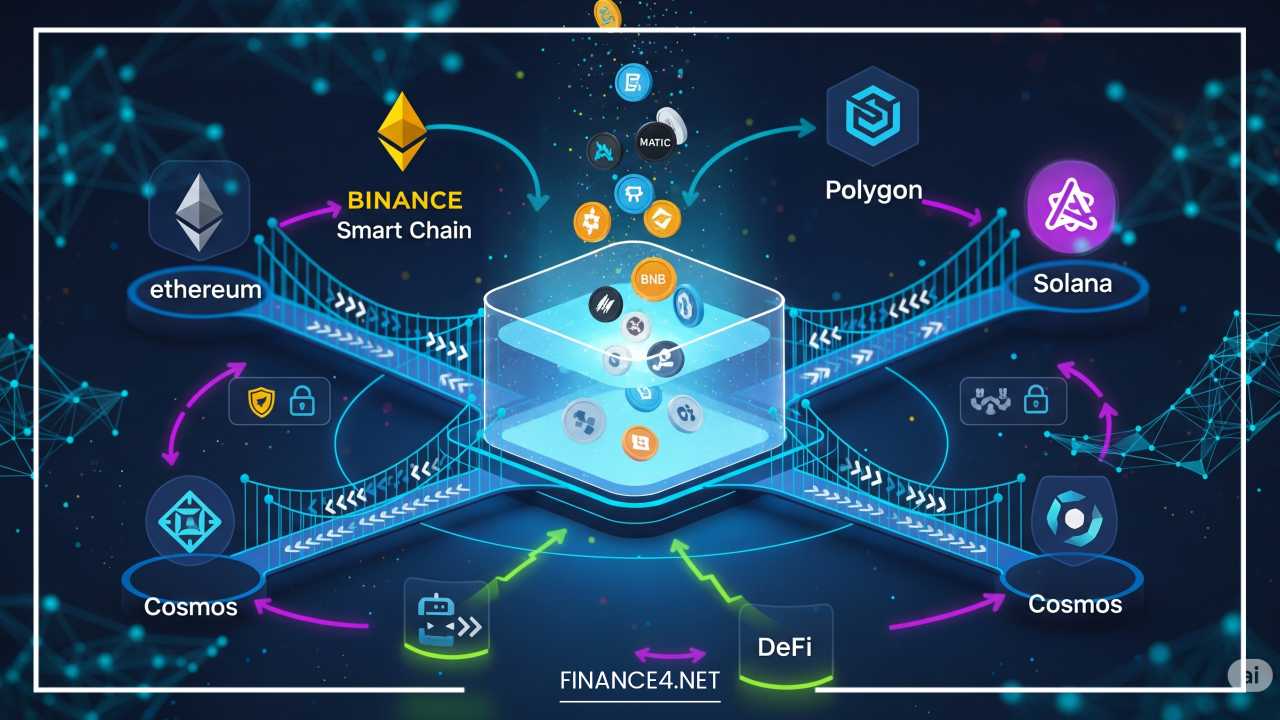
The contemporary decentralized landscape has evolved beyond the boundaries of a single, monolithic blockchain. To circumvent high transaction costs and network congestion, projects frequently embrace a multi-chain architecture. This structural model entails deploying the core project token across several prominent Layer 1 and Layer 2 blockchain networks simultaneously. While this strategy successfully distributes the project’s footprint and unlocks access to localized capital pools, it also significantly complicates the project’s security architecture.
When a project expands across multiple networks, it cannot rely on a single central liquidity pool. Instead, the project must establish independent, localized liquidity pools on each supported network. For example, a project might deploy an initial pool on the Ethereum mainnet via Uniswap, create a secondary pool on the BNB Chain using PancakeSwap, and set up subsequent pools on networks like Polygon, Avalanche, Arbitrum, and Base. Each of these pools operates completely independently of the others, governed by distinct network rules and localized AMM architectures.
Consequently, each individual pool generates its own distinct set of LP tokens. This means that a project operating across six different networks will hold six unique sets of LP tokens spread across different wallet addresses and network standards. This fragmentation creates highly independent liquidity risks. If a project diligently locks its LP tokens on the Ethereum mainnet but fails to secure its LP tokens on Arbitrum or Base, the entire ecosystem remains profoundly vulnerable. A malicious actor with access to the developer wallets could drain the liquidity from the unsecured networks, crashing the universal token price across all chains through cross-chain arbitrage mechanisms.
| Blockchain Network | Primary DEX Ecosystem | Token Standard | Risk Exposure Level if Unlocked |
| Ethereum | Uniswap | ERC-20 | High Systemic Core Risk |
| BNB Chain | PancakeSwap | BEP-20 | High Volume Retail Risk |
| Polygon | QuickSwap | ERC-20 (Marek) | Moderate Network Risk |
| Avalanche | Trader Joe | ERC-20 (C-Chain) | Moderate Ecosystem Risk |
| Arbitrum | Camelot / Uniswap | ERC-20 Layer 2 | High Scalability Risk |
| Base | Aerodrome / Uniswap | ERC-20 Layer 2 | High Growth Retail Risk |
Modern DeFi investors have become exceptionally sophisticated. They expect absolute transparency and comprehensive risk mitigation across every facet of a project’s infrastructure. If a team requests capital from a multi-chain audience, the community expects verifiable liquidity lock links for every network listed on the project’s official documentation. Failing to provide these cross-chain assurances can quickly lead to community FUD (Fear, Uncertainty, and Doubt), a loss of investor confidence, and severe reputational damage. Comprehensive multi-chain liquidity locking is therefore not merely an optional security feature; it is an foundational requirement for managing project reputation and ensuring institutional-grade compliance.
Prerequisites Before Locking LP Tokens
Before initiating the liquidity locking process across various networks, project managers and developers must systematically satisfy a series of technical prerequisites. Executing these steps in an organized manner prevents permanent mistakes, minimizes gas expenditures, and ensures a seamless deployment process.
-
Liquidity Pool Creation Completed: The project team must successfully add capital to the desired token pairs on the targeted decentralized exchanges across all participating networks. This step must be fully finalized, and the pool must actively support trading before proceeding.
-
LP Tokens Received: The team must confirm that the specialized LP tokens generated by the DEX are safely resting inside the authorized deployer or treasury wallet. You cannot initiate a lock contract without holding the underlying LP vouchers.
-
Wallet Ownership Verified: The administrative wallet holding the LP tokens must be secured via robust hardware wallet infrastructure. Because this wallet will interface with highly sensitive locking contracts, its private keys must be fully insulated from security threats.
-
Correct Network Selected: Operators must carefully toggle their Web3 wallet interfaces to match the specific blockchain network they intend to interact with during each phase of the locking process.
-
Gas Fees Available: Locking contracts require on-chain execution, meaning that the administrative wallet must hold an ample supply of the native gas token for each specific chain. This includes ETH for Ethereum, BNB for BNB Chain, MATIC or POL for Polygon, AVAX for Avalanche, and ETH for Arbitrum and Base.
-
Lock Duration Decided: The project leadership must align on a uniform and clear lock duration strategy. This timeline should be clearly communicated to the project community ahead of execution to avoid confusion.
-
Audit and Documentation Prepared: Teams should prepare dedicated sections within their official documentation or gitbooks to store and display the upcoming lock contract addresses and public tracking certificates.
Step-by-Step Guide: Locking Liquidity on Multiple Chains
Locking liquidity across multiple independent blockchains requires a methodical, step-by-step approach. Because blockchain transactions are completely immutable, an error made during the configuration phase cannot be reversed. Below is the precise operational process required to securely lock your project’s LP tokens across multiple networks.
Step 1: Create Liquidity Pools
Begin by accessing the decentralized exchange of choice for your primary target network. Navigate to the pool creation or liquidity provision portal. Select the token pairs you wish to establish—for instance, your native token and a base asset like wrapped Ether or a stablecoin. Specify the exact ratio of tokens you wish to deposit to establish the starting market price. Confirm the deposit transaction within your Web3 wallet interface. Upon successful on-chain confirmation, the AMM smart contract will automatically mint and distribute the corresponding LP tokens directly to your connected wallet address. Repeat this exact process on the designated DEXs for each subsequent blockchain network your project intends to support.
Step 2: Choose a Liquidity Locker
Once your LP tokens are securely sitting in your treasury wallet across all chains, you must select a reputable, battle-tested third-party liquidity locking platform. It is highly recommended to use a platform that natively supports multi-chain architectures through a unified dashboard interface. Prominent options within the DeFi industry include UNCX Network, Team Finance, and PinkLock. These platforms offer audited smart contracts that have successfully safeguarded billions of dollars in total value locked (TVL) over multiple years, providing maximum security and giving your community peace of mind.
Step 3: Connect Wallet
Navigate to the official, verified web domain of your chosen liquidity locking platform. Click the wallet connection interface and link your administrative hardware wallet. Ensure you are using a secure, direct connection method. Once connected, open your wallet provider extension and manually set the active network network to match your first target blockchain (e.g., Ethereum Mainnet). The locker platform’s interface will automatically refresh to display the specific tools and asset balances corresponding to that active network.
Step 4: Select LP Tokens
Within the liquidity locker dashboard, navigate to the specific section designated for creating a new liquidity lock. The platform will typically scan your connected wallet address and display a list of all recognized LP tokens held in your balance. If your specific token pair does not automatically populate within the user interface, locate the exact smart contract address of the LP token via an on-chain block explorer. Copy and paste this raw contract address directly into the manual search field of the locker interface to accurately isolate your target pool tokens.
Step 5: Configure Lock Parameters
This is the most critical phase of the configuration process. You must carefully define the following core parameters within the locker interface:
-
Lock Amount: Determine whether you are locking the absolute maximum balance ($100\%$) of your LP tokens or a specific fractional amount. Most trusted projects lock $100\%$ of their initial LP generation.
-
Unlock Date: Input the exact calendar date, time, and timezone or choose a specific UNIX timestamp when the lock should expire. Double-check that this duration matches your project roadmap.
-
Beneficiary Wallet: Specify the exact wallet address that will possess the sole legal authority to claim the LP tokens once the unlock date is reached. This should ideally be a highly secure multi-signature treasury wallet.
Step 6: Confirm Transaction
After thoroughly verifying every parameter, click the approval or initialization button on the locker interface. Most locking platforms require a two-step transaction sequence. The first transaction grants the locking smart contract permission to interact with and spend your LP tokens. The second transaction executes the actual transfer, moving the LP tokens out of your wallet and securely depositing them inside the time-locked vault. Review the network gas fees within your wallet interface, sign both transactions, and wait for them to be permanently written to the blockchain block space.
Step 7: Verify Public Lock Record
Once the transactions are fully confirmed on-chain, the liquidity locker platform will automatically generate a dedicated public lock certificate and an immutable storage link. Copy this generated URL and open it in a browser window to ensure that all parameters—such as the locked balance, the beneficiary address, and the countdown timer—are displaying perfectly. Document the transaction hashes associated with the deposit for future reference.
Step 8: Repeat Across Chains
Disconnect your wallet from the locker platform or utilize the built-in network switcher to transition to your next target blockchain network (e.g., transitioning from Ethereum to BNB Chain or Polygon). Once your wallet provider updates to the new network, refresh the locker application. Re-execute steps 3 through 7 specifically for the LP tokens residing on that blockchain. Continue this methodical cycle until every single liquidity pool across all supported networks is protected by a corresponding verified lock contract.
Common Challenges in Multi-Chain Liquidity Locking
Operating across a fragmented multi-chain landscape introduces a distinct set of operational and technical hurdles that project teams must actively anticipate and navigate.
Different Token Standards
While EVM-compatible networks share close architectural similarities, projects expanding into non-EVM territories face wildly different token mechanics. Managing standard ERC-20 tokens on Ethereum or Arbitrum is a completely different process than interacting with BEP-20 variants on the BNB Chain or handling SPL tokens on Solana. The underlying code formatting, wallet account structures, and smart contract execution behaviors vary greatly. Teams must ensure that their chosen locking platform natively supports each specific token standard they intend to lock.
Varying Gas Costs
The economic realities of executing smart contract transactions fluctuate dramatically from one blockchain to another. Locking liquidity on a Layer 1 network like Ethereum during periods of intense network congestion can incur hundreds of dollars in gas fees for a single contract interaction. Conversely, performing the exact same locking transaction on a Layer 2 network like Base or Arbitrum costs a mere fraction of a dollar. Project treasuries must plan ahead and hold sufficient native assets on each individual network to accommodate these wildly disparate gas fee environments.
DEX Compatibility
A common pitfall for emerging projects is assuming that every liquidity locking service automatically interfaces with every decentralized exchange. While standard Uniswap V2 clones are universally supported by almost all lockers, custom AMM architectures, concentrated liquidity models (like Uniswap V3), or network-specific native hubs may require bespoke locking solutions. If your project utilizes an atypical or advanced DEX framework, finding an audited, compatible locker platform can become a significant technical challenge.
Managing Multiple Unlock Dates
When a project launches its token incrementally or sets up liquidity pools across various weeks on different networks, tracking multiple distinct unlock timelines becomes an administrative burden. If a project inadvertently allows an LP lock to expire on one minor chain without a planned re-lock strategy, it creates a massive localized point of failure. Project administrators must implement institutional-grade tracking systems, calendars, and governance oversight to monitor and manage these rolling unlock dates.
Security Best Practices
Securing a project’s liquidity footprint requires unwavering adherence to industry-standard safety protocols. Implementing the following best practices will insulate your project from structural vulnerabilities and build lasting credibility with your community.
-
Verify Locker Smart Contracts: Never interact with an unverified or obscure liquidity locking platform. Always review the platform’s public source code repositories and confirm that their contracts have been extensively audited by premier blockchain security firms.
-
Use Audited Locking Platforms: Stick to established industry leaders with a clean track record. The minor fees charged by top-tier locking services are a worthwhile investment to guarantee that your LP tokens are protected against smart contract exploits.
-
Multi-Signature Treasury Wallets: The designated beneficiary address for any liquidity lock should never be a single-signature developer wallet. Instead, assign a secure multi-signature wallet (such as a Safe contract) as the beneficiary. This ensures that when the lock eventually expires, a quorum of trusted team members must sign off before the liquidity can be moved or altered.
-
Double-Check LP Token Contracts: Always cross-reference the contract address of the LP token you are about to lock with official data from on-chain block explorers. This prevents you from accidentally locking a fake token or an incorrect trading pair.
-
Avoid Fake Locking Services: Phishing sites and fraudulent locking platforms frequently replicate the look and feel of reputable services to drain connecting wallets. Always bookmark verified web domains and navigate to them directly.
-
Publish Proof of Locks: Make it as easy as possible for your community to verify your locks. Create a central, easily accessible repository within your official web domain or documentation links containing direct click-through URLs to the public lock certificates across every single blockchain.
-
Monitor Lock Expiration Dates: Set up redundant administrative alerts and governance notices months in advance of any scheduled unlock date. This ensures the team has ample time to organize community votes or prepare immediate roll-over locking contracts, maintaining uninterrupted security.
Benefits of Multi-Chain Liquidity Locks
Committing to a thorough, multi-chain liquidity locking strategy delivers substantial long-term competitive advantages to a Web3 project.
| Operational Action | Immediate Security Result | Long-Term Project Benefit |
| Locking All Active Chains | Eliminates regional rug-pull vectors | Fosters deep retail investor confidence |
| Publishing Public Certificates | Provides transparent proof of safety | Accelerates Tier-1 exchange listings |
| Securing Long Lock Durations | Insulates the pool from market panics | Signals institutional-grade credibility |
The immediate benefit of a comprehensive multi-chain lock is the mathematical elimination of rug-pull risks across your entire ecosystem. By locking down every individual gateway to your project’s underlying capital, you send an undeniable signal to the market that the founding team is fully committed to the long-term vision of the protocol. This ironclad assurance dramatically accelerates investor confidence, encouraging both retail participants and institutional liquidity providers to commit capital to your ecosystem without fearing sudden developer capitulation.
Furthermore, verified liquidity locks act as an essential prerequisite for securing premier tier-1 centralized exchange listings, institutional partnerships, and tracking indexing on major data aggregators. These industry gatekeepers employ rigorous due diligence frameworks that routinely reject projects with loose or un-locked decentralized liquidity pools. By maintaining pristine, fully verified locks across all supported networks, a project satisfies these institutional security requirements, paving the way for superior market exposure, enhanced brand credibility, and sustained, long-term ecosystem growth.
Final Thoughts
In the highly competitive and rapidly evolving world of decentralized finance, trust is the ultimate currency. While deploying a project across a multi-chain architecture provides exceptional advantages in scale, access, and cost-efficiency, it demands an equally expansive approach to security. Project teams cannot afford to cut corners; a chain is only as strong as its weakest link, and an unsecured liquidity pool on a single secondary network can compromise the structural integrity of an entire global brand.
By implementing a methodical, comprehensive liquidity locking strategy across every single blockchain network they support, founders protect their communities, isolate systemic risks, and build institutional credibility. Managing a multi-chain footprint requires continuous administrative diligence, proactive monitoring of lock expiration parameters, and absolute transparency with the public. When teams embrace these rigorous operational standards and rely on audited, time-tested locking smart contracts, they lay a resilient and unshakeable foundation for enduring decentralized success.
Frequently Asked Questions
What happens if you don’t lock liquidity tokens on an Arbitrum or Base launch?
If you launch a token on Layer 2 networks like Arbitrum or Base and leave the liquidity tokens unlocked, you expose your project to a massive security vulnerability. Even if your main liquidity pool on the Ethereum mainnet is fully locked, a malicious actor or a compromised developer wallet could instantly pull the underlying funds from the unlocked pools on Base or Arbitrum. Because cross-chain arbitrage bots constantly monitor token prices across different networks, draining the liquidity on one single chain will instantly cause the token price to crash across all other chains simultaneously, devastating your entire project.
Can you migrate a Uniswap V3 concentrated liquidity lock across multiple chains?
Yes, but migrating or locking Uniswap V3 positions across multiple chains is significantly more complex than standard Uniswap V2 pools. Uniswap V3 represents liquidity positions as Non-Fungible Tokens (NFTs) rather than standard fungible ERC-20 tokens because of concentrated liquidity price ranges. To lock these across different chains, you must use an advanced multi-chain liquidity locker (such as UNCX Network) that explicitly supports the ERC-721 or NFT locking standard. Furthermore, migrating these positions requires the locker contract to feature a dedicated migration function capable of handling custom tick ranges without triggering smart contract calculation errors.
What is the difference between burning LP tokens and locking liquidity on multiple networks?
The difference lies entirely in operational flexibility. Burning LP tokens means sending your pool provider tokens to a verifiably dead blockchain address (like the genesis address). This process is completely irreversible; the underlying capital is permanently trapped inside that specific decentralized exchange version forever. On the other hand, locking liquidity on multiple networks moves the LP tokens into a secure, time-bound smart contract. While the funds are completely untouchable and safe from rug-pulls for the duration of the lock, the project team retains the legal right to safely withdraw and manage the liquidity once the unlock date passes, allowing for future cross-chain migrations or protocol upgrades.
How do developers verify cross-chain liquidity lock certificates on DEX Screener?
To display a verified “Locked” badge on market aggregators like DEX Screener or DEXTools across multiple networks, developers must submit the exact on-chain transaction hashes of their liquidity locks. Once the LP tokens are locked using a verified third-party platform, the platform generates a unique public contract address and certificate. Developers can copy these lock certificate URLs and update their project information directly through the aggregator’s developer portal. The aggregator’s backend scanners then read the state of the locking contract, verify the unlock timestamp, and publicly display the lock percentage to retail investors browsing the token profile.
Do multi-chain liquidity lockers protect against smart contract exploits or impermanent loss?
No. A liquidity locker is strictly designed to solve one specific problem: preventing project developers or wallet holders from prematurely removing the underlying pool assets. It does not insulate the decentralized exchange or your custom token from external smart contract bugs, flash loan exploits, or economic hacks. Additionally, locking your liquidity tokens does not prevent impermanent loss. If the price ratio between your native utility token and the paired base asset shifts drastically during the lock duration, the underlying value of your locked assets may still decline compared to simply holding the tokens outside of the pool.