How to Buy NFT Art Prints
 by
by 
How to Buy NFT Art Prints: A Comprehensive Guide to Digital and Physical Art Collecting
The art world is undergoing a profound transformation, bridging the digital frontier of the blockchain with the tangible tradition of the physical print. NFT art prints represent the ultimate hybrid collecting model, offering the verifiable provenance and exclusivity of a non-fungible token (NFT) alongside the classic aesthetic pleasure of a framed artwork. This duality has ignited explosive growth in the sector, empowering digital artists with new revenue streams and providing collectors with a revolutionary new asset class.
NFT art prints are not just a picture you can download and frame; they are a verifiable piece of digital history tied to an artwork that the owner then chooses to physically realize. The act of owning the token signifies authenticity, while the print allows for real-world display. This article serves as your comprehensive guide to navigating this exciting ecosystem. We’ll deconstruct the technology, explore the market, provide a step-by-step purchasing guide, and cover essential security and legal considerations, ensuring you move from novice to confident collector of this new artistic medium.
What Are NFT Art Prints?
To understand NFT art prints, we must first establish the difference between NFT art and the NFT art print itself.
Definition of NFTs (Non-Fungible Tokens)
An NFT is a unique, non-interchangeable unit of data stored on a digital ledger, or blockchain. The term “non-fungible” means it cannot be replicated or substituted with something else of equal value; it is one-of-a-kind, much like a specific original painting. The NFT acts as a digital certificate of authenticity and proof of ownership for a specific digital asset, which can be an image, video, song, or even a virtual piece of land.
Digital Asset vs. Physical Print
- NFT Art (Digital Original): This is the core asset—the digital file (e.g., a high-resolution JPEG, GIF, or MP4) that the NFT token points to. When a collector buys the NFT, they are acquiring ownership of the token on the blockchain. This token, recorded via a smart contract, proves they are the official owner of that digital original.
- NFT Art Print (Physical Display): This is the physical, tangible rendition of the digital art. It is a reproduction—often a high-quality, museum-grade print on paper, canvas, or metal—that is created after the NFT is purchased. In many cases, the artist or a specialized service provides the print to the token holder. This physical version gains value and legitimacy from its immutable link to the digital original token.
The core appeal is owning a digital original with the option for physical display. The print is a form of utility, allowing a collector to bridge their digital collection with their physical living space. The smart contract ensures the work’s provenance, a feature no traditional print or digital download can match.
Why Buy NFT Art Prints?
The decision to invest in this hybrid medium is driven by several compelling advantages that blend the best of both the traditional and digital art worlds.
Benefits of NFT Ownership
Provenance and Authenticity
The most crucial benefit is verifiable provenance. The history of every NFT, from the moment it was “minted” (created on the blockchain) to every subsequent transaction, is recorded permanently on the public ledger. This eliminates the need for paper certificates of authenticity, providing a tamper-proof record of ownership that is instantly verifiable by anyone. When you buy an NFT print, you are buying the print that is authenticated by a blockchain record.
Supporting Digital Artists Directly
NFTs have fundamentally changed how artists are compensated. Smart contracts can be programmed to include a royalty clause (typically 5–15%). This means that every time your NFT is resold on a secondary market, the original artist automatically receives a predetermined commission. This continuous revenue stream is a revolutionary feature that provides sustainable income for digital creatives.
Potential for Appreciation in Value
Like any art market, the value of NFTs can appreciate significantly. When an artist or collection gains recognition, the value of the original tokens—and by extension, the verifiable prints—can rise. For the collector, this is an asset that is both a beautiful display piece and a potentially valuable investment.
Showcase Online and Offline
The print is the physical utility for a digital asset. It allows the collector to enjoy their artwork in a traditional, non-screen-based format. This addresses one of the primary criticisms of digital art: that it only exists on a screen. By acquiring the print, you can hang the digital original in your home, often with an integrated element, like a QR code or NFC chip, that links directly back to the NFT’s verifiable ledger entry, cementing its authenticity.
New Trends in Physical NFT Display
The industry is constantly innovating to connect the digital token to the physical print:
- Eco-Friendly Printing: Many modern printing services and artists are adopting sustainable, eco-friendly practices for physical fulfillment to mitigate the environmental concerns sometimes associated with certain blockchains (though many blockchains have moved to more energy-efficient models).
- Digital Frames: Dedicated NFT display frames (like those from Netgear’s Meural or other specialized companies) are becoming popular, allowing collectors to display their digital originals on high-resolution screens in a gallery-like setting.
- QR Code Authentication: Many prints now feature a discreet QR code, which, when scanned, takes the viewer directly to the NFT’s public smart contract, instantly verifying the ownership and history of the corresponding digital artwork.
Understanding the Marketplaces
The purchase process begins with understanding the major hubs where NFT art is minted, bought, and sold. The landscape includes general marketplaces and platforms that specialize in linking the digital sale to physical fulfillment.
Major NFT Platforms
These general platforms are where the vast majority of NFT transactions occur and are the starting point for discovery:
- OpenSea: The largest and most accessible peer-to-peer marketplace. It supports multiple blockchains (primarily Ethereum and Polygon) and hosts the widest variety of collections.
- Rarible: A multi-chain community-owned platform where artists and collectors can create, sell, and buy NFTs. It’s known for its social features and is often a good place for emerging artists.
- SuperRare & Foundation: These are highly curated, high-end marketplaces, often focusing on exclusive, single-edition (1/1) digital art. They are known for vetting artists and typically host more established works with higher price points.
- MakersPlace: A premium, curated platform that specifically emphasizes digital art and often facilitates the sale of physical components alongside the NFT.
Marketplaces and Services Specializing in Art Prints
While most platforms sell the token, a growing number of services and artist collaborations directly integrate physical prints:
- Artist-Direct Sales: Many artists sell their NFTs with a direct promise in the smart contract’s metadata or the item description (the “unlockable content”) that the token holder will receive a physical print. The artist manages the fulfillment themselves.
- Third-Party Printing Integrations (e.g., JONDO, Prodigi, Printify): These are print-on-demand (POD) services that integrate directly with artists or marketplaces. A collector buys the NFT, and the artist authorizes the POD service to print and ship a physical copy to the collector once ownership is verified via the connected crypto wallet—a process often called token-gated fulfillment.
- Platforms with Built-in Physical Utility: Some newer, specialized platforms are built from the ground up to offer a seamless digital-to-physical experience, sometimes including the cost of a high-quality print in the initial NFT purchase price.
How to Compare Platforms
When choosing a marketplace, consider these factors:
| Factor | Description |
| Fees | Look at the transaction fees (or “gas fees”) charged by the blockchain (variable) and the service fee charged by the marketplace (typically 2.5–5%). |
| Accessibility/Blockchain | Is it on Ethereum (more dominant but higher fees) or a Layer 2/sidechain like Polygon or Solana (lower fees, faster transactions)? |
| Artist Curation | Highly curated platforms (Foundation, SuperRare) offer higher quality control but less variety, while open platforms (OpenSea) offer broader choice but require more due diligence. |
| Community | Active platform communities (Discord, X/Twitter) are excellent for discovering new artists and gauging interest in a collection. |
Setting Up Your Wallet and Buying Crypto
Before you can buy an NFT, you need a secure place to store both your cryptocurrency and the NFT itself. This is your crypto wallet.
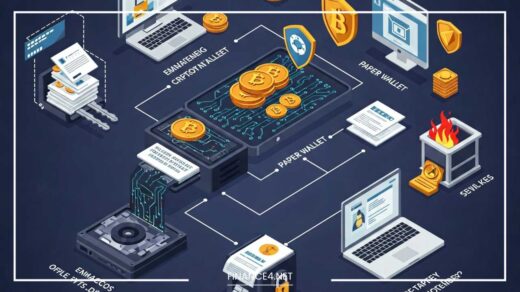
Overview of Crypto Wallets
There are two main types of wallets for NFT collectors:
- Hot Wallets (Connected to the Internet): Convenient for day-to-day transactions and interaction with marketplaces.
- Examples: MetaMask (the most popular browser extension and mobile app), Coinbase Wallet, Trust Wallet.
- Cold Wallets (Offline Hardware Devices): Physical devices that store your private keys offline, providing the highest level of security for long-term storage of valuable assets (like a bank vault).
- Examples: Ledger and Trezor.
Step-by-Step: Setting Up a Wallet (MetaMask Example)
- Download: Download the official MetaMask browser extension and mobile app from the official website or app store.
- Create: Select “Create a New Wallet.” You will create a strong password.
- Secure the Seed Phrase (Crucial!): The wallet will generate a 12- or 24-word Secret Recovery Phrase (or seed phrase). This is the master key to your funds. Write it down physically on paper or an engraved metal plate and store it securely in a fireproof safe. Never store it digitally (on your computer, in the cloud, or in a screenshot). If you lose your password, the seed phrase is your only recovery option. If someone else gets your seed phrase, they gain immediate and irreversible access to all your assets.
- Confirm: Confirm the phrase to finalize the setup. Your wallet is now ready.
Buying Cryptocurrency (Usually ETH)
The majority of NFT art prints are still sold on the Ethereum blockchain, meaning you will need Ether (ETH) to purchase the NFT and pay the network transaction fee (known as gas).
- Purchase ETH: Use a centralized cryptocurrency exchange (like Coinbase, Binance, or Kraken) to buy ETH with fiat currency (USD, EUR, etc.).
- Transfer to Wallet: Once purchased, transfer the ETH from the exchange to your newly set-up MetaMask or other hot wallet address. Always do a small test transfer first.
- Keep Gas Ready: Always keep a little extra ETH in your wallet to cover the variable transaction fees (gas).
Security Tips for Wallet Management
- Never Share Your Seed Phrase: Not with anyone, ever. No legitimate service will ever ask for it.
- Use a Cold Wallet for Valuables: Once an NFT purchase is complete, transfer high-value assets to a Ledger or Trezor for cold storage.
- Be Wary of Phishing: Double-check URLs before connecting your wallet, and never sign a transaction request that looks suspicious or attempts to approve unlimited spending on your tokens.
How to Find and Choose NFT Art
The market is vast. Discerning high-quality art requires research, an understanding of the artist’s context, and a keen eye for the project’s long-term viability.
How to Discover Artists and Collections
- Marketplace Curation: Explore the featured sections on platforms like SuperRare or MakersPlace for vetted, established artists.
- Social Media: X (formerly Twitter) and Discord are the de-facto social hubs for the NFT community. Follow reputable collectors, curators, and artists to discover trending work.
- Art Blogs and Newsletters: Subscribe to niche art and crypto publications that analyze the market and spotlight emerging talent.
- Physical Galleries: The increasing number of physical galleries hosting NFT art exhibitions is a great way to see the work and the associated prints in person.
Tips for Evaluating NFT Art
Artist Reputation and History
Research the artist’s background. Have they been a respected traditional artist who transitioned to digital? Do they have a consistent track record? A proven history of delivering on promises and engaging with the community is a strong indicator of long-term value.
Edition Size
This is critical for a print collector as it dictates scarcity:
- 1/1 (One-of-One): The rarest form of NFT art, analogous to a unique original painting. These typically command the highest price.
- Limited Editions (e.g., 1/100): Multiple copies exist, making the piece more accessible but still exclusive. This is the most common format for works intended for physical printing.
- Open Editions: Artworks with no limit on the number of tokens minted within a specific timeframe. These are typically the most affordable and often less focused on investment.
For print collecting, ensure you understand if the physical print is included in the edition size (e.g., “NFT plus one physical print”) or if it is an unlimited utility offered to the token holder.
Community and Story Behind the Art
A strong community validates a project’s cultural relevance. Investigate the project’s Discord and social channels. The “story” or concept behind the art—the artist’s philosophy, the collection’s theme, or its unique utility—can be a major driver of cultural and monetary value.
Verifying Authenticity on the Blockchain
Never trust a link or an image alone. Always verify the smart contract address on a blockchain explorer (like Etherscan or Polygonscan). Scammers often create fake versions of popular NFTs. The official collection’s contract address will be published on the artist’s verified social channels and the reputable marketplace’s page. Cross-reference this address with the NFT you intend to buy.
Purchasing the NFT Art Print
The purchase process is a digital transaction that culminates in a physical request for your art print.
Step-by-Step Guide to Making a Purchase
- Connect Your Wallet: On your chosen marketplace (e.g., OpenSea), click the “Connect Wallet” button and select your hot wallet (e.g., MetaMask).
- Fund Check: Ensure you have enough ETH (or the required crypto) to cover the price of the art and the estimated gas fee.
- Placing a Bid vs. Buying Outright:
- Buy Outright (Fixed Price): The simplest transaction. Click “Buy Now,” and the marketplace prompts you to confirm the transaction in your wallet.
- Placing a Bid (Auction): You set a price, and if the artist or seller accepts it, the transaction proceeds. Be mindful of auction end times.
- Confirming Transaction on the Blockchain: Your wallet will pop up with a final confirmation, detailing the asset price and the variable gas fee. Review the total cost and click “Confirm.” The transaction is then sent to the blockchain network and finalized in a matter of seconds to minutes.
What Happens After Purchase
- NFT in Wallet: The NFT token will appear in the collectibles section of your wallet (e.g., the NFT tab in MetaMask or Trust Wallet) and on your profile on the marketplace.
- Accessing the Print Utility: This is where the physical fulfillment process begins.
- Unlockable Content: Check the NFT’s details for “Unlockable Content.” This private section, visible only to the token owner, usually contains a high-resolution download link, a unique redemption code, or a direct link to a token-gated printing service.
- Artist Sends Print: If the artist manages fulfillment, the unlockable content may ask you to provide a shipping address, which is then sent securely to the artist.
How Prints Are Typically Handled
| Fulfillment Method | Description | Pros | Cons |
| Artist Sends | Artist prints or partners locally and ships the physical art directly to the token holder. | Highest quality control, often signed. | Longer shipping times, higher cost potentially. |
| Third-Party POD Service | Token-gated integration with a global service (like Prodigi or JONDO) that verifies ownership and prints on demand. | Fast, professional fulfillment, global shipping. | Less personalized, reliant on a third-party service. |
| Self-Print | The artist provides a high-resolution, print-ready file in the unlockable content, allowing the collector to source their own print shop. | Maximum control over materials and framing. | Requires knowledge of printing, risk of unauthorized copies. |
Displaying and Storing NFT Art Prints
Collecting this art involves two forms of preservation: securing the digital token and caring for the physical print.
Digital Display Options
- NFT Frames: Specialized digital frames (e.g., Canvia, Samsung’s The Frame) are designed to display digital art at optimal resolution. They often connect directly to your wallet or a curated gallery platform.
- TV Display: Using media boxes like Apple TV or specialized apps, you can cast your digital art to a 4K or 8K television, turning it into a dynamic piece of wall decor.
Physical Display: Printing, Framing, and Preservation
When receiving a physical print, treat it like any valuable fine art photograph or limited-edition screenprint:
- Museum-Grade Materials: Opt for archival, acid-free papers (like Hahnemühle or Moab) and pigment-based inks to ensure the colors last for decades without fading.
- UV Protection: Frame the print using museum-quality glass or acrylic with high UV-filtration to protect the inks from environmental damage.
- Authentication Integration: If the print includes an NFC chip or QR code for verification, ensure it is preserved during the framing process. This public link to the blockchain is part of the art’s intrinsic value.
Storing NFTs Securely in Digital Wallets
For valuable prints, storing the corresponding NFT token in a cold wallet is the gold standard for security.
- Hot Wallet (Short-Term): Used for buying, selling, and smaller transactions.
- Cold Storage (Long-Term): After purchasing and redeeming the print, move the NFT to an air-gapped hardware wallet (Ledger or Trezor). The private keys are never exposed to the internet, making it virtually impervious to online hacking or malware. You only connect the device when you need to sell the NFT.
Legal and Copyright Considerations
A common misconception is that buying the NFT gives you the same rights as the artist. This is rarely the case. Understanding the licensing terms is paramount.
Do You Own the Copyright? (Usually No)
When you buy an NFT, you are buying the token and the ownership rights attached to it, not the underlying copyright of the artwork itself.
- The artist (creator) almost always retains the intellectual property (IP), which includes the exclusive right to reproduce, distribute, or create derivative works from the art.
- Think of it like buying a physical limited-edition print from a famous photographer: you own the physical object, but you cannot legally reproduce it on t-shirts or use it in an advertisement without the photographer’s permission.
Usage Rights: Commercial vs. Personal
The rights you do receive are governed by the licensing agreement (or terms of sale) attached to the NFT, which is often referenced or embedded in the smart contract metadata.
- Personal Usage Rights (Most Common): This license allows you to display the work (physically and digitally) for personal, non-commercial use. This includes printing the physical art for your home.
- Commercial Usage Rights (Less Common): Some, usually high-value, collections (like CryptoPunks or Bored Apes) grant the token holder a limited commercial license, allowing them to use the image for merchandising or creating derivative works up to a certain revenue threshold.
Always Check the Licensing Agreement
Before purchasing any NFT art print, find and read the associated terms. These are typically listed on the marketplace page, linked on the artist’s website, or directly in the NFT’s metadata. A reputable artist will be transparent about the rights you are purchasing to ensure you know the legal limitations on your ownership.
Final Tips & Common Mistakes to Avoid
Navigating the NFT space can be exhilarating, but requires vigilance. By following a few key precautions, you can protect your assets and enjoy the collecting experience.
Start Small to Learn the Process
Don’t jump into a high-value purchase immediately. Begin by acquiring a lower-priced piece on a chain like Polygon or Tezos (which have significantly lower gas fees than Ethereum) to practice connecting your wallet, confirming transactions, and verifying token ownership. This will build confidence before you commit to a major investment.
Be Wary of Scams and Fake NFT Drops
The vast majority of scams involve exploiting human error:
- Phishing Links: Never click a link sent via Discord or Telegram asking you to “mint a free NFT” or “verify your wallet.” Only interact with official links from a project’s verified X/Twitter account or website.
- Fake Marketplaces: Always check the URL of the marketplace you are using. Scammers create pixel-perfect copies to trick users into connecting their wallet and authorizing a malicious transaction that drains their funds.
Always Verify Artist and Contract Addresses
As noted, this is the single most important step in purchasing. The actual NFT is the contract address and token ID. A stolen or fake image can be re-minted, but it will not have the same original contract address. A simple contract address search on Etherscan can confirm if a collection is legitimate.
Keep Private Keys and Seed Phrases Secure
This is the cardinal rule of crypto security. Your seed phrase is your money. If you store it digitally (even in a password manager), you risk losing everything if that digital location is compromised. Use physical, durable, fireproof storage.
Final Thoughts
The journey to buy an NFT art print is a fascinating blend of art appreciation and technological mastery. By understanding the foundational principles of blockchain ownership, diligently securing your digital assets, and carefully reviewing the licensing terms, you position yourself to participate successfully in this exciting new market.
NFT art prints are not just a trend; they represent the future of art collection—a future where a piece of art’s provenance is guaranteed, an artist’s value is continuously rewarded, and the collector can fluidly move a verifiable masterpiece from the digital metaverse to the physical wall. We encourage you to explore the digital galleries, support the digital artists pushing the boundaries of creativity, and embrace the hybrid, authenticated world of the NFT art print. Happy collecting!