
How to Sell NFT Art Online?
 by
by 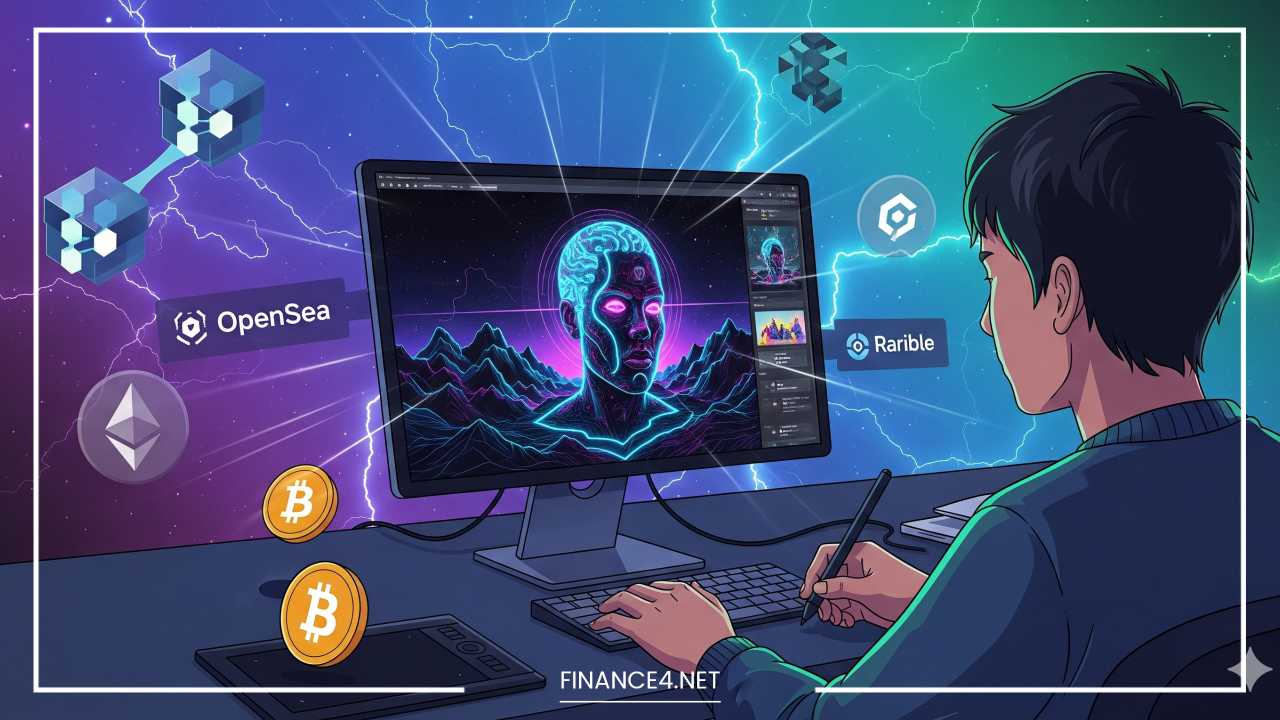
How to Sell NFT Art Online: A Comprehensive Guide for Digital Artists
In the past few years, a quiet revolution has taken place in the art world. A new, digital medium has emerged that’s transforming how artists create, share, and monetize their work. This medium is the Non-Fungible Token, or NFT. Once a niche term, NFTs have exploded into the mainstream, creating an entirely new market where digital art is not just a file on a computer but a unique, verifiable asset.
The rise of NFT art has been driven by a perfect storm of technological innovation and a growing appreciation for digital creativity. Artists who once struggled to find a market for their digital creations can now sell them directly to collectors worldwide, without needing a gallery or traditional art dealer. This guide is your roadmap to navigating this new frontier. We’ll walk you through everything you need to know, from creating your first NFT to marketing your art and making your first sale.
What is an NFT and Why Should Artists Use Them?
At its core, an NFT is a digital token that exists on a blockchain, a decentralized and transparent ledger. What makes it “non-fungible” is that it’s unique and cannot be replicated or interchanged like a cryptocurrency, such as Bitcoin or Ethereum. Think of it like a digital deed or certificate of authenticity for a piece of digital art. The NFT links to the digital file, proving its ownership and scarcity.
For artists, this technology is a game-changer. Here’s why:
- Ownership Verification: Before NFTs, digital art was easy to copy and distribute, making it difficult to prove original ownership. An NFT solves this by creating an immutable record on the blockchain, verifying who the artist is and who owns the original piece.
- Global Market Access: NFTs open up a global marketplace. You can sell your art to anyone, anywhere in the world, eliminating geographical barriers and the need for physical galleries. This democratizes the art world, giving independent artists a direct line to collectors.
- Built-in Royalties: One of the most revolutionary features of NFTs is the ability to program in royalties. When you create an NFT, you can set a percentage (e.g., 5-10%) that you will automatically receive every time your art is resold on the secondary market. This provides a passive, long-term revenue stream for artists, a concept that is virtually unheard of in the traditional art world.
- Creator Economy: NFTs empower artists by allowing them to connect directly with their audience and build their own brand and community without relying on intermediaries.
This stands in stark contrast to traditional art sales, where artists often deal with galleries that take a significant commission and have limited reach. While physical art sales can be a slow, cumbersome process, NFT sales are quick and transparent, allowing artists to retain more control over their work and its value.
Creating Your NFT Art
The first step to selling NFT art is, of course, creating it. The beauty of the NFT space is that you can turn virtually any digital creation into an NFT. While digital painting and illustration are the most common forms, artists are also minting photography, animations, videos, and even music.
Digital Art Creation
To get started, you’ll need digital art creation software. Popular options include:
- Adobe Photoshop and Illustrator: Industry standards for digital painting, photo manipulation, and vector graphics.
- Procreate: A powerful and intuitive app for iPad that’s a favorite among illustrators.
- Blender and Cinema 4D: For 3D modeling and animation.
- Aseprite: Perfect for creating pixel art.
The key is to create something that’s not just a beautiful image but a piece of art that tells a story, reflects your unique style, or offers something truly new and exciting.
Preparing Your Art
Once your art is complete, you need to prepare it for minting. This involves ensuring your file is optimized and ready for the blockchain.
- File Formats and Specifications: Most NFT marketplaces support common image, video, and audio formats.
- Images: PNG, JPEG, GIF (for animated art)
- Videos: MP4, MOV (with H.264 compression)
- Audio: MP3
- Resolution and Size: While there are no strict rules, higher-resolution images and videos generally look better and are more appealing to collectors. However, keep in mind that larger file sizes can increase gas fees on some blockchains.
- Adding Creativity and Uniqueness: Don’t just create a static image. Consider adding unique elements to your art to make it more desirable. This could include:
- Utility: Can the NFT be used for something in the future, like gaining access to a community or a future drop?
- Interactivity: Can the art change based on a user’s interaction?
- Limited Edition Drops: Creating a limited number of a specific NFT (e.g., a collection of 100 pieces) can increase its perceived scarcity and value.
Understanding Blockchain and Choosing the Right Platform
Before you can mint your art, you need to understand the fundamental technology behind it: the blockchain.
What is Blockchain?
A blockchain is a decentralized digital ledger that records transactions across a network of computers. In the context of NFTs, the blockchain stores information about the NFT, including who created it, who owns it, and every transaction it has been involved in. Because this information is distributed across a vast network, it is incredibly difficult to alter, making the ownership record secure and transparent.
Choosing the Right Blockchain
The blockchain you choose to mint your NFT on is a critical decision. Each one has its own community, fee structure, and environmental impact.
- Ethereum: The most popular and well-established blockchain for NFTs. It has a massive user base and hosts major marketplaces like OpenSea and Rarible. However, it’s known for high “gas fees” (transaction fees), which can make it expensive to mint and sell.
- Polygon: A “Layer 2” solution built on Ethereum. Polygon offers a way to mint NFTs with significantly lower transaction fees while still being part of the Ethereum ecosystem. Many artists mint on Polygon to avoid high costs.
- Tezos: A more energy-efficient and cost-effective alternative to Ethereum. It has a growing community of artists and collectors and is known for its low fees and sustainable approach.
- Solana: A fast, low-cost blockchain that has gained popularity for its speed and efficiency. It has a growing NFT ecosystem and is a strong alternative to Ethereum.
When making your choice, consider the community you want to be a part of, the cost of transactions, and the energy efficiency of the chain.
Popular NFT Marketplaces
Marketplaces are the digital art galleries of the NFT world. This is where you will mint, list, and sell your art.
- OpenSea: The largest and most popular NFT marketplace. It is a “generalist” platform, meaning it hosts a wide variety of NFTs. It’s a great starting point for new artists due to its user-friendly interface and large audience.
- Rarible: A community-owned marketplace that allows artists to mint, sell, and manage their NFTs.
- SuperRare and Foundation: More curated, “boutique” platforms. They often require an invitation to join and are known for hosting high-quality, high-value art. Getting into these platforms can be a sign of prestige, but it is often more difficult for new artists.
Gas Fees and Costs
Gas fees are the transaction fees on the Ethereum blockchain that compensate miners for the computational effort required to process and validate transactions. These fees fluctuate based on network demand, and they can sometimes be quite high, making the cost of minting an NFT a significant consideration. Some marketplaces offer “lazy minting,” where the NFT is minted only at the time of purchase, with the buyer paying the gas fees. This is a great option for artists who want to avoid upfront costs.
Minting Your NFT Art
Minting is the process of creating a unique token on the blockchain and linking it to your digital artwork. It’s a crucial step that officially makes your art an NFT.
What is Minting?
Think of minting as the act of publishing your work on the blockchain. When you “mint” your art, you are creating the digital certificate of authenticity. This process involves uploading your art to a marketplace, filling out the necessary information, and paying the required gas fees (if applicable).
Step-by-Step Guide to Minting
- Set Up a Digital Wallet: You’ll need a cryptocurrency wallet to interact with the blockchain and hold your crypto (e.g., Ethereum) and NFTs. MetaMask is the most popular browser extension wallet for Ethereum-based blockchains, while Coinbase Wallet and Trust Wallet are popular mobile options.
- Connect Your Wallet to a Marketplace: Go to your chosen marketplace (e.g., OpenSea) and connect your wallet. This is a secure process that allows the platform to interact with your wallet without having access to your private keys.
- Upload and Mint Your Artwork: Most platforms have a “Create” or “Mint” button. You will be prompted to upload your digital art file, add a title, description, and other metadata.
- Pay Gas Fees: If you are minting on a blockchain like Ethereum, you will need to confirm the transaction and pay the gas fees through your wallet. The marketplace will display the estimated fee, and you can adjust the gas limit if necessary, though it is usually best to let the wallet set the default.
Understanding Metadata and Royalties
During the minting process, you will be asked to fill in key information:
- Title and Description: A compelling title and detailed description can add context and value to your art. Use this space to tell the story behind the piece and your artistic vision.
- Collection: You can create a “collection” for your art, which helps organize and brand your work on the marketplace.
- Royalties: This is where you set the percentage you will receive from future sales. Most artists choose a royalty rate between 5-10%. This is automatically coded into the smart contract and paid to you directly whenever the NFT is resold.
Setting the Right Price for Your NFT Art
Pricing your art is a delicate balance. Price it too low, and you may devalue your work; price it too high, and it may never sell.
Factors to Consider When Pricing
- Your Reputation: Are you a well-known artist in the traditional or digital art world? A strong reputation can justify a higher price.
- Rarity and Uniqueness: Is your art a one-of-a-kind (1/1) piece or part of a larger collection? Scarcity drives value.
- Complexity and Quality: The time and effort you put into the piece, as well as its overall quality, should be reflected in the price.
- Market Demand: Keep an eye on the market. What are other artists with similar styles or reputations selling their art for?
Auction vs. Fixed Price
You have two main options for selling your art:
- Fixed Price: You set a price, and the first person to buy it gets the NFT. This is a straightforward model that works well for a consistent price point.
- Auction: You set a starting bid and a duration for the auction. Buyers place bids, and the highest bid at the end of the auction wins. Auctions can generate more buzz and excitement, potentially leading to a higher final price if there’s enough demand.
Marketing Your NFT Art
Creating great art is only half the battle; the other half is marketing it. The NFT space is crowded, so you need to stand out and build an audience.
Building Your Brand as an NFT Artist
Your brand is your identity in the NFT world. It’s what people associate with your art and your story.
- Create an Online Presence: Have a professional website or a link-in-bio page (like Linktree) that consolidates all your social media links and marketplaces.
- Consistent Naming: Use the same handle across all platforms to make it easy for people to find you.
- Build a Community: Engage with your followers on social media. Answer questions, show behind-the-scenes content, and be authentic.
Social Media Strategies
Social media is the lifeblood of NFT marketing.
- Twitter: This is the central hub of the NFT community. Use it to share your art, engage with other artists and collectors, and stay up-to-date on trends. Use relevant hashtags like #NFT, #NFTartist, #NFTCommunity, and #Cryptoart.
- Instagram: A visual platform, perfect for showcasing your art. Use Reels and Stories to give sneak peeks of upcoming drops.
- Discord: Join NFT-focused Discord servers. They are a great place to connect with other artists, collectors, and potential buyers.
Creating Buzz for Your Drop
Don’t just drop your NFT and hope for the best. Generate anticipation.
- Pre-Launch Hype: Announce your upcoming drop a few days or weeks in advance. Share snippets, teasers, and “in-progress” photos.
- Limited Editions: Announce that your drop is a limited edition. The scarcity will encourage people to buy quickly.
- Collaborate: Partner with other artists or influencers in the space. A collaborative piece can tap into both artists’ audiences, expanding your reach.
Legal Considerations
While the NFT world is largely unregulated, a few legal issues are important to keep in mind.
Copyright and Intellectual Property
When you create and mint an NFT, you retain the copyright to your original work unless you explicitly transfer it. The NFT acts as a verifiable record of ownership of the digital token, not the underlying art itself.
- Buyer’s Rights: When a collector buys your NFT, they are typically buying the digital asset and its token, but not the intellectual property rights to the artwork. This means they can’t print your art on merchandise or use it for commercial purposes without your permission. It is crucial to be clear about this in your description.
- Avoiding Infringement: Do not use copyrighted material (e.g., music, characters, or images) in your NFTs without permission. This can lead to legal issues and get your account banned from marketplaces.
Managing Sales and Transactions
Once you’ve made a sale, you need to understand how the process works and what to do next.
How to Track Your Sales
Most NFT marketplaces have a dashboard where you can track your sales, royalties, and wallet balance. You can also use services like Etherscan to view all transactions associated with your wallet address on the blockchain.
Tax Implications of NFT Sales
This is a complex and evolving area. Generally, revenue from NFT sales is considered taxable income, and in many countries, NFTs are treated as a capital asset. It’s crucial to keep a detailed record of all your sales, costs (including gas fees), and earnings. Consult with a tax professional who understands cryptocurrency and digital assets in your country to ensure you are compliant with all tax laws.
Transferring NFTs to Buyers
The transaction is handled automatically by the smart contract on the blockchain. Once a buyer pays, the NFT is automatically transferred from your wallet to theirs, and the cryptocurrency from the sale is transferred to your wallet. You don’t need to do anything manually.
Common Mistakes to Avoid
Starting in the NFT space can be challenging, and it’s easy to make mistakes.
- Underpricing Your Art: Don’t sell yourself short. Research the market and price your art based on its value, not just the cost of minting. Underpricing can give the impression that your art is of low quality.
- Not Engaging with the Community: The NFT world is built on community. If you just mint art and leave, you will miss out on building relationships with collectors and other artists, which are crucial for success.
- Ignoring Legal Aspects: Don’t assume you are safe just because the space is decentralized. Understand your rights and the rights of your buyers to avoid future legal problems.
Future of NFT Art
The NFT space is still in its infancy, and it is evolving at an incredible pace. What started as a way to sell digital art has expanded into gaming, music, fashion, and more. Artists are exploring new ways to add utility to their NFTs, like exclusive access to events, airdrops of future work, or use in virtual reality environments. The potential for NFTs to revolutionize the creator economy is immense. They are not just a trend; they are a fundamental shift in how we value and exchange digital assets.
Final Thoughts
Selling NFT art online is a journey that requires a mix of creativity, technical understanding, and savvy marketing. The process may seem daunting at first, but by following a step-by-step approach, you can successfully navigate this new landscape. Start by creating compelling art, choose the right platform, and focus on building a community around your work. The world of digital art is more exciting and accessible than ever before, and with NFTs, you can truly take control of your creative career and reach a global audience. The next great digital art piece is waiting to be minted—are you ready to create it?