Best NFT Aggregator Tools
 by
by 
Best NFT Aggregator Tools 2025: Your Guide to Smarter Trading
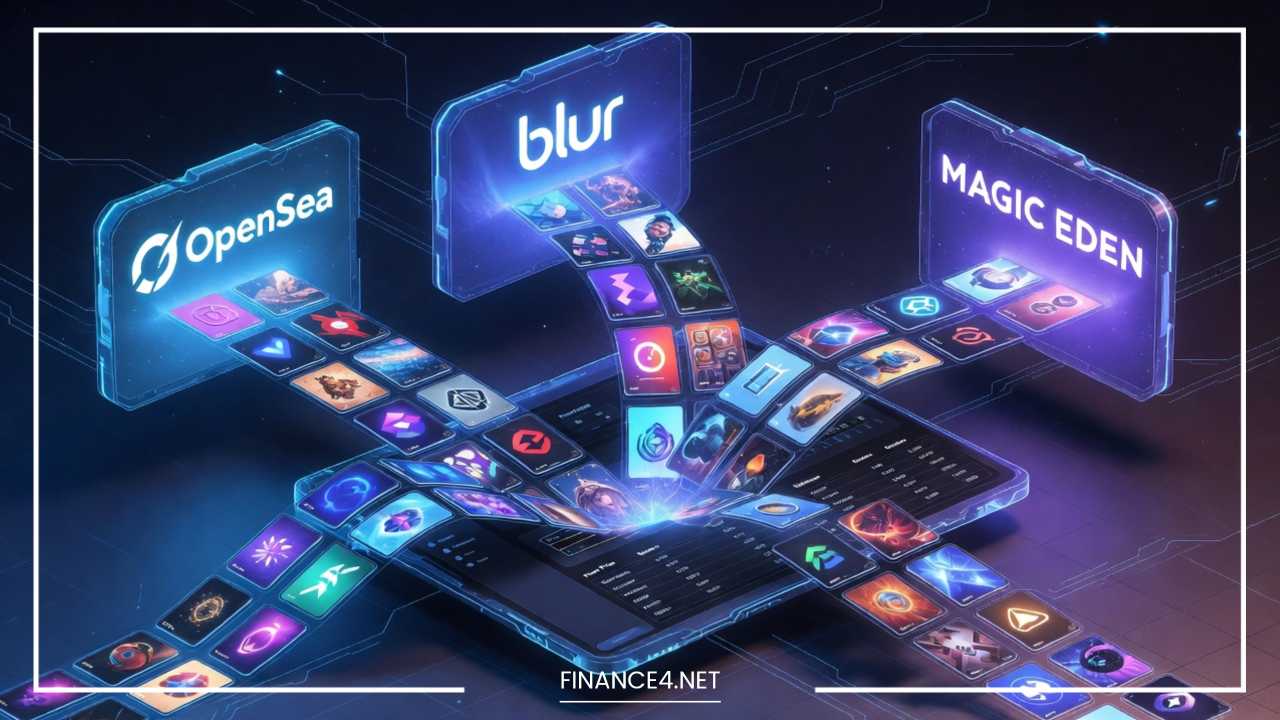
In the fast-paced world of non-fungible tokens (NFTs), staying ahead of the curve is no longer just a luxury—it’s a necessity. The NFT ecosystem is a fragmented landscape of dozens of marketplaces, each with its own unique collections, pricing, and user base. Manually sifting through platforms like OpenSea, Magic Eden, and Rarible to find the best deal on a single NFT is time-consuming and inefficient. This is where NFT aggregator tools come in, revolutionizing how traders and collectors interact with the market.
NFT aggregators act as powerful search engines, pulling listings from multiple marketplaces into a single, unified interface. They don’t just save you time; they provide a bird’s-eye view of the entire market, allowing you to find the cheapest floors, track real-time trends, and execute trades with unprecedented speed and efficiency. This article will serve as your definitive guide to the best NFT aggregator tools of 2025, detailing their features, strengths, and how they can supercharge your trading strategy.
What Is an NFT Aggregator?
An NFT aggregator is a platform that consolidates NFT listings from various marketplaces and blockchains into one centralized dashboard. Think of it as a Kayak or Google Flights for NFTs. Instead of visiting OpenSea to check the price of a Bored Ape, then jumping to Blur, and then to LooksRare, you can simply use an aggregator to see all available listings and their prices side-by-side.
This consolidation is a game-changer for several reasons:
- Time-Saving: It eliminates the need to manually browse multiple sites, drastically reducing the time spent on market research.
- Better Pricing: By displaying the lowest available prices from all integrated marketplaces, aggregators help you find the best deals, often saving significant amounts on gas fees and purchase prices.
- Enhanced Liquidity: Aggregators increase the overall liquidity of a collection by making all listings, regardless of the marketplace they are on, visible to a wider audience.
- Cross-Platform Insights: They provide a comprehensive view of a collection’s floor price, volume, and trading activity across the entire ecosystem, offering more accurate and holistic market insights.
In essence, while an individual marketplace is a listing and transaction engine, an aggregator is a search and comparison tool. The aggregator doesn’t hold the NFTs or process the transactions itself; it simply routes your transaction to the best-priced listing on the underlying marketplace.
Key Features to Look for in NFT Aggregators
Not all aggregators are created equal. The best tools are packed with features that cater to the needs of serious traders and collectors. When choosing an aggregator, look for platforms that offer:
- Unified Search: The ability to search for any NFT collection and see all available listings from every major marketplace in one place.
- Real-Time Pricing: Up-to-the-second data on floor prices, recent sales, and listing changes. This is crucial for fast-moving markets where prices can shift in seconds.
- Advanced Filters: Robust filtering options are essential for finding specific NFTs. Look for tools that allow you to filter by traits, rarity rank, price, and other metadata.
- Bulk Buying & Selling: This is a hallmark of pro-level tools. The ability to “sweep the floor” by buying multiple NFTs at the floor price in a single transaction, or to list a batch of NFTs for sale at once, saves on both time and gas fees.
- Gas Fee Optimization: Aggregators can help you save on gas fees by routing your transaction to the most efficient marketplace and by enabling multi-item purchases in a single transaction.
- Portfolio Tracking: A valuable feature that connects to your wallet and provides a clear, real-time overview of your NFT holdings, including their floor value and profit/loss.
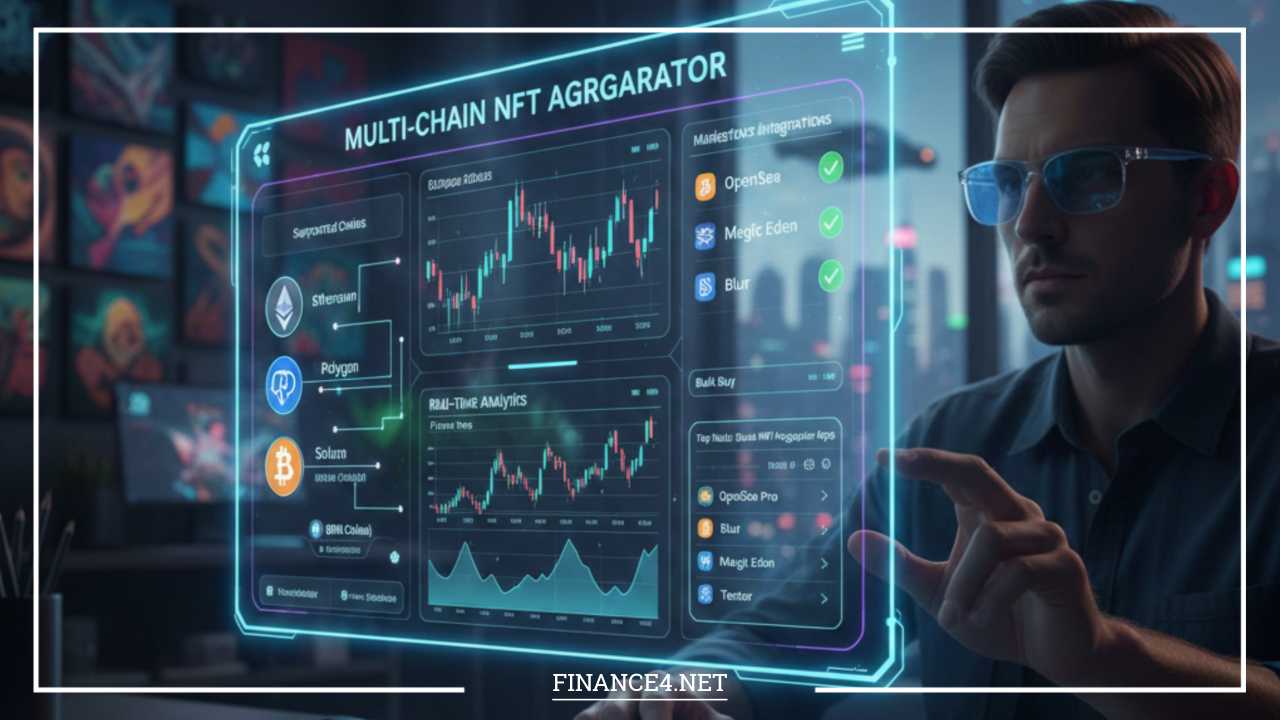
- Multi-Chain Support: The NFT market is expanding beyond Ethereum. A top-tier aggregator should support multiple chains, such as Solana, Polygon, and BNB Chain, to provide a truly comprehensive view of the market.
- Royalties and Metadata Tracking: The ability to see the creator royalties associated with a collection and to view an NFT’s full metadata directly in the interface.
Top NFT Aggregator Tools in 2025
The aggregator landscape is highly competitive, with new tools emerging constantly. Here’s a breakdown of the leading platforms in 2025, each with its own unique strengths and target audience.
1. Gem.xyz (Now integrated with OpenSea)
Overview: Originally a standalone tool, Gem was acquired by OpenSea in 2022. It has since been integrated directly into OpenSea’s platform, becoming the de facto aggregator for the world’s largest NFT marketplace.
Key Features: It allows users to sweep the floor by buying up to 200 NFTs at a time. It also offers advanced gas fee savings, real-time collection analytics, and rarity rankings directly within OpenSea’s familiar interface.
Supported Chains/Marketplaces: Primarily Ethereum, with expanded support for Polygon and other chains. It aggregates listings from top Ethereum marketplaces.
Pros: Seamless integration with OpenSea, excellent user experience, strong analytics.
Cons: No longer a standalone product, so its features are tied to OpenSea’s ecosystem.
Ideal for: Beginners and intermediate collectors who want a powerful, built-in aggregator without having to leave the OpenSea ecosystem.
2. Blur.io
Overview: Blur took the NFT world by storm in late 2022 by positioning itself as the “pro” NFT marketplace and aggregator. It’s built for speed and low fees, with a strong focus on traders and flippers.
Key Features: Zero marketplace fees (you only pay gas). It offers powerful analytics, live sales feeds, and the ability to list NFTs across multiple marketplaces simultaneously. Its bulk buying features are among the fastest in the market.
Supported Chains/Marketplaces: Primarily Ethereum, aggregating from OpenSea, X2Y2, LooksRare, and others.
Pros: Zero fees, designed for professional traders, and an active rewards program for users.
Cons: The user interface can be intimidating for newcomers. Its focus on speed and volume can make it a hotbed for wash trading.
Ideal for: Experienced traders and professional flippers who prioritize speed, advanced tools, and low costs.
3. Reservoir Protocol
Overview: Reservoir is not a consumer-facing platform but rather a decentralized protocol that powers NFT aggregation for other applications. It’s the “backend” for many of the aggregators and marketplaces you use.
Key Features: It provides a robust, permissionless API for fetching NFT data, listing and executing orders across multiple chains. Its key innovation is its focus on creating a decentralized, universal liquidity layer for NFTs.
Supported Chains/Marketplaces: It is designed to be multi-chain and powers many platforms across Ethereum, Polygon, Optimism, Arbitrum, and others.
Pros: Highly reliable and decentralized, forms the backbone of the aggregation ecosystem, and promotes interoperability.
Cons: Not a tool for end-users, requires technical knowledge to interact with directly.
Ideal for: Developers, decentralized applications (dApps), and platforms that want to build their own NFT trading experiences.
4. Rarible Aggregator
Overview: Rarible, one of the original NFT marketplaces, has evolved to include its own aggregator feature. It aims to provide a comprehensive trading experience by not only being a marketplace but also a gateway to others.
Key Features: It allows users to browse and buy NFTs from major marketplaces directly through its platform. It also includes an “Ecosystem” view that lets you explore collections on other supported chains.
Supported Chains/Marketplaces: A truly multi-chain platform supporting Ethereum, Polygon, Solana, Tezos, Flow, and more. It aggregates from platforms like OpenSea and LooksRare.
Pros: Strong multi-chain support, user-friendly interface, and a community-driven approach.
Cons: Trading volume is generally lower than on Blur or OpenSea, and its aggregation features aren’t as advanced as dedicated tools.
Ideal for: Collectors who value multi-chain support and a well-rounded, community-centric platform.
5. JPG Store Aggregator (Cardano)
Overview: While many aggregators focus on the EVM ecosystem, JPG Store is the leading marketplace and aggregator for the Cardano blockchain. It plays a pivotal role in the vibrant Cardano NFT community.
Key Features: It aggregates listings from various Cardano-based marketplaces and offers a unified dashboard for viewing, bidding, and buying. It’s known for its user-friendly interface and focus on creator royalties.
Supported Chains/Marketplaces: Exclusively Cardano, but it aggregates from all major Cardano NFT marketplaces.
Pros: The go-to for the Cardano ecosystem, known for its strong community and fair royalty model.
Cons: Limited to a single blockchain (Cardano), so it’s not useful for Ethereum or Solana NFTs.
Ideal for: Collectors and traders who are deeply invested in the Cardano NFT ecosystem.
6. Alpha Sharks
Overview: Alpha Sharks is an NFT analytics platform that combines real-time data with aggregation features to help traders find and execute profitable opportunities.
Key Features: It provides a live feed of new listings and sales, a rarity sniper tool to spot undervalued rare NFTs, and in-depth collection analytics. It allows for fast “sniping” of newly listed NFTs.
Supported Chains/Marketplaces: Primarily Ethereum, with support for major marketplaces.
Pros: Powerful analytics, live data streams, and a focus on speed for “alpha” opportunities.
Cons: A paid subscription is required to unlock its most powerful features. The interface can be complex for new users.
Ideal for: Experienced traders and arbitrageurs who need a data-driven edge.
7. Nftnerds.ai
Overview: Nftnerds.ai is a comprehensive trading terminal designed for professional NFT traders. It offers a suite of tools for real-time market analysis and rapid execution.
Key Features: It provides live data feeds, a highly configurable trading interface, and advanced sorting and filtering options. Its “listing scanner” allows traders to monitor new listings as they appear and quickly place orders.
Supported Chains/Marketplaces: Focuses on the Ethereum ecosystem.
Pros: Extremely fast, highly customizable, and offers a comprehensive view of market activity.
Cons: The learning curve is steep, and it’s a tool for power users, not casual collectors.
Ideal for: Professional traders and market makers who demand real-time data and granular control over their trades.
8. Flip.xyz
Overview: Flip.xyz positions itself as a social-first trading platform that combines a community-focused interface with powerful aggregation and analytics.
Key Features: It offers a clean, visual interface to browse and “flip” NFTs. It includes real-time analytics, rarity rankings, and a feed of recent sales and popular collections. The social aspect allows users to see what other successful traders are buying and selling.
Supported Chains/Marketplaces: Primarily Ethereum and Solana, aggregating from top marketplaces on both chains.
Pros: User-friendly and visually appealing, strong community features, and supports two of the largest NFT ecosystems.
Cons: Not as feature-rich as dedicated trading terminals like Nftnerds.ai.
Ideal for: Traders who want a more engaging, social experience and the ability to monitor both Ethereum and Solana markets.
9. Mintify
Overview: Mintify is a high-performance trading platform built for professional traders, analysts, and institutional users. It combines real-time analytics with powerful execution tools.
Key Features: Its unified dashboard provides deep token metrics and NFT analytics, allowing users to discover emerging opportunities. It’s known for its low-latency data and on-chain-first approach.
Supported Chains/Marketplaces: Supports various blockchains, including Ethereum, and integrates with major exchanges and marketplaces.
Pros: Excellent for data-driven decisions, low latency, and a comprehensive workspace for serious traders.
Cons: Can be overwhelming for beginners; the platform is geared toward advanced users.
Ideal for: Professional traders, analysts, and funds that require reliable, institutional-grade data.
10. Uniswap NFT Aggregator
Overview: After acquiring the NFT aggregator Genie, Uniswap integrated NFT trading directly into its decentralized exchange (DEX) platform. This move connects the world of fungible token trading with NFTs.
Key Features: It provides a one-stop shop for both token swaps and NFT purchases. It aggregates listings from major marketplaces and allows users to buy NFTs with any ERC-20 token supported on Uniswap. It also offers gas fee optimization.
Supported Chains/Marketplaces: Primarily Ethereum and Polygon, with plans to expand. It aggregates from OpenSea, LooksRare, X2Y2, and others.
Pros: Combines DeFi and NFT trading in a single interface, offers a seamless trading experience.
Cons: The NFT side is not as feature-rich as dedicated aggregators, and it may not be intuitive for those not already familiar with Uniswap.
Ideal for: DeFi users who are also interested in NFTs and want to execute all their trades from one place.
11. Moby.gg
Overview: Moby.gg is a real-time NFT analytics and aggregation platform that provides a live feed of new listings, mints, and sales. It’s particularly useful for staying on top of market momentum.
Key Features: Its standout feature is its live feed of mints and sales, allowing users to see which collections are gaining traction. It also includes collection analytics, gas tracking, and wallet tracking.
Supported Chains/Marketplaces: Primarily Ethereum.
Pros: Excellent for tracking live market activity and identifying trends early.
Cons: Lacks some of the more advanced trading features found on platforms like Blur.
Ideal for: Traders who want to spot new trends and mints before they go mainstream.
12. TradeSniper
Overview: TradeSniper is a tool for active traders who want to identify and execute “snipes”—buying an NFT at a price significantly below its fair market value.
Key Features: It provides a real-time feed of listings that are undervalued based on their rarity or other traits. Users can set up alerts and execute trades with minimal lag. It’s a specialized tool for arbitrage and high-speed trading.
Supported Chains/Marketplaces: Primarily focused on the Ethereum ecosystem.
Pros: Highly specialized for a specific trading strategy (sniping), and offers a significant advantage for those who master it.
Cons: Narrow use case; not a comprehensive tool for all types of trading.
Ideal for: Advanced traders who focus on finding and exploiting mispriced NFTs.
NFT Aggregators vs. Marketplaces: What’s the Difference?
The distinction between an aggregator and a marketplace is subtle but critical.
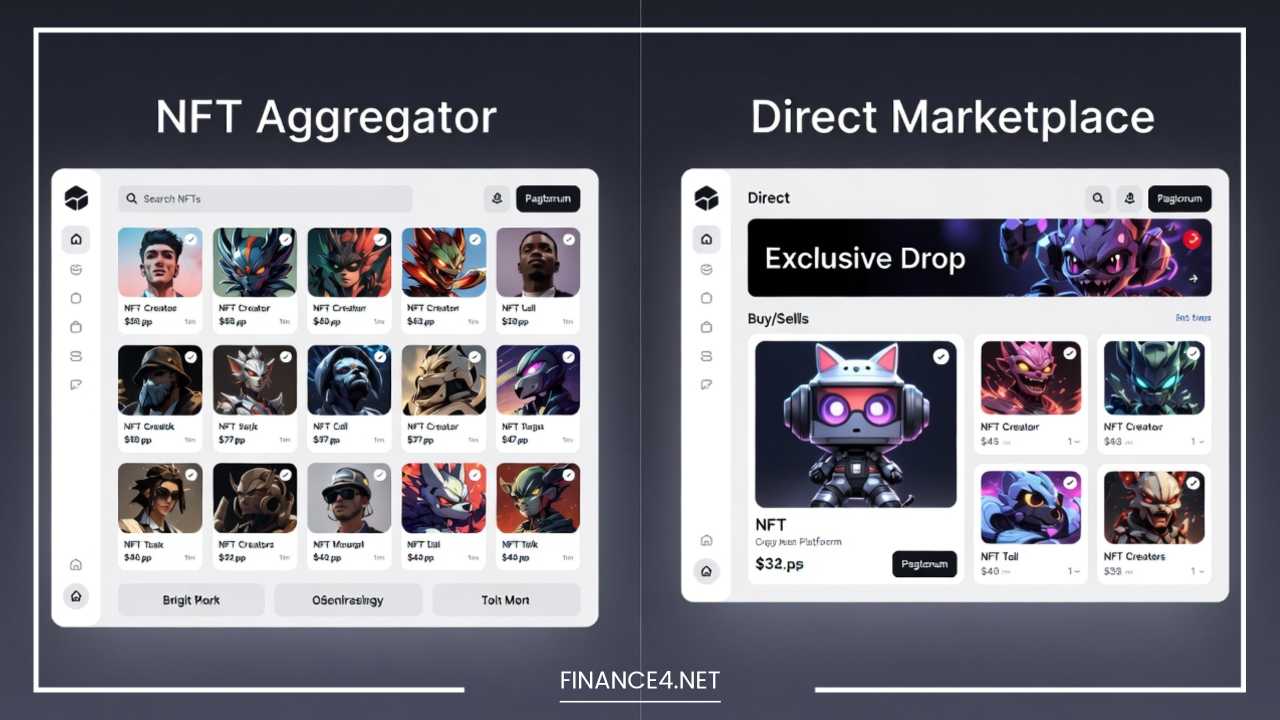
- Marketplace (e.g., OpenSea, LooksRare): This is a platform where NFTs are listed, bought, and sold. It’s the primary venue for transactions. Think of it as a physical store. Listings are native to that specific marketplace, and all transactions occur on its smart contracts.
- Aggregator (e.g., Blur, Gem): This is a tool that pulls listings from multiple marketplaces. It doesn’t host the NFTs itself. It’s a digital shopping mall directory. When you find a listing you want to buy, the aggregator sends your transaction to the original marketplace where the NFT is listed, ensuring you get the best price.
The rise of aggregators is a direct result of the NFT market’s fragmentation. Without them, you’d have to navigate a complex, inefficient landscape. Aggregators consolidate this fragmented liquidity, making the market more efficient for everyone.
Multi-Chain Support and Interoperability
As the NFT market expands, so too does the need for multi-chain support. Ethereum remains the dominant force, but blockchains like Solana, Polygon, and others are gaining traction. A truly effective aggregator in 2025 must support this multi-chain reality.
Platforms like Rarible and Flip.xyz are at the forefront of this trend, allowing users to seamlessly switch between ecosystems. This interoperability is crucial for capturing the full scope of the NFT market and for collectors who hold assets on different chains. However, true cross-chain transactions (e.g., buying a Solana NFT with Ethereum) remain a challenge and are still mostly done through complex bridging solutions.
Analytics & Sniping Tools Integration
Today’s aggregators are more than just price checkers. Many have integrated advanced analytics and sniping tools that were once standalone products.
- Analytics: These tools provide real-time data on collection stats like floor price, volume, and recent sales. They also include rarity rankings, which are vital for determining an NFT’s value.
- Sniping Tools: These are designed for a specific trading strategy. They monitor newly listed NFTs in real time and, based on predefined criteria (e.g., below floor price, high rarity), alert the user or even automatically execute a purchase. Tools like TradeSniper and Nftnerds.ai are prime examples of this. This integration allows traders to react to market changes with machine-like speed, gaining a significant competitive advantage.
Tips for Using NFT Aggregators Effectively
To maximize the benefits of these tools, follow these tips:
- Do Your Research: Before using a new aggregator, understand its features, fees, and supported marketplaces. Read reviews and ensure it’s a reputable tool.
- Use Filters Smartly: Don’t just look at the floor price. Use advanced filters to search for specific traits or rarity ranks that might be undervalued. This is where the real alpha is found.
- Stay on Top of Gas: Keep an eye on the current gas fees (GWEI) on the blockchain. Aggregators often have built-in gas trackers. Buying NFTs at times of low gas can save you a significant amount of money.
- Avoid Scams: Always double-check the URL of the aggregator you are using. Phishing sites that mimic popular aggregators are common. Use official links and bookmark them.
- Start Small: Don’t go all-in on your first trade. Get comfortable with the interface and features by starting with smaller, less valuable NFTs.
The Future of NFT Aggregators
The evolution of NFT aggregators is far from over. Here’s what we can expect to see in the future:
- AI and ML Integration: Aggregators will increasingly use AI and machine learning to provide hyper-personalized recommendations, predict market trends, and identify profitable opportunities.
- Deeper DeFi Integration: We can expect more platforms to integrate NFT lending, staking, and fractionalization directly into their interfaces, allowing users to earn yield on their NFTs.
- Regulatory Considerations: As the NFT market matures, regulators will likely impose rules on digital asset platforms. Aggregators will need to adapt to these new legal frameworks.
- GameFi and Metaverse Focus: Specialized aggregators for gaming assets, virtual land, and other in-game items will become more prominent, catering to the unique needs of the GameFi sector.
Final Thoughts
NFT aggregator tools are an indispensable part of the modern NFT trading landscape. They have transformed a fragmented, inefficient market into a streamlined, data-rich environment. By consolidating listings, optimizing for fees, and providing advanced analytics, platforms like Blur, Gem, and Rarible empower traders to make smarter, faster decisions.
Whether you’re a casual collector looking for a good deal or a professional trader hunting for arbitrage opportunities, there’s an aggregator tool out there for you. The key is to find the one that fits your needs and leverage its features to stay ahead of the curve. Embrace these tools, and you’ll be well-equipped to navigate the ever-evolving world of NFTs.
FAQs
Q1: Do NFT aggregators charge fees?
A1: Some aggregators, like Blur, have a zero-fee model for marketplace transactions (though you still pay blockchain gas fees). Others, like OpenSea’s integrated Gem, charge a small fee. It’s essential to check the fee structure of each platform.
Q2: Are NFT aggregators safe to use?
A2: Yes, reputable NFT aggregators are generally safe. They don’t custody your assets; they simply connect your wallet to the underlying marketplace for the transaction. The main risk is using a fake, phishing site that mimics a legitimate aggregator. Always use official links.
Q3: Can I sell NFTs on an aggregator?
A3: Yes, most aggregators allow you to list your NFTs for sale directly on their platform. They will then list your NFT on a variety of marketplaces to maximize exposure and potential buyers.
Q4: What’s the main benefit for beginners?
A4: For beginners, the main benefit is simplicity and efficiency. It allows them to compare prices and collections from many marketplaces in one place without having to open countless tabs, helping them find the best deal without a lot of effort.