Top Cross-Chain NFT Staking Protocols
 by
by 
The Future of Digital Assets: Unlocking Value with Cross-Chain NFT Staking Protocols
The world of Non-Fungible Tokens (NFTs) has evolved rapidly, moving beyond static digital art to encompass dynamic utilities and integrated financial mechanisms. At the forefront of this evolution is NFT staking, a powerful concept that allows NFT holders to earn passive income and unlock additional value from their digital collectibles. As the blockchain landscape becomes increasingly fragmented across various networks, the demand for cross-chain solutions has surged. Cross-chain NFT staking protocols are emerging as critical infrastructure, enabling seamless interoperability and expanding the utility of NFTs across diverse ecosystems.
1. Introduction to Cross-Chain NFT Staking
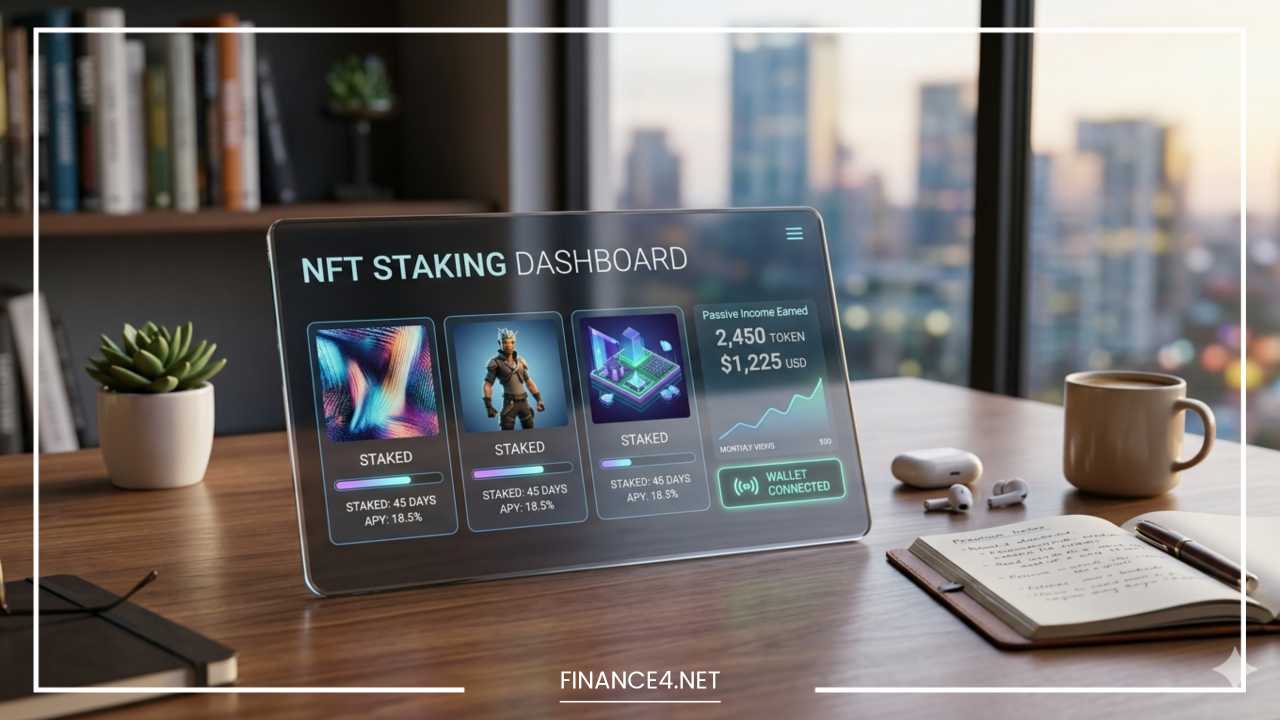
NFT staking, in essence, is the act of locking up your NFTs in a smart contract for a specified period to earn rewards. This mechanism draws parallels with traditional crypto staking, where users lock up fungible tokens to support network operations and receive incentives. However, NFT staking differs significantly. While traditional crypto staking often contributes to the security and consensus of a blockchain (e.g., Proof-of-Stake), NFT staking typically provides utility or passive income tied directly to the unique attributes or community benefits of the specific NFT collection. The rewards can vary, ranging from native tokens of the protocol, governance rights, access to exclusive content, or even additional NFTs.
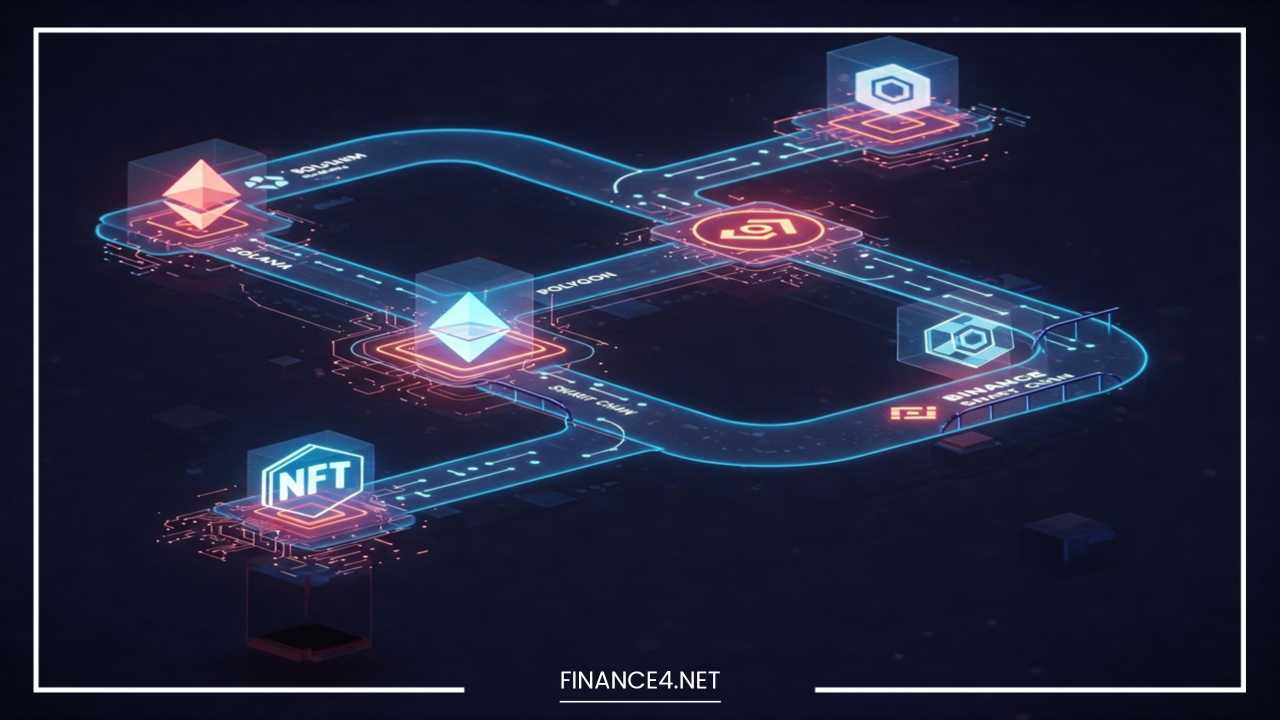
The concept of “cross-chain” implies the ability to transfer assets and data seamlessly between different blockchain networks. In the context of NFTs, this means an NFT originally minted on, say, Ethereum, can be utilized or staked on another blockchain like Polygon or BNB Chain. This interoperability is crucial for NFT utility and adoption because it breaks down the silos that currently exist between various blockchain ecosystems. Without cross-chain compatibility, an NFT’s utility would be confined to its native chain, severely limiting its reach and potential applications in the broader Web3 landscape, which includes decentralized finance (DeFi), GameFi, and the burgeoning metaverse. The increasing focus on interoperability in Web3 signifies a move towards a more connected and efficient digital economy, where assets can flow freely and participate in a multitude of protocols regardless of their underlying blockchain.
2. Why Cross-Chain NFT Staking Matters
The limitations of single-chain ecosystems are becoming increasingly apparent as the Web3 space matures. Each blockchain often operates as a self-contained island, making it challenging to move assets and data across them. For NFTs, this fragmentation means that a valuable digital collectible on Ethereum might not be usable in a GameFi application on Avalanche or staked for yield on a Polygon-based DeFi platform. This hinders liquidity, restricts yield opportunities, and limits user access to a wider array of applications and communities.
Cross-chain NFT staking directly addresses these limitations, offering several compelling benefits:
- Enhanced Liquidity: By enabling NFTs to be staked across multiple chains, the potential market for these assets expands significantly. This increased accessibility can lead to higher trading volumes and more robust floor prices, addressing the inherent illiquidity often associated with unique digital assets.
- Diversified Yield Opportunities: Users are no longer restricted to staking opportunities on a single chain. They can explore and leverage the most attractive yields offered by different protocols across various blockchains, optimizing their returns.
- Wider User Access: Cross-chain compatibility opens up NFT utility to a broader audience, irrespective of their preferred blockchain network. This fosters greater inclusivity and encourages wider adoption of NFTs within different communities.
- Integral Role in DeFi, GameFi, and the Metaverse: In DeFi, cross-chain NFT staking can facilitate NFT-backed lending, collateralization, and yield farming across integrated networks. In GameFi, it allows in-game assets (NFTs) to be utilized or staked for rewards in diverse gaming ecosystems, enhancing their utility and value. For the metaverse, cross-chain NFTs are fundamental for seamless digital identity, ownership, and interaction across various virtual worlds, enabling a truly interoperable and immersive experience.
3. Key Features to Look for in a Cross-Chain NFT Staking Protocol
When evaluating cross-chain NFT staking protocols, several key features determine their effectiveness, security, and user experience:
- Supported Chains: A robust cross-chain protocol should ideally support a wide range of prominent blockchains, including Ethereum (with its Layer 2 solutions like Arbitrum, Optimism), BNB Chain, Polygon, Avalanche, Solana, and potentially newer networks like Base or Linea. The more chains supported, the greater the flexibility and opportunities for users.
- Type of NFTs Supported: Protocols should clearly specify which NFT standards they support. The most common are ERC-721 (for unique, non-fungible tokens) and ERC-1155 (for semi-fungible tokens or collections where multiple identical NFTs can exist). Support for emerging NFT standards or specialized formats (e.g., Bitcoin Ordinals) would be a significant advantage.
- Bridge Technology Used: The underlying bridge technology is paramount for secure and efficient cross-chain transfers. Leading technologies include:
- LayerZero: An “omnicanal” interoperability protocol that enables secure and efficient message passing between various blockchains, facilitating seamless asset transfers and dApp interactions.
- Wormhole: A decentralized message passing protocol that allows for the transfer of tokens and arbitrary data between different blockchains.
- Axelar: A universal overlay network that connects all blockchains and enables seamless cross-chain communication and asset transfer.
- Other bridge types, such as atomic swaps or token wrapping, may also be employed, each with its own security and efficiency characteristics.
- Security and Smart Contract Audits: Given the history of bridge vulnerabilities and smart contract exploits, rigorous security measures are non-negotiable. Look for protocols that have undergone multiple independent smart contract audits by reputable firms. Transparency regarding audit reports and ongoing security practices is crucial.
- Staking Rewards: The nature and attractiveness of staking rewards are a primary driver for users. This includes:
- APR (Annual Percentage Rate): The annualized return on staked NFTs.
- Token Incentives: Rewards paid out in the protocol’s native token or other established cryptocurrencies.
- Governance Rights: The ability to participate in the protocol’s decision-making process by voting on proposals.
- Additional Utility: Exclusive access to features, communities, airdrops, or enhanced in-game benefits for staked NFTs.
4. Top Cross-Chain NFT Staking Protocols in 2025
The landscape of cross-chain NFT staking is continuously evolving, with new protocols emerging and existing ones expanding their capabilities. Based on current trends and the increasing emphasis on interoperability, here are some of the top contenders in 2025:
OmniX
- Overview: OmniX aims to be a comprehensive platform for cross-chain NFT utility, offering staking, lending, and marketplace functionalities. While specific details on its NFT staking launch date are still emerging, it focuses on building a truly omni-chain NFT ecosystem.
- Supported Chains: Given its “Omni” prefix, OmniX is expected to support a broad range of EVM-compatible chains and potentially others, including Ethereum, BNB Chain, Polygon, and Avalanche, leveraging advanced bridging solutions.
- NFT Projects Supported: OmniX’s vision is to support a wide array of ERC-721 and ERC-1155 NFT collections, potentially focusing on blue-chip NFTs first, and then expanding to a wider variety of digital collectibles.
- Staking Mechanism: Users would likely lock their NFTs in OmniX’s smart contracts via a user-friendly interface. The protocol might employ various staking models, such as fixed-term staking for higher yields or flexible staking with lower returns.
- Rewards & Utility: Rewards could include OmniX’s native token, a share of platform fees, or exclusive access to new NFT drops and features within the OmniX ecosystem.
- Notable Integrations/Partners: As a newer entrant focusing on omni-chain capabilities, partnerships with leading marketplaces, DeFi protocols, and Web3 games would be key to its growth and ecosystem relevance.
Xp.network
- Overview: Xp.network is a prominent cross-chain NFT bridge that has facilitated the movement of NFTs between various blockchains since its inception. While primarily a bridge, it lays the groundwork for integrated cross-chain NFT staking by enabling the underlying asset transfer.
- Supported Chains: Xp.network boasts extensive support for a multitude of blockchains, including Ethereum, BNB Chain, Polygon, Avalanche, Elrond, Fantom, and more, making it a highly interconnected bridging solution.
- NFT Projects Supported: It is designed to be agnostic to NFT project types, supporting standard ERC-721 and ERC-1155 tokens, allowing a vast range of NFTs to be bridged and, consequently, potentially staked.
- Staking Mechanism: While Xp.network itself is a bridge, protocols built on top of Xp.network’s bridging technology could offer NFT staking. Users would leverage Xp.network to move their NFTs to a compatible chain where a staking protocol exists.
- Rewards & Utility: The utility primarily comes from the ability to port NFTs to different ecosystems where staking opportunities might be available, offering more flexibility to NFT holders. Rewards would be determined by the specific staking protocol leveraging Xp.network.
- Notable Integrations/Partners: Xp.network has integrated with numerous blockchain networks and dApps, positioning itself as a foundational layer for cross-chain NFT activities.
Starly
- Overview: Starly is an NFT launchpad and marketplace that initially focused on the Flow blockchain. It has pioneered NFT staking on Flow and is actively exploring cross-chain expansion to broaden its reach and utility for its collectible NFTs.
- Supported Chains: Initially on Flow, Starly is working towards cross-chain compatibility, likely starting with EVM-compatible chains to expand its user base and staking opportunities.
- NFT Projects Supported: Starly specializes in high-artistic-value digital collectibles. Its staking mechanism is typically tied to the “collector score” of specific NFTs minted on its platform.
- Staking Mechanism: Users stake their Starly NFTs, and rewards are often tied to the rarity and serial number of the NFT, which contributes to a “collector score.” The higher the score, the more rewards earned.
- Rewards & Utility: Staking earns users STARLY tokens, the native token of the platform. This provides utility for the token and encourages long-term holding of Starly NFTs, allowing collectors to earn passive income.
- Notable Integrations/Partners: As it expands cross-chain, Starly would seek integrations with cross-chain bridges and other marketplaces to facilitate wider adoption and staking.
NFTX (with cross-chain bridging)
- Overview: NFTX is a decentralized protocol for NFT index funds, allowing users to create liquidity pools for NFT collections and mint fungible ERC-20 tokens that represent ownership of a diversified basket of NFTs. While primarily on Ethereum, its future lies in leveraging cross-chain bridging for expanded liquidity.
- Supported Chains: Currently dominant on Ethereum, NFTX’s cross-chain strategy involves integrating with major bridges to allow its “vault” tokens (vTokens) and underlying NFTs to move to other chains. This effectively enables “staking” of fungible NFT-backed tokens across networks.
- NFT Projects Supported: NFTX supports a wide range of blue-chip and popular NFT collections, including CryptoPunks, BAYC, and more.
- Staking Mechanism: Users can deposit their NFTs into NFTX vaults to mint vTokens. These vTokens can then be staked in liquidity pools on various DEXs, or potentially directly within a cross-chain enabled NFTX staking module, earning trading fees and liquidity mining rewards. The cross-chain aspect comes from the ability to bridge these vTokens.
- Rewards & Utility: Rewards include trading fees from liquidity provision and potentially governance tokens. The utility is in providing liquidity to illiquid NFT markets and gaining diversified exposure to NFT collections.
- Notable Integrations/Partners: NFTX’s integration with major DeFi protocols and cross-chain bridges is crucial for its multi-chain expansion.
Polkadot/Substrate-based NFT Staking (e.g., Unique Network)
- Overview: Polkadot’s interoperable ecosystem, built on the Substrate framework, is a natural fit for cross-chain NFT functionalities. Projects like Unique Network within the Polkadot ecosystem are specifically designed for advanced NFT capabilities, including staking.
- Supported Chains: Unique Network operates as a parachain on Polkadot and Kusama, allowing for seamless interoperability within the Polkadot ecosystem and potential bridges to external chains.
- NFT Projects Supported: Unique Network is built to support a wide range of NFTs, offering advanced features like nested NFTs, programmable NFTs, and fractionalization, making it highly versatile for various digital assets.
- Staking Mechanism: Users can stake native tokens (e.g., UNQ for Unique Network) to secure the network and earn rewards. Additionally, the platform is designed to allow unique NFT-specific staking mechanisms where NFTs themselves can be staked for various utilities or yield.
- Rewards & Utility: Rewards typically include native tokens for securing the network or specific benefits tied to the staked NFTs, such as access to exclusive events, creator royalties, or reduced transaction fees within the ecosystem.
- Notable Integrations/Partners: Being a parachain, Unique Network benefits from Polkadot’s shared security and interoperability with other parachains. It also actively partners with artists and brands to launch innovative NFT projects.
Composable Finance (Picasso Network)
- Overview: Composable Finance is building a robust infrastructure for cross-chain DeFi, with Picasso Network as its L1 protocol enabling secure asset transfers and multi-asset restaking via Inter-Blockchain Communication (IBC). While broader than just NFTs, its infrastructure is highly relevant for cross-chain NFT staking.
- Supported Chains: Picasso leverages IBC to connect with Cosmos SDK chains, and is actively expanding its reach to Ethereum, Polkadot, and Solana, aiming for true cross-ecosystem interoperability.
- NFT Projects Supported: Composable’s focus is on the underlying infrastructure for cross-chain asset movement, meaning it can facilitate the transfer and potential staking of any NFT type once integrated into its ecosystem.
- Staking Mechanism: Users can stake $PICA, Picasso’s native token, to secure the network and earn rewards. More importantly, Picasso enables “multi-asset restaking,” allowing users to stake various assets (including potential NFT-backed tokens or even NFTs directly, once supported) across multiple chains simultaneously to secure actively validated services (AVSes).
- Rewards & Utility: Stakers of $PICA earn native APY, a share of bridging fees, and restaking fees. The utility lies in enhancing the economic security of cross-chain dApps and bridges built on Composable’s infrastructure.
- Notable Integrations/Partners: Composable Finance has significant backing from entities like Coinbase Ventures and Jump Capital, and is pioneering Solana IBC, demonstrating its commitment to connecting disparate blockchain ecosystems.
Magic Eden (with cross-chain staking capabilities)
- Overview: Magic Eden has rapidly grown from a Solana-native NFT marketplace to a leading cross-chain platform supporting Bitcoin, Ethereum, and Polygon. It has also introduced a rewards program that includes staking.
- Supported Chains: Magic Eden is truly multi-chain, supporting Solana, Ethereum, Polygon, and Bitcoin, with plans for further expansion.
- NFT Projects Supported: As a marketplace, Magic Eden supports a vast array of NFT collections across its integrated chains, including popular PFP projects, gaming NFTs, and digital art.
- Staking Mechanism: Magic Eden allows users to stake their native $ME tokens to multiply their rewards and earn “staking power.” While not direct NFT staking in the traditional sense, this mechanism ties user engagement and rewards to the platform’s ecosystem, indirectly benefiting NFT holders who are active on the platform. Future integrations might enable direct NFT staking for specific collections.
- Rewards & Utility: Staking $ME tokens allows users to earn more $ME rewards and participate in exclusive quests and community benefits. The utility for NFT holders comes from increased engagement with the platform where their NFTs reside.
- Notable Integrations/Partners: Magic Eden’s rapid expansion and support for multiple major blockchains, alongside its strong community focus, make it a key player in the NFT space.
LayerZero-enabled projects (general mention or one example)
- Overview: LayerZero is an omnichain interoperability protocol that is not a direct NFT staking platform itself but acts as a foundational layer enabling seamless cross-chain communication. Projects built on LayerZero can leverage its technology to offer cross-chain NFT staking.
- Supported Chains: LayerZero connects a wide array of EVM-compatible chains, Solana, Move, and TON, making it highly versatile for any cross-chain application.
- NFT Projects Supported: Any NFT project can potentially integrate LayerZero to enable cross-chain transfers and, subsequently, cross-chain staking functionalities if a staking mechanism is built on top of it. LayerZero introduced Omnichain NFTs (ONFTs) as a standard for NFTs to natively exist and move across chains.
- Staking Mechanism: A LayerZero-enabled NFT staking protocol would use LayerZero to allow NFTs to be transferred and then staked on a destination chain, where a specific smart contract would manage the staking and reward distribution.
- Rewards & Utility: The rewards and utility would be specific to the dApp or protocol built on LayerZero. The core utility from LayerZero is the ability to maintain a canonical supply of NFTs across multiple chains, preventing fragmentation and enhancing liquidity.
- Notable Integrations/Partners: Many prominent DeFi and GameFi projects are integrating LayerZero for cross-chain capabilities, paving the way for more sophisticated NFT utility across networks.
5. Technical Considerations & Risks
Despite the immense potential of cross-chain NFT staking, several technical considerations and risks must be acknowledged:
- Bridge Vulnerabilities and Past Hacks: Cross-chain bridges have historically been a significant target for hackers due to their complex architecture and large pools of locked assets. High-profile incidents, such as the Ronin Bridge hack ($600M lost), highlight the inherent risks. Users must research the security audits and track record of the bridge technology used by a staking protocol.
- NFT Illiquidity During Staking: While cross-chain staking aims to improve liquidity, the act of staking itself involves locking up the NFT for a period. This means the NFT cannot be traded or sold during the staking duration, potentially leading to illiquidity if market conditions change rapidly.
- Smart Contract Risk: All staking protocols operate on smart contracts. Bugs, exploits, or unforeseen vulnerabilities in these contracts can lead to loss of staked NFTs or rewards. Thorough auditing and a strong track record are crucial.
- Token Price Volatility Affecting Rewards: If staking rewards are paid in the protocol’s native token, the volatility of that token’s price can significantly impact the real value of the earned rewards. A sudden drop in the reward token’s price can diminish the profitability of staking.
- Interoperability Challenges: Despite advancements, achieving truly seamless and trust-minimized interoperability remains a complex technical challenge. Different consensus mechanisms, virtual machines, and security models across blockchains can pose hurdles.
6. Future Trends in Cross-Chain NFT Staking
The future of cross-chain NFT staking is bright, driven by ongoing innovation and a growing demand for interconnected digital economies:
- Upcoming Protocols and L2 Integrations: Expect a surge in new cross-chain NFT staking protocols, particularly those leveraging advanced Layer 2 solutions on Ethereum (e.g., ZK-rollups) for scalability and lower transaction costs, further enhancing the user experience.
- AI-Generated NFTs with Staking Utilities: The convergence of AI and NFTs is a burgeoning trend. AI can generate unique NFTs, and these NFTs could be endowed with dynamic properties that evolve based on AI-driven inputs or user interactions. Staking such AI-generated NFTs could unlock evolving content, personalized experiences, or even contribute to AI model training, offering entirely new forms of utility and rewards.
- Interchain Composability in DeFi x NFT Staking: The ability for DeFi protocols to seamlessly interact with NFTs across chains will unlock unprecedented composability. Imagine an NFT collateralized on one chain, generating yield on another, and participating in governance on a third, all through a single, seamless user experience. This deeper integration will blur the lines between fungible and non-fungible assets in DeFi.
- Regulatory Implications and Institutional Interest: As NFT staking gains traction, regulatory bodies worldwide are increasingly scrutinizing these activities. Clarity on the classification of staked NFTs and associated rewards (e.g., as securities) will be crucial for institutional adoption. Simultaneously, growing institutional interest in digital assets could lead to more robust, compliant, and user-friendly cross-chain NFT staking solutions catering to a broader investor base.
7. Conclusion & Final Thoughts
Cross-chain NFT staking represents a significant leap forward in unlocking the true potential and utility of Non-Fungible Tokens. By breaking down the barriers of single-chain ecosystems, it fosters greater liquidity, expands yield opportunities, and broadens user access across the vast and growing Web3 landscape. From powering GameFi economies to enabling novel DeFi applications and shaping the future of the metaverse, interoperable NFT staking is quickly becoming an indispensable component of the digital asset world.
However, as with any nascent and rapidly developing technology, it’s paramount for users to conduct thorough due diligence. Understanding the underlying bridge technology, scrutinizing security audits, and assessing the inherent risks of smart contracts and token volatility are crucial steps before engaging in any cross-chain NFT staking protocol.
Looking ahead, the innovation in this space is relentless. We can anticipate more sophisticated protocols, seamless integrations with Layer 2s, the emergence of AI-powered NFTs with dynamic staking utilities, and ever-deeper interchain composability with the broader DeFi ecosystem. As regulatory clarity emerges and institutional interest continues to build, cross-chain NFT staking is poised for mass adoption, transforming how we perceive, interact with, and derive value from our digital assets. The future of NFTs is undoubtedly cross-chain, and staking will be at its core, enabling a truly interconnected and rewarding digital ownership experience.