NFT Ecosystem Expansion via Bridging
 by
by 
NFT Ecosystem Expansion via Bridging: Unlocking Cross-Chain Interoperability and Growth
The decentralized landscape of blockchain technology, while offering unprecedented opportunities for digital ownership and innovation, has historically operated in silos. Non-Fungible Tokens (NFTs), as a cornerstone of this digital revolution, have experienced exponential growth, yet their full potential remains constrained by the very fragmentation of the underlying blockchain ecosystems.
This article delves into the critical role of “bridging” in expanding the NFT ecosystem, exploring its technical intricacies, myriad benefits, inherent challenges, and profound impact on the future of digital assets.
Introduction: The Rise of NFTs and Ecosystem Expansion
At its core, a Non-Fungible Token (NFT) is a unique cryptographic token that exists on a blockchain and cannot be replicated. Unlike cryptocurrencies, which are fungible (interchangeable), each NFT possesses distinct properties, making it ideal for representing ownership of unique digital or even physical assets. From digital art and music to in-game items, virtual real estate, and verifiable credentials, NFTs have redefined concepts of ownership, scarcity, and value in the digital realm. Their meteoric rise has fueled new economies, empowered creators, and opened up innovative avenues for engagement and monetization.
However, the rapid proliferation of NFTs has primarily occurred within the confines of individual blockchain networks. Ethereum, with its robust smart contract capabilities, initially became the dominant hub for NFTs, hosting iconic collections and bustling marketplaces. Yet, other blockchains like Solana, Polygon, Avalanche, and Binance Smart Chain have emerged as formidable contenders, each offering unique advantages in terms of speed, cost, and developer environment. This proliferation, while fostering innovation, has inadvertently led to a fragmented NFT landscape. An NFT minted on Ethereum, for instance, cannot inherently be used or traded on Solana without a mechanism to facilitate such a transfer.
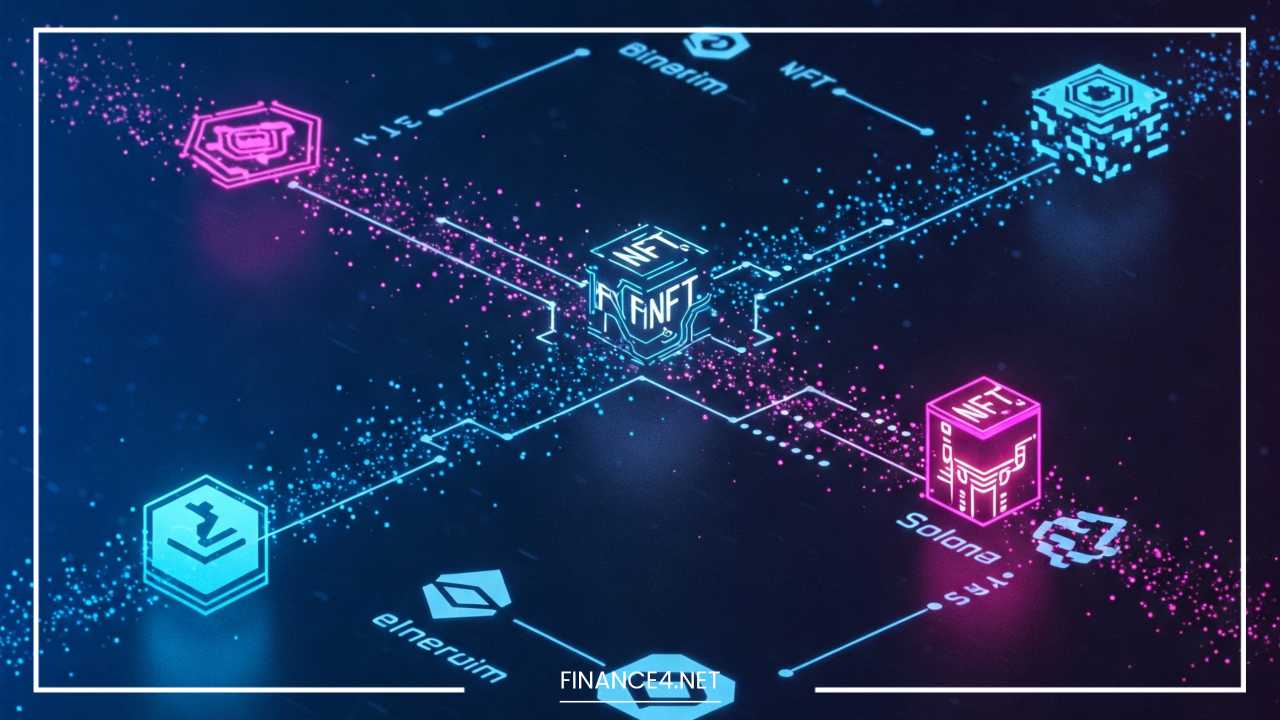
This is precisely where the need for ecosystem expansion arises. The true potential of NFTs can only be unleashed when they transcend the boundaries of their native blockchains, enabling seamless interaction, broader accessibility, and enhanced utility across the entire decentralized web. This imperative for growth and interoperability has positioned “bridging” as a pivotal solution. Blockchain bridges act as conduits, connecting disparate networks and facilitating the transfer of assets, including NFTs, from one chain to another. By enabling cross-chain interoperability, bridging paves the way for a more unified, liquid, and expansive NFT ecosystem, unlocking new possibilities for creators, collectors, and users alike.
What is Bridging in the NFT Space?
Bridging, in the context of blockchain, refers to a set of protocols, smart contracts, and infrastructure designed to enable the transfer of assets and information between two otherwise incompatible blockchain networks. Imagine two islands, each with its own unique currency and economy. A bridge allows individuals to travel between these islands and exchange their goods, thereby expanding trade and interaction. Similarly, blockchain bridges act as a secure pathway for digital assets to traverse from one blockchain to another.
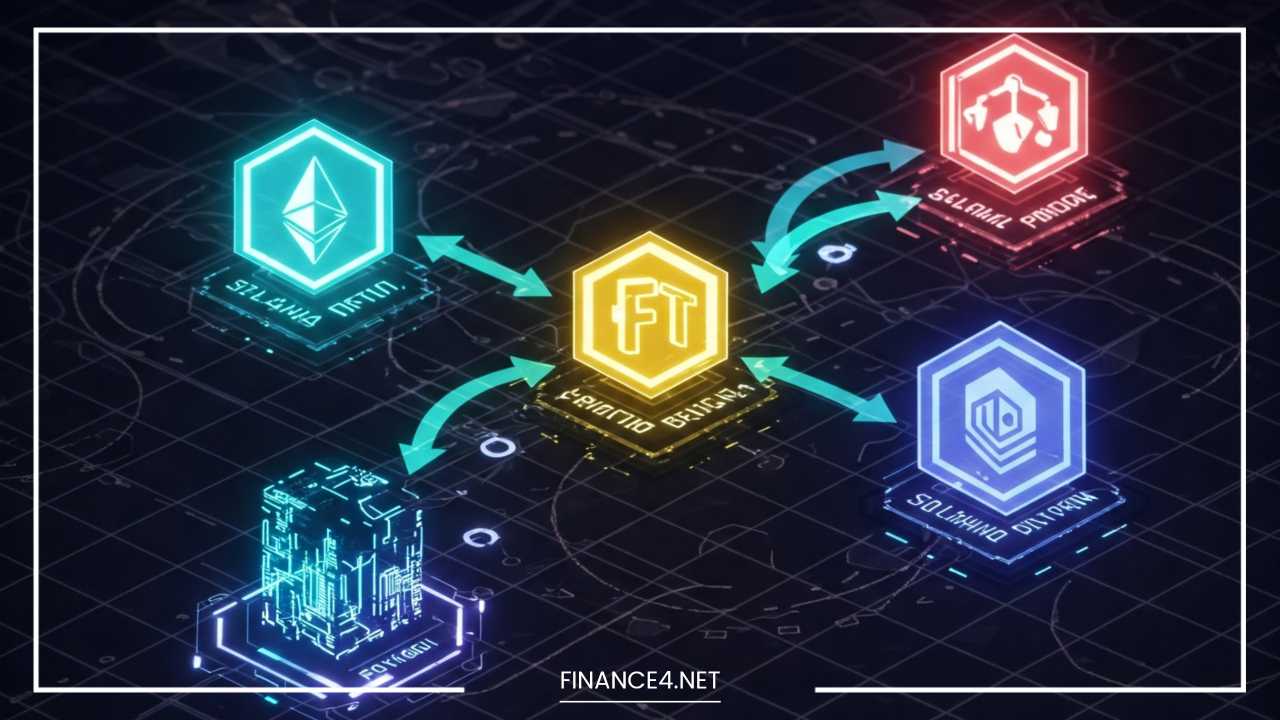
The fundamental function of a bridge is to lock an asset on the source chain and then mint an equivalent, “wrapped” version of that asset on the destination chain. For NFTs, this process typically involves locking the original NFT on the source chain (e.g., Ethereum) within a smart contract on the bridge. Once locked, a corresponding “wrapped” or “bridged” NFT is then minted on the target chain (e.g., Polygon). This wrapped NFT represents a claim on the original NFT and inherits its unique properties, allowing it to be traded, used, or interacted with on the new network. When the user wishes to move the NFT back to its original chain, the wrapped NFT is burned on the destination chain, and the original NFT is unlocked on the source chain.
Key terminology in the bridging space includes:
- Atomic Swaps: While not directly bridging, atomic swaps allow for the direct exchange of cryptocurrencies between different blockchains without the need for an intermediary, offering a form of direct cross-chain interaction. For NFTs, direct atomic swaps are more complex due to their non-fungible nature, but the underlying principle of direct exchange between chains is relevant.
- Wrapped Tokens: These are representations of a cryptocurrency or NFT from one blockchain on another blockchain. For example, Wrapped Ethereum (WETH) on Polygon allows Ethereum to be used within the Polygon ecosystem. Similarly, a wrapped NFT enables an NFT from one chain to be used on another.
- Bridge Tokens: In some bridging architectures, specific tokens might be used to facilitate the bridging process, often as a form of payment for bridge services or as collateral.
- Relayers/Oracles: These are crucial components in many bridges, responsible for monitoring events on one blockchain and relaying that information to another, ensuring the integrity and functionality of the cross-chain transfer.
The necessity of bridging for NFTs stems directly from the fragmented nature of blockchain ecosystems. Different blockchains operate with distinct consensus mechanisms, programming languages, and virtual machines. Without bridges, an NFT created on Ethereum is confined to the Ethereum ecosystem, limiting its market exposure, potential utility, and interoperability with applications built on other chains. Bridging addresses this fragmentation, enabling NFTs to become truly portable and accessible across the entire web3 landscape.
Benefits of NFT Ecosystem Expansion Through Bridging
The expansion of the NFT ecosystem through bridging unlocks a multitude of advantages, fundamentally transforming how NFTs are created, traded, and utilized.
Firstly, Increased Liquidity stands as a paramount benefit. Prior to bridging, an NFT’s market was limited to the users and platforms of its native blockchain. An Ethereum-based NFT could only be traded on Ethereum-centric marketplaces. Bridging shatters these barriers, allowing NFTs to be listed and traded across multiple platforms on various blockchains. This expanded reach means more potential buyers and sellers, leading to deeper order books and more efficient price discovery. Projects can launch NFTs on a less congested chain, then bridge them to a more liquid one like Ethereum for broader market access, or vice versa, optimizing for lower fees and faster transactions. This increased liquidity is crucial for the maturation of the NFT market, making it more robust and attractive to a wider range of participants.
Secondly, bridging facilitates Broader Audience Reach. Different blockchains attract diverse user bases. Solana users might prioritize speed and low fees, while Ethereum users might value decentralization and established security. By enabling NFTs to move between these chains, creators and projects can tap into these distinct communities, expanding their potential audience exponentially. An artist minting a collection on a newer, less expensive chain can leverage bridges to make their art accessible to the vast user base on Ethereum’s OpenSea, for example. This cross-pollination of users fosters greater adoption and engagement within the broader NFT space.
Thirdly, bridging contributes to Enhanced Security and Flexibility. While bridges themselves introduce potential security risks (discussed later), they also offer a degree of flexibility. For instance, if a particular blockchain experiences congestion or high gas fees, users can bridge their NFTs to a more efficient chain for transactions, and then bridge them back when conditions improve. This flexibility allows users to optimize for cost, speed, or security based on their immediate needs. Furthermore, by distributing NFTs across multiple chains, it can, in some scenarios, mitigate single-point-of-failure risks associated with a single blockchain’s infrastructure. It provides users with options and greater control over where and how their digital assets reside.
Consider these impactful Use Case Scenarios:
- Cross-platform Trading: An NFT initially purchased on an Ethereum-based marketplace can be bridged to Polygon to take advantage of lower trading fees, then potentially listed on a Polygon-native marketplace, and later bridged to Solana for a different trading experience. This maximizes exposure and trading opportunities.
- Interoperable NFT Gaming: Imagine an in-game asset (an NFT sword, for example) acquired in a game on Solana. Through bridging, this same sword could potentially be used as a cosmetic item or have a different utility in a metaverse game built on Ethereum, or even be transferred to a completely different gaming ecosystem on Avalanche. This unlocks true interoperability for digital assets, moving beyond game-specific silos.
- Diversified Investment Strategies: Investors can move NFTs between chains to capitalize on price discrepancies or to access specific DeFi protocols on different networks, allowing for more dynamic portfolio management.
In essence, bridging transforms the NFT landscape from a collection of isolated islands into a vibrant, interconnected archipelago, fostering innovation, expanding markets, and enhancing the overall utility and value of non-fungible tokens.
Challenges and Risks of NFT Bridging
While the benefits of NFT bridging are compelling, the technology is not without its significant challenges and inherent risks. These must be meticulously addressed for the continued secure and reliable expansion of the NFT ecosystem.
The most prominent hurdle is Technical Complexity. Developing secure, efficient, and reliable blockchain bridges is an exceptionally complex undertaking. Bridges involve intricate smart contract logic, often requiring interaction with multiple blockchain protocols, cryptographic assurances, and sophisticated relaying mechanisms. Ensuring atomicity – that either the entire transaction (locking on source, minting on destination) succeeds or completely fails – across disparate chains is a monumental engineering challenge. This complexity increases the surface area for potential errors and vulnerabilities, making bridge development a specialized and high-stakes endeavor.
Closely related to technical complexity are Smart Contract Vulnerabilities. Bridges fundamentally rely on smart contracts to lock and release assets, and to manage the minting and burning of wrapped NFTs. Any flaw, bug, or oversight in these smart contracts can have catastrophic consequences. The history of blockchain has seen numerous high-profile bridge hacks, resulting in losses amounting to hundreds of millions of dollars. These attacks often exploit vulnerabilities in the smart contracts that govern the bridge’s operations, or in the cryptographic mechanisms used to verify cross-chain transactions. A successful exploit on an NFT bridge could lead to the permanent loss of original NFTs or the creation of illegitimate wrapped NFTs, undermining trust and destabilizing the market. For instance, the Ronin Bridge hack and the Wormhole exploit highlight the critical importance of robust security audits and ongoing vigilance in bridge development.
Another significant challenge is the Fragmentation of Standards. While ERC-721 and ERC-1155 have emerged as dominant NFT standards on Ethereum, other blockchains might adopt their own variations or entirely different token standards. Bridging between chains with dissimilar NFT standards requires additional layers of complexity, as the bridge needs to correctly interpret and represent the unique properties of an NFT across these differing conventions. Achieving true semantic interoperability, where not just the token but also its metadata and associated logic can be seamlessly understood across chains, remains an ongoing challenge. This lack of universal standards can hinder the seamless transfer and utility of NFTs across a truly diverse multi-chain environment.
Finally, Gas Fees and Speed can pose practical issues. While bridging aims to reduce gas fees by leveraging cheaper chains, the act of bridging itself often incurs transaction costs on both the source and destination chains. On congested networks like Ethereum, these bridging fees can still be substantial, especially for multiple transfers or complex operations. Furthermore, the speed of bridging can vary significantly. Some bridges might offer near-instant transfers, while others may require confirmation periods that can range from minutes to hours, depending on the underlying consensus mechanisms and security protocols of the involved blockchains. This variability in speed and cost can impact user experience and the efficiency of NFT trading and utilization, especially for time-sensitive applications like gaming.
Addressing these challenges requires continuous innovation in bridge design, rigorous security auditing, the development of more robust and standardized cross-chain communication protocols, and a commitment to user education regarding the inherent risks involved in bridging NFTs.
Popular NFT Bridging Projects and Platforms
The growing demand for cross-chain NFT capabilities has led to the development of several prominent bridging projects and platforms, each with its unique architecture and focus.
Polygon Bridge stands out as one of the most widely adopted and impactful bridges in the NFT space, primarily due to its close integration with Ethereum. Polygon (formerly Matic Network) is a Layer 2 scaling solution for Ethereum, offering significantly lower transaction fees and faster transaction speeds. The Polygon Bridge allows users to transfer ERC-721 and ERC-1155 NFTs from the Ethereum mainnet to the Polygon network and vice versa. This has been instrumental in onboarding a vast number of users and NFT projects, particularly those seeking to escape Ethereum’s high gas fees. Many popular NFT games and marketplaces, such as Decentraland and OpenSea (which supports Polygon), heavily leverage the Polygon Bridge to facilitate affordable and efficient NFT transactions, enabling broader participation and greater liquidity for Polygon-based NFTs.
Avalanche Bridge serves as a vital artery connecting the Avalanche blockchain to Ethereum. Avalanche is a high-performance, scalable, and customizable blockchain platform known for its rapid finality and subnet architecture. The Avalanche Bridge facilitates the seamless transfer of ERC-721 and ERC-1155 tokens between Ethereum and Avalanche’s C-chain (Contract Chain). This bridge uses an Intel SGX-based secure enclave for increased security, aiming to provide a robust and trust-minimized solution for cross-chain asset transfers. The integration with Avalanche has allowed NFT projects to benefit from Avalanche’s high throughput and low transaction costs, expanding the reach of NFTs to its growing ecosystem.
Solana Bridge, often referred to as Wormhole, is a generalized message-passing protocol that enables assets and data to flow between various blockchains, including Solana, Ethereum, and other EVM-compatible chains. While Wormhole supports a broad range of tokens, its application for NFTs on Solana has been particularly impactful. Solana is celebrated for its incredibly high transaction throughput and ultra-low fees, making it an attractive platform for dynamic NFT applications like gaming and real-time experiences. The Wormhole bridge allows NFTs minted on Ethereum to be represented on Solana and vice versa, opening up liquidity pools and user bases across these two distinct ecosystems. Despite an infamous exploit in its early days, Wormhole has implemented significant security upgrades and remains a critical piece of infrastructure for Solana’s cross-chain ambitions.
Beyond these major players, several Other Emerging Bridges are contributing to the broader interoperability landscape:
- AnySwap (now Multichain): A decentralized cross-chain swap protocol that supports a wide range of blockchains and asset types, including NFTs. Multichain aims to be an infrastructure for the multi-chain ecosystem, enabling seamless asset transfers across diverse networks.
- Chainlink’s Cross-Chain Interoperability Protocol (CCIP): While not solely an NFT bridge, Chainlink’s CCIP is a foundational protocol designed to enable secure cross-chain messaging and token movements. Its secure and robust architecture has the potential to underpin the next generation of NFT bridging solutions, providing a highly reliable framework for complex cross-chain interactions.
- LayerZero: A generalized messaging protocol that aims to provide a lightweight and secure way for dApps to communicate across chains. While not a direct bridge for NFTs in the traditional sense, LayerZero’s infrastructure can enable NFT-related functionalities like cross-chain governance or ownership verification.
These projects, along with others under development, are collectively working towards a more interconnected NFT universe, each bringing unique technological approaches and security models to the complex challenge of blockchain interoperability.
Impact on NFT Marketplaces
The advent of NFT bridging is fundamentally reshaping the landscape of NFT marketplaces, moving them beyond single-chain operations towards a more interconnected and expansive future.
Major NFT marketplaces like OpenSea, Rarible, and Foundation were initially built on and predominantly supported the Ethereum blockchain. However, recognizing the burgeoning ecosystems on other chains and the demand for lower fees, these platforms have begun to integrate cross-chain support through bridging. OpenSea, for instance, has embraced Polygon, allowing users to buy and sell NFTs minted on Polygon directly within its platform. This integration is seamless for the user, abstracting away the underlying bridging mechanism. Rarible has also expanded its support to multiple chains, including Flow and Tezos, demonstrating a commitment to a multi-chain future. Foundation, while still primarily Ethereum-centric, is exploring avenues for broader interoperability as the ecosystem evolves. This trend signifies a recognition that marketplaces must cater to a diverse user base across different blockchains to remain competitive and relevant.
The Marketplace Evolution driven by NFT bridging will be profound. We are moving towards a future where marketplaces will likely become chain-agnostic aggregators. Instead of being confined to assets on a single blockchain, marketplaces will aim to offer a unified interface where users can discover, trade, and manage NFTs regardless of their native chain. This evolution will lead to:
- Greater Liquidity Aggregation: NFTs from various chains will converge on these multi-chain marketplaces, creating deeper liquidity pools and more efficient markets. This means a wider selection for buyers and more exposure for sellers.
- Enhanced User Experience: Users will no longer need to switch between different marketplaces for NFTs residing on different chains. A single platform could provide access to the entire bridged NFT universe.
- Increased Competition: With more NFTs accessible on more platforms, marketplaces will compete more fiercely on features, fees, security, and user experience, ultimately benefiting the end-user.
This evolution is already fostering significant Collaborations with Bridging Projects. Marketplaces are actively partnering with bridging protocols and Layer 2 solutions to streamline the user experience and ensure secure asset transfers. These partnerships involve technical integrations, marketing initiatives, and shared development efforts to build a robust multi-chain infrastructure. For example, a marketplace might directly integrate a specific bridge’s API, allowing users to initiate cross-chain transfers directly from the marketplace interface, or automatically display NFT listings from a connected chain. This symbiotic relationship between marketplaces and bridging protocols is crucial for the seamless expansion of the NFT ecosystem. The future of NFT marketplaces lies in their ability to become truly decentralized, global hubs for digital ownership, facilitated by the underlying power of bridging.
NFT Use Cases Benefiting from Bridging
The true transformative power of NFT bridging becomes evident when we explore its impact on various real-world and digital use cases, significantly enhancing their utility and reach.
Cross-Chain NFT Gaming stands to benefit immensely from bridging. In traditional gaming, in-game assets are confined to the game’s ecosystem. With NFTs, players can truly own their digital items. However, if a game is built on Ethereum, its NFT assets cannot easily interact with a game on Solana. Bridging changes this. Imagine a rare weapon acquired in a play-to-earn game on Polygon. Through bridging, this weapon could be transferred to another game built on Avalanche, potentially serving as a cosmetic item, or even unlocking a unique ability. This interoperability vastly expands the utility and longevity of in-game NFTs, allowing players to carry their digital identities and achievements across multiple gaming worlds. It fosters a more expansive and interconnected gaming metaverse, where assets hold value and function beyond a single title.
Similarly, Metaverse Expansion is heavily reliant on NFT bridging. Metaverse projects like Decentraland, The Sandbox, and others often exist on different blockchains. For users to truly own and utilize their digital land, avatars, and wearables across these virtual worlds, bridging is essential. An NFT representing a piece of land in Decentraland (Ethereum) could theoretically be displayed or even grant access to a specific area in a metaverse built on Solana, provided a secure bridge facilitates this transfer of ownership or representation. This fosters a more cohesive and user-centric metaverse where digital assets are not trapped in isolated silos, but rather contribute to a richer, interconnected virtual experience. It allows for true digital identity and asset portability across diverse metaverse platforms.
In the realm of Digital Art and Collectibles, bridging offers unparalleled opportunities for artists and collectors. An artist minting a unique piece of digital art on a less expensive chain like Tezos can use bridging to expose their work to the massive collector base on Ethereum-centric marketplaces. This multi-chain exposure significantly broadens the artist’s audience reach and potential for sales. For collectors, bridging allows them to diversify their portfolios across different blockchains, access a wider range of artworks, and potentially move their high-value collectibles to chains offering specific security features or lower storage costs. This global reach, unconstrained by blockchain boundaries, is vital for the growth and maturation of the digital art market.
Finally, the increasing convergence of DeFi and NFTs finds a powerful enabler in bridging. NFTs are increasingly being used as collateral for loans, as components in decentralized autonomous organizations (DAOs), and within various liquidity protocols. If a user holds an NFT on one blockchain and wants to leverage it in a DeFi protocol residing on another, bridging becomes indispensable. For example, a user could bridge an NFT from Ethereum to Polygon to stake it in a DeFi yield farm on Polygon, or use it as collateral for a loan on an Avalanche-based lending platform. This cross-chain interaction unlocks new financial primitives and greater capital efficiency for NFT holders, further blurring the lines between pure collectibles and financial instruments. The growth of this “NFTFi” niche is heavily dependent on robust and secure bridging infrastructure.
In essence, bridging transforms NFTs from static, single-chain assets into dynamic, highly interoperable digital properties, maximizing their utility, value, and potential across a vast and interconnected web3 landscape.
The Future of NFT Bridging
The trajectory of NFT bridging is inextricably linked to the broader Evolution of Blockchain Interoperability. As blockchain technology matures, we can anticipate significant advancements beyond the current state of bridging. This includes:
- Improved Layer 2 Solutions: Beyond Polygon, new Layer 2 solutions are continuously emerging, offering even more efficient and secure ways to scale transactions and manage assets, including NFTs, off the mainnet. These Layer 2s, often with their own bridging mechanisms to Layer 1s, will likely become foundational layers for NFT activity, further reducing costs and increasing speed.
- Native Interoperability Protocols: The future might see a shift from application-specific bridges to more generalized and natively integrated interoperability protocols. Projects like Polkadot’s parachains or Cosmos’s IBC (Inter-Blockchain Communication protocol) are building ecosystems where chains are designed from the ground up to communicate with each other, potentially reducing the reliance on external bridges for certain asset transfers. This could lead to more seamless and secure cross-chain interactions.
- Zero-Knowledge Proofs (ZKPs) in Bridging: The integration of ZKPs could revolutionize bridge security and efficiency. ZKPs allow for verifiable computation without revealing underlying data, which could enable more trustless and private bridging solutions, where the validity of a cross-chain transfer can be proven without revealing sensitive transaction details.
However, the future of NFT bridging also faces Potential Regulatory Challenges. As NFTs gain mainstream adoption and cross-chain transfers become more common, regulatory bodies worldwide are increasingly scrutinizing digital assets. Questions surrounding taxation, anti-money laundering (AML), know-your-customer (KYC) requirements, and securities laws become far more complex when assets are transferred across multiple jurisdictions and blockchain networks. The ability to move NFTs between different chains could complicate tracking and compliance, potentially leading to increased regulatory oversight or the development of new international frameworks specifically for cross-chain digital asset movements. The lack of clear, harmonized global regulations could pose significant hurdles for the widespread and permissionless adoption of certain bridging solutions.
Despite these challenges, Innovations on the Horizon promise a more robust and user-friendly bridging experience. We can speculate on:
- Privacy-Preserving Bridges: As privacy concerns grow, future bridges might incorporate privacy-enhancing technologies, ensuring that cross-chain transfers are conducted without revealing sensitive user or asset information unnecessarily.
- Decentralized Relayer Networks: Further decentralization of relayer networks that verify and execute cross-chain transactions will enhance security and reduce single points of failure.
- Improved User Experience: Current bridging processes can be somewhat technical. Future innovations will likely focus on significantly simplifying the user interface, making cross-chain NFT transfers as intuitive as sending an email.
- Dynamic Fee Structures and Speed Optimization: Bridges will likely become more intelligent, dynamically adjusting fees based on network congestion and optimizing transfer speeds through advanced routing algorithms.
- Cross-Chain Smart Contract Calls: Beyond just asset transfers, future bridges could enable seamless cross-chain smart contract calls, allowing dApps on one chain to directly interact with smart contracts on another, unlocking entirely new levels of interoperability for NFT utility and logic.
The future of NFT bridging is dynamic and complex, but the ongoing innovation in blockchain technology suggests a path towards increasingly secure, efficient, and user-friendly solutions that will further unlock the vast potential of the multi-chain NFT ecosystem.
Final Thoughts: The Potential of NFTs in a Bridged Ecosystem
The journey of Non-Fungible Tokens from niche digital curiosities to a transformative force in digital ownership has been nothing short of remarkable. However, the initial phase of NFT development, primarily confined to isolated blockchain networks, inherently limited their full potential. The fragmentation of these ecosystems created barriers to liquidity, audience reach, and ultimately, utility.
This article has underscored the indispensable role of bridging in overcoming these limitations and catalyzing the expansion of the NFT ecosystem. We’ve explored how bridges technically connect disparate blockchains, enabling the seamless transfer of unique digital assets. The benefits are clear and compelling: increased market liquidity, allowing NFTs to find buyers across a global decentralized market; broader audience reach, exposing creations to diverse user bases; and enhanced flexibility, empowering users to optimize for cost, speed, or security. From revolutionizing cross-chain gaming to fostering a truly interconnected metaverse and expanding the scope of digital art and DeFi, bridging is unleashing unprecedented use cases for NFTs.
Despite the significant challenges, including technical complexity, smart contract vulnerabilities, and the fragmentation of standards, the rapid pace of innovation in this space is addressing these concerns head-on. Leading projects like Polygon Bridge, Avalanche Bridge, and Solana Bridge (Wormhole), alongside emerging solutions, are continuously refining the technology, enhancing security, and simplifying the user experience. The impact on NFT marketplaces is already evident, with major platforms evolving into multi-chain aggregators, promising a future of unparalleled liquidity and user access.
The transformative power of bridging lies in its ability to unify the hitherto fragmented NFT space. It is fostering a more connected, expansive, and ultimately more valuable market for digital assets. For developers and innovators, the message is clear: the future of NFTs is inherently multi-chain. There is an urgent call to action to explore the opportunities presented by bridging, to build robust and secure solutions that enhance NFT interoperability, and to contribute to the creation of a truly decentralized and interconnected web3.
In final thought, bridging is not merely a technical workaround; it is a fundamental paradigm shift. It represents the crucial step towards a world where digital ownership is truly fluid, where NFTs can seamlessly traverse the digital landscape, unlocking their full potential and ushering in an era of unprecedented creativity, utility, and economic opportunity in the decentralized future. The journey of NFTs is far from over, and with bridging as its backbone, the horizon of innovation looks infinitely brighter.