Bridging Solana to Polkadot
 by
by 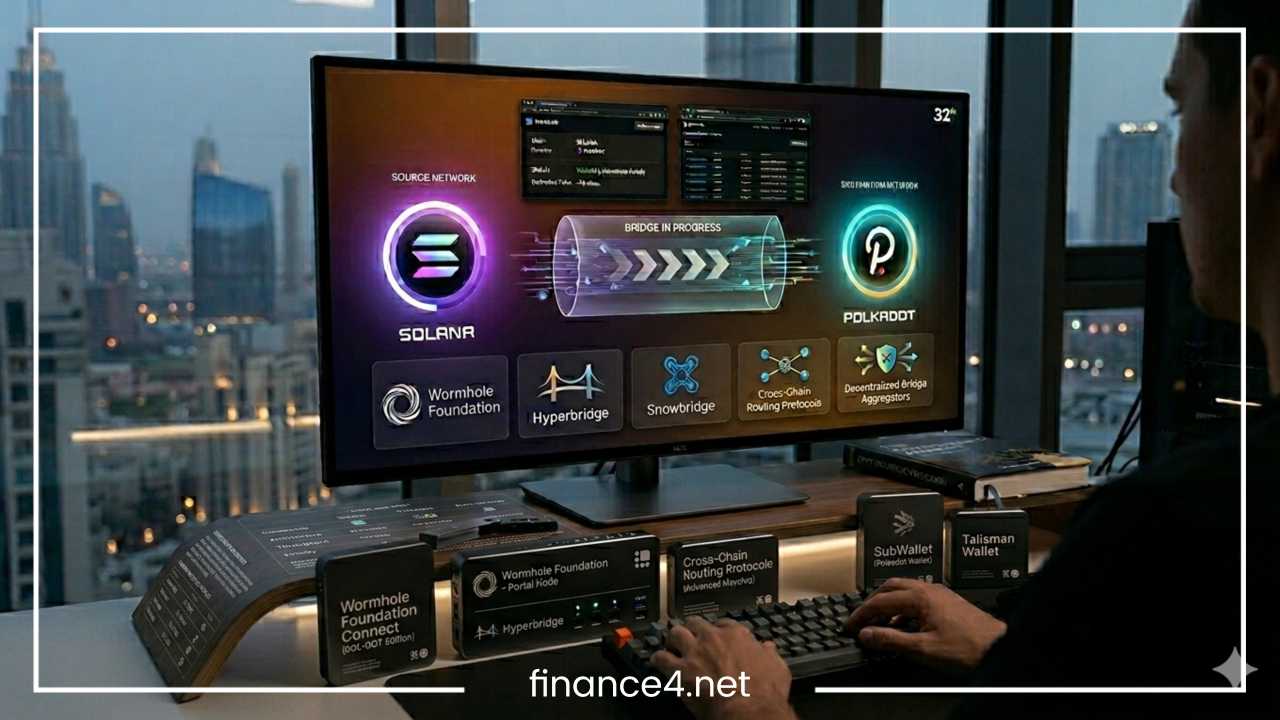
Bridging Solana to Polkadot: A Complete Guide to Cross-Chain Transfers
Why Cross-Chain Interoperability Matters
The modern blockchain landscape is defined by a striking paradox. While the Web3 movement champions the ideals of decentralization, global connectivity, and permissionless finance, the actual technical environment remains heavily fragmented. Today, we navigate a world of digital islands. Diverse blockchain ecosystems—such as Solana and Polkadot—operate as isolated silos, each governed by its own unique consensus mechanism, programming language, smart contract standard, and community culture. This fragmentation forces users and developers into a difficult trade-off: they must choose a home base for their capital and applications, thereby losing access to the unique advantages and liquidity offered by other networks.
Cross-chain interoperability is the technological response to this divide. It refers to the ability of two or more independent blockchain networks to communicate, exchange data, and transfer assets. The rapid growth of multi-chain Web3 makes this not just a technical luxury, but a fundamental necessity. A user might hold assets on Solana to leverage its sub-second transaction speeds and low fees for decentralized finance (DeFi) trading, but simultaneously wish to participate in the sophisticated governance, specialized parachain services, or privacy features offered within the Polkadot ecosystem. Bridging provides the essential plumbing that allows for the fluid movement of value, preventing capital from being trapped in a single environment.
In this guide, you will learn why moving assets between Solana and Polkadot is a complex technical undertaking, how specialized infrastructure acts as the intermediary, and the critical security measures every user must take to ensure their funds remain safe during transit. By the end of this article, you will possess a comprehensive understanding of how to navigate the cross-chain space securely and efficiently.
Understanding Solana and Polkadot
Solana Overview
The Solana Labs ecosystem is built on a philosophy of extreme performance and efficiency. It distinguishes itself through massive throughput, capable of processing tens of thousands of transactions per second while maintaining exceptionally low costs for end users. The core innovation that enables this performance is Proof of History (PoH), a cryptographic clock that provides a way to verify the order and passage of time for events before they are finalized by the underlying Proof of Stake (PoS) consensus mechanism.
This architecture has transformed Solana into a dominant hub for high-frequency DeFi applications, decentralized exchanges, and scalable NFT projects. When developers build on Solana, they are tapping into an environment designed to replicate the speed and user experience of traditional centralized financial systems, but without the central point of failure.
Polkadot Overview
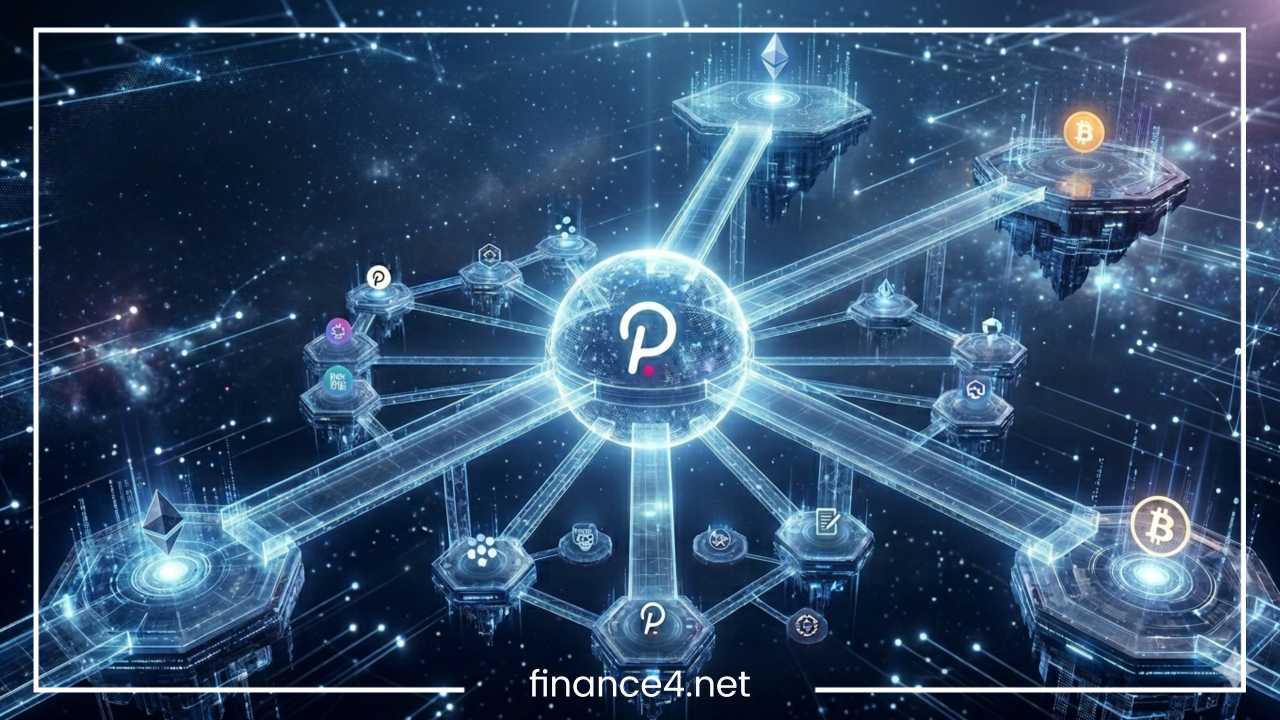
Polkadot, the brainchild of Gavin Wood, takes a fundamentally different, architectural approach. Rather than focusing on a single, high-speed monolithic chain, Polkadot is designed as a heterogeneous multi-chain network. At its core is the Relay Chain, which provides shared security and consensus for a network of specialized side-chains known as Parachains.
This structure allows for a modular vision of the future. A developer can build a Parachain specifically optimized for privacy, another for identity, and another for high-speed computation, all while being secured by the same underlying validator set. Polkadot’s vision is not to be a monolithic competitor to other chains, but to act as the connective tissue—a layer-0 that unites disparate blockchains under a unified security umbrella. Through Cross-chain Message Passing (XCMP), these chains can exchange arbitrary data, not just tokens.
Compare Key Features
| Feature | Solana | Polkadot |
| Consensus | PoH + PoS | Nominated PoS |
| TPS | High (Scalable) | Moderate (Parachain dependent) |
| Fees | Negligible | Very Low |
| Architecture | Monolithic chain | Multi-chain network |
| Primary Focus | Performance/DeFi | Interoperability/Security |
What Is a Blockchain Bridge?
A blockchain bridge is essentially a set of smart contracts or a protocol that facilitates the movement of data or assets between two distinct networks. Because Solana and Polkadot use different cryptographic foundations and ledger formats, they cannot speak to each other natively. They require a middleware layer to translate instructions and verify state changes.
Bridges typically operate using specific conceptual models:
-
Lock-and-Mint: Assets on the source chain (e.g., Solana) are deposited into a secure smart contract where they are locked. Once the bridge confirms the lock, an equivalent amount of wrapped tokens is minted on the destination chain (e.g., a Polkadot parachain). The wrapped token acts as a claim on the original asset.
-
Burn-and-Release: This is the reverse process. When a user wishes to return their assets, the wrapped tokens on the destination chain are burned (permanently destroyed), which sends a verified signal to the bridge contract on the source chain to unlock the original assets.
-
Liquidity-based (Pools): Instead of minting new tokens, these bridges utilize pre-funded liquidity pools on both sides. A user deposits an asset into the source-side pool, and the protocol triggers a release from the corresponding pool on the destination side. This method is often faster because it does not require waiting for the locking of original assets to be validated across the network.
Bridges rely on external parties—validators, oracles, or decentralized relayers—to confirm that the transaction actually occurred on the source chain before triggering actions on the destination chain.
Challenges of Connecting Solana and Polkadot
Connecting Solana and Polkadot is a task fraught with technical hurdles. The fundamental challenge lies in the radical difference between their operational environments.
First, the consensus mechanisms are inherently incompatible. Solana’s PoH is designed for rapid, sequential finality on a single ledger. In contrast, Polkadot’s Nominated Proof of Stake requires validators to reach consensus across multiple parachains that might be processing transactions in parallel. A bridge must be able to ingest and verify cryptographic proofs from both systems simultaneously. If a bridge fails to verify a state update correctly, the entire security of the wrapped assets on the destination chain could be compromised.
Second, the virtual machine (VM) environments differ. Solana uses the Sealevel runtime, which allows for parallel transaction processing, while many Polkadot parachains utilize the Substrate framework, which often interacts with EVM-compatible environments (via platforms like Moonbeam). Mapping token standards between these two environments requires complex smart contract logic to ensure that a wrapped asset maintains its value and utility. If the mapping is imprecise, the asset could lose its functionality, such as the ability to be used in staking or governance.
Finally, the lack of a native communication standard means that bridging solutions must rely on third-party relayers. This introduces a trust layer. Users must trust that the bridge protocol itself is secure, properly audited, and that the validators facilitating the transfer cannot collude to steal the funds locked in the bridge’s smart contracts.
Popular Solutions for Solana–Polkadot Transfers
Because there is no native Solana-to-Polkadot highway, users must rely on sophisticated interoperability protocols that act as bridges or routers.
-
Wormhole Foundation: One of the most widely used and battle-tested interoperability protocols. It allows for the transfer of tokens and data between Solana and various EVM-compatible chains. Users often leverage Wormhole to move assets to an intermediary bridge-friendly network, which then connects to the Polkadot ecosystem. It uses a decentralized network of Guardians to verify cross-chain transactions.
-
Hyperbridge: A newer, highly efficient entrant designed specifically to leverage the security properties of the Polkadot ecosystem. It acts as an interoperability coprocessor, using light client verification and cryptographic proofs to attest to finalized states across chains. This significantly reduces the trust burden compared to older, centralized bridge models.
-
Decentralized Bridge Aggregators: Tools like Jumper or various cross-chain DEX aggregators often act as the best interface for the average user. These aggregators do not necessarily build the bridge themselves; rather, they scan all available routes across multiple bridges to find the most efficient path—minimizing slippage and transaction fees.
When evaluating these tools, users must prioritize the security model. Always favor protocols with extensive, public, and repeated audits and those that utilize decentralized, verifiable validator sets.
Step-by-Step Guide to Bridging Assets
Step 1: Prepare Your Wallets
You need a compatible wallet for each side of the bridge. For Solana, Phantom Wallet is the most widely supported and user-friendly option. For the Polkadot ecosystem, you need a wallet that supports the specific parachain you are interacting with; SubWallet or Talisman are highly recommended for their comprehensive support and intuitive interface.
Step 2: Select a Reputable Bridge
Research is your first line of defense. Choose a bridge that supports the specific asset you want to move. Check if the bridge has been audited by reputable firms and if it has a history of high liquidity. Avoid alpha or unverified experimental bridges for any significant amount of capital.
Step 3: Connect Your Wallets
Navigate to the official bridge website. Connect both your source wallet (e.g., Phantom) and your destination wallet (e.g., SubWallet).
Crucial Warning: Always double-check the URL manually. Phishing sites often replicate bridge interfaces perfectly to steal wallet credentials or induce you to sign malicious transactions.
Step 4: Choose Asset and Amount
Select the asset (e.g., SOL, USDC) and input the amount you wish to bridge. The interface will usually show the destination address automatically based on your connected wallet. Confirm the destination chain is correct.
Step 5: Review Fees and Route
The bridge will present a breakdown of the costs. This typically includes:
-
Source-chain fees: Paid in the native token of the source (e.g., SOL).
-
Bridge service fees: The premium the protocol charges for the service.
-
Destination-chain fees: The cost for the final execution on the receiving ledger.
Step 6: Confirm and Wait
Once you confirm, you must sign the transaction in your source wallet. The bridge will then lock your assets. Depending on the network’s traffic, this can take anywhere from a few seconds to several minutes. Do not refresh your browser during this time.
Step 7: Verify Receipt
Once the bridge indicates the transaction is successful, check your destination wallet. If the assets do not appear, ensure you have added the correct token contract address to your wallet interface so it can see the wrapped assets.
Security Risks and Best Practices
Common Risks
-
Smart Contract Exploits: The most common risk. If the code governing the lock or mint process has a vulnerability, hackers can drain the entire liquidity pool.
-
Validator Compromise: Even if the code is perfect, if the validators (the group that confirms the transactions) are centralized, compromised, or colluding, they can forge bridge messages and steal locked funds.
-
Liquidity Shortages: In liquidity-based bridges, you may find that the pool on the destination side is empty, preventing you from completing the transfer until more liquidity is added.
-
Fake Bridge Websites: High-quality clones of legitimate sites are used to harvest recovery phrases or trick users into signing malicious approvals.
Best Practices
-
Test Before You Trade: Always perform a small, dummy transaction (e.g., the minimum allowed amount) to confirm the process works before moving larger sums.
-
Verify Audits: Look for public audit reports from firms like CertiK, Trail of Bits, or OpenZeppelin.
-
Use Hardware Wallets: Connect your bridge-interacting wallet to a hardware device. Never bridge directly from a wallet holding your long-term, cold storage assets.
-
Monitor Official Channels: Follow the bridge’s official social media or Discord to stay updated on network upgrades or known outages.
Fees, Speed, and Performance Considerations
Bridging is an activity where cost and speed often exist in tension.
| Factor | Solana | Polkadot | Bridge Impact |
| Finality Speed | Near-instant | Moderate | High (Latency) |
| Transaction Cost | Negligible | Very Low | Variable (Bridge Fees) |
| Throughput | Extreme | High | Potential Bottleneck |
Bridging performance is strictly dictated by the slowest link in the chain. Even though Solana can process thousands of transactions per second, the bridge must wait for the destination chain’s specific finality requirements before it can safely release the wrapped assets. During periods of high network congestion, bridge transaction fees can spike significantly due to the increased cost of executing multi-chain verification logic.
The Future of Solana–Polkadot Interoperability
The future of cross-chain connectivity is moving toward chain abstraction. In the early days of the internet, users had to understand complex network protocols to browse the web; similarly, Web3 is moving toward a model where the user does not need to know which chain they are on.
Developers are currently building applications that handle bridging in the background. Technologies like intent-based transactions allow a user to simply sign a message stating, “I want to swap my Solana SOL for Polkadot-based assets,” and the underlying infrastructure—using automated solvers—routes the liquidity and performs the bridging automatically. As the industry matures, we expect to see more shared liquidity protocols that allow users to utilize their assets across multiple ecosystems simultaneously without needing to manually bridge, wrap, or manage multiple wallet balances. The end goal is a single, unified interface for all of Web3.
Beyond Token Transfers: Data Interoperability
While the current demand is dominated by the need to move tokens like SOL or USDC across networks, the future of the Solana–Polkadot connection lies in arbitrary data passing. Imagine a scenario where a high-frequency trading application on Solana can trigger a governance vote or a collateral liquidation event on a Polkadot parachain without manual user intervention.
This level of interoperability is the true frontier. By utilizing Polkadot’s Cross-Consensus Message Format (XCM) alongside high-speed Solana oracle feeds, developers can build applications that exist across both networks simultaneously. This “application-agnostic” approach allows for smart contracts to be triggered by state changes on remote chains. As these standards mature, we will see the rise of cross-chain DeFi primitives that combine Solana’s speed with the security and specialized functionalities of the Polkadot ecosystem, further diminishing the barriers between these siloed networks.
Managing Multi-Chain Assets and Wallets
As a participant in a multi-chain ecosystem, the challenge of account management cannot be overstated. When bridging from Solana to Polkadot, you are often dealing with different address formats. Solana addresses typically use base58 encoding, whereas Polkadot addresses use SS58 encoding. This visual difference is a helpful reminder that you are moving assets to a foreign environment.
To maintain security, it is vital to keep an organized record of your assets across both chains. Use blockchain explorers (such as Solana Explorer for the source chain and Subscan for Polkadot) to monitor your balances independently of your wallet interface. Additionally, consider using portfolio management tools that offer cross-chain tracking. These dashboards allow you to see your total net worth across Solana and Polkadot in one view, making it much easier to track whether your bridged assets arrived safely without constantly switching between different wallet plugins.
The Evolution of Bridge Security Standards
The history of cross-chain bridges is marked by significant security challenges, often resulting in high-profile hacks. These events have driven the industry to evolve from simple “multi-sig” bridge designs toward more robust, trustless alternatives. Today, the most secure bridges are those that move away from relying on a small committee of signers and toward decentralized validator sets or light-client proofs.
When choosing a solution for Solana to Polkadot, look for documentation explaining the bridge’s security assumptions. Does it use a decentralized oracle network? Does it rely on light clients that verify state changes directly from the underlying consensus layer? The more a bridge relies on math and cryptographic proofs rather than human-controlled keys, the more resilient it will be to systemic attacks. Staying informed about these technical shifts is part of being an empowered Web3 user.
Conclusion
Bridging assets between Solana and Polkadot is a powerful way to tap into the unique strengths of two distinct, innovative ecosystems. While the process involves navigating complex technical hurdles and inherent security risks, it remains an essential component of a truly interconnected, decentralized financial future.
By choosing reputable, audited infrastructure and practicing rigorous wallet hygiene, you can bridge assets with confidence. As the technology continues to evolve toward seamless interoperability—shifting from manual, error-prone bridging toward automated chain abstraction—the lines between these chains will continue to blur. This evolution is fostering a more fluid, efficient, and integrated financial experience for every participant in the Web3 space. When navigating these bridges, remember that caution is your best asset: verify your sources, start small, and prioritize the security of your private keys above all else. As you become more comfortable with these protocols, you will unlock the full potential of a multi-chain existence, moving capital freely where it provides the most value for your personal objectives and professional strategies.
Frequently Asked Questions
Is it safe to bridge assets from Solana to Polkadot?
Bridging involves inherent risks, primarily because you are moving assets from one distinct security environment to another. While many bridges are audited, they remain potential targets for exploits. To maximize safety, always use well-established, audited protocols, avoid experimental bridges, and verify URLs to ensure you are not interacting with a phishing site.
How long does a cross-chain transfer from Solana to Polkadot take?
Transfer times depend on the specific bridge used and current network congestion on both chains. While Solana offers near-instant finality, the destination chain must also confirm the transaction. Generally, transfers can take anywhere from a few minutes to over an hour if the destination parachain has slower block times or if the bridge requires multiple confirmations for security.
What are the fees associated with bridging Solana to Polkadot?
Fees typically consist of three parts: the network gas fee on the Solana chain, the bridge protocol’s service fee (which can be a percentage of the amount or a flat fee), and the transaction fee on the destination Polkadot parachain. Always review the final quote displayed by the bridge interface before signing the transaction to avoid unexpected costs.
Do I get the same token back when I bridge assets?
Not necessarily. Most bridges issue a “wrapped” version of the asset on the destination chain. This token is pegged to the value of the original asset but exists within the destination chain’s environment. Because different bridges may issue different wrapped tokens for the same underlying asset, ensure you use the same bridge for the return trip to avoid compatibility issues or difficulty redeeming your original assets.
What is the difference between a bridge and a cross-chain swap?
A bridge is the infrastructure that allows assets to move between networks, often resulting in you holding a wrapped token in your destination wallet. A cross-chain swap, often facilitated by decentralized exchanges or aggregators, uses liquidity pools to automatically swap your source asset for the native asset on the destination chain, often bypassing the need for you to manage wrapped tokens manually.
Why is there no direct native bridge between Solana and Polkadot?
Solana and Polkadot operate on fundamentally different architectures. Solana is a monolithic, high-performance chain using Proof of History, while Polkadot is a multi-chain network of parachains secured by a Relay Chain. Because they do not share the same consensus rules or communication standards, they require specialized middleware (bridges) to interpret and verify data between them.
What should I do if my assets do not appear in my Polkadot wallet after bridging?
First, check the status of your transaction on a block explorer using your transaction hash. If the transaction is marked as successful on-chain, ensure that you have added the correct contract address for the wrapped token to your wallet. Sometimes wallets do not automatically detect the new token, and you may need to “import” or “add” the custom token address manually to make your balance visible.