Cross-Chain VR Tokens for Metaverse Expansions
 by
by 
Cross-Chain VR Tokens for Metaverse Expansions
The digital frontier is rapidly expanding, and at its forefront lies the convergence of Virtual Reality (VR) and the metaverse. VR, an immersive technology that simulates physical presence in a virtual world, is the primary gateway to the metaverse – a persistent, interconnected network of 3D virtual spaces where users can interact, socialize, work, and engage in economic activities. Within this burgeoning ecosystem, VR tokens emerge as the foundational digital assets that power these virtual economies. They represent ownership, utility, and governance, enabling a truly decentralized and user-driven experience. However, as the metaverse sprawls across various platforms and blockchain networks, the inherent isolation of single-chain architectures presents significant challenges. This is where cross-chain technology enters the scene, offering a revolutionary solution to bridge these disparate virtual worlds.
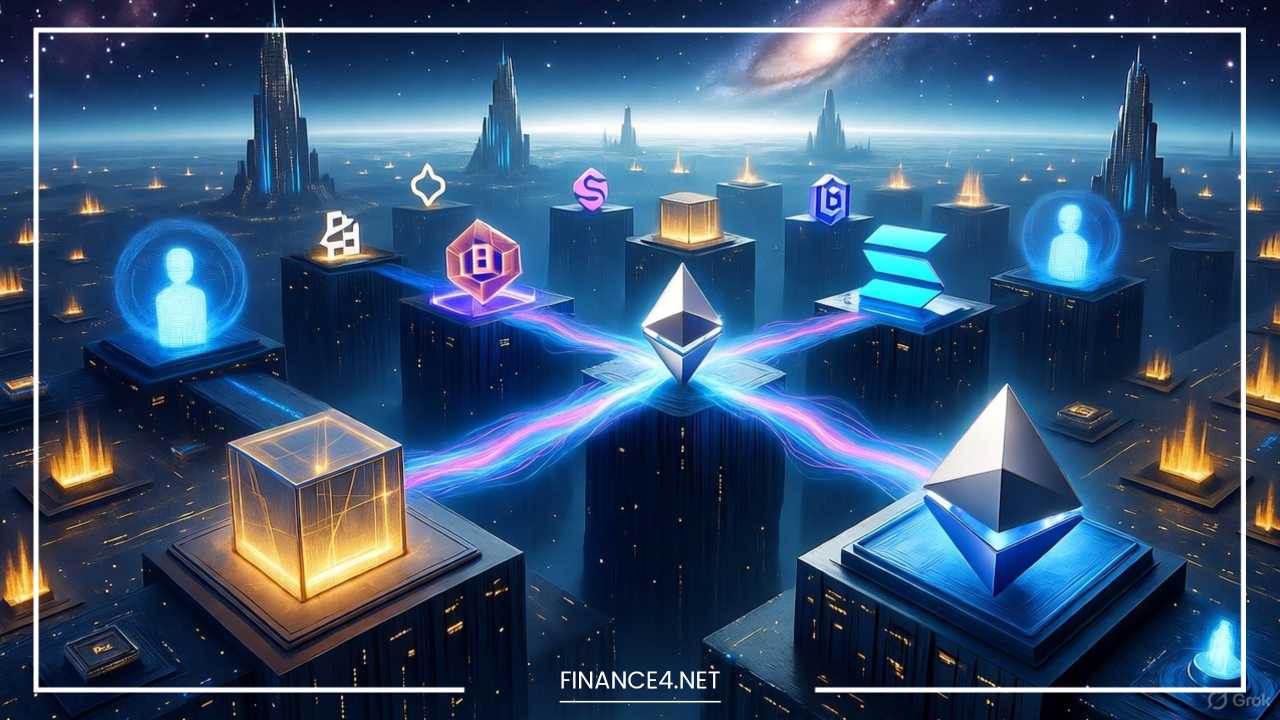
By enabling seamless transfer of assets and data across different blockchains, cross-chain VR tokens are poised to unlock unprecedented opportunities for metaverse expansion, fostering true interoperability and a unified digital identity for users. This article delves into the transformative potential of cross-chain VR tokens, exploring their mechanisms, benefits, challenges, and the exciting future they promise for the Web3 era.
The Role of VR Tokens in the Metaverse
VR tokens are the lifeblood of metaverse economies, serving diverse functions that facilitate user interaction, ownership, and participation. Fundamentally, they are digital assets, often built on blockchain technology, that represent various forms of value within a virtual environment.
Their primary roles can be categorized as follows:
- Utility: VR tokens often function as in-game currency, allowing users to purchase virtual goods, services, and experiences. This could include buying virtual land, customizing avatars with unique wearables, acquiring digital art for virtual galleries, or accessing exclusive events and premium features within a metaverse platform. For instance, MANA in Decentraland is used to buy parcels of virtual land, in-game items, and participate in governance. Similarly, SAND in The Sandbox facilitates the purchase of LANDs (virtual plots of land), in-game assets, and interactions within the platform.
- Governance: Many metaverse platforms are structured as Decentralized Autonomous Organizations (DAOs), empowering their communities to make collective decisions. VR tokens often grant holders voting rights, allowing them to participate in the governance of the platform. This includes proposing and voting on changes to the metaverse’s rules, economic policies, development roadmap, or even treasury management. This democratic approach ensures that the metaverse evolves in a way that benefits its users.
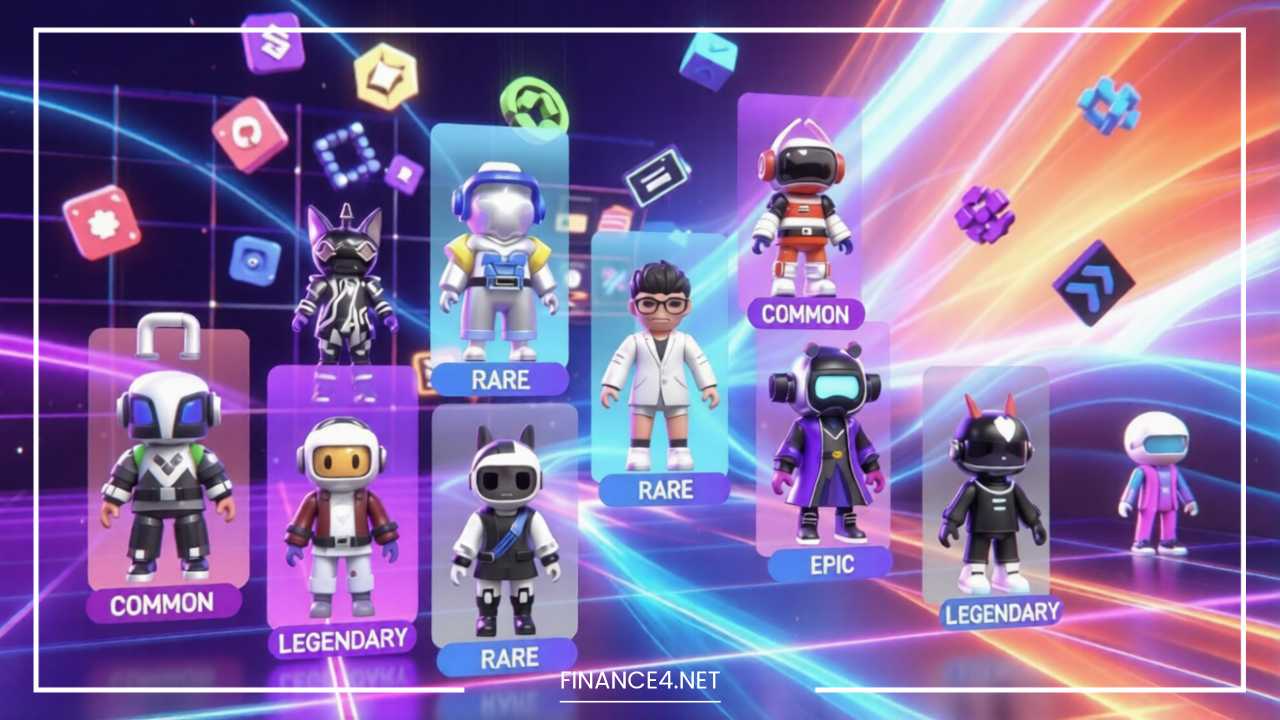
- Identity and Access: Certain VR tokens can represent aspects of a user’s digital identity within the metaverse, such as unique avatars or memberships to exclusive clubs. They can also serve as access keys to specific virtual spaces, events, or functionalities, creating tiered experiences and fostering communities with shared interests. Non-fungible tokens (NFTs), a subset of VR tokens, are particularly crucial here, enabling verifiable digital ownership of unique items like avatars, virtual real estate, and collectibles.
- In-game Assets and Social Interactions: Beyond basic utility, VR tokens underpin the entire ecosystem of in-game assets. From unique weapons and tools in virtual games to digital fashion accessories and decorative items for virtual homes, these assets are often tokenized, allowing for true ownership, scarcity, and tradability. This fosters vibrant internal economies and enhances social interactions by enabling users to express themselves and participate in various virtual activities. Platforms like Somnium Space allow users to build and monetize their creations, which are often represented as NFTs, and interact with others in a highly immersive 3D environment.
The existence of these VR tokens transforms passive consumers into active participants and stakeholders, driving engagement and creating genuine value within the virtual realm.
Challenges of Single-Chain VR Ecosystems
While the advent of VR tokens on blockchain has revolutionized digital ownership and participation in the metaverse, their initial deployment predominantly on single blockchain networks, primarily Ethereum, has brought forth significant limitations. These challenges hinder the true potential of a seamlessly interconnected metaverse.
The most prominent issues include:
- Scalability Issues: Blockchain networks like Ethereum, while robust and secure, suffer from inherent scalability constraints. As more users and transactions flood into metaverse platforms, the network becomes congested, leading to exorbitantly high gas fees and slow transaction processing times. This directly impacts the user experience, making micro-transactions prohibitive and hindering the fluidity of in-game economies. Imagine paying a substantial fee to simply move a virtual item from one inventory slot to another – such friction discourages widespread adoption and real-time interaction.
- Limited Interoperability Across Platforms: A fundamental vision of the metaverse is a sprawling network of interconnected virtual worlds. However, current single-chain ecosystems largely operate in isolation. Assets and identities created on one blockchain-based metaverse, for example, Decentraland, are typically confined to that platform. This means a user cannot easily port their avatar, virtual land, or purchased items to another metaverse built on a different blockchain, such as The Sandbox. This lack of interoperability creates a fragmented user experience, akin to having separate internets for every website.
- Fragmented User Experience and Liquidity: The absence of seamless asset and identity transfer across different metaverse platforms results in a disjointed user experience. Users are forced to manage multiple wallets, re-establish their identity, and potentially re-purchase assets for each new virtual world they enter. This not only creates inconvenience but also fragments liquidity. Assets within a single metaverse might have deep liquidity, but their value remains locked within that specific ecosystem. This limits the overall economic potential of VR tokens, as their utility and tradability are constrained to their native chain, making it challenging for users to fully leverage their digital holdings across the broader metaverse landscape.
These challenges underscore the urgent need for a more advanced technological solution – one that can break down the silos between blockchain networks and unlock the full interoperable potential of the metaverse.
What is Cross-Chain Technology?
Cross-chain technology is a revolutionary set of solutions designed to address the inherent isolation of disparate blockchain networks. In essence, it enables different blockchains, which traditionally cannot communicate or exchange data directly, to interact and transfer assets or information seamlessly. This capability is paramount for the evolution of Web3 and the metaverse, as it moves beyond the limitations of single-chain ecosystems.
The importance of cross-chain technology stems from the growing diversity of blockchain networks, each optimized for specific functionalities, consensus mechanisms, and smart contract capabilities. Without cross-chain solutions, these networks would remain isolated “walled gardens,” preventing the free flow of value and data, and ultimately stifling innovation and user experience.
There are several primary types of cross-chain solutions:
- Bridges: Blockchain bridges are perhaps the most common and direct form of cross-chain technology. They facilitate the transfer of assets and data between two otherwise incompatible blockchains. A typical bridge mechanism involves locking an asset on the source chain and then minting an equivalent “wrapped” or “representative” asset on the destination chain. When the wrapped asset is burned on the destination chain, the original asset is unlocked on the source chain. Popular examples include Wormhole, which connects various high-value blockchains, and LayerZero, a generalized messaging protocol designed for secure cross-chain communication. While effective, bridges can be complex and have historically been targets for security exploits if not implemented with the utmost care.
- Sidechains: A sidechain is a separate blockchain that runs parallel to a main blockchain (the “parent chain”) and is connected to it via a two-way peg. This allows assets to be moved back and forth between the main chain and the sidechain. Sidechains typically have their own consensus mechanisms and can be designed for specific purposes, such as increased transaction throughput or specialized functionalities, offloading traffic from the main chain. Polygon, often considered a sidechain or a Layer 2 solution for Ethereum, is a prime example, offering lower fees and faster transactions for dApps.
- Rollups with Interoperability: Rollups are Layer 2 scaling solutions that execute transactions off the main chain (Layer 1) and then “roll up” or batch these transactions into a single transaction that is submitted to the Layer 1. This significantly reduces gas fees and increases throughput. While primarily a scaling solution, some rollup designs inherently incorporate or are being developed with cross-chain interoperability features, allowing for asset and data transfer not only back to the main chain but also between different rollups or even other Layer 1 networks. Arbitrum and Optimism are prominent examples of optimistic rollups, with ongoing efforts to enhance their cross-chain capabilities.
The benefits of cross-chain solutions for VR token projects are profound. They enable:
- Expanded Reach: VR tokens are no longer confined to a single ecosystem, opening them up to a wider user base and diverse virtual worlds.
- Improved User Experience: Seamless asset transfer and unified identity reduce friction, making the metaverse feel more cohesive and navigable.
- Enhanced Liquidity: By allowing tokens to move between chains, liquidity pools become deeper and more interconnected, benefiting traders and developers alike.
- Increased Innovation: Developers can leverage the strengths of multiple blockchains to build more complex and feature-rich metaverse experiences without being limited by the constraints of a single chain.
Cross-chain technology is not just about moving tokens; it’s about building a truly interconnected and expansive digital reality.
Cross-Chain VR Tokens: Use Cases & Benefits
The advent of cross-chain technology ushers in a new era for VR tokens, transcending the limitations of single-chain ecosystems and unlocking a plethora of transformative use cases and benefits for metaverse expansions.
- Seamless Asset Transfer Between Metaverse Worlds: This is perhaps the most immediate and impactful benefit. Imagine acquiring a rare digital sword in a fantasy-themed metaverse built on Ethereum, and then being able to seamlessly transfer and use that same sword in a sci-fi metaverse built on Solana, or even display it in your virtual apartment in a social hub built on Polygon. Cross-chain VR tokens make this possible. Users will no longer be locked into isolated platforms, fostering true digital portability and a cohesive identity across the entire metaverse landscape. This frictionless movement of NFTs (representing avatars, land, wearables, etc.) and fungible VR tokens creates a unified digital economy where value can flow freely.
- Unified Identity and Ownership: Currently, a user’s digital identity and the ownership of their virtual assets are often fragmented across different blockchain networks and metaverse platforms. Cross-chain solutions allow for a unified digital identity, where a user’s reputation, achievements, and owned assets can be recognized and utilized across multiple virtual worlds. This creates a more persistent and meaningful digital presence, as users can carry their established persona and valuable belongings with them, enhancing their sense of belonging and agency within the broader metaverse. Projects exploring decentralized identity solutions leverage cross-chain messaging to verify user attributes across chains.
- Broader Liquidity and DeFi Integration: The fragmentation of VR tokens across isolated chains leads to shallow liquidity pools. By enabling cross-chain transfers, VR tokens can tap into broader liquidity across various decentralized exchanges (DEXs) and decentralized finance (DeFi) protocols on different blockchains. This means users can more easily trade their VR tokens, access lending/borrowing services, and participate in yield farming opportunities, maximizing the financial utility of their virtual assets. For example, a VR token initially on Ethereum could be bridged to Polygon to participate in lower-fee DeFi protocols, then potentially bridged to Avalanche for high-speed gaming interactions, all while maintaining its underlying value. This significantly enhances the economic vibrancy and accessibility of metaverse assets.
- DAO Coordination Across Ecosystems: Many metaverse projects are governed by DAOs, where token holders vote on key decisions. As metaverses expand across multiple chains, effective governance becomes increasingly complex. Cross-chain governance tokens enable a unified decision-making process, allowing a single DAO to manage its operations and assets across various blockchain deployments. This prevents fragmentation of governance power and ensures consistent policy application, fostering a more cohesive and efficient decentralized administration for multi-chain metaverse projects. For instance, a DAO controlling a metaverse project might have its governance token distributed across Ethereum, Polygon, and Arbitrum. Cross-chain messaging would allow voters on any of these chains to participate in a single, unified vote.
These benefits collectively pave the way for a truly open, interconnected, and economically vibrant metaverse, where users have unprecedented freedom and control over their digital lives and assets.
Technical Infrastructure Enabling Cross-Chain VR Tokens
The seamless flow of VR tokens across disparate metaverse ecosystems relies on a sophisticated technical infrastructure that spans multiple blockchain networks and leverages advanced interoperability frameworks. Understanding these underlying components is crucial to appreciating the complexity and potential of cross-chain VR.
-
Blockchain Networks Involved: A multitude of blockchain networks are actively building the foundation for the multi-chain metaverse.
- Polkadot is designed specifically for interoperability, allowing various specialized blockchains (parachains) to connect and communicate within its ecosystem. This architecture natively supports the movement of assets and data between parachains, making it a strong contender for future metaverse expansions.
- Cosmos, often dubbed the “Internet of Blockchains,” focuses on the Inter-Blockchain Communication (IBC) protocol, enabling independent blockchains (zones) to transfer tokens and messages between each other. This modular approach allows for highly customized metaverse chains that can still interoperate.
- Avalanche is known for its high throughput and low transaction fees, making it an attractive platform for fast-paced metaverse interactions and gaming. Its subnets feature allows for the creation of application-specific blockchains, which can then communicate within the broader Avalanche ecosystem.
- Other networks like Ethereum (with its Layer 2 solutions like Arbitrum and Optimism), BNB Chain, and Solana also play crucial roles, either as primary metaverse hosts or as endpoints for cross-chain transfers, given their large user bases and developer communities.
-
Token Standards (ERC-20 vs. ERC-1155 vs. Cross-Chain Variations): The standardization of VR tokens is fundamental.
- ERC-20 is the widely adopted standard for fungible tokens (e.g., in-game currencies) on Ethereum, ensuring compatibility across various dApps and wallets.
- ERC-1155 is a multi-token standard that allows for both fungible and non-fungible tokens within a single contract, making it ideal for metaverse assets like game items (where multiple copies of a sword might be fungible, but a unique “legendary” sword is non-fungible).
- For cross-chain VR tokens, these standards often require cross-chain variations or wrapping mechanisms. When an ERC-721 NFT (representing a unique avatar) moves from Ethereum to a different chain via a bridge, it might be “wrapped” into a new token standard on the destination chain that represents the original asset, ensuring its uniqueness and properties are maintained. The underlying bridge protocol ensures the integrity and verifiability of this wrapped asset.
-
Smart Contract Interoperability Frameworks: The intelligence behind cross-chain VR tokens lies in sophisticated smart contracts and interoperability frameworks.
- Chainlink Cross-Chain Interoperability Protocol (CCIP) is a prime example, providing a secure and reliable way for smart contracts to send messages and transfer tokens across different blockchain networks. This allows for complex cross-chain logic, such as updating a user’s progress in one metaverse based on an action in another, or enabling cross-chain governance votes.
- Axelar is another universal interoperability network that connects blockchains, allowing dApps to build on any chain and interact with users and assets on all connected chains. Such frameworks provide the necessary infrastructure for dApps and metaverse platforms to seamlessly integrate cross-chain functionality.
-
Security Considerations (Bridges as Attack Vectors): While cross-chain technology offers immense potential, it also introduces significant security challenges, with bridges often serving as prime targets for malicious actors.
- The complexity of bridging mechanisms, involving locking assets on one chain and minting on another, creates multiple points of vulnerability.
- Smart contract vulnerabilities within the bridge code can be exploited to drain funds.
- Centralization risks exist if the bridge relies on a small set of validators or custodians, making it susceptible to collusion or single points of failure.
- Oracle manipulation could also compromise bridge integrity if the price feeds or state data used for asset transfers are tampered with.
- Therefore, robust security audits, multi-signature requirements, decentralized validator sets, and innovative cryptographic techniques (like zero-knowledge proofs) are paramount for building secure and trustworthy cross-chain VR token infrastructure. The history of bridge hacks underscores the critical importance of prioritizing security in this nascent but rapidly evolving field.
Real-World Examples and Emerging Projects
The vision of a truly interconnected metaverse powered by cross-chain VR tokens is not merely theoretical; several projects are actively building and demonstrating its potential. These real-world examples highlight how multi-chain token infrastructure is being leveraged to expand virtual experiences and economies.
- Decentraland (MANA) and The Sandbox (SAND): While often considered single-chain (Ethereum-based) pioneers, both Decentraland and The Sandbox are actively exploring and integrating cross-chain capabilities. For instance, The Sandbox has experimented with Polygon for scaling certain operations, and both are part of discussions and initiatives aimed at broader metaverse interoperability. Their continued success relies on eventually allowing their native assets (LAND, avatars, wearables) to be recognized and utilized in other virtual environments, potentially through bridges or higher-level metaverse interoperability protocols. While not fully cross-chain native yet, their engagement with solutions like wrapped tokens and potential future bridge integrations demonstrates the growing need for multi-chain capabilities.
- Portal (formerly Wormhole): As a generalized message passing protocol, Portal (Wormhole) isn’t a metaverse in itself, but it’s a critical piece of infrastructure enabling cross-chain VR tokens. Projects building virtual worlds can use Portal to transfer assets (including VR tokens and NFTs) between the many blockchains it supports, such as Ethereum, Solana, Polygon, Avalanche, and more. This allows for assets minted on one chain to have utility and liquidity on another, directly addressing the fragmentation issue for VR tokens. For example, a game developer could launch a VR game on Solana for its speed and low fees, while allowing players to bridge their earned NFTs or tokens to Ethereum for broader market access and DeFi integration.
- MyNeighborAlice (ALICE): This multiplayer builder game, featuring unique NFTs representing land plots and in-game items, is a prime example of a project designed with cross-chain considerations. Built on Chromia (a blockchain platform for dApps), MyNeighborAlice aims to provide a user-friendly entry into the metaverse with elements of DeFi and NFTs. While Chromia offers scalability advantages, the vision for MyNeighborAlice often includes interoperability with other blockchain ecosystems to maximize player engagement and asset utility. The game’s assets, including the ALICE token, could theoretically be bridged to other chains to access wider markets or different gaming experiences.
- NFT Worlds: This project leverages Minecraft’s popular engine to create a decentralized metaverse where “worlds” are represented as NFTs on Ethereum. Each NFT World is essentially a playable, customizable multiplayer server. While the initial NFTs are on Ethereum, the underlying infrastructure allows for a degree of flexibility in how players interact and how in-game assets are managed. The concept inherently leans towards interoperability, as players might want to bring assets from other blockchain games into their NFT Worlds, or vice versa. The success of such projects often depends on their ability to facilitate seamless asset movement and recognition across different blockchain environments and gaming platforms.
These examples illustrate the diverse approaches to implementing cross-chain functionality for VR tokens. From foundational bridging protocols to metaverse projects building with interoperability in mind, the industry is actively moving towards a more connected and expansive virtual future. The ability to move and utilize digital assets across different virtual environments is becoming a non-negotiable feature for the next generation of metaverse platforms.
Challenges and Limitations
Despite the immense promise of cross-chain VR tokens for metaverse expansion, the path to a fully interoperable digital reality is fraught with significant challenges and limitations that require careful consideration and innovative solutions.
-
Technical Complexity and Risks:
- Bridge Vulnerabilities: Cross-chain bridges, while essential, are notoriously complex to build and secure. They often involve intricate smart contract logic, multi-party computation, and off-chain relayers, creating numerous potential attack vectors. High-profile bridge hacks, resulting in hundreds of millions of dollars in losses, underscore the severe security risks associated with current bridging solutions. Ensuring the integrity and immutability of assets as they traverse different chains is a monumental technical hurdle.
- Data Consistency and Synchronization: Maintaining consistent state and data synchronization across multiple, independent blockchains is incredibly challenging. If not handled perfectly, it can lead to issues like double-spending or assets getting “stuck” in transit, severely undermining user trust and the reliability of the system.
- Scalability of Cross-Chain Solutions: While cross-chain technology aims to alleviate single-chain scalability issues, the interoperability layers themselves can introduce new bottlenecks. Processing and verifying transactions across multiple chains adds overhead, and if the underlying bridging infrastructure isn’t highly scalable, it can become a new point of congestion.
-
User Onboarding Friction:
- Complex User Experience: For the average user, navigating multiple blockchain networks, understanding different wallet types, and managing cross-chain transfers can be overwhelming. The current user experience for cross-chain operations is often cumbersome and unintuitive, presenting a significant barrier to mainstream adoption of multi-chain metaverse applications.
- Gas Fees Across Chains: While bridging might offer access to lower-fee chains, users still incur gas fees on both the source and destination chains, and sometimes additional fees for the bridge service itself. This can add up, especially for frequent transactions or for users with limited capital, hindering the fluidity of micro-economies within the metaverse.
-
Governance Across Chains:
- Fragmented Governance: When a metaverse project or a DAO spans multiple blockchains, coordinating governance decisions across these disparate environments becomes highly complex. Ensuring that votes cast on one chain are recognized and enforced on others, while maintaining decentralization and avoiding malicious takeovers, requires sophisticated governance models and communication protocols.
- Dispute Resolution: In the event of a cross-chain incident, such as a bridge hack or a dispute over asset ownership, resolving the issue across multiple jurisdictions and independent blockchain communities can be incredibly difficult, lacking clear legal or technical frameworks.
-
Regulatory Uncertainty:
- Lack of Clear Guidelines: The regulatory landscape for blockchain, cryptocurrencies, and especially the metaverse is still nascent and highly fragmented globally. Cross-chain operations introduce even more complexity, as assets might move across different jurisdictions with varying legal interpretations and requirements. This regulatory uncertainty can deter large enterprises and institutional investors from fully committing to the multi-chain metaverse.
- AML/KYC Challenges: Implementing Anti-Money Laundering (AML) and Know Your Customer (KYC) compliance across cross-chain transactions is a significant challenge, as the anonymous nature of blockchain often conflicts with traditional financial regulations.
Addressing these challenges is critical for the long-term success and widespread adoption of cross-chain VR tokens and the realization of a truly interoperable metaverse. It will require continued innovation in technical design, significant improvements in user experience, robust governance frameworks, and clearer regulatory clarity.
Future Outlook: Cross-Chain VR in Web3 Metaverses
The trajectory of the metaverse, driven by the relentless pace of technological innovation, points towards an increasingly interconnected and immersive digital future. Cross-chain VR tokens are not merely a technical advancement but a fundamental enabler of this vision, promising to reshape virtual economies and user experiences in profound ways.
-
Convergence of AI, AR, VR, and Cross-Chain Tech: The future metaverse will be a melting pot of cutting-edge technologies.
- AI will power more intelligent NPCs (Non-Player Characters), generate dynamic virtual environments, and create highly personalized experiences for users. Imagine AI-driven virtual companions that learn your preferences and interact realistically across different metaverse worlds.
- Augmented Reality (AR) will increasingly bridge the physical and digital, overlaying metaverse elements onto our real-world view. Cross-chain VR tokens could represent AR-enabled digital twins of physical assets, or unlock exclusive AR experiences linked to virtual ownership.
- Virtual Reality (VR) will continue to advance in terms of immersion, haptics, and realism, making metaverse experiences indistinguishable from reality. The high-fidelity assets and complex interactions in these VR environments will necessitate the efficient and secure transfer that cross-chain technology provides.
- The seamless integration of these technologies will rely heavily on the interoperability offered by cross-chain solutions, allowing data, identities, and assets to flow freely between these diverse technological layers and the various virtual worlds they power.
-
Predictions for the next 5–10 years:
- Ubiquitous Interoperability: Within the next decade, single-chain metaverses will become relics of the past. True interoperability, facilitated by advanced cross-chain protocols, will be the norm. Users will expect their avatars, digital clothing, and virtual properties to be transferable across any major metaverse platform.
- Emergence of Metaverse “Super-Highways”: We will likely see the development of highly efficient and secure “metaverse highways” – dedicated cross-chain infrastructure specifically optimized for the high volume and low latency requirements of VR token transfers and real-time metaverse interactions.
- Sophisticated Digital Economies: The ability to move assets freely will lead to significantly more dynamic and complex digital economies. New business models will emerge around cross-metaverse trading, lending, and virtual real estate development, attracting a new wave of entrepreneurs and creators.
- Decentralized Identity and Reputation Systems: Cross-chain solutions will enable a persistent, self-sovereign digital identity that transcends individual platforms. Users’ reputations, achievements, and even credit scores within the metaverse could be tied to their cross-chain identity, unlocking new forms of digital trust and collaboration.
- “Build-Once, Deploy-Anywhere” Content: Developers will be able to create virtual assets and experiences that are compatible with multiple metaverse platforms, significantly reducing development costs and accelerating innovation. This will foster a more open and collaborative creator economy.
-
How True Interoperability Will Reshape Virtual Economies:
- Expanded Marketplaces: Interoperability will break down walled gardens, creating vast, interconnected marketplaces for VR tokens and NFTs. This will lead to increased liquidity, more competitive pricing, and greater opportunities for creators and consumers alike.
- Cross-Metaverse Gaming and Experiences: Games will no longer be isolated. Players could earn unique items in one game and use them as cosmetic enhancements in a social metaverse, or as functional tools in another. This cross-pollination of experiences will foster richer and more engaging gameplay loops.
- Fluid Labor Markets: Skills and services developed in one metaverse (e.g., virtual architecture, event planning) can be offered and compensated with VR tokens that are easily transferable and convertible across the entire multi-chain metaverse.
- Enhanced Social Capital: The ability to carry one’s digital identity and assets across platforms will strengthen social connections and allow communities to form and thrive independently of any single platform’s limitations.
The future of the metaverse is intrinsically tied to the success of cross-chain VR tokens. They are the keys to unlocking a decentralized, interoperable, and economically vibrant digital universe where users truly own their experiences and assets, fostering unprecedented levels of creativity, collaboration, and value creation.
Final Thoughts
The journey into the metaverse, characterized by its boundless virtual landscapes and burgeoning digital economies, is fundamentally reliant on the evolution of VR tokens. These digital assets are the conduits for ownership, utility, governance, and identity within these immersive worlds. However, the initial phase of metaverse development, largely constrained by single-chain architectures, revealed critical limitations in scalability, interoperability, and user experience.
The emergence of cross-chain technology provides a pivotal solution to these challenges, acting as the connective tissue that can unite disparate blockchain networks. By enabling seamless asset transfer, fostering unified digital identities, broadening liquidity, and facilitating cohesive DAO governance, cross-chain VR tokens are not just an incremental improvement but a transformative leap. They unlock the potential for a truly interconnected metaverse, where virtual assets and user experiences are no longer confined to isolated digital silos.
While significant technical complexities, security risks, and regulatory uncertainties remain, the ongoing innovation in blockchain bridges, sidechains, rollups, and interoperability frameworks is steadily paving the way. Real-world projects are already demonstrating the early potential of multi-chain VR token infrastructure, hinting at a future where our digital lives flow effortlessly across a multitude of virtual worlds.
As we look ahead, the convergence of AI, AR, VR, and sophisticated cross-chain technologies promises a future where the metaverse is not just an escape, but a persistent, dynamic extension of our reality. This true interoperability will fundamentally reshape virtual economies, foster unprecedented creativity, and empower users with unparalleled control over their digital identities and assets. The transformative potential of cross-chain VR tokens is undeniable, underscoring the urgent need for continued innovation, collaboration, and strategic development within this exciting and rapidly expanding digital frontier.