How to Design Multi-Chain NFT Tickets
 by
by 
How to Design Multi-Chain NFT Tickets | Ultimate Guide
The world of ticketing is undergoing a revolutionary transformation, moving from traditional paper or digital QR codes to non-fungible tokens (NFTs). This shift promises enhanced security, verifiable ownership, and exciting new possibilities for event organizers and attendees alike. However, the burgeoning ecosystem of blockchains presents a challenge: how do you create an NFT ticket that can seamlessly exist and operate across multiple chains? This article delves into the intricate process of designing multi-chain NFT tickets, exploring the technical underpinnings, strategic considerations, and future outlook of this innovative technology.
NFT tickets are a paradigm shift in event management, offering a decentralized, transparent, and immutable record of ownership. Unlike their traditional counterparts, NFT tickets are unique digital assets recorded on a blockchain, making them virtually impossible to counterfeit and providing a clear audit trail. While initial NFT ticketing solutions often focused on a single blockchain, the limitations of such an approach — particularly concerning scalability, transaction fees, and user accessibility — have highlighted the increasing importance of multi-chain support. This article will guide you through the complexities of designing a robust and future-proof multi-chain NFT ticketing system, covering everything from core components and blockchain selection to security, monetization, and real-world applications.
What Are NFT Tickets?
At its core, an NFT ticket is a unique, non-interchangeable digital token that represents proof of admission to an event. Unlike fungible cryptocurrencies where each unit is identical, each NFT ticket possesses distinct characteristics and a unique identifier on a blockchain. This inherent uniqueness is what makes them ideal for ticketing, as each ticket corresponds to a specific entry, seat, or access level.
The evolution of NFT-based ticketing stems from the desire to combat prevalent issues in traditional ticketing systems. These include rampant counterfeiting, opaque secondary markets plagued by scalping, lack of verifiable ownership, and limited engagement opportunities between organizers and attendees. By leveraging blockchain technology, NFT tickets offer:
- Verifiable Authenticity: Each ticket is a unique token on the blockchain, eliminating the possibility of fake tickets.
- Transparent Ownership: The ownership history of every ticket is publicly recorded on the blockchain, providing a clear audit trail.
- Enhanced Security: The cryptographic security of blockchain makes tickets highly resistant to tampering and fraud.
- Programmability: Smart contracts enable event organizers to embed rules and functionalities directly into the tickets, such as resale restrictions, royalty distributions, and unique access perks.
- New Revenue Streams: Organizers can earn royalties on secondary market sales, combating scalping and capturing value that was previously lost.
- Improved Fan Engagement: NFTs can offer exclusive content, merchandise discounts, or even voting rights for future events, fostering a deeper connection with attendees.
NFT tickets are finding diverse use cases across various industries:
- Events: From concerts and music festivals to art exhibitions and theater performances, NFTs provide a secure and engaging way to manage entry.
- Sports: Sports teams and leagues are exploring NFT tickets for season passes, VIP access, and collectible memorabilia.
- Music Festivals: Large-scale festivals benefit from the anti-counterfeiting measures and potential for interactive fan experiences.
- Conferences: NFT tickets can simplify attendee management, provide access to exclusive workshops, and serve as digital credentials.
What Is Multi-Chain Architecture?
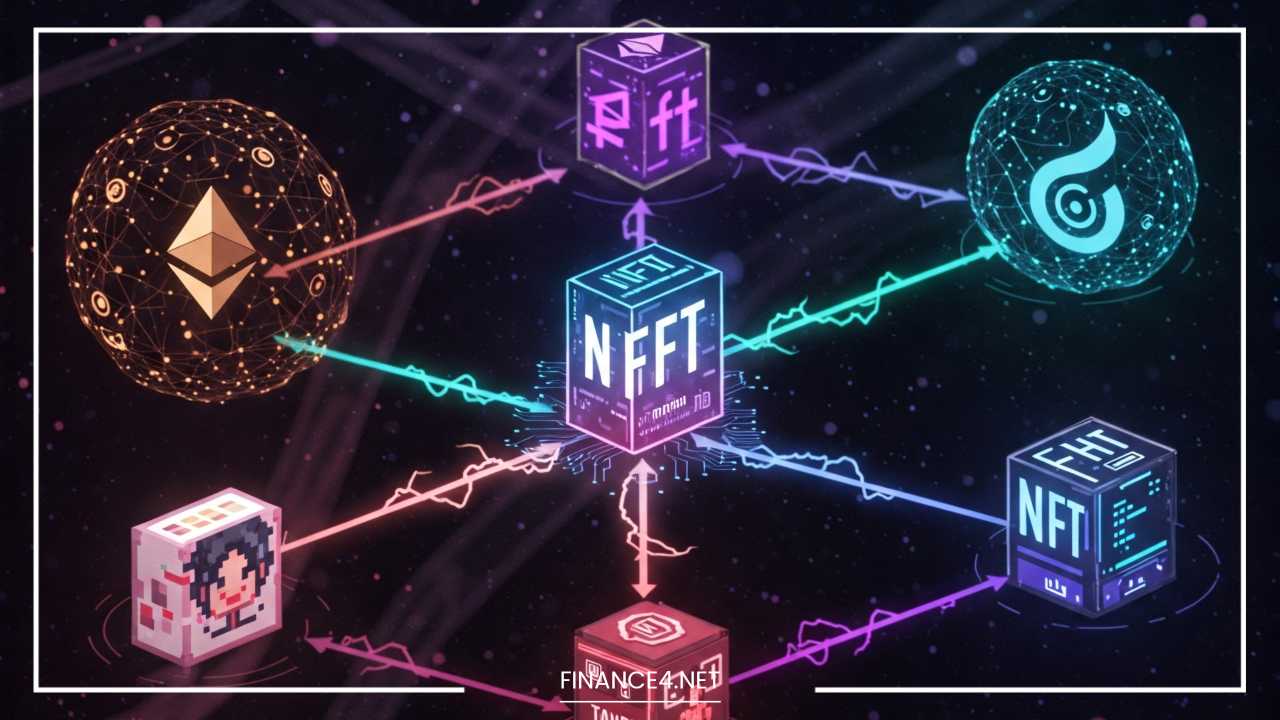
Multi-chain, often referred to as cross-chain, architecture, refers to the design and implementation of systems that operate across, and interact with, multiple distinct blockchain networks. In the context of NFTs, this means that an NFT (or its representation) can exist, be transferred, or have its ownership verified on more than one blockchain.
The necessity of multi-chain infrastructure arises from the inherent limitations of single-chain solutions:
- Scalability: No single blockchain can currently handle the transaction volume required for global adoption without experiencing congestion and high fees. Multi-chain approaches distribute the load across various networks.
- Lower Fees: Different blockchains have varying transaction costs. By offering options, users can choose the most cost-effective chain for their needs, improving accessibility, especially for smaller transactions.
- User Accessibility: Users often have assets and preferences tied to specific blockchains. A multi-chain system caters to a wider audience by supporting their preferred networks and wallets.
- Interoperability: Multi-chain architecture facilitates the seamless movement of assets and data between different blockchain ecosystems, fostering a more interconnected Web3.
Key blockchains frequently used in NFT ticketing, each with its own advantages, include:
- Ethereum (ETH): The pioneering smart contract platform, known for its robust security and large developer community. However, it often faces high gas fees and network congestion.
- Polygon (MATIC): A Layer 2 scaling solution for Ethereum, offering significantly lower transaction fees and faster confirmations, making it attractive for high-volume applications like ticketing.
- Solana (SOL): A high-performance blockchain known for its incredibly fast transaction speeds and low costs, ideal for real-time applications.
- Avalanche (AVAX): A highly scalable and customizable blockchain platform with low transaction costs and fast finality.
- BNB Chain (BNB): Operated by Binance, it offers a cost-effective and relatively fast alternative to Ethereum, with a large user base.
- Flow (FLOW): Designed specifically for consumer-facing dApps, NFTs, and games, known for its user-friendly experience and scalability.
Core Components of a Multi-Chain NFT Ticketing System
Designing a multi-chain NFT ticketing system requires a sophisticated interplay of various blockchain and decentralized technologies. Here are the core components:
- Smart Contracts (ERC-721, ERC-1155, and equivalents):
- ERC-721 (Ethereum): The foundational standard for unique, non-fungible tokens. Each ERC-721 token is distinct, making it suitable for representing individual tickets (e.g., a specific seat number).
- ERC-1155 (Ethereum): A multi-token standard that allows for both fungible and non-fungible tokens within a single contract. This can be efficient for batch minting of identical tickets (e.g., general admission) while still retaining unique identifiers for each.
- Equivalents: Other blockchains have their own NFT standards that mirror the functionalities of ERC-721 and ERC-1155. For instance, Solana uses Metaplex Token Metadata for NFTs, while Avalanche supports ERC-721 and ERC-1155 on its C-chain. Developers must be familiar with the native NFT standards of each blockchain they intend to support.
- Metadata Standards and Ticket Attributes:
- NFTs are not the digital asset itself, but rather a pointer to it and its associated metadata. For NFT tickets, this metadata is crucial.
- Common Attributes: Ticket ID, event name, date, time, venue, seat number (if applicable), price, issuer, purchaser, and a URI (Uniform Resource Identifier) pointing to the digital ticket artwork/information.
- JSON Schema: Metadata is typically formatted as a JSON file, following established standards like OpenSea’s metadata standard, to ensure compatibility with marketplaces and wallets.
- Dynamic Metadata: For certain use cases, like evolving access or personalized content, the metadata might need to be dynamic, updating based on predefined conditions or user interactions.
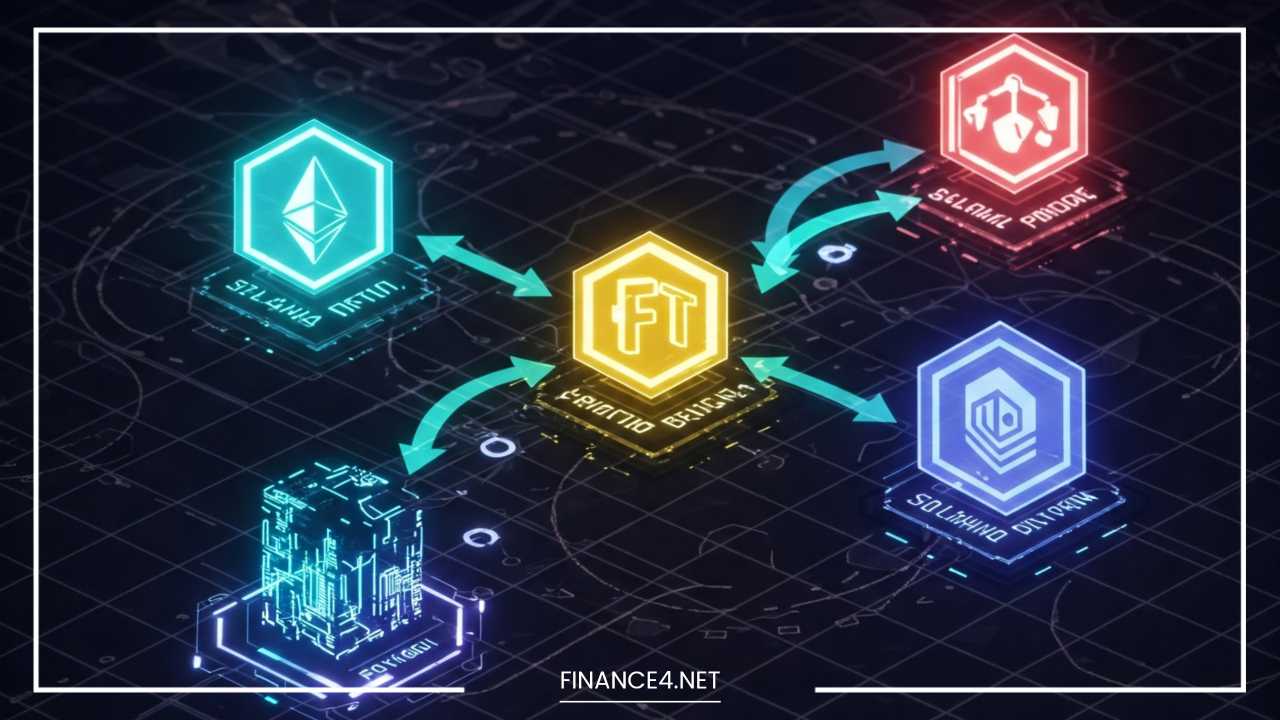
- Cross-Chain Bridges and Interoperability Protocols:
- These are the backbone of any multi-chain system, enabling assets and information to move securely between disparate blockchains.
- Lock and Mint/Burn and Mint: A common bridging mechanism where an NFT is locked on the source chain, and a corresponding “wrapped” or “bridged” NFT is minted on the destination chain. When moved back, the wrapped NFT is burned, and the original is unlocked.
- LayerZero: A leading omnichain interoperability protocol that enables direct message passing between smart contracts on different blockchains, without relying on an intermediary chain. This allows for more secure and flexible cross-chain interactions.
- Wormhole: A generic message passing protocol that facilitates communication between various blockchains, supporting asset transfers and general message passing.
- Axelar: Provides secure cross-chain communication for dApps, allowing developers to build on any chain and seamlessly interact with users and assets on any other chain.
- Considerations: The choice of bridge is critical, impacting security (vulnerabilities in bridges are a major attack vector), transaction costs, and latency.
- Storage Options (IPFS, Arweave, Filecoin):
- While the NFT token resides on the blockchain, the actual ticket artwork, event details, and other rich media associated with the ticket are too large to store directly on-chain. Decentralized storage solutions are essential for ensuring the immutability and accessibility of this metadata.
- IPFS (InterPlanetary File System): A peer-to-peer network for storing and sharing data in a distributed file system. It provides content-addressable storage, meaning data is accessed by its hash, ensuring that if the content changes, its address changes.
- Arweave: A decentralized storage network designed for permanent data storage. Once data is uploaded to Arweave, it’s there forever, making it ideal for archiving critical NFT metadata.
- Filecoin: A decentralized storage network built on IPFS, offering an incentivized layer for storing data. Users pay Filecoin miners to store their data.
- Benefits: These solutions ensure that the ticket’s associated data remains accessible even if a single server goes down, aligning with the decentralized ethos of NFTs.
Choosing the Right Blockchain(s)
The selection of one or more blockchains for your multi-chain NFT ticketing system is a critical decision that will influence performance, cost, and user experience.
- Factors to Consider:
- Fees (Gas Costs): High transaction fees on networks like Ethereum can make frequent ticketing operations (minting, transfers) expensive for both organizers and users.
- Speed (Transaction Throughput and Finality): For live events, fast transaction confirmation is crucial. Networks with high transactions per second (TPS) and quick finality are preferred.
- Ecosystem and Developer Tools: The maturity of the developer ecosystem, availability of robust SDKs, and active community support can significantly impact development time and future maintenance.
- User Base and Wallet Compatibility: Choose chains with a large existing user base and broad support from popular wallets (e.g., MetaMask, Phantom, WalletConnect) to maximize accessibility.
- Security: The inherent security and decentralization of the blockchain are paramount for protecting valuable digital assets.
- Environmental Impact: For some projects, the energy consumption of a blockchain (e.g., Proof-of-Work vs. Proof-of-Stake) might be a significant consideration.
- Pros and Cons of Popular Chains (as discussed previously):
- Ethereum: Pros: High security, largest ecosystem, strong community. Cons: High gas fees, congestion.
- Polygon: Pros: Low fees, fast transactions, EVM compatible (easy migration from Ethereum), growing ecosystem. Cons: Relies on Ethereum’s security for its checkpoints.
- Solana: Pros: Extremely fast, very low fees. Cons: Less decentralized than Ethereum, occasional network outages.
- Avalanche: Pros: Scalable, customizable subnets, low fees. Cons: Smaller ecosystem than Ethereum.
- BNB Chain: Pros: Low fees, fast, large user base. Cons: More centralized than other options.
- Flow: Pros: Designed for consumer dApps, easy for new users. Cons: More centralized than others, less general-purpose.
- When to Go Multi-Chain vs. Single Chain:
- Single Chain: A single-chain approach might suffice for smaller-scale events, niche communities, or if the primary target audience is already deeply entrenched in a specific blockchain ecosystem (e.g., an Ethereum-native DAO). It simplifies development and reduces cross-chain complexities.
- Multi-Chain: Essential for mass adoption, larger events, and appealing to a diverse user base. If you anticipate high transaction volumes, need to minimize user costs, or want to offer flexibility in payment and ownership, a multi-chain strategy is almost certainly the way to go. It allows you to leverage the strengths of different chains – for example, minting on a low-fee chain for general tickets and offering exclusive VIP tickets on a more secure, but higher-fee, chain like Ethereum.
Designing Cross-Chain Logic
The core challenge of multi-chain NFT ticketing lies in effectively managing ticket ownership, state, and usage across different blockchain networks.
- Strategies:
- Native Multi-Chain Deployment: This involves deploying separate smart contracts for your NFT tickets on each chosen blockchain. Each contract would mint NFTs native to that specific chain. This approach offers true decentralization on each chain but requires robust cross-chain communication for syncing.
- Bridge-Based Deployment: This is a more common approach. You mint the canonical (original) NFT on a “main” chain (e.g., Ethereum). When a user wants to move their ticket to another chain (e.g., Polygon for lower gas fees), they “bridge” it. This typically involves locking the original NFT on the main chain and minting a wrapped representation of it on the destination chain.
- Using Wrapped NFTs vs. Minting on Each Chain:
- Wrapped NFTs: As described above, this method creates a derivative NFT on a different chain, with the original locked. The advantage is that the “true” ownership remains tied to the main chain, simplifying certain aspects like royalty enforcement on the original asset. The downside is the reliance on the security and integrity of the bridge.
- Minting on Each Chain (Native): Each ticket is a distinct NFT on its respective chain. This can be more complex to manage in terms of global uniqueness and ensuring a consistent user experience. For example, how do you prevent someone from using a ticket on Ethereum if they simultaneously hold a “copy” on Polygon? This requires a strong cross-chain oracle or a centralized service to verify usage.
- Syncing Ownership and Usage Data Across Chains:
- This is arguably the most critical aspect of multi-chain NFT ticketing. How do you ensure that a ticket scanned and used on Solana is recognized as “used” if it was originally minted on Ethereum and bridged?
- Cross-Chain Oracles: Decentralized oracles can monitor events on one blockchain and relay that information to smart contracts on another. For example, an oracle could detect a ticket being scanned at an event (an on-chain transaction) and update its status across all linked chains.
- Message Passing Protocols: Protocols like LayerZero are designed for secure, generalized message passing, allowing smart contracts on different chains to communicate directly and update shared states. This can be used to synchronize ticket status, ownership transfers, and other critical data.
- Centralized Database (with decentralized verification): For performance-sensitive applications, a hybrid approach might involve a centralized database for quick lookups and user interfaces, with critical ownership and usage changes being immutably recorded on the blockchain(s) and verified periodically. This requires careful design to avoid single points of failure and maintain the integrity of the decentralized aspects.
- Atomic Swaps: While more complex, atomic swaps could enable direct, trustless exchanges of tickets between chains without the need for a bridge, though this is less applicable for general usage and state synchronization.
Security, Scalability & UX Considerations
Designing a multi-chain NFT ticketing system is not just about technical implementation but also about addressing critical concerns around security, ensuring scalability for large-scale events, and providing a seamless user experience.
- Preventing Double-Spending and Ticket Fraud:
- On-chain Verification: The immutable nature of NFTs on the blockchain is the primary defense against counterfeiting. Each ticket has a unique ID and owner.
- Real-time Status Updates: For multi-chain systems, the challenge is ensuring that a ticket used on one chain is immediately marked as “used” across all relevant chains. This requires robust cross-chain communication and state synchronization, typically via bridges or message passing protocols.
- Event-Specific Smart Contracts: Each event can have its own smart contract, or a module within a larger contract, that manages the state of its tickets (e.g., “active,” “scanned,” “resold”).
- Anti-Scalping Measures: Smart contracts can enforce rules like maximum resale prices or cooldown periods to discourage predatory scalping, with these rules potentially enforceable across chains if the bridging mechanism allows for it.
- Cross-Chain Risks and Smart Contract Audits:
- Bridge Vulnerabilities: Cross-chain bridges are often attractive targets for attackers due to the large amount of locked value. Audits of bridge protocols and careful selection of reputable bridges are paramount.
- Smart Contract Bugs: Errors in the smart contract code can lead to vulnerabilities. Rigorous auditing by independent security firms is essential before deployment.
- Front-Running/MEV (Maximal Extractable Value): In some blockchain environments, malicious actors can exploit transaction ordering to gain an unfair advantage (e.g., buying tickets just before a legitimate user). Careful contract design and potentially Layer 2 solutions can mitigate this.
- Oracle Manipulation: If cross-chain logic relies on oracles, their security and decentralization are crucial to prevent false information from being relayed.
- Onboarding Non-Crypto Users (Wallet Abstraction, Fiat Onramps):
- The current crypto user base is still relatively small. For mass adoption, NFT ticketing systems must cater to users unfamiliar with blockchain.
- Wallet Abstraction: This allows users to interact with dApps without needing to manage complex private keys or seed phrases. Examples include social logins or email-based accounts that internally manage a blockchain wallet. This lowers the barrier to entry significantly.
- Fiat Onramps: Integrating services that allow users to purchase NFTs directly with traditional currencies (USD, EUR, etc.) via credit card or bank transfer makes the process much smoother. These services handle the cryptocurrency conversion in the background.
- User-Friendly Interfaces: Simplifying the user interface, hiding blockchain complexities, and providing clear instructions are vital for a good user experience. This includes abstracting away gas fees and network selection where possible.
Monetization & Secondary Market Dynamics
NFT tickets open up new monetization avenues and allow for greater control over secondary market dynamics, benefiting both organizers and legitimate fans.
- Resale Royalties and Cross-Chain Enforcement:
- Programmable Royalties: One of the most significant advantages of NFT tickets is the ability to embed royalty clauses directly into the smart contract. This means that a predetermined percentage of every secondary sale can automatically be sent back to the original issuer (event organizer, artist, team).
- Enforcement: On a single chain, enforcing royalties is straightforward as the smart contract handles it. In a multi-chain environment, this becomes more complex. If a ticket is bridged and resold on another chain, the royalty mechanism must be aware of the original royalty terms. This often relies on the bridge itself or a cross-chain messaging system to ensure that royalties are still collected or recognized.
- Benefits: This combats scalping by allowing organizers to capture a portion of the value created in the secondary market, which was previously lost to intermediaries or illegal resellers. It also incentivizes organizers to create more valuable and collectible tickets.
- Preventing Scalping with On-Chain Rules:
- Beyond royalties, smart contracts can implement various rules to deter or limit scalping:
- Max Resale Price: Capping the price at which tickets can be resold (e.g., 10-20% above face value) directly through the smart contract.
- Limited Transferability: Imposing cooldown periods between transfers or restricting transfers to whitelisted addresses to prevent rapid flipping.
- Soulbound NFTs: Exploring non-transferable NFT tickets (Soulbound Tokens – SBTs) for specific use cases (e.g., fan club memberships, VIP access tied to an individual’s identity) that cannot be resold at all.
- Dynamic Pricing & Allocation: While not strictly anti-scalping, smart contracts can enable more sophisticated initial ticket distribution and pricing strategies that respond to demand, potentially reducing the incentive for scalping.
- Beyond royalties, smart contracts can implement various rules to deter or limit scalping:
- Interfacing with NFT Marketplaces:
- For a thriving secondary market, NFT ticketing systems need to integrate with existing, popular NFT marketplaces.
- Compatibility: Ensure your NFT tickets adhere to widely adopted standards (e.g., ERC-721, ERC-1155 metadata) to be easily listed and traded on platforms like OpenSea, Rarible, Magic Eden, and others across various chains.
- Custom Marketplaces: Some large event organizers might opt to build their own branded secondary marketplace to maintain greater control over the user experience, enforce specific rules, and capture all transaction fees.
- Aggregators and Analytics: Integration with NFT aggregators and analytics platforms can provide valuable insights into ticket demand, secondary market activity, and fan behavior.
Real-World Examples and Platforms
While multi-chain NFT ticketing is still an evolving field, several platforms are already demonstrating its potential and providing valuable lessons.
- GET Protocol: GET Protocol is a prominent example of a blockchain-based digital ticketing infrastructure provider that has embraced multi-chain functionality. They offer white-label solutions and “Digital Twin” services for existing ticketing companies. GET Protocol tickets are recorded on the blockchain (Ethereum and Polygon), ensuring transparency and verifiable ownership. They focus on providing a user-friendly experience by abstracting away much of the blockchain complexity. Their system emphasizes preventing fraud and allowing event organizers control over the secondary market, including programmable royalties.
- YellowHeart: YellowHeart is another platform leveraging blockchain for ticketing, with a focus on music and entertainment. While specific details on their multi-chain implementation can vary, they aim to empower artists and fans by providing direct connections, preventing scalping, and enabling transparent resale markets. Their approach often involves leveraging the benefits of NFTs for fan engagement and exclusive content.
- Lessons Learned from Live Implementations:
- User Experience is King: The most successful platforms prioritize ease of use for the average concert-goer or sports fan, rather than requiring deep crypto knowledge. Wallet abstraction and fiat onramps are crucial.
- Hybrid Approaches: Many successful platforms adopt a hybrid approach, using blockchain for core functionalities like ownership verification and programmable rules, but relying on traditional web infrastructure for fast user interfaces and data storage where speed is paramount.
- Community and Partnerships: Building a strong community around the ticketing platform and forming partnerships with artists, venues, and existing ticketing providers are key to adoption.
- Flexibility in Monetization: Allowing organizers diverse options for revenue generation, including primary sales, customizable royalties on resales, and potential for additional digital collectibles, is vital.
- Security Vigilance: Continuous auditing and monitoring are essential given the evolving threat landscape in the blockchain space, especially with cross-chain interactions.
Best Practices & Future Outlook
Designing a multi-chain NFT ticketing system requires a strategic approach that blends technical expertise with a keen understanding of user needs and market dynamics.
- Design Principles to Follow:
- User-Centric Design: Prioritize intuitive user interfaces, simplified onboarding, and clear communication. The blockchain aspects should be largely invisible to the end-user.
- Modularity and Flexibility: Design the system with a modular architecture that allows for easy integration of new blockchains, bridges, and features as the ecosystem evolves.
- Security by Design: Embed security measures from the ground up, including rigorous smart contract audits, secure key management, and robust fraud prevention mechanisms.
- Transparency and Auditability: Leverage the blockchain’s inherent transparency to provide clear, verifiable records of ticket issuance, ownership, and transfers.
- Scalability for Growth: Ensure the chosen blockchain(s) and architectural design can handle anticipated transaction volumes for large events without compromising performance or incurring excessive costs.
- Legal and Regulatory Compliance: Stay informed about evolving regulations concerning NFTs, digital assets, and ticketing in relevant jurisdictions.
- Emerging Trends:
- Soulbound NFTs (SBTs): Non-transferable NFTs could revolutionize loyalty programs and access control for highly exclusive events, preventing any secondary market activity.
- Zero-Knowledge Proofs (ZKPs) for Access Control: ZKPs allow for cryptographic verification of credentials (e.g., ticket ownership) without revealing sensitive underlying information, enhancing privacy and security at entry points.
- Interoperability Standards: Ongoing development of more sophisticated and secure cross-chain communication standards will further streamline multi-chain deployments.
- Dynamic NFTs: Tickets that change appearance or grant different benefits based on real-world events or user actions (e.g., attending an event unlocks a special collectible).
- Reputation Systems: Building on-chain reputation for ticket holders and event organizers can foster trust and enhance community engagement.
- How the Space is Evolving:The NFT ticketing space is rapidly evolving, driven by innovation in blockchain technology and increasing demand for more secure and engaging event experiences. We can expect to see:
- Further Abstraction: More advanced wallet abstraction and infrastructure that makes interacting with NFTs indistinguishable from traditional digital tickets.
- Increased Interoperability: Stronger, more secure, and more efficient cross-chain bridges and protocols becoming industry standards.
- Integration with Metaverse and Web3 Experiences: NFT tickets will increasingly serve as passports to both physical and virtual events, bridging the gap between the real world and the metaverse.
- Greater Customization for Organizers: Tools and platforms will offer more granular control over ticket functionalities, resale rules, and fan engagement strategies.
Final Thoughts
Designing multi-chain NFT tickets is a complex yet immensely rewarding endeavor. It involves a deep understanding of blockchain fundamentals, smart contract development, cross-chain interoperability, and critical considerations for security, scalability, and user experience. By embracing a multi-chain approach, event organizers can unlock unprecedented opportunities for efficiency, fraud prevention, and enhanced fan engagement, while simultaneously fostering a more accessible and equitable secondary market. As blockchain technology continues to mature and new interoperability solutions emerge, multi-chain NFT ticketing is poised to become the standard, fundamentally reshaping how we buy, own, and experience events in the future. The journey requires careful planning, robust execution, and a continuous focus on innovation to build future-ready ticketing systems that serve the evolving needs of a global audience.