How to Run an NFT Hackathon Cross-Chain
 by
by 
How to Run an NFT Hackathon Cross-Chain | Step-by-Step Guide
The world of Web3 is rapidly evolving, with Non-Fungible Tokens (NFTs) at the forefront of digital ownership and creativity. As the ecosystem matures, the limitations of single-chain solutions become increasingly apparent. This article delves into the exciting prospect of “cross-chain” NFT hackathons, exploring how to organize, execute, and maximize the impact of such an event to foster innovation and propel the industry forward.
Introduction to NFT Hackathons & Cross-Chain Technology
NFT hackathons are intensive, collaborative events where developers, designers, and enthusiasts come together to build innovative solutions leveraging Non-Fungible Tokens. These events are crucial for rapid prototyping, discovering new use cases for NFTs, and fostering a vibrant community around specific blockchain ecosystems. They serve as a launchpad for groundbreaking projects, offering a unique blend of competitive spirit and collaborative learning.
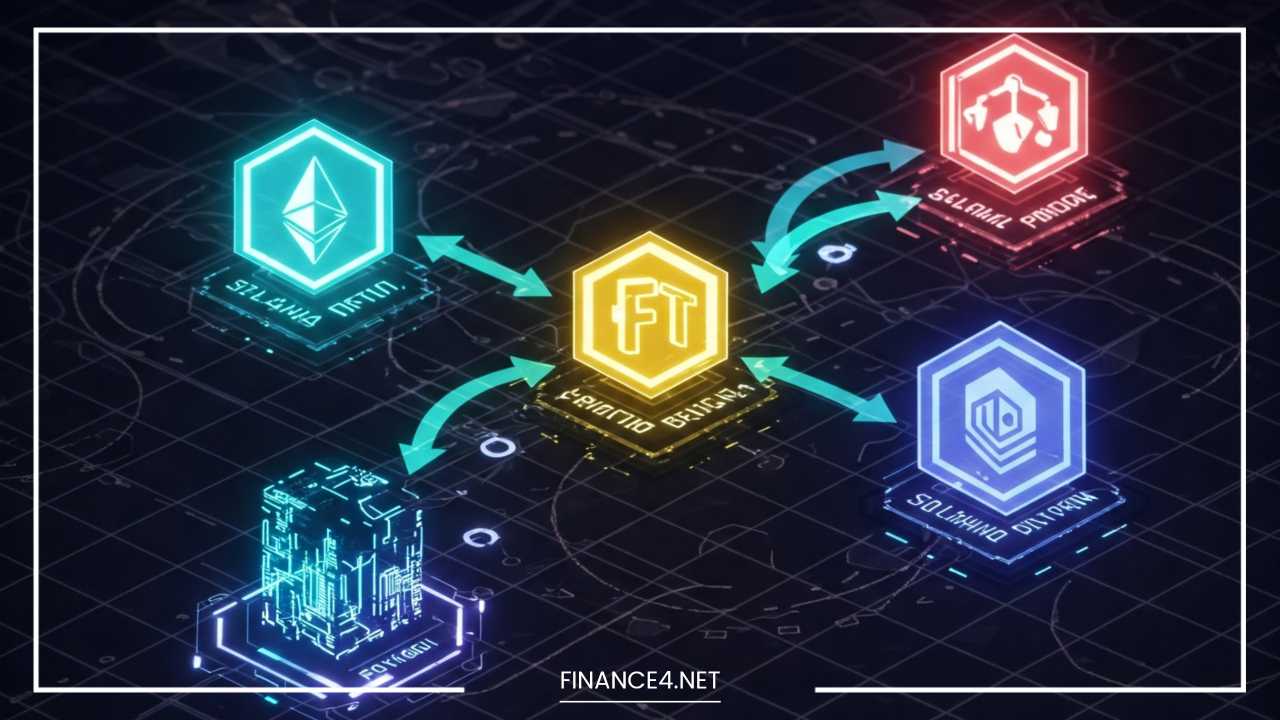
However, the blockchain landscape is inherently fragmented. Assets and data residing on one blockchain typically cannot directly interact with those on another. This is where cross-chain interoperability enters the picture. Cross-chain technology refers to the ability of different blockchain networks to communicate, share data, and transfer assets seamlessly. Imagine an NFT minted on Ethereum being seamlessly used in a game on Polygon, or its metadata being managed on Solana. This frictionless movement of digital assets across disparate chains is the promise of cross-chain.
The importance of cross-chain in modern Web3 development cannot be overstated. It unlocks unprecedented liquidity, scalability, and functionality for decentralized applications (dApps). For NFTs, cross-chain capabilities mean greater accessibility, broader utility, and ultimately, a more robust and interconnected digital economy. This article will guide you through the intricacies of organizing a successful cross-chain NFT hackathon, from defining objectives to post-event community building.
Define Objectives and Scope
Before embarking on the complex journey of organizing a cross-chain NFT hackathon, it’s paramount to clearly define your objectives and scope. This foundational step will guide all subsequent decisions and ensure a focused and impactful event.
Setting Goals: What do you aim to achieve? Common objectives for such a hackathon include:
- Innovation: Discovering novel use cases for cross-chain NFTs, pushing the boundaries of what’s possible with digital ownership across networks.
- Community Building: Attracting new talent, fostering collaboration among developers, and expanding the ecosystem of participating blockchains.
- Tool Adoption: Encouraging developers to experiment with and integrate specific cross-chain protocols, SDKs, and APIs.
- Problem Solving: Addressing specific challenges within the cross-chain NFT space, such as fragmented liquidity, complex user experiences, or metadata management.
- Talent Identification: Discovering promising developers and teams for potential future collaborations, grants, or investments.
Hackathon Format: The format will significantly influence your planning.
- Virtual: Offers global reach, lower logistical costs, and flexibility for participants. Requires robust online platforms for communication, workshops, and submissions.
- In-person: Fosters stronger networking, real-time collaboration, and a more immersive experience. Demands careful venue selection, catering, and on-site support.
- Hybrid: Combines the best of both worlds, allowing both remote and physical participation. This requires sophisticated technical setup to bridge the two experiences seamlessly.
Cross-Chain Aspect: This is the core differentiator. Which chains will be included? The selection should be driven by your objectives, target audience, and the available cross-chain infrastructure. Popular choices include:
- Ethereum: The largest NFT ecosystem, though with higher gas fees.
- Polygon: An Ethereum Layer 2, offering scalability and lower transaction costs.
- Solana: Known for its high throughput and low transaction fees, ideal for gaming and high-volume NFT projects.
- Avalanche: A fast and EVM-compatible blockchain with a growing NFT community.
- Binance Smart Chain (BSC): Another EVM-compatible chain with a large user base.
- Arbitrum/Optimism (other L2s): Offer similar benefits to Polygon.
Consider the compatibility of NFT standards and the ease of cross-chain communication between your chosen networks.
🛠️ Choose the Right Chains, Tools & Protocols
The success of your cross-chain NFT hackathon hinges on the technical foundation you provide to participants. Carefully selecting the blockchains, tools, and protocols is crucial for enabling seamless development and showcasing true interoperability.
Criteria for Selecting Blockchains:
- Developer Support & Documentation: Are there comprehensive guides, active communities, and readily available resources for developers?
- Ecosystem Maturity: Does the chain have existing NFT marketplaces, wallets, and dApps that hackers can leverage or integrate with?
- NFT Compatibility: Does the blockchain natively support common NFT standards (e.g., ERC-721, ERC-1155) or have its own robust NFT infrastructure (like Solana’s Metaplex)?
- Cost & Speed: For rapid prototyping, chains with lower transaction fees and faster block times are often preferred.
- Cross-Chain Protocol Integration: How well do existing cross-chain protocols support asset and data transfer to and from these chains?
Overview of Cross-Chain Tools and Protocols:
These are the backbone of any cross-chain endeavor. Familiarize yourself with and potentially partner with providers of:
- Interoperability Protocols:
- Wormhole: A generic message passing protocol that enables assets and information to flow across various blockchains. Ideal for cross-chain NFT bridging and data synchronization.
- LayerZero: A cross-chain messaging protocol that aims to provide a lightweight, secure communication layer between blockchains. Excellent for building truly omnichain applications.
- Axelar: Provides secure cross-chain communication for dApps, allowing them to interact with assets and invoke logic across multiple chains.
- Chainlink CCIP (Cross-Chain Interoperability Protocol): Offers a secure and reliable way for smart contracts to send and receive data and tokens across chains, leveraging Chainlink’s oracle network.
- NFT Standards:
- ERC-721 (Ethereum): The most common standard for unique, non-fungible tokens.
- ERC-1155 (Ethereum): A multi-token standard that allows for both fungible and non-fungible tokens in a single contract, efficient for gaming and broader collections.
- Solana’s Metaplex: A suite of tools and programs for creating, managing, and selling NFTs on Solana, including the well-known
Token Metadataprogram.
- SDKs and APIs: Providing readily available SDKs and APIs from selected chains and cross-chain protocols will significantly streamline the development process for participants. These should enable:
- Cross-chain NFT minting (e.g., minting on one chain, then bridging to another).
- Seamless cross-chain NFT transfers and ownership verification.
- Cross-chain metadata management and updates.
- Interactions with decentralized marketplaces and wallets across chains.
Consider offering pre-configured development environments or starter kits that incorporate these tools to lower the barrier to entry for hackers.
🧑💻 Form Partnerships and Find Sponsors
Partnerships and sponsorships are the lifeblood of any successful hackathon, especially one as ambitious as a cross-chain NFT event. They provide crucial financial support, technical resources, and industry expertise.
Reaching Out to Blockchain Foundations and Ecosystem Funds:
These entities have a vested interest in expanding their network’s utility and developer base. Approach foundations of your chosen blockchains (e.g., Ethereum Foundation, Polygon Labs, Solana Foundation, Avalanche Foundation) and their associated ecosystem funds. Highlight how your hackathon will drive innovation and adoption within their respective communities, particularly focusing on cross-chain capabilities that enhance their ecosystem’s reach. Propose specific tracks or bounties focused on their technology.
Attracting Developer Tool Providers and Infrastructure Projects:
Identify key players in the Web3 infrastructure space whose tools are relevant to cross-chain NFTs. This includes:
- Cross-chain bridge providers: Wormhole, LayerZero, Axelar.
- Decentralized storage solutions: IPFS, Arweave.
- NFT marketplaces: OpenSea, Magic Eden, Rarible.
- Wallet providers: MetaMask, Phantom, WalletConnect.
- Analytics platforms: Nansen, Dune Analytics.
- Security audit firms: For potential smart contract security reviews of winning projects.
These partners can offer not just financial contributions but also valuable resources like dedicated API access, technical support from their developer relations teams, and specialized workshops.
Offering Sponsor Incentives:
Clearly articulate the value proposition for potential sponsors. Incentives can include:
- Visibility: Prominent logo placement on all hackathon materials (website, social media, merchandise), mentions in press releases, and speaking slots during opening/closing ceremonies.
- API Usage & Integration: Guaranteeing that their APIs or tools will be heavily utilized by hackathon participants, leading to increased adoption and valuable feedback.
- Access to Talent: Direct interaction with a pool of highly skilled Web3 developers who are actively building and innovating. This is a powerful recruitment opportunity.
- Post-Event Reports: Detailed reports on hackathon outcomes, including project statistics, insights into popular tech stacks, and testimonials from participants using their tools.
- Dedicated Bounties/Challenges: Allowing sponsors to define specific challenges or bounties related to their technology, directly aligning hackathon output with their strategic goals.
- Networking Opportunities: Facilitating direct engagement between sponsors and participants, mentors, and judges.
Tailor your sponsorship packages to offer different tiers of engagement and benefits, accommodating various budget levels.
📢 Marketing, Community Outreach & Registrations
A well-executed marketing and community outreach strategy is critical to attracting a diverse pool of talented participants and ensuring high registration numbers. Building hype and maintaining engagement are key.
Building Hype via Social Media and Niche Web3 Communities:
- Twitter/X: The primary hub for Web3 news. Regularly post updates, speaker announcements, sponsor spotlights, and teasers. Use relevant hashtags like #NFTHackathon, #CrossChain, #Web3Dev, #Blockchain. Run polls and engage with influencers.
- Discord: Create a dedicated Discord server for the hackathon. This serves as the central communication hub for announcements, Q&A, team formation, and networking. Have dedicated channels for different blockchain ecosystems and cross-chain protocols.
- Reddit: Post in relevant subreddits like r/ethdev, r/solanadev, r/0xPolygon, r/NFT, r/web3.
- Telegram: Leverage Telegram groups focused on blockchain development and NFTs.
- LinkedIn: Reach out to professionals and developers in the blockchain space.
- Developer Forums: Post on forums like Stack Overflow (relevant tags), Blockchain Stack Exchange, and specialized developer communities for the chains involved.
Listing the Event on Hackathon Platforms:
Leverage established hackathon platforms to reach a broad audience of eager hackers:
- Devpost: A popular platform for hackathon management and submissions. Offers excellent visibility and tools for organizers.
- Gitcoin: Known for its quadratic funding and strong developer community, particularly for open-source Web3 projects. Consider integrating Gitcoin bounties.
- DoraHacks: A global hacker organization that hosts and supports numerous blockchain hackathons.
- Major League Hacking (MLH): While often focused on broader tech, they sometimes feature Web3 events.
Ensure your listing is compelling, clearly outlining the cross-chain NFT theme and the unique opportunities available.
Creating a Detailed Landing Page:
Your hackathon landing page is your primary marketing asset. It should be comprehensive, visually appealing, and easy to navigate. Include:
- Clear Value Proposition: What makes this hackathon unique and exciting?
- Theme & Challenges: Detail the cross-chain NFT focus and any specific problem statements or bounties.
- Tech Stack: Explicitly list the supported blockchains, cross-chain protocols, SDKs, and APIs.
- Rules & Eligibility: Clear guidelines on participation, team formation, and submission requirements.
- Rewards & Prizes: Showcase the prize pool, sponsor bounties, and any post-hackathon support.
- Timeline: Key dates for registration, opening ceremony, workshops, submission deadline, and demo day.
- FAQs: Address common questions regarding technical support, team formation, judging criteria, etc.
- Sponsor Logos: Prominently display all sponsor logos.
- Registration Form: A clear and intuitive registration process.
- Call to Action: Encourage sign-ups and community engagement.
Consider offering early bird registrations or special incentives to encourage prompt sign-ups. Engage with your community proactively, responding to questions and fostering a welcoming environment.
🧪 Structure of the Hackathon
A well-structured hackathon provides a clear roadmap for participants, ensuring a productive and engaging experience. From ideation to judging, every phase needs careful planning.
Timeline (Ideation → Building → Submission → Judging):
- Pre-Hackathon (Weeks/Days Before):
- Ideation & Team Formation: Encourage participants to start brainstorming ideas and forming teams. Provide resources like idea boards or team-matching channels on Discord.
- Pre-Hack Workshops: Offer optional introductory workshops on relevant technologies (e.g., “Intro to Web3 for Beginners,” “Minting your First NFT on Polygon,” “Cross-Chain Bridging Basics with Wormhole”).
- Hackathon Kick-off (Day 1):
- Opening Ceremony: Welcome remarks, keynote speeches from industry leaders, detailed explanation of the hackathon theme, rules, and available resources.
- Project Brainstorming Sessions: Facilitate structured or open sessions for participants to refine ideas and find collaborators.
- Building Phase (Majority of Hackathon Duration): This is the core hacking period. Provide:
- Dedicated Hacking Time: Uninterrupted blocks for teams to focus on development.
- Workshops & Tech Deep Dives: Offer practical sessions on specific cross-chain tools, advanced NFT concepts, smart contract development, and best practices. These should be interactive and problem-solution oriented.
- Mentorship Hours: Schedule dedicated slots where experienced developers, blockchain experts, and sponsor representatives are available to provide technical guidance, troubleshoot issues, and offer feedback.
- AMAs (Ask Me Anything) with Experts: Invite project leads from core protocols or successful NFT projects to share insights and answer questions.
- Submission Deadline: Clearly communicate the exact date and time. Provide a user-friendly platform for submissions (e.g., Devpost).
- Judging Period: After submissions close, judges evaluate projects based on the defined criteria.
- Demo Day & Awards Ceremony: (Optional but highly recommended) Finalists present their projects, followed by the announcement of winners and prize distribution.
Judging Criteria:
Establish clear, objective criteria that align with your hackathon’s goals. For a cross-chain NFT hackathon, key criteria should include:
- Originality & Innovation: How unique and groundbreaking is the idea? Does it solve a real problem in the NFT or cross-chain space?
- Usability & User Experience (UX): Is the solution intuitive and easy to use?
- Technical Implementation & Functionality: How well is the project coded? Is it functional and robust?
- Interoperability & Cross-Chain Feature Utilization: This is crucial. How effectively does the project leverage cross-chain technology? Does it demonstrate seamless asset transfer, data synchronization, or logical interactions across multiple chains?
- Impact & Potential: Does the project have the potential for real-world adoption or significant impact on the Web3 ecosystem?
- Presentation & Demo: Clarity and effectiveness of the project presentation.
Tools for Submissions and Project Management:
- Devpost, Gitcoin, DoraHacks: Excellent platforms for managing registrations, submissions, and judging workflows.
- GitHub/GitLab: Essential for version control and collaborative coding.
- Replit/CodeSandbox: Online IDEs for quick prototyping and collaboration.
- Discord: For real-time communication, announcements, and team coordination.
- Snapshot/DAOHaus: (Optional, for more decentralized judging or community voting mechanisms).
Ensure that all necessary documentation, APIs, and development environments are easily accessible to participants throughout the hackathon.
💼 Legal, Compliance & Risk Considerations
While the focus of a hackathon is innovation, it’s crucial to address legal, compliance, and risk considerations to protect both organizers and participants.
IP Ownership and Licensing:
- Clarity in Rules: Clearly state in the hackathon rules who owns the intellectual property (IP) of the projects developed. Common approaches include:
- Participants Retain IP: This is often preferred by developers as it encourages participation. Organizers may request a non-exclusive, perpetual license to use project names/demos for promotional purposes.
- Shared IP: IP is jointly owned by participants and organizers/sponsors (less common and can be complex).
- Organizer/Sponsor Owns IP: Usually only applicable if the hackathon is solving a very specific internal problem for a company, and prizes are substantial.
- Open Source Encouragement: Encourage participants to open-source their code. This fosters collaboration and community growth while clearly defining licensing terms (e.g., MIT, Apache 2.0).
KYC/AML Compliance for Prize Distribution:
- Jurisdictional Nuances: Prize distribution, especially in cryptocurrency, can have Know Your Customer (KYC) and Anti-Money Laundering (AML) implications. Research the regulations in your jurisdiction and the jurisdictions of your participants.
- Collection of Information: You may need to collect basic KYC information from prize winners (e.g., name, address, proof of identity) to comply with financial regulations and tax reporting requirements.
- Prize Payment Methods: Determine if prizes will be paid in fiat or cryptocurrency, and ensure compliant methods for both. Consider using a reputable third-party platform for prize distribution if internal capabilities are limited.
Smart Contract Security & Audit Support for Submissions:
- Disclaimer: Include a disclaimer in your rules that participants are responsible for the security of their own smart contracts and that the hackathon organizers are not liable for any vulnerabilities.
- Best Practices: Encourage participants to follow smart contract security best practices and to conduct basic self-audits.
- Mentorship: Provide mentors with expertise in smart contract security to offer guidance.
- Post-Hack Support (Optional but Recommended): For winning projects with significant potential, consider offering or facilitating introductions to reputable smart contract audit firms. This not only enhances the credibility of the winning projects but also demonstrates a commitment to security within the ecosystem.
Data Privacy (GDPR, CCPA, etc.): Ensure your data collection and usage practices comply with relevant data privacy regulations, especially when collecting personal information during registration and for prize distribution. Have a clear privacy policy.
By proactively addressing these legal and compliance aspects, you can mitigate risks and build trust with your participants and partners.
🏆 Incentives, Prizes & Post-Hack Support
The appeal of a hackathon is significantly boosted by attractive incentives and a robust support system for promising projects. This goes beyond mere prize money to foster long-term impact.
Prize Structures:
Design a diverse prize structure that incentivizes different aspects of innovation and cross-chain utilization.
- Main Prizes: Awarded to the top overall projects, often based on the core judging criteria (originality, functionality, interoperability, etc.). These should be substantial enough to attract top talent.
- Category-Specific Prizes: Awards for the best project in specific areas, such as “Best Cross-Chain NFT Gaming Project,” “Most Innovative Use of LayerZero,” “Best Solana NFT Integration.”
- Sponsor Bounties: Individual challenges set by sponsors, often requiring the use of their specific tools, APIs, or protocols. These are excellent for driving adoption of partner technologies.
- Community Choice Award: Engage the broader community by allowing them to vote for their favorite project, fostering enthusiasm and visibility for participants.
- Swag & Non-Monetary Prizes: While not as impactful as monetary prizes, high-quality merchandise, exclusive NFTs minted for the event, or virtual badges can add a fun element and a sense of accomplishment.
Ensure transparency in prize allocation and judging. Clearly communicate the prize pool and how it will be distributed on the hackathon landing page and during the opening ceremony.
Follow-Up Support:
The true impact of a hackathon often extends beyond the event itself. Providing post-hack support can transform promising prototypes into sustainable projects.
- Incubation Programs: Offer direct entry or fast-tracked applications to blockchain incubators or accelerators. These programs provide mentorship, resources, and often seed funding.
- Grants: Connect winning teams with grants programs offered by blockchain foundations or ecosystem funds. Many foundations have dedicated grant initiatives for projects building on their chains or utilizing specific technologies.
- Venture Capital (VC) Introductions: Facilitate introductions between high-potential teams and angel investors or venture capital firms specializing in Web3. Organize a “demo day” specifically for investors to scout talent.
- Mentorship Continuity: Offer ongoing mentorship from industry experts for a defined period after the hackathon, helping teams navigate the early stages of project development.
- Technical Support: Provide continued access to technical support channels or dedicated office hours for a limited time to help teams refine their solutions.
- Marketing & PR: Help winning projects gain further exposure through your own social media channels, blog posts, or introductions to Web3 media outlets.
Highlighting Successful Projects Post-Event:
Showcasing the achievements of winning teams is vital for celebrating their efforts, inspiring future participants, and demonstrating the hackathon’s impact.
- Blog Posts & Case Studies: Publish detailed blog posts on your website and partner websites, featuring the winning projects, their solutions, and the technologies they used.
- Demo Day Videos: Record and share the demo day presentations of the finalists.
- Social Media Spotlights: Regular shout-outs and in-depth threads on Twitter and other platforms for each winning project.
- Community AMAs: Host AMAs with winning teams in your Discord server, allowing the community to learn more about their projects and ask questions.
This ongoing support and recognition not only benefits the winning teams but also enhances the hackathon’s reputation as a launchpad for innovation.
📊 Analyze, Report & Build Community Post-Hackathon
The hackathon doesn’t end with the awards ceremony. Analyzing the event’s performance, reporting on its outcomes, and maintaining community engagement are crucial for continuous improvement and long-term impact.
Metrics to Track:
Collect and analyze data to evaluate the hackathon’s success against your initial objectives. Key metrics include:
- Registrations vs. Submissions: Indicates conversion rate and participant engagement.
- Number of Projects: Total projects submitted.
- Cross-Chain Usage: How many projects successfully implemented cross-chain features? Which protocols were most utilized? This is a critical metric for a cross-chain hackathon.
- Participant Retention: How many registered participants actively engaged throughout the event?
- Geographic Diversity: Origin of participants.
- Feedback Scores: Collect participant and mentor feedback on various aspects of the hackathon (workshops, mentorship, platform, etc.).
- Post-Hackathon Project Growth: Track the progress of winning projects (e.g., funding, user adoption, further development).
- Social Media Reach & Engagement: Monitor mentions, impressions, and engagement across platforms.
Creating Content:
Transform your data and insights into compelling content that showcases the hackathon’s achievements and benefits the wider Web3 community.
- Blog Recaps: Write comprehensive blog posts summarizing the event, highlighting key statistics, memorable moments, and surprising innovations.
- Demo Day Videos: Professionally edit and release videos of the finalist presentations.
- Winner Spotlights: Create dedicated content (blog, social media threads, short videos) for each winning project, detailing their solution, the problem they solved, and their use of cross-chain tech.
- Technical Deep Dives: Encourage winning teams or mentors to write technical deep dives on their cross-chain implementations, providing valuable learning resources for others.
- Infographics/Reports: Summarize key statistics and achievements in easily digestible infographics or detailed reports for sponsors and stakeholders.
Keeping the Community Engaged for Future Events:
The hackathon community is a valuable asset. Nurture it to ensure sustained interest and participation in future initiatives.
- Maintain Discord Server: Keep the hackathon Discord server active. Create channels for alumni, job opportunities, and ongoing Web3 discussions.
- Regular Updates: Share relevant news, grant opportunities, and industry insights with your community.
- Feedback Loops: Continuously solicit feedback to improve future events. What worked well? What could be better?
- Alumni Network: Create an “alumni” program or network for past participants, fostering a sense of belonging and continued collaboration.
- Follow-up Events: Organize smaller workshops, webinars, or meetups focused on specific technologies or challenges identified during the hackathon.
- Early Bird Access/Pre-registrations: Offer previous participants early access or special discounts for your next event.
By meticulously analyzing, reporting, and nurturing your community, you can build a reputation for impactful hackathons that truly contribute to the advancement of cross-chain NFT innovation.
🧭 Final Thoughts & Best Practices
Running a cross-chain NFT hackathon is a multifaceted undertaking, but one with immense potential to drive innovation and adoption in the Web3 space. By strategically bringing together diverse blockchain ecosystems and their respective developer communities, these events serve as powerful catalysts for the future of digital ownership.
Recap Key Takeaways:
- Clear Objectives are Paramount: Define what you want to achieve, whether it’s fostering innovation, building community, or driving tool adoption.
- Strategic Chain & Tool Selection: Choose blockchains and cross-chain protocols that align with your goals and offer robust developer support.
- Strong Partnerships are Essential: Collaborate with blockchain foundations, tool providers, and infrastructure projects for funding, resources, and expertise.
- Effective Marketing & Community Building: Generate hype and attract top talent through targeted outreach and engaging platforms.
- Structured Execution: Provide a clear timeline, valuable workshops, dedicated mentorship, and transparent judging criteria.
- Address Legal & Compliance: Ensure clarity on IP, prize distribution, and security disclaimers.
- Incentivize Beyond Prizes: Offer post-hack support like incubation, grants, and VC intros to nurture promising projects.
- Measure & Report: Track key metrics and create compelling content to showcase impact and inform future events.
- Nurture Your Community: Maintain engagement post-hackathon to build a lasting network of innovators.
Encourage Experimentation and Collaboration in the Cross-Chain NFT Space:
The beauty of a hackathon lies in its ability to foster rapid experimentation. Encourage participants to think outside the box, combine different technologies, and build solutions that truly leverage the power of cross-chain interoperability. Emphasize collaboration over competition, as the shared learning and networking are often as valuable as the prizes.
The cross-chain NFT landscape is still nascent, offering a fertile ground for groundbreaking innovation. Whether you’re a blockchain enthusiast, a seasoned developer, a project founder, or an organization looking to expand its ecosystem, consider getting involved. Participate in a hackathon, contribute to open-source cross-chain projects, or even better, take the leap and organize your own cross-chain NFT hackathon. The future of decentralized digital assets is inherently interconnected, and these events are paving the way for a truly seamless and interoperable Web3 experience.