Cross-Chain NFT Bridging Tutorial
 by
by 
Cross-Chain NFT Bridging: Unlocking the Multichain Metaverse
The burgeoning world of Non-Fungible Tokens (NFTs) has revolutionized digital ownership, art, gaming, and countless other sectors. From unique digital collectibles to metaverse land parcels, NFTs have captured the imagination of millions, creating vibrant economies and communities. However, this rapid growth has also brought to light a significant challenge: fragmentation. NFTs, by their very nature, are tied to the specific blockchain on which they are minted, limiting their utility and accessibility across the broader crypto landscape. This is where cross-chain NFT bridging steps in, offering a crucial solution to unlock true interoperability and pave the way for a more seamless and interconnected digital future.
Defining NFTs: The Essence of Digital Uniqueness
At its core, an NFT is a unique digital asset whose ownership is recorded on a blockchain. Unlike cryptocurrencies like Bitcoin or Ethereum, which are fungible (meaning each unit is identical and interchangeable), NFTs are non-fungible, akin to a unique piece of art or a rare collectible. This inherent uniqueness, secured by blockchain technology, grants NFTs verifiable scarcity and authenticity in the digital realm. They represent a wide array of digital and even physical items, including digital art, music, videos, in-game assets, virtual land, and even real-world deeds. The importance of NFTs lies in their ability to bestow verifiable ownership and transferability to digital assets, fostering new economic models and creative expressions.
Cross-Chain Bridging: Connecting Digital Islands
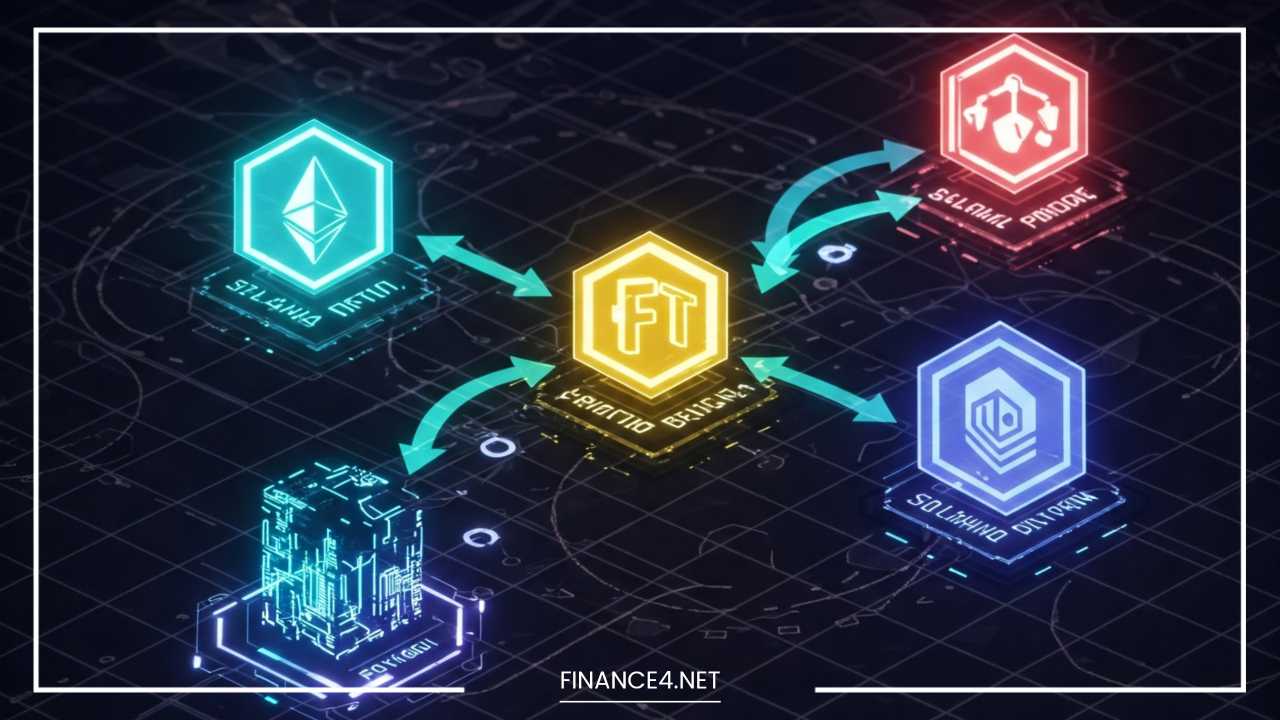
Imagine a world where different countries have their own unique currencies, but there’s no way to exchange them. This is similar to the early days of blockchain, where each network operated in isolation. Cross-chain bridging is the innovative concept that addresses this isolation, allowing assets and data to move securely and efficiently between disparate blockchain networks. For NFTs, this means being able to take a digital artwork minted on Ethereum and utilize it on a Polygon-based game, or sell a Solana-based collectible on an OpenSea marketplace predominantly powered by Ethereum.
The Imperative of Cross-Chain NFT Bridging
The current NFT ecosystem, despite its vibrancy, suffers from significant fragmentation. An NFT minted on Ethereum is typically confined to the Ethereum network and its associated marketplaces and applications. This siloed nature restricts liquidity, limits user choice, and hinders the full potential of NFTs. Cross-chain NFT bridging is vital for several reasons: it addresses this fragmentation by enabling true interoperability, expanding the reach and utility of NFTs beyond their native chains. This allows creators to tap into diverse audiences, collectors to access a wider range of assets, and developers to build applications that leverage assets from multiple blockchains, ultimately fostering a more robust, liquid, and interconnected NFT market.
What is Cross-Chain NFT Bridging?
Blockchain Interoperability: The Key to a Unified Ecosystem
Blockchain interoperability refers to the ability of different blockchain networks to communicate, share information, and transact with each other seamlessly. This is crucial for the growth of the NFT space because it breaks down the barriers between isolated ecosystems. Without interoperability, an NFT’s value and utility are confined to its native chain, limiting its potential audience and use cases. Imagine being able to use your Ethereum-based NFT as an avatar in a Solana-based metaverse, or collateralize a Polygon-based NFT for a loan on a Binance Smart Chain (BSC) DeFi protocol. This is the promise of true blockchain interoperability, and cross-chain NFT bridging is a primary mechanism to achieve it.
How Cross-Chain Bridging Works: A Simplified Explanation
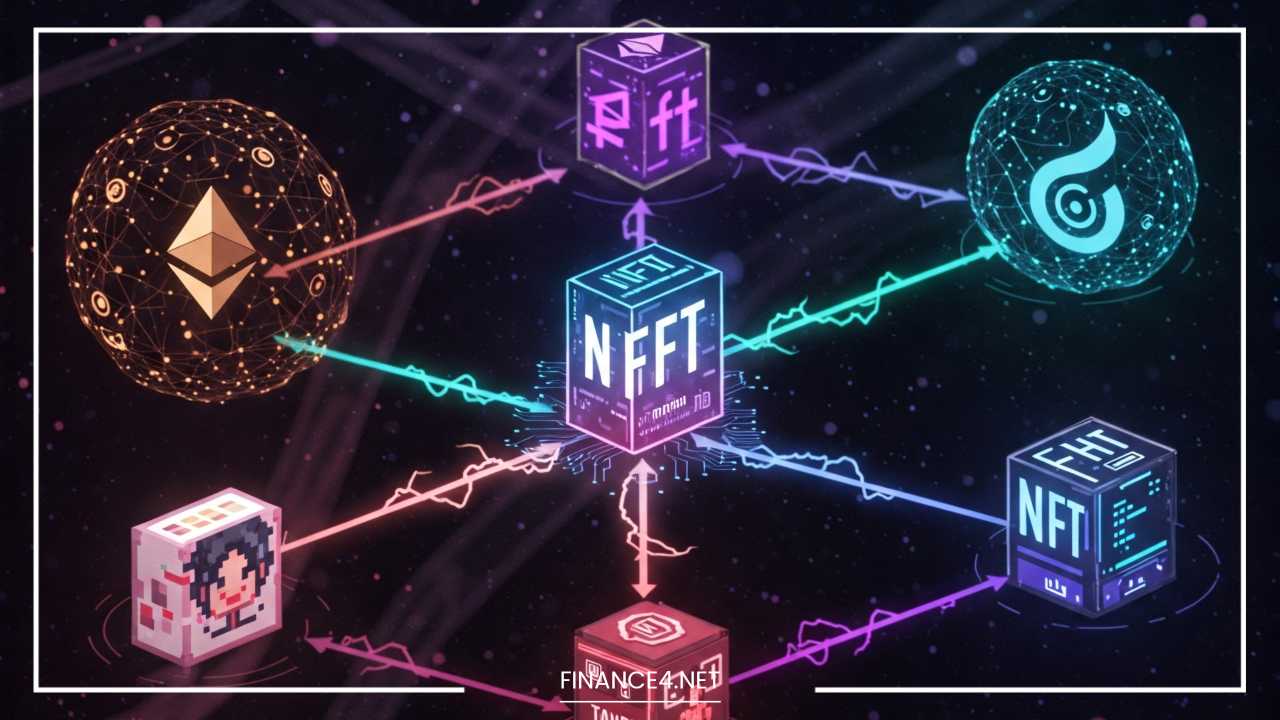
At a high level, cross-chain bridging for NFTs typically involves a “lock and mint” or “burn and mint” mechanism, facilitated by smart contracts and often supported by network participants like oracles and relayers.
- Lock/Burn: When you decide to bridge an NFT from a source chain (e.g., Ethereum) to a destination chain (e.g., Polygon), the original NFT is either locked in a smart contract on the source chain or, in some cases, “burned” (destroyed) on the source chain. This action proves that the original NFT is no longer active on its native network.
- Mint/Wrap: Simultaneously, an equivalent “wrapped” or “bridged” version of that NFT is minted on the destination chain. This new NFT represents the original asset and inherits its unique properties and metadata. The wrapped NFT is essentially a representation of the original, enabling it to function within the destination chain’s ecosystem.
- Relayers/Oracles: Oracles and relayers play a critical role in observing events on the source chain (like the locking/burning of an NFT) and relaying this information securely to the destination chain’s smart contracts. They ensure the integrity and validity of the cross-chain transfer.
Use Cases for Cross-Chain Bridging
The ability to bridge NFTs opens up a plethora of exciting use cases:
- Accessing Different Marketplaces: An artist might mint an NFT on a chain with lower gas fees (e.g., Polygon) but want to list it on a major marketplace with higher liquidity on another chain (e.g., OpenSea on Ethereum). Bridging allows this seamless transition.
- Interacting with Diverse Ecosystems: NFTs can gain new functionality and utility by moving to different blockchains. For instance, an NFT from one gaming blockchain could be bridged to another to be used as an in-game item or character in a different virtual world.
- Leveraging Different Blockchain Advantages: Users can move NFTs to chains that offer specific benefits, such as lower transaction fees (Polygon, BSC), faster transaction speeds (Solana), or specialized DeFi applications.
- Portfolio Diversification: Collectors can diversify their NFT holdings across various blockchains, reducing reliance on a single network and potentially mitigating risks.
Technologies Behind Cross-Chain NFT Bridging
Bridges and Protocols: The Interconnecting Infrastructure
Numerous bridging protocols have emerged, each with its own architecture, security models, and supported blockchains. Some prominent examples include:
- Polygon Bridge: Specifically designed to facilitate transfers between the Ethereum mainnet and the Polygon PoS (Proof of Stake) chain. It’s widely used for moving ERC-20 tokens and NFTs, offering significantly lower gas fees and faster transactions compared to Ethereum.
- Wormhole: A generic message-passing protocol that enables interoperability between various blockchains, including Ethereum, Solana, Polygon, Binance Smart Chain, Avalanche, and more. It supports the transfer of tokens and NFTs, utilizing a network of “Guardians” to verify cross-chain messages.
- Thorchain: A decentralized cross-chain liquidity protocol that allows native asset swaps between different blockchains without wrapped tokens for fungible assets. While its primary focus has been on fungible token swaps, its underlying architecture is being explored for broader cross-chain functionality, including potential NFT support. Thorchain uses a network of incentivized nodes to observe and facilitate transactions across chains.
These protocols employ various mechanisms to enable cross-chain functionality, from multi-signature schemes to more decentralized validator sets, all aimed at securely transferring the representation of an asset from one chain to another.
Smart Contracts: The Automated Gatekeepers
Smart contracts are the backbone of cross-chain NFT bridging. They are self-executing agreements with the terms of the agreement directly written into code. In the context of bridging, smart contracts perform several crucial functions:
- Locking/Burning: A smart contract on the source chain holds or destroys the original NFT, preventing its double-spending.
- Minting: A smart contract on the destination chain mints a wrapped version of the NFT upon verification of the locking/burning event on the source chain.
- Verification: Smart contracts often contain logic to verify the authenticity of messages relayed from other chains, ensuring that only legitimate transfers are processed.
- Redemption: When an NFT is bridged back to its original chain, a smart contract on the destination chain burns the wrapped NFT, and the smart contract on the original chain releases the locked NFT.
Oracles and Relays: Bridging the Information Gap
Blockchains, by design, cannot directly access information from other blockchains or off-chain sources. This is where oracles and relays come into play:
- Oracles: These are third-party services that connect blockchains to external data. In bridging, oracles observe events on one blockchain (e.g., an NFT being locked) and provide this verified information to a smart contract on another blockchain. They act as trusted intermediaries, feeding real-world or cross-chain data onto the blockchain.
- Relays: Relayers are network participants or automated systems responsible for transmitting messages and transaction proofs between different blockchains. They “relay” the information observed by oracles or directly from the source chain’s state to the destination chain, triggering the appropriate smart contract actions.
Wrapped NFTs: The Cross-Chain Representation
The concept of “wrapping” an NFT is fundamental to many bridging mechanisms. A wrapped NFT is essentially a tokenized representation of an original NFT on a different blockchain. For example, if you have an ERC-721 NFT on Ethereum, bridging it to Polygon might involve creating a “wrapped ERC-721” on the Polygon network.
The original NFT remains locked on Ethereum, and the wrapped NFT on Polygon acts as its redeemable counterpart. This allows the NFT to be traded, used in DApps, and interact within the Polygon ecosystem while maintaining its connection to the original asset. The benefits include increased liquidity, access to lower transaction costs, and expanded utility within new ecosystems.
How to Bridge NFTs Between Blockchains (Step-by-Step Tutorial)
Bridging NFTs can vary slightly depending on the specific bridge and blockchains involved, but the general process follows these steps. For this tutorial, we’ll outline a common flow, often seen with bridges like Polygon Bridge.
Step 1: Prerequisites
Before you begin, ensure you have the following:
- Required Wallets:
- MetaMask: A widely used browser extension wallet compatible with Ethereum, Polygon, and other EVM-compatible chains. You will need it connected to both your source and destination chains.
- Trust Wallet: A mobile-first wallet supporting a wide range of cryptocurrencies and NFTs across various blockchains.
- Ensure your chosen wallet is set up for both the source and destination networks.
- NFTs You Wish to Bridge: Ensure your NFT adheres to common standards like ERC-721 (for unique, non-fungible items) or ERC-1155 (for semi-fungible items or collections) if you’re on an EVM-compatible chain.
- Compatible Blockchains: Identify the source chain where your NFT currently resides (e.g., Ethereum) and the destination chain where you want to move it (e.g., Polygon).
- Gas Fees and Requirements: Have sufficient native cryptocurrency in your wallet on both the source and destination chains to cover transaction (gas) fees. These fees are typically paid in the native token of the respective blockchain (e.g., ETH on Ethereum, MATIC on Polygon). Be aware that gas fees can fluctuate significantly based on network congestion.
Step 2: Choose a Bridge and Initiate Transfer
For this example, let’s consider using the official Polygon Bridge to move an NFT from Ethereum to Polygon.
- Access the Bridge: Navigate to the official Polygon Bridge website (typically bridge.polygon.technology). Be extremely cautious and double-check the URL to avoid phishing scams.
- Connect Your Wallet:
- On the bridge interface, click “Connect Wallet” (or similar).
- Select your preferred wallet (e.g., MetaMask).
- Your wallet will prompt you to connect. Ensure you are connected to the source chain (e.g., Ethereum Mainnet) first.
- Select Source and Destination Chains:
- The bridge interface will typically show “From” and “To” sections.
- Confirm that “From” is your source chain (e.g., Ethereum) and “To” is your destination chain (e.g., Polygon). If not, use the provided toggles or dropdowns to switch.
- Select Your NFT:
- Most bridges will have a “NFT” or “Collectibles” tab. Click on it.
- Your wallet will display the NFTs it holds on the connected source chain. Select the specific NFT you wish to bridge. The interface might also allow you to paste the NFT’s contract address and token ID if it’s not automatically listed.
- Initiate the Transfer:
- After selecting your NFT, the bridge will display details about the transfer, including estimated gas fees and any bridge-specific fees.
- Review these details carefully.
- Click “Transfer” or “Initiate Transfer.”
- Your wallet (e.g., MetaMask) will pop up, asking for your confirmation of the transaction. This transaction will involve approving the bridge’s smart contract to interact with your NFT (allowing it to be locked). Confirm the transaction. This is the first gas fee you’ll pay on the source chain.
Step 3: Confirm the Transfer
The bridging process can take some time, depending on network congestion on both chains.
- Check the Status: The bridge interface will usually provide a transaction status or history section where you can track the progress. It might show “Pending,” “Processing,” or “Completed.”
- Verify on Blockchain Explorers:
- For Ethereum (source chain): Copy the transaction hash from your wallet or the bridge interface. Go to Etherscan (etherscan.io) and paste the hash in the search bar. Look for the transaction that shows your NFT being transferred to the bridge’s smart contract.
- For Polygon (destination chain): Once the bridge indicates the transfer is complete, or shortly after, switch your wallet network to Polygon Mainnet. You can also go to Polygonscan (polygonscan.com), paste your wallet address, and check the “ERC-721 Tokens” or “ERC-1155 Tokens” tab to see if your bridged NFT has arrived.
- For Solana (if applicable): Use Solscan (solscan.io) to check transaction status and NFT holdings on the Solana network.
Step 4: Completing the Process
- NFT Appearance in Wallet: After the transfer is successfully confirmed on the destination chain, the bridged NFT should appear in the “NFTs” or “Collectibles” section of your wallet when connected to the destination network. Sometimes, you might need to manually import the NFT by providing its contract address and token ID to your wallet.
- Troubleshooting Common Issues:
- Network Congestion: High network activity can lead to delayed transactions or increased gas fees. If your transaction is stuck, you might need to speed it up or cancel and retry with a higher gas fee.
- Failed Transactions: Insufficient gas fees, network errors, or smart contract issues can cause transactions to fail. Check the transaction details on the blockchain explorer for error messages. You might need to retry the transfer.
- Insufficient Gas Fees: Always ensure you have enough native tokens in your wallet on both chains to cover the required gas fees.
- NFT Not Appearing: Double-check that your wallet is connected to the correct destination network. If still not visible, try manually importing the NFT using its contract address and token ID.
Step 5: (Optional) Listing the NFT on a New Marketplace
Once your NFT has been successfully bridged to the destination blockchain, you can now list it on marketplaces that support that chain.
- Connect Wallet to Marketplace: Go to your desired marketplace (e.g., OpenSea, Rarible, Magic Eden) and connect your wallet, ensuring it’s set to the destination chain where your NFT now resides.
- Find Your NFT: Your bridged NFT should now appear in your profile or collection on the marketplace.
- List for Sale: Follow the marketplace’s instructions to list your NFT for sale, setting the price, auction type, and any other relevant details. Be mindful of marketplace fees and royalties.
Challenges and Limitations of Cross-Chain NFT Bridging
While cross-chain NFT bridging offers immense potential, it’s not without its challenges and limitations.
- Technical Barriers:
- Incompatibility between Smart Contracts: Different blockchain architectures and virtual machines (e.g., EVM-compatible vs. Solana’s Sealevel) can pose significant technical hurdles for direct communication and asset representation. Bridging solutions must account for these differences.
- Wallet Support Issues: Not all wallets seamlessly support all blockchains or bridge protocols, leading to potential user experience complexities.
- Blockchain Limitations: The underlying throughput, finality, and security models of different blockchains can impact the efficiency and security of bridging operations.
- Security Risks:
- Potential Exploits and Hacks: Cross-chain bridges are complex systems that handle vast amounts of digital assets, making them attractive targets for malicious actors. Vulnerabilities in smart contracts, oracle networks, or relayers can lead to catastrophic exploits, as seen with the Wormhole exploit in February 2022, where a vulnerability allowed attackers to mint 120,000 wrapped ETH on Solana without depositing the equivalent ETH on Ethereum, resulting in a loss of over $300 million.
- Centralization Risks: Some bridges may rely on centralized components or a small set of validators, creating single points of failure and increasing the risk of censorship or manipulation.
- Costs:
- Gas Fees: Users incur gas fees on both the source and destination chains for initiating and completing the bridging process. These fees can vary widely depending on network congestion and the complexity of the transaction.
- Bridge Fees: Many bridges also charge a service fee for facilitating the cross-chain transfer, which can be a percentage of the transferred value or a flat fee. These fees contribute to the operational costs and security of the bridge.
- NFT Preservation:
- Loss of Metadata or Token Attributes: In some cases, especially with less robust bridging solutions, there’s a risk of certain metadata or unique attributes of an NFT not transferring perfectly or being rendered inaccessible on the destination chain. This can impact the NFT’s display, functionality, or even its perceived value. It’s crucial to use well-established and audited bridges that ensure metadata integrity.
Future of Cross-Chain NFT Bridging
The landscape of cross-chain NFT bridging is rapidly evolving, driven by the increasing demand for interoperability and the continuous innovation within the blockchain space.
- Emerging Trends:
- Layer 2 Solutions: Layer 2 scaling solutions (e.g., Optimism, Arbitrum, zkSync) built on top of Layer 1 blockchains like Ethereum are inherently designed to improve scalability and reduce transaction costs. As these solutions mature, they will increasingly serve as efficient “bridges” within the Ethereum ecosystem and potentially connect to other Layer 1s.
- Improved Bridge Technologies: Future bridges will likely incorporate more decentralized validator sets, enhanced security audits, and more robust mechanisms to ensure asset integrity and prevent exploits. Atomic swaps and zero-knowledge proofs are promising technologies being explored to create truly trustless and secure cross-chain transfers.
- Developments in the Multichain Ecosystem: The overall trend is towards a multichain future where assets and applications can fluidly move between various networks. This will lead to more sophisticated and user-friendly bridging solutions.
- Growing Ecosystem:
- New blockchain projects like Cosmos and Polkadot are being built with interoperability as a core design principle from the ground up.
- Cosmos: With its Inter-Blockchain Communication (IBC) protocol, Cosmos aims to create an “Internet of Blockchains,” enabling seamless data and asset transfer between independent, application-specific blockchains within its ecosystem. This architecture naturally lends itself to robust NFT interoperability.
- Polkadot: Polkadot utilizes a relay chain and parachains (parallel blockchains) to achieve shared security and interoperability. NFTs minted on one parachain could easily interact with applications on another, facilitated by the relay chain.
- These projects, alongside ongoing efforts from established Layer 1s, are continuously looking into improving cross-chain NFT support and fostering a truly interconnected digital asset landscape.
- New blockchain projects like Cosmos and Polkadot are being built with interoperability as a core design principle from the ground up.
- Interoperability Standards:The development of universal standards for NFT bridging is a crucial step towards a more unified ecosystem. Standardized protocols would reduce fragmentation, enhance security, and simplify the user experience across different bridges and blockchains. Imagine a single “NFT bridge standard” that any compliant blockchain or DApp could implement, making bridging as straightforward as sending an email. This would foster greater collaboration and innovation across the entire NFT space.
Final Thoughts
Cross-chain NFT bridging is a critical innovation that is rapidly transforming the fragmented NFT ecosystem into a more interconnected and accessible landscape. By enabling the seamless transfer of non-fungible assets between different blockchains, bridging solutions unlock a wealth of new possibilities for creators, collectors, and developers. While challenges such as technical complexities, security risks, and associated costs persist, ongoing advancements in bridge technologies, the emergence of interoperable blockchain designs like Cosmos and Polkadot, and the drive towards universal standards promise a future where NFTs truly realize their full potential across a global multichain metaverse.
The ability to move your unique digital assets freely across various networks is not just a technical feat; it’s a fundamental shift towards a more liquid, versatile, and user-centric digital economy. As the technology matures and becomes more robust and user-friendly, cross-chain NFT bridging will undoubtedly become an integral part of the Web3 experience. We encourage you to experiment with bridging NFTs, explore the diverse range of available bridges, and delve into the expansive opportunities that the cross-chain NFT ecosystem presents. The future of digital ownership is interoperable, and bridging is your key to unlocking it.