Self-Custody Multi-Chain Bridging Tutorial
 by
by 
Self-Custody Multi-Chain Bridging Tutorial: Navigating the Interconnected Web of Crypto
The landscape of cryptocurrency has evolved dramatically since the inception of Bitcoin. What began as a singular, revolutionary digital currency has blossomed into a vibrant, interconnected ecosystem of numerous blockchains, each with its unique strengths, functionalities, and communities. This multi-chain reality, while fostering innovation and offering diverse opportunities, presents a fundamental challenge: the seamless transfer of assets and information between these isolated networks. This is where the concept of “bridging” becomes indispensable.
In this expanding universe of blockchains, the principle of self-custody remains a cornerstone for true ownership and control over your digital assets. Self-custody empowers individuals to hold their own private keys, eliminating the reliance on third-party intermediaries like centralized exchanges. This sovereignty, however, necessitates a deeper understanding of the tools and processes involved in navigating the multi-chain environment, particularly when it comes to moving assets across different networks.
This article serves as a comprehensive tutorial for self-custody multi-chain bridging. We will delve into the fundamental concepts, explore the inherent risks, guide you through the selection of appropriate tools, and provide a detailed step-by-step walkthrough of a bridging transaction using a self-custodial wallet. Furthermore, we will touch upon advanced techniques, common troubleshooting scenarios, and the exciting future of blockchain interoperability. By the end of this guide, you will be equipped with the knowledge and confidence to navigate the interconnected web of crypto with your assets securely under your own control.
Understanding the Basics
Self-custody explained: At its core, self-custody means taking full responsibility for your cryptocurrency holdings. This is achieved through the ownership and management of your private keys – unique cryptographic codes that grant you the authority to access and control the funds associated with your public wallet address. Unlike custodial services offered by centralized exchanges or other platforms, where they hold your private keys on your behalf, self-custody puts you firmly in the driver’s seat. You are solely responsible for the security and safekeeping of these crucial keys, typically stored within a cryptocurrency wallet, which can be a software application (like a mobile or desktop wallet), a browser extension, or a physical hardware device. This responsibility comes with immense power: direct access to your funds without reliance on any intermediary, enhanced privacy, and the freedom to interact with decentralized applications (dApps) directly.
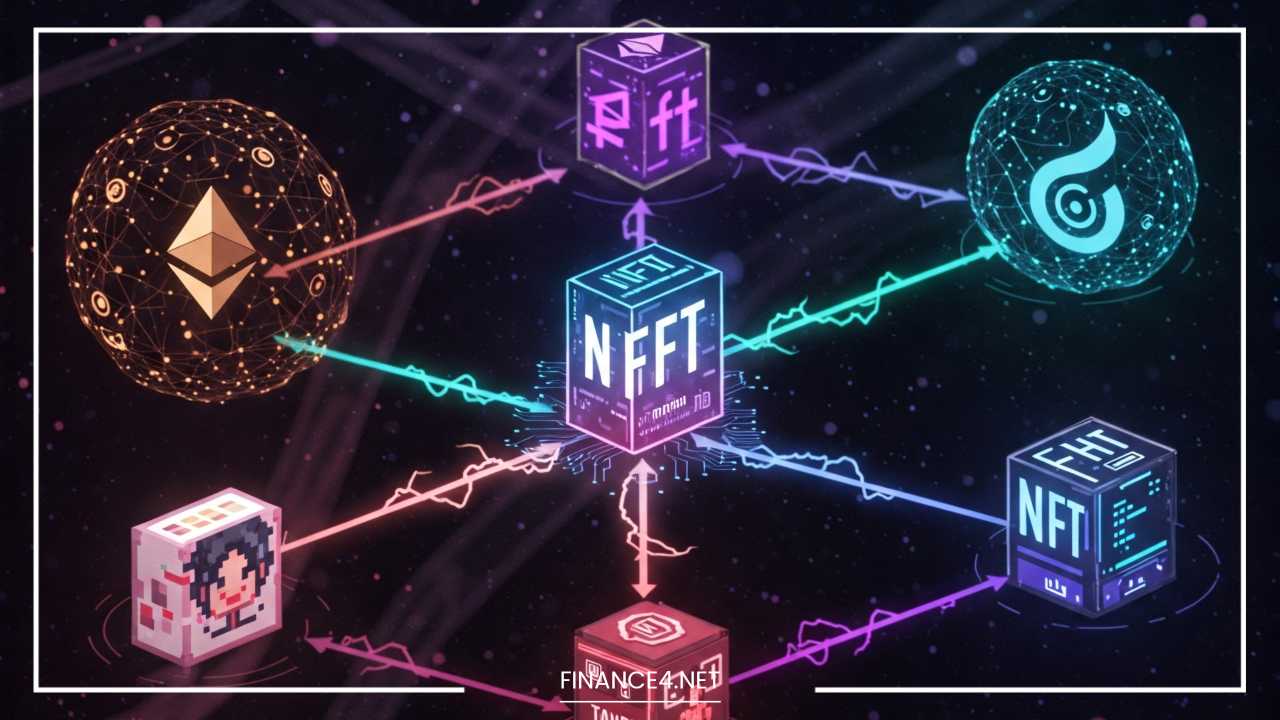
What is a bridge? Imagine different blockchains as distinct, isolated islands. A bridge acts as a connection between these islands, allowing for the transfer of assets (tokens, cryptocurrencies, and sometimes even data) from one blockchain network to another. The fundamental purpose of a bridge is to overcome the inherent limitations of isolated blockchains, enabling users to leverage the unique features and opportunities available across different ecosystems. For instance, you might want to access lower transaction fees on one chain or participate in a specific DeFi protocol available only on another. Bridges facilitate this interoperability by essentially locking or burning tokens on the source chain and minting or unlocking an equivalent representation of those tokens on the destination chain.
Multi-chain ecosystems: The cryptocurrency landscape is no longer dominated by a single blockchain. Today, we see a thriving ecosystem of various Layer-1 and Layer-2 networks, each designed with specific trade-offs in terms of scalability, security, and functionality. Some of the prominent blockchains include:
- Ethereum: The pioneer of smart contract functionality and a hub for a vast array of DeFi and NFT projects.
- BNB Chain (formerly Binance Smart Chain): Known for its lower transaction fees and compatibility with the Ethereum Virtual Machine (EVM).
- Arbitrum: A popular Ethereum Layer-2 scaling solution utilizing optimistic rollups for faster and cheaper transactions.
- Polygon: Another leading Ethereum scaling solution offering various scaling technologies, including sidechains and zk-rollups.
- Solana: A high-performance blockchain focused on speed and low transaction costs, utilizing a unique Proof-of-History consensus mechanism.
- Avalanche: Another fast and scalable blockchain with a focus on decentralized finance.
- Fantom: A highly scalable and secure open-source smart contract platform.
This list is not exhaustive, and the multi-chain landscape continues to evolve with the emergence of new networks.
Differences between centralized exchanges (CEX) bridging vs. decentralized bridging:
Centralized exchanges offer a convenient way to move certain assets between blockchains supported by their platform. When you “bridge” through a CEX, you are essentially depositing an asset on one chain with the exchange and withdrawing a corresponding asset on another chain. The exchange handles the underlying complexities. However, this method inherently involves giving up custody of your assets to the exchange during the bridging process.
Decentralized bridging, on the other hand, leverages smart contracts and decentralized protocols to facilitate cross-chain transfers without relying on a central intermediary. These bridges allow you to maintain self-custody of your assets throughout the process, interacting directly with the bridge’s smart contracts using your own wallet. While potentially more complex to understand and use initially, decentralized bridges align with the core ethos of decentralization and self-sovereignty within the crypto space.
Risks and Considerations
While bridging unlocks a world of possibilities, it is crucial to be aware of the inherent risks involved. Engaging in cross-chain transfers without understanding these potential pitfalls can lead to significant financial losses.
Smart contract risk: Decentralized bridges rely on complex smart contracts deployed on various blockchains. Like any software, these contracts can contain vulnerabilities or bugs that could be exploited by malicious actors. If a flaw is discovered and exploited, users who have funds locked in the bridge’s contracts could lose their assets. It is essential to choose bridges that have undergone thorough security audits by reputable third-party firms.
Bridge hacks history: Unfortunately, the history of cryptocurrency is marred by several high-profile bridge hacks. Incidents like the Ronin Bridge hack (Axie Infinity) and the Harmony Bridge attack resulted in the theft of hundreds of millions of dollars. These events underscore the inherent risks associated with the complexity and interconnectedness of bridge protocols. While security measures are constantly improving, the threat remains a significant consideration.
Fake sites / phishing: As the popularity of bridging grows, so does the prevalence of phishing scams and fake bridge websites designed to steal your private keys or trick you into approving malicious transactions. Always double-check the URL of the bridge website and ensure it is the legitimate and official domain. Bookmark trusted sites and be wary of links shared through unofficial channels or social media.
Importance of verifying contracts and URLs: Before interacting with any bridge protocol, take the time to verify the smart contract addresses on the respective blockchains. Reputable bridge projects usually publish these addresses on their official websites and documentation. Cross-referencing these addresses with information from trusted sources can help you avoid interacting with malicious or unverified contracts. Similarly, always scrutinize the website URL for any subtle misspellings or unusual characters that might indicate a phishing attempt.
Network fees and confirmation times: Each blockchain network has its own fee structure (often referred to as “gas fees”) for processing transactions. When bridging, you will typically incur fees on both the source and destination chains, as well as potentially a service fee charged by the bridge protocol itself. These fees can fluctuate depending on network congestion. Additionally, confirmation times can vary significantly between different blockchains, so be prepared for potential delays during the bridging process. Understanding the estimated fees and confirmation times before initiating a transfer is crucial for managing expectations and avoiding surprises.
Choosing the Right Tools
Selecting the appropriate tools is paramount for a secure and efficient self-custody bridging experience. This includes choosing a compatible self-custodial wallet and a reputable bridge protocol.
Self-custodial wallets that support multi-chain: A multi-chain compatible wallet allows you to manage your assets across various blockchain networks from a single interface, simplifying the bridging process. Some popular options include:
- MetaMask: A widely used browser extension and mobile wallet that supports the Ethereum Virtual Machine (EVM) compatible chains like Ethereum, BNB Chain, Polygon, Arbitrum, and many others.
- Rabby: Another excellent browser extension focused on providing a smoother multi-chain experience, offering features like pre-transaction risk scanning and automatic gas fee optimization.
- Keystone (hardware): A hardware wallet known for its air-gapped security and support for multiple blockchains, integrating with software wallets like MetaMask and Rabby.
- Trust Wallet: A popular mobile-first wallet supporting a wide range of blockchains, including EVM chains, Solana, and more.
- Ledger/Trezor with integrations: Leading hardware wallet manufacturers that support numerous blockchains and integrate with software wallets for seamless bridging interactions.
When choosing a wallet, consider factors like the number of supported chains, user-friendliness, security features, and community support.
Recommended bridge protocols: Numerous decentralized bridge protocols have emerged, each with its own architecture, supported chains, and trade-offs. Some well-regarded options include:
- Across: Focuses on security and speed, often utilizing relayers to facilitate faster transfers.
- Stargate: A multi-chain liquidity network built on LayerZero, aiming for seamless native asset transfers across different blockchains.
- Wormhole: A popular messaging protocol that facilitates cross-chain communication and asset transfers.
- Synapse: A cross-chain asset transfer protocol with a focus on liquidity pooling and stablecoin swaps.
- LI.FI / Rango / Jumper.exchange aggregators: These are bridge aggregators that connect to multiple bridge protocols, allowing you to find the optimal route for your desired cross-chain transfer based on factors like cost, speed, and supported assets.
Criteria for choosing a bridge: When selecting a bridge protocol, consider the following factors:
- Supported chains/tokens: Ensure the bridge supports the specific source and destination chains and the tokens you wish to transfer.
- Speed: Transfer times can vary significantly between different bridges. Consider your urgency when making a choice.
- Liquidity: Bridges rely on sufficient liquidity pools to facilitate swaps and transfers efficiently. Low liquidity can lead to higher slippage (the difference between the expected and executed price).
- Security audits: Prioritize bridges that have undergone thorough security audits by reputable firms. Look for publicly available audit reports.
Step-by-Step Tutorial
This section provides a detailed walkthrough of bridging USDC from Ethereum to Arbitrum using the Across protocol and MetaMask wallet.
- Setting up MetaMask for both chains: If you haven’t already, ensure that both the Ethereum mainnet and the Arbitrum One network are added to your MetaMask wallet.
- Ethereum Mainnet: This is typically the default network in MetaMask.
- Arbitrum One:
- Open MetaMask and click on the network dropdown menu at the top.
- Click “Add Network”.
- Manually enter the following details:
- Network Name: Arbitrum One
- New RPC URL:
https://arb1.arbitrum.io/rpc - Chain ID: 42161
- Currency Symbol: ETH
- Block Explorer URL:
https://arbiscan.io
- Click “Save”. You can now switch between the Ethereum Mainnet and Arbitrum One in your MetaMask.
- Accessing the bridge site: Open your web browser and navigate to the official Across Protocol website (always double-check the URL for authenticity). Connect your MetaMask wallet to the site when prompted. Ensure you are initially connected to the source chain, which in this case is the Ethereum Mainnet.
- Selecting the source and destination chains: On the Across platform, you will typically see options to select the “From” chain and the “To” chain. Choose Ethereum as the source chain and Arbitrum as the destination chain.
- Choosing the token and input amount: Select USDC as the token you want to bridge. Enter the desired amount of USDC you wish to transfer to Arbitrum. The Across interface will usually display the estimated amount you will receive on the destination chain after accounting for fees.
- Reviewing estimated gas fees and slippage: Before proceeding, carefully review the estimated gas fees for the transaction on the Ethereum network. Across might also display its service fee. Pay attention to any potential slippage warnings, although Across aims for minimal slippage. Ensure you have sufficient ETH in your MetaMask wallet on the Ethereum network to cover the gas fees.
- Approving token (if needed): If this is your first time bridging USDC using Across, or if you haven’t approved the Across smart contract to spend your USDC, you will likely need to perform an “Approval” transaction. Click the “Approve” button and confirm the transaction in your MetaMask wallet. This allows the Across smart contract to interact with your USDC. Note that this is a separate transaction from the actual bridging transaction and will incur its own gas fees.
- Signing and submitting the transaction: Once the token approval (if required) is successful, you can proceed with the bridging transaction. Click the “Bridge” or similar button and carefully review the transaction details presented in the MetaMask popup. Ensure the source and destination chains, the token, and the amount are correct. Click “Confirm” to sign and submit the transaction to the Ethereum network.
- Waiting for confirmations and receiving funds on the destination chain: The bridging process will now begin. The time it takes for the funds to arrive on Arbitrum can vary depending on network congestion and the bridge’s architecture. Across typically aims for relatively fast transfers. You can usually track the status of your transaction on the Across interface or by using a block explorer for the source chain (Etherscan). Once the transaction is confirmed on Ethereum and processed by Across, the equivalent amount of USDC will appear in your MetaMask wallet on the Arbitrum One network. Remember to switch your MetaMask network to Arbitrum One to view your newly bridged USDC.
- Verifying transaction with a block explorer (e.g., Etherscan, Arbiscan): To confirm the successful bridging of your USDC, you can use block explorers for both the source and destination chains.
- Ethereum (Etherscan): Find the transaction hash (TxHash) of your bridging transaction on the Across interface or in your MetaMask activity log while on the Ethereum network. Paste this TxHash into Etherscan to view the details of the transaction on the Ethereum blockchain.
- Arbitrum (Arbiscan): Once the funds appear in your Arbitrum wallet, you can often find a corresponding transaction hash on the Across interface related to the deposit on the destination chain. Alternatively, you can look for the incoming USDC transaction in your MetaMask activity log while on the Arbitrum network and view its details on Arbiscan.
Tips:
- How to speed up stuck transactions: If your Ethereum transaction is taking longer than expected due to low gas fees, you can try to speed it up using the “Speed Up” or “Replace” function within MetaMask (if supported for the pending transaction). This allows you to resubmit the transaction with a higher gas price.
- Estimating gas fees with tools (e.g., TXnavigator, GasNow): Before initiating a bridge, use gas estimation tools like TXnavigator or GasNow to get an idea of the current network gas prices on the source chain. This will help you set an appropriate gas limit and price in MetaMask to ensure timely confirmation without overpaying.
- Best practices to avoid loss or errors:
- Always double-check the source and destination chain selections.
- Carefully verify the token and the amount you are bridging.
- Ensure you are interacting with the official bridge website.
- Start with a small test amount for your first bridge to familiarize yourself with the process.
- Keep your private keys and seed phrase secure.
- Be cautious of any unusual prompts or requests from the bridge website.
Advanced Tips
Once you are comfortable with basic bridging, you can explore more advanced techniques to optimize your cross-chain interactions.
Cross-chain swaps: Combining bridging and token swapping: Some bridge protocols and aggregators offer the functionality to swap tokens directly during the bridging process. For example, you could bridge ETH from Ethereum to Polygon and simultaneously swap it for MATIC on the Polygon network in a single transaction. This can save time and potentially reduce the number of transactions required.
Aggregators for best route optimization (Jumper.exchange, LI.FI): Bridge aggregators like Jumper.exchange and LI.FI act as meta-bridges, connecting to multiple underlying bridge protocols. When you initiate a transfer through an aggregator, it analyzes various routes and selects the one that offers the best combination of cost, speed, and supported assets. This can significantly simplify the process of finding the most efficient way to move your assets across chains.
Using hardware wallets for extra security during bridging: For enhanced security, especially when dealing with larger amounts, consider using a hardware wallet like Ledger or Trezor in conjunction with your software wallet (e.g., MetaMask or Rabby). When you initiate a bridging transaction through the software wallet, the hardware wallet will require physical confirmation before signing the transaction, adding an extra layer of protection against malicious attacks.
Gasless bridging and LayerZero endpoints: Some emerging technologies aim to simplify the bridging experience further. Gasless bridging solutions aim to abstract away the complexities of paying gas fees on the destination chain. Protocols built on interoperability layers like LayerZero enable more seamless and efficient cross-chain communication and asset transfers, often allowing for native asset bridging rather than relying solely on wrapped tokens.
Native vs wrapped asset bridging: Traditionally, many bridges rely on the concept of “wrapped” assets. For instance, Wrapped Ether (wETH) on networks like Arbitrum is an ERC-20 representation of native ETH. Some newer bridge protocols, particularly those leveraging advanced interoperability layers, are working towards facilitating the transfer of native assets directly between chains, potentially reducing the need for wrapped tokens and their associated complexities.
Common Issues and Troubleshooting
Even with careful execution, you might encounter some common issues during the bridging process. Here’s how to troubleshoot them:
Tokens not appearing in wallet after bridging:
- Check the correct network: Ensure your wallet is connected to the destination chain where the bridged tokens should arrive.
- Verify the token contract address: The bridged token might not be added to your wallet’s visible asset list. You might need to manually add the token by importing its contract address on the destination network. You can usually find the correct contract address on the bridge’s documentation or a reputable block explorer for the destination chain.
- Transaction not yet confirmed: The bridging transaction might still be pending confirmation on either the source or destination chain. Check the transaction status on the respective block explorers.
Bridge delays / stuck transactions:
- Network congestion: Both the source and destination chains might be experiencing high traffic, leading to delays.
- Low gas fees: If you set a low gas price on the source chain, the transaction might take longer to confirm. You can try to speed it up using your wallet’s functionality.
- Bridge processing time: Some bridges might have their own internal processing times that can cause delays. Check the bridge’s documentation or community channels for information.
- Contact support: If the delay is excessive or you suspect an issue with the bridge itself, reach out to the bridge protocol’s official support channels (e.g., Discord, Telegram, support tickets).
Gas insufficiency on destination chain: In some cases, especially with certain bridging mechanisms, you might need a small amount of the native gas token on the destination chain to interact with the received assets (e.g., to make further transactions). If you don’t have any ETH on Arbitrum after bridging USDC, you might need to acquire a small amount through other means (e.g., direct transfer from a CEX or a separate bridge transaction).
How to contact support or community: Most reputable bridge protocols have active community channels on platforms like Discord and Telegram, as well as official support channels (often accessible through their website). These resources can be invaluable for troubleshooting issues and getting help from experienced users or the project team.
Future of Bridging and Interoperability
The field of blockchain bridging and interoperability is rapidly evolving, with numerous projects and research efforts focused on creating more seamless, secure, and efficient cross-chain interactions.
Trends in chain abstraction and unified UX: One emerging trend is “chain abstraction,” which aims to simplify the user experience by abstracting away the complexities of interacting with multiple individual blockchains. This could involve unified wallets and dApp interfaces that seamlessly handle cross-chain transactions without requiring users to manually switch networks or manage different gas tokens.
Projects working on generalized interoperability (e.g., Cosmos IBC, Polkadot, zkSync Hyperchains): Several ambitious projects are working on building foundational interoperability layers. Cosmos’ Inter-Blockchain Communication (IBC) protocol enables sovereign blockchains within its ecosystem to communicate and transact with each other. Polkadot aims to create a multi-chain framework where different “parachains” can connect and exchange value. Newer scaling solutions like zkSync’s Hyperchains also envision a future of interconnected and interoperable Layer-2 networks.
Risks of “bridge sprawl” and future standards: As the number of blockchains and bridging solutions continues to grow, there is a potential risk of “bridge sprawl,” where the increasing complexity and fragmentation could introduce new security vulnerabilities. The development of industry-wide standards for bridge protocols and security practices will be crucial for mitigating these risks and ensuring a more robust and trustworthy cross-chain ecosystem in the future.
Final Thoughts
Bridging is an essential component of the evolving multi-chain cryptocurrency landscape, enabling users to seamlessly navigate different blockchain networks and access the diverse opportunities they offer. By embracing self-custody and understanding the principles and practices outlined in this tutorial, you can confidently and securely move your digital assets across chains while maintaining full control.
Remember that continuous learning and staying informed about the latest developments in bridge technology and security are crucial. Always conduct thorough research before using any new bridge protocol, start with small test amounts, and prioritize the security of your private keys.
Next steps:
- Try a small test bridge transaction between two chains you are familiar with.
- Explore different multi-chain decentralized applications (dApps) that leverage bridging technology.
- Stay updated on the latest security audits and best practices for cross-chain interactions.
By embracing the power of self-custody and mastering the art of multi-chain bridging, you unlock a truly interconnected and permissionless world of cryptocurrency.