Cross-Chain NFT Bridging Fees: How to Lower Them
 by
by 
Cross-Chain NFT Bridging Fees: How to Lower Them Efficiently
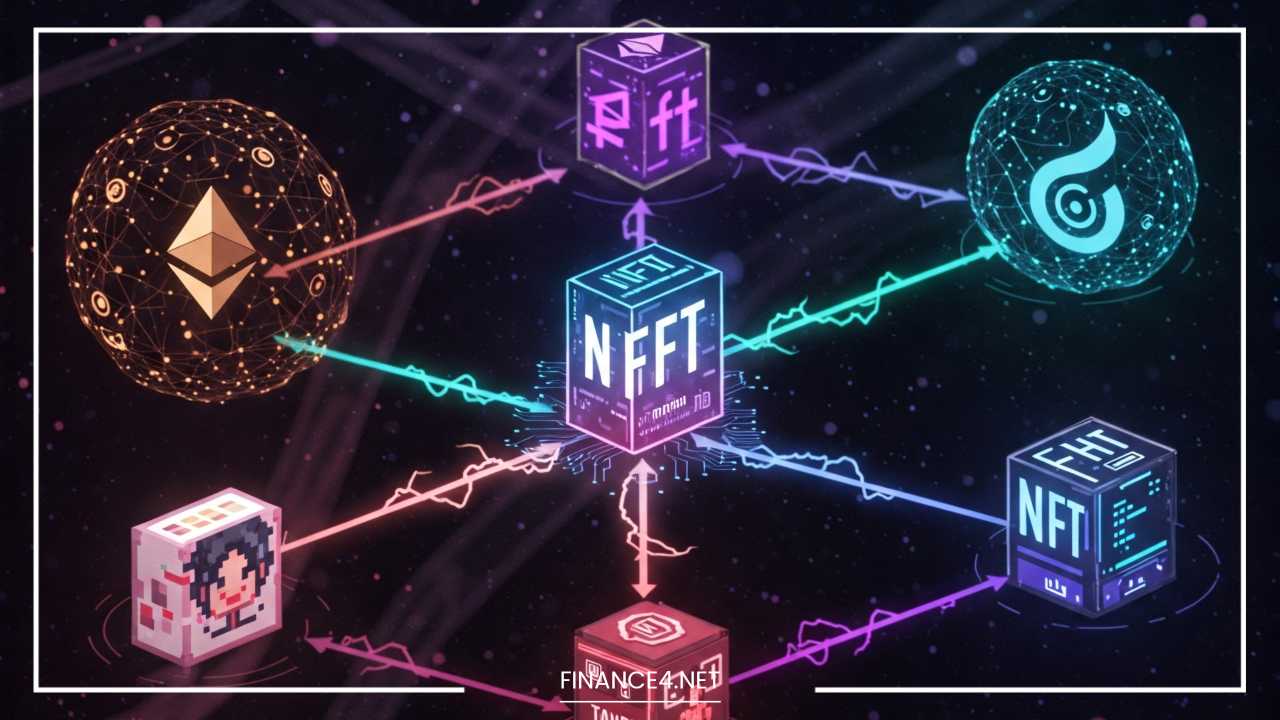
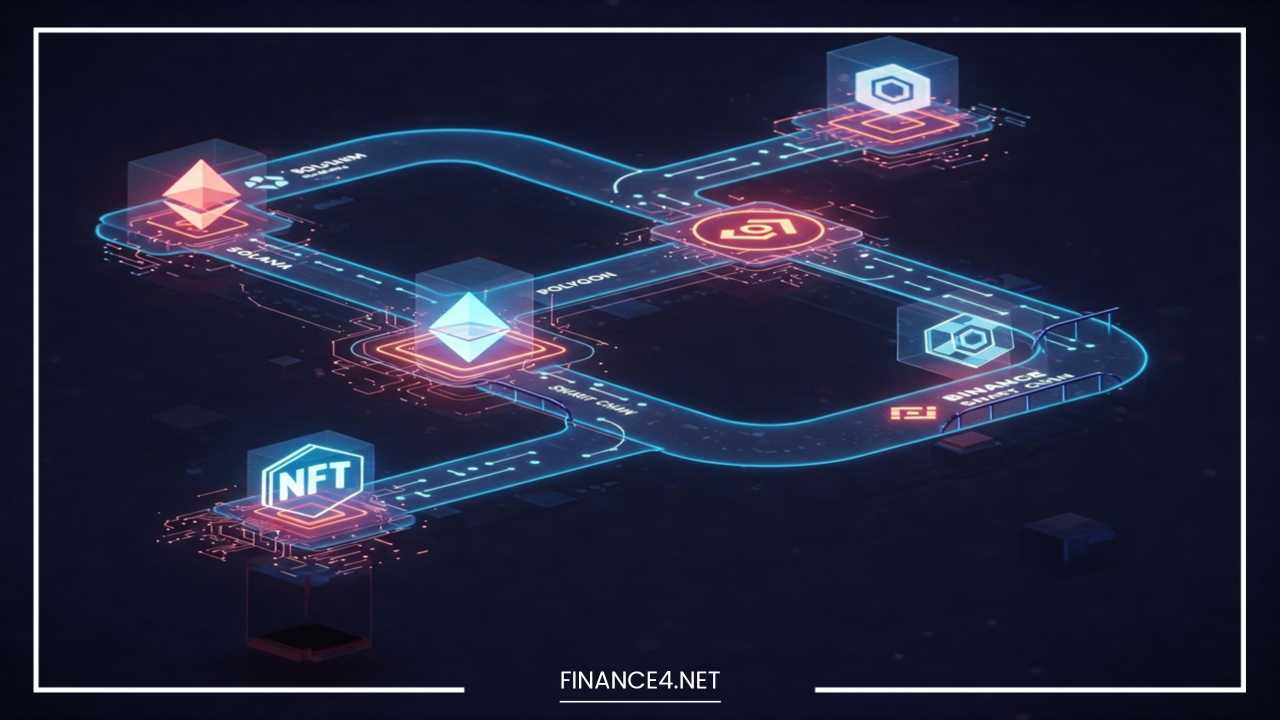
The Non-Fungible Token (NFT) ecosystem has exploded in recent years, transforming how we perceive and interact with digital ownership. From digital art and collectibles to in-game assets and virtual land, NFTs have opened up new frontiers for creators and collectors alike. However, this burgeoning ecosystem is not confined to a single blockchain. As new networks emerge, each offering unique advantages in terms of speed, cost, and specialization, the need for interoperability becomes paramount. This is where cross-chain NFT bridging steps in – the essential technology enabling the seamless transfer of NFTs between disparate blockchain networks, such as Ethereum, Polygon, Solana, and BNB Chain.
While cross-chain bridging unlocks immense potential for liquidity, utility, and a more interconnected Web3, it comes with its own set of challenges. Among the most pressing for users are the associated fees, often accompanied by concerns about transaction speed and security. These fees can vary significantly, sometimes making what seems like a simple transfer prohibitively expensive, especially on congested networks. The purpose of this article is to demystify cross-chain NFT bridging fees, explain why they can be so high, and most importantly, equip you with practical strategies to significantly lower them, ensuring a more efficient and cost-effective NFT experience.
What Are Cross-Chain NFT Bridges?
At its core, a cross-chain NFT bridge is a mechanism that allows digital assets, specifically NFTs, to be transferred from one blockchain network to another. In a world where blockchains operate as isolated “silos,” each with its own rules, consensus mechanisms, and native assets, bridges serve as crucial connectors, enabling communication and value exchange across these otherwise incompatible ecosystems. Without them, your NFT minted on Ethereum would be trapped on Ethereum, unable to be utilized or traded on, say, a Solana-based marketplace.
The fundamental function of a cross-chain bridge is to enable interoperability. When you bridge an NFT, you’re not physically moving the original asset from one chain to another in the way you might move a file. Instead, a typical bridging process involves a “lock and mint” or “burn and mint” mechanism. When an NFT is sent through a bridge, the original NFT is either locked in a smart contract on the source chain or effectively “burned” (made unusable). In return, a wrapped or synthetic version of that NFT is then minted on the destination chain, representing the original asset. This wrapped NFT is typically pegged 1:1 to the original, and theoretically, can be “unwrapped” back to the original chain by reversing the process.
Popular NFT bridges that facilitate such transfers include:
- LayerZero: An omnichain interoperability protocol that provides a decentralized messaging layer, allowing for native asset transfers across multiple blockchains. Stargate Finance, built on LayerZero, is a prominent example of its application for token bridging, which can also apply to NFTs.
- Wormhole: A widely used decentralized messaging protocol that enables cross-chain transfers of tokens and NFTs between numerous chains, including Ethereum, Solana, Polygon, and BNB Chain. Its Portal Bridge is a common interface for users.
- Synapse Protocol: Known for its versatility, Synapse facilitates cross-chain transfers, swaps, and stablecoin bridging across a wide range of EVM-compatible chains.
- Celer cBridge: Focuses on fast and low-cost cross-chain transfers of assets, often utilizing liquidity pools.
Technically, the bridging process usually involves smart contracts on both the source and destination chains. When a user initiates a transfer, the source chain’s smart contract locks the NFT. This action is then communicated to the destination chain, often by a network of validators, relayers, or oracles (depending on the bridge’s architecture). Upon verification, the destination chain’s smart contract mints the wrapped NFT. This intricate dance of smart contracts and off-chain communication ensures the integrity and security of the asset transfer, making cross-chain activity possible.
What Are Bridging Fees?
Navigating the world of cross-chain NFT transfers inevitably brings you face-to-face with bridging fees. These aren’t just a single charge; rather, they’re a composite of various costs that accumulate throughout the bridging process. Understanding each component is crucial for grasping why these fees can sometimes seem exorbitant.
Here’s a breakdown of the typical costs involved:
- Gas Fees (on source and destination chains): This is arguably the most significant and often most volatile component. Gas fees are the payments made to the network’s validators (or miners on Proof-of-Work chains) for processing and securing your transaction. When you initiate an NFT bridge, you’re essentially performing two or more blockchain transactions: one on the source chain to lock/burn your NFT and interact with the bridge’s smart contract, and another on the destination chain to mint/unlock the wrapped NFT. Each of these transactions incurs its own gas fee, determined by network congestion and the complexity of the smart contract interactions. Ethereum, due to its high demand and block space limitations, is notoriously expensive for gas, especially during peak hours.
- Protocol/Bridge Fees: Beyond the network’s inherent gas costs, many bridge protocols levy their own service fees for facilitating the cross-chain transfer. These fees compensate the bridge operators, liquidity providers, and the infrastructure supporting the bridge. They can be a fixed amount, a percentage of the value being bridged, or a combination. Some bridges might have a minimum fee to ensure profitability for smaller transfers.
- Liquidity Fees or Slippage (if applicable): While more common with fungible token swaps across chains, some NFT bridges, particularly those that rely on liquidity pools for wrapped assets, might indirectly incur “liquidity fees” or slippage. If the liquidity for a particular wrapped NFT on the destination chain is shallow, executing the minting or subsequent trading might result in an unfavorable price or higher implied costs. For direct NFT bridging, this is less about slippage in price and more about the cost associated with maintaining sufficient liquidity within the bridge’s operation itself.
The variability of these fees is immense and depends heavily on several factors:
- Chains Involved: Bridging from a high-fee chain like Ethereum to another high-fee chain will naturally cost more than bridging between two lower-fee chains like Polygon and BNB Chain.
- Network Congestion: As mentioned, peak network usage on any of the involved chains will drive gas prices up.
- Bridge Architecture: Different bridges employ varying security models and technical complexities, which directly impact the computational resources (and thus gas) required.
- NFT Standard: While ERC-721 is the most common NFT standard, using ERC-1155 (for semi-fungible tokens or collections) can sometimes offer efficiencies in batch transfers, potentially influencing overall costs.
Real-world examples illustrate this variability. Bridging an NFT from Ethereum to Solana can currently incur total fees ranging from approximately $8 to $35 or even more, depending on the bridge used and Ethereum’s gas prices. For instance, reports indicate that direct ETH to Solana transfers via Wormhole’s Portal Bridge might cost $12-$30 in total, while solutions built into wallets like Phantom might be in the $8-$25 range. In contrast, bridging between Layer 2 solutions like Arbitrum and Optimism, or between sidechains like Polygon and BNB Chain, can often be done for fractions of a dollar, showcasing the drastic difference in costs across the ecosystem.
Why Are Bridging Fees So High?
The seemingly steep prices associated with cross-chain NFT bridging are a product of several interconnected factors, primarily rooted in the fundamental design of blockchain technology and the specific mechanisms required for interoperability.
- Network Congestion and Gas Prices: This is the most prevalent culprit, especially when involving popular blockchains like Ethereum. Blockchains have a limited capacity for processing transactions within a given timeframe (block space). When demand for this space outstrips supply, users engage in a bidding war, driving up gas prices (the “fee” paid per unit of computational effort). High gas prices directly translate to higher transaction costs for operations like bridging, which can be computationally intensive as they involve multiple smart contract interactions. Even with EIP-1559, which introduced a base fee and a tip, volatility due to network demand persists.
- Security Layers Increasing Transaction Costs: Cross-chain bridges are critical infrastructure, often holding vast amounts of locked assets. Consequently, security is paramount. Many bridges employ robust security measures, such as multiple validators, multi-signature schemes, or advanced cryptographic proofs, to ensure the integrity of transfers and prevent hacks. While essential for protecting user funds, these security layers often add computational overhead to transactions. For instance, verifying a transaction across chains might involve complex cryptographic computations or require multiple parties to sign off, each step consuming gas and adding to the overall cost. The high-profile bridge hacks in recent years (e.g., Ronin, Wormhole) underscore the necessity of these robust, albeit costly, security mechanisms.
- Decentralization vs. Centralization in Bridge Architecture: The architecture of a bridge also plays a significant role in its fee structure. Decentralized bridges, which rely on a network of independent validators and smart contracts, typically incur higher gas fees due to the on-chain verification and consensus mechanisms required. Each participant in the validation process needs to be compensated. Conversely, more centralized bridges (often operated by a single entity or a small consortium) might offer lower fees because they can optimize operations and don’t need to pay for a decentralized consensus mechanism for every transaction. However, this comes with a trade-off in terms of trust and potential single points of failure, a risk many users are increasingly wary of.
- Role of Token Standards and Wrapping/Unwrapping Processes: The very nature of NFT bridging, which involves “wrapping” or “minting” a synthetic representation of the original NFT, contributes to the costs. Unlike simple token transfers, bridging an NFT often requires more complex smart contract logic to handle the locking, verification, and minting of a unique digital asset. For ERC-721 NFTs, each NFT is distinct, meaning that batching isn’t always straightforward. This process, by its nature, demands more computational resources, leading to higher gas consumption on both the source and destination chains compared to a simple token transfer.
In essence, high bridging fees are a necessary evil for the current state of cross-chain interoperability, balancing the need for security, decentralization, and the inherent costs of interacting with congested blockchain networks. However, as the ecosystem matures, innovations are continually being developed to mitigate these costs.
How to Lower Cross-Chain NFT Bridging Fees
While bridging fees can be daunting, there are several practical and actionable strategies you can employ to significantly reduce your costs when transferring NFTs across chains.
a. Choose the Right Chains
The most impactful decision you can make is selecting the blockchain networks involved in your NFT activity. Different chains have vastly different fee structures.
- Comparing Chain Fees:
- Ethereum (ETH): The original home of NFTs and DeFi, Ethereum offers the highest security and decentralization but comes with the highest gas fees, especially during peak times. Minting or bridging on Ethereum can cost anywhere from $50 to several hundreds of dollars for a single transaction.
- Polygon (MATIC): As an Ethereum Layer 2 scaling solution, Polygon offers significantly lower transaction fees (often less than $0.01 per NFT) and faster transaction times, while still benefiting from Ethereum’s security. It’s a popular choice for cost-conscious creators and collectors.
- BNB Chain (BNB): Binance Smart Chain (now BNB Chain) provides a high-throughput, low-cost alternative to Ethereum. NFT minting and bridging costs are typically in the range of $0.15-$1.00.
- Arbitrum & Optimism: These are other prominent Ethereum Layer 2s that leverage optimistic rollups to provide cheaper and faster transactions than Ethereum mainnet. Fees are substantially lower than mainnet, making them excellent choices for more frequent NFT interactions.
- Solana (SOL): Known for its incredibly low transaction fees (often under $0.01) and high throughput, Solana has a thriving NFT ecosystem. Bridging to or from Solana is generally very cost-effective on the Solana side.
- Avalanche (AVAX), Fantom (FTM), Base, etc.: Many other EVM-compatible chains offer competitive fee structures. Researching the average transaction costs for NFT-related activities on these chains is crucial.
- When to Use Layer 2s for NFT Activity: If your NFT doesn’t absolutely need to reside on Ethereum mainnet for primary market sales or specific DeFi interactions, strongly consider Layer 2 solutions. Many NFT marketplaces and platforms now support Layer 2s like Polygon, Arbitrum, and Optimism, allowing you to mint, buy, sell, and bridge NFTs with a fraction of the cost. For long-term storage or high-value, blue-chip NFTs, Ethereum mainnet might still be preferred due to its unparalleled security and decentralization, but for day-to-day NFT trading or collections with lower floor prices, Layer 2s are a game-changer for fee reduction.
b. Use Efficient Bridges
Not all bridges are created equal when it comes to fees, speed, and security.
- Compare Bridge Platforms: Before bridging, always compare the current fees, estimated transaction times, and security reputation of different bridges. Some bridges prioritize speed, while others focus on the lowest possible fees or maximal decentralization.
- Recommendations for Low-Fee Bridges:
- Stargate Finance (built on LayerZero): While sometimes having higher gas costs on Ethereum mainnet for certain operations due to its design, for native asset transfers across its supported chains, Stargate aims for capital efficiency and can be competitive. Its unified liquidity pools can minimize slippage.
- Orbiter Finance: Specializes in bridging assets (including some NFTs and generalized messages) between Ethereum Layer 2s and Ethereum mainnet. It often offers very competitive rates for L2-to-L2 transfers due to its “Roller” architecture, which aggregates transactions. However, users should be aware of its specific trust assumptions.
- Native Bridges: Whenever possible, prefer official or “native” bridges provided by the blockchain team itself (e.g., Polygon Bridge from Ethereum to Polygon). These are often more secure and can sometimes be more efficient for specific asset types.
- Bridge Aggregators (see section on Tools): These platforms automatically find the most cost-effective and fastest routes for your cross-chain transfers, removing the manual comparison effort.
c. Time Your Transactions
Gas fees on congested networks like Ethereum fluctuate significantly based on network demand.
- Gas Fee Timing Strategies:
- Off-peak hours: Generally, Ethereum gas fees are lower during off-peak hours for global crypto activity. This often means late nights or early mornings UTC, or weekends when institutional activity is lower. Avoid bridging during major NFT drops, token launches, or intense DeFi activity.
- Monitor gas prices: Don’t bridge blindly. Always check the current gas prices before initiating a transaction.
- Tools for Gas Prediction:
- Etherscan Gas Tracker: Provides real-time average gas prices and estimates for different transaction speeds.
- Blocknative Gas Estimator: Offers more advanced gas predictions and insights into network conditions.
- MetaMask (built-in estimator): Your MetaMask wallet will usually provide an estimated gas fee before you confirm a transaction, often with options for slow, average, or fast speeds (and corresponding price differences).
d. Batch Transactions
If you need to transfer multiple NFTs, consider batching them into a single transaction if the bridge and the NFT standard support it.
- Sending Multiple NFTs in a Single Transaction: Some advanced bridge interfaces or custom smart contracts allow for the bundling of multiple NFT transfers into one transaction. This can significantly reduce overall gas costs as you pay gas for one complex transaction rather than multiple individual ones. However, this feature is not universally supported by all bridges or for all NFT standards.
- Combining with ERC-1155 for Efficiency: The ERC-1155 token standard is inherently designed for efficiency. Unlike ERC-721, where each NFT is unique and typically requires a separate transaction for transfer, ERC-1155 allows for the creation of fungible, semi-fungible, and non-fungible tokens within a single contract, and importantly, supports batch transfers. If you are dealing with a collection of ERC-1155 NFTs, you can send multiple different NFTs or multiple copies of the same NFT in a single transaction, dramatically lowering per-NFT gas costs.
e. Use Token Incentives or Cashback
Keep an eye out for promotional offers from bridges or platforms.
- Fee Rebates or Token Rewards: Some newer bridges or those looking to attract users might offer temporary fee rebates or distribute their native tokens as rewards for using their service. This can effectively lower your net bridging cost.
- Promotional Events or Launch Incentives: During certain market conditions or when new chains/bridges are launched, platforms might run promotions with reduced or waived bridging fees to encourage adoption. Follow bridge projects on social media and their announcement channels to stay informed.
f. Consider Wrapped or Synthetic NFTs
Understanding wrapped or synthetic NFTs can help you make informed decisions about repeated bridging.
- Use Cases for Wrapped NFTs to Minimize Bridging: Once an NFT is wrapped and on a destination chain, it can be traded, listed, and interacted with on that chain’s ecosystem without incurring additional bridging fees (until you decide to move it back). If your primary goal is to use the NFT within a specific ecosystem (e.g., gaming on Polygon), then bridging it once and keeping it wrapped on that chain is more efficient than repeatedly bridging back and forth.
- Risks and Benefits of Synthetic Asset Representations:
- Benefits: Lower transaction fees for subsequent activities, increased liquidity by making the NFT available on multiple marketplaces, and access to unique dApps on the destination chain.
- Risks: The security of wrapped NFTs hinges on the security of the bridge itself. If the bridge is compromised, the wrapped NFTs could lose their backing, becoming worthless. Users must trust that the underlying original NFT is securely locked and can be redeemed. Always research the bridge’s audits, reputation, and the collateralization mechanism for wrapped assets.
By strategically combining these approaches, you can significantly optimize your cross-chain NFT bridging experience, turning what might be a costly hurdle into a manageable part of your Web3 journey.
Tools and Platforms That Help Reduce Fees
The evolving landscape of blockchain interoperability has given rise to specialized tools and platforms designed to help users navigate the complexities and, crucially, reduce the costs of cross-chain transactions, including NFT bridging.
- Bridge Aggregators: These platforms are akin to flight comparison websites for crypto bridges. Instead of manually checking multiple bridges for the best rate, aggregators query various liquidity sources and bridging protocols to find the most cost-effective and efficient route for your specific transfer.
- LI.FI: A prominent bridge aggregator and DEX aggregator. LI.FI allows users to bridge and swap assets across numerous chains and Layer 2s, automatically finding the optimal path that minimizes fees and slippage. It integrates a wide range of bridges and DEXs, providing a comprehensive solution.
- Rango Exchange: Another robust bridge and DEX aggregator that supports a vast number of blockchains and bridging solutions. Rango focuses on providing the best possible rates and fastest routes for cross-chain swaps and transfers, often incorporating multiple steps (e.g., bridge from Chain A to B, then swap on Chain B).
- Gas Fee Estimators: While not directly reducing the fee, these tools empower you to make informed decisions about when to bridge, allowing you to avoid periods of prohibitively high gas prices.
- Etherscan Gas Tracker: The go-to resource for real-time Ethereum gas prices, showing average, fast, and instant estimates. It also provides historical gas data, which can help in predicting trends.
- Blocknative Gas Estimator: Offers more granular and predictive gas estimates, helping users anticipate future gas price movements based on network conditions. It can be particularly useful for planning high-value or time-sensitive transactions.
- NFT Wallets with Built-in Optimization: As the NFT space matures, some wallets are integrating features that streamline cross-chain activity and help optimize fees.
- Zerion Wallet: Known for its comprehensive DeFi and NFT portfolio tracking, Zerion also enables seamless multi-chain interactions. While it doesn’t run its own bridge, it aggregates various protocols to help users find efficient routes for asset management, potentially including wrapped NFTs or underlying tokens needed for bridging.
- Rainbow Wallet: A user-friendly Ethereum wallet gaining popularity for its aesthetic design and smooth UX. While primarily focused on Ethereum, it is continually adding multi-chain support and optimizing transaction flows, which can indirectly lead to better fee management as its integrations improve. These wallets aim to abstract away the complexity of choosing the right network or bridge, providing a more intuitive experience.
- Case Studies: Using These Tools to Save on Fees:
- Scenario 1 (Avoiding high ETH gas): A user wants to bridge an NFT from Ethereum to Polygon. Instead of initiating the transfer directly during a busy weekday afternoon, they check Etherscan Gas Tracker and notice gas prices are currently 100 Gwei. They decide to wait until late evening when Etherscan shows gas prices have dropped to 30 Gwei, saving them a significant amount on the Ethereum side of the transaction.
- Scenario 2 (Finding the cheapest route): A user wants to bridge an NFT from Arbitrum to Optimism. Instead of choosing a single bridge, they use a bridge aggregator like LI.FI. LI.FI presents several options, perhaps showing that Orbiter Finance has the lowest current fees for that specific L2-to-2 transfer compared to other direct bridges, allowing the user to select the most cost-effective path automatically.
- Scenario 3 (Leveraging wallet features): A user with multiple NFTs spread across Ethereum and Polygon wants to consolidate them on one Layer 2 for a specific game. Their Zerion Wallet shows them all their NFTs across chains. When they initiate a transfer, the wallet might suggest the most efficient bridge for that specific NFT based on current network conditions and integrated liquidity, simplifying the process and potentially offering better rates than if they were to navigate separate bridge interfaces.
These tools are becoming indispensable for active NFT users, transforming what was once a manual, error-prone, and often expensive process into a more streamlined and cost-efficient experience.
Security vs. Cost Trade-offs
When it comes to cross-chain NFT bridging, the relationship between security and cost is often inversely proportional: cheaper bridges may sometimes be less secure, and highly secure bridges can be more expensive. Understanding this fundamental trade-off is critical for making informed decisions and protecting your valuable digital assets.
- Cheaper Bridges May Be Less Secure: Bridges that offer extremely low fees often achieve this by making certain concessions. These might include:
- More centralized architectures: Relying on a smaller set of validators, a multi-signature wallet with fewer signers, or even a single trusted custodian. While efficient and cheap, these introduce single points of failure, making them more attractive targets for hackers. The infamous Ronin Bridge hack, where a small number of compromised validator keys led to over $600 million in losses, is a stark reminder of these risks.
- Simpler security models: Less robust cryptographic proofs, fewer on-chain verifications, or a reliance on off-chain relayers with less stringent requirements can lower gas costs but also increase vulnerability.
- Newer, unproven protocols: While innovative, new bridges may not have undergone extensive real-world testing or sufficient security audits, making them riskier.
- How to Assess Bridge Reliability (Audits, Volume, Usage): Before entrusting your NFTs to any bridge, it’s crucial to perform due diligence.
- Security Audits: Check if the bridge protocol has undergone multiple independent security audits by reputable firms (e.g., CertiK, PeckShield, Trail of Bits). Publicly available audit reports can reveal vulnerabilities found and addressed.
- Volume and Usage: Bridges that have processed significant volumes of assets without major incidents tend to be more reliable. High usage indicates community trust and battle-tested infrastructure. Websites like DeFi Llama often track the Total Value Locked (TVL) and transaction volumes for various bridges.
- Team and Backing: Research the team behind the bridge. Are they doxxed? Do they have a strong track record in the crypto space? Is the project backed by reputable investors?
- Decentralization Model: Understand the bridge’s architecture. Does it rely on a decentralized network of validators, or is it more centralized? While decentralized bridges might be more expensive, they generally offer a higher degree of censorship resistance and security.
- Community Sentiment and Support: Check community forums, Twitter, and Discord channels for discussions about the bridge’s reliability, user experiences, and responsiveness of support.
- Recommendations for Safe and Affordable Bridging: The goal is to strike a balance, not simply pick the cheapest option.
- Prioritize well-established bridges: For high-value NFTs, opt for bridges with a proven track record, significant TVL, and a strong security posture (e.g., Wormhole, LayerZero-powered solutions).
- Use native bridges when available: Many Layer 2s and sidechains offer official bridges to and from Ethereum. These are typically the most secure options for bridging to/from their respective networks.
- Understand the underlying technology: Have a basic understanding of how the bridge works (e.g., optimistic rollup, ZK-rollup, light client, multi-sig). This helps you assess the inherent trust assumptions.
- Start with smaller amounts: If trying a new or less-known bridge, test it with a small, non-valuable NFT first to familiarize yourself with the process and confirm its functionality before bridging high-value assets.
- Be wary of “too good to be true” offers: If a bridge promises extremely low or zero fees while others are significantly higher, investigate thoroughly. It might indicate hidden risks or a less secure design.
Ultimately, while the desire to minimize fees is understandable, it should never come at the expense of security. A lost NFT due to a bridge exploit will always be infinitely more costly than any gas fee saved.
Future of NFT Bridging and Fees
The landscape of cross-chain interoperability is rapidly evolving, driven by the imperative to make blockchain interactions more seamless, secure, and affordable. The future of NFT bridging and its associated fees will be shaped by groundbreaking technological advancements and a growing emphasis on native chain interoperability.
- Upcoming Technologies (zk-bridging, native chain interoperability):
- Zero-Knowledge Bridges (ZK-Bridges): This is widely considered the holy grail of bridge security. ZK-Bridges use zero-knowledge proofs to cryptographically verify state changes between chains without revealing any underlying data. This means that a proof of a transaction’s validity on one chain can be mathematically proven on another chain without relying on external validators or economic incentives. This significantly reduces trust assumptions, leading to highly secure and potentially more capital-efficient bridging. Projects like Succinct Labs and Polyhedra Network are at the forefront of ZK-bridge development. While computationally intensive to generate the proofs, the verification on the destination chain can be extremely cheap, potentially leading to lower fees in the long run as the technology matures and becomes more efficient.
- Native Chain Interoperability: Instead of relying solely on external bridges, newer blockchain designs and upgrades are increasingly baking in native interoperability features. This could involve direct communication protocols between chains or shared security layers that facilitate more trustless and efficient asset transfers. While full native interoperability for all chains is a distant vision, advancements in modular blockchains and shared security frameworks are steps in this direction.
- Role of LayerZero, Chainlink CCIP, and Others:
- LayerZero: As an omnichain interoperability protocol, LayerZero provides a generalized messaging layer that enables dApps to communicate across various blockchains without custom bridges. Its focus on light clients and decentralized messaging could lead to more efficient and secure cross-chain NFT transfers, potentially reducing the need for costly intermediary services.
- Chainlink Cross-Chain Interoperability Protocol (CCIP): Chainlink, a leading decentralized oracle network, is expanding its capabilities with CCIP. This protocol aims to provide a robust and secure standard for cross-chain messaging and token transfers. By leveraging Chainlink’s extensive network of decentralized oracle nodes, CCIP could offer highly reliable and potentially cost-optimized solutions for NFT bridging, especially for complex dApp interactions.
- Intent-Based Architectures and Aggregation Layers: The user experience for bridging is set to improve dramatically. Intent-based systems will allow users to simply declare their desired outcome (e.g., “I want to use my Ethereum NFT in a game on Polygon”) without needing to know the underlying bridging steps. Aggregation layers (like LI.FI) will continue to evolve, automatically finding the most optimized, multi-step routes to fulfill these intents, further reducing complexity and cost for the end-user.
- Predictions for How Fees Might Evolve Over the Next Few Years:
- Overall Reduction for L2-to-L2 & L1-to-L2: As Layer 2 adoption grows and ZK-bridges become more prevalent, the cost of bridging between Layer 2s and from Layer 1s to Layer 2s is likely to decrease significantly, potentially becoming negligible for smaller transactions.
- Persistent ETH Mainnet Costs: Bridging directly to and from Ethereum mainnet will likely remain relatively more expensive due to its inherent design and decentralization, though advancements might temper peak congestion costs.
- Increased Competition and Innovation: The competitive landscape among bridge providers will likely drive down protocol fees as they vie for market share.
- User Experience Abstraction: Users will increasingly interact with NFTs and dApps without necessarily being aware of the underlying chain or bridging process, as aggregators and intent-based systems handle the complexity and cost optimization in the background.
The future of NFT bridging is bright, promising a more interconnected, efficient, and user-friendly experience where the burden of high fees is steadily reduced through continuous technological innovation.
Final Thoughts
Cross-chain NFT bridging is an indispensable component of the evolving Web3 ecosystem, empowering creators and collectors to unlock new liquidity, utility, and experiences across disparate blockchain networks. However, the journey between chains is often fraught with high fees, making efficient navigation a key skill for any serious NFT enthusiast.
We’ve explored the various components of these fees, from the pervasive gas costs on both source and destination chains to the specific protocol charges and liquidity considerations that add to the overall expense. The inherent challenges of network congestion, robust security requirements, and the technical complexities of token standards contribute to these costs.
Crucially, we’ve outlined actionable strategies to significantly lower your cross-chain NFT bridging fees. By meticulously choosing the right chains (prioritizing cost-effective Layer 2s and sidechains), utilizing efficient and reputable bridges, timing your transactions to avoid peak gas prices, batching transactions where supported (especially with ERC-1155), and being aware of potential token incentives or wrapped NFT use cases, you can gain considerable financial advantages. Furthermore, leveraging powerful tools and platforms like bridge aggregators and gas fee estimators can streamline your efforts and automatically identify the most optimal routes.
Remember that while lowering costs is important, it should never overshadow the paramount consideration of security. Always assess bridge reliability through audits, community reputation, and transaction volume. Cheaper options can sometimes hide higher risks, making a lost asset far more expensive than any fee saved.
The future of NFT bridging is poised for significant improvements with advancements in ZK-bridges, native interoperability solutions, and refined protocols like LayerZero and Chainlink CCIP. These innovations promise to make cross-chain interactions even more seamless, secure, and, crucially, more affordable.
In the dynamic world of NFTs, knowledge is power. Arm yourself with the insights from this article, do your own thorough research, compare options before every bridge, and strike the right balance between cost-efficiency, convenience, and the unwavering security of your valuable digital assets.