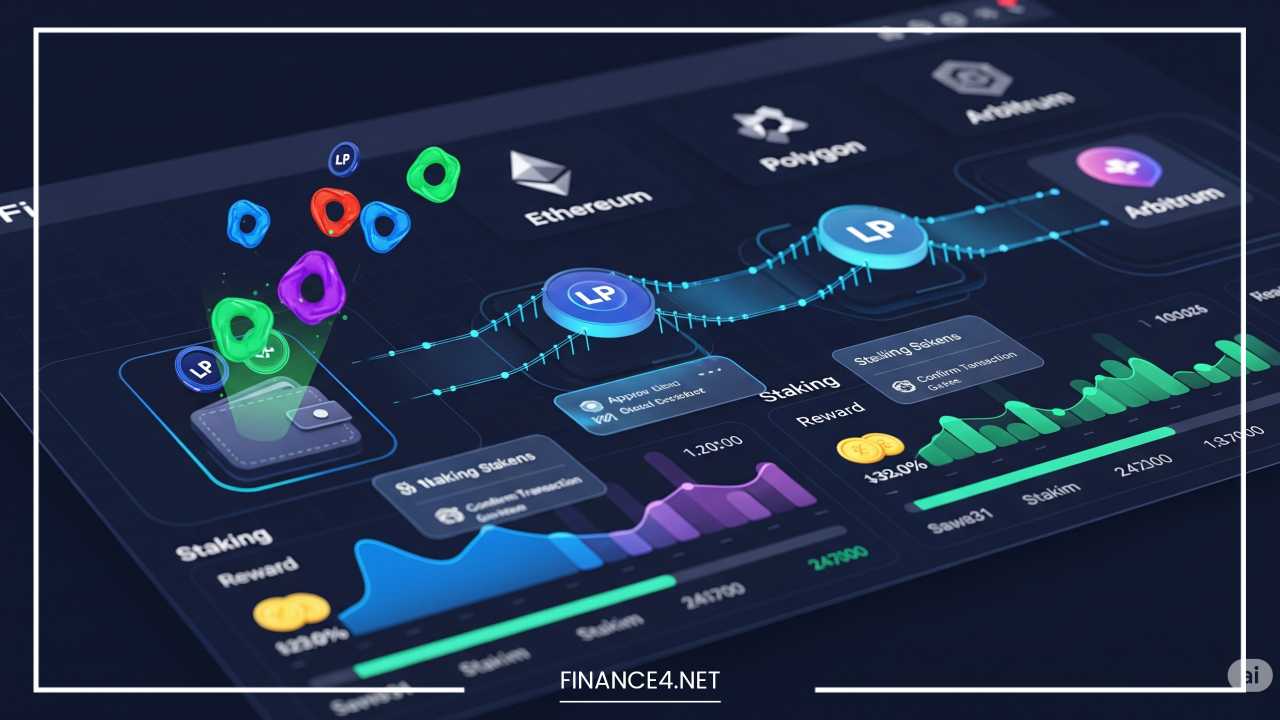
Setting Up Multi-Chain Staking on One Platform
 by
by 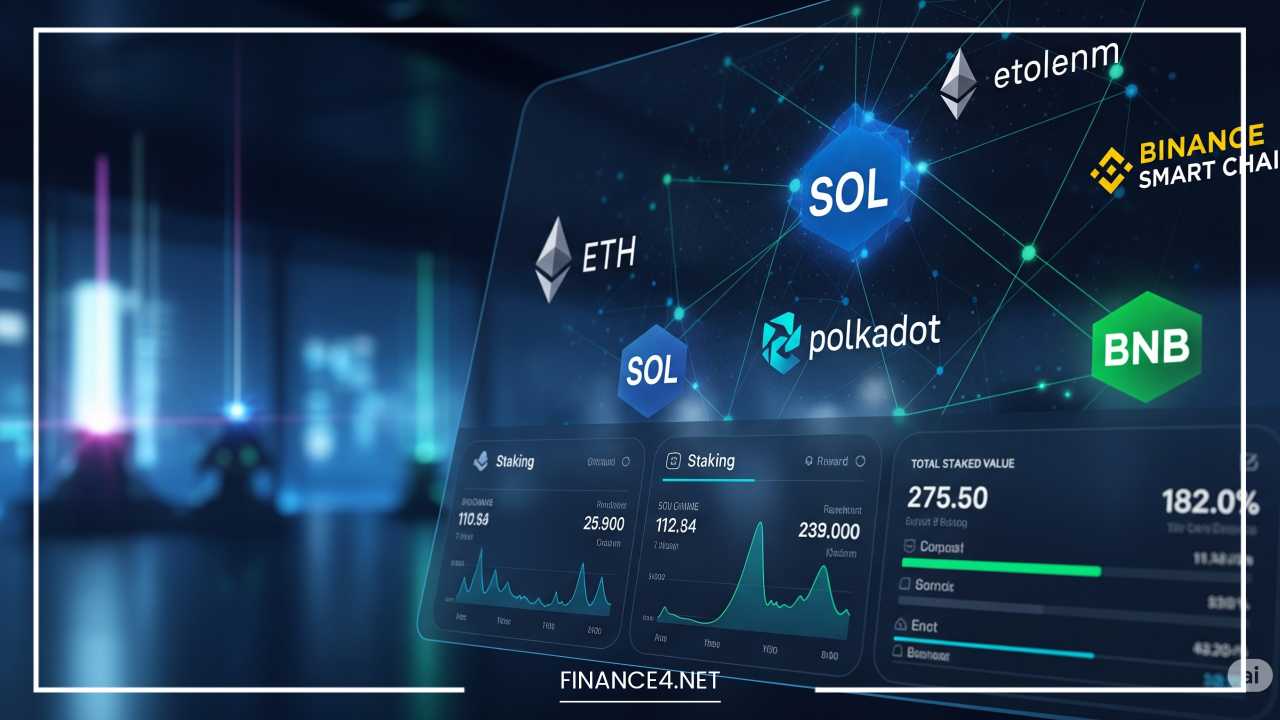
Setting Up Multi-Chain Staking on One Platform | Easy Guide & Tips
Multi-chain staking on a single platform simplifies the user experience by allowing you to manage and earn rewards from assets on various blockchains through one unified interface. This approach provides a streamlined, secure, and efficient way to engage with the diverse opportunities available in the decentralized finance (DeFi) ecosystem. By centralizing management, you can save time and money that would otherwise be spent on navigating multiple wallets, exchanges, and staking protocols.
What is Staking and Multi-Chain Staking?
Staking is the process of locking up your crypto assets to help secure a blockchain network and, in return, earn rewards. It’s the cornerstone of Proof-of-Stake (PoS) consensus mechanisms, where participants validate transactions and create new blocks based on the amount of cryptocurrency they hold and are willing to “stake” as collateral. The more you stake, the higher your chance of being chosen as a validator and receiving rewards.
Multi-chain staking takes this concept a step further by allowing you to stake assets across multiple different blockchain networks. For example, you could stake your ETH on Ethereum, your SOL on Solana, and your DOT on Polkadot, all at the same time. The challenge has traditionally been that this requires managing separate wallets and platforms for each chain, leading to a fragmented and complex user experience. This is where a single, unified platform comes in, offering a solution to centralize and simplify the entire process.
Why is Multi-Chain Staking Important?
The blockchain ecosystem is no longer dominated by a single chain. We’ve entered a multi-chain world where different blockchains specialize in different things—some offer high transaction speeds, others focus on low fees, and still others are built for specific applications like gaming or decentralized social media. To truly participate in and benefit from this diverse landscape, users need a way to interact with all these chains efficiently. Multi-chain staking allows you to diversify your earnings and maximize your rewards by accessing opportunities across the entire ecosystem without being confined to just one network.
Benefits of a Unified Platform
Using a single platform for multi-chain staking offers numerous advantages:
- Simplified User Experience: Instead of juggling multiple wallets and dashboards, you have a single interface to view all your staked assets, rewards, and performance metrics.
- Time and Cost Efficiency: It saves time by eliminating the need to move assets between different platforms and reduces transaction fees associated with multiple transfers.
- Centralized Management: You can monitor your entire staking portfolio in one place, making it easier to track your earnings, rebalance your portfolio, and make informed decisions.
- Increased Access: A single platform can provide access to a wider range of staking opportunities, from well-known networks to newer, high-yield projects you might not have discovered otherwise.
Understanding Blockchain and Staking Basics
How Staking Works
In a PoS system, validators are responsible for creating new blocks and verifying transactions. To become a validator, you must lock up a certain amount of the network’s native cryptocurrency as a “stake.” This stake acts as collateral. If a validator acts maliciously or fails to perform their duties (e.g., goes offline), a portion of their staked assets can be “slashed,” or penalized. This mechanism incentivizes honest and reliable behavior.
For the average user who may not have the technical expertise or the required amount of capital to run a validator node, staking pools are a popular solution. A staking pool allows multiple users to combine their assets to meet the minimum staking requirement and collectively earn rewards. The rewards are then distributed proportionally to each participant. Multi-chain staking platforms often act as a user-friendly interface to these pools.
The Rise of Multi-Chain Ecosystems
The proliferation of different blockchains is driven by the need for specialization. Ethereum, for example, is known for its robust smart contract capabilities and is the home of much of the decentralized finance (DeFi) ecosystem. However, its high transaction fees and network congestion have led to the rise of “Ethereum killers” and Layer 2 solutions. Binance Smart Chain (BSC) offers lower fees, Solana provides lightning-fast transactions, and Polkadot focuses on interoperability between different chains.
This fragmentation, while beneficial for innovation, creates a significant challenge for users. To participate in a DeFi protocol on Ethereum, a high-speed game on Solana, and a governance proposal on Polkadot, you would typically need three different wallets and three different staking setups. The complexity and risk of managing multiple private keys and interfaces are high, which is a major barrier to entry for many.
Benefits of Multi-Chain Staking on One Platform
The key appeal of a single, unified platform is the solution it provides to the fragmentation problem.
Simplified User Experience and Centralized Management
Imagine a single dashboard where you can see all your staked assets, regardless of the blockchain they’re on. You can see your ETH, SOL, AVAX, and DOT balances all in one place, along with the rewards you’ve earned from each. This eliminates the need to constantly switch between apps and websites, saving you a lot of time and mental energy. It also makes it easier to monitor the overall health of your portfolio and identify which assets are performing best.
Time and Cost Efficiency
Every time you move crypto between exchanges or wallets, you incur transaction fees. By using a single platform, you can often perform actions like claiming rewards or restaking without having to move assets off-platform, which can significantly reduce your costs over time. Furthermore, some platforms offer auto-compounding, where your earned rewards are automatically restaked to compound your returns, all handled behind the scenes.
Increased Access and Diversification
A single platform gives you instant access to a wide variety of staking options. You’re not limited to the few options a single chain or exchange might offer. This allows you to diversify your portfolio across different assets and networks, which is a key risk management strategy. If one network’s rewards decrease or its price falls, your earnings from other staked assets can help offset the loss.
Key Features to Look For in a Multi-Chain Staking Platform
Not all platforms are created equal. When choosing a platform, you must consider several critical features to ensure it is secure, user-friendly, and offers the functionality you need.
1. Support for Multiple Blockchain Networks
The most fundamental feature is the platform’s ability to support the blockchains you care about. A good platform should support a wide range of popular PoS chains like Ethereum, Solana, Polkadot, Cardano, and Avalanche, as well as emerging networks. This ensures you have a broad selection of staking opportunities.
2. Security Measures
Security is paramount. The platform should have robust security protocols in place to protect your assets. Look for features such as:
- Non-custodial staking: The best platforms allow you to retain control of your private keys. This is a crucial security measure as it means the platform cannot access or move your funds without your explicit permission.
- Integration with Hardware Wallets: The ability to connect a hardware wallet like a Ledger or Trezor provides an extra layer of security, as your private keys are stored offline and are never exposed to the internet.
- Audited Smart Contracts: Platforms that use smart contracts for staking should have their code audited by reputable third-party security firms. This helps to identify and fix vulnerabilities.
3. User-Friendly Interface and Analytics
A clean, intuitive interface is essential for a good user experience. You should be able to easily connect your wallet, select the assets you want to stake, and monitor your earnings. Real-time analytics and reporting are also important, providing you with a clear overview of your portfolio’s performance, including annual percentage yield (APY), rewards earned, and staking duration.
4. Auto-Compounding and Reward Distribution
Auto-compounding is a powerful feature that can significantly increase your returns over time by automatically reinvesting your rewards. Platforms that offer this feature save you the time and gas fees associated with manually claiming and restaking rewards. You should also check how rewards are distributed—some platforms distribute rewards instantly, while others do so on a fixed schedule (e.g., daily or weekly).
5. Cross-Chain Compatibility
As the ecosystem evolves, platforms that enable seamless cross-chain transactions will become increasingly valuable. Look for features that support cross-chain bridges or atomic swaps that allow you to move assets between different blockchains directly from the platform, rather than having to use a separate bridge.
Step-by-Step Guide to Setting Up Multi-Chain Staking
Follow these steps to get started with multi-chain staking on a single platform.
Step 1: Choosing the Right Platform
Do your research. Compare platforms based on the features discussed above. Look at their security history, read user reviews, and check which blockchains and tokens they support. You may also want to compare their APY rates and fees.
Step 2: Connecting Your Wallet
Most platforms will prompt you to connect a compatible wallet. The most common are MetaMask, Trust Wallet, and hardware wallets like Ledger. The platform will provide a simple process to authorize the connection. Make sure you are on the correct website and that the URL is not a phishing scam.
Step 3: Selecting Assets to Stake
Once your wallet is connected, the platform will show you a list of supported cryptocurrencies available for staking. Select the assets you want to stake and specify the amount. The platform will typically display the current APY, lock-up period (if any), and other relevant details.
Step 4: Initiating the Staking Process
After reviewing the terms, you’ll confirm the transaction. Your wallet will pop up asking for your signature to authorize the staking contract. Once you approve, the assets are locked in the smart contract, and the staking process begins.
Step 5: Monitoring Staked Assets and Rewards
Use the platform’s dashboard to keep an eye on your staked assets. You can track your total value staked, rewards earned, and the performance of each asset. Many platforms also offer notifications to alert you when rewards are ready to be claimed or when a lock-up period is nearing its end.
Security Considerations
While a single platform simplifies the process, it doesn’t eliminate all risks.
Risks of Staking on Multiple Chains
- Smart Contract Risk: The smart contracts that govern the staking process could contain vulnerabilities that hackers can exploit. This is why using platforms with audited smart contracts is so important.
- Platform Risk: If you’re using a custodial platform (where they hold your keys), you are trusting them with your assets. A hack or mismanagement of the platform could lead to the loss of your funds. Always prioritize non-custodial options.
- Slashing: While rare for delegators in a pool, there is a risk that a validator you’ve delegated to could be penalized for misbehavior, and you could lose a portion of your staked assets.
Protecting Your Assets
- Hardware Wallets: Use a hardware wallet to store your private keys offline. This is the single most effective way to protect your crypto from online threats.
- Two-Factor Authentication (2FA): Enable 2FA on any platform you use.
- Avoiding Scams: Be vigilant against phishing attacks. Always double-check the URL of the website you are on. Never share your private keys or seed phrase with anyone. Legitimate platforms will never ask for this information.
Future Trends in Multi-Chain Staking
The landscape of multi-chain staking is rapidly evolving. Here are some trends to watch:
1. Evolution of Cross-Chain Bridges and Interoperability
Future platforms will likely have more seamless and secure cross-chain capabilities. Projects are working on better bridges and interoperability protocols that will make moving assets between blockchains as simple as sending a token to another address on the same chain. This will further reduce friction and enhance the user experience.
2. Role of DeFi and Staking Derivatives
Liquid staking is a key trend. When you stake your assets, you receive a liquid staking token (LST) that represents your staked assets and accrued rewards. You can then use this LST in other DeFi protocols for lending, borrowing, or trading, while your original assets remain staked and continue to earn rewards. This unlocks liquidity and creates new earning opportunities.
3. Potential Regulatory Considerations
As crypto staking becomes more mainstream, regulators will likely pay more attention. Future platforms may need to comply with stricter regulations, including Know Your Customer (KYC) and Anti-Money Laundering (AML) checks, which could impact user privacy and accessibility.
Final Thoughts
Setting up multi-chain staking on a single platform is a powerful strategy for anyone looking to earn passive income in the crypto space. It solves the key problems of complexity, cost, and time associated with managing multiple staking setups. By choosing a secure, user-friendly platform with a wide range of supported networks and features like auto-compounding and hardware wallet integration, you can simplify your portfolio management and confidently explore the diverse earning opportunities that the multi-chain ecosystem has to offer.