Top Cross-Chain NFT Rental Services
 by
by 
Top Cross-Chain NFT Rental Services | Best Multi-Chain NFT Lending Platforms
Cross-chain NFT rental services are a burgeoning sector within the Web3 ecosystem, providing a critical utility layer that unlocks the value of non-fungible tokens without requiring full ownership. These platforms enable users to temporarily lease digital assets—from in-game items to metaverse land—across different blockchains, addressing issues of liquidity, high transaction costs, and market fragmentation. By abstracting away the complexities of multiple chains, they make the NFT market more accessible and efficient for both owners and users, fostering a new era of digital asset utilization and value creation.
What Are Cross-Chain NFT Rental Services?
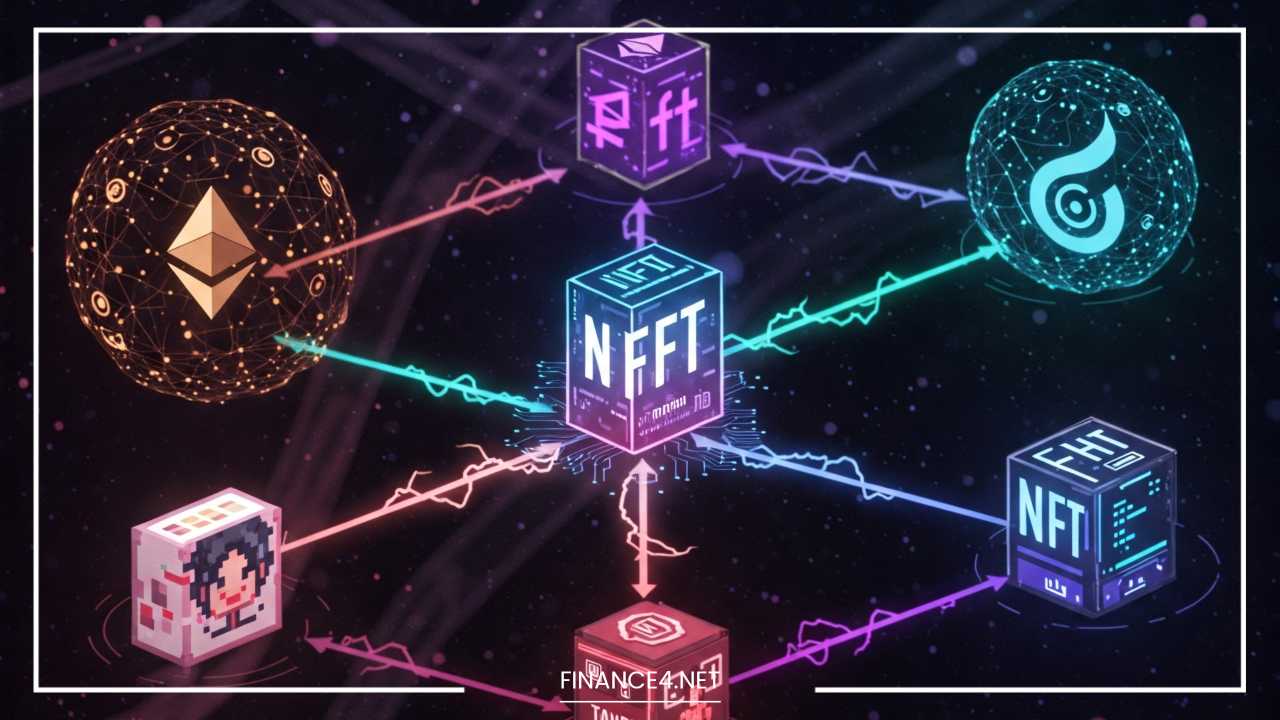
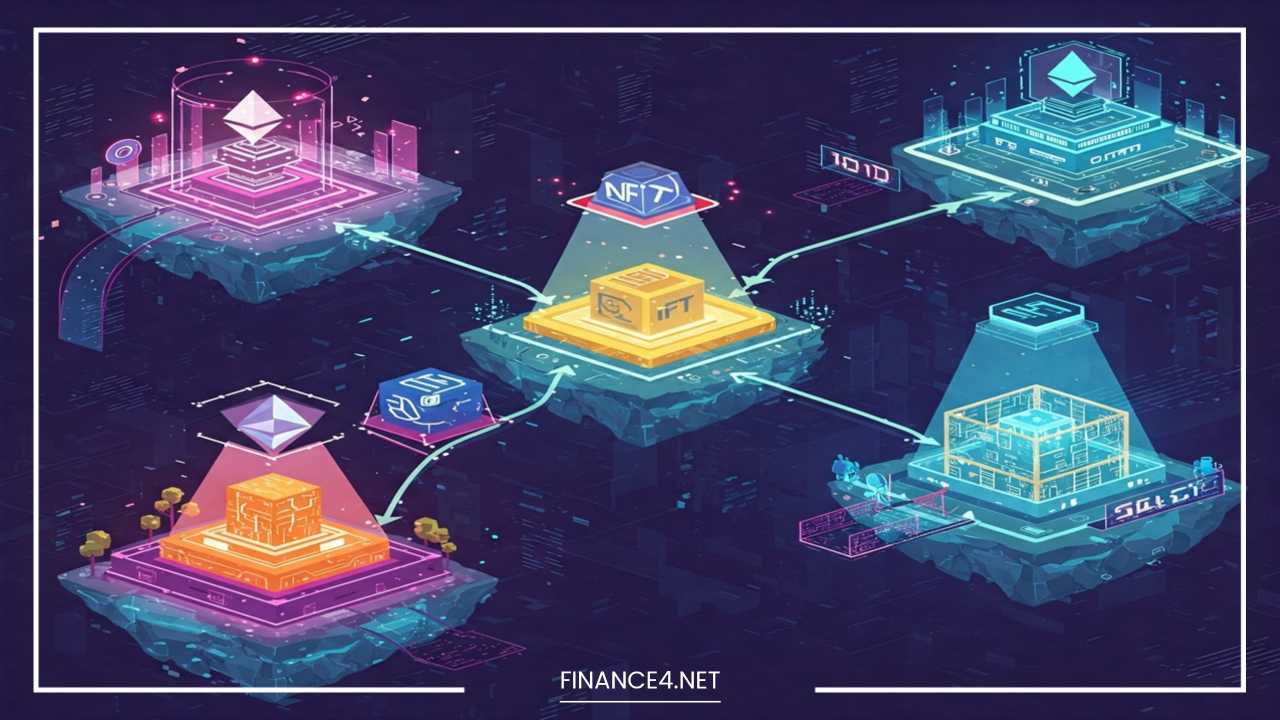
A cross-chain NFT rental service allows a non-fungible token (NFT) to be leased from one blockchain and used on another. This contrasts with traditional, single-chain marketplaces where assets are confined to a single network, like Ethereum. The core purpose is to enable interoperability, which is the ability for different blockchain networks to communicate and exchange data or assets seamlessly.
The concept of NFT rentals differs fundamentally from traditional ownership. While ownership grants a user full rights to an asset, renting grants temporary usage rights for a specific duration or purpose. This is especially useful for utility-based NFTs, such as an in-game avatar that provides a competitive advantage or a plot of virtual land needed for a temporary event.
Cross-chain functionality is crucial for this model’s success. It offers several key benefits:
- Liquidity Expansion: By allowing NFTs to be rented across multiple chains, platforms can tap into a much larger pool of potential renters and lenders, increasing asset liquidity.
- Lower Gas Fees: Renting on a cheaper chain like Polygon or BNB Chain can drastically reduce the cost of a transaction compared to a single-chain rental on the Ethereum mainnet.
- Broader Market Access: Users aren’t limited to a single ecosystem. An owner on Solana can rent their asset to a gamer on Polygon, opening up new markets and use cases.
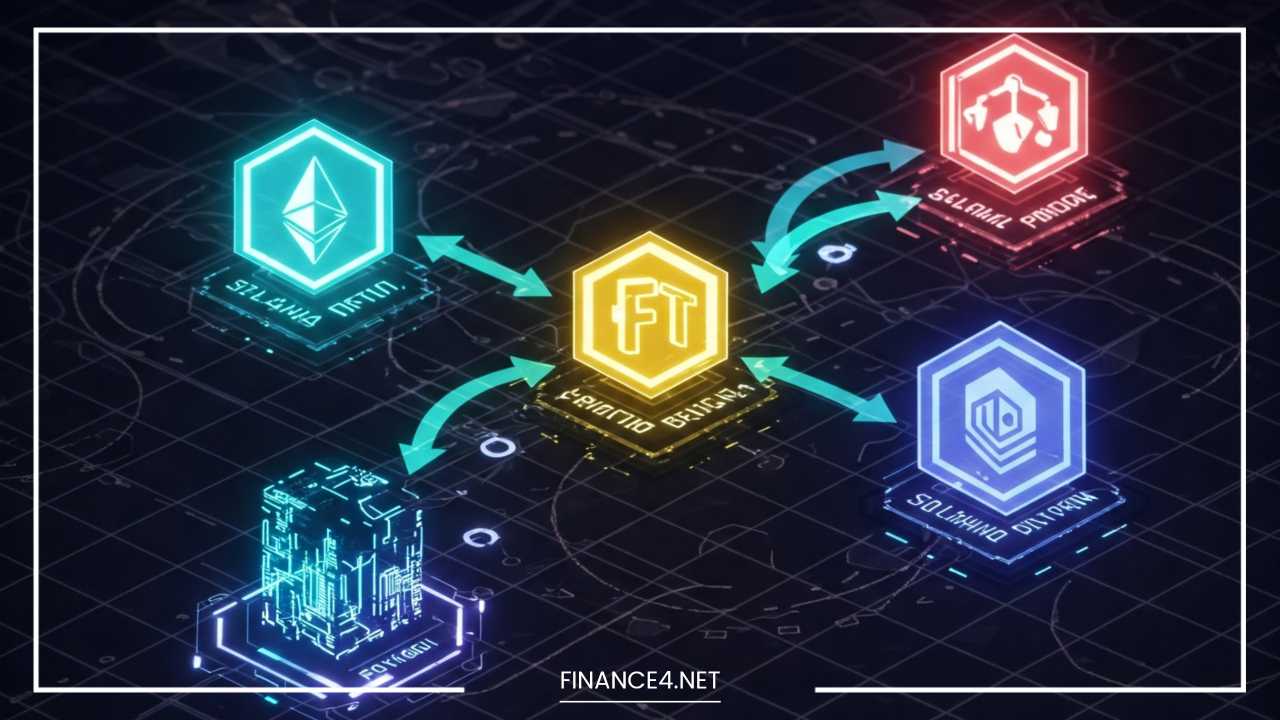
The technical mechanisms behind this rely on bridges and interoperability protocols. Bridges are a set of smart contracts and nodes that lock an NFT on one chain and mint a wrapped or “mirrored” version of it on another. This wrapped NFT is what the renter interacts with. Protocols like LayerZero and Wormhole facilitate this by providing the underlying messaging layer for different blockchains to communicate securely.
Why NFT Rentals Matter: Use Cases & Benefits
The rise of NFT rentals is a direct response to the need for greater utility beyond simple speculation. The ability to rent NFTs unlocks a host of practical applications and benefits for the broader Web3 ecosystem.
- Gaming: This is arguably the biggest driver of the NFT rental market. Players can rent powerful in-game assets, like rare weapons or high-level characters, to compete in tournaments or progress through games without the high cost of buying them outright. This “Play-to-Earn” (P2E) model becomes more accessible to a wider audience, fostering economic activity and making gaming more inclusive.
- Metaverse: In virtual worlds like Decentraland or The Sandbox, digital real estate is often a significant investment. NFT rentals allow users to lease virtual land for a set period to host events, build temporary storefronts, or run a gallery without permanent ownership. This reduces the barrier to entry for creators and businesses.
- Art and Collectibles: NFT art can be rented for display in virtual galleries or used for events. A collector might rent a high-value piece for a virtual exhibition, giving them temporary access to a prestigious asset for branding or showcasing purposes.
- Event Access & Ticketing: NFTs can serve as tickets for exclusive events. A person who can’t attend an event can rent out their ticket NFT for a profit, while a new user can gain temporary access to a community or event for a fraction of the cost.
- Yield Generation: For NFT owners, rentals provide a way to generate passive income from their idle assets. Instead of letting a valuable NFT sit in a wallet, an owner can list it on a rental platform and earn revenue from its temporary use.
Top Cross-Chain NFT Rental Platforms (Main Section)
The cross-chain NFT rental landscape is evolving rapidly, with several key players offering different models and features. Each platform has a unique approach to solving the interoperability challenge.
1. ReNFT
ReNFT is a prominent multi-chain NFT rental protocol designed to be “chain agnostic.” Its main strength is its focus on developer tooling, providing a software development kit (SDK) that allows any Web3 project to easily integrate rental functionality into their platform.
- Supported Blockchains: Ethereum, Polygon, BNB Chain, and Avalanche.
- How it Works: ReNFT utilizes a collateral-free model where ownership is separated from usage. When an NFT is rented, a smart contract temporarily assigns usage rights to the renter without transferring the NFT itself.
- Unique Features: Collateral-free rentals are a key feature, which reduces the friction for renters. It also offers scholarship automation, which is particularly useful for gaming guilds to manage and split in-game earnings with their players.
- Pros and Cons: Its primary pro is its ease of integration for developers and the friction-free experience for users. The main con is that it is reliant on the project to have integrated the protocol.
- Use Cases: Gaming guilds and P2E projects looking for a seamless way to enable their communities to rent assets.
2. IQ Protocol
IQ Protocol is a decentralized finance (DeFi) protocol that focuses on collateral-less NFT rentals, lending, and borrowing. It enables NFT projects to create “rentable” versions of their assets, often called wrapped NFTs, which are then used by the renter.
- Supported Blockchains: Ethereum, Polygon, BNB Chain, and others.
- How it Works: IQ Protocol leverages a “wrapped” token model. A lender deposits their original NFT into a smart contract vault, and in return, the protocol mints a “wrapped” version of that NFT with an expiration date. The renter then uses this wrapped NFT. When the rental period ends, the wrapped token is automatically burned.
- Unique Features: It is an uncollateralized lending protocol, so renters do not need to lock up collateral. It also offers a subscription-based model, which is an innovative take on recurring rentals for services and access.
- Pros and Cons: It’s highly secure due to its non-custodial nature, but the “wrapping” process can be confusing for new users.
- Use Cases: DeFi applications, gaming projects, and platforms that want to offer a subscription-based utility model for their NFTs.
3. Double Protocol
Double Protocol is a decentralized NFT rental protocol and marketplace that is the author of the ERC-4907 and ERC-5006 token standards. These standards are designed to make NFTs “rentable by default.”
- Supported Blockchains: Ethereum, BNB Chain, and Polygon.
- How it Works: Double Protocol’s mechanism is built on the ERC-4907 standard, which introduces a “user” role separate from the “owner” role in an NFT’s smart contract. This allows projects to grant usage rights to a renter’s wallet for a set time, without ever having to transfer ownership.
- Unique Features: Its primary unique feature is the use of the ERC-4907 standard, which simplifies the rental process for developers and users alike. It also provides a marketplace for users to list and rent NFTs.
- Pros and Cons: It’s a highly efficient and standardized approach to rentals. However, its adoption is reliant on NFT projects integrating the standard.
- Use Cases: Games and metaverses that want to enable rentals natively, as well as peer-to-peer rental marketplaces.
4. BendDAO
BendDAO is primarily a peer-to-pool lending and borrowing protocol for blue-chip NFTs. While not a direct rental service, it allows users to unlock liquidity from their NFTs, which can be seen as a form of financial utility.
- Supported Blockchains: Ethereum.
- How it Works: NFT owners can deposit their assets as collateral to borrow ETH. The protocol uses a peer-to-pool model, where liquidity is provided by lenders. While not a typical rental, it allows the use of an NFT’s value without selling it.
- Unique Features: It focuses on high-value “blue-chip” NFTs and offers instant NFT-backed loans, giving owners immediate liquidity.
- Pros and Cons: Offers a powerful financial use case, but it’s not a true rental service. It also carries the risk of liquidation if the NFT’s floor price drops.
- Use Cases: NFT owners who need to access capital without selling their assets.
5. UnitBox
UnitBox is a rental marketplace that focuses on providing a simple, user-friendly experience for renting in-game NFTs. It aims to connect NFT owners with gamers who want to rent assets for short-term use.
- Supported Blockchains: Primarily focused on chains with high gaming activity.
- How it Works: The platform functions as a marketplace where owners list their NFTs and set a rental fee and duration. Renters browse and pay for the rental, and the NFT is temporarily transferred or given usage rights.
- Unique Features: Its main feature is its streamlined focus on the gaming market. It often uses a revenue-sharing model where the owner and the platform split a portion of the rental fee.
- Pros and Cons: It’s very user-friendly for a specific niche, but its cross-chain capabilities and protocol-level innovation are not as prominent as some of the other platforms.
- Use Cases: Gamers and game studios looking for a simple, dedicated rental marketplace.
6. LandWorks
LandWorks is a specialized platform for renting virtual land in the metaverse. It is designed to be the go-to infrastructure for renting digital real estate.
- Supported Blockchains: Primarily Ethereum, with support for specific metaverse platforms.
- How it Works: LandWorks uses a trustless escrow system. An owner locks their land NFT in a smart contract, and the renter is given a temporary key or access token to use the land. The contract automatically returns the land to the owner once the rental period expires.
- Unique Features: Its specialization in metaverse land is its key feature. It has integrations with popular virtual worlds.
- Pros and Cons: Its focus on a specific, high-value asset class makes it a powerful tool, but it is not a general-purpose NFT rental platform.
- Use Cases: Metaverse landowners, event organizers, and businesses looking to set up a temporary presence in a virtual world.
How Cross-Chain NFT Rentals Work (Under the Hood)
The magic of cross-chain NFT rentals happens at the smart contract level, with a combination of escrow, expiration mechanics, and interoperability protocols.
- Escrow and Non-Custodial Solutions: When a lender lists an NFT for rent, it is either locked in a smart contract (escrow) or ownership remains with the lender, but usage rights are granted to the renter. The smart contract acts as a neutral third party, holding the asset securely until the rental terms are met. This is a non-custodial model, meaning the platform never has control over the asset, reducing the risk of hacks or misuse.
- Expiration and Reclaiming: The smart contract is programmed with a set expiration date. Once this time is reached, the contract automatically revokes the renter’s usage rights and makes the NFT available to the owner again. This is often done using a timestamp and a “burn” mechanism for wrapped NFTs.
- Risk Mitigation: Platforms use various methods to deal with common risks:
- Non-payment: In most cases, the payment is made upfront. If a collateral-based model is used, the collateral is automatically forfeited to the lender if the renter fails to return the asset.
- Asset misuse: This is a more complex issue. Platforms often require projects to implement smart contracts that verify who is using the asset. For example, a gaming smart contract can check if the wallet interacting with an in-game item has a valid “user” role, as defined by standards like ERC-4907.
- Cross-chain bridge risks: Bridges are a common attack vector in Web3. Robust cross-chain protocols use multi-party computation (MPC), multi-sig wallets, and regular security audits to mitigate risks like “double-spending” attacks, where an asset is used on two different chains simultaneously.
Market Trends & Analytics
The NFT rental and lending market has seen significant growth, driven by the search for utility beyond speculation. Data from various on-chain analytics platforms and industry reports shows a few key trends:
- Growth in NFT Rentals: While the overall NFT market may have seen volatility, the rental and lending sectors have demonstrated resilience. The volume of rental transactions and the total value locked (TVL) in lending protocols have steadily increased.
- Popular Chains: Ethereum remains the dominant chain for high-value NFT lending, but cheaper, faster chains like Polygon, Solana, and BNB Chain are becoming the go-to for utility-based rentals, particularly in gaming. This highlights the importance of cross-chain compatibility.
- Rising Interest from Guilds and DAOs: Decentralized Autonomous Organizations (DAOs) and gaming guilds are major users of rental services. They leverage these platforms to manage large asset inventories and distribute them to players efficiently, fostering a “scholarship” model where players share a portion of their earnings with the guild.
- Impact of Bear/Bull Markets: In a bull market, rentals thrive as new users enter the space and need assets to participate. In a bear market, rentals become a crucial way for owners to generate yield on their depreciating assets and for new users to enter the market without a high initial investment.
Challenges & Future of Cross-Chain NFT Rentals
Despite the promise, the cross-chain NFT rental space faces significant challenges that must be addressed for mainstream adoption.
- Interoperability Risks: While bridges are getting more secure, they remain a potential point of failure. A single exploit could impact millions of dollars in assets. Building truly secure, trustless cross-chain infrastructure is an ongoing and complex task.
- Smart Contract Vulnerabilities: The underlying smart contracts for rentals and lending are complex. Audits are crucial, but new exploits are constantly discovered.
- Legal and Regulatory Grey Areas: The legal status of a digital rental agreement, particularly across different jurisdictions, is unclear. This could present challenges for platforms and users in the future.
- Lack of Standardization: While standards like ERC-4907 and ERC-5006 are a step in the right direction, many NFT projects have yet to integrate them, which creates a fragmented market where not all assets are “rentable.”
Looking ahead, several innovations could shape the future of this space:
- Dynamic NFTs: NFTs that can change based on certain conditions could be used to create more complex rental agreements, such as an in-game asset that gets stronger with use.
- AI-Powered NFT Valuation: Artificial intelligence could be used to more accurately determine the value of a utility NFT for a fair rental price, considering factors like in-game utility, market trends, and historical performance.
- Native L2 Support: As Layer-2 solutions like Arbitrum and Optimism mature, more rental services will be built directly on them, offering lower fees and faster transactions without the need for a separate bridge.
Final Thoughts
Cross-chain NFT rental services represent a fundamental shift from treating NFTs as static collectibles to dynamic, utility-driven assets. By enabling temporary access to digital property, they democratize the Web3 ecosystem, lower barriers to entry, and create new revenue streams for both creators and owners. The pioneers in this space—from protocol innovators like Double Protocol to marketplaces like LandWorks—are building the infrastructure that will power the next generation of decentralized applications. While challenges remain, the future of this segment is bright, with a clear path towards a more interconnected, liquid, and accessible digital economy. The evolution of NFT rentals is a testament to the power of interoperability and a signal that the true potential of NFTs is just beginning to be realized.