Best Aggregator to Find NFT Deals
 by
by 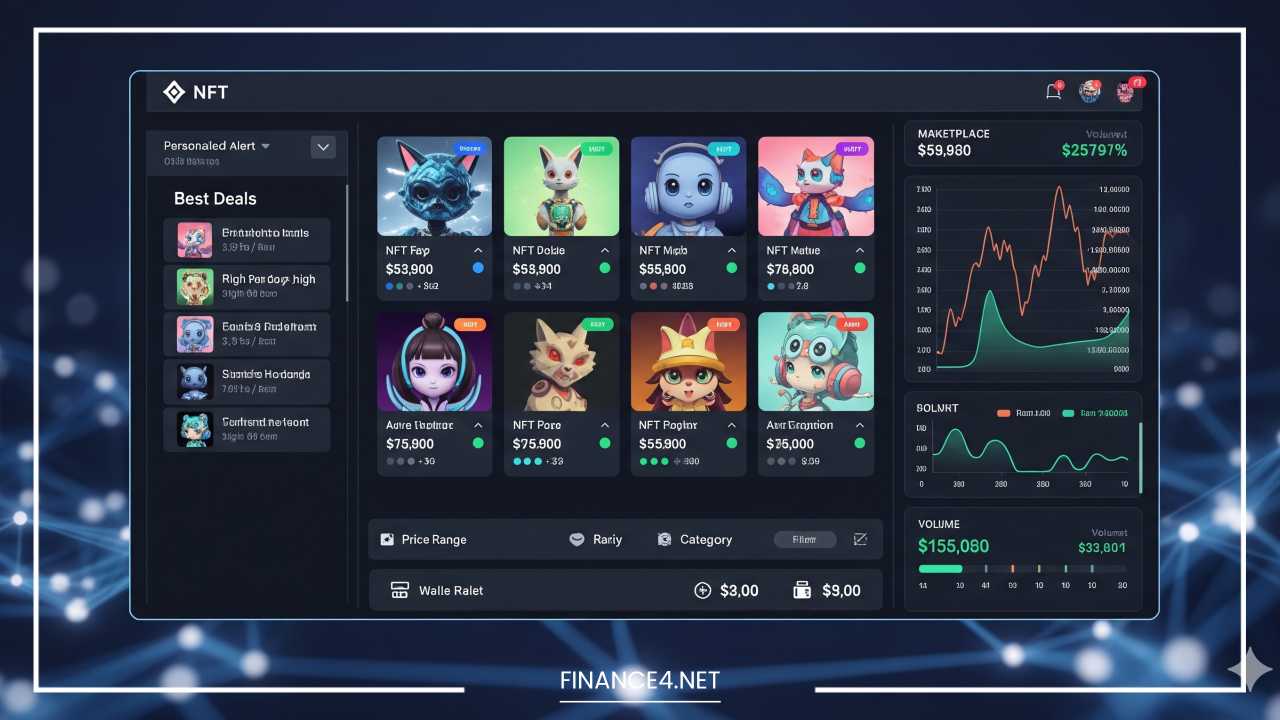
Best Aggregator to Find NFT Deals | Top NFT Deal Finder Platforms
The Non-Fungible Token (NFT) market is one of the most volatile, fast-moving, and complex sectors of the Web3 economy. It operates at an incredible pace, where a fraction of a Bitcoin in profit or loss can be made in the time it takes to refresh a web page. For collectors and traders, the goal remains the same: find an underpriced asset, acquire it quickly, and maximize returns. However, scouring multiple independent marketplaces like OpenSea, LooksRare, or Magic Eden for that one, rare, mispriced “deal” is an exhaustive, often futile, task.
This demanding landscape gave birth to an essential tool: the NFT Aggregator.
NFT aggregators are the single most crucial piece of software for any serious NFT trader or collector. They act as a centralized command center, pooling data and listings from dozens of marketplaces into one unified interface. They save not only time but, critically, money on gas fees and missed opportunities.
This comprehensive guide delves into the best NFT aggregators available today, comparing their features, identifying their ideal users, and providing a framework for how to leverage them to secure the best NFT deals on the market.
What is an NFT Aggregator?
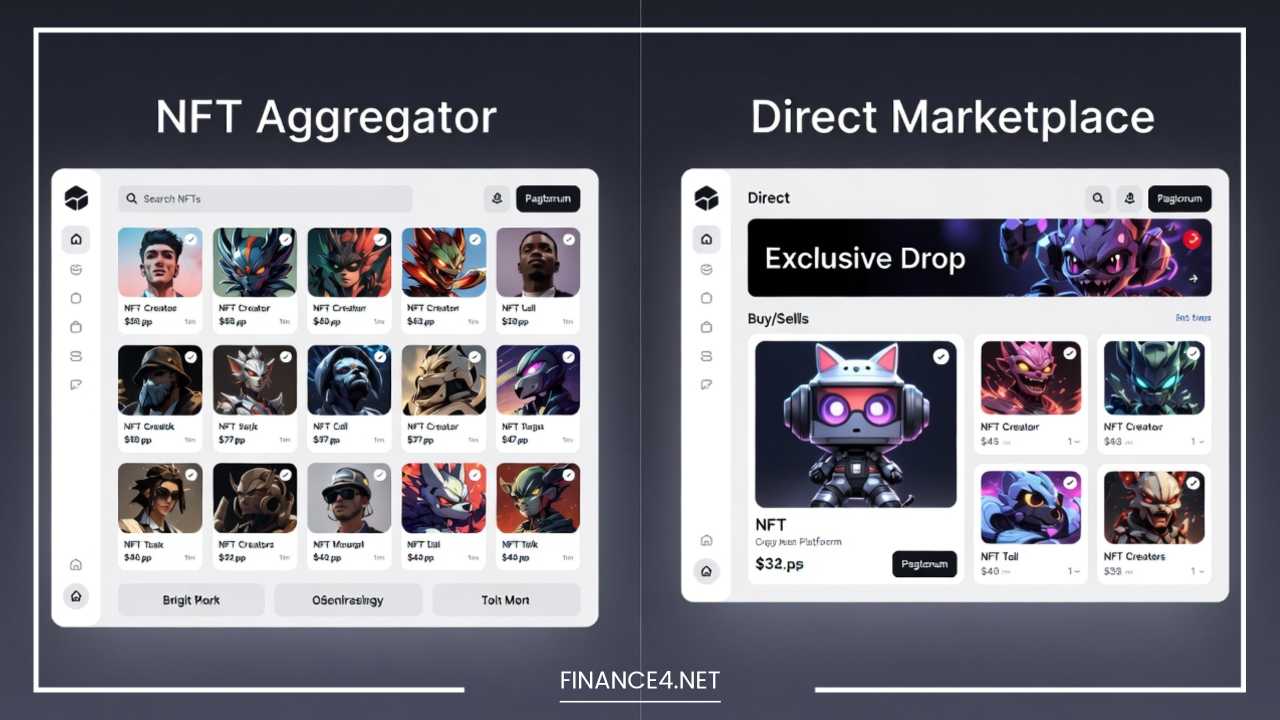
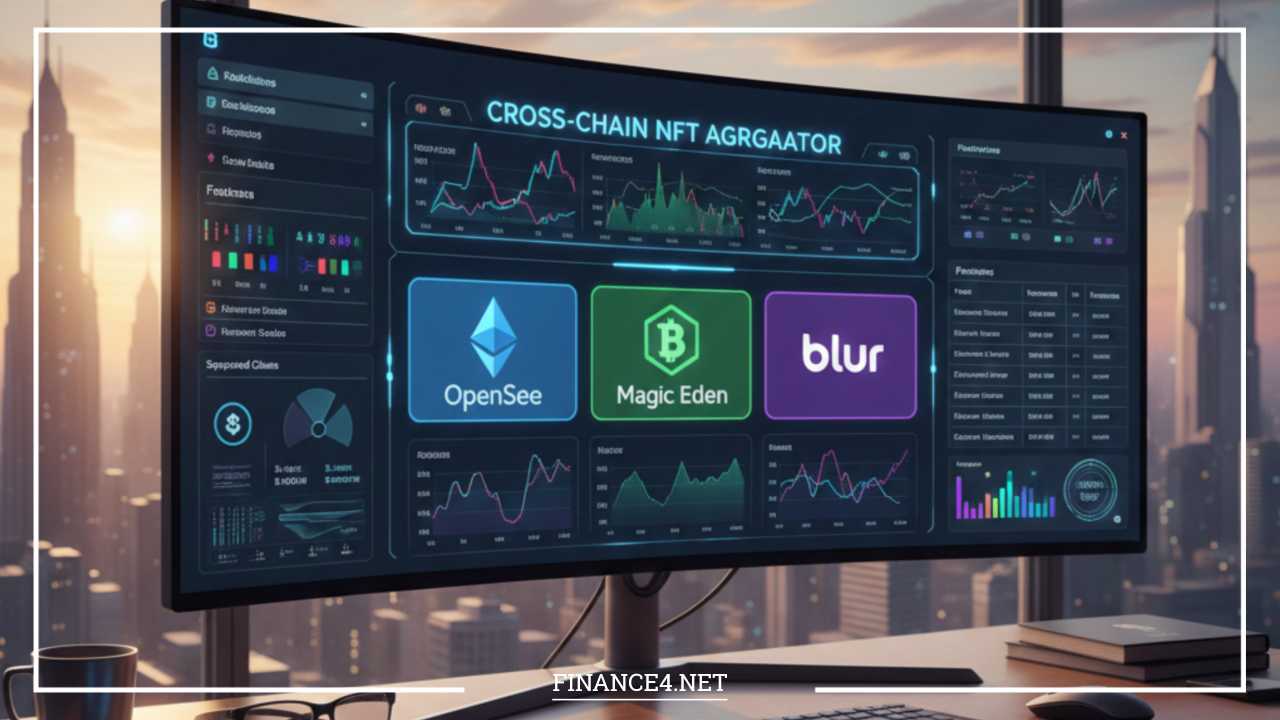
An NFT aggregator is a platform that consolidates NFT listings and data from various underlying marketplaces onto a single, cohesive user interface. Think of it as the Expedia or Kayak of the NFT world. Just as those platforms pull flight data from hundreds of airlines, an NFT aggregator pulls real-time buy and list orders from OpenSea, Blur, LooksRare, X2Y2, and numerous other secondary markets.
The core function of an aggregator is to provide a single point of access, which streamlines the discovery and purchasing process for a fragmented market. Without an aggregator, a trader might have to check three different websites to ensure they are buying the absolute floor price on a given collection. With an aggregator, all listings are displayed side-by-side, ranked by price, rarity, and recency, allowing for instant execution.
Overview of Core Aggregator Functions
Aggregators evolve rapidly, constantly adding tools that cater to the professional trader. Their essential functions include:
- Unified Listings: The most basic and necessary function. All available NFTs from a single collection across all supported marketplaces are displayed in one feed.
- Price Comparisons: Instant visualization of the floor price across different markets, immediately highlighting any arbitrage opportunities (buying on one market and selling instantly on another for a small profit).
- Rarity Scoring: Integration with third-party or proprietary rarity algorithms to rank every NFT based on the statistical uniqueness of its traits. This is essential for quickly identifying a “rare snipe.”
- Sniping Tools: Features that enable rapid execution, often allowing a trader to buy multiple floor NFTs or highly-ranked NFTs in a single, near-instant transaction.
- Gas Optimization: Smart contract engineering that allows for the purchase of multiple NFTs across multiple marketplaces (sweeping the floor) in a single blockchain transaction, dramatically reducing the total network gas fee incurred.
- Analytics and Historical Data: Providing volume, price history, recent sales, and wallet distribution data to aid in trade decision-making.
Why Use an NFT Aggregator to Find Deals?
For a long time, the phrase “degen speed” was used to describe the frantic, rapid-fire nature of NFT trading. Aggregators institutionalized that speed, turning what was once a chaotic free-for-all into a professional, data-driven activity. The benefits of using these tools directly translate into profit opportunities.
Benefits of Aggregators
- Save Time (and Stress): Instead of bouncing between OpenSea, Blur, and others, a single dashboard provides a complete market view, consolidating research and execution into one window.
- Better Pricing and Arbitrage: By displaying the lowest listings across all platforms, an aggregator ensures you always buy at the cheapest possible price. Moreover, it exposes instances where the price for the same NFT differs slightly between marketplaces, enabling low-risk arbitrage trades.
- Access to Rarity and Value-Finding Tools: The integration of rarity scoring and sophisticated filters allows a trader to quickly sort a collection by the rarity of its traits. This is the single most effective way to find a deal, as traders often mistakenly list a rare NFT (Rank #50) for the floor price (Rank #10,000) simply because they don’t know its true value.
- Discover Underpriced NFTs Faster (Sniping): The speed of a good aggregator is its ultimate advantage. When a user lists an NFT significantly below the floor, an aggregator’s real-time feed lets a trader “snipe” the listing—buying it before anyone else can—often within seconds.
The Problem with Manual Searching
Manual trading—relying on the native marketplace interface—has several inherent disadvantages that aggregators solve:
- Incomplete Data: You’re only seeing listings from one market, meaning you might miss the cheapest listing on a competing platform.
- High Gas Fees: Buying two floor NFTs from two different marketplaces requires two separate transactions and thus two separate, expensive Ethereum gas fees. Aggregators bundle these buys to save on gas.
- Missing Limited-Time Offers: New listings, especially mispriced ones, get swept almost instantly. Without the combined speed and data stream of an aggregator, you will almost certainly miss the most lucrative snipes.
Key Features to Look for in an NFT Deal Aggregator
Not all aggregators are created equal. The most powerful tools combine execution speed with sophisticated data analysis. When evaluating the best aggregator for your trading style, prioritize the following features:
Multi-Marketplace Support
A top-tier aggregator must support all major Ethereum-based marketplaces, including OpenSea, Blur, LooksRare, X2Y2, and others. Broader support means a more complete picture of the market and a higher likelihood of finding a mispriced listing.
Real-Time Pricing and Updates
Data latency is the enemy of the NFT trader. A good aggregator provides a near-instant feed of new listings and price changes, often updating every few seconds, to ensure you can react to a deal before others.
Rarity Tools and Trait Analysis
This is a non-negotiable feature for power users. The aggregator should display a Rarity Rank or Rarity Score next to every NFT listing, allowing users to filter collections to find rare items that are selling near the floor price. The best tools also allow you to filter by specific traits (e.g., “only show me NFTs with a Gold background and a Laser Eye”).
Sniping and Alert Systems
A Sniping Tool allows for quick purchasing of the lowest-priced or highest-rarity items. An advanced feature is the ability to “sweep the floor”—buying multiple of the cheapest available NFTs in a collection across all markets in one go. Furthermore, customizable Alert Systems can notify you when a mispriced rare item or an NFT below a certain floor percentage is listed.
Gas Fee Optimization
This is a technical but critical feature. Optimized smart contracts allow for the bundling of multiple orders (even from different marketplaces) into a single, highly-efficient transaction on the blockchain. This single feature can save an active trader hundreds of dollars in network fees per week.
Wallet Analytics and Portfolio Tracking
The best tools offer a dashboard that tracks the P&L (Profit and Loss) of your current NFT holdings, displaying cost basis, current floor value, and even providing insights into the holdings of prominent or “alpha” wallets.
Custom Filters and User Interface (UI)
The ability to quickly filter by criteria like collection, price range, specific traits, recent listing time, and rarity score is essential. The interface must be fast, intuitive, and designed for speed—often sacrificing aesthetics for utility.
Best NFT Aggregators (Detailed List & Comparison)
The NFT aggregator landscape is dominated by a few key players, each catering to a slightly different user profile, from the hyper-competitive professional trader to the casual collector.
1. Blur.io 🥇
Blur is arguably the most dominant aggregator/marketplace for professional traders. It launched with an aggressive, token-based incentive model that rapidly captured market share from other platforms. Its design is starkly utilitarian, mimicking a financial trading terminal more than a glossy consumer marketplace.
Key Features:
- Bid System and Rewards: Incentivized bidding and listing programs often rewarded users with $BLUR tokens, driving massive trading volume.
- Real-time Order Book: Displays bids and asks much like a traditional crypto exchange, giving traders immediate visibility into price support and depth.
- Fastest Sweeping: Renowned for its unparalleled speed in sweeping the floor (buying multiple floor NFTs simultaneously).
- Zero Marketplace Fees (Historically): It initially focused on a 0% marketplace fee model to undercut the competition, making it incredibly attractive to high-volume traders, though fee structures can be subject to change based on project royalties.
Pros & Cons:
Best For: High-volume professional NFT traders and “flippers” who prioritize speed, low execution fees, and deep liquidity above all else.
2. OpenSea Pro (formerly Gem.xyz) 🥈
OpenSea Pro is the rebranded and highly refined version of the pioneering NFT aggregator Gem.xyz, which was acquired by OpenSea. This move established OpenSea Pro as the official aggregator arm of the market leader. It strikes a balance between the hyper-speed of Blur and the user-friendliness of a consumer platform.
Key Features:
- Unified Interface with OpenSea Power: Offers the reliability and broad collection support of OpenSea while aggregating listings from dozens of other platforms.
- Gas-Optimized Floor Sweeping: Inherited Gem’s highly efficient smart contracts, allowing users to buy up to 100 NFTs in a single, gas-efficient transaction.
- Visual Rarity and Trait Filtering: Maintains a very clean and intuitive filtering system, making it easy for intermediate users to filter for traits and rarity.
Pros & Cons:
Best For: All-around NFT traders who need reliable, fast, and feature-rich aggregation combined with the security and breadth of the largest ecosystem.
3. Rarible Aggregator / Rarible Protocol
While Rarible started as a single marketplace, its transition into the Rarible Protocol has made it a foundational piece of the aggregation ecosystem. The protocol is an open-source standard designed to power decentralized NFT applications across multiple blockchains. The front-end marketplace now aggregates listings from multiple marketplaces (including OpenSea) via its own protocol.
Key Features:
- Community-Focused and Decentralized: Governed by the RARI token holders.
- Multi-Chain Support: Native support for a wider array of chains than many competitors, including Ethereum, Polygon, Flow, Tezos, Solana, and more.
- Clean UI: Generally regarded as having one of the cleanest and most aesthetically pleasing user interfaces.
Pros & Cons:
Best For: Collectors and creators who value multi-chain functionality, clean design, and a more community-centric approach over the extreme speed of pro-trader tools.
4. Reservoir
Reservoir is less of a consumer-facing platform and more of a powerful backend API and open-source infrastructure. Many smaller aggregators, marketplaces, and developer-focused tools rely on Reservoir’s technology to consolidate liquidity across all major protocols.
Key Features:
- Liquidity Aggregation: Provides the core technology for pulling listings from every source.
- API-Focused: Its main users are developers building front-end applications, not direct traders.
- Cross-Chain Focus: Designed to be highly scalable and blockchain-agnostic.
Best For: Developers and third-party platforms that want to launch their own branded NFT aggregators or analytical tools. Traders will use platforms powered by Reservoir, but rarely the core technology itself.
5. Advanced Sniping Tools (NFTNerds / Trait Sniper)
In addition to the main aggregators, a class of highly specialized tools focuses almost exclusively on sniping and rarity analysis, often employing subscription models due to the value of their data.
- Trait Sniper: Offers instant rarity rankings for newly minted collections—a key advantage when a project first drops. It provides real-time alerts and browser extensions for extremely fast execution.
- NFTNerds: A data-driven platform focused on providing market data and rarity insights for serious investors. It’s known for its rapid refresh rate and low-latency data feeds.
- Alpha Sharks: Focuses on real-time market insights, including whale-watching (tracking large wallet activity) and advanced charting to detect shifts in floor price and liquidity.
Best For: Hyper-competitive traders willing to pay a premium for a slight data advantage in the initial minutes of a major NFT drop or when hunting for mispriced rarities.
Other Noteworthy Mentions
- Mintify: An aggregator and toolkit that includes unique features like a private bidding tool and advanced wallet tracking analytics.
- Flip.xyz: Provides tools for understanding the profit and loss (P&L) of other traders, helping users follow “smart money” wallets and understand market sentiment.
- Floor App: A mobile-first platform focused on portfolio tracking and discovery, providing a clean interface for monitoring floor prices and news on-the-go.
How to Use an NFT Aggregator Effectively
The power of an aggregator lies in its features, but its efficacy depends on the trader’s strategy. Finding a deal is a structured process best executed with a tool like OpenSea Pro or Blur.
Step-by-Step Deal Hunting
- Connect Wallet: Securely connect your Web3 wallet (e.g., MetaMask, Trust Wallet) to the aggregator. This is necessary to execute trades and to enable wallet analytics.
- Select a Collection and Set Filters: Navigate to a collection you’ve researched (DYOR is always key). Immediately apply critical filters:
- Max Price: Set a price cap near or slightly below the current floor price.
- Rarity Score/Rank: Filter to only show NFTs with a rank higher than a certain threshold (e.g., only show the Top 200 ranked NFTs in the collection).
- Time Listed: Filter by “Recently Listed” to catch fresh snipes.
- Analyze Listings: Scan the filtered list. The goal is to find an NFT with a high Rarity Rank (e.g., Rank #500) listed at or near the floor price (which corresponds to Rank #8000).
- Use the Rarity Ranking as a Compass: If an NFT with a Rarity Rank of #150 is listed for 1.0 ETH, and the next Rarity Rank #151 is listed for 1.5 ETH, you’ve found a $0.5 ETH deal. The rarity rank is your primary tool for detecting a valuation error by the seller.
- Place a Bid or Buy: If you find the deal, use the aggregator’s one-click buy feature. For floor-sweeping, select multiple items and use the “Buy All” or “Sweep” function to execute a single, gas-optimized transaction.
Pro-Trader Tips for Sniping
- Watch Gas Prices: Use the aggregator’s built-in gas tracker (or an external one) to trade when the network congestion is low (often late at night or on weekends). Lower gas fees mean higher profit margins.
- Look for Mispriced Rare NFTs (The Holy Grail): Always sort by price ascending and scan the top of the list for high rarity ranks. Sellers often use market floor-setting tools that ignore trait rarity, listing all their holdings at the lowest available price.
- Monitor “Recently Listed” Deals: The seconds after an NFT is listed are the most crucial. The fastest aggregators will display this listing almost instantly, giving you a small window to snipe before the general market sees the offer.
- Follow Whale Wallets: Some aggregators allow you to track the buying and selling activity of known successful NFT traders. Mimicking their movements is a common alpha-finding strategy.
Risks & Limitations
While NFT aggregators are powerful, they are not a silver bullet and come with their own set of risks that traders must be aware of.
Smart Contract Risk
When you interact with an aggregator, you are not interacting directly with a marketplace’s smart contract, but with the aggregator’s own optimized smart contract. While major platforms like Blur and OpenSea Pro are extensively audited, any interaction with a complex new smart contract carries an inherent risk of a security vulnerability or exploit. Always stick to the most reputable and established aggregators.
Fake Listings and Scams
Aggregators pull data from numerous sources, and sometimes malicious actors attempt to list fraudulent or inauthentic NFTs, especially on lesser-known, newly integrated marketplaces. Always cross-reference the collection details and look for the “verified” checkmark on a primary marketplace like OpenSea before executing a major purchase.
Data Delays or API Downtime
In moments of extreme market congestion (e.g., during a major drop), even the best aggregators can experience minor delays in data feed or API downtime. A delay of just a few seconds can cost a trader a lucrative snipe. Relying completely on the tool’s real-time accuracy without checking the native market is a risk.
Over-Reliance on Tools (DYOR is King)
A rarity score is only a statistical measure. It is not an absolute valuation. Do Your Own Research (DYOR) is the cardinal rule of Web3. The community can collectively decide that a statistically common trait is visually appealing and thus more valuable than a statistically rare, but visually unappealing, trait. Use rarity scores as a guide, not a final arbiter of value.
Future of NFT Aggregators
The evolution of NFT aggregators is tightly coupled with the broader development of the Web3 space. The tools will become increasingly sophisticated, moving beyond simple aggregation toward true, predictive trading platforms.
Integration with More Blockchains
While Ethereum remains the primary focus, the future will see aggregators seamlessly integrating liquidity from major alternative chains like Solana, Tezos, Avalanche, and new Layer-2 solutions. Multi-chain trading from a single interface will become the standard.
AI-Powered Deal Detection
The next generation of aggregators will leverage machine learning and artificial intelligence to find deals. Instead of simply relying on a statistical rarity score, AI models could:
- Predict Mispricing: Instantly flag an NFT that is visually similar to recently sold high-value NFTs but is listed below a computed estimate.
- Analyze Sentiment: Integrate social media sentiment data (from Twitter/Discord) to predict which collections are gaining momentum, allowing traders to buy before the floor price reacts.
Mobile-First Aggregators
As more people trade on the go, the demand for highly optimized, powerful mobile applications will grow. The Floor App is an early example, but future versions will integrate full-service sniping and sweeping from a smartphone, bringing high-speed trading to a truly global, 24/7 audience.
Community-Driven Curation
Aggregators could evolve to allow users to flag, label, and curate listings. For instance, a community could collaboratively mark “high-art” pieces that defy rarity rankings or flag suspected scam listings, adding a layer of social verification to the raw data.
Final Thoughts
The NFT market is a digital gold rush, and the NFT aggregator is the essential high-tech metal detector. Without one, finding a profitable deal means fighting against the speed of the most advanced traders in a fragmented and fast-moving ecosystem.
The best aggregator is the one that fits your specific needs:
- If you are a professional flipper: Blur offers the highest speed and deepest liquidity.
- If you are a serious, well-rounded trader: OpenSea Pro provides the best balance of speed, gas optimization, and a familiar, powerful interface.
- If you are a collector focused on multi-chain art: Rarible offers a clean, multi-chain, and community-centric experience.
The key to success is to try a few, get comfortable with the interface, and—most importantly—incorporate the rarity scoring tools into your core trading strategy. Stay safe, be aware of the smart contract risks, and always remember that in the world of Web3, speed plus data equals profit. Embrace the aggregator, and you will dramatically increase your odds of securing the best deals the NFT market has to offer.