How to Choose a Reliable NFT Marketplace
 by
by 
How to Choose a Reliable NFT Marketplace | Tips & Guide
The rise of Non-Fungible Tokens (NFTs) has fundamentally reshaped the digital landscape, offering a revolutionary way to prove ownership of unique digital assets. From digital art and music to virtual real estate and collectibles, NFTs have captured the attention of creators, collectors, and investors worldwide. However, the rapidly expanding NFT ecosystem can be complex, and the platform you choose for trading—the NFT marketplace—is the single most crucial factor for a secure and successful experience.
Choosing the right marketplace is not merely about finding the largest one; it is about finding a platform that aligns with your specific needs, offers robust security, features a transparent fee structure, and provides a stable, user-friendly environment. A poor choice can expose you to scams, hidden costs, and frustrating technical limitations, making the process of buying or selling a risky endeavor.
This comprehensive guide will navigate you through the essential considerations, helping you confidently select a reliable NFT marketplace, whether you are a seasoned collector or taking your first step into the world of digital ownership.
Understanding NFTs and Marketplaces
Before diving into selection criteria, it is important to clearly define the ecosystem.
What is an NFT Marketplace?
An NFT marketplace is a digital platform that serves as a decentralized or centralized hub for the buying, selling, trading, and often, the creation (or minting) of Non-Fungible Tokens. They function similarly to an online art gallery, auction house, or e-commerce site, but the transactions are executed using blockchain technology and governed by smart contracts.
Key functions of a marketplace include:
-
Listing: Allowing creators to upload their digital assets and mint them as NFTs on a chosen blockchain.
-
Discovery: Providing tools like search filters, categories, and sorting options for buyers to browse assets.
-
Transaction: Facilitating the secure, verifiable transfer of ownership from seller to buyer, typically using cryptocurrency.
-
Wallet Integration: Requiring users to connect a compatible crypto wallet (like MetaMask or Trust Wallet) to store their assets and funds, which acts as their digital identity on the platform.
Types of NFT Marketplaces
NFT marketplaces are generally categorized based on their control and access, which has a significant impact on the user experience and the quality of assets.
-
Centralized vs. Decentralized Marketplaces:
-
Centralized: These are operated by a single entity or company (e.g., OpenSea). They tend to offer a more traditional, user-friendly interface, faster transactions, and often dedicated customer support, similar to traditional e-commerce. However, the central authority has ultimate control and is a single point of failure for potential security risks.
-
Decentralized: These operate primarily via smart contracts on the blockchain, distributing control among participants (e.g., Rarible, which is community-governed). They offer greater transparency and security through the immutable nature of the blockchain, but the user experience can sometimes be less streamlined, and transaction speeds can be slower.
-
-
Open vs. Curated Marketplaces:
-
Open (Non-Curated): These platforms allow anyone to register, mint, and sell an NFT (e.g., OpenSea). They offer the largest variety and volume of NFTs, making them excellent for broad discovery, but the sheer number of listings means the quality can vary widely, and the risk of encountering counterfeit or low-effort projects is higher.
-
Curated (Exclusive): These marketplaces have a strict application and vetting process for creators (e.g., Foundation, SuperRare). They focus on high-quality, professional, and unique artwork, often commanding higher average prices. They are ideal for high-end collectors and established artists, but they are less accessible to newcomers.
-
Key Factors to Consider When Choosing an NFT Marketplace
The decision-making process should be a thorough evaluation based on the following critical factors.
1. Reputation and Trustworthiness
A marketplace’s reputation is your first line of defense against risk. A reliable platform should have a proven history of stability, fair practices, and community trust.
-
Solid Track Record: Look for marketplaces that have been operating successfully for a significant period and have consistently maintained high transaction volumes. Longevity often suggests reliability and a commitment to continuous improvement.
-
User Reviews and Feedback: Research external reviews on cryptocurrency forums, social media, and independent rating sites. Pay close attention to feedback regarding customer support, dispute resolution, and overall platform performance.
-
Community Credibility: Popular platforms often gain established credibility simply due to their widespread use. Platforms like OpenSea and Rarible, while different in their structure, are widely known and have large, active user bases, which lends them a degree of inherent trust. Be wary of new, heavily marketed platforms with an anonymous team and no track record.
2. Security Features
The security of your digital assets and cryptocurrency is non-negotiable. A reliable marketplace must employ robust security protocols.
-
Robust Protocols: Essential security features include two-factor authentication (2FA) for login and sensitive actions, and strong encryption for all user data. Ensure the marketplace does not hold or have access to your private wallet keys; all secure NFT platforms should be non-custodial regarding your primary wallet.
-
Security Track Record: Investigate any past security breaches. While no platform is immune to all risk, a reliable marketplace should be transparent about any incidents and demonstrate a swift, effective response to patch vulnerabilities and compensate affected users where necessary.
-
Smart Contract Audits: For decentralized or proprietary marketplaces, check if their smart contracts have been audited by reputable third-party security firms. A public audit provides assurance that the underlying code governing transactions is secure and free of critical vulnerabilities.
3. Fees and Transaction Costs
NFT marketplaces charge fees to sustain their operations, and these costs can significantly impact your profitability. Understanding the fee structure is vital before engaging in any transaction.
-
Types of Fees:
-
Listing/Minting Fees: Charged to the creator to register the digital asset as an NFT on the blockchain (a gas fee) or sometimes a small fee charged by the platform for the listing itself. Many platforms now offer “lazy minting,” which delays the gas fee until the item is sold.
-
Transaction Fees (Service Fees): A percentage of the final sale price charged by the marketplace. For instance, a platform might charge a 2.5% service fee on every sale.
-
Royalty Fees: Fees set by the creator that are automatically paid to them on every secondary sale of their NFT. This is a powerful feature of NFTs, but sellers should factor this into their costs.
-
-
Be Mindful of Gas Fees: The biggest variable cost is the blockchain network fee, or gas fee (especially on the Ethereum network), which is paid to miners/validators to process the transaction. These fees fluctuate drastically based on network congestion. A reliable marketplace will often display an estimate or provide advice on the best times to transact.
-
Hidden Costs: Look for absolute transparency. If a marketplace’s fee structure is vague, poorly documented, or appears too good to be true, consider it a major red flag.
4. Supported Blockchains and Tokens
NFTs are tied to a specific blockchain, and not all marketplaces support the same ones. Your choice of blockchain affects transaction speed, cost, and the NFT you can trade.
-
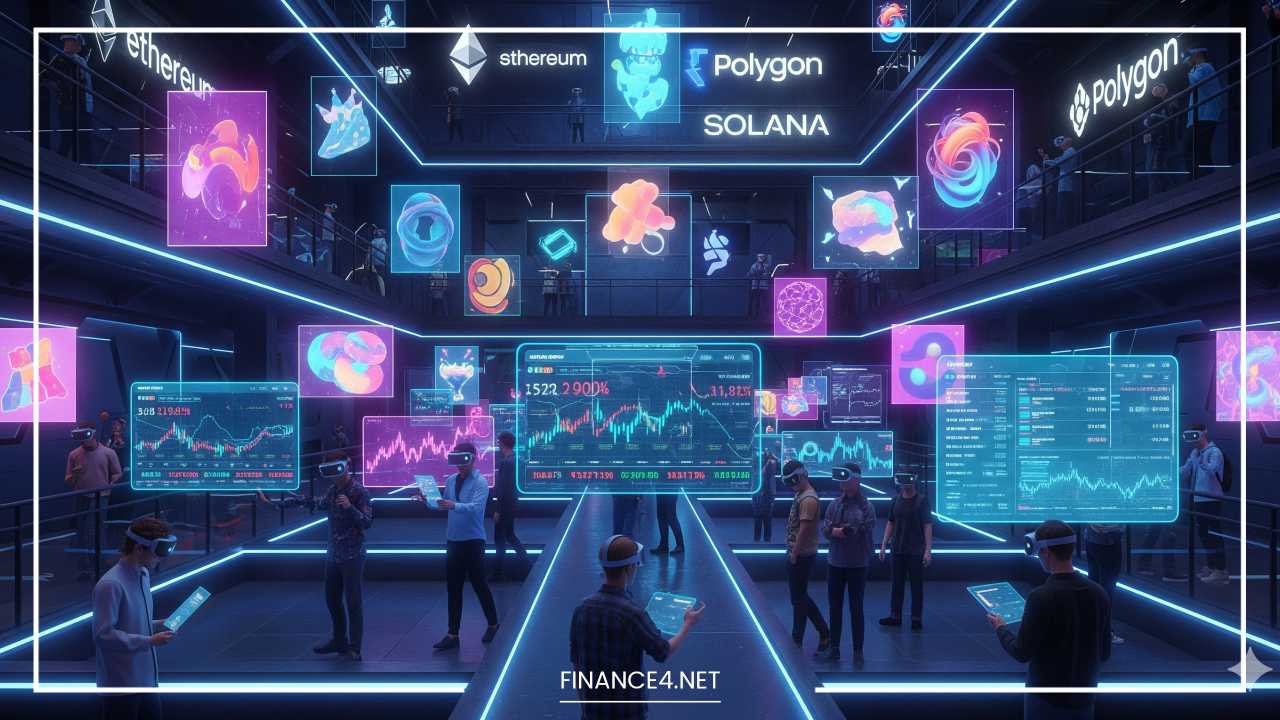
Blockchain Compatibility: Most marketplaces support the Ethereum blockchain (ERC-721 and ERC-1155 token standards), but many now also support faster, cheaper alternatives like Polygon (Matic), Solana, Tezos, BNB Chain, and Avalanche.
-
Strategic Choice:
-
Ethereum: Offers the highest liquidity and the most reputable collections, but comes with high, volatile gas fees.
-
Polygon/Solana: Offer significantly lower transaction costs and faster speeds, making them ideal for high-volume traders or creators on a budget.
-
-
Supported Currencies: Ensure the platform supports the cryptocurrency you own or plan to use, whether it’s ETH, SOL, MATIC, or stablecoins like USDC.
5. User Interface and Experience
A complicated or confusing interface can lead to costly errors, especially for beginners. The best marketplace is one that provides a seamless and intuitive user journey.
-
Ease of Navigation: The platform should be logically structured, making it easy to connect your wallet, browse listings, set up a profile, and execute transactions.
-
Quality of Tools: Look for excellent search functionality, advanced filters (e.g., by collection, trait, price, rarity), and clear sorting options.
-
Mobile Experience: For users who trade on the go, a well-optimized mobile website or a dedicated, secure mobile app is a significant advantage. A poor mobile experience can be a security risk.
-
Clear Information: Listings should clearly display all essential information: the NFT’s creator, contract address, price history, current bids, and royalty percentage.
6. Variety and Quality of NFTs Available
The range and curation of the assets on a marketplace should align with your goals as a buyer or seller.
-
Niche vs. General:
-
General Marketplaces (OpenSea): Offer massive variety—art, collectibles, gaming items, music, utility tokens—and are suitable for broad exposure.
-
Niche Marketplaces (Foundation, NBA Top Shot): Focus on specific categories like high-end art or sports collectibles. If you are interested in a niche area, a specialized marketplace may offer better community and discoverability.
-
-
Quality Control: If quality is your priority, opt for a curated marketplace that vets its artists. If volume and variety are your priority, an open marketplace is the way to go, but be prepared to spend more time vetting individual projects yourself.
7. Community and Support
A strong, active community and responsive support system are vital when things go wrong in a fast-paced and technical market.
-
Customer Support: A reliable marketplace should offer multiple channels of support, such as a knowledge base, detailed FAQs, email support, and, ideally, live chat. Since transactions involve real funds, responsive support for critical issues (failed transactions, compromised accounts) is paramount.
-
Community Involvement: A thriving community (on platforms like Discord, Twitter, or forums) can be a great source of information, help, and verification. It also acts as a social proof of the platform’s overall health and reputation.
-
Transparency from Management: Look for a platform whose team is transparent about its roadmap, any issues, and its long-term vision.
8. Liquidity and Volume of Transactions
Liquidity refers to how easily an asset can be bought or sold without affecting its price. High-volume marketplaces offer better liquidity.
-
Transaction Volume: Check the marketplace’s daily, weekly, and monthly transaction volume. High volume indicates a large user base and strong market activity, which means sellers are more likely to find buyers, and buyers are more likely to find a wide array of listings.
-
Active Users: A marketplace with high liquidity and a large number of active users suggests a healthy ecosystem where transactions are processed quickly and prices are reflective of true market value.
9. Minting Process and Features
If you are a creator, the minting features of a marketplace will be a major determining factor.
-
Ease of Minting: The process of tokenizing your digital asset should be straightforward. Some platforms simplify this process greatly, requiring minimal technical expertise.
-
Creator Tools: Look for features that benefit creators, such as:
-
Gas-less Minting (Lazy Minting): Where the buyer, not the creator, pays the gas fee upon the first purchase.
-
Custom Royalties: The ability to easily set your desired royalty percentage for secondary sales.
-
Collection Creation Tools: Features that allow for the easy launch and management of entire NFT collections.
-
Top NFT Marketplaces
To put the above factors into context, here is a brief comparison of some of the leading NFT marketplaces.
| Marketplace | Primary Focus | Platform Fee (Typically paid by seller) | Pros | Cons |
| OpenSea | General/All Categories | 2.5% | Largest marketplace; highest liquidity; user-friendly; supports multiple blockchains (ETH, Polygon, Klaytn, Solana). | Open to all, leading to varying quality; high Ethereum gas fees during peak times. |
| Rarible | General/Community-Driven | 2.5% | Community-governed (RARI token); multi-chain support; strong creator focus with customized storefronts. | Can draw scrutiny for lower-quality or counterfeit listings; mobile app has limited features. |
| Foundation | Curated/Digital Art | 15% (on primary sales) | Highly curated art; high-quality, professional assets; strong brand and artist discoverability. | Invite-only for creators (exclusive); high commission on primary sales; higher gas fees. |
| SuperRare | Exclusive/High-End Art | 3% (buyer fee) + 15% (primary sale commission) | Meticulously curated, often one-of-a-kind pieces; 10% lifetime royalties for artists. | Very exclusive (high barrier to entry for creators); high average NFT prices; 3% buyer fee. |
-
Emerging/Niche Marketplaces: Look at platforms like Magic Eden (focusing on Solana for speed/low cost) or NBA Top Shot (a proprietary marketplace for sports collectibles) if your interests are highly specialized. They often offer a hyper-focused community but may have lower overall liquidity compared to the giants.
Red Flags to Watch Out For
While the NFT space is innovative, it is also a target for scams and dubious projects. A reliable user should always be alert to the following warnings.
-
Unclear Fees or Hidden Charges: If a marketplace’s fee structure is not clearly and publicly displayed in an accessible policy, it suggests a lack of transparency. Be cautious of platforms that only reveal high gas or transaction fees late in the purchase process.
-
Poor Security Practices: Marketplaces that do not offer or enforce basic security measures like 2FA, or which have a history of significant, unmitigated hacks, should be avoided. Never use a platform that asks for your wallet’s private key or seed phrase.
-
Lack of Transparency in Management: If the team behind the marketplace is completely anonymous with no publicly verifiable track record or communication, it is a riskier venture. This is a common setup for “rug pulls,” where the project owners suddenly abandon the platform after raising funds.
-
Limited or Non-Existent Customer Support: The inability to contact support, or a community filled with complaints about unresponsive support, is a major red flag. If a transaction fails or funds disappear, you need a reliable path to resolution.
-
Prevalence of Counterfeit or Fake Projects: In open marketplaces, it’s crucial to look for verification checks. If the platform makes no effort to curb the listing of stolen or copied artwork, it creates a toxic environment and signals poor management. Always check if the NFT’s smart contract address links back to the verified collection creator.
How to Safely Buy and Sell NFTs
Once you have chosen a reliable marketplace, follow these steps to ensure secure trading.
1. Setting Up a Digital Wallet
Your crypto wallet is your identity, bank account, and secure storage for your NFTs.
-
Choose a Reputable Wallet: Use well-known and audited wallets compatible with your chosen blockchain (e.g., MetaMask for Ethereum/Polygon, Trust Wallet, or a hardware wallet like Ledger for maximum security).
-
Never Share Your Private Key/Seed Phrase: This phrase is the master key to your funds. Anyone who possesses it can instantly empty your wallet. A legitimate marketplace will never ask you for this information.
-
Fund Your Wallet: Purchase the required cryptocurrency (e.g., ETH, SOL) from a reputable exchange and transfer it to your linked wallet address. Remember to always include extra funds to cover gas fees.
2. Verify Listings and Sellers
The largest risk comes from interacting with fraudulent assets. Always Do Your Own Research (DYOR).
-
Check Verification: Look for the marketplace’s official “verified” badge next to a collection’s or creator’s name. This indicates the platform has done an authenticity check.
-
Review Activity and Provenance: Examine the NFT’s transaction history on the blockchain. Has it been traded before? Is the current seller the original creator? Suspiciously low activity or a completely new, unverified seller should raise caution.
-
Cross-Reference: Verify the NFT’s smart contract address with the official project website or social media channels. Scammers often use slightly altered contracts to sell fake NFTs.
3. Using Secure Payment Methods
All legitimate NFT transactions occur on the blockchain via smart contracts.
-
Cryptocurrency Transactions: Ensure you have enough cryptocurrency in your connected wallet to cover the NFT price plus the expected gas fees.
-
Avoid External Payments: Never agree to pay a seller directly through a means outside of the marketplace’s verified smart contract system (e.g., directly via a private crypto transfer or bank wire). The smart contract is what automates and guarantees the secure transfer of ownership.
-
Check the Currency: Before accepting an offer, particularly for selling, double-check that the currency being offered is the expected one and not a lower-value token with a similar name. This is a common bidding scam.
4. Avoiding Common Scams
Be vigilant against common attacks:
-
Phishing: Never click on unsolicited links for NFT giveaways, new drops, or wallet warnings, especially those received via email, Discord DMs, or social media. Always navigate directly to the official marketplace URL.
-
Counterfeit NFTs: As noted, always verify the creator and contract address.
-
Pump and Dump/Rug Pulls: These are common to unverified projects. Be wary of projects promising unrealistic returns or being promoted aggressively by newly created, unverified social media accounts. Always check the project’s roadmap and the team’s public-facing credibility.
Final Thoughts
The decision of how to choose a reliable NFT marketplace is arguably the most critical step in your non-fungible journey. The platform you select will determine the security of your assets, the overall cost of your transactions, the quality of the assets you discover, and the ease of your entire trading experience.
To make an informed choice, you must weigh the trade-offs: the high liquidity and variety of an open, centralized marketplace like OpenSea versus the higher quality and exclusivity of a curated platform like Foundation. You must balance the high costs of the Ethereum network against the faster, cheaper transactions of alternative blockchains.
Ultimately, a truly reliable marketplace is defined by transparency, robust security protocols, and a clear, documented fee structure. By performing thorough research into a platform’s reputation, assessing its security track record, and ensuring its features align with your specific goals as a buyer, seller, or creator, you can minimize risk and maximize your potential for success.
The NFT market is built on the promise of trust and ownership secured by technology. Take the time to understand the underlying mechanics, be vigilant against scams, and with the knowledge gained from this guide, you can confidently explore marketplaces and begin trading non-fungible tokens in a secure and reliable environment.