Cheapest Bridging Solutions for Small NFT Transfers
 by
by 
Cheapest Bridging Solutions for Small NFT Transfers | Fast & Affordable Options
The digital art revolution is in full swing, and Non-Fungible Tokens (NFTs) stand at the forefront. Essentially, an NFT is a unique cryptographic token that exists on a blockchain and cannot be replicated. It represents ownership of a unique item, whether digital (like a piece of art, a collectible, or an in-game asset) or even physical. Their popularity has exploded, transforming the worlds of art, gaming, and digital identity.
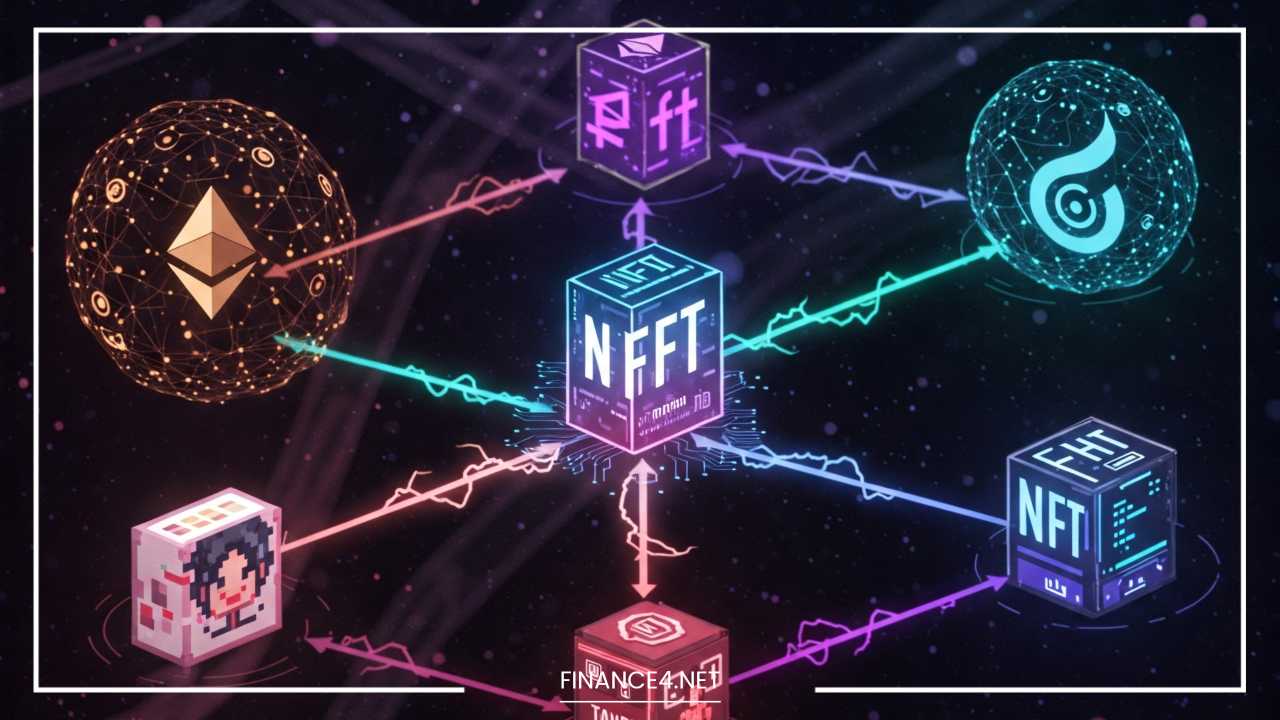
However, the rapid growth of the NFT ecosystem has led to a critical challenge: interoperability. Most NFTs are created on specific blockchains, such as Ethereum, which means they are locked into that ecosystem. To transfer an NFT from one blockchain to another—say, from the high-cost environment of Ethereum to a low-cost chain like Polygon or Solana—a specialized mechanism is required. This mechanism is known as NFT bridging.
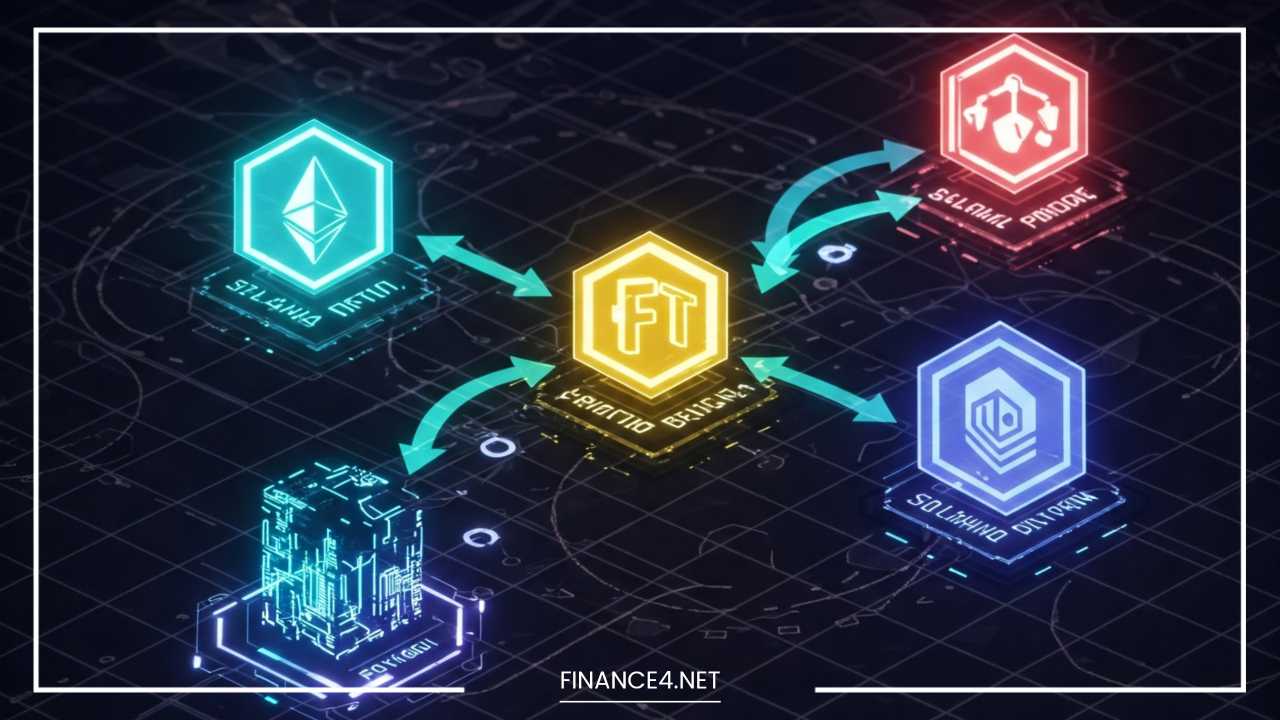
NFT bridging solutions are the essential infrastructure that allows digital assets to move across disparate blockchain networks. They are the conduits that connect isolated digital economies, enhancing liquidity and opening up new markets for collectors and creators.
The purpose of this comprehensive guide is to illuminate the world of NFT bridging, specifically focusing on the most cheap, fast, and efficient solutions available for small NFT transfers. For the average user or collector dealing with NFTs valued at modest prices, the cost of a transfer can easily outweigh the asset’s value. We will explore the technologies and platforms that are democratizing the movement of digital assets, making cross-chain transfers accessible and affordable for everyone.
What is NFT Bridging?
NFT bridging is a process that facilitates the transfer of an NFT from one blockchain network (the source chain) to an entirely different one (the destination chain). It is a fundamental concept for a truly multi-chain future, allowing assets to move freely without being confined by the technical limitations of their original network.
The Mechanics of Cross-Chain Transfer
At its core, NFT bridging works by utilizing a mechanism known as Lock-and-Mint or Burn-and-Mint.
-
Lock-and-Mint: When an NFT is bridged from Chain A (e.g., Ethereum) to Chain B (e.g., Polygon), the original NFT on Chain A is locked in a smart contract on the source chain. Simultaneously, a wrapped or pegged version of that NFT is minted on Chain B. This wrapped NFT is a 1:1 representation of the original asset. The original asset remains locked, providing the backing and proof of authenticity for the wrapped asset on the new chain.
-
Burn-and-Mint: For a return trip (Chain B back to Chain A), the wrapped NFT on Chain B is burned (destroyed), which then triggers the smart contract on Chain A to release the original NFT from its locked state to the user’s wallet.
These processes are managed by specialized bridge protocols, which often use a network of validators, oracles, or decentralized relayers to verify the transaction on both ends, ensuring security and integrity.
Why Bridging is Necessary
The need for bridging stems from the inherent isolation of blockchain networks:
-
Interoperability: Blockchains are typically not designed to communicate with each other directly. Bridging is the solution for creating a unified, interconnected ecosystem.
-
Liquidity and Market Access: Moving NFTs to a chain with more active buyers or a specialized marketplace can significantly increase their liquidity and potential sale value. For example, moving an NFT to a chain where a particular gaming community is active.
-
Cost Efficiency: High transaction fees on a blockchain like Ethereum can make simple transfers prohibitively expensive. Bridging allows users to transfer assets to cheaper chains for trading, holding, or interacting with decentralized applications (dApps).
-
Scaling Solutions: Many bridges connect to Layer 2 (L2) scaling solutions (like Polygon or Arbitrum) which are designed to handle a massive volume of transactions at a fraction of the cost and time of the main Layer 1 (L1) chains.
Common use cases include migrating an entire NFT collection to a new chain, moving a single valuable NFT to a safer chain, or transferring a low-value collectible to an L2 for gas-free trading.
Why Cheap Bridging Solutions Matter for Small NFT Transfers
The pursuit of cost-effective bridging is not merely about saving a few dollars; it is an economic necessity that underpins the viability of small NFT transfers and the democratization of the entire ecosystem.
The Barrier of Gas Fees
In blockchain, gas fees are the transaction costs paid to network validators for the computational work required to process and verify transactions. On popular L1 chains like Ethereum, these fees can surge dramatically during periods of high network congestion.
For a high-value NFT—say, one worth $50,000—a one-time bridging fee of $100 might be negligible (0.2% of the value). However, for a small NFT transfer, such as a collectible worth $50, that same $100 fee represents a 200% cost overhead. The collector is effectively paying twice the asset’s value just to move it.
The cumulative effect of high fees is that it:
-
Eats into Profit Margins: A creator minting a low-cost edition NFT or a collector trying to flip a small asset may find their entire profit wiped out by gas and bridging fees.
-
Restricts Accessibility: High fees price out smaller, retail investors and collectors, concentrating the ecosystem’s activity among wealthy “whales” who can absorb the costs.
-
Stifles Innovation: Developers are discouraged from building dApps, games, and marketplaces for small, everyday transactions when the underlying network fees are prohibitive.
The Growing Demand for Cost-Effective Solutions
The explosion of interest in NFTs has been accompanied by a massive increase in the volume of small, lower-value transactions, especially in the play-to-earn gaming and smaller art collection sectors. This demand has intensified the need for cheap bridging:
-
Small Utility NFTs: In-game items, minor land plots, or small membership tokens often have values under $100. Moving these assets for gameplay or trading must be near-instantaneous and cost only a few cents.
-
Creator Empowerment: Artists who choose to mint their work on a high-cost chain for prestige still need affordable options to bring their art to broader, cost-conscious marketplaces.
-
Economic Viability: A cheap bridging solution fundamentally makes a small-value NFT a viable, tradable asset, promoting a healthier, more diverse, and more inclusive digital economy.
Affordable bridging solutions are, therefore, not a luxury but a core feature required to sustain the growth of the general NFT market beyond high-priced JPEGs. The ultimate goal is to reach a point where the cost of a cross-chain transfer is an imperceptible fraction of the asset’s value, regardless of how small that value may be.
Factors to Consider When Choosing a Bridging Solution
Selecting the right NFT bridge is a nuanced decision that involves balancing speed, security, cost, and utility. For small NFT transfers, the cost is often the primary driver, but it should never come at the expense of security or convenience.
| Factor | Description | Importance for Small NFT Transfers |
| Fees | The total cost: gas fees on the source/destination chains, plus the bridge’s protocol fee. | Critical: Must be low (ideally under a few dollars) to ensure the transfer cost does not exceed the NFT’s value. |
| Security | The robustness of the mechanism (validators, smart contracts) against hacks and exploits. | Critical: A bridge hack can lead to total loss of assets, regardless of their value. |
| Speed | The total time from initiating the transaction on the source chain to receiving the NFT on the destination chain. | High: Fast transfers are essential for time-sensitive trades or for a better user experience. |
| Supported Networks | The variety of blockchains the bridge connects (e.g., Ethereum, Polygon, Solana, Avalanche). | High: Directly determines where you can send your NFT and which markets you can access. |
| Ease of Use | The intuitiveness of the user interface (UI) and the simplicity of the step-by-step process. | High: A complex process can lead to user errors, transaction failures, or lost assets. |
| Cross-Chain Compatibility | The ability to transfer non-fungible tokens (ERC-721/ERC-1155) specifically, not just fungible tokens. | Essential: Some bridges only support fungible tokens (like ETH or USDC). |
Fees: The Cost Breakdown
The fee structure is the most complex variable, typically composed of three parts:
-
Source Chain Gas Fee: The cost to execute the initial transaction (locking the NFT) on the source blockchain. This is often the most variable and expensive part, especially when coming from Ethereum mainnet.
-
Bridge Protocol Fee: A percentage or flat fee charged by the bridge operator for their service, maintenance, and relayers.
-
Destination Chain Gas Fee (Claim Fee): A small fee to confirm and mint the wrapped NFT on the destination chain. This is usually very low on L2s and sidechains (e.g., Polygon, Avalanche C-Chain).
For small NFT transfers, the goal is a bridge that minimizes the Source Chain Gas Fee (by often being an L2-to-L2 bridge) and offers an incredibly low Protocol Fee.
Security: Trust vs. Trustlessness
Blockchain bridges are notoriously complex and have historically been the target of some of the largest exploits in crypto. When choosing a bridge, consider the security model:
-
Trusted/Centralized Bridges: Rely on a centralized entity or a small group of validators, meaning the security relies on your trust in them.
-
Trustless/Decentralized Bridges (LayerZero, Wormhole): Rely on cryptographic proofs and a large, decentralized network of validators (Guardians, Oracles) to verify the transfer, making them more resilient to single points of failure.
A highly secure, decentralized bridge is always preferred, as a small fee saving is irrelevant if the entire network is compromised.
Top Cheap and Fast NFT Bridging Solutions
The market for interoperability is highly competitive, constantly pushing down costs and increasing speeds. The following solutions are leaders in providing affordable and fast bridging for NFTs, particularly favoring transfers to and from Layer 2s and sidechains.
1. Polygon Bridge (PoS Bridge)
Polygon is not just a bridge; it is a Layer 2/sidechain scaling solution for Ethereum. Its native PoS (Proof-of-Stake) Bridge is one of the most effective solutions for mitigating Ethereum’s high gas fees.
| Feature | Details |
| Overview | A native bridge that uses a decentralized validator set to move assets (including ERC-721 and ERC-1155 NFTs) between Ethereum Mainnet and the Polygon PoS chain. |
| Fee Structure | Ethereum to Polygon: User pays the high Ethereum gas fee for the initial lock. On Polygon: Near-zero gas fees ($0.002 to $0.10) for subsequent transactions. Polygon to Ethereum: High Ethereum gas fee for the final withdrawal/claim. |
| Supported Blockchains | Ethereum Mainnet and Polygon PoS chain. |
| Pros | Ultra-low fees on the Polygon side, high security due to proximity to Ethereum, official support for NFTs, and access to a massive NFT ecosystem (OpenSea Polygon). |
| Cons | The transfer from Ethereum to Polygon still incurs the costly Ethereum gas fee, which can be hundreds of dollars during peak times. Withdrawals back to Ethereum can be slow and expensive. |
| Special Feature | Provides a permanent, low-cost home for small NFTs, making it ideal for the destination chain. |
2. Wormhole
Wormhole is one of the most widely adopted and secure cross-chain messaging protocols, supporting a vast array of chains.
| Feature | Details |
| Overview | A generic message-passing protocol that allows data—including NFT metadata and ownership—to be transferred across different blockchains via a decentralized network of validators called “Guardians.” |
| Fee Structure | Protocol fees are generally low, with the total cost primarily being the gas fees on the source and destination chains. Wormhole itself does not set high protocol fees for NFT transfers. |
| Supported Blockchains | 30+ chains, including Ethereum, Solana, Avalanche, Polygon, BNB Chain, Fantom, and many others. |
| Pros | Extremely broad chain support, very fast transfer times (often under 5 minutes), and a strong, audited security model. One of the best options for EVM-to-Non-EVM (e.g., Ethereum to Solana) transfers. |
| Cons | Can have a slightly confusing “manual claim” step for some transfers. The speed and cost are still subject to the congestion of the source chain (e.g., Ethereum L1). |
| Special Feature | Cross-Chain Messaging: Allows dApps to build true multi-chain functionality, not just simple asset transfers, enabling NFTs to be used in dApps on different chains. |
3. LayerZero (Via Enabled Protocols like Stargate)
LayerZero is an omnichain interoperability protocol that has become the backbone for many dedicated cross-chain applications.
| Feature | Details |
| Overview | A protocol that provides a lightweight, secure foundation for inter-chain communication between over 30 EVM and non-EVM chains. It separates security validation from messaging relaying. |
| Fee Structure | The LayerZero model is designed to be highly capital-efficient, minimizing the costs associated with relaying messages. The total fee is the sum of gas costs on both chains and a minimal protocol fee. |
| Supported Blockchains | 30+ chains, including all major EVM chains (Ethereum, Arbitrum, Optimism, BNB Chain, Avalanche, Polygon, etc.). |
| Pros | Highly customizable and efficient security model that uses independent Oracle and Relayer networks for enhanced security. Its low-level approach allows integrated dApps to offer very efficient, low-cost bridges for both fungible and non-fungible tokens. |
| Cons | Users often interact with a dApp built on LayerZero, not the protocol directly, so the final fee and UI/UX can vary based on the specific application used. |
| Special Feature | Decentralized Verifier Networks (DVNs): This mechanism provides a high degree of security and flexibility, allowing applications to customize their security requirements, which can be optimized for lower costs on small-value transfers. |
4. Avalanche Bridge (AB)
The Avalanche Bridge is the official conduit between the Avalanche C-Chain and other major networks, known for its focus on speed and security.
| Feature | Details |
| Overview | A high-speed, secure, and low-fee bridge utilizing a system called Warden technology to facilitate asset transfers, including NFTs, to and from the Avalanche C-Chain. |
| Fee Structure | Ethereum to Avalanche: 0.025% of the bridged amount, subject to a minimum fee of $3 USD and a maximum of $250. This low minimum fee makes it highly competitive for small NFT transfers from Ethereum. Avalanche to Ethereum: 0.1% of the bridged amount, subject to a minimum of $12 USD, plus the high variable Ethereum gas fee. |
| Supported Blockchains | Ethereum, Bitcoin, and the Avalanche C-Chain. |
| Pros | Extremely low minimum fee for transfers to Avalanche, making it a great destination for small NFTs. Fast transaction speed. Avalanche C-Chain itself has average transaction fees of under $0.01. |
| Cons | The fixed minimum fee can still be steep for very low-value NFTs (under $100). Transfers from Avalanche back to Ethereum incur the high Ethereum gas fee and a higher minimum bridge fee. |
| Special Feature | AVAX Airdrop: For first-time bridging of significant value, the bridge often airdrops a small amount of AVAX to cover gas fees on the destination chain. |
5. RenBridge
RenBridge, built on the Ren protocol, is a decentralized and permissionless bridge that was primarily known for bridging Bitcoin, but also supports NFT transfers across EVM-compatible chains.
| Feature | Details |
| Overview | A permissionless, decentralized bridge that utilizes a network of Darknodes to secure assets and mint 1:1 pegged representations on the target chain. |
| Fee Structure | Transaction fees are generally competitive, charged dynamically, and are paid to the Darknode operators. Costs remain low, particularly when bridging between L2s or lower-cost L1s. |
| Supported Blockchains | Ethereum, Polygon, Avalanche, BNB Chain, Fantom, and more. |
| Pros | Decentralized and trustless architecture, strong support for multiple EVM chains, and has been in operation for a long time, building a reputation for reliability. |
| Cons | The primary focus has historically been on fungible tokens (like renBTC), so the NFT bridging functionality might have less visibility or development focus than pure interoperability protocols. |
| Special Feature | Darknodes: The network is secured by Darknodes that must stake a significant amount of REN tokens, providing a strong economic incentive for secure operation. |
How to Transfer Small NFTs Using Bridging Solutions
While the technical complexity of bridges is high, the user experience is designed to be streamlined. Let’s walk through a conceptual step-by-step example using a common flow: transferring a small NFT from Ethereum Mainnet to Polygon using a Polygon-enabled bridge.
Example: Ethereum to Polygon Transfer
Goal: Move a $100 NFT from your wallet on the high-cost Ethereum network to the low-cost Polygon network for cheaper trading.
Steps:
-
Select and Connect to the Bridge:
-
Navigate to the chosen bridge’s official web application (e.g., the native Polygon Bridge or a multi-chain aggregator utilizing LayerZero/Wormhole).
-
Connect your Web3 wallet (e.g., MetaMask). Ensure your wallet is currently connected to the Source Chain (Ethereum Mainnet) and that you have a sufficient amount of the native token (ETH) to cover the initial gas fee.
-
-
Select Asset and Chains:
-
On the bridge interface, select Ethereum as the Source Chain.
-
Select Polygon as the Destination Chain.
-
Find the option for NFTs (ERC-721 or ERC-1155) and select the specific NFT you wish to transfer from the list of assets in your connected wallet.
-
-
Review Fees and Confirm Transaction:
-
The bridge will present a summary of the transfer, including the estimated Ethereum Gas Fee and any Bridge Protocol Fee.
-
Crucial Step for Small Transfers: Carefully review the estimated total cost. If the total is greater than 10-20% of the NFT’s value, you may want to wait for off-peak network hours or explore an alternative bridge.
-
Once satisfied, click “Transfer” or “Approve.” You will first execute an Approval Transaction in your wallet to allow the bridge contract to interact with your NFT. This costs gas.
-
Then, you will execute the main Bridge Transaction (the lock/burn action). This is the second, higher-cost transaction.
-
-
Await Transfer Completion (The Bridging Process):
-
The NFT is now locked on the Ethereum smart contract.
-
The bridge’s relayers/validators confirm the lock event on Ethereum and communicate this message to the Polygon network.
-
This process can take anywhere from a few minutes (on optimized Layer 2 bridges) to 30+ minutes (for L1 to L1 transfers).
-
-
Claim the NFT on the Destination Chain:
-
After the bridge confirms the transaction, you will switch your wallet network to the Destination Chain (Polygon).
-
In many cases, the NFT will appear automatically in your wallet and on Polygon marketplaces. However, some bridges require a final, manual Claim Transaction.
-
Execute the final Claim Transaction, paying the very low Polygon gas fee (paid in MATIC).
-
The wrapped NFT is now minted into your wallet on the Polygon network, ready for cheap trading or use.
-
Common Issues and How to Avoid Them
Even with the best, most affordable bridges, cross-chain transfers can be complex. Knowing the pitfalls is key to a smooth and cost-effective experience.
1. Failed Transfers
-
Issue: A transaction fails or times out, but gas fees were still paid, and the NFT is not bridged.
-
Cause: Insufficient gas limit, temporary network congestion on the source chain, or an expired transaction window.
-
Avoidance: Always ensure you have slightly more than the estimated gas fee in your wallet. If bridging from Ethereum, check gas price trackers (like Etherscan’s Gas Tracker) and avoid bridging when the network is highly congested.
2. Network Congestion and Delays
-
Issue: The transfer takes hours instead of minutes, potentially missing a critical market window.
-
Cause: High traffic on the source blockchain (especially Ethereum L1), or a temporary backlog on the bridge’s relayer network.
-
Avoidance: For time-sensitive transfers, bridge during off-peak hours (typically late night/early morning UTC). If you already hold the NFT on a Layer 2, always prefer an L2-to-L2 bridge for maximum speed.
3. Lost NFTs and Scams
-
Issue: An NFT disappears, or a user interacts with a fake bridge.
-
Cause: Using an unofficial or compromised bridge interface, or a bug in a poorly audited smart contract.
-
Avoidance: Verify all URLs. Only use official links from the project’s main website. Check that the bridge protocol has been audited by reputable firms (e.g., CertiK, Trail of Bits). Never approve a transaction if the contract interaction looks suspicious.
4. High Fees (Minimization)
-
Issue: The total transfer cost is far higher than anticipated.
-
Cause: Unforeseen gas spikes on the source chain, or the bridge is not configured to be cost-optimized.
-
Minimization Strategy:
-
Wait for Low Gas Times: Use a gas fee tracker and only initiate the costly L1-to-L2 transaction when gas is low (e.g., below 20 Gwei for a standard transfer, if possible).
-
Leverage L2-to-L2: If both the source and destination chains are Layer 2s, the transaction cost will be vastly lower.
-
Check Bridge Minimums: Always confirm if the bridge has a high minimum protocol fee (like Avalanche Bridge’s $3 minimum) that may disproportionately affect a very small NFT transfer.
-
Future of NFT Bridging: Trends and Innovations
The quest for cheaper, faster, and more secure bridging is driving relentless innovation. The future of NFT bridging will move beyond the current Lock-and-Mint models toward more seamless and trustless solutions.
1. Multi-Chain Interoperability Protocols
The current trend favors general message-passing protocols like LayerZero and Wormhole over asset-specific bridges. These protocols allow for true “omnifunctional” transfers where the NFT’s ownership and state can be updated across multiple chains simultaneously. This will enable cross-chain NFT marketplaces where a single listing can be visible and purchased from multiple chains, abstracting the bridging process entirely from the end-user.
2. Zero-Knowledge Proofs (ZK-Bridges)
The ultimate innovation lies in ZK-Bridges, which utilize zero-knowledge technology to verify the state of one blockchain on another without revealing any underlying data or requiring a trusted intermediary (like validators or relayers). This cryptographic verification offers the highest level of security and efficiency. As ZK-rollup technology matures, ZK-bridges are poised to offer the cheapest, most secure, and most trustless way to move any asset, including NFTs, across networks.
3. Fee Abstraction and Gasless Transfers
The complexity of paying gas in the native token of the destination chain (e.g., having MATIC for Polygon or AVAX for Avalanche) is a major user barrier. Future solutions are focusing on fee abstraction, where the user can pay the entire transfer cost in the asset they are bridging or the native token of the source chain. Gasless NFT transfers—made possible by relayer networks or meta-transactions—will become the norm, simplifying the small NFT transfer experience to a single click, regardless of the underlying chain mechanics.
4. Native Multi-Chain NFTs
A conceptual leap involves the creation of NFTs that are natively aware of multiple chains. Instead of being locked on one chain and wrapped on another, these assets would exist in a unified, multi-chain state, allowing ownership updates to be synchronized across networks instantaneously and at a minimal messaging cost. This would effectively make the concept of a “bridge” obsolete for these specific assets, replacing it with a simple, low-cost “transfer” or “state update.”
Final Thoughts
The digital world of NFTs is rapidly evolving into a multi-chain reality. For the ecosystem to truly thrive, especially for small, everyday digital items, the cost and complexity of moving assets between these chains must become near-zero.
This guide has highlighted the best solutions available today, from the high-throughput, low-fee environment of the Polygon Bridge to the expansive interoperability offered by Wormhole and LayerZero. The key takeaway for any collector or creator dealing with small NFT transfers is simple: always prioritize cheap and fast Layer 2/sidechain destinations and meticulously review the total gas and protocol fees before initiating a transfer.
By strategically choosing an affordable, secure, and rapid bridging solution, participants can ensure that the value of their small NFT transfers is not lost to exorbitant network fees, thereby sustaining the vibrant, inclusive future of the entire decentralized digital asset space.
The technology is maturing quickly, and as zero-knowledge and fee-abstraction protocols gain dominance, the barrier to cross-chain movement will continue to fall. We encourage all users to explore these options and choose the solution that best fits their cost and speed requirements, paving the way for a truly interconnected NFT market.