Best Chain for NFT Minting
 by
by 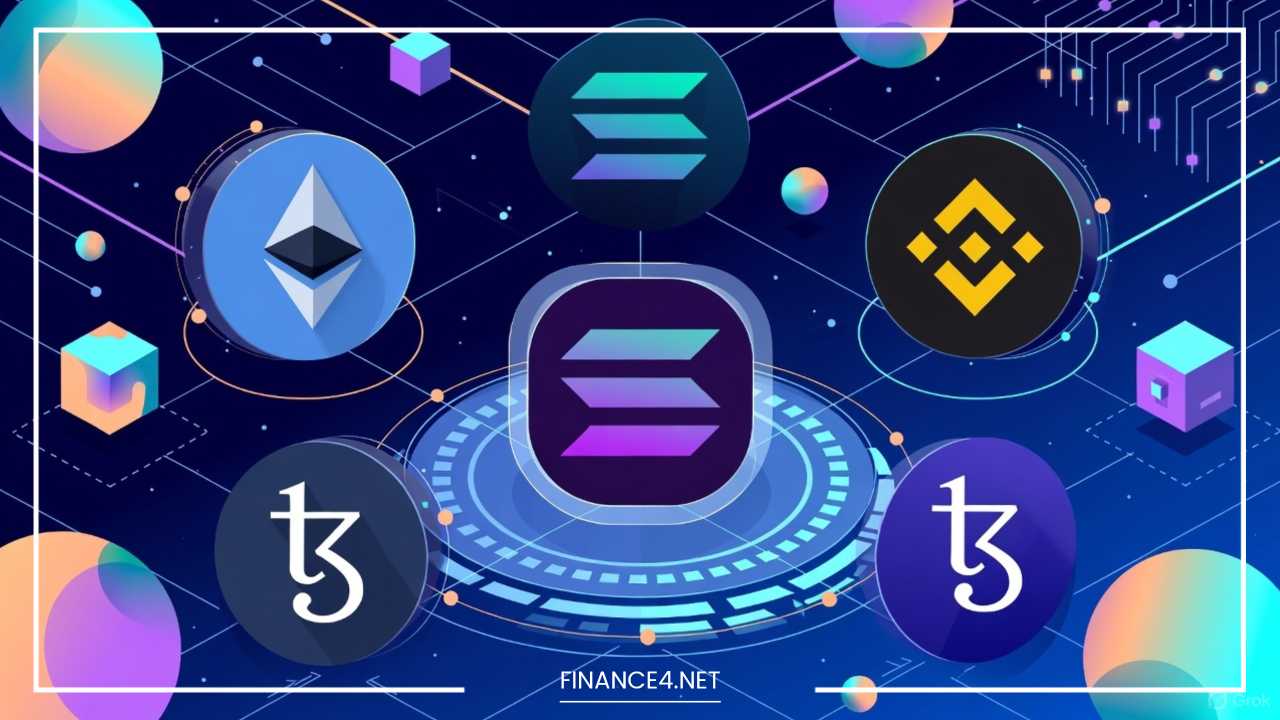
Best Chain for NFT Minting | Top Blockchain for NFTs
The digital world has undergone a revolutionary shift with the advent of Non-Fungible Tokens (NFTs). These unique digital assets represent ownership or proof of authenticity of a wide range of items, from digital art and collectibles to virtual real estate and in-game assets. In essence, an NFT is a distinctive token—a one-of-a-kind digital certificate—recorded on a blockchain, which is a decentralized and distributed ledger technology. This innovation has fundamentally transformed the concept of digital ownership and created a vibrant new segment in the global digital economy.
The explosive demand for NFTs has placed the spotlight squarely on the underlying blockchain platforms. For any creator, collector, or investor, the act of creating an NFT—known as minting—is the foundational step in entering this ecosystem. The choice of blockchain for minting is arguably the most critical decision an artist or project founder will make. It dictates not only the initial cost and speed of the transaction but also the long-term viability, market exposure, and community engagement of the digital asset. Choosing the right blockchain is crucial because it directly impacts the NFT’s liquidity, security, transaction costs, and ultimately, its success and accessibility in the broader market.
Factors to Consider When Choosing a Blockchain for NFT Minting
Selecting the optimal blockchain for minting requires a careful evaluation of several technical and commercial factors. A platform that excels in one area might be significantly lacking in another, creating a necessary trade-off for creators.
Transaction Fees (Gas Fees)
Transaction fees, commonly known as Gas Fees, are the costs paid to the blockchain’s network validators (miners or stakers) to process and confirm a transaction, such as minting an NFT. The cost of these fees can fluctuate wildly based on network congestion and the complexity of the smart contract.
-
Importance: For creators planning a large-scale collection (e.g., 10,000 unique tokens), high gas fees can make the minting process prohibitively expensive, potentially costing hundreds of thousands of dollars on congested networks like Ethereum during peak times. Conversely, a platform with consistently low, or even near-zero, transaction costs significantly lowers the barrier to entry for new artists and allows for more accessible and experimental projects. Chains like Polygon, Solana, and WAX are known for their minimal fees, which is a major draw for cost-conscious creators.
Scalability
Scalability refers to a blockchain’s ability to handle a rapidly increasing volume of transactions without slowing down or incurring excessively high fees.
-
Importance: A highly scalable blockchain can process a large number of minting and trading transactions simultaneously. Poor scalability leads to network congestion, resulting in delayed transactions and soaring gas fees. This is a critical factor for large-scale drops or popular collections that need to process thousands of transactions in a short period. Blockchains like Solana and Flow, which are optimized for high throughput, prioritize this feature.
Security
The security of the underlying blockchain is paramount, as it ensures the immutability and verifiable ownership of the NFT.
-
Importance: A robust security model protects the network from malicious attacks (such as 51% attacks) and ensures the integrity of the data recorded on the chain. Security is directly tied to a blockchain’s decentralization. Highly decentralized networks, where validators are numerous and geographically dispersed, are typically considered more secure against single points of failure, though newer chains are rapidly improving their security models.
Popularity and Network Effect
The popularity and network effect of a blockchain relate to the size of its user base, the number of active developers, and the overall value of assets within its ecosystem.
-
Importance: Blockchains with a large network effect, such as Ethereum, offer the highest liquidity and market exposure. This means more collectors, more marketplaces, and a higher chance of a successful sale at a fair market price. While newer chains may offer superior technical specifications, they may lack the established, highly liquid secondary market that a dominant chain provides.
Environmental Impact
Environmental concerns regarding the energy consumption of blockchain technology have become a major consideration for creators and collectors.
-
Importance: Proof-of-Work (PoW) blockchains, like Bitcoin’s original design, consume vast amounts of energy. By contrast, Proof-of-Stake (PoS) blockchains—such as Tezos, Cardano, and the post-Merge Ethereum—are significantly more energy-efficient. Choosing an eco-friendly chain is a vital ethical consideration, particularly for artists whose work carries a social message, as it aligns their project with a broader sustainability movement.
Top Blockchains for NFT Minting
The NFT landscape is a multi-chain environment, with several contenders vying for the title of “best chain.” The choice depends entirely on a project’s priorities: maximum liquidity, lowest cost, or highest speed.
1. Ethereum
Overview of Ethereum
Ethereum stands as the undisputed titan of the NFT space. As the first blockchain to introduce smart contract functionality and the ERC-721 token standard (the foundation of NFTs), it has cultivated the most established, valuable, and dominant NFT market globally. The vast majority of “blue-chip” NFT collections, like CryptoPunks and Bored Ape Yacht Club, were minted on the Ethereum mainnet. The network’s recent transition from Proof-of-Work to Proof-of-Stake (The Merge) has dramatically reduced its energy consumption, addressing a key environmental critique.
Pros
-
High Liquidity and Market Size: Ethereum boasts the largest NFT market capitalization, providing the greatest potential for liquidity and high-value sales.
-
Established Ecosystem: It has the largest community of developers, the most decentralized network, and the most battle-tested security model.
-
Platform Support: All major NFT platforms, including OpenSea and Rarible, offer native support, simplifying the minting and trading process.
Cons
-
High Gas Fees: Despite the transition to PoS, Ethereum’s gas fees remain highly volatile and can still be prohibitively expensive for minting, often ranging from tens to hundreds of dollars, depending on network congestion.
-
Scalability Issues: While Layer 2 solutions are mitigating this, the mainnet still struggles with transaction throughput during peak demand.
Use Cases and Examples
Ethereum is the preferred choice for high-value art, large-scale profile picture (PFP) projects, and collections where the provenance and security afforded by the largest decentralized network are paramount.
-
Major NFT Platforms: OpenSea, Rarible, Foundation.
-
Popular NFTs: CryptoPunks, Bored Ape Yacht Club (BAYC), Azuki.
2. Binance Smart Chain (BSC)
Overview of Binance Smart Chain (Now BNB Chain)
Binance Smart Chain (BSC), now part of the BNB Chain ecosystem, emerged as a direct competitor to Ethereum, offering a platform compatible with the Ethereum Virtual Machine (EVM). Its popularity stems from its ability to offer a lower-cost and faster alternative to Ethereum for users already involved in the Binance ecosystem.
Pros
-
Lower Transaction Fees: Fees are significantly cheaper than Ethereum, often costing less than a dollar.
-
High Throughput: It offers faster transaction processing times, improving the user experience for minting and trading.
-
EVM Compatibility: Developers can easily port Ethereum-based projects to BSC.
Cons
-
Centralization Concerns: BSC’s consensus mechanism relies on a relatively small number of validators, making it significantly more centralized than Ethereum.
-
Developer and Collector Perception: The NFT ecosystem, while growing, has historically lacked the same level of perceived prestige as Ethereum.
Use Cases and Examples
BSC is a popular choice for gaming NFTs, smaller collections, and projects where transaction speed and low cost are prioritized over maximum decentralization.
-
NFT Platforms: BakerySwap, Treasureland, NFTrade.
3. Solana
Overview of Solana
Solana is widely recognized for its high speed and extremely low transaction costs, positioning itself as a “killer” for chains plagued by scalability issues. Its unique consensus mechanism, which includes Proof-of-History (PoH), allows it to achieve thousands of transactions per second.
Pros
-
Ultra-Low Fees: Transaction fees are often fractions of a cent, making it an ideal environment for high-frequency trading and bulk minting.
-
High Scalability: Its architecture is designed for massive throughput, ensuring transactions are fast even during peak periods.
-
Growing Community: Solana has rapidly developed a robust and active NFT community, with dedicated marketplaces and a thriving developer ecosystem.
Cons
-
Less Decentralized: Its technical requirements for running a validator node are high, which contributes to a more centralized network compared to Ethereum.
-
Occasional Network Downtimes: Solana has experienced periods of network instability and outages, a significant concern for the reliability of a high-speed chain.
Use Cases and Examples
Solana is the go-to chain for accessible NFT projects, fast-paced collectibles, and a rapidly expanding cohort of NFT gaming and metaverse projects.
-
NFT Platforms: Magic Eden, Solanart, Exchange Art.
4. Tezos
Overview of Tezos
Tezos is an energy-efficient Proof-of-Stake (PoS) blockchain known for its formal verification and on-chain governance model, allowing it to easily evolve and upgrade its protocol. It has cultivated a reputation as an eco-friendly platform with a strong focus on art.
Pros
-
Eco-Friendly: Tezos uses a Liquid Proof-of-Stake (LPoS) consensus mechanism that is highly energy efficient.
-
Low Fees: Transaction costs are minimal, encouraging micro-transactions and broader artist participation.
-
Strong Artist Community: The platform is particularly favored by digital artists and the traditional art world for its low cost and emphasis on sustainable art practices.
Cons
-
Less Mainstream Adoption: While its art community is dedicated, its overall market capitalization and liquidity remain smaller compared to Ethereum and Solana.
Use Cases and Examples
Tezos is ideal for independent artists, creators focused on the environmental impact of their work, and digital art platforms that prioritize sustainability.
-
NFT Platforms: Objkt, Hic et Nunc (now Teia).
5. Polygon (Matic)
Overview of Polygon
Polygon is not a competitor to Ethereum but a Layer 2 scaling solution that runs alongside it. It is designed to alleviate the high transaction costs and congestion of the Ethereum mainnet by bundling transactions off-chain and then settling them back on Ethereum. Its primary token is MATIC.
Pros
-
Extremely Low Fees: Transaction costs are typically near-zero, making minting very affordable.
-
Faster Transactions: It processes transactions much quicker than Ethereum’s mainnet.
-
Ethereum Compatibility: It benefits from Ethereum’s massive network effect, security, and developer tools, while offering a better user experience on the fee front.
Cons
-
Partial Reliance on Ethereum: It still relies on Ethereum for final security settlement, making it a “sidechain” or Layer 2 solution rather than a completely independent Layer 1.
Use Cases and Examples
Polygon is used by major brands and established Ethereum projects looking to offer a low-cost alternative minting experience to their communities. It’s a pragmatic choice for projects that value affordability while retaining a connection to the Ethereum ecosystem.
-
NFT Platforms/Projects: OpenSea (Polygon integration), Aavegotchi, Reddit Collectible Avatars.
6. Flow
Overview of Flow
Developed by Dapper Labs—the creators of CryptoKitties and NBA Top Shot—Flow is a Layer 1 blockchain specifically built from the ground up to support consumer-scale decentralized applications, gaming, and, most importantly, NFTs. Its multi-role architecture separates validation, collection, execution, and consensus tasks to achieve high throughput without sharding.
Pros
-
Optimized for NFTs: The architecture is designed to handle the unique demands of large-scale NFT projects.
-
Highly Scalable: It can handle millions of users and transactions, as demonstrated by the success of NBA Top Shot.
-
Great Developer Tools: It offers an accessible programming language, Cadence, tailored for digital assets.
Cons
-
Less Decentralized: Its design prioritizes speed and usability, which results in a trade-off in the degree of decentralization compared to Ethereum.
-
Walled Garden: Its ecosystem is somewhat insular, although it is expanding its network of developers and third-party projects.
Use Cases and Examples
Flow is the premier choice for major intellectual properties (IPs), sports leagues, and large-scale consumer applications that need to onboard millions of non-crypto-native users with a simple, high-speed experience.
-
NFT Platforms: NBA Top Shot, NFL All Day, VIV3.
7. Avalanche
Overview of Avalanche
Avalanche is a Layer 1 blockchain that uses a unique consensus mechanism known as the Avalanche consensus protocol, which promises high throughput and low latency. It is also EVM-compatible via its C-Chain, allowing Ethereum developers to easily migrate.
Pros
-
Low Latency and High Throughput: It boasts near-instant finality for transactions, making it one of the fastest chains in the industry.
-
Low Fees: Transaction fees are consistently low, making minting accessible.
-
EVM Compatible: Its compatibility with Ethereum is a significant draw for developers.
Cons
-
Relatively Newer Ecosystem: The NFT community and total value locked (TVL) in its ecosystem are smaller than the established leaders.
Use Cases and Examples
Avalanche is an excellent choice for developers seeking an EVM-compatible chain with superior performance metrics, especially for DeFi and NFT projects that require quick transaction finality.
-
NFT Platforms: Kalao, Avaxtars, Joepegs.
8. Cardano
Overview of Cardano
Cardano is a Proof-of-Stake (PoS) blockchain developed with a research-first, highly secure, and rigorously peer-reviewed academic approach. Its native token is ADA. Its slow, methodical development process, focused on formal methods, aims to deliver unparalleled security and scalability.
Pros
-
Environmentally Friendly: Its Ouroboros PoS protocol is highly efficient and promotes an eco-friendly stance.
-
Low Fees: Transaction fees are consistently low.
-
Security Focus: Its development emphasizes security and long-term stability.
Cons
-
Ecosystem Still Developing: The NFT ecosystem, particularly smart contract support, is still in the early stages of maturity compared to EVM-compatible chains.
Use Cases and Examples
Cardano appeals to projects that prioritize long-term stability, security, and an ethical, eco-friendly approach.
-
NFT Platforms: CNFT.io, Cardano Kids, JPEG Store.
9. WAX
Overview of WAX
The Worldwide Asset eXchange (WAX) is a purpose-built blockchain specifically designed for NFTs, gaming, and virtual collectibles. It utilizes a Delegated Proof-of-Stake (DPoS) consensus mechanism.
Pros
-
Zero Transaction Fees: WAX leverages a resource model that essentially offers zero transaction fees to users, making it exceptionally appealing for high-volume minting and trading.
-
Fast Transactions: Its DPoS model allows for fast transaction finality.
-
Gaming Focus: It has strong penetration in the NFT gaming and collectible card space.
Cons
-
Lower Decentralization: The DPoS model is less decentralized than a standard PoS or PoW model.
-
Smaller Market Share: Its market share and overall liquidity are smaller compared to the leading chains.
Use Cases and Examples
WAX is best for high-volume trading, free-to-play NFT games, and projects focused on digital collectibles where the absolute elimination of user gas fees is a key feature.
-
NFT Platforms/Projects: WAX Marketplace, Topps NFTs (Garbage Pail Kids).
Layer 2 Solutions for NFTs
The high gas fees and scalability constraints of the Ethereum mainnet have spurred the development of Layer 2 (L2) solutions.
What are Layer 2 Solutions?
Layer 2 solutions are frameworks or protocols built on top of a base layer (Layer 1) blockchain, most commonly Ethereum. Their purpose is to significantly increase the throughput and speed of the Layer 1 network while maintaining its robust security. They work by processing transactions off-chain, bundling them together, and then posting a single, compressed transaction summary back to the Layer 1 chain. This process drastically reduces the cost per transaction.
Popular Layer 2 Solutions
-
Polygon (Matic): As detailed, Polygon is the most well-known L2 solution for NFTs, operating as a sidechain that offers near-zero fees and fast transactions while benefitting from the security of Ethereum.
-
Optimism and Arbitrum: These are two prominent examples of Optimistic Rollups. They operate by assuming all off-chain transactions are valid (the “optimistic” part) but providing a “dispute period” where anyone can challenge a fraudulent transaction. They offer significant improvements in scalability and speed while tightly integrating with Ethereum’s security.
-
Immutable X (IMX): Specifically built for NFT and gaming applications, Immutable X is a ZK-Rollup (Zero-Knowledge Rollup) that offers instant trade confirmation and zero gas fees for NFT transactions, a massive draw for the P2E (Play-to-Earn) gaming sector.
Benefits for NFT Minting
The adoption of Layer 2 solutions offers tangible benefits for NFT minting:
-
Lower Gas Fees: The most immediate and significant benefit is the reduction in transaction costs, making NFTs accessible to creators and collectors with smaller budgets.
-
Faster Transactions: L2s provide a smoother user experience with near-instant transaction finality, which is crucial for time-sensitive drops.
-
Better User Experience: By abstracting away the complexities and high costs of Layer 1, L2s create a more seamless and enjoyable experience for both minting and trading.
The Future of NFT Minting and Blockchain Technology
The blockchain landscape is continuously evolving, with the future of NFT minting being shaped by several key trends aimed at improving efficiency, accessibility, and utility.
Trends in Blockchain Development
Blockchain development in the coming years will focus on solving the core problems of the first-generation networks:
-
Focus on the Environmental Impact: The shift from PoW to PoS is a major trend. Projects are increasingly choosing environmentally friendly chains to appeal to a socially conscious user base. This focus will drive innovation in more efficient consensus mechanisms.
-
Improved Interoperability: The long-term goal is a seamless web of interconnected blockchains. Protocols and bridges are being developed to allow assets to move freely between chains, increasing utility and liquidity across the entire crypto ecosystem.
-
User-Friendly Minting Tools (No-Code/Low-Code): The technical barriers to minting are being lowered with user-friendly platforms and no-code tools. This democratizes the creation process, allowing more artists and creators to launch projects without requiring extensive smart contract coding knowledge.
The Rise of Cross-Chain NFTs
The concept of Cross-Chain NFTs—where a digital asset can be transferred, traded, or utilized across multiple different blockchain networks—is set to become the standard. Historically, an NFT was “siloed” on its native chain. Advancements in cross-chain interoperability protocols and specialized bridges (like those using technologies from Chainlink CCIP or LayerZero) are making it possible for NFTs to exist securely across various ecosystems.
-
Mechanism: This is typically achieved through ‘lock-and-mint’ or ‘burn-and-mint’ mechanisms, where the original NFT is locked or destroyed on the source chain, and a new, equivalent NFT is simultaneously minted on the destination chain.
-
Impact: This increases the NFT’s utility and liquidity by making it accessible to multiple markets and decentralized applications (dApps) across different chains, essentially abstracting the underlying blockchain from the user experience.
Impact of Upgrades and New Chains
Continuous upgrades to existing chains and the emergence of new, technically superior ones will constantly redefine the “best” choice for minting.
-
Ethereum’s Evolution: The continued rollout of Ethereum’s post-Merge roadmap is aimed at making L1 more scalable, which will indirectly improve the efficiency of L2s. This ensures Ethereum’s long-term dominance as the secure base layer.
-
Alternative Layer 1 Networks: Chains like Solana, Avalanche, and Tezos will continue to mature, grow their developer communities, and aggressively compete on speed and cost. Their sustained growth will lead to a more diversified and multi-polar NFT market, challenging Ethereum’s hegemony, particularly in sectors like gaming and high-frequency collectibles. The market will become less about one “winner” and more about the best chain for a specific type of project.
Final Thoughts
The decision of the best chain for NFT minting is highly dependent on a project’s priorities. There is no single universal answer.
If your project is a blue-chip collectible where security, prestige, and maximum liquidity are paramount, Ethereum remains the gold standard, despite its potential for high gas fees. For creators who prioritize low-cost and accessibility for a large audience, a cost-efficient Layer 1 like Solana or a Layer 2 solution like Polygon or Immutable X presents a far more practical choice. Projects centered on ethical or environmental concerns will find a natural home on eco-friendly PoS chains like Tezos or Cardano. Finally, for large-scale consumer applications and gaming, purpose-built chains like Flow or fast, low-latency platforms like Avalanche are strong contenders.
The NFT ecosystem is moving toward a highly interoperable future where the underlying blockchain may become a technical detail hidden from the end-user. However, for the creator, choosing the right chain remains a foundational strategic decision that impacts the entire lifecycle of the digital asset.
Creators are encouraged to thoroughly explore the current landscape, weigh the trade-offs between cost, speed, liquidity, and decentralization, and choose the platform that best aligns with their community, budget, and long-term vision. The right time to start exploring and minting is now, as the technology becomes more accessible and the market continues its rapid expansion.