Top NFT Aggregator Solutions
 by
by 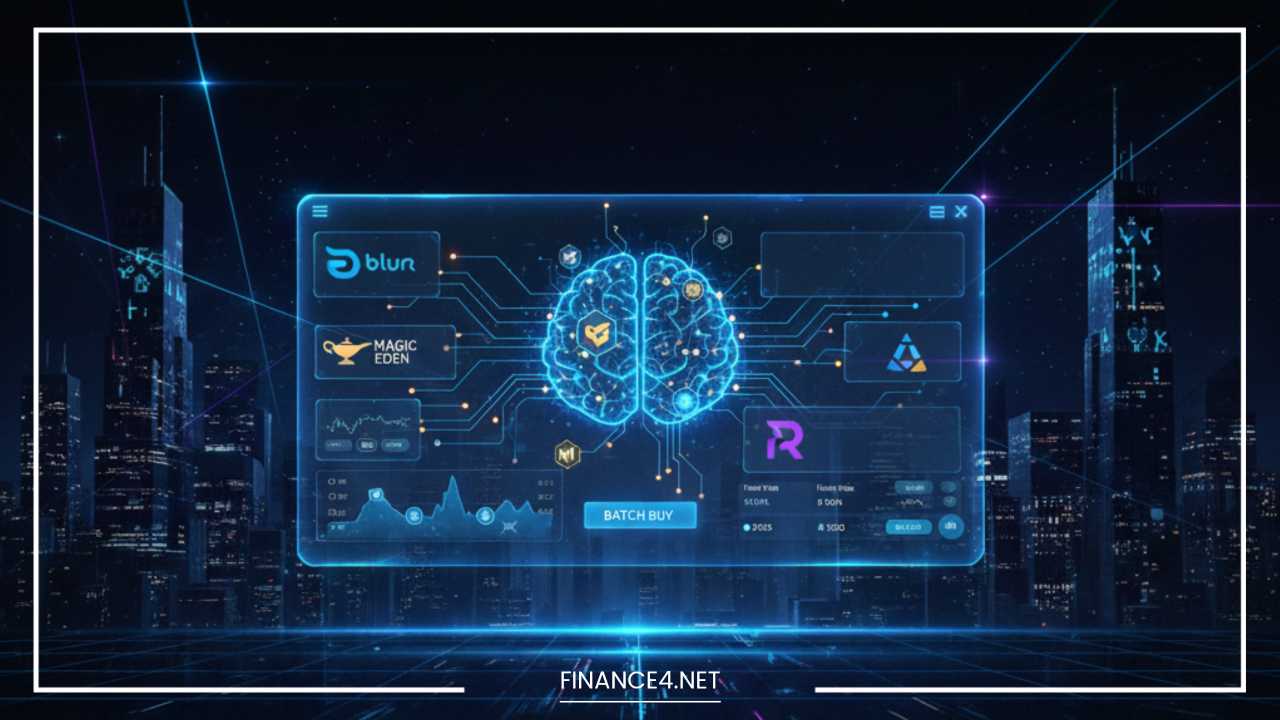
Top NFT Aggregator Solutions: A Comprehensive Guide
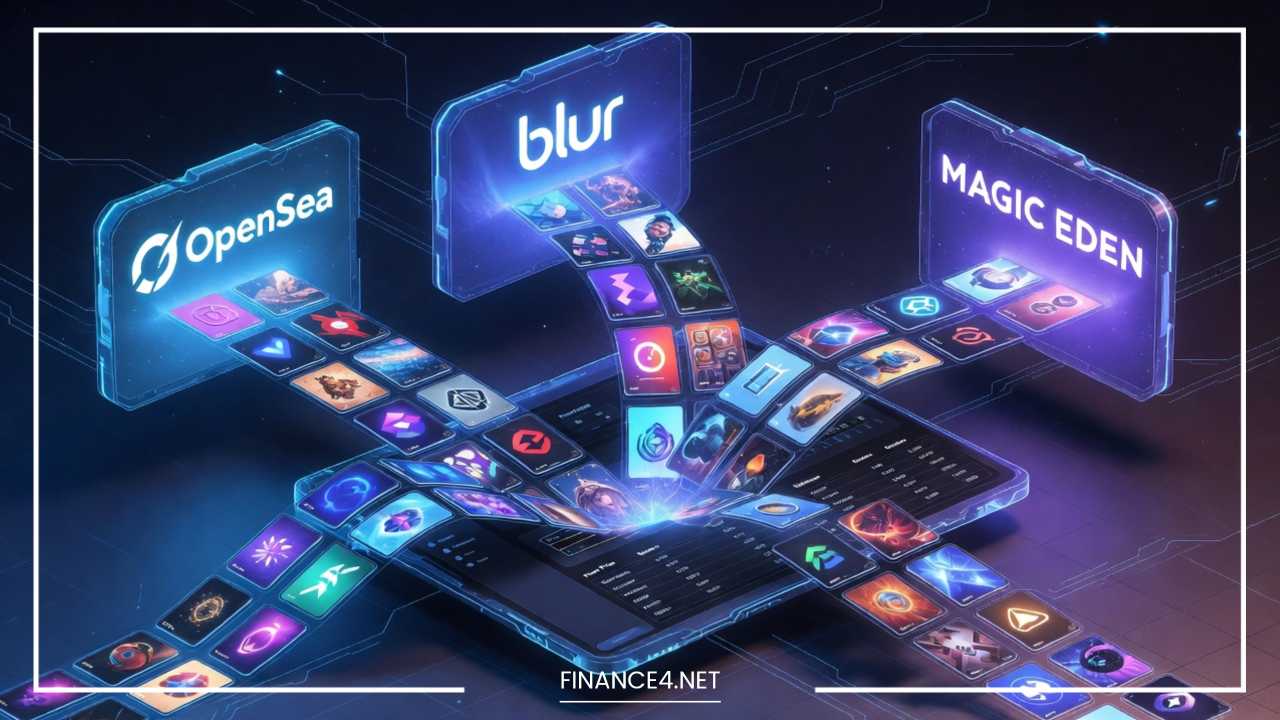
The non-fungible token (NFT) landscape has evolved rapidly from simple digital art speculation to a complex, multi-billion-dollar ecosystem spanning numerous blockchains and specialized marketplaces. However, this explosive growth has created a significant challenge: liquidity fragmentation. NFTs, unlike fungible tokens, are spread across dozens of competing platforms—from Ethereum heavyweights like OpenSea and Blur to Solana champions like Magic Eden, and rising Layer 2 networks such as Polygon and Base. Navigating this fragmented world efficiently is nearly impossible for even the most dedicated trader.
This is where NFT aggregators step in. NFT aggregators are critical infrastructure layers that pool listings, pricing, and analytics from multiple marketplaces into one unified dashboard. They are the essential tools for serious participants in 2025, enabling price discovery, efficient bulk transactions, and optimal trade execution across multiple chains simultaneously. This comprehensive guide will define these solutions, detail their technical mechanisms, highlight the top platforms in use today, and provide a clear roadmap for selecting the best aggregator to meet your trading and collecting goals.
What Is an NFT Aggregator?
An NFT aggregator is a centralized or decentralized application designed to solve the problem of market fragmentation by consolidating data and liquidity from all major NFT marketplaces into a single, comprehensive interface. In simple terms, instead of a trader checking OpenSea, LooksRare, and Blur individually for the best price on a specific NFT, the aggregator presents all available listings instantly.
Aggregators differ fundamentally from traditional NFT marketplaces. A marketplace is a venue where sales occur and transactions are settled via its proprietary smart contracts. An aggregator is a tool that interfaces with these existing marketplace contracts. It does not typically host the NFT listings itself; rather, it routes your purchase order to the marketplace offering the best price.
The core aggregation layers extend beyond simple listing consolidation. Modern aggregators also pool:
- Pricing Data: Real-time floor prices and deepest liquidity across all integrated markets.
- Analytics: Consolidated volume, rarity rankings, and historical sales data from disparate sources.
- Liquidity: The ability to execute large, multi-listing purchases (sweeps) across different markets in a single, gas-optimized transaction.
- Bidding: Allowing users to place bids on collections, knowing that the bid will be fulfilled regardless of which integrated marketplace the NFT is listed on.
- Royalties: Increasingly, aggregators are integrating mechanisms to respect and enforce creator royalty policies defined by the originating marketplace or collection contract.
The importance of cross-market and cross-chain visibility cannot be overstated. As the NFT market expands onto high-speed Layer 2s and competing Layer 1s, aggregators become the universal translators, ensuring a unified trading experience.
How NFT Aggregators Work
The functionality of an NFT aggregator relies on a sophisticated technical architecture that bridges the gap between disparate blockchain data and user experience.
Technical Overview
At the foundational level, aggregators use a combination of APIs (Application Programming Interfaces) and on-chain indexing to gather data.
- API Integration: Aggregators communicate directly with the backend APIs of major marketplaces (like OpenSea, Blur, Magic Eden, LooksRare, etc.) to pull in real-time listing data, including price, token ID, and metadata.
- Smart Contract Routing: When a user initiates a purchase (especially a batch buy), the aggregator does not execute the sale itself. Instead, it utilizes its own highly optimized Smart Contract (often referred to as an exchange router or proxy contract). This router contract identifies the best available price across all integrated marketplaces and executes the transaction by calling the appropriate marketplace’s smart contract function.
- On-Chain Indexing: For the most reliable data, especially regarding floor changes and sales, aggregators maintain their own indexers that continuously monitor the blockchain for relevant transaction logs from marketplace contracts.
Key Features Enabled by Aggregation
This mechanism enables a suite of features that define the modern NFT trading experience:
- Unified Dashboards: A single screen to view holdings, market activity, and analytics across all relevant collections, regardless of where they are listed.
- Floor Price Tracking: Instantaneous identification of the true lowest list price across the entire aggregated liquidity pool.
- Sniping Tools: Specialized interfaces that allow traders to quickly purchase newly listed, mispriced, or rare NFTs as soon as they appear.
- Batch Buying (Sweeping): The defining feature, allowing a user to buy multiple NFTs from a collection, or even multiple collections, in a single transaction, significantly reducing gas costs (gas optimization) and execution time.
- Multi-Wallet Support: Managing assets and transactions from several different blockchain wallets within the same platform.
By concentrating liquidity and optimizing gas expenditure, aggregators provide critical price transparency and superior transactional efficiency, making high-volume trading viable.
Key Features to Look for in NFT Aggregator Solutions
When evaluating an NFT aggregator, the landscape of 2025 demands more than just basic listing consolidation. The most effective solutions offer a blend of technical performance, market coverage, and user-centric tools.
Multi-Chain Support
In a world dominated by Ethereum, Solana, and Layer 2s like Polygon, Arbitrum, and Base, an aggregator must offer robust cross-chain support. The ideal solution seamlessly aggregates listings across these disparate ecosystems, preventing you from missing out on better-priced assets on alternative chains.
Real-Time Data Accuracy
The effectiveness of any trading tool hinges on data freshness. Look for platforms that guarantee real-time data accuracy, often achieved through dedicated, low-latency indexers and sophisticated wash-trade filtering to prevent misleading volume or floor price reports.
Bulk Buying and Selling Tools
The core utility remains efficient transaction execution. This includes the ability to sweep (batch buy) multiple items with a single click and the capability to batch list dozens of your owned NFTs across multiple marketplaces simultaneously for faster sales.
Advanced Analytics
For serious traders, the platform must integrate powerful analytical tools, such as rarity scanners, customized price charts, collection heatmaps, and historical data visualization. Whale tracking and the ability to monitor high-value wallets are now considered standard.
Security & Smart Contract Safety
Because aggregators interact directly with your wallet and multiple marketplace smart contracts, security is paramount. Prioritize solutions with a proven track record, clear auditing reports, and robust smart contract safety measures. The platform should clearly disclose its contract architecture.
Portfolio Management
A complete solution integrates professional portfolio management tools, allowing you to track unrealized gains/losses (PnL), monitor collection performance, and manage diverse assets across various chains from one dashboard.
Royalty Support + Compliance
As the industry matures, aggregators are expected to respect and enforce creator royalty mechanisms set by the collection or marketplace. Choose a solution that clearly states its policy regarding creator compensation, promoting compliance and supporting the ecosystem.
Top NFT Aggregator Solutions
The competitive environment of 2025 has streamlined the field, pushing marketplaces to become aggregators and vice versa. The leading solutions today differentiate themselves through speed, specialized features, and multi-chain coverage.
1. Gem (Now Part of OpenSea)
Gem, acquired by OpenSea, was the pioneering Ethereum-focused aggregator that introduced the concept of sweeping (batch buying) to the mainstream. It has since been largely integrated into the OpenSea Pro experience, serving as OpenSea’s aggregation layer for advanced users.
What the platform does: It provides a power-user interface that aggregates listings from OpenSea and other major Ethereum-based marketplaces (e.g., LooksRare, X2Y2). Its focus is on capital efficiency and optimizing the purchasing process for high-volume traders.
Key Features: Batch buying and listing, gas estimation tools, advanced filtering based on traits and floor price, and a streamlined checkout experience.
Supported Chains: Primarily Ethereum, with strong integration for Layer 2s supported by OpenSea, such as Polygon and Base.
Pros & Cons:
- Pros: Extremely reliable, deep liquidity due to OpenSea’s ecosystem, highly gas-optimized transactions.
- Cons: Less emphasis on non-EVM chains (like Solana).
Best for: Heavy traders, OpenSea ecosystem loyalists, and users prioritizing maximum gas efficiency on Ethereum.
2. Blur
Blur is not just an aggregator; it’s a professional-grade NFT marketplace hybrid built specifically for professional traders and “whales.” Since its launch, Blur has fiercely competed for market share by prioritizing speed, low fees, and advanced trading tools.
What the platform does: Blur aggregates listings while simultaneously hosting its own high-liquidity marketplace. Its system is engineered for speed, offering lightning-fast UI updates and transaction processing, often beating competitors on execution time.
Key Features: 0% Marketplace Fee (traders only pay creator royalties and gas), real-time floor pricing and bid-depth charts, sophisticated Bidding Pools (allowing users to pool capital to place large, collection-wide bids), and direct integration with Layer 2 networks for cheaper trading.
Supported Chains: Primarily Ethereum and EVM-compatible networks, heavily integrating with its related network, Blast.
Pros & Cons:
- Pros: Best-in-class UI for power trading, 0% platform fee, excellent analytics suite, deeply integrated bidding mechanics.
- Cons: Designed for professional use; the interface can be overwhelming for casual collectors.
Best for: High-frequency NFT flippers and professional traders seeking maximum speed and cost efficiency.
3. Magic Eden Aggregator
Magic Eden emerged as the premier NFT marketplace on Solana before successfully executing a multi-chain expansion, turning it into a formidable cross-chain aggregator. Its strong roots in gaming give it a unique market positioning.
What the platform does: Magic Eden serves as a key bridge between the Ethereum and Solana ecosystems, aggregating listings across both while simultaneously acting as the primary marketplace for many Solana collections. It has also aggressively integrated support for Bitcoin Ordinals, positioning it at the forefront of the emerging Bitcoin NFT market.
Key Features: Robust cross-chain listing and trading, launchpad services for creators, strong focus on gaming NFT collections and utility, and comprehensive support for Bitcoin Ordinals (including the newer Runes protocol). It maintains high transactional speed, a hallmark of its Solana origins.
Supported Chains: Solana, Ethereum, Polygon, and Bitcoin (Ordinals and Runes).
Pros & Cons:
- Pros: Superior cross-chain coverage, definitive leader in Solana and Bitcoin Ordinals aggregation, excellent UX.
- Cons: Platform fee structure can be higher than zero-fee competitors like Blur.
Best for: Collectors and developers involved in the Solana, Gaming, and Bitcoin NFT ecosystems.
4. Rarible Aggregator
Rarible has maintained a consistent focus on decentralization and creator empowerment since its inception, evolving its platform to include aggregation features to boost the liquidity of its community-centric marketplace.
What the platform does: Rarible positions itself as an open-source, community-governed marketplace and aggregator. It prioritizes mechanisms that protect creators and promote the platform’s native RARI token utility through governance and rewards. The platform aggregates listings to ensure users can find the best price while still using the Rarible transaction layer.
Key Features: High royalty flexibility for creators (up to 50%), multi-chain support driven by its robust API, and a new fee-to-buyback model that rewards platform usage by routing fees to RARI token purchase/burn mechanisms. It offers a cleaner, more artist-friendly interface than pro-trader platforms.
Supported Chains: Extensive list including Ethereum, Polygon, Solana, Tezos, Flow, Immutable X, Base, and recent integrations like Somnia.
Pros & Cons:
- Pros: Community-driven (DAO governance), strong creator loyalty due to royalty support, highly versatile and multi-chain API infrastructure.
- Cons: Historically lower trading volume compared to OpenSea or Blur, requiring strong aggregation to remain competitive.
Best for: Creators, users prioritizing high royalty enforcement, and those who favor a decentralized, community-governed ecosystem.
5. NFTGo
Unlike the platforms above, which primarily focus on transaction execution, NFTGo is primarily a premium data and analytics aggregator that has integrated trading capabilities.
What the platform does: NFTGo gathers, processes, and visualizes market data from hundreds of sources, providing macro-level market trends, collection performance metrics, and individual NFT value insights. It uses its aggregated data engine to power its trading tools, allowing users to buy and sell across marketplaces directly through its interface.
Key Features: Highly sophisticated rarity algorithms, “Whale Tracking” for monitoring large-volume investors, collection distribution analysis, real-time market overviews, and wash trade filters to remove manipulated data. It’s a free-to-use platform, leveraging data access as its core value.
Supported Chains: Comprehensive data support across Ethereum, Bitcoin Ordinals, and various EVM chains. Supports all major token standards (ERC721, ERC1155, ERC404, Ordinals, Runes).
Pros & Cons:
- Pros: Unrivaled data depth and analytics, highly valuable for market research and trend identification, wash-trade filtering ensures data integrity.
- Cons: Trading functionality is secondary to its primary role as an analytics dashboard.
Best for: NFT investors, researchers, portfolio managers, and those who base their decisions on data-driven market insights.
6. Uniswap NFT (Genie Integration)
Uniswap, the giant of Decentralized Finance (DeFi), entered the NFT aggregation space through its acquisition of Genie, integrating NFT trading seamlessly into its ecosystem.
What the platform does: Uniswap NFT focuses on simplicity, gas efficiency, and deep integration with the broader DeFi world. It aggregates listings from major Ethereum marketplaces and uses Uniswap’s expertise in smart contract routing to minimize gas costs during bulk purchases, often achieving better price execution than other centralized alternatives.
Key Features: Simple, clean bulk buying interface, built-in gas optimization logic, and the ability to pay for NFTs using any ERC-20 token in a single transaction (using an optimized swap function). Its primary strength is bringing DeFi-level transactional efficiency to the NFT space.
Supported Chains: Primarily Ethereum and major EVM-compatible chains where Uniswap has a strong presence.
Pros & Cons:
- Pros: Extremely trusted brand in Web3 (Uniswap), excellent gas optimization for batch buys, superior ability to pay with diverse ERC-20 tokens.
- Cons: Functionality is heavily focused on basic buying/selling; lacks the pro-trader analytics of platforms like Blur or NFTGo.
Best for: DeFi users transitioning into NFTs, collectors prioritizing simplicity and gas efficiency, and those already utilizing the Uniswap ecosystem.
7. Element
Element positions itself as a low-fee, high-performance aggregator focusing on providing a clean trading experience across multiple chains. It emerged as a strong competitor by combining aggregation with its own marketplace.
What the platform does: Element aggregates liquidity from top marketplaces while maintaining a compelling, low-fee structure on its platform. It targets the active trader who requires both multi-chain access and advanced tools without the complexity or high platform fees of some legacy solutions.
Key Features: Competitive, low transaction fees, multi-chain aggregation capabilities, effective sniping tools to catch fast listings, and an overall simple, responsive user experience. It often focuses on providing maximum trading utility over deep, secondary analytics.
Supported Chains: Supports a range of EVM-compatible chains, including Ethereum, Polygon, BNB Chain, and others.
Pros & Cons:
- Pros: Highly competitive fees, strong multi-chain coverage, efficient execution for sniping.
- Cons: Less recognized brand compared to the top three (OpenSea, Blur, Magic Eden).
Best for: Value-conscious traders and active users who operate across multiple EVM chains and prioritize low transaction fees.
8. Reservoir Protocol
Reservoir is fundamentally different from the consumer-facing aggregators listed above. It is an open-source, infrastructure-level protocol designed to power the next generation of NFT applications.
What the platform does: Reservoir provides a unified API and set of SDKs (Software Development Kits) that developers use to build their own marketplaces, wallets, and dApps. It is the engine behind many major NFT platforms (including, in some capacity, competitors listed above) that rely on Reservoir to aggregate all major liquidity sources and fulfill orders reliably.
Key Features: API-first aggregation, sophisticated order book management, ability to place collection-wide bids that route to the best listing source, and infrastructure for advanced order types (e.g., specific trait bidding). It handles the complex logic of marketplace integration, allowing builders to focus on UX.
Supported Chains: Ethereum is the primary focus, with support for many EVM chains constantly expanding.
Pros & Cons:
- Pros: The gold standard for NFT infrastructure, provides reliable and deep liquidity access to builders, completely decentralized protocol architecture.
- Cons: Not a consumer-facing app; requires developer knowledge to utilize directly.
Best for: Web3 builders, developers, institutions creating proprietary trading tools, and new dApps that require robust, aggregated liquidity.
9. OpenSea Search Aggregation
While OpenSea itself is a marketplace, its current iteration, OpenSea Pro (powered by the Gem integration), functions as a significant aggregator for its user base.
What the platform does: OpenSea’s search functionality now integrates listings from major competing marketplaces directly into its results page. This provides a baseline cross-market visibility, ensuring that the dominant marketplace can still offer competitive pricing and liquidity against specialist aggregators.
Key Features: Seamless integration with its existing large user base, comprehensive collection indexing, and reliable transaction execution using the Gem/OpenSea Pro router contract.
Supported Chains: All chains supported by OpenSea, including Ethereum, Polygon, Solana, Klaytn, and Arbitrum.
Best for: Beginners and casual collectors who primarily use OpenSea but need reassurance they are not drastically overpaying.
Comparison Table of NFT Aggregators
This comparison summarizes the core differentiators among the top NFT aggregator solutions in 2025.
| Platform | Supported Blockchains | Best For | Fee Structure | Major Features |
| Gem (OpenSea Pro) | ETH, Polygon, Base, Arbitrum | Gas-Optimized Bulk Buying | Low (0–0.5%) Platform Fee | Batch Sweeps, Gas Optimization, Unified Dashboard |
| Blur | ETH, Blast, EVM L2s | Professional, High-Frequency Traders | 0% Marketplace Fee | Real-time Analytics, Bidding Pools, Speed |
| Magic Eden | Solana, ETH, Polygon, Bitcoin | Gaming, Solana Ecosystem, Ordinals | Platform Fee (~2%) | Cross-Chain Trading, Launchpad Services, Ordinals Support |
| Rarible | ETH, Solana, Tezos, Flow, Base | Creators & Decentralization Enthusiasts | Platform Fee (1% Buyer/Seller) | High Royalty Flexibility, DAO Governance, Extensive API |
| NFTGo | ETH, Bitcoin (Data Aggregation) | Data Analysts & Portfolio Managers | Generally Free to Use | Whale Tracking, Rarity Scoring, Wash Trade Filters |
| Uniswap NFT (Genie) | ETH, Major EVMs | DeFi Users & Simplicity | Varies (Gas optimized) | ERC-20 Payment, Integrated DeFi Ecosystem, Simple UX |
| Element | ETH, Polygon, BNB Chain | Value-Conscious Multi-Chain Traders | Competitive Low Fees | Efficient Execution, Sniping Tools, EVM-Chain Coverage |
Choosing the right tool depends heavily on your specific trading style: if you value speed and zero fees, Blur is likely your choice; if you require the best data, NFTGo is essential; and if you trade on Solana or Bitcoin, Magic Eden is indispensable.
Who Should Use NFT Aggregators?
In the current market, NFT aggregators are moving from being “nice-to-have” to “must-have” tools for almost every participant, regardless of their activity level.
- Pro Traders & Flippers: These users rely on aggregators for immediate price discovery and high-volume transactions. The ability to sweep the floor (buy the lowest-priced NFTs rapidly) across multiple marketplaces in one gas-efficient transaction is crucial for profitable execution.
- NFT Investors: Those building large, long-term portfolios use aggregators like NFTGo for deep analytics, whale tracking, and monitoring macro market trends to inform their accumulation or liquidation strategies.
- Casual Collectors: Even if you buy only one NFT per month, an aggregator is essential to ensure you are securing the best available price and not overpaying due to liquidity being concentrated elsewhere.
- Portfolio Managers: Aggregators provide a unified, single-pane view of assets held across different chains and marketplaces, streamlining asset health monitoring and performance tracking (PnL).
- Creators Tracking Market Data: Creators need to understand the true market floor and liquidity depth of their collections across all platforms. Aggregated data provides the most accurate and unbiased view of their project’s health.
- Institutions Monitoring Trends: For organizations, the comprehensive, normalized data feed provided by infrastructure aggregators (like Reservoir Protocol) is vital for institutional-grade data ingestion and trend analysis.
Challenges & Risks of Using NFT Aggregators
While indispensable, NFT aggregators introduce specific technical and financial risks that users must be aware of.
Smart Contract Risks
Aggregators introduce an additional layer of smart contract complexity. When you use an aggregator to buy an NFT listed on a third-party marketplace, your funds pass through the aggregator’s router contract before reaching the listing contract. Any vulnerability in the aggregator’s proprietary contract could potentially put your funds or transaction integrity at risk. Always use established, audited platforms.
Data Latency and Inconsistencies
The need for real-time data is critical, but inevitable latency exists. A price might change on an underlying marketplace seconds before the aggregator refreshes its feed, leading to a failed transaction or, worse, a less-than-optimal price execution. Furthermore, different marketplaces handle royalty and metadata standards differently, leading to occasional inconsistencies in the aggregated data display.
Royalty Inconsistencies
The battle over creator royalties has been fiercely contested. Aggregators often must navigate complex smart contract mechanisms (like the Seaport standard) to respect royalty settings. Users must confirm the aggregator’s policy to ensure that their transactions are compliant with the creator’s intended royalty structure.
Liquidity Imbalance and Scams
Aggregators can sometimes surface listings for fake or suspicious collections that are quickly listed on minor, integrated marketplaces. While major platforms use wash-trade filters, the sheer volume of data means users must remain vigilant about verifying collection authenticity before making a purchase. Over-reliance on third-party data without cross-checking remains a constant risk.
Future Trends in NFT Aggregation
The evolution of NFT aggregation in 2025 and beyond is fundamentally tied to broader Web3 technological advancements, focusing on deeper intelligence and true cross-chain unification.
AI-Powered NFT Valuation
The next wave of aggregators will move beyond simple floor price discovery. Integrating AI-powered NFT valuation models will analyze hundreds of variables—including rarity, market sentiment, historical volatility, and utility—to provide dynamic, fair-market value suggestions, assisting with portfolio lending and fractionalization protocols.
Cross-Chain Liquidity Unification
Currently, cross-chain aggregation is often achieved via bridging or specialized marketplaces. The future will see true cross-chain liquidity unification at the protocol level, allowing users to execute transactions across Ethereum and Solana using a native stablecoin without explicit bridging steps.
Growth of Bitcoin Ordinals Aggregators
The emergence of Bitcoin Ordinals and the Runes protocol has created a massive new market segment. Dedicated aggregators that specialize in the unique UTXO (Unspent Transaction Output) model of Bitcoin, integrating complex data parsing and listing services, will become essential infrastructure.
Real-World Asset (RWA) NFT Aggregation
As the tokenization of real-world assets (like real estate, debt, and fine art) accelerates, aggregators will need to manage the complexity of KYC/AML compliance, legal contracts, and off-chain data verification tied to these RWA NFTs.
Social Graph + Identity Integration
Aggregators will increasingly merge portfolio tracking with decentralized identity, allowing users to view and trade based on the holdings, activity, and reputation scores of specific, verified identities in the Web3 social graph.
Final Thoughts
NFT aggregators represent the inevitable maturity of the non-fungible market. They took a fragmented, inefficient, and often confusing experience and concentrated its vital elements—data, liquidity, and best-price execution—into a usable format. They are the single most important tool for generating alpha, managing risk, and streamlining the overall NFT experience.
Whether you are a casual collector or a whale executing multi-million dollar sweeps, the right aggregator saves you time, money, and transaction headaches. When choosing your platform, always align its core competency—be it Blur’s speed, Magic Eden’s cross-chain dominance, or NFTGo’s data superiority—with your personal trading goals and chain preference. The goal is no longer just participation; it is optimal participation.