How to Mint Cross-Chain NFTs
 by
by 
How to Mint Cross-Chain NFTs: A Comprehensive Step-by-Step Guide
The digital asset landscape is undergoing a radical transformation. In the early days of Non-Fungible Tokens (NFTs), an asset was typically tethered to the blockchain upon which it was birthed. If you minted an artwork on Ethereum, it lived, breathed, and traded exclusively within the Ethereum ecosystem. However, as the decentralized web (Web3) matures, these digital silos are breaking down. The advent of cross-chain NFTs represents the next frontier of digital ownership, offering unprecedented interoperability, liquidity, and freedom for creators and collectors alike.
As we move deeper into the 2020s, the “multi-chain” thesis has become the dominant reality. Users no longer want to be restricted by the high gas fees of one network or the limited ecosystem of another. They want their assets to be as mobile as their capital. This guide provides an exhaustive deep dive into the mechanics, the philosophy, and the practical application of cross-chain NFT minting.
What Are Cross-Chain NFTs?
To understand cross-chain NFTs, one must first understand the limitations of single-chain assets. A traditional NFT is a smart contract deployment on a specific ledger. If that ledger experiences high congestion or high fees, the NFT owner is stuck. If the marketplace ecosystem on that chain dries up, the asset becomes “illiquid,” meaning it is difficult to sell at a fair price because there are no buyers present on that specific island.
Defining the Cross-Chain Concept
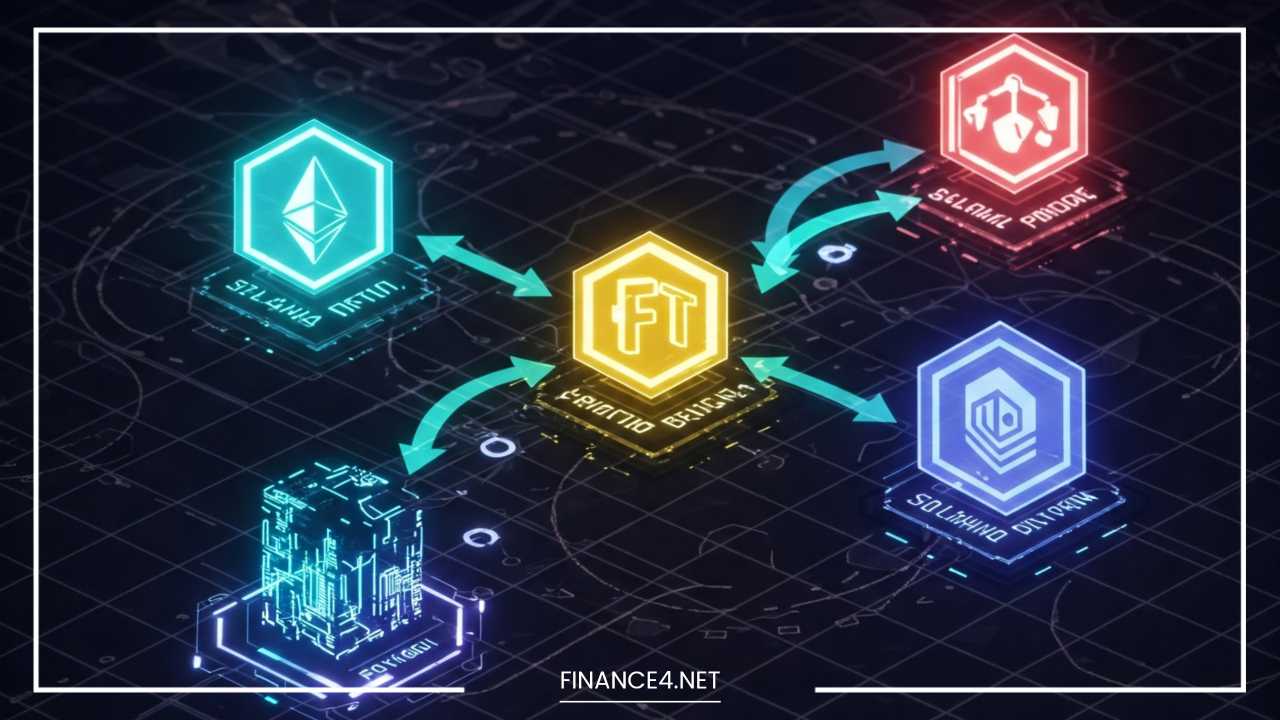
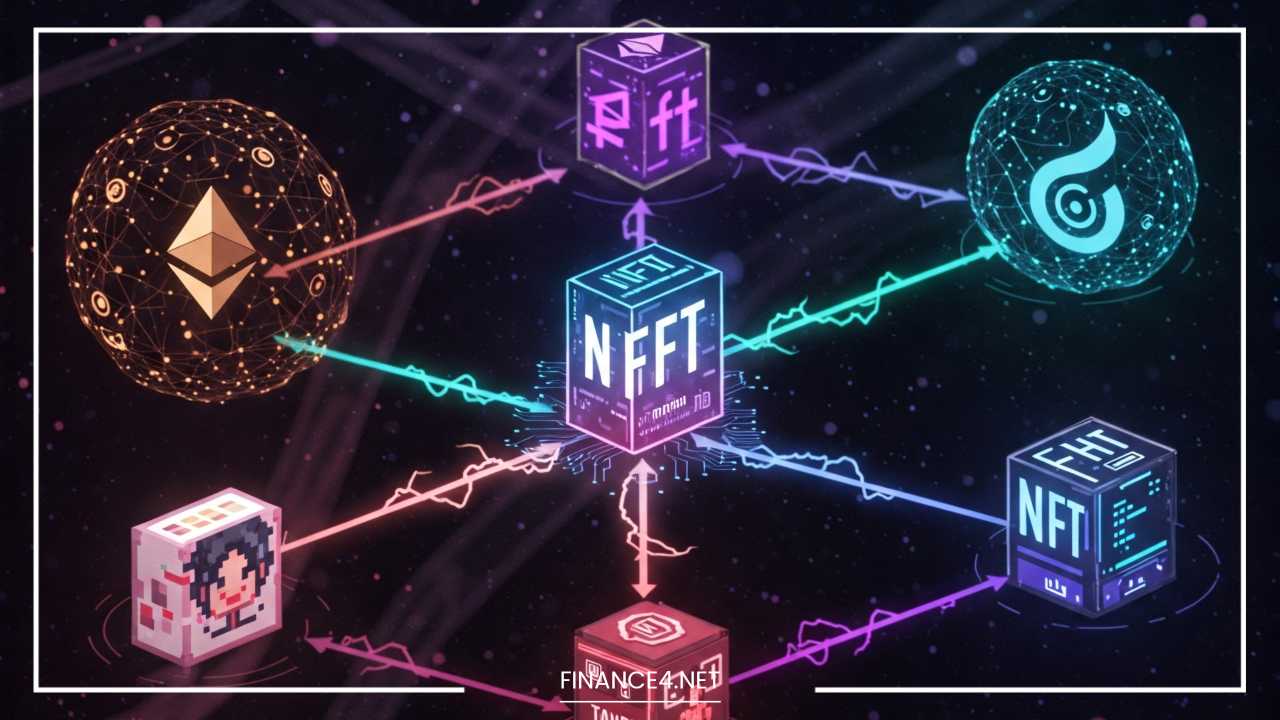
A cross-chain NFT is a digital asset that can exist on multiple blockchains through the use of specialized protocols. This does not mean the NFT is “cloned” across chains—which would destroy the concept of scarcity. Instead, its identity, provenance, and ownership rights are verified and maintained as it moves from the source chain to the destination chain.
Think of it like a passport. You are a unique individual (the NFT). When you move from the United States (Ethereum) to France (Polygon), you don’t become a different person, and there aren’t two of you. Your identity is verified at the border (the bridge), and your status as a “resident” is updated based on where you currently stand.
Single-Chain vs. Cross-Chain
-
Single-Chain NFTs: Reside on one blockchain. They can only be traded on marketplaces that support that specific chain and require the native gas token of that network for any interaction. For example, a CryptoPunks NFT on Ethereum cannot be natively listed on a Solana-only marketplace.
-
Cross-Chain NFTs: Use interoperability layers to “hop” between networks. An NFT minted on Binance Smart Chain could be moved to Ethereum to reach a more premium buyer pool, or moved to an Layer 2 (L2) like Arbitrum to reduce secondary sale fees for the next buyer.
The Benefits of Going Cross-Chain
-
Greater Market Access: Creators are no longer limited to the audience of a single network. By enabling cross-chain functionality, an artist can tap into the diverse communities of Solana, Avalanche, and Ethereum simultaneously.
-
Flexibility and Utility: Different blockchains offer different utilities. An NFT might serve as an in-game item in a Solana-based game but move to Ethereum to be used as collateral in a Decentralized Finance (DeFi) protocol like NFTfi.
-
Enhanced Liquidity and Resale Opportunities: Liquidity is the lifeblood of any market. By being available across multiple ecosystems, the potential number of buyers increases exponentially. If Ethereum is having a “bear market” but Polygon is booming, a cross-chain NFT holder can simply move their asset to where the money is.
-
Platform Independence: You are no longer at the mercy of a single blockchain’s development roadmap. If a network becomes centralized, undergoes a controversial hard fork, or suffers from frequent outages, you have an “exit strategy” for your digital property.
How Cross-Chain NFT Technology Works
The movement of data between blockchains is inherently difficult because blockchains are designed to be closed, trustless systems. They do not naturally “talk” to each other. To facilitate the movement of NFTs, developers use bridges and interoperability protocols.
Bridges and Interoperability Protocols
A bridge is a set of smart contracts that manage the transfer of assets. There are two primary methods for this:
-
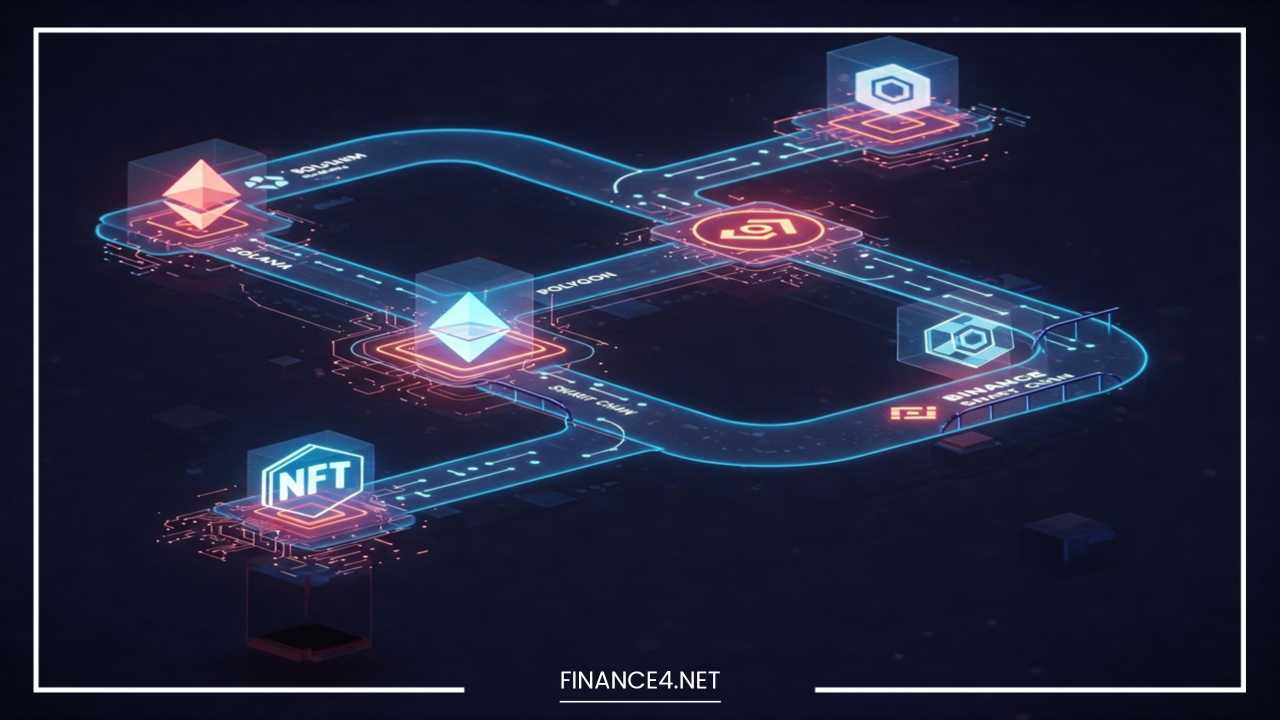
Lock-and-Mint: This is the most common method. The original NFT is sent to a smart contract on the source chain (Chain A), where it is locked in a “vault.” The bridge then sends a message to the destination chain (Chain B). A “wrapped” version or a synthetic copy is then minted on Chain B. If the user moves the NFT back, the wrapped version on Chain B is burned (destroyed), and the original on Chain A is unlocked.
-
Burn-and-Mint: This is a more permanent approach. The NFT is permanently destroyed on the source chain. A cryptographically verified proof of that destruction (a “burn receipt”) is used to trigger a fresh mint of an identical NFT on the destination chain. This method is often preferred for “Omnichain” NFTs because it avoids the risks associated with holding large amounts of assets in a single vault.
Popular Cross-Chain NFT Protocols
-
LayerZero: This is an “omnichain” interoperability protocol. Unlike traditional bridges that rely on middleman chains, LayerZero uses ultra-light nodes to allow different chains to communicate directly. This has led to the rise of ONFTs (Omnichain NFTs), which can move across dozens of chains without needing to be “wrapped.”
-
Wormhole: Originally built to connect Ethereum and Solana, Wormhole has expanded into a massive message-passing protocol. It uses a network of “Guardians” to observe transactions on one chain and verify them on another.
-
Axelar: Axelar provides a decentralized network and tools that connect dApp developers with multiple blockchain ecosystems. It handles the complex routing and translation required to make a transaction on one chain trigger an action on another.
Security Considerations in Cross-Chain Transfers
It is important to be honest about the risks. Bridges are frequent targets for hackers because they hold large amounts of locked assets (the “vaults” mentioned earlier). If a bridge’s smart contract is exploited, the “wrapped” NFTs on the destination chain might lose their link to the original asset. This is why the industry is moving toward “native” cross-chain solutions like LayerZero, where the asset’s security is tied more closely to the protocol itself rather than a central vault.
Prerequisites for Minting Cross-Chain NFTs
Before you can start minting, you need to prepare your digital infrastructure. This isn’t just about having a file to upload; it’s about having the right keys and the right currency.
Crypto Wallet Setup
You will need a non-custodial wallet—this means a wallet where you, and only you, hold the private keys.
-
MetaMask: The industry standard for EVM-compatible chains (Ethereum, Polygon, Binance Smart Chain, Avalanche, Arbitrum, etc.).
-
Phantom: The go-to wallet for Solana, though it now supports Ethereum and Polygon as well.
-
Multi-Chain Wallets: Apps like Trust Wallet or Coinbase Wallet are excellent for beginners because they manage multiple networks under a single interface without requiring you to switch between different browser extensions.
Acquiring Cryptocurrency
Minting requires “gas”—the transaction fee paid to the miners or validators who process your request. You will need:
-
ETH for Ethereum or L2s like Base and Optimism.
-
MATIC for Polygon (though many L2s are transitioning to using ETH for gas).
-
SOL for Solana.
-
BNB for Binance Smart Chain.
You can purchase these on a centralized exchange (CEX) like Coinbase or Binance and then “withdraw” them to your wallet address. Pro tip: Always send a small “test” amount first to ensure you have the address correct.
Understanding Gas Fees and Transaction Costs
Gas fees are the “toll” you pay to use the highway. On Ethereum, during busy times (like a major NFT drop), these fees can exceed $50 or $100 for a single mint. On Polygon or Solana, the fees are usually less than $0.01. When minting a cross-chain NFT, remember that you might pay gas twice: once to mint it on the first chain, and again to “claim” it or bridge it to the second chain.
Choosing the NFT Platform
Not all platforms are created equal. Some, like Holograph or Omnisea, are built specifically for cross-chain minting from day one. Others, like OpenSea, allow you to mint on various chains but require you to use an external bridge to move the asset later.
NFT Art and Digital Asset Creation
Before you hit the “mint” button, your asset must be ready. This includes:
-
The File: High-resolution images (PNG/JPG), videos (MP4), or even 3D files (GLB).
-
Metadata: This is the “ID card” for your NFT. It includes the name, description, and “properties” or “traits” (e.g., “Background: Blue,” “Rarity: Legendary”).
-
Storage: Most professional NFTs store their files on IPFS (InterPlanetary File System) or Arweave rather than a standard Google Drive. This ensures that the image doesn’t disappear if a website goes down.
Step-by-Step Guide to Mint Cross-Chain NFTs
Now we get to the core of the process. For this example, we will assume you are using a cross-chain platform like Holograph, which is one of the most streamlined ways to ensure an NFT maintains the same identity across networks.
Step 1: Choose the Right Blockchain Platform
You must decide where your NFT will “live” first.
-
Ethereum is the “high-end gallery.” It’s expensive, but it’s where the most institutional money resides.
-
Polygon is the “commercial hub.” It is fast, cheap, and integrated into many consumer apps (like Reddit or Starbucks rewards).
-
Avalanche or BSC are great alternatives with strong community backing and moderate fees.
Step 2: Set Up Your Wallet and Connect It
-
Open your browser and unlock your MetaMask or Phantom wallet.
-
Navigate to your chosen minting site (e.g.,
holograph.xyzoromnisea.org). -
Click “Connect Wallet.” You will receive a pop-up asking for permission. This is a “Signature Request”—it doesn’t cost gas, but it proves you own the wallet.
Step 3: Create Your NFT Digital Asset
-
Click the “Create” or “New Collection” button.
-
Upload your file. Ensure it meets the size limits (usually under 50MB for optimal performance).
-
Fill in the Collection Name and Symbol (e.g., “MyArt” and “MA”).
-
Add your metadata description. Be descriptive! This is how people will find your work in search results.
Step 4: Minting on the Primary Blockchain
-
Once the collection is created, click “Mint.”
-
Select your “Source Chain” (e.g., Polygon).
-
Your wallet will trigger a transaction. This will cost a small amount of gas.
-
Once the transaction is confirmed on the blockchain explorer, your NFT is officially “alive.”
Step 5: Bridge Your NFT to Another Blockchain
This is where the magic happens.
-
Within the platform interface, look for a “Bridge” or “Deploy to another chain” button.
-
Select the “Destination Chain” (e.g., Ethereum or Avalanche).
-
The platform will calculate the “Bridge Fee.” This usually covers the gas costs on both the source and destination chains.
-
Confirm the transaction. You will see a progress bar. Your NFT is being “locked/burned” on Chain A and “minted/unlocked” on Chain B.
-
This can take anywhere from 2 to 20 minutes depending on network congestion and the bridge’s security parameters.
Step 6: Listing Your NFT on Marketplaces
Now that your NFT is cross-chain, you can list it.
-
Go to OpenSea or Magic Eden.
-
Connect your wallet and go to your “Profile.”
-
You will see your NFT under the respective chain tab.
-
Click “List for Sale.” Set your price in the native currency of that chain (e.g., ETH or MATIC).
-
Sign the listing. Note that listing on most major marketplaces is “gasless” once you have initialized your wallet for that collection.
Step 7: Best Practices After Minting
-
Verify Ownership: Use
etherscan.ioorpolygonscan.comto view the transaction hash. -
Back Up Your Keys: Ensure your recovery phrase is safe. If you lose your wallet, you lose your cross-chain asset forever.
-
Monitor the Bridge: Sometimes bridges have a “claim” step where you must manually click a button on the destination chain to receive your NFT. Don’t forget this step!
Popular Platforms and Tools for Cross-Chain NFT Minting
The ecosystem is growing rapidly. Here are the tools currently leading the charge.
Major Marketplaces
-
OpenSea: Supports the widest variety of chains. While it isn’t a bridge itself, it is the most likely place your cross-chain NFT will be bought.
-
Magic Eden: A massive force in the Solana, Bitcoin, and Polygon worlds. They have excellent cross-chain UI, allowing users to pay for an NFT on one chain using funds from another.
-
Rarible: Notable for its decentralized governance and support for various chains including Tezos and Flow.
Bridges and Protocols
-
Holograph: Excellent for creators. It uses “Holographic Assets,” meaning the NFT has the same contract address on every chain. This is huge for developers who want their smart contracts to be consistent.
-
Wormhole Portal: A powerful, technical bridge for moving existing NFTs between chains like Ethereum, Solana, and Sui.
-
Stargate Finance: While primarily for tokens, Stargate is built on LayerZero and represents the underlying tech that many NFT bridges use.
Multi-Chain Wallets
-
Trust Wallet: Owned by Binance, it supports millions of assets across dozens of chains.
-
Rainbow Wallet: A beautiful, user-friendly wallet for Ethereum and its L2s (Base, Zora, Optimism, Arbitrum).
Tips and Best Practices
To succeed in the cross-chain space, you need more than just technical knowledge; you need strategy.
How to Reduce Gas Fees
-
Use L2s as a Gateway: Instead of minting on Ethereum mainnet, mint on Base or Arbitrum. These networks are secured by Ethereum but are significantly cheaper. You can always bridge to the mainnet later if a high-value buyer requests it.
-
Batch Minting: If you are a creator, look for platforms that allow “lazy minting” or “batch minting,” which groups multiple NFTs into one transaction to save on gas.
Security Tips
-
Avoid Scams: The cross-chain space is full of fake bridges. Only use links from official documentation or verified social media accounts.
-
Verify Contracts: Check that the smart contract address on the destination chain matches the official one provided by the bridge protocol.
-
Never Share Private Keys: This cannot be stressed enough. No bridge, marketplace, or support agent will ever need your 12-word seed phrase.
Environmental Impact
If you or your buyers are concerned about the “carbon footprint” of NFTs, focus on Proof of Stake (PoS) chains. Polygon, Solana, and the current version of Ethereum use very little energy compared to Bitcoin. Highlighting this in your NFT description can be a strong selling point for eco-conscious collectors.
Challenges and Risks
As with any frontier technology, there are traps for the unwary.
Smart Contract Risks
The code is the law. If there is a flaw in the bridge’s code, hackers can exploit it. Unlike a traditional bank, there is no “undo” button in Web3. If your NFT is stolen from a bridge vault, it is likely gone forever.
Bridge Vulnerabilities
We have seen multi-million dollar exploits on bridges like the Ronin Bridge or the Nomad Bridge. These often happen because the “validators” who secure the bridge are compromised. When choosing a bridge, look for one with “decentralized validation” rather than one controlled by a small group of people.
High Gas Fees on Certain Chains
If you move an NFT to Ethereum, be prepared for the “gas trap.” It might cost $5 to bridge it there, but $50 to bridge it back out or even $20 to list it for sale. Always keep a buffer of the native gas token in your wallet.
NFT Market Volatility
The value of your NFT can go to zero regardless of how many chains it is on. Cross-chain functionality is a feature, not a guarantee of value. Market sentiment changes quickly, and what is popular on Solana one week might be ignored the next.
Future of Cross-Chain NFTs
Where is all of this heading? The goal is “Chain Abstraction.”
Increasing Interoperability
In the future, you won’t need to manually bridge assets. You will simply list your NFT on a marketplace, and the marketplace will handle the backend movement. If a buyer on Solana wants your Ethereum NFT, the “bridge” will happen automatically in the background during the purchase.
Gaming and the Metaverse
This is the “Holy Grail” of cross-chain tech. Imagine a “skin” for your character that you can wear in Fortnite, then bridge to Minecraft, and later display in a virtual gallery in Decentraland. This requires massive cross-chain coordination, and NFTs are the foundational technology making it possible.
Impact on the Creative Economy
For the first time in history, digital artists have a global, 24/7, borderless market. Cross-chain NFTs remove the last remaining borders—the digital ones between blockchains. This allows for a truly unified global economy for digital art and intellectual property.
Final Thoughts
Minting a cross-chain NFT is more than just a technical exercise; it is an act of future-proofing your digital legacy. By breaking free from the constraints of a single blockchain, you are embracing the core philosophy of Web3: decentralization, ownership, and freedom of movement.
As you move forward, keep learning. The protocols mentioned here—LayerZero, Wormhole, Holograph—are evolving every week. The best way to learn is by doing. Start by minting a small, low-cost NFT on a testnet or a cheap chain like Polygon, and practice bridging it to another network. Once you are comfortable with the “handshake” between chains, you will be ready to launch your own cross-chain collections and reach a global audience.
The future of the internet is not a single chain, but a web of interconnected ones. By mastering cross-chain NFTs today, you are becoming a citizen of the entire decentralized world.