Top Banks Supporting Google Pay and Apple Pay
 by
by 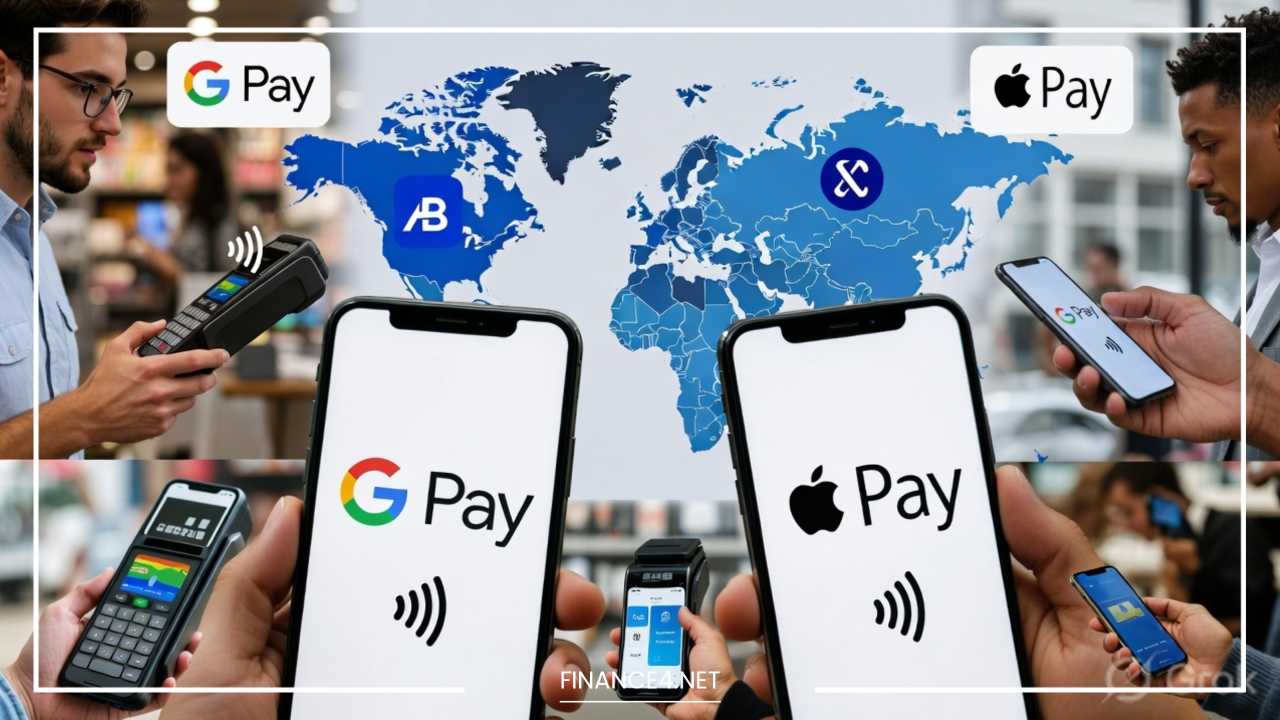
Top Banks Supporting Google Pay and Apple Pay – Complete List
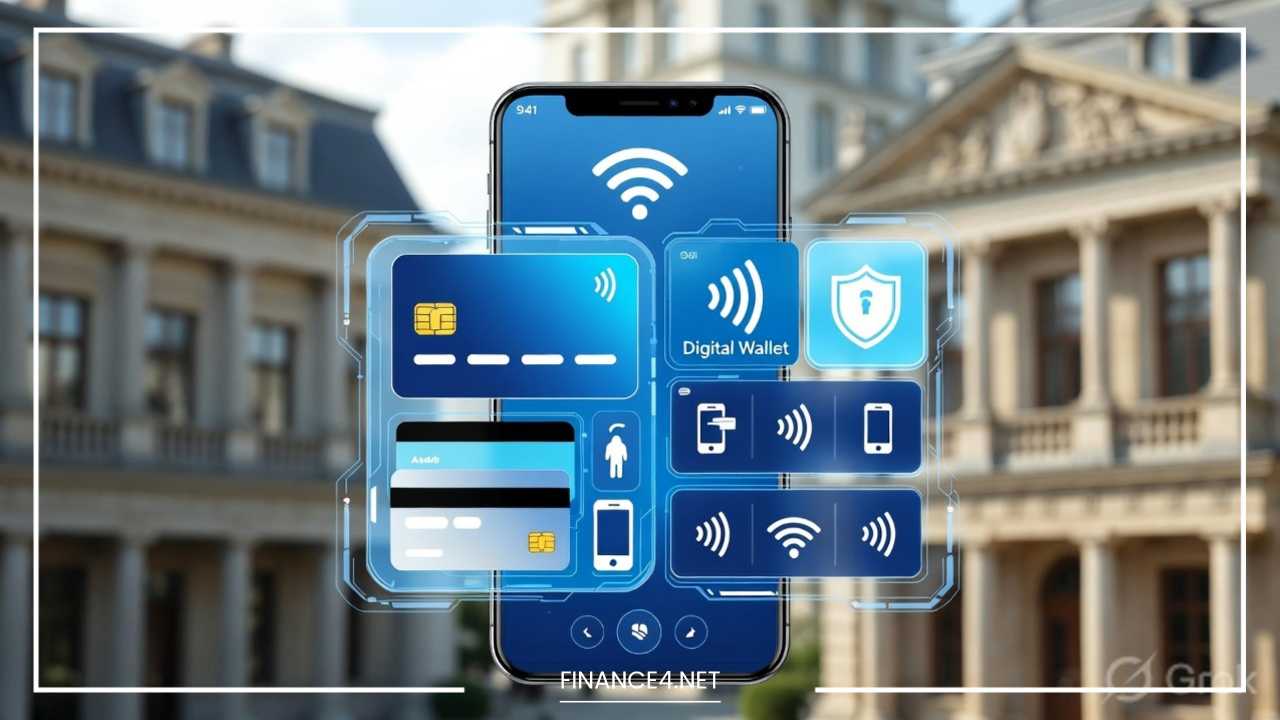
In the rapidly evolving landscape of modern finance, the shift toward cashless transactions has become an irreversible global phenomenon. At the absolute forefront of this transformation are digital wallets, specifically Google Pay and Apple Pay. These platforms have fundamentally redefined how we interact with our money, effectively turning our everyday smartphones, tablets, and wearable devices into highly secure, portable, and instantaneous payment terminals.
For the average consumer, the convenience of tapping a phone at a point-of-sale terminal to pay for groceries, morning coffee, or public transit is now a baseline expectation rather than a luxury. However, the sophisticated functionality of these digital wallets relies heavily on one pivotal factor: bank support. A digital wallet is only as powerful, reliable, and accessible as the financial institutions that back it. When a bank integrates its debit and credit card systems with these wallets, they provide their customers with a trifecta of benefits: unmatched convenience, enhanced security through tokenization, and the freedom to navigate the world without carrying a physical wallet.
This comprehensive guide explores the deep, symbiotic relationship between the world’s leading financial institutions and the major digital wallet providers. We will delve into how these technologies operate behind the scenes, why bank compatibility is the essential backbone of the mobile payment revolution, and provide an expansive overview of the top banks worldwide that currently support Google Pay and Apple Pay. Whether you are looking to streamline your daily financial routine or are simply curious about the technology securing your digital assets, this article provides the insights and lists you need to stay ahead.
What Are Google Pay and Apple Pay?
Understanding Google Pay
Google Pay is a robust, multi-faceted digital payment platform designed primarily for Android devices, though its utility has expanded significantly to include web browsers and even iOS environments through the broader Google ecosystem. It is much more than just a tap-to-pay tool. It allows users to store credit and debit cards, loyalty program memberships, digital transit passes, and event tickets in one encrypted digital vault. Beyond its in-store contactless payment capabilities, Google Pay is a cornerstone of digital commerce, allowing users to make secure in-app purchases and fast checkouts on e-commerce websites, which eliminates the tedious need to manually enter card numbers and billing addresses every time a purchase is made.
Understanding Apple Pay
Apple Pay represents the gold standard of mobile payments within the Apple ecosystem. It is deeply integrated into the operating systems of the iPhone, Apple Watch, iPad, and Mac. By utilizing Near Field Communication (NFC) technology, Apple Pay enables swift, contactless transactions at physical retail locations worldwide. Apple Pay is perhaps most famous for its uncompromising stance on security. Every transaction is authenticated through the user’s specific biometric data—Face ID, Touch ID, or a unique device passcode—ensuring that even if a device is stolen, the actual owner’s financial data remains completely shielded.
Differences, Similarities, and the Role of Banks
While both Google Pay and Apple Pay strive toward the same goal—replacing physical leather wallets with digital ones—they operate with different philosophies. Apple Pay is a closed, hardware-dependent system that offers a highly curated and unified experience across Apple devices. Google Pay, conversely, is built for scale, offering broader cross-platform utility and functioning across a vast array of devices and web browsers.
Despite their differences, both services share a critical dependency: bank support. A digital wallet cannot function in a vacuum. A bank must enter into a formal technological partnership with Apple or Google to enable its card products for use within these wallets. Without this authorization, a card cannot be tokenized or added to the application. Consequently, bank compatibility is the single most important factor for any consumer looking to adopt mobile payments in their daily life.
How Banks Integrate with Google Pay and Apple Pay
The technical architecture powering mobile payments is a marvel of modern cybersecurity. It relies primarily on two core components: Near Field Communication (NFC) and tokenization.
NFC Technology
NFC is the hardware-level communication protocol that allows your smartphone to communicate with a merchant’s payment terminal over a very short distance. When you bring your phone near a reader, the device and the terminal execute a lightning-fast, encrypted “handshake” to process the transaction. This eliminates the need for physical contact between a magnetic strip and a reader, making it much more durable and less prone to physical skimming.
The Security of Tokenization
Tokenization is the security bedrock of digital wallets. When you add your credit card to your phone, the bank does not actually store your card number on the device. Instead, the bank and the payment processor replace your Primary Account Number (PAN)—the 16-digit number printed on your plastic card—with a unique digital identifier known as a token.
-
Requesting the Token: When you initiate the process of adding a card, your bank verifies your identity and issues a token that is cryptographically locked to your specific device.
-
The Secure Element: This token is stored in a highly protected, isolated chip on your phone called the “Secure Element.” It is virtually impossible to extract this information from the hardware.
-
The Transaction: When you make a purchase, your phone sends this token—not your card number—to the merchant. If the merchant’s database were to be breached by hackers, they would only obtain a series of useless, one-time tokens rather than your actual banking information.
Enhanced Bank Features
Beyond standard tokenization, top-tier banks have introduced additional features to improve the user experience. Many now offer push provisioning, a feature where you can add a new credit card to your digital wallet directly from your banking app immediately after approval, often before the physical card even arrives in the mail. Furthermore, many banks provide real-time push notifications for every transaction, allowing users to verify their spending instantly and detect potential fraud before it escalates.
Benefits of Using Google Pay and Apple Pay with Your Bank
The transition from plastic to digital offers tangible, everyday advantages that improve both security and efficiency.
Unparalleled Convenience
The most immediate benefit is the elimination of physical clutter. In an era where many people feel incomplete without their smartphone, the ability to rely solely on that device for all financial transactions is a game-changer. Whether you are commuting to work, picking up lunch, or traveling internationally, carrying only your phone or wearing your smartwatch is enough to cover your financial needs.
Superior Security Standards
Digital wallets are significantly safer than traditional cards. Because they utilize tokenization, your sensitive financial information is never exposed to merchants. Furthermore, because physical biometric authentication (Face ID, Touch ID, or fingerprint) is required for almost all transactions, the risk of loss is mitigated. If your physical wallet is stolen, your cards can be used by anyone. If your phone is lost or stolen, your money is protected by layers of biometric security that are nearly impossible to bypass.
Rewards and Incentives
Many users fear that using a digital wallet might interfere with their card rewards, but the opposite is true. Banks treat digital wallet transactions exactly the same as physical card swipes, meaning you continue to accrue your standard travel points, airline miles, or cashback rewards. Additionally, both Google and Apple frequently collaborate with major banks to offer exclusive “bonus” incentives, such as double points for using a digital wallet at certain retailers or extra cash back during holiday periods.
Global Acceptance and Travel
Because digital wallets adhere to the universal contactless payment standard (widely denoted by the radio-wave symbol on payment terminals), they are accepted in millions of retail locations, public transit systems, and vending machines across the globe. For the international traveler, this provides a major advantage: you no longer have to worry as much about carrying foreign currency or dealing with card-skimming machines in tourist-heavy areas.
Top Banks Supporting Google Pay and Apple Pay
The following list provides an overview of major financial institutions globally that have fully embraced these digital ecosystems. Note that while support is near-universal among major banks today, individual card types (such as specific business or store-branded cards) may occasionally have different compatibility status.
1. United States
-
JPMorgan Chase: As one of the world’s largest banks, Chase has invested heavily in digital integration. They offer seamless support for both Apple and Google Pay across their vast portfolio of consumer credit and debit cards, including their popular travel and premium rewards cards.
-
Bank of America: Bank of America provides a top-tier digital experience, allowing users to provision their cards directly from the BofA mobile banking app. This “in-app” method is considered the gold standard for ease of use.
-
Citibank: Citibank ensures that its global cardholders have access to both wallets. They are particularly noted for their robust security alert systems that notify users the moment a card is successfully added to a new device.
-
Wells Fargo: Wells Fargo offers deep integration, and in many regions, they have expanded their digital wallet support to include the ability to use your phone at their ATMs, eliminating the need to bring a physical debit card to the bank.
2. United Kingdom
-
HSBC UK: HSBC has integrated mobile payments into the core of its UK operations. Their mobile app provides a clear dashboard where users can see which devices have access to their cards and revoke access instantly if needed.
-
Barclays: After being a notable holdout in the early years of mobile payments, Barclays has fully embraced both Apple and Google Pay across its entire consumer banking range, offering a fast and reliable experience.
-
Lloyds Bank: Lloyds provides a very streamlined user experience. Their integration allows for quick setup, and they frequently update their app to ensure compatibility with the latest features offered by Apple and Google.
-
NatWest: NatWest is a recognized leader in UK digital banking innovation. They have made the card-to-wallet transition seamless, and their app is highly rated for its intuitive management of contactless tokens.
3. Canada
-
RBC (Royal Bank of Canada): RBC was an early adopter of mobile payment technology. Their mobile banking platform allows for instant, one-tap addition of cards to your digital wallet, making the onboarding process incredibly fast.
-
TD Bank: TD offers broad support across its credit and debit card lines. They have worked closely with Apple and Google to ensure that the mobile payment experience is as stable and secure as the traditional banking experience.
-
Scotiabank: Scotiabank provides a comprehensive suite of digital wallet tools. Their platform is known for excellent support for international travelers, ensuring that their cards work seamlessly when added to digital wallets abroad.
-
CIBC: Known for its “mobile-first” banking philosophy, CIBC has one of the most automated and user-friendly processes for provisioning cards to digital wallets in the Canadian market.
4. Australia
-
Commonwealth Bank: Often ranked as a top innovator in Australian banking, CommBank has provided full support for both major wallets for years, often introducing features like card-locking and transaction monitoring within the digital wallet interface.
-
ANZ: ANZ has maintained a long-standing partnership with both Apple and Google, ensuring that their customers can use their preferred mobile devices at almost any contactless terminal in the country.
-
Westpac: Westpac offers a highly secure integration, including sophisticated fraud-detection algorithms that monitor digital wallet transactions to ensure they meet the bank’s security standards.
-
NAB (National Australia Bank): NAB provides wide-ranging support for its credit and debit products, and they have been proactive in educating their customers on the security benefits of using digital wallets over traditional plastic.
5. Other Major Global Banks
-
Santander (Spain and Global): Santander’s digital wallet support is consistent across their international operations, providing a familiar experience to their customers regardless of which country they are banking in.
-
Deutsche Bank (Germany): As Germany shifts toward a more cashless society, Deutsche Bank has been a key player in enabling mobile payments, ensuring that their high-security standards are maintained within the digital wallet environment.
-
Standard Chartered: Serving a massive global footprint, particularly in Asia, Africa, and the Middle East, Standard Chartered has made mobile payments a cornerstone of its digital transformation, enabling ease of use for international business travelers.
-
ICICI Bank (India): While the Indian market has seen rapid growth in domestic payment standards, ICICI Bank has remained at the forefront of global wallet integration, working diligently to support international standards alongside local systems.
How to Check if Your Bank Supports Google Pay or Apple Pay
If you are unsure whether your bank supports these services, you can verify it in a matter of minutes using these simple steps:
-
Consult the Bank’s Official Website: Almost all major financial institutions maintain a dedicated “Mobile Payments” or “Digital Wallet” landing page. This is the most reliable way to confirm which cards (credit vs. debit, personal vs. business) are eligible.
-
Use the Wallet App Directly: This is often the most efficient method. Open your Apple Wallet or Google Wallet app and tap the “+” icon to add a card. You can then search for your bank by name. If the bank is supported, the app will guide you through the secure verification process.
-
Check Your Bank’s Mobile App: Most modern banking apps now feature a “Manage Cards” or “Add to Wallet” section. This is frequently the best way to add a card, as it often allows for instant verification without needing to call the bank or enter a code received via SMS.
-
Customer Service: If you have a specific, specialized card, it might not show up in the automated search. In these cases, a quick call to your bank’s customer service line will provide a definitive answer regarding whether that specific card product is supported.
Common Issues and Troubleshooting
Even with robust, mature technology, users may occasionally encounter hurdles. Here is how to navigate the most common ones:
-
Card Not Supported: If your bank is listed as “supported” but your specific card is rejected, the card may be a legacy product or a specialized commercial card that hasn’t been enabled for tokenization. Contact your bank to request an upgraded card.
-
Card Verification Failures: When adding a card, banks often send a one-time password (OTP) to your registered phone number or email. If you don’t receive it, verify that your contact information is up to date in the bank’s system. Also, ensure you have a stable data connection during the setup process.
-
Regional Restrictions: Some banks restrict the use of their cards in digital wallets to the country of origin. If you are traveling abroad and trying to add a card to your wallet, you may need to enable “International Usage” via your banking app or reach out to the bank to white-list your location.
-
Device Compatibility Issues: Ensure your smartphone’s operating system is fully up to date. Security certificates required for mobile payments are frequently updated, and an outdated version of iOS or Android might not meet the bank’s security requirements to perform the initial handshake.
Future of Mobile Payments and Bank Support
The future of mobile payments is moving beyond the smartphone. As the world becomes more connected, the banking industry is preparing for a reality where mobile payments are the default method for virtually all human interaction.
The Rise of Wearables
We are already seeing an explosion in support for smartwatches, but the next frontier is even more diverse. From payment-enabled rings to fitness trackers and even automotive key fobs, the ability to make a payment will soon be embedded in the objects we wear and use every day, further reducing the reliance on a central device.
Advanced Biometric Authentication
Banks are moving toward more sophisticated authentication methods. While we currently rely on Face ID or fingerprints, the future will likely involve behavioral biometrics. This could include analyzing the way you hold your phone, the pressure of your touch, or even voice-recognition technology to authorize high-value transactions, making security nearly invisible yet impenetrable.
The Era of Instant Issuance
One of the most exciting trends is the move toward “Instant Issuance.” In the near future, the gap between applying for a credit card and being able to spend that credit will effectively vanish. As soon as a bank’s algorithm approves your application, your digital card will be pushed directly to your wallet, allowing you to make purchases within seconds of being approved.
Final Thoughts
The integration of global banks with platforms like Google Pay and Apple Pay is far more than a matter of mere convenience; it is a fundamental pillar of the modern digital economy. By utilizing tokenization, NFC hardware, and biometric authentication, these digital wallets have rendered our financial lives significantly safer, more efficient, and more manageable.
We highly encourage you to review the support status of your current credit and debit cards. If your financial institution is lagging behind in its digital wallet support, it may be time to reconsider whether that institution is keeping pace with your modern needs. The technology is here, it is widely accepted, and it is overwhelmingly secure. Take the time to set up your digital wallet today, and you will quickly find that the ability to pay with a simple tap is a benefit that provides a seamless, secure, and sophisticated way to manage your financial world.