Best Cross-Promotions for NFT Launches
 by
by 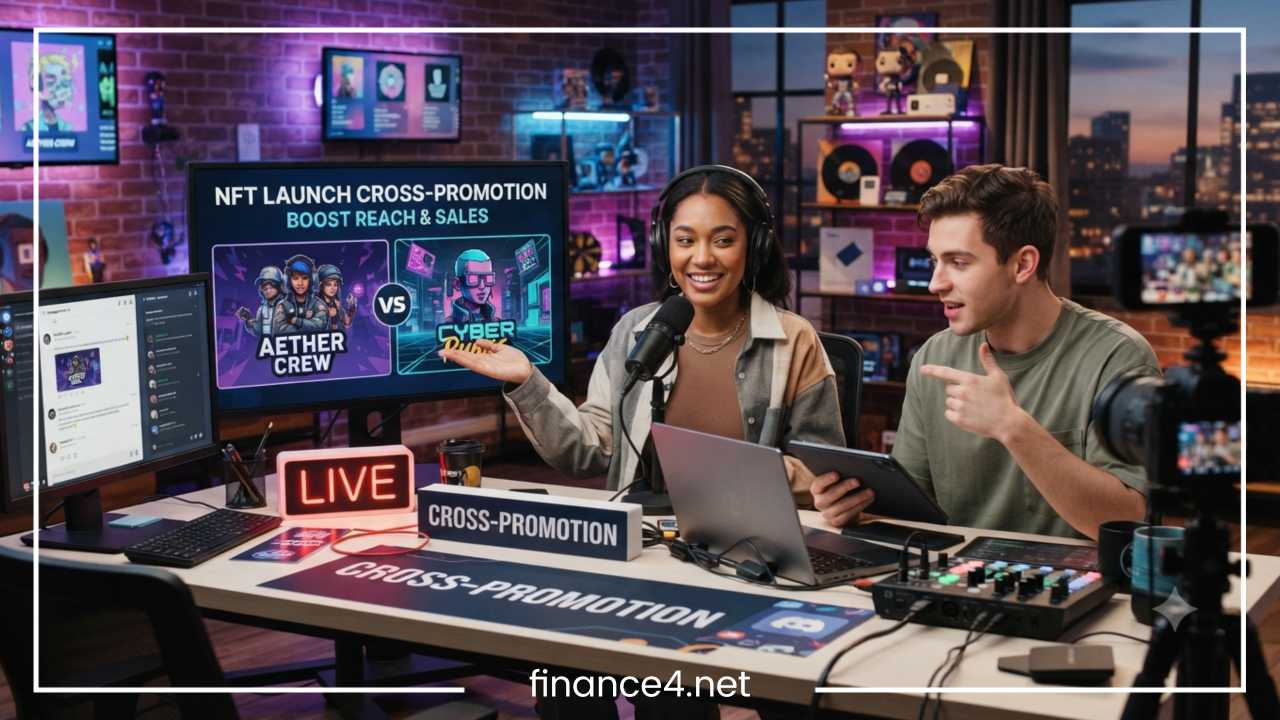
Best Cross-Promotions for NFT Launches: Boost Reach & Sales
Launch day is the ultimate testing ground for any non-fungible token project. Millions of dollars are spent globally on conceptualizing stunning digital art, generating complex generative layers, deploying smart contracts, and constructing narrative-driven utility roadmaps. Yet, a striking percentage of NFT launches fail to mint out or build sustainable secondary market volume. The primary culprit is rarely the quality of the art or the technical architecture; it is the critical challenge of audience acquisition.
Many creators fall into the trap of relying exclusively on hyper-competitive paid advertising, costly influencer shills, or blind programmatic spamming. In Web3, these traditional Web2 customer acquisition playbooks underperform significantly. Audiences are inherently skeptical of paid placements, ad-blocker usage is near-universal among crypto-native users, and algorithmic reach on major social networks is highly volatile. To break through the noise, successful projects utilize audience sharing through strategic cross-promotions.
Cross-promotion in Web3 is the practice of two or more projects combining their community reach, social capital, and marketing channels to achieve mutually beneficial growth. Instead of viewing every other project as a direct competitor, forward-thinking creators leverage partnerships to tap into established, highly engaged liquidity pools and collector bases. This article provides a comprehensive blueprint for designing, executing, and optimizing cross-promotional campaigns that amplify visibility, build authentic community trust, and ultimately maximize mint-day conversion rates.
What Is Cross-Promotion in NFT Marketing?
Definition
At its core, cross-promotion within the decentralized ecosystem represents a symbiotic marketing alliance. It is the formal or informal agreement between independent digital asset projects, creators, platforms, or decentralized entities to promote one another to their respective audiences. Unlike traditional transactional marketing, where cash is exchanged for visibility, cross-promotion relies on the exchange of social equity, attention, and value.
This model functions through mutual audience sharing. For example, Project A broadcasts the unique value proposition of Project B to its community, while Project B simultaneously introduces its base to Project A. In the Web3 landscape, this goes beyond simple logo placement; it manifests as deeply integrated community-driven initiatives, co-developed experiences, shared utility, and cross-project whitelist allocations.
Why It Works Better Than Traditional Advertising
Traditional advertising structures struggle to convert users in Web3 due to a unique cultural dynamic: the high value placed on peer-to-peer trust. Web3 native participants view conventional display ads, sponsored search listings, and paid media placements with skepticism. Cross-promotion circumvents this skepticism by leveraging the established trust factor of an existing community leader or project team. When a respected project vouches for a new launch, that endorsement acts as a powerful social signal.
Furthermore, cross-promotions offer significantly lower customer acquisition costs. Paid ad networks charge high premiums for crypto-focused traffic, and the conversion rates are frequently inflated by automated bots. Cross-promotional partnerships require minimal direct capital outlay, relying instead on strategic coordination and asset allocation, such as reserving whitelist spots.
This approach generates organic visibility. Because the promotional material is delivered through native Web3 communication hubs like Discord, X, and Telegram, it initiates natural peer-to-peer discussions. It transforms passive ad viewers into active community participants, generating higher engagement and building long-term collector retention.
Benefits of Cross-Promotions for NFT Launches
Deploying a structured cross-promotion strategy yields quantifiable benefits across the entire lifecycle of an NFT launch campaign:
-
Increased Top-of-Funnel Reach: Partnerships expose the project to pre-vetted, crypto-literate users who already possess Web3 wallets and understand how to navigate minting processes.
-
Accelerated Whitelist Growth: Cross-promotions are highly effective mechanisms for capturing high-intent wallet addresses. By offering guaranteed or raffle-based whitelist spots to partner communities, projects populate their registry with active collectors rather than sybil bots.
-
Higher Discord Engagement: Partnering with external communities injects new life into communication servers. Joint activities bring in active chatters, increasing daily active user metrics and positive community sentiment.
-
Compounded Social Followings: Co-coordinated social campaigns result in immediate, organic follower growth across X, Farcaster, and Telegram, expanding the long-term organic distribution channel.
-
Optimized Mint-Day Traffic: By aligning multiple partner communities around a singular mint timeline, projects create concentrated buying pressure and volume, reducing the risk of a stalled public sale.
-
Instant Credibility by Association: New, unproven projects gain immediate institutional and social validation when they partner with established brands, creators, or decentralized autonomous organizations.
-
Foundation for Long-Term Alliances: The cross-promotions executed during a launch phase regularly evolve into post-mint utility partnerships, such as cross-collection token staking or shared metaverse access.
-
Conservation of Marketing Capital: By reducing reliance on paid promotional agencies and direct ad spend, teams preserve their treasury capital to fund post-mint development, art production, and community rewards.
Best Cross-Promotion Strategies for NFT Launches
Partner with Complementary NFT Projects
The most accessible starting point for cross-promotion is collaborating with existing NFT collections that share a similar target audience profile but do not compete directly for the exact same niche utility. For instance, a profile picture project focusing on sci-fi aesthetics can partner with a digital art project building sci-fi virtual architecture.
The strategy focuses on identifying non-competing collections with parallel art styles, underlying lore, or philosophical alignments. The execution involves joint announcements that highlight the mutual admiration between the project teams. This can be formalized by offering exclusive, reciprocal benefits, such as custom derivative artwork pieces for holders who cross-pollinate between the two ecosystems.
Twitter/X Space Collaborations
Live audio content serves as a primary discovery tool for Web3 collectors. Co-hosted X Spaces allow teams to present their ideas directly to combined audiences in real time.
| Session Type | Core Objective | Target Audience |
| Co-Hosted Roundtable | Discuss broader industry trends while subtly weaving in project narratives. | General Web3 collectors and macro enthusiasts. |
| Founder Interviews | Conduct deep dives into the inspiration, utility, and long-term vision of the launch. | Core prospective collectors seeking high conviction. |
| Community AMA Sessions | Address technical queries, roadmap details, and security measures transparently. | Whitelisted users and highly interested buyers. |
To maximize the impact of these sessions, teams should utilize cross-scheduling tools, pin important links to the top of the audio room, and integrate live reward distributions for active listeners.
Discord Community Swaps
Discord remains the operational hub for most Web3 communities. A well-executed Discord community swap breaks down the barriers between two distinct digital strongholds.
This process relies heavily on structured announcement exchanges. Community managers coordinate specific times to post dedicated, formatted descriptions of the partner project within their respective announcements or alpha channels. To deepen engagement beyond a basic text post, teams can host inter-community gaming tournaments, trivia nights, or collaborative riddles.
Additionally, implementing role collaborations—where verified holders of a partner project automatically receive a distinct, respected role within the new server—creates immediate social standing and encourages long-term interaction.
Influencer Cross-Promotions
The Web3 influencer landscape is highly nuanced. Paid product placements often generate low conversion rates, but authentic influencer cross-promotions rooted in mutual interest deliver strong results.
Projects should prioritize micro-influencers, dedicated Web3 creators, and respected NFT collectors who maintain high engagement rates over raw follower counts. Instead of providing a generic marketing script, the team collaborates with the creator to generate native content. This could include video breakdowns on YouTube, deep-dive threads on X, or live-streamed project reviews on Twitch.
Providing these creators with unique allocations or custom assets gives them a genuine stake in the project’s public visibility, ensuring their coverage remains authentic and compelling.
Joint Giveaways
Giveaways serve as a powerful mechanism for generating short-term viral momentum and rapidly expanding data registries. However, they must be structured carefully to attract real collectors rather than automated giveaway bots.
| Campaign Phase | Action Required | Verification Method |
| Phase 1: Discovery | Audience views co-branded promotional assets on social channels. | Social impressions tracking. |
| Phase 2: Engagement | Participant fulfills tasks (Follow, Join, Share). | API integration checks. |
| Phase 3: Validation | Participant submits active Web3 wallet address. | Smart contract balance audit. |
| Phase 4: Allocation | High-intent collectors receive verified whitelist access. | Encrypted address registry. |
Effective campaigns require participants to complete multiple verification steps, such as following official social channels, joining community servers, and verifying wallet balances. Prizes should balance immediate utility with long-term value, combining free mints, premium whitelist spots, co-branded physical merchandise, partner project assets, and governance tokens to incentivize high-quality participants.
Newsletter Partnerships
While real-time chat platforms manage daily engagement, email newsletters offer a reliable way to reach collectors outside of algorithmic feeds. Partnering with curated Web3 newsletters, dedicated NFT analytical publications, and established community lists provides direct access to an attentive audience.
Cross-promotion in this medium involves content swaps, such as writing guest analytical features, contributing market insights, or providing exclusive alpha drops for the newsletter’s subscriber base. Because email long-form content allows for deeper explanations, it is an ideal channel for communicating complex utility mechanics, technical innovations, and the long-term vision of the project.
Cross-Promoting Through Gaming Communities
For GameFi, Play-to-Earn, or metaverse-adjacent NFT launches, traditional art communities may not provide the right alignment. Instead, teams should focus their cross-promotional efforts directly on active gaming ecosystems.
Partnering with established decentralized virtual worlds, gaming guilds, and esports organizations allows creators to pitch their digital assets directly to active users. A metaverse project, for example, can collaborate with an established Web3 gaming title to offer cross-platform utility. This ensures that the NFTs minted can be rendered as functional, in-game assets within the partner’s ecosystem, providing immediate utility on day one.
Podcast Collaborations
Long-form audio interviews allow founding teams to articulate complex ideas without the character constraints of social platforms. Securing guest spots on targeted NFT and Web3 podcasts introduces the project’s core team to deeply invested audiences.
These conversations should move away from pure promotional pitches, focusing instead on structural innovations, market challenges, and unique technical solutions. When founders demonstrate deep industry knowledge on a podcast, it builds trust and credibility, transforming passive listeners into long-term collectors.
Partner with Web3 Tools
Every active NFT collector interacts daily with an array of decentralized applications, software tools, and infrastructure platforms. Collaborating with these technical entities provides high-visibility placements directly within the user workflow.
| Integration Type | Platform Category | Target Placement |
| Analytics Listing | Data & Portfolio Tracking Engines | Trending dashboards and discovery sidebars. |
| Wallet Notification | Native Software & Hardware Wallets | In-app activity popups and mint reminders. |
| Calendar Spotlight | Mint Calendars & Aggregators | Premium editorial features and countdown highlights. |
Securing partnerships with analytics engines, wallet providers, and mint tracking calendars places the project directly in front of active collectors. This integration can range from featured placements on upcoming mint dashboards to native in-app notifications, ensuring visibility when users are actively looking to mint new assets.
Collaborate with DAOs
Decentralized Autonomous Organizations represent organized, capitalized communities with shared financial and cultural objectives. Partnering with investment DAOs, collector collectives, and regional governance groups provides access to highly coordinated networks of collectors.
Engagement with DAOs requires a formal, value-driven approach. Teams can pitch to the DAO’s curation committees, submit proposals for treasury allocations, or offer specialized community grants. Providing a DAO treasury with a curated block of the upcoming collection aligns the interests of both organizations, securing a dedicated group of sophisticated long-term holders.
Cross-Promotion Channels That Deliver the Best Results
Achieving strong results requires understanding the unique advantages and cultural norms of each Web3 communication channel:
-
Twitter/X: The primary network for real-time announcements, breaking news, viral content, and live audio engagement via Spaces. It serves as the top-of-funnel entry point for community growth.
-
Discord: The central hub for community management, detailed documentation, multi-channel discussions, and secure wallet verification. It excels at converting casual interest into active support.
-
Telegram: A highly responsive messaging channel preferred by global trading communities, alpha groups, and regional collector segments. It is ideal for rapid updates and automated notification alerts.
-
Reddit: A platform built around deep-dive community discussions and long-form analysis. Subreddits focused on Web3 art and technology offer long-term search discoverability and detailed feedback.
-
Farcaster: A decentralized social network popular with developers, builders, and early tech adopters. It provides an authentic space for organic, high-conviction networking away from mainstream noise.
-
LinkedIn: The primary network for professional Web3 startups, institutional venture funds, corporate partners, and enterprise-level ecosystem announcements.
-
YouTube: The leading channel for comprehensive video tutorials, live smart-contract walkthroughs, deep-dive project reviews, and founder interviews.
-
TikTok: A highly effective engine for short-form viral storytelling, art production previews, behind-the-scenes content, and reaching younger demographics.
-
Email Newsletters: A direct communication channel free from third-party algorithmic changes, delivering high click-through rates and long-form editorial deep dives.
-
NFT Marketplaces: Dedicated launchpads, home-page banners, and trending list inclusions that capture high-intent users who are actively browsing with connected wallets.
How to Choose the Right Cross-Promotion Partner
Selecting an inappropriate partner can dilute your brand value, introduce security risks, or fill your community channels with automated bots. Teams should evaluate prospective partners using an analytical framework:
| Evaluation Step | Core Diagnostic | Verification Target |
| 1. Statistical Audit | Compare unique engagement markers against total follower size. | Eliminate inflated bot numbers. |
| 2. Quality Review | Inspect text patterns in chat channels and comment areas. | Confirm organic collector discussions. |
| 3. Alignment Check | Review development team history and operational time zones. | Ensure brand and functional compatibility. |
1. Statistical Engagement Audit
Teams must look past raw follower counts, which can be easily manipulated through automated distribution services. Instead, calculate true engagement rates by comparing impressions, replies, reshares, and likes against total community size. A project with 10,000 highly active followers will consistently outperform an account with 150,000 inactive or automated profiles.
2. Quality and Social Proof Review
Analyze the tone and substance of the daily conversations within the prospective partner’s Discord and X accounts. Look for meaningful peer-to-peer discussions, genuine questions about utility, and long-term interest from community members. If the interaction consists entirely of repetitive catchphrases or generic hype messages, the community likely lacks real, high-intent collectors.
3. Brand and Structural Alignment
Evaluate the long-term reputation and past performance of the project’s leadership team. Verify their history of delivering on roadmaps, security compliance, and transparent communication. Ensure their core values, artistic standards, and demographic reach align with your brand, and verify that their community’s active time zones match your primary launch targets.
Creating a Successful Cross-Promotion Plan
To turn cross-promotional ideas into a successful campaign, teams should follow a structured execution timeline:
Step 1: Define Precise Launch Goals
Establish clear, quantitative goals before approaching potential partners. Define targets for key metrics, including target whitelist sign-ups, net-new social followers, total Discord members, and expected mint-day wallet transactions.
Step 2: Identify and Vet Ideal Partners
Build a structured database of potential partners across different categories, including NFT projects, DAOs, tools, and content creators. Apply the validation framework to filter out low-quality options and prioritize projects with strong alignment.
Step 3: Pitch Value-Driven Collaborations
Develop customized, professional proposals for short-listed projects. Focus the conversation on mutual benefits, outlining how the partnership will provide clear value to their existing community members.
Step 4: Develop Integrated Co-Branded Content
Collaborate directly with the partner’s creative teams to produce high-quality marketing assets. This includes custom co-branded artwork, combined lore explanations, educational video clips, and high-impact announcements.
Step 5: Execute a Coordinated Scheduling Plan
Map out a shared promotional schedule to avoid communication fatigue. Ensure that cross-posts, announcements, and live audio sessions are spaced out logically to build consistent momentum leading up to launch day.
Step 6: Launch Verified Engagement Campaigns
Deploy structured, bot-resistant giveaway mechanics and whitelist distribution events. Use automated verification tools to ensure participants fulfill all required engagement milestones before earning rewards.
Step 7: Host Interactive Live Events
Organize and execute highly collaborative live events, including X Spaces, Discord AMAs, gaming tournaments, and real-time community challenges to keep engagement high.
Step 8: Track Operational Performance Daily
Monitor incoming traffic and conversions using custom referral links, distinct Discord invite codes, and unique wallet tracking dashboards to see which initiatives are driving real results.
Step 9: Maintain Active Post-Launch Communication
Follow up with partners after the launch concludes. Share key performance insights, deliver all promised rewards, and discuss potential opportunities for long-term utility integration.
Common Mistakes to Avoid
Even well-funded marketing campaigns can underperform if they make foundational tactical mistakes. Avoid these common cross-promotional pitfalls:
-
Partnering with Automated or Low-Quality Communities: Collaborating with projects that rely on paid bot networks inflates your community metrics with inactive users, which permanently hurts your organic reach.
-
Over-Saturating the Schedule with Giveaways: Running continuous, non-stop whitelist raffles attracts short-term speculators who flip assets instantly, rather than long-term collectors invested in the roadmap.
-
Ineffective Timing and Scheduling: Distributing promotional content too early kills momentum before the mint date, while posting too late fails to give the partner’s community enough time to complete verification steps.
-
Mismatched Project Audiences: Partnering with collections that have completely different collector demographics or aesthetic styles leads to low conversions and confusing brand messaging.
-
Failing to Provide a Clear Call to Action (CTA): Publishing announcements without a single, prominent, easy-to-navigate action link leaves users confused about how to join the whitelist or participate in the mint.
-
Ignoring Data Analytics: Running campaigns without tracking distinct referral links makes it impossible to know which relationships are driving real value and which channels are wasting resources.
-
Structuring One-Sided Agreements: Designing partnerships that only benefit your project alienates high-quality creators and destroys your team’s reputation within the wider Web3 ecosystem.
Measuring Cross-Promotion Success
To accurately measure performance and optimize future marketing campaigns, teams should track key metrics across their operational funnel:
| Metric Category | Core Data Point | Primary Significance |
| Mint Performance | Direct Mint Conversions | Measures the exact revenue generated from specific partner traffic pools. |
| Traffic Quality | Unique Referral Clicks | Identifies which promotional channels send real, engaged web visitors. |
| Whitelist Quality | Valid Wallet Sign-ups | Measures the total number of high-intent buyers captured through the campaign. |
| Social Expansion | Net Follower Growth | Quantifies the permanent audience growth achieved across X and Farcaster. |
| Community Health | Discord Join/Retention Rate | Evaluates how effectively the project converts new visitors into long-term community members. |
| Market Activity | Secondary Sales Volume | Tracks how well partner-led collectors hold their assets instead of instantly listing them. |
| Financial Efficiency | Cost Per Acquisition (CPA) | Compares the actual cost of cross-promotions against traditional paid advertising spend. |
Real-World Examples of Effective NFT Cross-Promotions
Reciprocal Whitelist Exchanges between Aligned Collections
Two high-profile profile picture collections with similar artistic directions but separate storylines run a coordinated whitelist exchange. Instead of holding a generic giveaway, they open a custom portal accessible only to verified holders of either asset.
This mechanism allows active collectors from one project to easily secure access to the upcoming launch. By integrating their verification tools directly, both projects ensure that high-intent, long-term holders occupy the mint registry, leading to a highly successful launch with minimal day-one flipping.
GameFi Asset Integrations with Metaverse Virtual Worlds
A fast-growing Play-to-Earn space combat game partners with an established, decentralized metaverse platform ahead of its initial virtual ship sale. The teams work together to ensure the upcoming ship NFTs are fully rendered and functional inside the partner’s virtual world on day one.
They host joint live demonstrations inside the metaverse world, showing the cross-platform functionality in real time. This approach drives strong interest from the metaverse’s existing player base, who quickly mint out the collection because they see immediate utility for their assets.
Curated Marketplace Spotlight and Coordinated Live Audio Campaigns
An independent digital artist partners directly with a major NFT marketplace for a curated collection launch. The marketplace features the artist on its main platform banner and includes the collection in its upcoming mint calendar.
Simultaneously, the artist and the marketplace team host a series of deep-dive X Spaces breaking down the creative process and the inspiration behind the art. The combined visibility from the marketplace’s platform placement and the real-time engagement from the audio sessions drives strong collector demand, resulting in a successful launch that sells out quickly during the early access phase.
Tools for Managing NFT Cross-Promotions
Executing a multi-channel cross-promotion campaign requires a robust set of operational tools to keep workflows organized and secure:
-
Social Media Management Platforms: Centralized systems like Buffer, Hootsuite, and Loomly help marketing teams schedule complex, multi-account campaigns and track real-time engagement analytics.
-
Discord Security and Management Bots: Automated systems such as Guild.xyz, Collab.Land, and Dyno manage community roles, verify partner asset ownership, and protect servers from automated spam attacks.
-
Web3 Analytics and Data Dashboards: Analytical platforms like Dune Analytics, Nansen, and Footprint Analytics help teams track wallet behavior, monitor smart contract interactions, and measure secondary market health.
-
Link Customization and Referral Trackers: Tools like Bitly, Linktree, and customized UTM tracking parameters allow marketing teams to measure exactly how much traffic each individual partner generates.
-
Web3 CRM and Partnership Hubs: Specialized platforms like Holder, Kazm, and Layerise help teams manage relationship pipelines, track participant loyalty, and maintain historical partner records.
-
Decentralized Campaign Platforms: Tools such as Galxe, Zealy, and Layer3 automate multi-step verification tasks, ensuring participants complete social milestones before earning rewards.
-
Automated Email Marketing Services: Platforms like Mailchimp, ConvertKit, and Paragraph manage newsletter layouts, segment subscriber lists, and track open and click-through rates for editorial content.
Future Trends in NFT Cross-Promotions
As the Web3 ecosystem grows and matures, the strategies used for community cross-promotions are evolving rapidly:
AI-Assisted Community Curation
Advanced machine learning tools are transforming how projects identify and interact with target audiences. AI engines can analyze blockchain transaction patterns and social sentiment to suggest ideal partnership opportunities. These tools also help automate community management, optimize announcement schedules, and identify automated sybil bots before they join giveaway pools.
Cross-Chain Marketing Ecosystems
As layer-one and layer-two scaling networks become more interconnected, marketing campaigns are expanding beyond single-chain boundaries. Future cross-promotions will regularly involve multi-chain partnerships. This allows a project launching on one network to seamlessly offer whitelist spots, custom rewards, and shared utility to collectors active on completely different blockchains.
Decentralized Social Architecture
The rise of open, decentralized social networks like Farcaster and Lens Protocol is changing how creators build relationships with their audiences. Because these platforms store user data on-chain rather than within closed corporate systems, teams can create highly customized cross-promotions based directly on a user’s verified network activity and historic collection behavior.
Frictionless Web2 and Web3 Brand Integrations
The boundary separating native Web3 projects from traditional global consumer brands is fading. Future marketing alliances will focus heavily on bridging digital assets with real-world experiences.
This includes token-gated access to exclusive physical retail drops, digital twin product launches, and real-world loyalty rewards. These integrations introduce traditional audiences to Web3 spaces through simple, user-friendly applications that don’t require deep technical knowledge.
Final Thoughts
Building a successful NFT launch requires moving away from short-term, paid promotional tactics and focusing instead on authentic, value-driven community collaboration. Relying solely on paid influencer placements or automated ad networks often leads to low engagement, high acquisition costs, and communities filled with short-term speculators. True Web3 growth relies on the power of shared networks, collective trust, and mutually beneficial relationships.
By executing a structured cross-promotion strategy—combining aligned collection partnerships, interactive live audio sessions, structured Discord collaborations, and robust data tracking—creators can build a highly engaged base of long-term supporters. Success requires choosing the right partners carefully, verifying community authenticity, planning timelines thoroughly, and consistently tracking performance metrics.
Start building your promotional network early in the development cycle, well before your planned mint date. Look for partners who share your values and long-term vision, design your collaborations to provide genuine value to both communities, and use clear data insights to optimize your campaigns. By prioritizing authentic relationships over short-term hype, you protect your marketing budget and establish the foundation for a sustainable, long-term project ecosystem.
Frequently Asked Questions
What are the best Web3 tools for tracking NFT cross-promotion engagement metrics?
To accurately monitor your campaign performance, use tools that link on-chain activity with off-chain marketing data. Platforms like Galxe, Zealy, and Layer3 are excellent for setting up structured engagement quests and verifying social tasks. For community tracking and token-gated role distribution, look to infrastructure tools like Guild.xyz and Collab.Land. For deep post-mint wallet analysis, referral tracking, and holder retention data, platforms such as Holder, Kazm, and Dune Analytics provide exact data frameworks.
How do you find non-competing NFT projects for cross-community whitelist swaps?
Start by scanning marketplace analytics platforms like OpenSea, Blur, and secondary analytical hubs to find projects that share similar transaction volume profiles but target a different aesthetic or utility niche. Look for projects with parallel art styles, similar lore concepts, or complementary roadmaps (e.g., a gaming project partnering with an avatar or digital apparel project). Always audit their public channels using engagement checking tools to ensure their audience consists of real, active collectors rather than automated bot networks.
What is the ideal timeline to pitch a Twitter Space collaboration before an NFT mint date?
The optimal timeline to initiate partner pitches is four to six weeks before your public mint date. This gives both teams sufficient time to align their schedules, coordinate marketing graphics, and build anticipation. Host the actual co-branded X Spaces or community AMAs within the final two weeks leading up to the launch. This concentrated scheduling window ensures the highest traffic conversion, keeping your project fresh in the minds of prospective collectors when the mint registry opens.
Why do joint giveaways sometimes attract low-quality buyers to an NFT launch?
Many giveaways fail because they lack strict verification barriers, which makes them easy targets for automated sybil bots and hyper-speculative flippers. When a campaign only requires a basic social share, it attracts users who look for immediate liquidity and list their assets on the secondary market right after the mint. To attract high-intent, long-term collectors, require participants to complete multi-step verification tasks, such as maintaining a minimum wallet balance or holding an asset from an aligned partner collection.
Can independent digital artists partner with NFT marketplaces for featured collection launches?
Yes, independent creators can secure featured placements by applying directly to marketplace launchpad programs or submitting creative proposals to curation committees. Marketplaces regularly look for unique artwork, culturally relevant concepts, and innovative utility mechanisms to spotlight on their main banners and upcoming mint calendars. Combining a marketplace spotlight with a series of coordinated live audio sessions and community interviews helps maximize your reach and build momentum ahead of the launch.