Top NFT Aggregator for Game Assets
 by
by 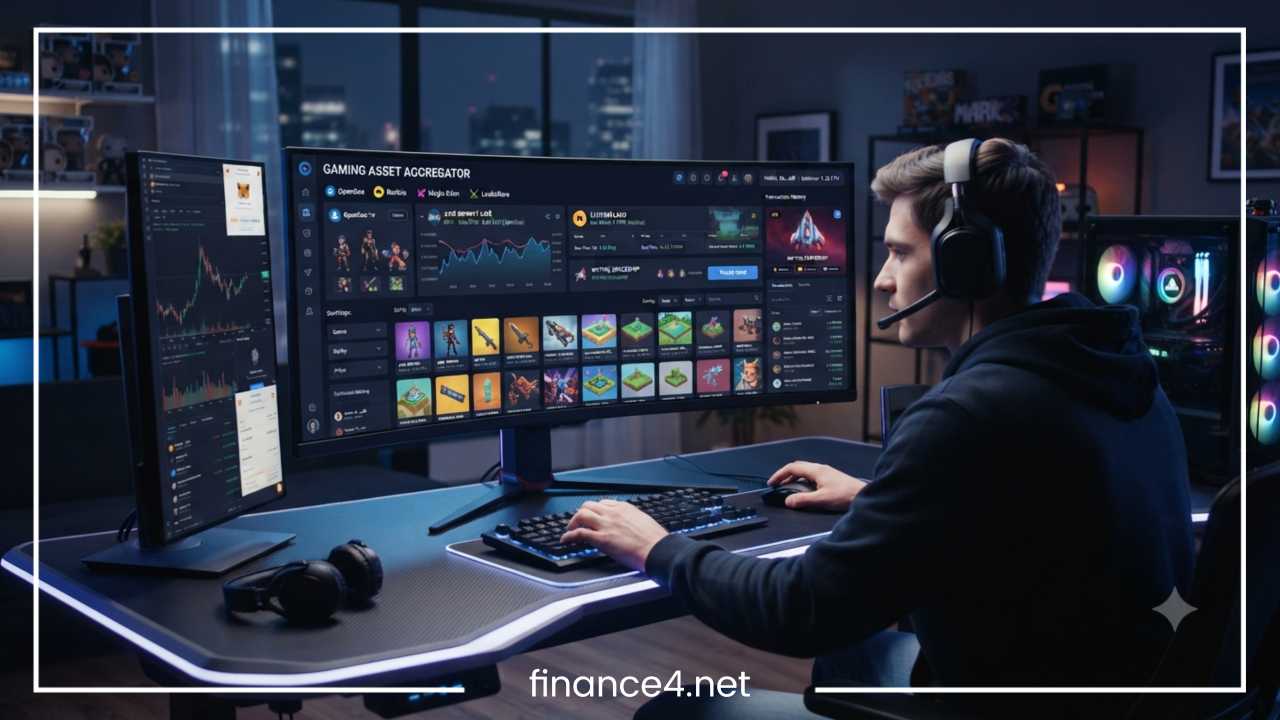
Top NFT Aggregator for Game Assets | Compare & Trade NFTs
The landscape of blockchain gaming has undergone a massive transformation. What began as a niche experiment defined by rudimentary browser-based mechanics has matured into a sophisticated ecosystem of high-fidelity titles, complex virtual economies, and immersive digital worlds. Central to this evolution is the concept of true digital ownership, powered by Non-Fungible Tokens (NFTs). In modern Web3 titles, players are no longer renting access to digital assets; they genuinely own their in-game gear, characters, and virtual real estate.
However, this rapid growth has introduced significant friction for players and investors alike. The Web3 gaming universe is deeply fragmented. A single game might deploy its items across multiple decentralized platforms, forcing users to manually browse a dozen disparate marketplaces just to find a single competitive price for a specific sword, skin, or plot of land. Navigating this multi-chain environment involves dealing with disjointed user interfaces, disparate liquidity pools, variable transaction fees, and the constant risk of interacting with fraudulent or unverified collections.
This is exactly where NFT aggregators come into play. By serving as a unified search and execution layer for the decentralized web, these platforms consolidate cross-market data, streamline liquidity, and empower users to compare and trade assets seamlessly. This article provides an extensive guide to understanding, navigating, and maximizing the efficiency of the top NFT aggregators tailored for game assets.
What Is an NFT Aggregator?
An NFT aggregator is a specialized platform that compiles listings, pricing data, and historical transaction records from multiple independent NFT marketplaces into a single, cohesive user interface. Instead of requiring a user to visit several different websites to check the floor price of a specific gaming collective, an aggregator performs the heavy lifting behind the scenes, pulling real-time data from across the web into a centralized dashboard.
Marketplace vs. Aggregator
To understand why this infrastructure is vital, it is important to distinguish a primary NFT marketplace from an NFT aggregator. A traditional NFT marketplace operates much like a standalone digital storefront. Sellers list their tokens directly on that platform’s smart contracts, and buyers purchase those tokens directly through that specific venue. Examples of standalone marketplaces include the primary interfaces of OpenSea, Rarible, or native in-game storefronts.
Conversely, an NFT aggregator does not necessarily require users to buy assets held in its own proprietary native contracts. Instead, it acts as a search engine and fulfillment protocol. When you query a specific game asset on an aggregator, the system uses APIs, blockchain indexing networks, and smart contract scraping tools to display listings from all participating marketplaces simultaneously.
The Underlying Mechanics
When a user decides to purchase an asset via an aggregator, the platform utilizes optimized smart contracts to execute the trade directly against the source marketplace’s protocol. The aggregator bundles the interaction, handles the routing logic, and presents the user with a singular checkout process.
For gamers and high-volume traders, the benefits are clear:
-
Consolidated Liquidity: Instead of trading within isolated silos, you tap into the global liquidity pool of the entire ecosystem.
-
Minimized Price Discrepancies: Aggregators instantly highlight arbitrage opportunities or price variations across platforms, ensuring you never overpay.
-
Batch Execution (Sweeping): Users can buy multiple game assets across different source marketplaces in a single transaction, significantly reducing operational friction.
Why Gamers Need NFT Aggregators
The requirements of Web3 gamers differ fundamentally from those of traditional digital art collectors. Gamers view NFTs through the lens of utility, performance, and strategic value. In a fast-paced virtual economy, inefficiency translates directly to lost capital and missed competitive advantages. NFT aggregators address these explicit gaming pain points through several critical mechanisms.
Capital Optimization and Best Price Discovery
In blockchain gaming, items of identical utility can be listed by different players across various platforms at vastly different price points. A player looking to buy a specific weapon might find it listed on one marketplace for 0.5 ETH and on an obscure secondary marketplace for 0.42 ETH. An aggregator immediately uncovers this price discrepancy, saving the gamer money without requiring hours of manual searching.
Unified Interface for Multi-Chain Economies
Modern gaming ecosystems rarely limit themselves to a single blockchain network. A game studio might launch its core characters on Ethereum for security, deploy its high-frequency consumable items on a Layer-2 scaling solution like Polygon, Arbitrum, or Immutable zkEVM for low fees, and host its governance assets on an alternate Layer-1 like Solana. Managing these assets individually requires jumping between different web applications, changing network RPC settings, and managing fragmented native tokens. A multi-chain aggregator solves this by consolidating all assets into a single dashboard.
Enhanced Rarity and Attribute Filtering
Game assets are defined by their metadata attributes, such as durability ratings, attack power, elemental resistances, and cosmetic rarity. Finding a highly specific item—for example, a legendary chest plate with maximum fire resistance—requires robust querying tools. Aggregators pull raw metadata directly from the blockchain, providing advanced filtering systems that let users parse through tens of thousands of listings across multiple marketplaces simultaneously to isolate the exact performance stats they need.
Time Efficiency and Reduced Transaction Costs
In competitive gaming, timing is everything. If a specific guild asset or powerful weapon becomes meta-relevant due to a game balance patch, the demand spikes instantly. Navigating individual sites to find available listings is too slow. Aggregators allow users to “sweep the floor”—buying up the lowest-priced available items instantly across all platforms. Furthermore, because aggregators utilize highly optimized custom smart contracts, they can bundle multiple purchases into a single blockchain transaction, leading to substantial savings on gas fees compared to buying those items individually across separate platforms.
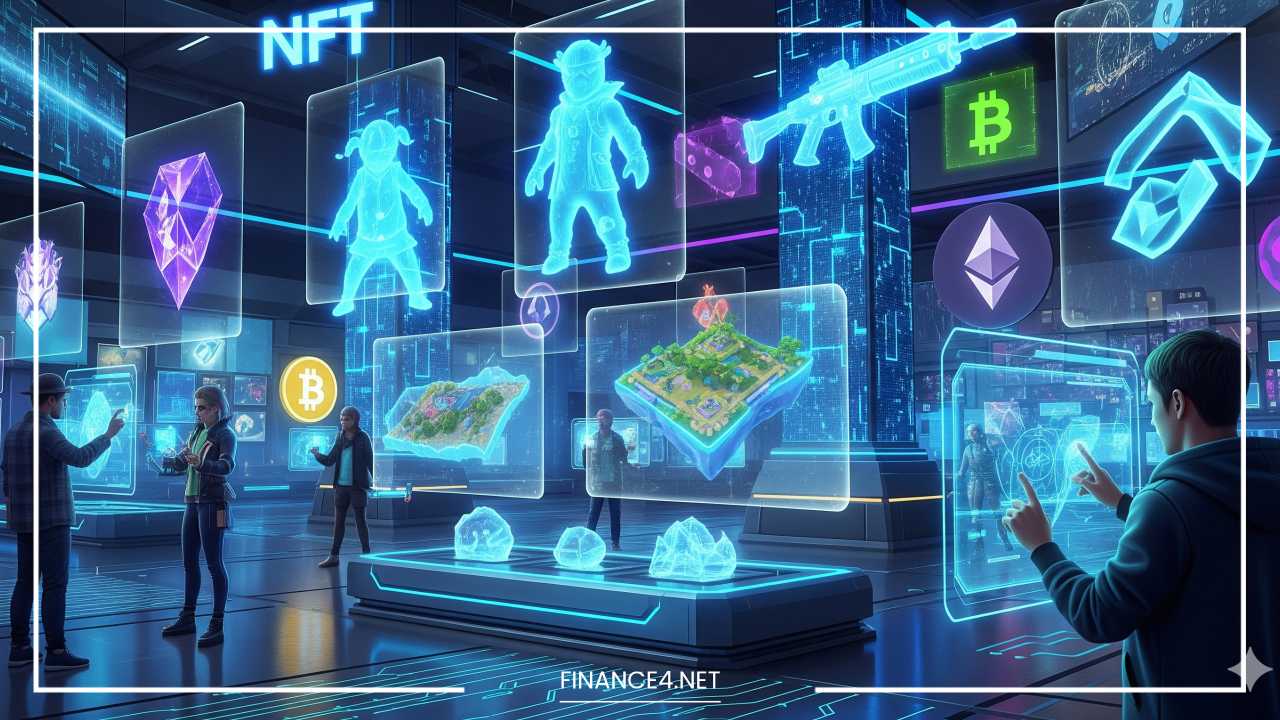
Types of Game Assets You Can Trade
The asset classes found within blockchain gaming are diverse, reflecting the complexity of modern virtual economies. NFT aggregators index these varied token standards (such as ERC-721, ERC-1155, and Solana Metaplex standards) to make them easily queryable. Understanding the core asset types helps traders utilize aggregator filters more effectively.
Character NFTs
Character NFTs represent the core avatar or unit controlled by the player within a gaming universe. These assets typically hold complex metadata that determines their level, active skills, genetic traits for breeding mechanics, or faction alignment. Because characters represent the primary point of entry for many games, their floor prices are heavily monitored. Aggregators help players find characters with optimal stat distributions at the lowest possible entry point.
Weapon NFTs
Weapons are utility-driven assets whose value is directly tied to their in-game performance metrics, such as damage output, reload speed, or magical attributes. Because weapons degrade, get upgraded, or feature unique skin modifications, their market valuations fluctuate constantly. Traders use aggregators to monitor weapon supply across ecosystems to grab undervalued gear.
Virtual Land
Virtual land forms the foundational infrastructure of decentralized metaverses and strategy games. Land owners can build structures, rent space to other players, harvest raw digital resources, or host interactive monetization models. Because virtual land plots are geographically or spatially unique within their respective game maps, aggregators provide map-based or coordinate-based filtering to help investors compare adjacent plot prices across disparate listing services.
Game Passes
Game passes or VIP keys are utility tokens that grant holders exclusive access to early alpha tests, beta releases, special tournaments, or passive staking rewards. These assets often feature high velocity, with players buying them to access short-term events and selling them immediately afterward. Aggregators facilitate rapid entry and exit liquidity for these time-sensitive passes.
Collectibles
Collectibles encompass non-functional, historical, or promotional items within a gaming ecosystem. This includes commemorative trophies, first-edition badges, or cross-promotional items from partner projects. While they lack direct utility, their value is driven by scarcity and aesthetic appeal, making detailed historical volume tracking on aggregators essential for pricing them accurately.
Wearables & Skins
Skins and wearables alter the visual appearance of characters, weapons, or vehicles without impacting their underlying mechanical statistics. Highly popular in competitive multiplayer environments, the market for cosmetics is vast. Aggregators excel at sorting these by visual themes, edition numbers, and cosmetic rarity tiers, allowing players to personalize their loadouts cost-effectively.
Guild Assets
Guild assets are high-value, industrial-scale NFTs designed to be shared or rented among groups of players. This category includes massive interstellar transport ships, automated resource harvesters, or entire structural outposts. Because these purchases involve significant capital layouts, guild managers rely on aggregators to conduct deep liquidity analysis and historical price tracking before executing a trade.
Top NFT Aggregators for Game Assets
To effectively trade and manage gaming assets, it is necessary to analyze the leading aggregation protocols available in the current landscape. The following table provides a high-level comparison of the premier platforms, followed by an in-depth evaluation of each service.
| Aggregator | Supported Chains | Gaming NFTs | Fees | Best For |
| Magic Eden | Solana, Ethereum, Bitcoin, Polygon, Base | Exceptionally High | 0% to 2% (Varies by chain/source) | Multi-chain gaming & Solana ecosystems |
| OpenSea Pro | Ethereum, Polygon, Solana, Arbitrum, Optimism | High | 0.5% platform fee | Advanced EVM-based trading & analytics |
| Blur | Ethereum, Blast | Moderate (EVM focused) | 0% basic marketplace fee | High-volume Ethereum sweeping & bidding |
| Tensor | Solana | High (Solana titles) | 0% to 1.4% (Dynamic) | Pro-tier Solana asset trading & order books |
| OKX NFT Marketplace | 20+ Chains (EVM & Non-EVM) | High | 0% platform fee | All-in-one multi-chain mobile trading |
| Element Market | Ethereum, BNB Chain, Polygon, Avalanche, Linea | High | Low gas optimization | Cost-conscious multi-EVM chain traders |
| Rarible Aggregator | Ethereum, Polygon, Immutable X, Arbitrum | High | Varies by destination | Community-centric & developer-friendly trading |
Magic Eden
Magic Eden has evolved from its origin as a Solana-exclusive marketplace into a massive, multi-chain aggregation powerhouse with a distinct emphasis on Web3 gaming. It serves as a primary hub for cross-chain gaming collectibles, boasting deep structural integrations with major gaming studios and network foundations.
-
Supported Blockchains: Solana, Ethereum, Polygon, Bitcoin (Ordinals/Runes), and Base.
-
Gaming Ecosystem: Features a dedicated gaming hub, direct partnerships with major publishers, a specialized launchpad for new game asset drops, and unified profile systems that track in-game achievements alongside token ownership.
-
Fees: Maintains a highly competitive fee structure, often charging 0% additional fees on aggregated items, relying instead on the baseline fees of the underlying marketplaces where the listing originated.
-
Wallet Support: Seamlessly integrates with its proprietary cross-chain Magic Eden Wallet, alongside Phantom, MetaMask, Coinbase Wallet, and WalletConnect.
-
Pros: Top-tier multi-chain user experience; deep gaming ecosystem alignment; specialized tools for sweeping and trait filtering.
-
Cons: Advanced analytical features for pure Ethereum trading are less exhaustive than platforms built strictly for EVM power-traders.
OpenSea Pro
OpenSea Pro (formerly known as Gem) is the professional-grade aggregation arm of the world’s most recognized NFT brand. It provides an industrial trading terminal experience, aggregating data from more than 170 individual marketplaces to offer unmatched depth in price comparison and portfolio tracking.
-
Supported Blockchains: Ethereum, Polygon, Solana, Arbitrum, Optimism, Base, and Klaytn.
-
Gaming Ecosystem: Accesses the extensive gaming catalog of the main OpenSea registry while overlaying professional analytical tools. Excellent for tracking high-volume gaming items across multiple EVM-compatible sidechains.
-
Fees: Imposes a competitive baseline platform fee (typically around 0.5%), balanced out by gas-optimized routing paths that minimize structural transaction overhead.
-
Wallet Support: Comprehensive integration including MetaMask, Ledger, Rainbow, Phantom, and WalletConnect.
-
Pros: Massive selection of aggregated data sources; highly advanced live-refresh tracking data; powerful multi-item checkout tools.
-
Cons: Interface can be visually overwhelming for casual players simply looking to buy a basic game skin.
Blur
Blur is a hyper-optimized marketplace and aggregator designed explicitly for professional traders who treat NFTs as liquid financial instruments. While it does not specifically market itself as a gaming platform, its unparalleled liquidity and rapid execution make it a default choice for high-volume Ethereum game assets.
-
Supported Blockchains: Ethereum and the Blast Layer-2 network.
-
Gaming Ecosystem: Primarily indexes major Ethereum-based virtual world properties, blue-chip gaming passes, and high-value ecosystem tokens. It lacks coverage for lightweight, alternative Layer-1 gaming chains.
-
Fees: Charges 0% marketplace fees for listing and buying, operating instead on an incentive structure linked to its native ecosystem rewards.
-
Wallet Support: Concentrated on EVM-centric hardware and software solutions like MetaMask, Coinbase Wallet, and WalletConnect.
-
Pros: Fastest sweeping speeds in the industry; advanced bidding walls that provide deep exit liquidity; zero fee structures.
-
Cons: Highly restrictive chain coverage (virtually no support for Solana or mainstream gaming L2s like Polygon or Immutable).
Tensor
Tensor stands as the definitive professional-grade trading venue for the Solana network, mirroring the high-frequency trading interface of Blur but optimized for the Solana Virtual Machine (SVM). As Solana has grown into a major hub for casual and fast-paced web3 games, Tensor has become vital for gaming traders.
-
Supported Blockchains: Solana.
-
Gaming Ecosystem: Heavily indexes Solana-based gaming projects. The speed of the Solana network combined with Tensor’s real-time order books makes it perfect for trading high-frequency consumable in-game items.
-
Fees: Uses a dynamic, low-tier fee model that scales based on market-maker activity, often ranging from 0% to 1.4%.
-
Wallet Support: Built natively for Solana infrastructure, providing elite performance with Phantom, Solflare, Backpack, and Ledger.
-
Pros: Real-time, sub-second data updates; rich candlestick charting and historical order books; deep automated market maker (AMM) pools.
-
Cons: Entirely single-chain focused, rendering it unusable for players holding assets on EVM networks.
OKX NFT Marketplace
The OKX NFT Marketplace functions as an incredibly robust, multi-chain hub that operates as both an open marketplace and an advanced aggregator. Integrated directly into the broader OKX Web3 ecosystem, it provides unparalleled access to global liquidity pools across an array of obscure and mainstream networks alike.
-
Supported Blockchains: Over 20 networks, including Ethereum, Solana, BNB Chain, Polygon, Avalanche, Arbitrum, Optimism, zkSync, and Base.
-
Gaming Ecosystem: Broad exposure due to its exhaustive multi-chain support. It is highly favored by global players who interact with diverse GameFi applications built on alternative EVM chains.
-
Fees: 0% platform fee for trading aggregated assets, meaning users only pay the gas fees and any underlying third-party marketplace fees.
-
Wallet Support: Highly optimized for the OKX Web3 Wallet, while maintaining plug-and-play support for all major third-party web wallets.
-
Pros: Exceptional mobile app integration; vast chain coverage; clean layout tailored for both beginners and intermediate traders.
-
Cons: Lacks some of the specialized hyper-granular game metadata filters found on gaming-native portals like Magic Eden.
Element Market
Element Market is a community-driven, multi-chain aggregator designed to deliver low transaction overhead and high-speed data delivery. It uses custom routing protocols to significantly lower the gas usage required during multi-item purchases.
-
Supported Blockchains: Ethereum, BNB Chain, Polygon, Avalanche, Linea, Base, and Arbitrum.
-
Gaming Ecosystem: Strong presence across the BNB Chain and Polygon gaming sectors, making it an excellent utility choice for micro-transaction assets, skin economies, and casual play-to-earn titles.
-
Fees: Exceptionally low internal service fees, paired with an algorithmic optimization system that cuts gas consumption by up to 30% during multi-listing sweeps.
-
Wallet Support: Supports MetaMask, TokenPocket, Trust Wallet, Bitget Wallet, and WalletConnect.
-
Pros: Remarkable gas saving features; strong indexing of smaller EVM sidechain projects; user-friendly bulk collection bidding.
-
Cons: The desktop interface can occasionally suffer from lag during periods of extreme high-frequency network congestion.
Rarible Aggregator
Rarible has built a reputation for decentralization and creator advocacy. Its specialized aggregation engine compiles listings from principal EVM platforms while giving special prominence to projects built on open-source, decentralized infrastructure.
-
Supported Blockchains: Ethereum, Polygon, Arbitrum, Base, and Immutable X.
-
Gaming Ecosystem: Direct integration with the Immutable X and Immutable zkEVM ecosystems gives it native access to some of the highest-quality Web3 gaming projects in development.
-
Fees: Varies dynamically depending on the target marketplace, but maintains transparency by clearly breaking down royalties, platform cuts, and gas calculations prior to signing transactions.
-
Wallet Support: Broad support including MetaMask, Rainbow, SafePal, Coinbase Wallet, and multi-signature institutional setups.
-
Pros: Ethical structural framework enforcing creator royalties; deep ties with gaming-focused Layer-2 chains; highly reliable developer API documentation.
-
Cons: Liquidity on certain isolated non-EVM assets can be thinner compared to specialized competitors.
Features to Look for in a Gaming NFT Aggregator
Choosing the right platform depends on your specific trading style, the assets you hold, and your technical requirements. When evaluating an aggregator for game assets, focus on the following key features.
Multi-Chain Support
A premium aggregator must support the specific networks where modern games are built. Look for a platform that seamlessly bridges the gap between major Layer-1 chains like Solana and key Layer-2 scaling environments like Polygon or Immutable zkEVM, enabling you to manage your entire portfolio from a single dashboard.
Bulk Buying
Also known as “sweeping,” this feature allows you to select dozens of individual listings from completely different underlying marketplaces, add them to a single checkout basket, and purchase them all simultaneously. This is an essential feature for guild leaders or strategic investors looking to acquire bulk quantities of resources or cheap items efficiently.
Real-Time Pricing
In volatile gaming markets, delayed data can cost you money. The platform must use low-latency WebSockets and high-speed blockchain indexers to update price changes, sales history, and listing statuses in real time, preventing you from attempting to buy an asset that another user has already purchased.
Floor Price Tracking
The floor price is the lowest entry price for an item within a specific collection. A high-quality aggregator should display live floor price charts, depth-of-market metrics, and wall listings, allowing you to gauge the immediate supply and demand dynamics of any given game asset class.
Portfolio Management
A comprehensive aggregator does more than just facilitate trades; it serves as a financial command center. Your platform should provide a clear overview of your current holdings across all chains, calculate your historical net asset value, track realized and unrealized gains, and allow you to edit or cancel listings across multiple marketplaces simultaneously from your profile tab.
Gas Optimization
Every interaction with a smart contract incurs a network fee. Top-tier aggregators route their trades through proprietary, highly optimized custom contracts that minimize the computing power required on-chain. Over hundreds of trades, these optimizations can save you a significant amount of capital.
Wallet Compatibility
Your aggregator must securely connect with your preferred Web3 wallet software. It should handle multi-chain cryptographic signing smoothly, allowing you to sign a Solana transaction and an EVM transaction sequentially without experiencing software conflicts or requiring frequent application restarts.
Security
Security is paramount. The aggregator’s internal routing smart contracts must be thoroughly audited by reputable blockchain security firms. Furthermore, the user interface must feature robust safety protocols, such as clear warning labels for unverified collections, duplicate metadata alerts, and anti-phishing indicators.
How to Compare & Trade NFTs Efficiently
Executing a trade through an aggregator is straightforward, but doing so efficiently requires a structured approach. Follow this step-by-step process to optimize your trading workflow.
[Connect Wallet] ➔ [Search Asset] ➔ [Compare Listings] ➔ [Check Rarity] ➔ [Execute Trade] ➔ [Verify Ownership]
1. Connect Wallet
Navigate to your chosen aggregator and locate the “Connect Wallet” button, typically positioned in the top-right corner of the interface. Select the appropriate wallet provider for the blockchain network you intend to use. Ensure your wallet software is updated to the latest secure version, and verify that you possess a sufficient balance of the network’s native utility token (such as ETH or SOL) to cover both the asset cost and the required network gas fees.
2. Search Game Asset
Utilize the main search input field to locate the specific gaming project you are interested in. Type the official name of the title or collection carefully. To completely eliminate the risk of landing on a malicious copycat project, copy the verified smart contract address directly from the game’s official documentation or analytics portals, and paste that exact string directly into the aggregator’s search bar.
3. Compare Listings
Once you are on the verified collection dashboard, sort the available inventory by “Price: Low to High.” The aggregator will display a consolidated feed showing items listed across various storefronts. Look at the origin icon next to each price tag to identify which underlying marketplace holds the listing, allowing you to compare identical items across platforms instantly.
4. Review Prices
Analyze the price landscape. Check if the lowest available listing is priced significantly below the recent rolling 24-hour average sale price. Look for sudden drops in the floor price, which may indicate a whale is offloading inventory, presenting a favorable buying opportunity for long-term players.
5. Check Rarity
Open the advanced filtering panels to sort items by specific in-game performance metrics and aesthetic attributes. Pay close attention to the rarity score or trait percentage indicators displayed directly on the asset preview cards. Frequently, you can find a listing priced at the absolute floor that actually boasts significantly better attributes or rarer traits than adjacent listings, offering immediate value.
6. Execute Trade
Select the items you wish to purchase to add them to your transaction cart. Review the itemized checkout breakdown, ensuring you are comfortable with the final price, creator royalties, and platform fees. Click the “Purchase” or “Execute Trade” button, which will trigger a secure pop-up window within your connected browser wallet extension. Carefully review the transaction payload data inside your wallet before clicking “Confirm” to sign the interaction on the blockchain.
7. Verify Ownership
Once the network processes your transaction, the aggregator will display a success notification containing a direct hyperlink to a block explorer (such as Etherscan or Solscan). Click this link to confirm that the transaction was successfully written to the blockchain. Finally, navigate to your personal account profile dashboard on the aggregator to verify that the newly acquired game asset is safely displayed within your connected wallet inventory.
Security Tips When Trading Game NFTs
The decentralized nature of Web3 gaming offers unprecedented freedom, but it also places the full responsibility of asset security squarely on the shoulders of the individual user. Malicious actors frequently target gamers through sophisticated phishing operations and fraudulent listings. Implement these security practices to safeguard your digital property.
-
Verify Collections Relentlessly: Never trust a collection simply because it features the correct logo and title. Always cross-reference the contract address displayed on the aggregator with the official smart contract addresses listed in the game developer’s official Discord channels or website documentation.
-
Beware of Fake and Spoofed Assets: Scammers can mint copycat tokens that mimic the artwork and metadata of genuine game items. Always look for the platform’s official verification badge (usually a blue or gold checkmark) on the collection page, and check the historical volume metrics; a real project will show consistent, high-volume trading history.
-
Check Smart Contract Permissions: When interacting with new aggregation protocols, pay close attention to the token approvals you sign. Never sign a transaction that requests unlimited spending access to your entire wallet contents unless you completely trust the audited protocol layer. Regularly use token approval revocation tools to clean out historical permissions.
-
Deploy a Hardware Wallet for High-Value Items: If you own rare characters, valuable land plots, or significant quantities of game assets, do not store them in a standard “hot” browser wallet. Connect your aggregator to a hardware device (such as a Ledger or Trezor), which requires physical button authentication to authorize any outgoing transfers.
-
Protect Your Seed Phrase Privately: No legitimate game developer, aggregator support agent, or marketplace moderator will ever ask you to provide your wallet’s 12- or 24-word recovery seed phrase or private keys. Never type this phrase into any website, digital document, or cloud storage platform. Keep it written down entirely offline in a secure, fireproof location.
-
Double-Check Transaction Payload Details: Before clicking the final confirm button inside your wallet application, take a moment to read the raw transaction details. Verify that the destination smart contract address matches the known address of the aggregator, and ensure the asset price and estimated network gas fees align perfectly with what was displayed on the web interface.
Future of NFT Aggregators in Gaming
The technology underpinning NFT aggregation is evolving rapidly, moving in tandem with the broader advancements shaping the GameFi and metaverse sectors. As the user experience demands of mainstream players become increasingly rigorous, aggregators are transitioning from basic data dashboards into highly advanced infrastructure layers.
AI-Powered NFT Discovery
The integration of machine learning algorithms is set to revolutionize how players search for game assets. Future aggregators will feature predictive AI models that analyze a player’s individual gaming history and combat style, automatically surfacing undervalued items, optimal stat combinations, and tailored gear recommendations directly to their dashboard based on live game meta-trends.
Frictionless Cross-Chain Abstracted Trading
The next generation of aggregation protocols will completely abstract away the complexities of managing multiple networks. Utilizing advanced cross-chain messaging bridges and intent-based liquidity networks, a player will soon be able to purchase a Solana-based weapon skin using Ethereum assets held in their wallet, all executed instantly behind the scenes in a singular transaction without requiring manual token swapping or bridging steps.
Deep In-Game Marketplace Integration
Instead of forcing players to open an external web browser to browse aggregated listings, game studios are increasingly embedding aggregation APIs directly into their games’ native user interfaces. This allows players to access global, cross-market liquidity pools directly from an in-game terminal or storefront, creating a seamless trading experience that feels entirely native to the gaming environment.
Real-Time Algorithmic Valuation
As game assets become more complex with dynamic metadata—such as characters that level up and change stats through gameplay—calculating fair market value becomes difficult. Aggregators are building real-time algorithmic appraisal systems that analyze hyper-granular metadata variables against live macroeconomic market trends, providing buyers and sellers with an accurate, data-backed estimate of an asset’s true value instantly.
Final Thoughts
NFT aggregators have shifted from being a specialized convenience tool for high-frequency day traders to becoming a fundamental piece of infrastructure for the entire Web3 gaming community. By consolidating fragmented liquidity, offering robust price discovery mechanics, and providing advanced filtering systems, these platforms remove the friction that historically plagued decentralized virtual economies.
Whether you are a casual player looking to upgrade your character’s weapon loadout at the best possible price, a competitive guild manager acquiring strategic virtual land assets at scale, or an investor tracking GameFi market dynamics, using an aggregator is essential. By choosing a secure, multi-chain platform that offers the right blend of bulk execution and real-time tracking, you can optimize your trading workflow, protect your capital, and keep your full focus where it matters most: mastering the game itself.
Frequently Asked Questions
What is the best NFT aggregator for game assets across multiple chains?
Magic Eden and OKX NFT Marketplace are currently widely considered the top options for multi-chain gaming assets. Magic Eden provides deep ecosystem integrations specifically tailored for gaming across Solana, Polygon, and Base. OKX stands out for its extensive support of over 20 distinct networks, making it excellent for players tracking diverse GameFi projects on alternative Ethereum Virtual Machine (EVM) sidechains.
How do NFT marketplace aggregators lower transaction costs for gamers?
Aggregators utilize customized, highly optimized routing smart contracts that minimize the computational power required to process trades on the blockchain. Furthermore, they allow users to bundle multiple purchases from completely different underlying storefronts into a single “batch buy” transaction. This reduces the total network gas fees significantly compared to buying those items individually.
Can I trade virtual land and game passes on an NFT aggregator?
Yes. Aggregators index all major token standards (including ERC-721 and ERC-1155). This means any verified virtual world property, utility pass, character avatar, or weapon skin listed on a supported marketplace will automatically appear in the aggregator’s consolidated search results, complete with filtering options for specific in-game attributes.
How do I compare NFT prices accurately before buying in-game gear?
To compare prices effectively, navigate to the verified collection page on an aggregator and sort the inventory by “Price: Low to High.” The aggregator will display identical items side-by-side with an origin icon next to the price tag, letting you instantly see which third-party marketplace is offering the lowest entry point or floor price for that specific asset tier.
Are gaming NFT aggregators safe to use for high-value assets?
Aggregators are generally safe because they act as routing layers and do not custody your digital assets. However, your safety depends on verifying collection smart contract addresses to avoid fake or spoofed items. For high-value gaming assets like rare characters or land plots, always connect your aggregator to a hardware wallet to ensure transaction signing remains completely secure and offline.