Bridging Solana to NEAR
 by
by 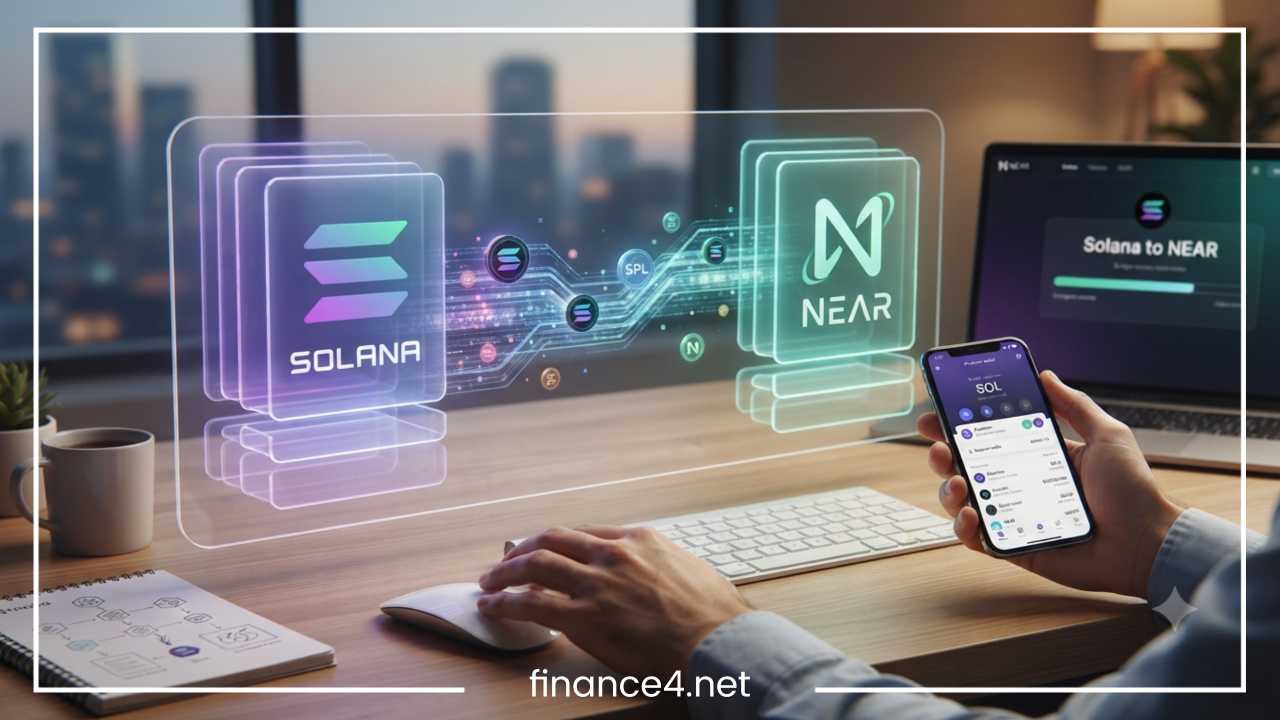
Bridging Solana to NEAR: Complete Beginner’s Guide
The modern blockchain landscape is no longer a collection of isolated digital islands. For years, individual networks operated within their own boundaries, meaning assets and data stayed strictly where they were created. Today, the demand for fluid movement across different decentralized networks has skyrocketed. Users want to take advantage of high speeds on one network, unique decentralized applications on another, and low fees wherever they can find them. This push toward connectivity has made bridging Solana to NEAR a popular pathway for crypto enthusiasts looking to maximize their digital asset potential.
Why do users bridge assets between blockchains in the first place? Every network possesses unique strengths. Solana is renowned for blazing-fast transaction speeds and minimal costs, making it a favorite for high-frequency trading and meme coin activity. Meanwhile, NEAR Protocol offers an advanced sharded architecture, user-friendly human-readable account names, and an expanding ecosystem of innovative decentralized applications. Bridging allows participants to move capital where it is needed most without having to sell their underlying holdings for fiat currency.
Growing interoperability between ecosystems has fundamentally changed how people interact with Web3. Instead of being locked into a single ecosystem, participants can now act as multi-chain citizens, navigating different environments with ease.
What will you learn in this comprehensive beginner guide? By the time you finish reading, you will understand what cross-chain bridges are, how Solana and NEAR compare, the mechanics behind asset transfers, the exact steps required to move your funds safely, the fees and risks involved, and what you can do with your assets once they arrive on the NEAR network.
Before diving into the mechanics, a brief note about security is essential. Cross-chain transfers involve moving value across complex smart contracts. Always exercise caution, use trusted and audited bridging protocols, double-check your destination addresses, and protect your private keys at all costs.
What Does It Mean to Bridge Solana to NEAR?
At its core, a blockchain bridge is a protocol or set of smart contracts that connects two distinct blockchain networks, allowing the transfer of tokens, data, or both between them. Because Solana and NEAR are separate, independent ecosystems with entirely different consensus mechanisms, ledger architectures, and programming languages, they cannot communicate directly with one another natively. A bridge acts as the translator and courier that makes cross-chain interaction possible.
How do cross-chain transfers actually work? When you move an asset from one network to another, the bridge generally locks your original asset in a secure smart contract on the source chain and then issues an equivalent representation on the destination chain. When you want to go back, the process reverses: the representation on the destination chain is destroyed or locked, and your original asset is released on the source chain.
To fully grasp this process, it helps to understand the different terms used for assets and bridge types:
- Native assets: These are tokens created natively on a specific blockchain, such as SOL on Solana or NEAR on NEAR Protocol. They possess intrinsic utility and security within their home network.
- Wrapped assets: These are digital tokens that represent a native asset from a different blockchain. For example, if you move SOL to the NEAR network, you receive a wrapped version of SOL that functions within NEAR’s decentralized finance space.
- Liquidity-based bridges: These protocols use pools of pre-deposited capital on both chains. When you deposit an asset on Solana, the bridge releases an equivalent asset from its liquidity pool on NEAR, enabling rapid settlement.
- Message-passing bridges: These protocols do not just transfer tokens; they transmit arbitrary data and instructions across chains, allowing smart contracts on Solana to trigger actions on NEAR and vice versa.
Why Bridge Assets from Solana to NEAR?
Bridging assets from Solana to NEAR opens up a vast array of practical use cases for crypto users. Rather than keeping capital idle on a single chain, moving funds across ecosystems allows you to capitalize on unique opportunities.
- Access NEAR dApps: NEAR hosts a burgeoning ecosystem of decentralized applications focused on everything from social media and gaming to decentralized finance and artificial intelligence. Bridging gives you the capital required to interact with these platforms.
- Participate in DeFi: NEAR features thriving lending markets, liquidity pools, and yield-generating protocols where you can put your bridged assets to work and earn passive income.
- NFT marketplaces: The NEAR ecosystem features vibrant non-fungible token marketplaces where creators and collectors trade digital art and collectibles using low-fee transactions.
- Lower transaction costs: While Solana is already inexpensive, certain specialized NEAR applications or sub-networks offer unique fee structures and developer incentives that appeal to cost-conscious participants.
- Portfolio diversification: Diversifying your holdings across multiple high-performance networks reduces your exposure to single-chain risks and ensures you can participate in market trends wherever they emerge.
- Multi-chain investing: Advanced investors often split their capital across chains to take advantage of early-stage token launches, unique liquidity incentives, and specialized financial instruments.
- Cross-chain trading: Decentralized exchanges on NEAR may offer better pricing, deeper liquidity pools, or unique trading pairs for certain digital assets compared to Solana alternatives.
- Experimenting with new ecosystems: For curious blockchain participants, exploring new user interfaces, wallet layouts, and community initiatives is a core part of the Web3 experience.
Understanding Solana and NEAR
Solana Overview
Solana is a high-performance blockchain designed for mass adoption and consumer-scale decentralized applications. It achieves its remarkable performance through a unique combination of Proof of History and Proof of Stake consensus mechanisms. Proof of History acts as a cryptographic clock that timestamps transactions before they are added to the ledger, allowing validators to process blocks concurrently rather than sequentially. This architecture enables blazing-fast transaction execution and exceptionally low fees, usually costing a fraction of a cent per transfer. Its massive ecosystem spans decentralized finance, meme coins, payments, and consumer applications.
NEAR Overview
NEAR Protocol is a layer-one blockchain built from the ground up for usability, scalability, and developer friendliness. It utilizes a breakthrough sharding technology called Nightshade, which splits the blockchain workload across multiple validation shards to scale network capacity dynamically as usage grows. NEAR relies on a delegated Proof of Stake consensus model to secure the network. One of its standout features is human-readable account names, which replace complex cryptographic wallet addresses with simple names, drastically lowering the barrier to entry for mainstream users. The ecosystem emphasizes developer tooling, fast finality, and sustainable environmental practices.
Key Differences
| Feature | Solana | NEAR Protocol |
| Consensus | Proof of History and Proof of Stake | Nightshade Sharding and Proof of Stake |
| TPS (Transactions Per Second) | High theoretical and practical throughput | High throughput achieved via sharding |
| Fees | Fractions of a cent per transaction | Extremely low, often subsidized for new users |
| Wallets | Phantom, Solflare, Backpack | MyNEARWallet, Here Wallet |
| Token standards | SPL tokens | NEP-141 and NEP-145 tokens |
| Smart contracts | Rust, C, C++ | Rust, AssemblyScript |
| Typical use cases | High-frequency trading, consumer dApps, NFTs | Scalable dApps, DeFi, human-readable identity |
How Cross-Chain Bridges Work
Understanding the underlying mechanics of cross-chain bridges helps demystify the transfer process and gives you confidence when moving funds. While user interfaces make bridging look as simple as clicking a button, complex cryptographic and economic systems operate behind the scenes.
The architecture typically relies on one of several structural models:
- Lock and mint model: The bridge locks your native tokens in a smart contract on the source chain and mints an equivalent amount of wrapped tokens on the destination chain.
- Burn and release model: When returning funds, the wrapped tokens on the destination chain are burned (permanently destroyed), triggering the release of the original native tokens from the lock contract on the source chain.
- Liquidity pool model: Instead of minting new wrapped tokens, the bridge maintains pools of liquidity on both chains. Deposited tokens enter the pool on one side, and equivalent tokens are withdrawn from the pool on the other side.
- Validators and relayers: Independent nodes or validator networks monitor both blockchains. When a transaction occurs on the source chain, relayers verify the event and sign off on releasing funds on the destination chain.
- Cross-chain messaging: Advanced bridges transmit cryptographic proofs and messages between networks, allowing smart contracts to coordinate state changes across separate blockchains.
- Confirmation times: Because different blockchains require different numbers of network confirmations to ensure finality, bridges must wait for the source chain to finalize the transaction before initiating the release on the destination chain.
To visualize a standard bridging process, consider this sequential flow:
- User sends tokens from their source wallet to the bridge smart contract.
- The bridge protocol verifies the incoming transaction on the source blockchain.
- Assets are securely locked or deposited into the bridge liquidity pool.
- Equivalent native or wrapped assets are issued or released to the user address on the destination chain.
- User receives funds in their destination wallet and can immediately interact with local applications.
What You Need Before Bridging
Before attempting to bridge assets from Solana to NEAR, you need to prepare your digital toolkit. Proper preparation ensures your transfer goes smoothly and prevents common pitfalls like getting stuck with zero gas for transaction fees.
- Solana wallet: You will need an active Solana-compatible wallet, such as Phantom, Solflare, or Backpack, holding the assets you wish to bridge.
- NEAR wallet: You will need a NEAR-compatible wallet, such as MyNEARWallet or Here Wallet, capable of receiving and managing NEAR-native assets.
- SOL for gas: Always ensure your Solana wallet contains a small amount of native SOL to cover the transaction fees required to initiate the bridge deposit.
- NEAR for future transactions: Ensure your NEAR wallet will have a small balance of NEAR tokens to pay for gas fees when you eventually want to transfer, swap, or stake your bridged assets on the NEAR network.
- Stable internet connection: A stable connection prevents interruptions during critical transaction signing steps.
- Token compatibility: Verify that the specific token you want to send is supported by the bridge you intend to use.
- Correct wallet addresses: Double-check that your destination NEAR address is accurate and fully accessible to you before initiating the transfer.
Methods to Bridge Solana to NEAR
Because the blockchain ecosystem is decentralized, users have multiple pathways for moving assets across networks. Each method carries distinct trade-offs regarding speed, cost, security, and ease of use.
Native Bridges
Native bridges are protocols specifically built or officially endorsed by the respective blockchain foundations or core developers to connect two specific networks. When available, they often provide the highest level of security and deep liquidity, though direct native bridges between Solana and NEAR may be supplemented by general interoperability solutions.
Third-Party Bridges
Third-party bridges are developed by independent teams and protocols. They fall into several categories:
- Liquidity bridges: Protocols that rely on decentralized liquidity pools to swap assets instantly across chains.
- Cross-chain aggregators: Tools that scan multiple bridging routes and select the fastest or cheapest path for your transfer.
- Bridge aggregators: Platforms that aggregate various bridging protocols into a single interface, making it easy to compare rates and execution times.
Centralized Exchanges
Using a centralized exchange as an intermediary is an alternative workflow for moving value between ecosystems. You can deposit your tokens from Solana into a centralized exchange, sell them for a stablecoin or fiat, and then withdraw them directly onto the NEAR network if the exchange supports withdrawals on both chains. While this avoids smart contract bridging risks, it requires KYC verification and relinquishing custody of your funds during the process.
To compare these methods at a glance, review the following breakdown:
| Bridging Method | Speed | Cost | Security | Ease of Use | Asset Support |
| Native Bridges | Moderate | Low to Moderate | High | Moderate | Major tokens |
| Liquidity Bridges | Fast | Low | Moderate to High | High | Varies by protocol |
| Bridge Aggregators | Fast | Optimized | High | Very High | Wide selection |
| Centralized Exchanges | Slow to Moderate | Variable trading fees | Varies by exchange | High | Limited by exchange listings |
Step-by-Step Guide to Bridging Solana to NEAR
When you are ready to execute your cross-chain transfer, follow a methodical approach to ensure everything goes according to plan. While user interfaces vary depending on the specific bridge you select, the core workflow remains remarkably consistent.
Step 1: Choose a trusted bridge
Research and select a reputable, audited cross-chain bridge or bridge aggregator that supports both Solana and NEAR networks. Bookmark the official website to avoid phishing replicas.
Step 2: Connect Solana wallet
Navigate to the bridge platform and click the connect wallet button. Select your Solana wallet provider, such as Phantom or Solflare, and approve the connection request in your browser extension.
Step 3: Connect NEAR wallet
Locate the destination network selection area within the bridge interface. Connect your NEAR-compatible wallet, ensuring the platform displays your correct human-readable NEAR account name or implicit address.
Step 4: Choose token
Select the specific token you want to transfer from your Solana wallet balance, such as SOL, USDC, or another supported SPL token.
Step 5: Enter amount
Input the exact amount of tokens you wish to bridge. Pay attention to minimum and maximum transfer limits enforced by the protocol.
Step 6: Review fees
Carefully examine the fee breakdown provided by the interface. This will include Solana network transaction fees, bridge protocol fees, and estimated delivery times.
Step 7: Approve transaction
Confirm the transaction within your Solana wallet extension. This authorizes the bridge smart contract to lock your tokens on the Solana side.
Step 8: Wait for confirmations
Allow the bridge protocol sufficient time to verify the transaction across the Solana network and process the corresponding release or minting action on NEAR.
Step 9: Verify receipt on NEAR
Open your NEAR wallet and verify that the bridged assets have arrived safely in your account balance before interacting with local decentralized applications.
Fees You’ll Pay
Moving assets across blockchains is not free. Understanding the various cost components associated with cross-chain transfers helps you avoid unpleasant surprises and optimize your transaction sizes.
- Solana gas fees: You must pay a tiny transaction fee in SOL to execute the deposit transaction on the Solana network.
- Bridge fee: Many protocols charge a small percentage fee (ranging from a fraction of a percent to one percent) to cover operational costs, relayer incentives, and protocol maintenance.
- Network fee: Additional fees may be assessed to cover the gas costs required on the destination NEAR network to mint or release your tokens.
- Liquidity fee: Some liquidity-based bridges charge a minor fee distributed to liquidity providers who supply the capital pool.
- Slippage: If you are using a bridge that swaps tokens during the process, price slippage may occur in volatile market conditions.
- NEAR transaction fee: Once your funds arrive, you will need a small amount of NEAR to execute future transactions, swaps, or stakes.
- Exchange fees: If you choose to use a centralized exchange as an alternative bridging route, deposit, trading, and withdrawal fees will apply.
To illustrate a sample calculation, suppose you bridge one thousand dollars worth of USDC from Solana to NEAR. If the bridge charges a zero point three percent protocol fee, you will pay three dollars in bridge fees. Additionally, you will pay less than one cent in Solana gas to send the transaction, and a nominal network fee on NEAR to receive the tokens, leaving you with approximately nine hundred ninety-seven dollars worth of stablecoins on NEAR ready for deployment.
How Long Does Bridging Take?
Time is a crucial factor when moving digital assets, especially if you plan to participate in time-sensitive trading opportunities or yield farming events. Cross-chain transfer times are rarely instantaneous because they rely on cryptographic verification across independent ledger systems.
Several key factors affect bridging duration:
- Network congestion: High traffic on either the Solana network or the NEAR network can temporarily slow down transaction inclusion times.
- Finality: Bridges must wait for a predetermined number of block confirmations on the source chain to ensure the transaction cannot be reversed or double-spent.
- Bridge architecture: Automated liquidity pools typically settle faster than complex message-passing or burn-and-mint validation schemes that require multi-signature cryptographic approvals.
- Liquidity availability: If a bridge pool runs low on liquidity for a specific asset, your transfer may be queued until new liquidity is added by market makers or other users.
- Security confirmations: High-value transfers often require extra security confirmations from validator networks, extending the total processing time.
Typical time ranges vary based on these factors. Simple liquidity-based transfers often complete within one to five minutes, while more complex multi-signature or decentralized validator bridge architectures can take anywhere from ten to thirty minutes under normal network conditions.
Common Risks of Cross-Chain Bridges
While bridges unlock powerful multi-chain capabilities, they also introduce unique security considerations and risk vectors that every crypto user must understand. Bridges are among the most complex pieces of blockchain infrastructure, making them frequent targets for malicious actors.
- Smart contract vulnerabilities: Bugs or logic errors in the code governing the lock and mint contracts can be exploited by hackers to drain bridge funds.
- Bridge exploits: Past history in the broader blockchain space shows that compromised validator keys or flawed cryptographic proofs can lead to catastrophic bridge hacks.
- Wrong network selection: Selecting an incorrect network during a transfer can result in permanently stranded funds that are difficult or impossible to recover.
- Wrong wallet address: Entering an incorrect destination address or sending funds to an incompatible smart contract address will lead to the permanent loss of assets.
- Unsupported assets: Attempting to bridge obscure or unlisted tokens can cause transactions to fail or become trapped in limbo.
- Liquidity shortages: Sudden spikes in transfer volume can drain a bridge liquidity pool, delaying your ability to claim funds on the destination chain.
- Fake bridge websites: Malicious actors frequently run search engine ads or create lookalike domains to mimic popular bridges and steal private keys.
- Phishing: Scammers posing as support staff may trick you into sharing your seed phrase or signing unauthorized wallet approvals.
- Network outages: Unscheduled downtime or consensus halts on either Solana or NEAR can freeze cross-chain transfers midway through execution.
Best Security Practices
Mitigating cross-chain risks requires adopting disciplined security habits. By following industry best practices, you can protect your digital assets while exploring multi-chain ecosystems.
- Double-check addresses: Always verify your destination wallet address character by character before signing any cross-chain transfer.
- Start with a small transfer: Whenever you use a new bridge for the first time, send a small test amount to ensure the route works perfectly before moving your entire balance.
- Bookmark official bridge sites: Save official, verified bridge URLs directly in your browser bookmarks to avoid clicking dangerous search engine advertisements.
- Verify wallet permissions: Carefully inspect the specific permissions requested by smart contracts before approving any transaction in your wallet.
- Keep seed phrase offline: Never store your wallet recovery seed phrases digitally, in screenshots, or in cloud storage. Keep them physically written down on paper or stamped in metal.
- Avoid public Wi-Fi: Refrain from executing high-value blockchain transactions or connecting wallets while using unsecured public internet networks.
- Revoke unnecessary approvals: Periodically audit and revoke token spending approvals for decentralized applications and bridges you no longer actively use.
- Monitor transaction status: Keep track of your transfer through official block explorers on both Solana and NEAR until the funds are securely in your possession.
What Can You Do After Bridging to NEAR?
Once your assets successfully arrive on NEAR Protocol, a vibrant and expanding decentralized ecosystem opens up before you. You can put your capital to work across a wide variety of protocols and applications.
- DeFi protocols: Engage with decentralized finance applications to optimize your asset allocation and earn competitive yields.
- DEXs: Swap your bridged tokens on decentralized exchanges for NEAR-native assets, stablecoins, or other specialized tokens without relying on centralized intermediaries.
- Lending: Deposit your digital assets into lending and borrowing markets to earn interest on deposits or leverage your holdings against collateralized loans.
- Staking: Delegate your NEAR tokens to secure validators and earn native staking rewards to support network consensus.
- NFTs: Explore digital art, gaming collectibles, and domain name marketplaces across the NEAR ecosystem.
- Gaming: Discover blockchain-based games and interactive entertainment platforms built on NEAR scalable infrastructure.
- AI and Web3 projects: Participate in innovative decentralized artificial intelligence initiatives and data marketplaces uniquely hosted on NEAR.
- Stablecoins: Utilize decentralized stablecoins for everyday transactions, trading pairs, and low-volatility yield strategies.
- Yield opportunities: Participate in liquidity mining, farming programs, and specialized incentive campaigns offered by emerging NEAR protocols.
Troubleshooting Common Bridging Issues
Even with careful preparation, you may occasionally encounter hiccups during a cross-chain transfer. Knowing how to diagnose and resolve common issues can save you time and alleviate stress.
- Transaction pending: If your transfer status shows as pending for an extended period, check block explorers on Solana and NEAR to see if network congestion is delaying block production or validator verification.
- Wallet won’t connect: Clear your browser cache, restart your wallet extension, ensure your wallet is updated to the latest version, and try reconnecting.
- Assets not appearing: Verify the transaction hash on the destination chain explorer. If the transaction succeeded, you may need to manually add the token contract address or custom token symbol to your NEAR wallet interface.
- Wrong network selected: If you notice your wallet is connected to the wrong network, switch it back to the correct chain via your wallet settings before attempting further actions.
- Failed transaction: If a transaction fails on-chain, your funds typically remain in your source wallet, though you may lose the small amount of gas spent on the failed attempt.
- Insufficient gas: Ensure you always hold enough native SOL on Solana and NEAR on NEAR Protocol to cover all required network transaction fees.
- Bridge unavailable: If a bridge interface is experiencing downtime or maintenance, wait patiently and check official social channels for updates rather than trying unverified alternative links.
- Missing wrapped tokens: If wrapped tokens do not display correctly in your destination wallet, verify that you have imported the correct contract address for the bridged token asset.
Alternatives to Bridging
While cross-chain bridges are powerful tools, bridging isn’t always the ideal solution for every situation. Depending on your specific goals and asset holdings, alternative workflows may be simpler or more cost-effective.
- Use centralized exchanges: If you already hold accounts on major exchanges that support both Solana and NEAR withdrawal routes, depositing assets, trading for NEAR, and withdrawing directly can bypass smart contract bridge risks.
- Buy assets directly on NEAR: If you are starting fresh, purchasing NEAR tokens directly via fiat onramps integrated into NEAR wallets saves you from needing to hold initial funds on Solana.
- Swap via aggregators: Use cross-chain liquidity aggregators that handle the routing behind the scenes without requiring you to manually navigate complex bridge interfaces.
- Cross-chain DEXs: Utilize specialized decentralized exchanges that support multi-chain trading pairs, allowing you to trade assets across networks in a single unified interface.
- Native ecosystem onramps: Leverage local fiat-to-crypto gateways tailored specifically to the NEAR user base to acquire funds effortlessly.
Comparing these alternatives reveals distinct advantages and drawbacks. Centralized exchanges offer simplicity and eliminate smart contract bridge exploit risks, but they require identity verification and sacrifice self-custody. Direct fiat purchases save time and cross-chain transaction fees, but they may involve higher card processing fees. Choosing the right path depends on your comfort level with self-custody tools, privacy preferences, and the specific assets you currently hold.
Final Thoughts
Bridging Solana to NEAR is a gateway to expanding your Web3 horizons. By understanding why users move assets across networks, mastering the underlying mechanics of cross-chain bridges, preparing your wallets correctly, and keeping fees and risks in mind, you can navigate multi-chain ecosystems safely and efficiently.
Always prioritize security by using reputable platforms, starting with small test transactions, safeguarding your private keys, and double-checking destination addresses. Once your funds arrive safely on NEAR, an exciting ecosystem of decentralized applications, DeFi protocols, NFT marketplaces, and yield opportunities awaits your exploration. As blockchain interoperability continues to mature, mastering these cross-chain pathways ensures you remain adaptable, empowered, and ready to make the most of the decentralized digital economy.